Why thermodynamic reactions in polymers affect process safety




In polymer processing, thermodynamic reactions in polymers can quietly turn routine production into a serious safety risk. Heat buildup, pressure rise, oxidation, chain scission, and cross-linking may develop inside barrels, dies, molds, dryers, and recycling systems before visible warning signs appear. Understanding these interactions is essential for preventing fires, gas release, equipment damage, unstable quality, and compliance failures across injection molding, extrusion, blow molding, vulcanization, and plastic recycling operations.
Why a checklist is necessary for thermodynamic reactions in polymers
Process safety problems rarely come from one variable alone. They emerge when temperature, residence time, shear, moisture, oxygen, contamination, and pressure interact faster than operators can respond.
A checklist helps convert complex polymer behavior into repeatable controls. It also supports audits, preventive maintenance, startup reviews, change management, and environmental packaging compliance.
This matters in a broad industrial setting because modern lines run faster, process more recycled content, and handle tighter quality windows. As a result, thermodynamic reactions in polymers influence both safety and business continuity.
Core checklist for controlling thermodynamic reactions in polymers
- Verify resin thermal limits before production. Compare melt temperature, decomposition onset, drying range, and safe residence time with the actual machine profile and screw design.
- Check moisture content before feeding. Wet hygroscopic polymers can hydrolyze quickly, lowering molecular weight, generating volatiles, and destabilizing pressure and product performance.
- Control barrel and die temperature by zone, not by average value. Local overheating often triggers the earliest thermodynamic reactions in polymers.
- Monitor screw speed, back pressure, and shear history. Excessive shear can create internal heat even when temperature setpoints appear normal on the control panel.
- Limit residence time during stoppages and changeovers. Idle hot polymer is more likely to oxidize, cross-link, char, or release fumes inside dead zones.
- Inspect vents, filters, screens, and degassing sections. Blockages trap gases and raise pressure, increasing the risk of uncontrolled discharge or melt degradation.
- Separate incompatible materials and additives. Mixed polymers, reactive colorants, peroxides, flame retardants, or unknown recyclate can accelerate unsafe reactions.
- Track odor, smoke, discoloration, gel formation, and pressure spikes. These are practical early indicators that thermodynamic reactions in polymers are moving out of control.
- Confirm sensor accuracy and alarm logic. A drifting thermocouple or disabled interlock can hide dangerous barrel temperatures until severe damage occurs.
- Prepare purge, cooldown, and emergency isolation steps. Safe shutdown procedures reduce the chance of material curing, carbonizing, or igniting during abnormal events.
How the risk changes across processing scenarios
Injection molding
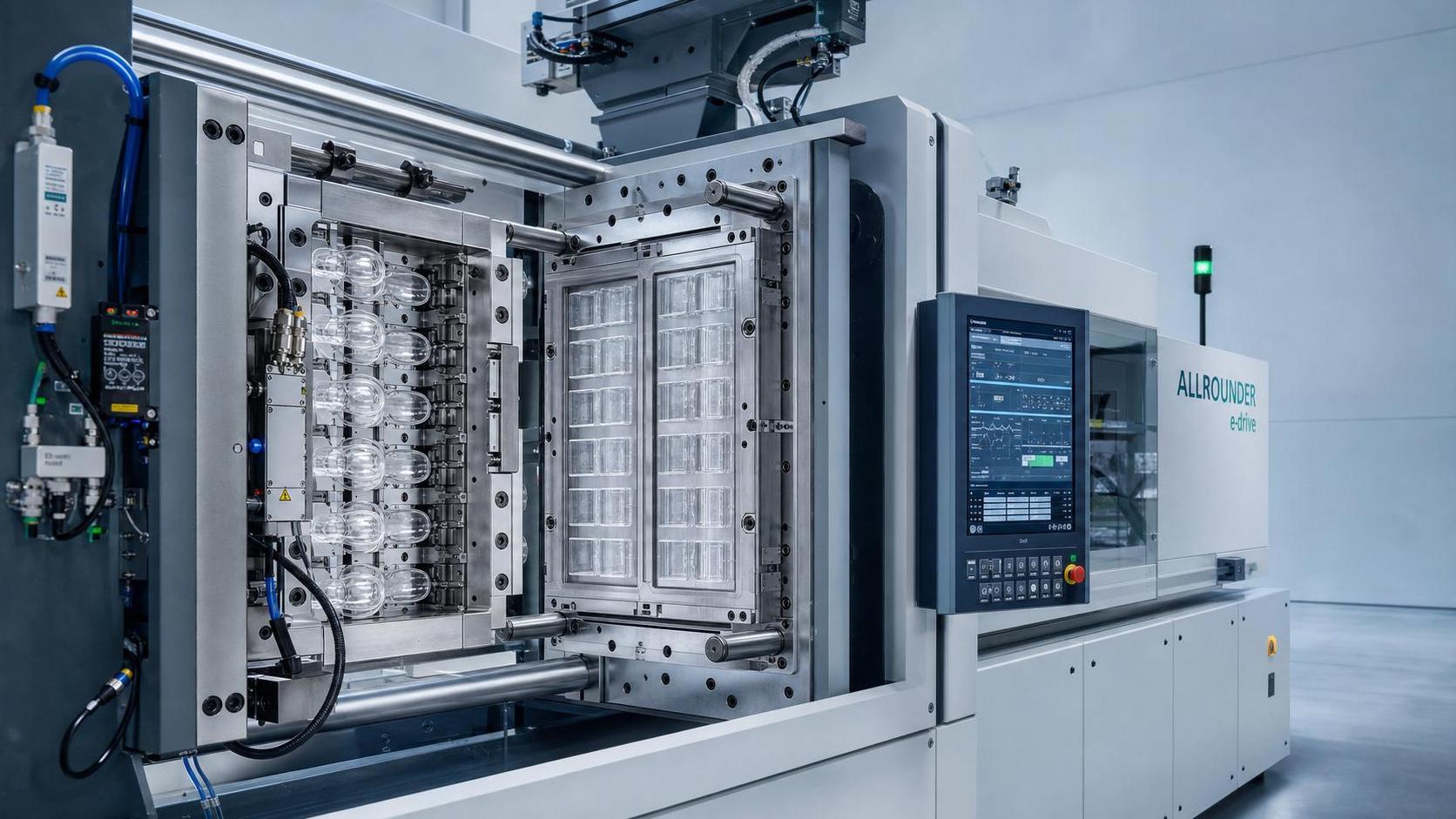
In injection molding, short cycle times can hide unstable melt history. Material trapped in the screw tip, nozzle, or hot runner may degrade even when molded parts still look acceptable.
Thermodynamic reactions in polymers become critical during machine stops, color changes, or high back pressure settings. Burn marks, silver streaks, gas marks, and brittle parts often signal deeper thermal stress.
Extrusion and compounding
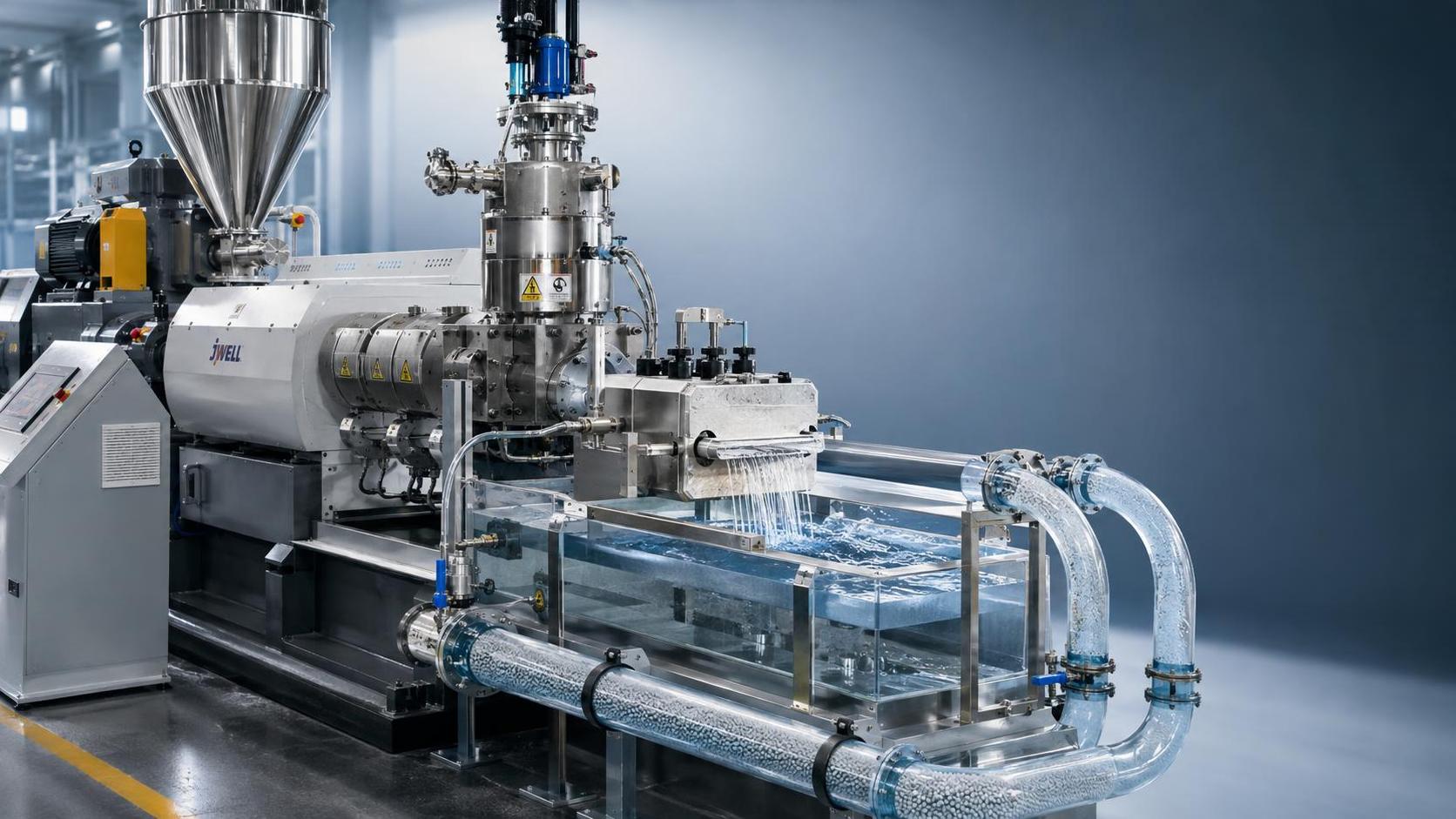
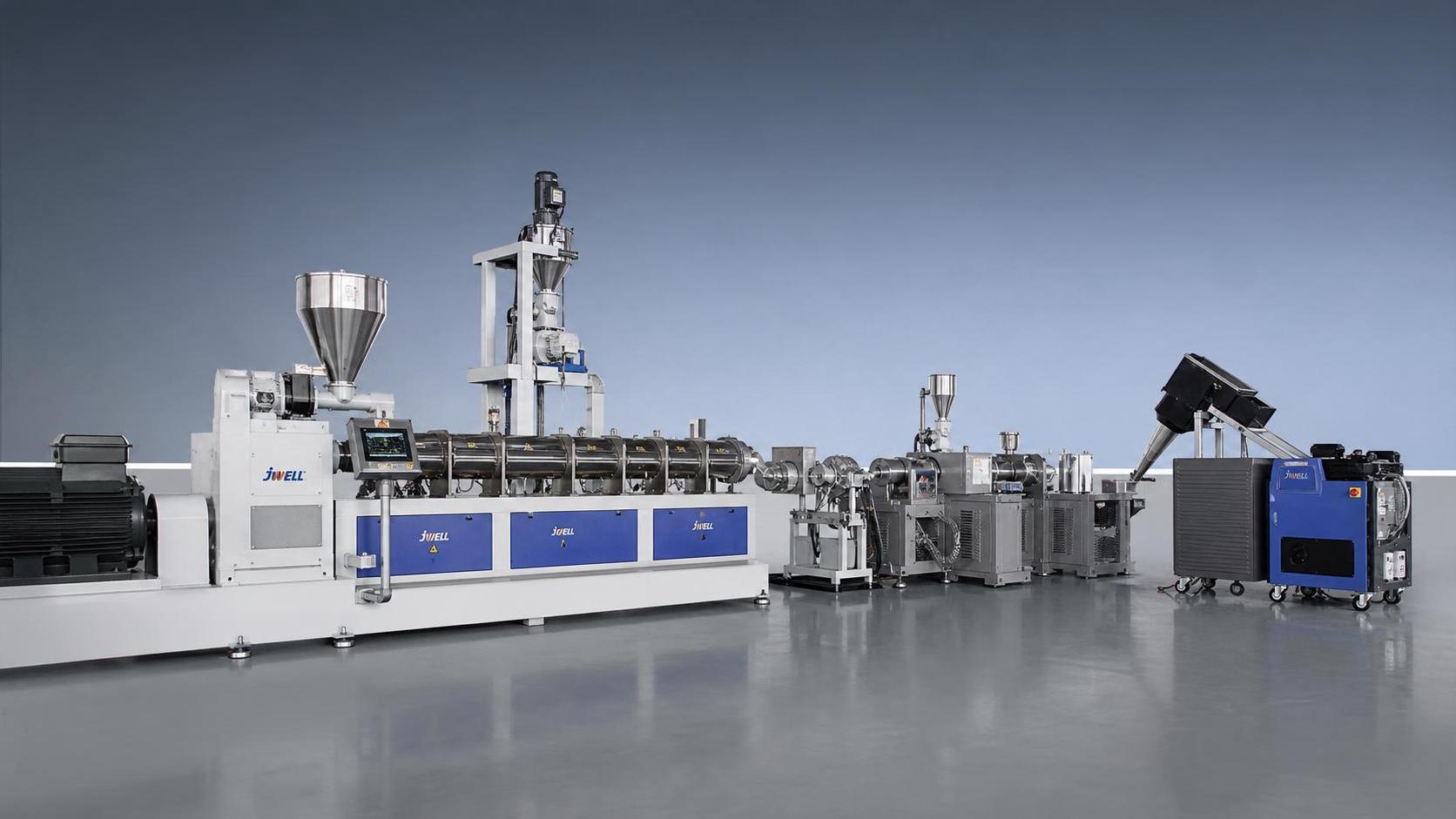
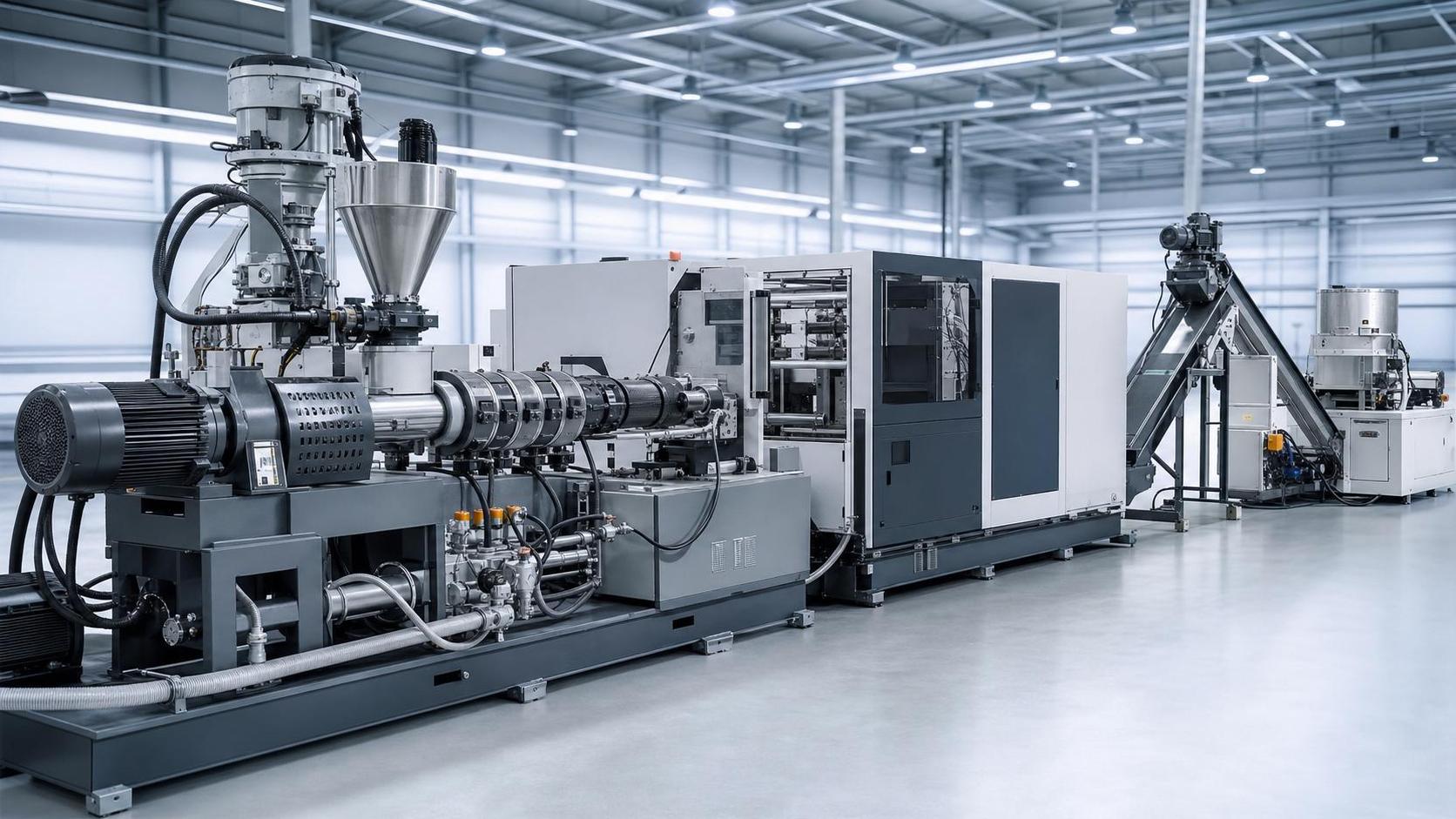
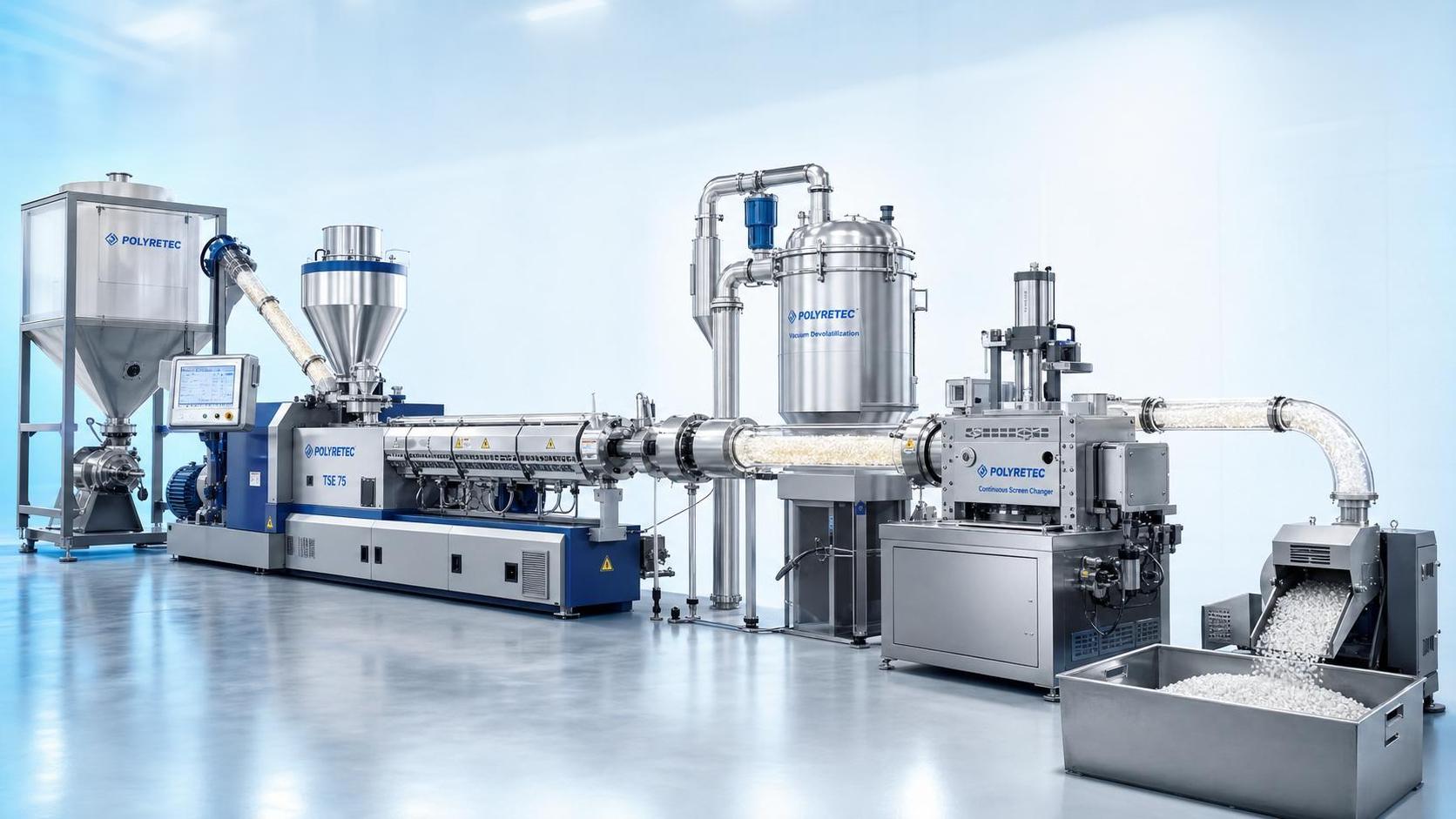
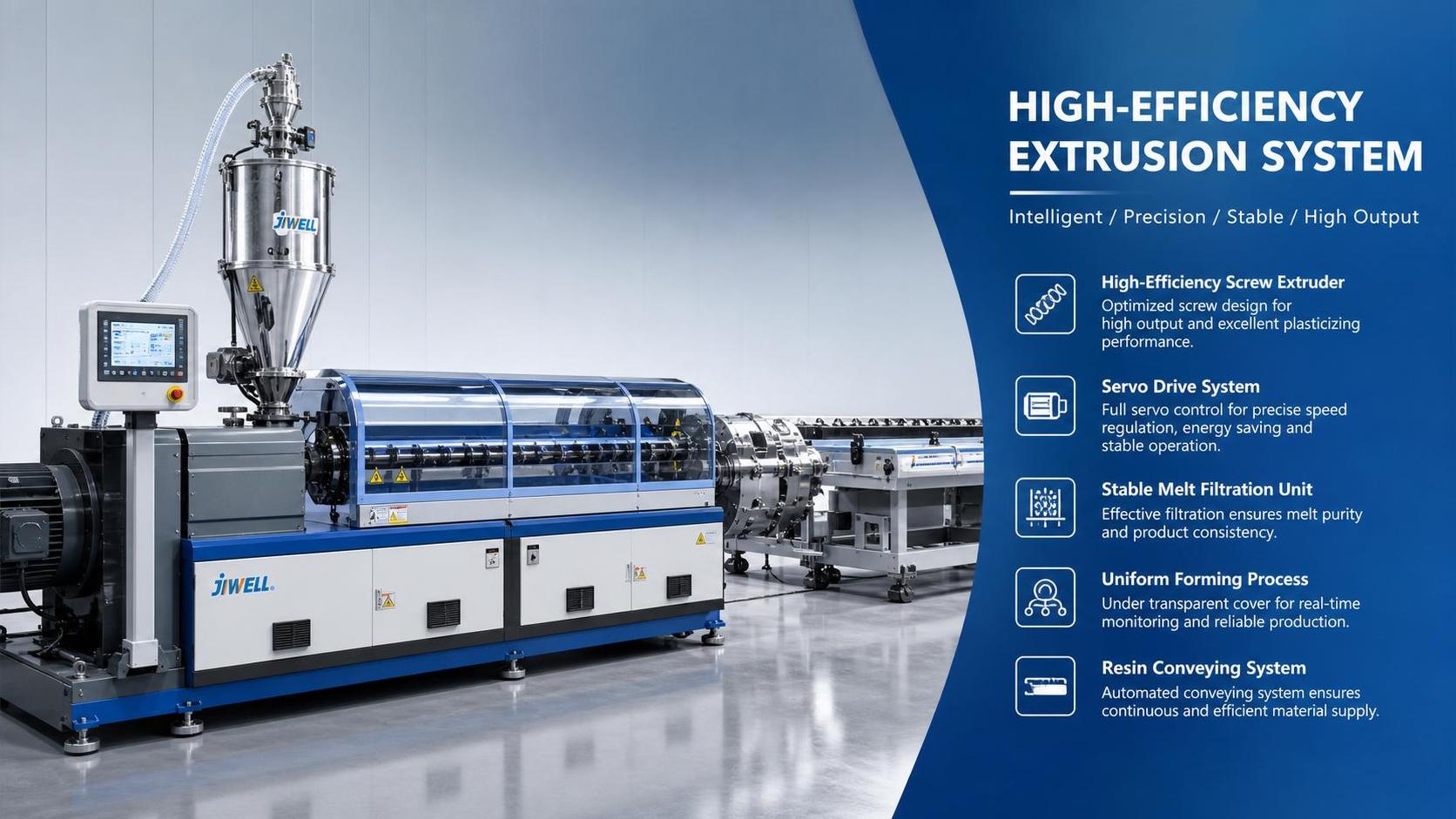
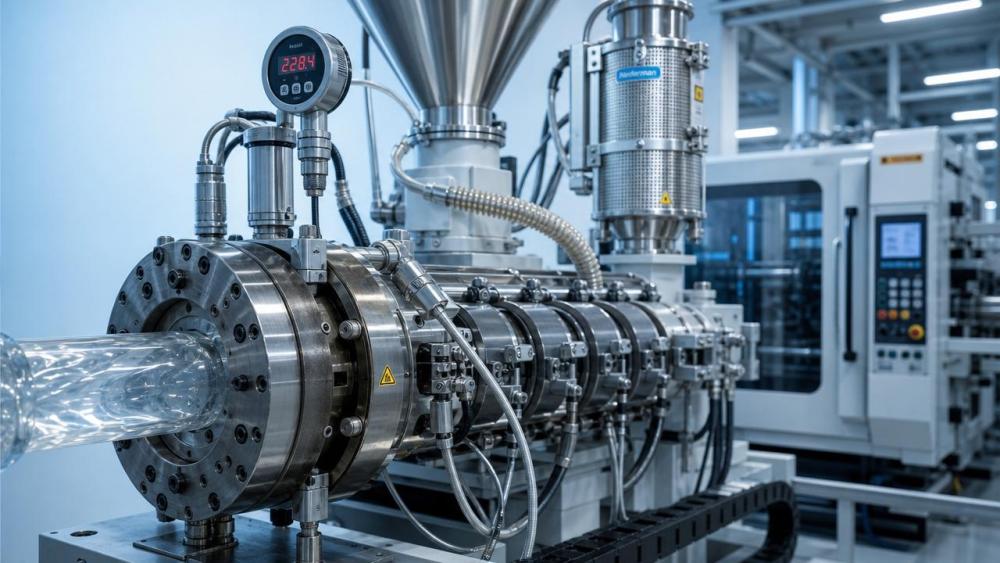
Extruders combine heat, shear, pressure, and residence time continuously. That makes them highly productive, but also highly sensitive to runaway degradation and venting failures.
Twin-screw systems processing fillers, stabilizers, or reactive additives need tighter energy balance control. A small shift in feed rate or screw configuration can intensify thermodynamic reactions in polymers.
Blow molding and packaging lines
Bottle and container production depends on stable melt strength and consistent parison or preform quality. Degraded polymer can weaken packaging, increase scrap, and create sealing failures.
When recycled content is introduced, contamination and variable intrinsic viscosity can alter thermal behavior. Safety control must include incoming material verification, not only machine settings.
Rubber vulcanization
Rubber systems are intentionally reactive. Heat and pressure activate cross-linking, but poor control can cause scorch, trapped gas, uneven cure, or mold fouling.
In this environment, thermodynamic reactions in polymers are part of the product design itself. Process safety therefore depends on precise timing, compound uniformity, and reliable mold temperature control.
Waste plastic recycling and pelletizing
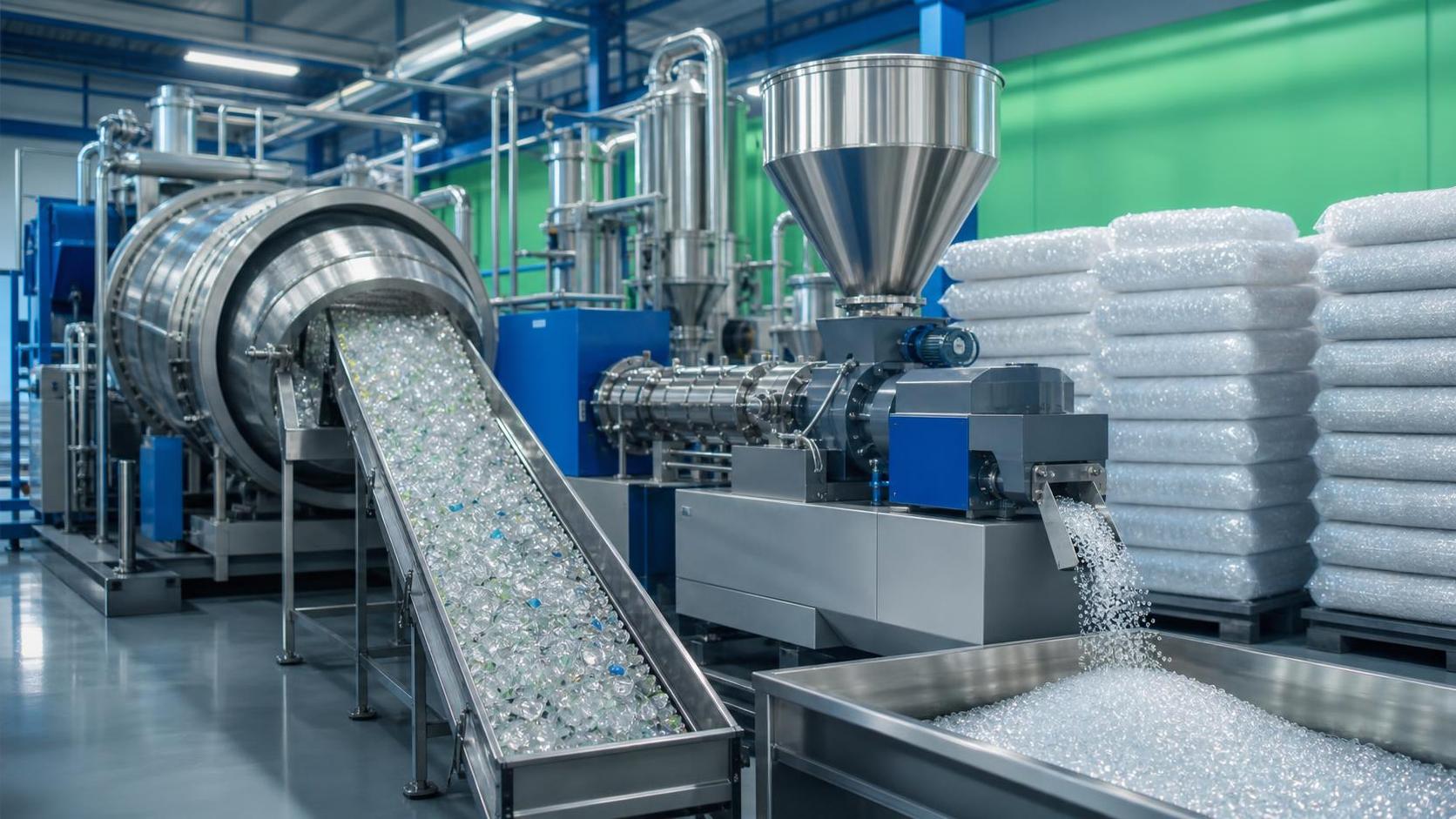
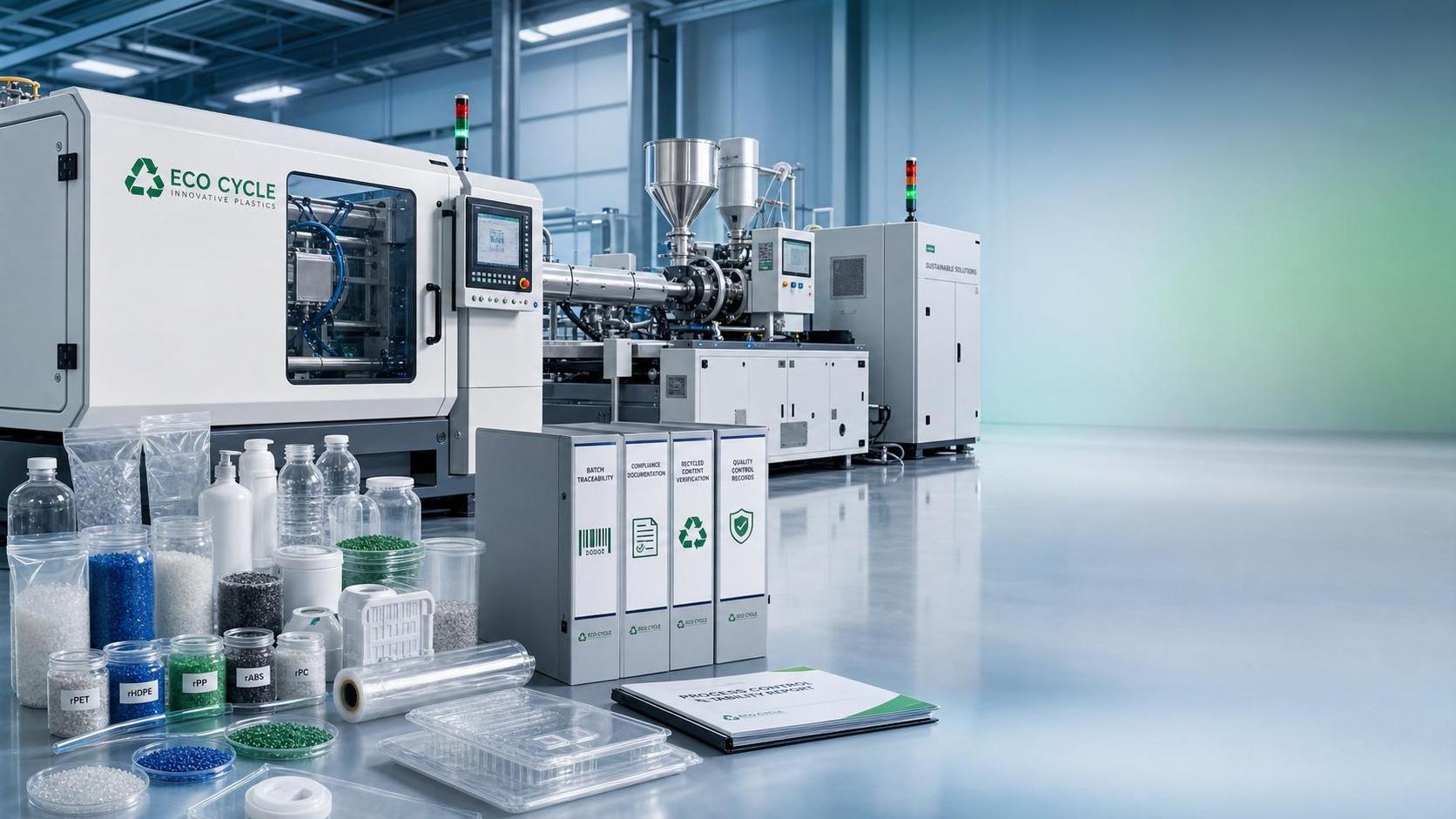
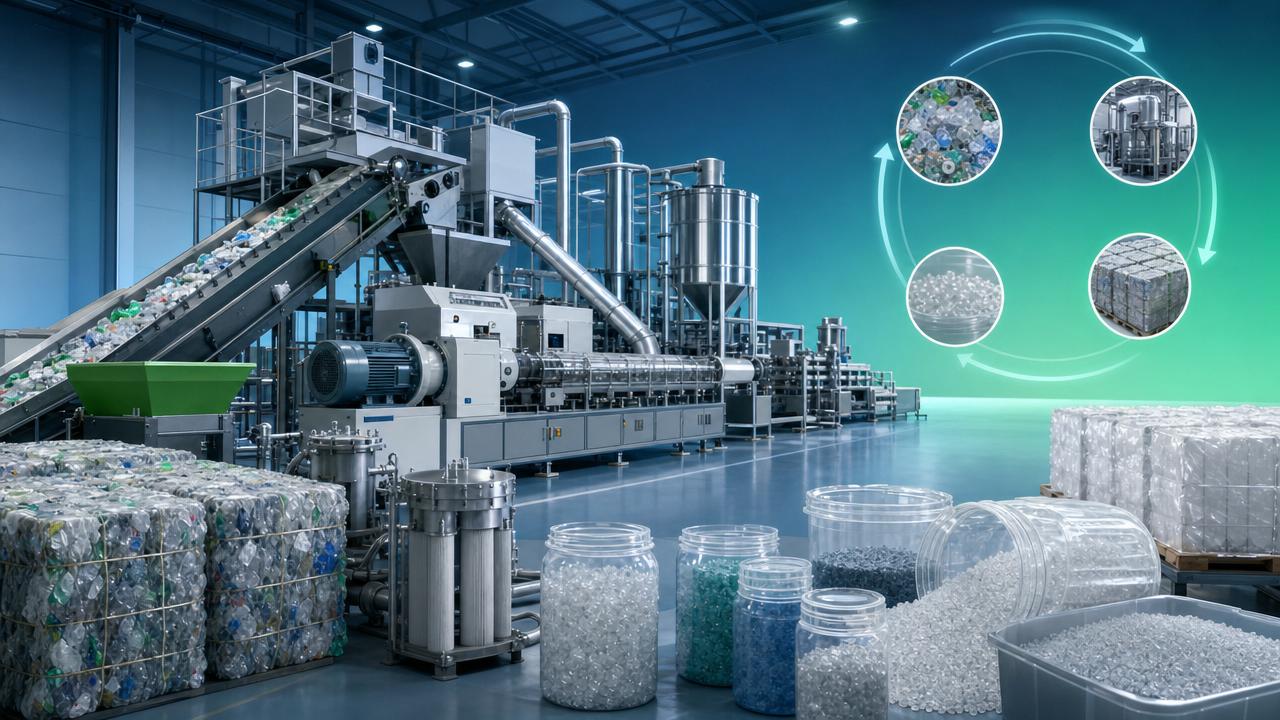
Recycling lines face the widest variation in feedstock. Moisture, labels, metals, paper, residual food, and mixed resins all increase the chance of unstable thermal behavior.
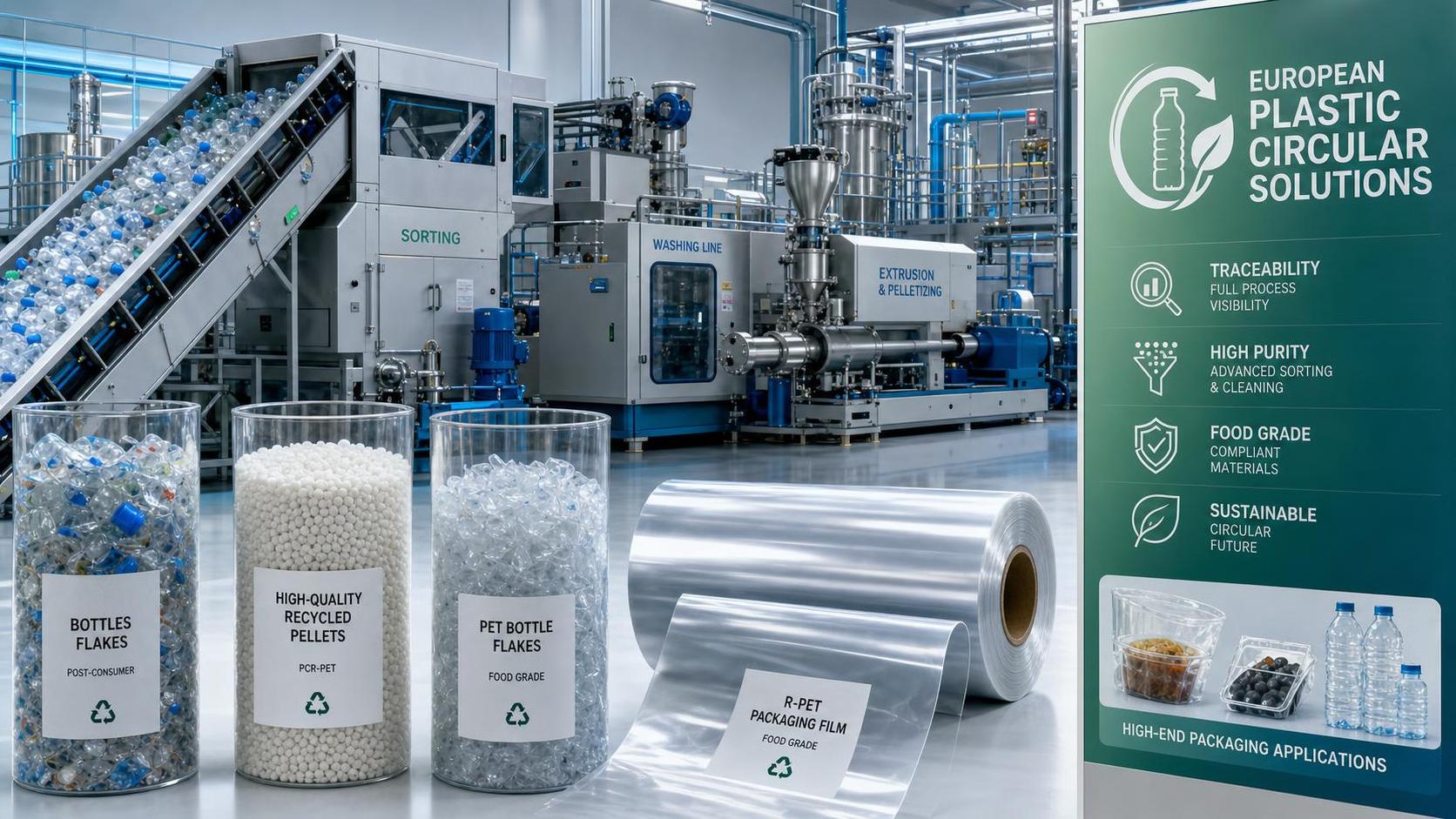
During washing, melting, filtration, and pelletizing, hidden contaminants may release gases or trigger unexpected decomposition. This is where thermodynamic reactions in polymers often become both a safety and quality issue.
Commonly overlooked items that increase process safety risk
Ignoring dead zones
Adapters, check rings, worn screws, corners in manifolds, and old hot runners can hold material longer than expected. These pockets become hotspots for degradation and carbon buildup.
Treating recycled resin like virgin resin
Reprocessed material may have lower stability, broader viscosity distribution, or unknown additive history. Using virgin settings can underestimate thermal sensitivity and gas generation risk.
Relying only on setpoints
Displayed temperatures do not always represent real melt temperature. Shear heating, sensor lag, and poor contact can hide the actual intensity of thermodynamic reactions in polymers.
Underestimating startup and shutdown periods
Most abnormal events occur during transitions. Cold plugs, half-molten material, oxygen entry, and delayed purging create ideal conditions for pressure upset and thermal damage.
Missing fume and odor signals
A sharp odor, unusual haze, or visible smoke should never be treated as normal. These signals may indicate decomposition products that affect worker safety and regulatory compliance.
Practical execution steps for safer control
- Build a resin-specific hazard sheet covering melt range, drying requirements, decomposition behavior, purge method, and emergency response notes.
- Trend actual process data, including melt pressure, motor load, vacuum level, dew point, and scrap appearance, not only basic temperature zones.
- Set alarm thresholds for rate of change. Fast pressure rise or sudden torque increase often predicts dangerous thermodynamic reactions in polymers earlier than fixed limits.
- Validate recycled feedstock with sorting, washing, filtration, and contamination checks before it reaches the extruder or molding machine.
- Review screw, barrel, die, and mold wear regularly. Mechanical wear changes shear patterns and residence time, which directly affects thermal stability.
- Standardize stop-and-hold rules. Define when to purge, lower temperatures, empty barrels, or isolate heat sources during planned and unplanned interruptions.
Summary and next action
The main reason thermodynamic reactions in polymers affect process safety is simple: polymers do not respond to heat, shear, oxygen, and contamination in a linear way. Small deviations can rapidly become pressure events, decomposition, fire hazards, off-spec output, or environmental nonconformance.
A practical next step is to audit one active line using the checklist above. Start with material data, verify actual melt conditions, inspect dead zones, and test shutdown discipline. That single review often reveals where thermodynamic reactions in polymers are already shaping risk, quality, and operating cost.
Related News
- 00
0000-00
Smart Factory Costs for Plastics: Estimating ROI for Automation Projects - 00
0000-00
How to Evaluate a Packaging Molding Equipment Supplier for High-Volume Production - 00
0000-00
Where Recycled Plastic Innovation Delivers the Biggest Value in Packaging - 00
0000-00
How to Evaluate a Tire Curing Equipment Supplier for Capacity, Support, and Uptime - 00
0000-00
How to Size a Servo Injection Molding Press for High-Precision Parts
Weekly Insights
Stay ahead with our curated technology reports delivered every Monday.
Related News
 Prof. Marcus ChenWhere Recycled Plastic Innovation Delivers the Biggest Value in PackagingRecycled plastic innovation delivers the greatest packaging value through proven material loops, reliable processing, compliance readiness, and circular design.Oct 08, 2026
 Prof. Marcus ChenEnergy-Efficient Polymer Processing: Where Plants Can Cut kWh per KilogramEnergy-efficient polymer processing solutions help plants reduce kWh per kilogram, protect quality, cut scrap, and prioritize upgrades with data-driven insights.Sep 23, 2026
 Prof. Marcus ChenPlastic Pelletizing Trends: How Recycling Demand Is Reshaping Processing TechnologyPlastic pelletizing trends are redefining recycling quality. Explore filtration, extrusion, degassing, and automation innovations driving cleaner, more consistent recycled resin.Sep 07, 2026
 Prof. Marcus ChenHow Polymer Supply Chains Are Changing to Support High-Quality Recycling FeedstockPolymer supply chain for recycling is shifting toward traceable sourcing, cleaner sorting, and stable processing. See how high-quality feedstock improves performance, compliance, and cost control.Aug 22, 2026
 Prof. Marcus ChenHow Europe’s Circular Plastics Economy Is Reshaping Recycling InvestmentCircular plastics economy Europe is reshaping recycling investment through quality, traceability, and packaging demand. Explore where capital is moving and why it matters now.Aug 04, 2026
 Prof. Marcus ChenBlow Molding Trends Shaping Packaging, Sustainability, and Production EfficiencyBlow molding trends are redefining packaging with lightweighting, recycled content, automation, and energy efficiency. Discover how smarter production boosts sustainability and cuts costs.Jul 23, 2026
 Prof. Marcus ChenExtrusion Equipment Modular Design: When It Makes Sense for Line ExpansionExtrusion equipment modular design helps manufacturers expand lines in phases, cut disruption, and stay ready for recycled content, utility limits, and changing product demands.Jul 15, 2026
 Prof. Marcus ChenPolymer Lifecycle Solutions Explained: From Material Sourcing to End-of-Life RecoveryPolymer lifecycle solutions explained from sourcing and processing to recycling and recovery. Discover how to cut waste, improve quality, and build smarter material strategies.Jul 13, 2026
 Prof. Marcus ChenEnergy-Efficient Polymer Processing Systems: Which Metrics Matter Most?Energy-efficient polymer processing systems: discover the metrics that truly drive ROI—specific energy use, yield, uptime, stability, and compliance for smarter equipment decisions.Jul 11, 2026
 Prof. Marcus ChenPolymer Recycling Systems for Continuous Operation: What to Check Before SpecifyingPolymer recycling systems continuous operation starts with the right specification. Learn what to check for uptime, melt quality, energy efficiency, and reliable pellet output.Jul 09, 2026
 Prof. Marcus ChenCircular Plastics Economy in Japan: Policy Drivers, Recycling Targets, and Market ImpactCircular plastics economy Japan is accelerating as policy, recycling targets, and packaging reforms reshape material choices, processing strategy, and market advantage.Jul 05, 2026
 Prof. Marcus ChenPlastic Extrusion Technology Trends: What Process Changes Are Improving Energy Efficiency?Plastic extrusion technology trends are reshaping energy efficiency through smarter screws, thermal control, servo drives, and digital optimization. See which process changes deliver lower costs and more stable output.Jul 01, 2026
 Prof. Marcus ChenInjection Molding Technology Trends: Which Process Changes Matter Most for Medical and Packaging Parts?Injection molding technology trends shaping medical and packaging parts: discover the process changes that improve validation, precision, efficiency, and recycled-material readiness.Jun 30, 2026
 Prof. Marcus ChenCircular Plastics Economy Compliance Explained: Key Requirements for ManufacturersCircular plastics economy compliance explained for manufacturers: learn key requirements, audit risks, process controls, and how to turn compliance into a competitive advantage.Jun 25, 2026
 Prof. Marcus ChenAdvanced Materials Processing Trends: 5 Shifts Reshaping Capacity Planning and SourcingAdvanced materials processing trends are reshaping capacity planning, sourcing, recycling, and compliance. Explore 5 shifts helping manufacturers cut risk, improve precision, and build resilient growth.Jun 24, 2026
 Prof. Marcus ChenGlobal Plastic Ban Trends: Which Packaging Materials and Export Markets Face the Biggest Changes?Global plastic ban trends are reshaping packaging choices and export strategy. See which materials and markets face the biggest shifts, and how to reduce compliance risk.Jun 22, 2026
 Prof. Marcus ChenPolymer Rheology Trends That Matter in Extrusion: Melt Strength, Shear, and StabilityPolymer rheology trends are reshaping extrusion performance. Learn how melt strength, shear, and stability affect quality, efficiency, and recycled resin processing.Jun 18, 2026
 Prof. Marcus ChenPlastic Circularity Strategies for Manufacturers: Recycled Content, Design, and TraceabilityPlastic circularity strategies for manufacturers: learn how recycled content, smarter design, and traceability can reduce risk, improve compliance, and strengthen supply resilience.Jun 18, 2026
 Prof. Marcus ChenAdvanced Materials Processing Equipment in High-Performance Manufacturing: Where It Fits BestAdvanced materials processing equipment drives precision, speed, and sustainability in manufacturing. Explore where each system fits best to improve quality, efficiency, and ROI.Jun 16, 2026
 Prof. Marcus ChenWhat Is Driving the Circular Economy Plastics Market? Policy, Pricing, and Demand ShiftsCircular economy plastics market trends are being driven by tighter policy, resin price volatility, and stricter buyer demands. Discover what this means for sourcing, processing, and growth.Jun 13, 2026