What polymer molding scientists are changing in 2026




In 2026, polymer molding scientists are reshaping how manufacturers balance precision, speed, and sustainability across injection molding, extrusion, blow molding, vulcanization, and recycling. For information researchers tracking material innovation and compliance shifts, this field now shows how AI control, energy-efficient equipment, and circular processing connect product quality with regulatory resilience.
Why polymer molding scientists need a checklist view in 2026

The pace of change is no longer limited to machine upgrades. It now includes software models, carbon reporting, recycled feedstock stability, and global packaging rules.
That is why a checklist matters. It helps translate broad innovation into practical signals across equipment, process windows, material behavior, and compliance risk.
For sectors connected to polymer conversion, polymer molding scientists increasingly influence not only product geometry, but also energy intensity, scrap rates, and closed-loop material recovery.
Core checklist: what polymer molding scientists are changing in 2026
- Prioritize AI process control that adjusts holding pressure, screw speed, cooling time, and melt temperature in real time to reduce variation and stabilize part quality.
- Evaluate all-electric and servo-driven platforms first, because energy efficiency now affects total cost, emissions reporting, and qualification for green packaging programs.
- Track melt rheology more closely, especially for recycled blends, filled compounds, and bio-based resins that behave differently under shear, pressure, and residence time.
- Use digital twins and CFD modeling to predict flow imbalance, dead zones, venting limits, and thermal hotspots before physical tooling changes are approved.
- Redesign molds and dies for lower scrap, faster cooling, and easier maintenance, since tooling now has direct impact on uptime, repeatability, and material waste.
- Integrate inline sensors for pressure, moisture, torque, and contamination so process deviations are detected early instead of appearing later as rejects or returns.
- Expand compatibility with recycled polymers, including filtration, degassing, and pellet consistency controls that protect downstream molding stability and finish quality.
- Compare cycle time gains against part performance, because faster output is no longer accepted if it increases warpage, stress whitening, or barrier failure.
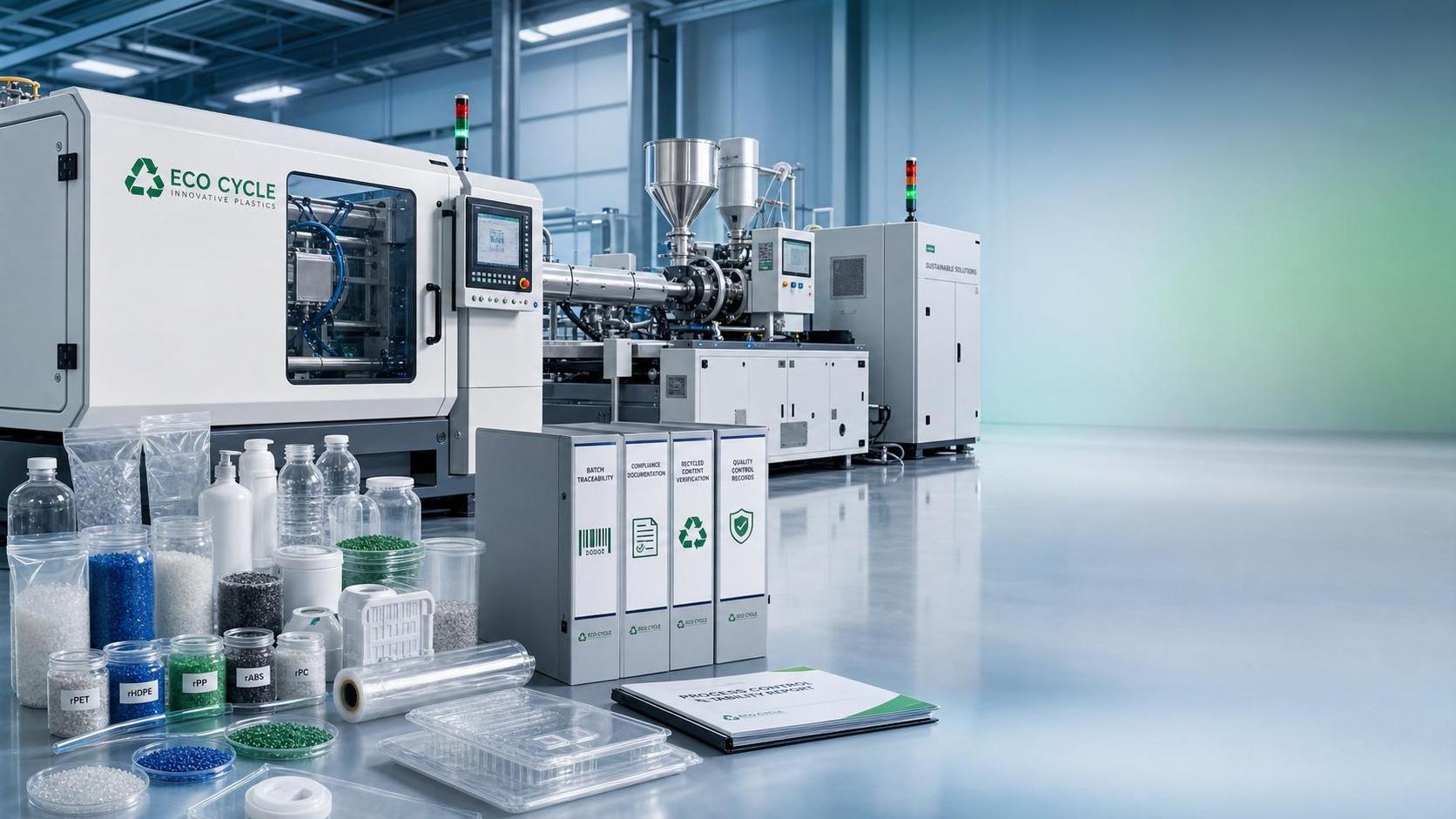
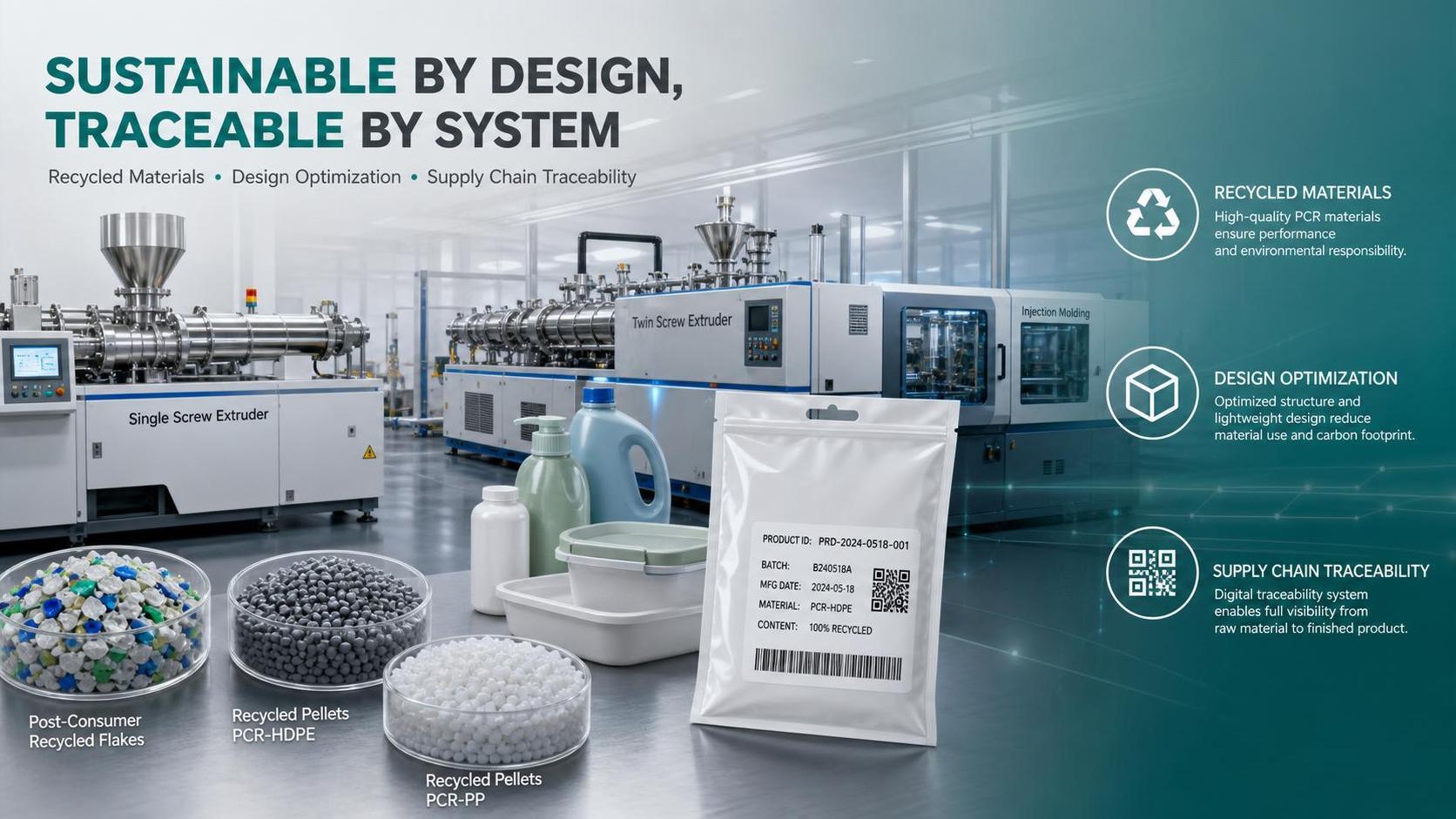
- Map process settings to packaging and environmental compliance requirements, especially where traceability, food contact, and recycled content claims must be verified.
- Connect molding, extrusion, vulcanization, and recycling data into one operational view, enabling faster root-cause analysis across the full polymer lifecycle.
How these changes appear across major polymer processing scenarios
Injection molding
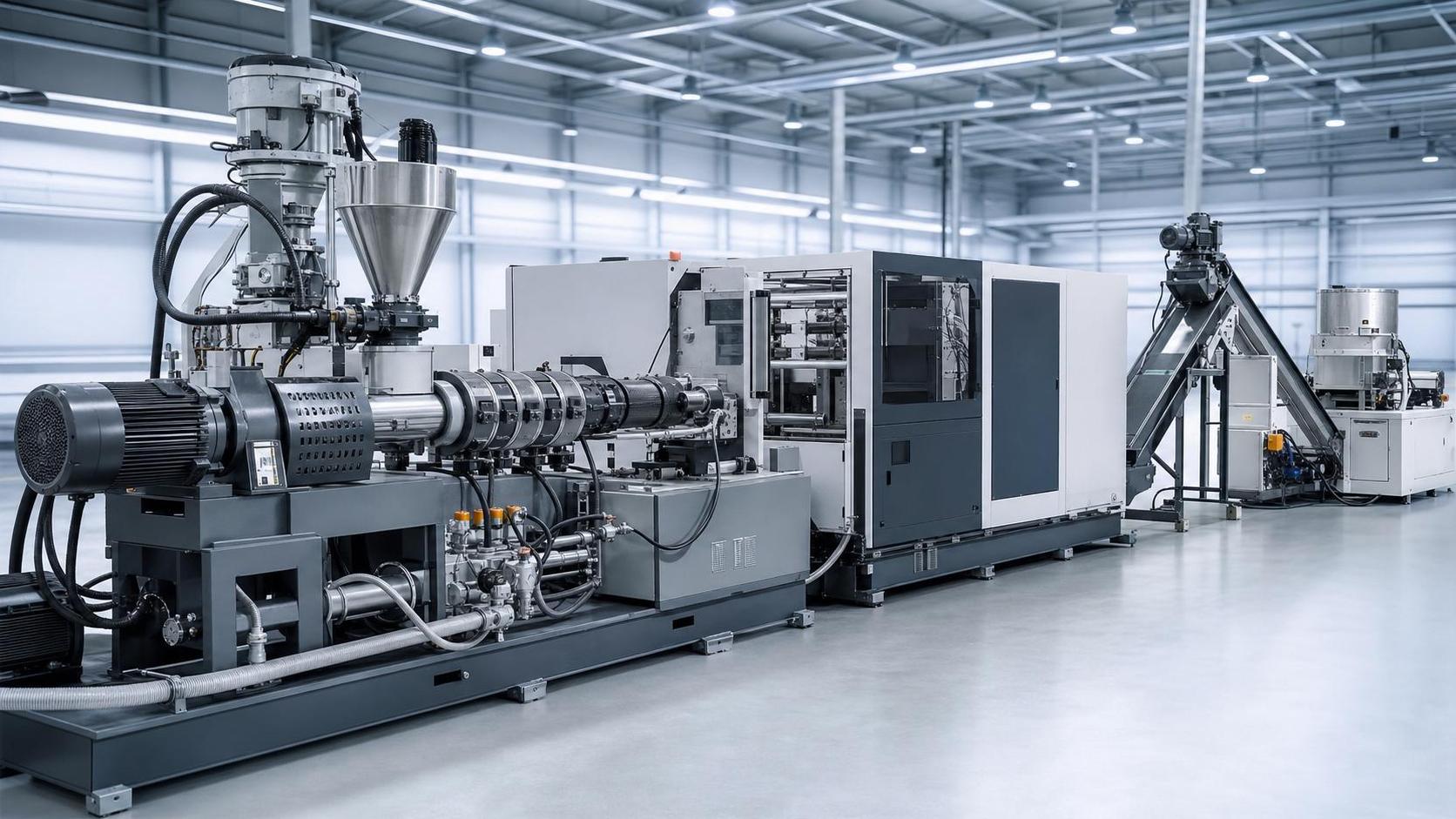
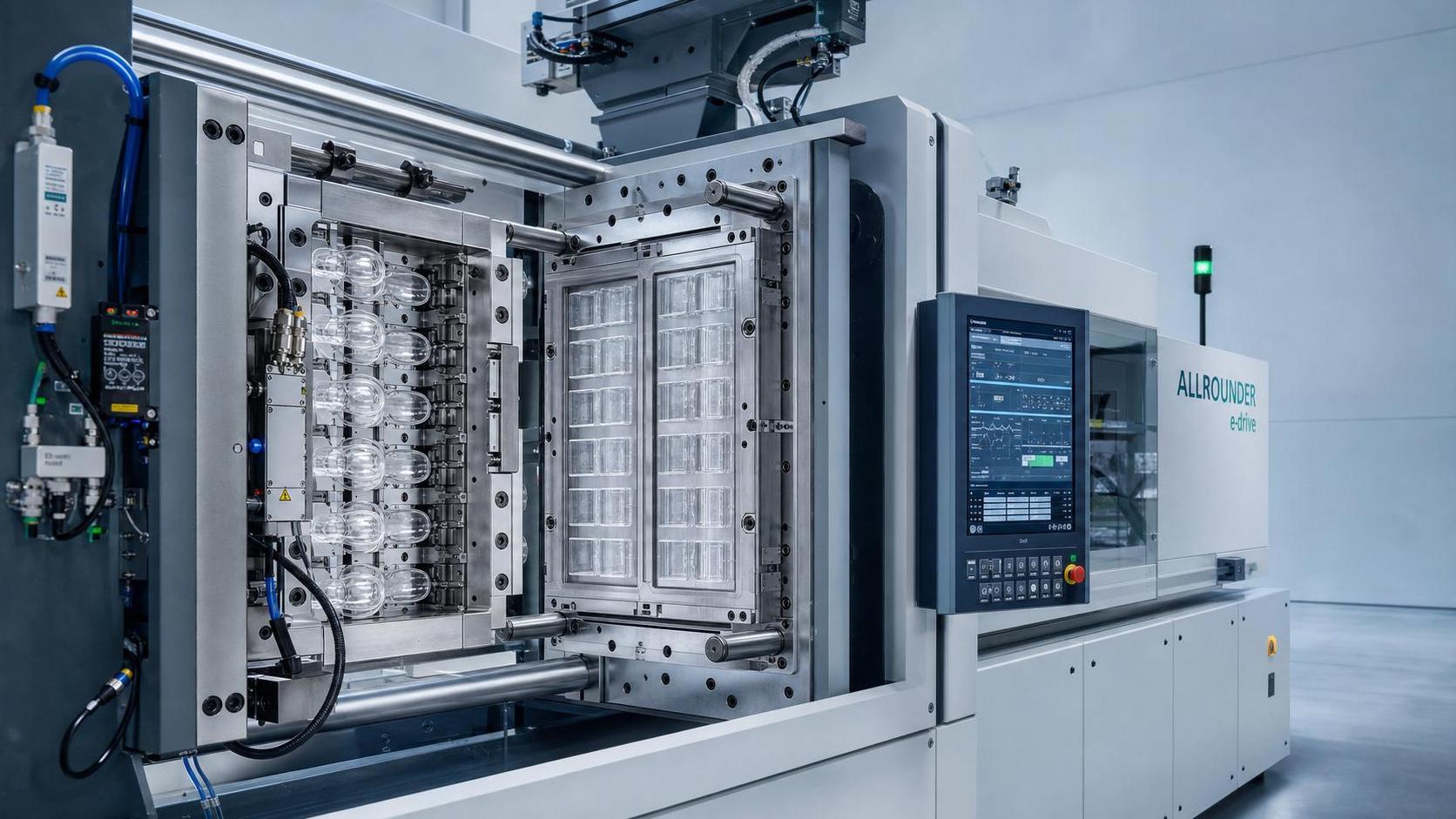
In injection molding, polymer molding scientists are shifting attention from single-parameter tuning to adaptive control. Pressure curves, cavity balance, and cooling behavior are increasingly optimized together.
This matters for medical parts, automotive interiors, optical items, and thin-wall packaging, where micron-level deviation can affect function, appearance, or downstream assembly.
Extrusion and compounding
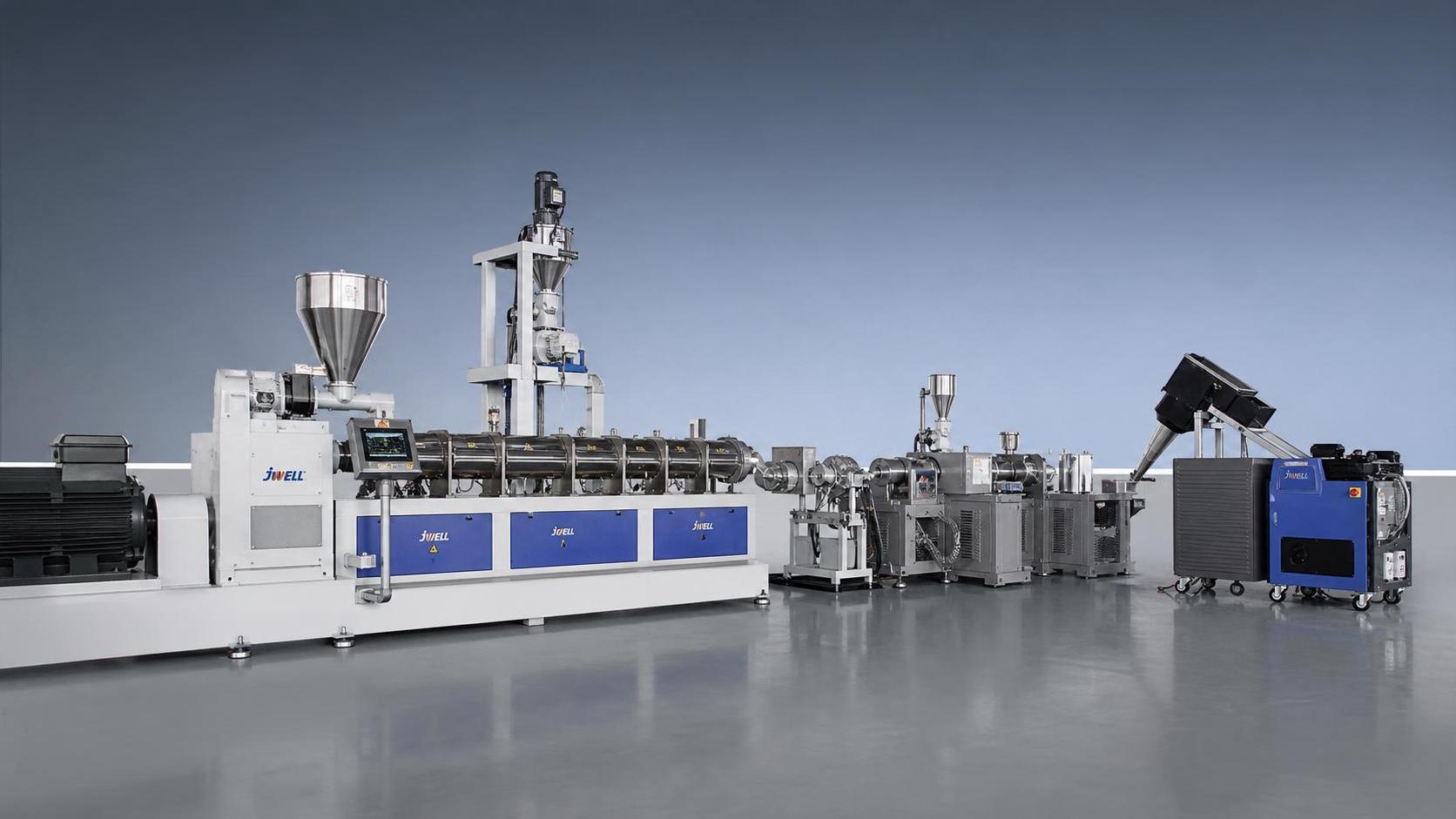
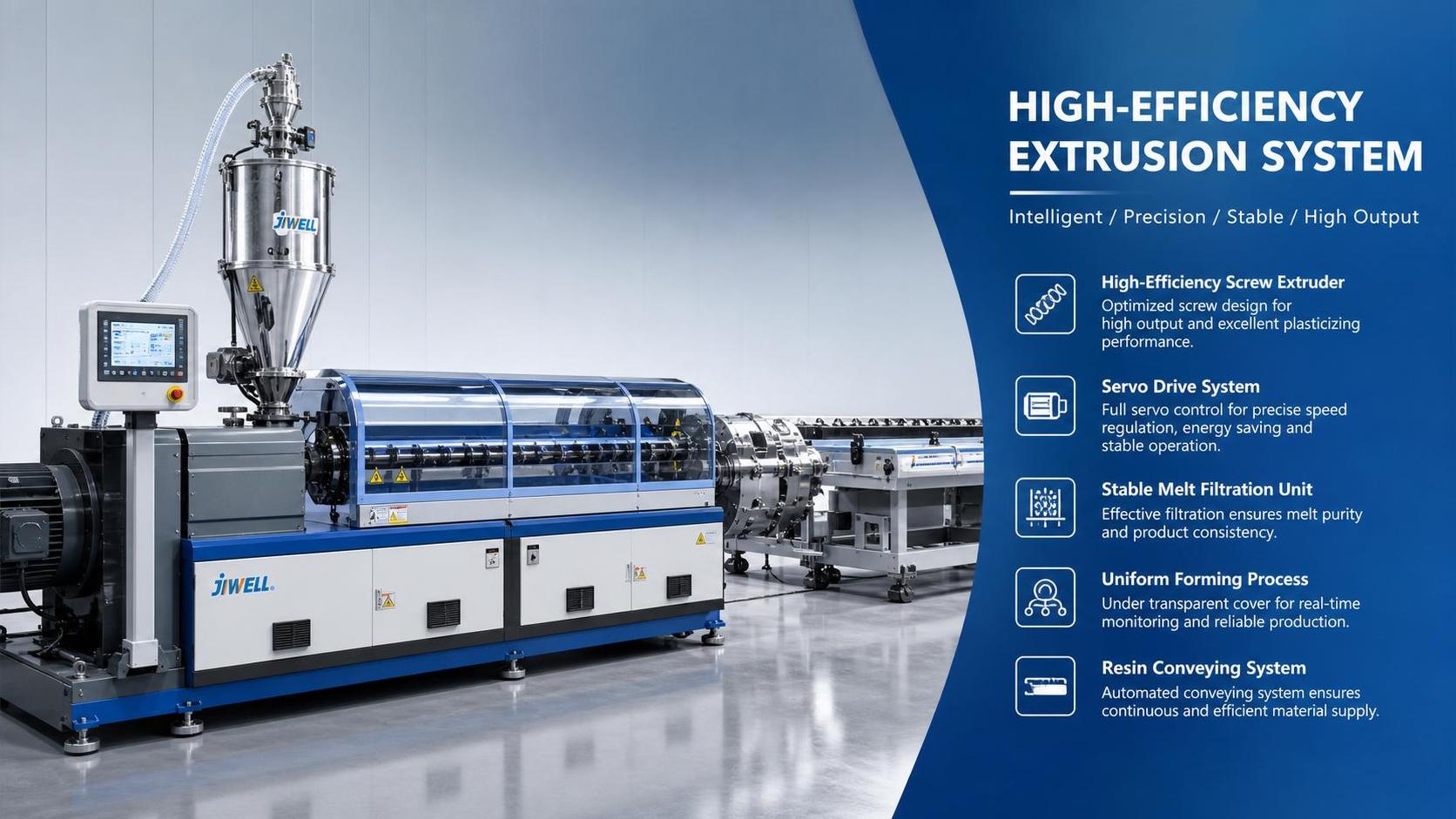
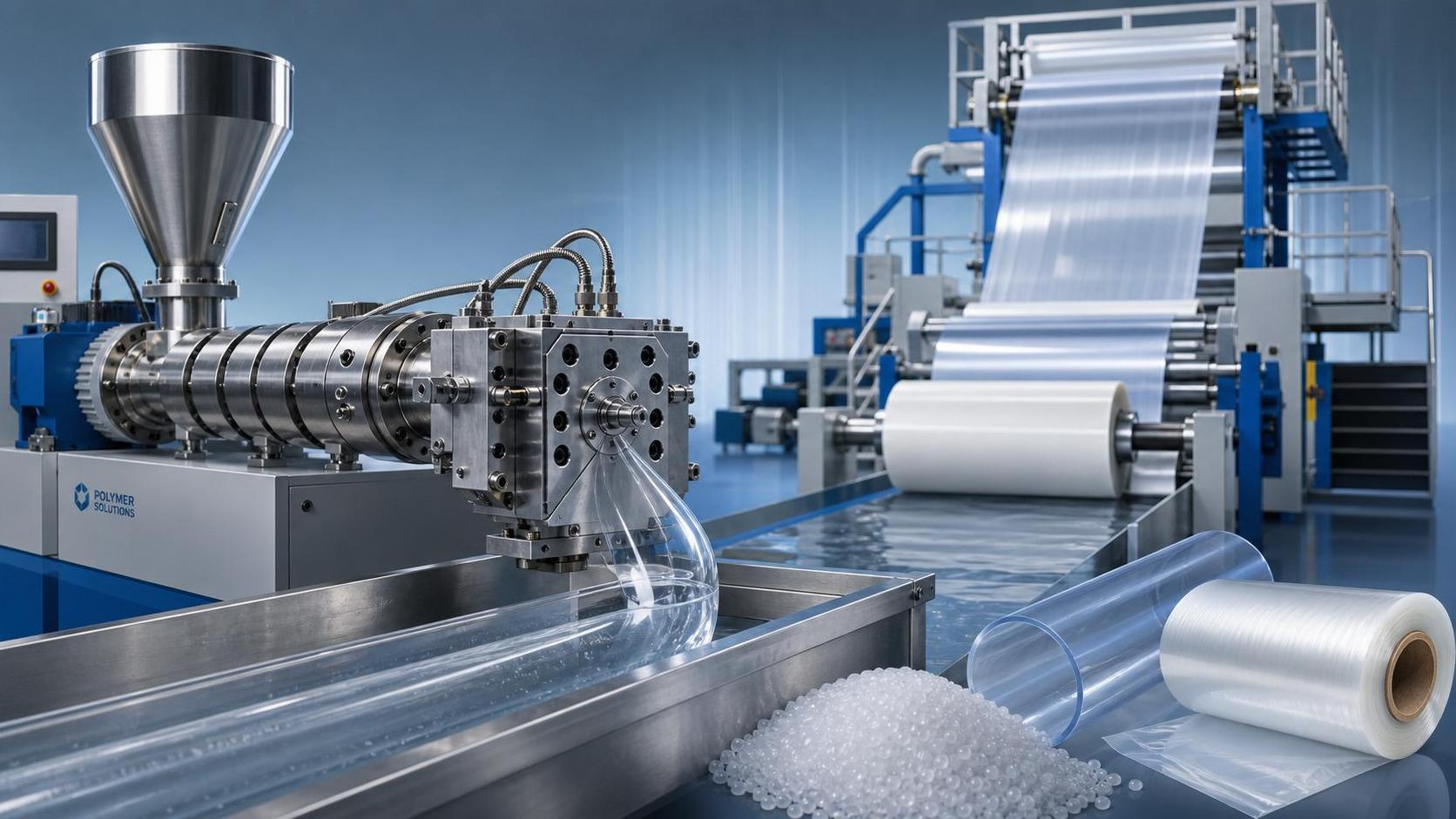
In extrusion, scientists are refining screw design, mixing zones, and venting strategies to process more complex formulations without sacrificing throughput or melt homogeneity.
Twin-screw systems are becoming smarter through torque monitoring, viscosity prediction, and contamination filtering, especially for film, pipe, sheet, and recycled compound lines.
Blow molding and packaging
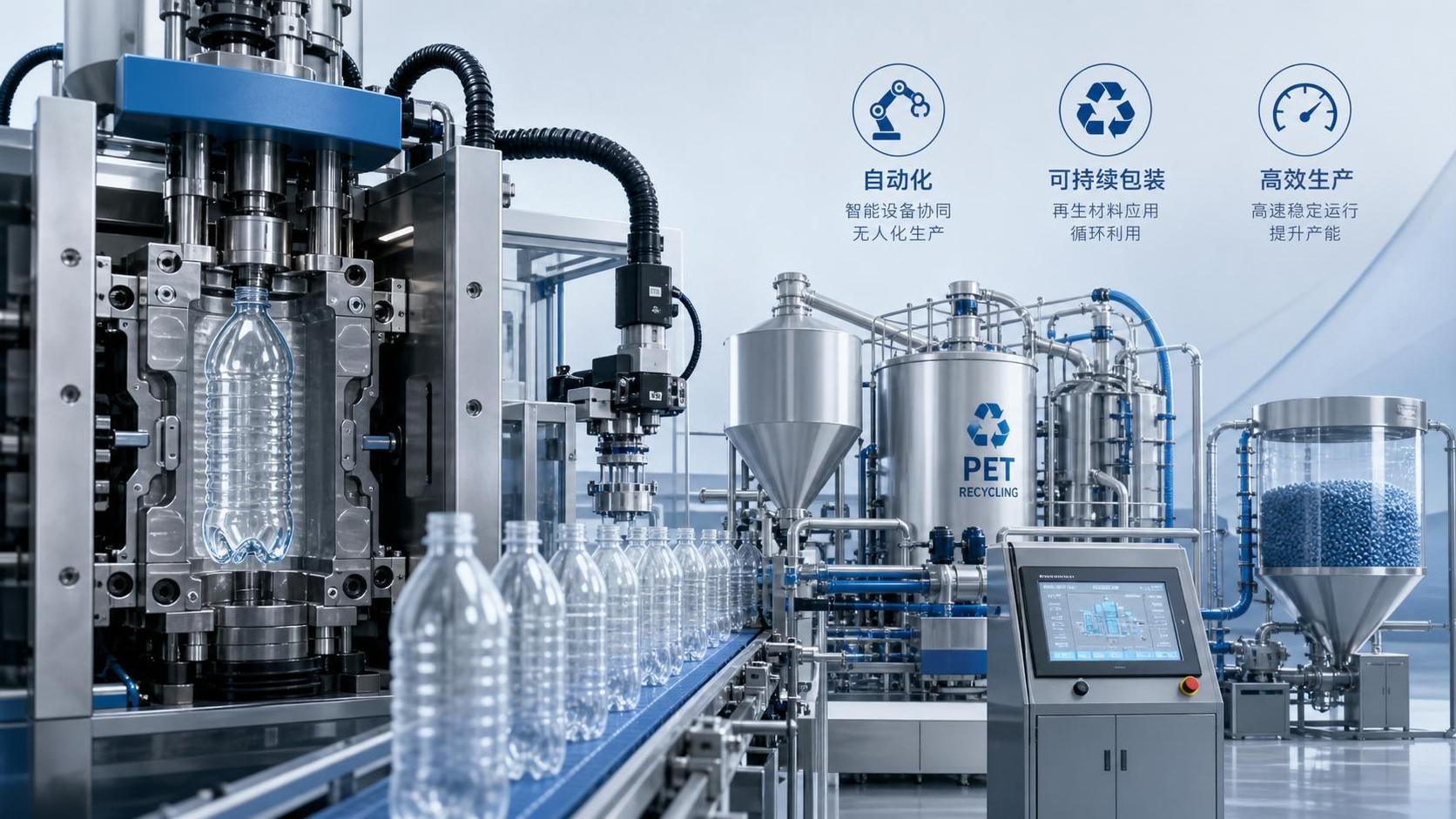
For blow molding, the major change is consistency under speed. Bottle weight distribution, stretch ratios, and thermal profiles must remain stable while recycled content increases.
That makes polymer molding scientists central to packaging strategy, because they help align lightweighting, barrier performance, and compliance with circular economy targets.
Rubber vulcanization
In vulcanization, the focus is moving toward precise thermal history control. Cross-linking must be uniform, or durability, sealing performance, and safety margins can decline.
Sensor-driven presses and simulation tools now help reduce cure inconsistency, shorten setup time, and improve repeatability for tires, seals, and industrial elastomer components.
Plastic recycling and pelletizing
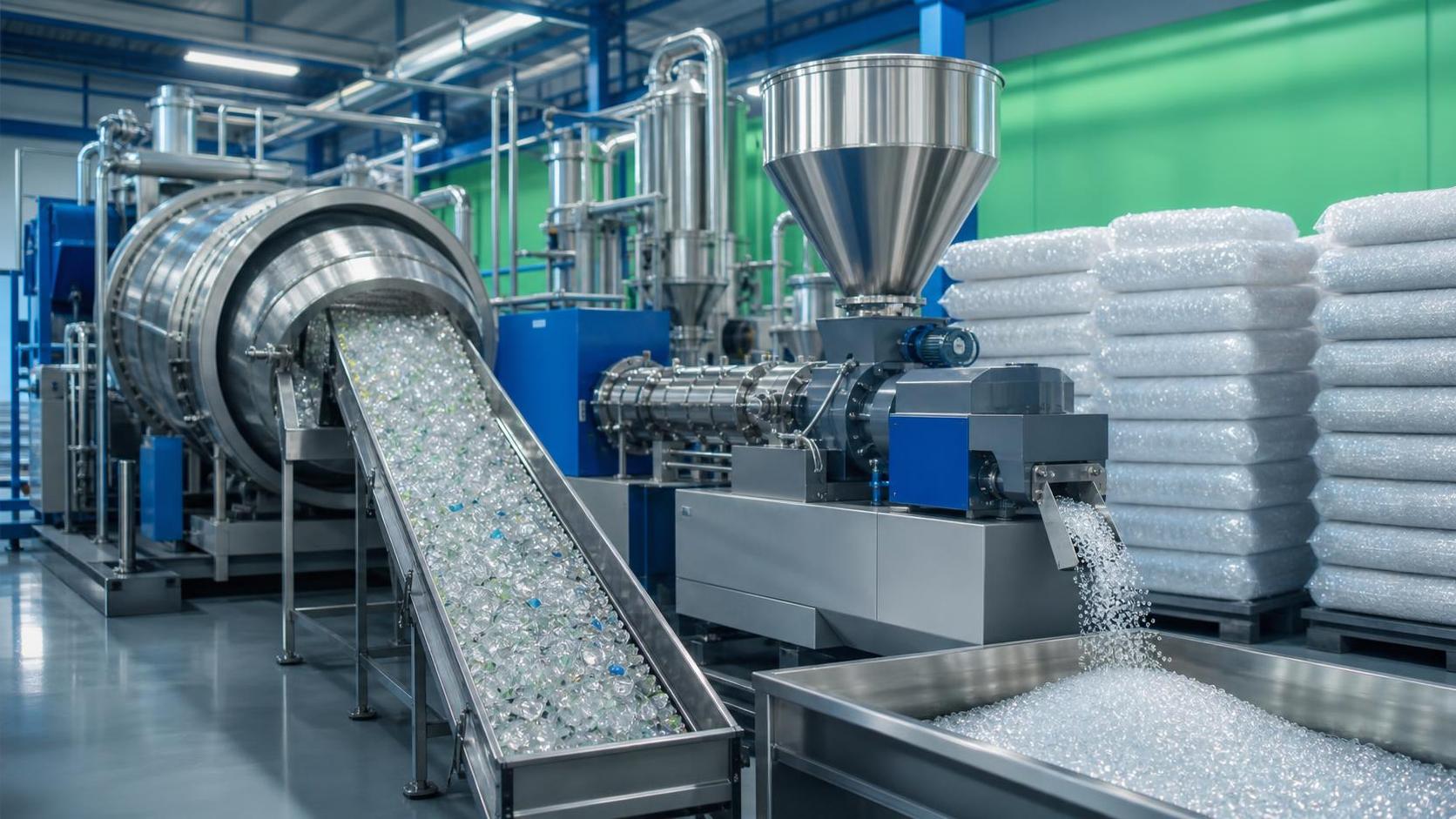
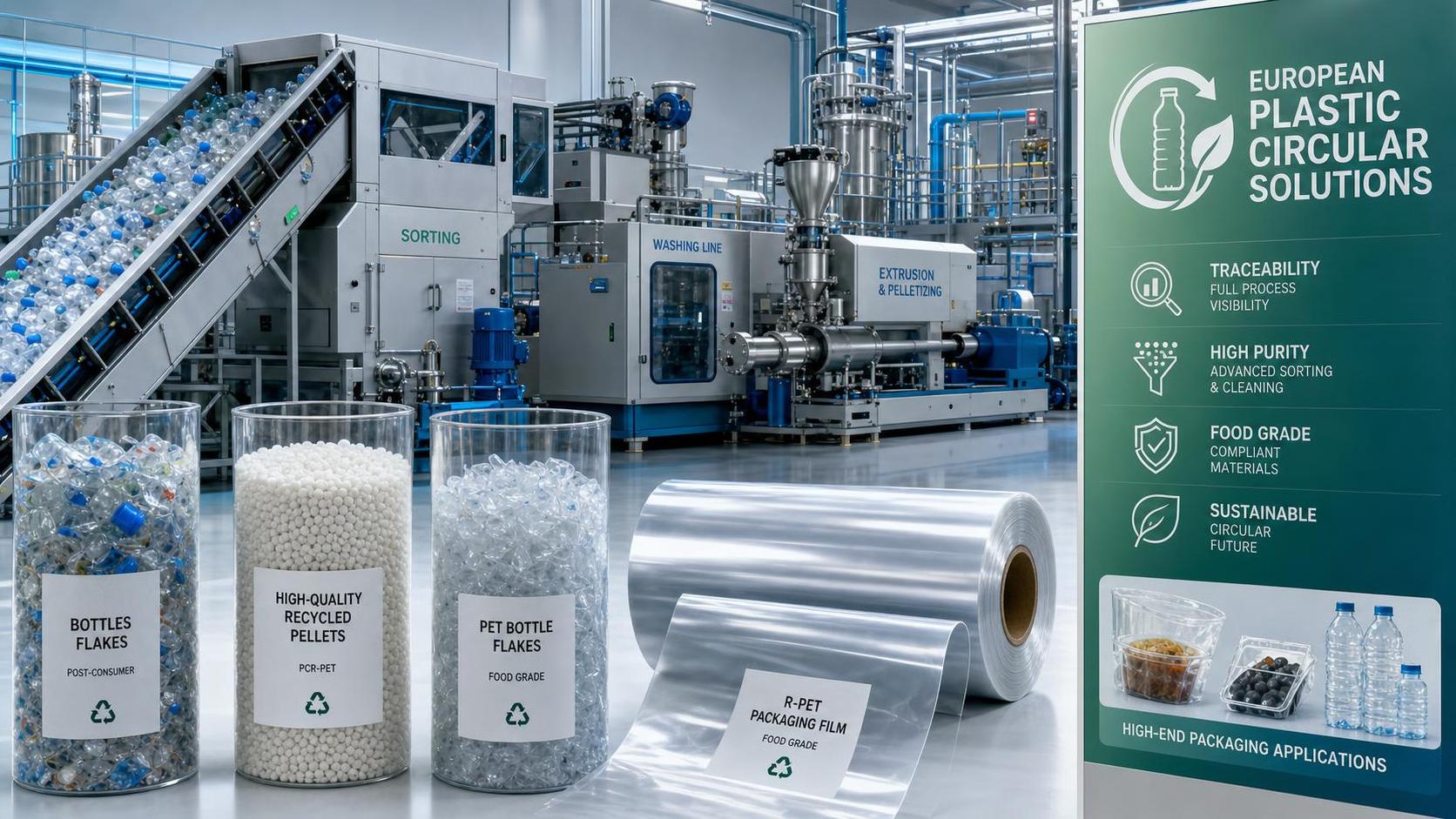
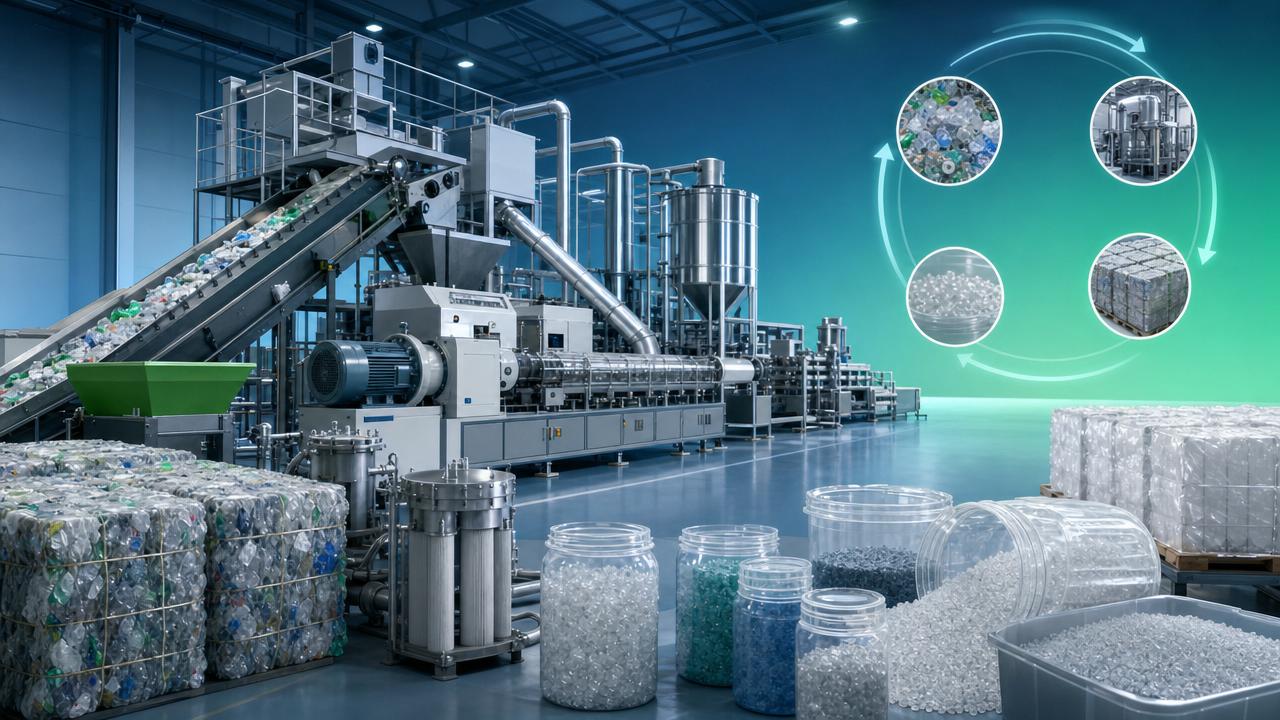
Recycling is no longer a separate end-of-pipe activity. It is becoming part of mainstream process planning, especially where in-house scrap and post-consumer inputs must be reused.
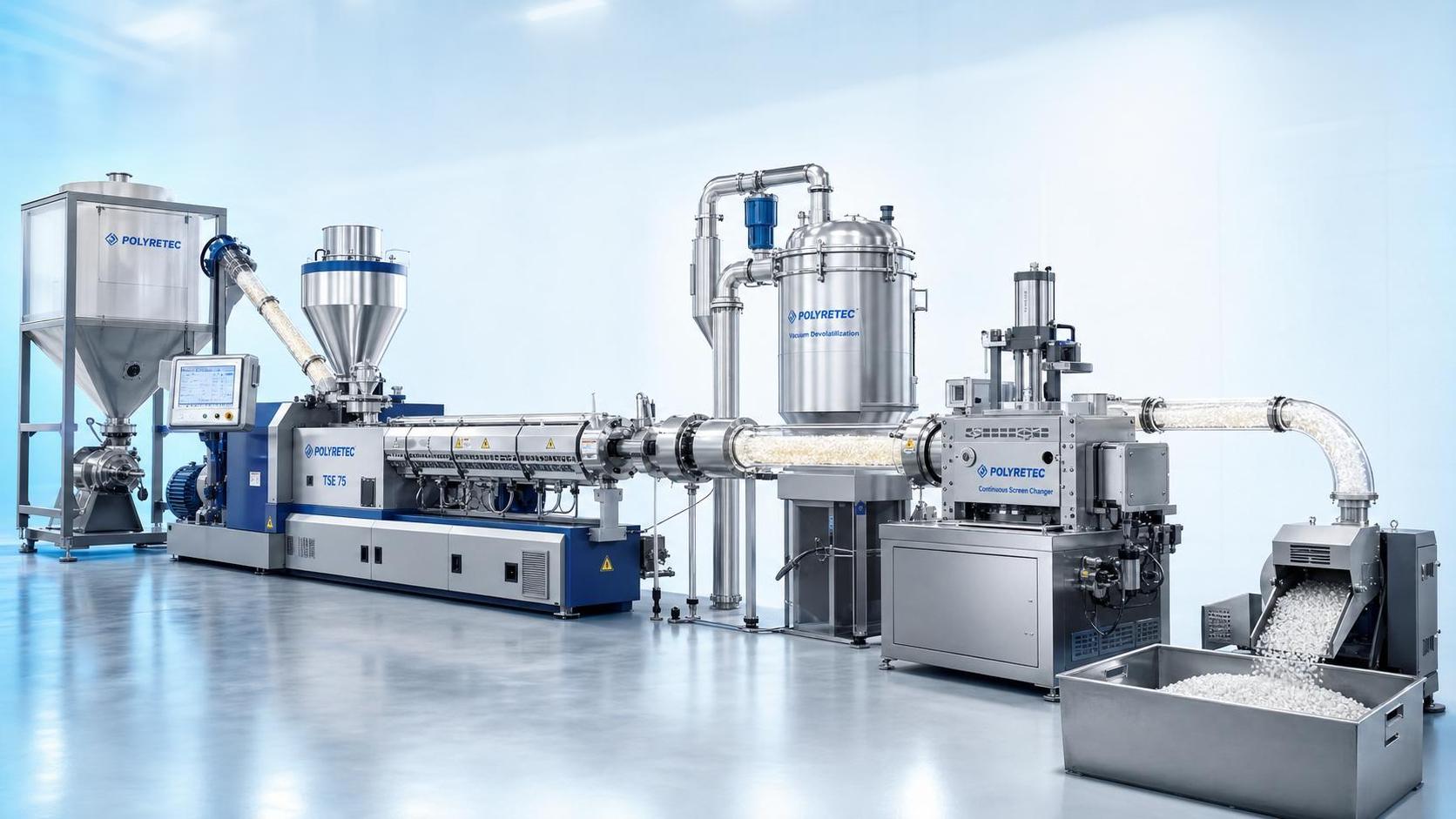
Here, polymer molding scientists are improving washing logic, melt filtration, odor reduction, and pellet uniformity so recycled polymers can perform predictably in later conversion stages.
Common blind spots that still create risk
Treating recycled resin like virgin resin
Recycled feedstock often shows wider moisture variation, contamination risk, and molecular degradation. Using old settings without rheological review can trigger unstable output and hidden defects.
Measuring productivity only by cycle time
A shorter cycle may look efficient, but added warp, sink, or dimensional drift can erase gains through scrap, rework, and quality claims.
Ignoring data integration between process stages
When extrusion, molding, and recycling data stay isolated, root causes remain hidden. Melt inconsistency may appear as a molding fault even when the issue started upstream.
Underestimating compliance as a process variable
Packaging declarations, recycled content claims, and food-contact expectations now shape equipment choices. Compliance is no longer separate from process engineering decisions.
Practical execution steps for 2026
- Audit one priority line first and compare energy draw, scrap rate, and process drift against current quality targets and environmental reporting needs.
- Build a rheology-centered material database that includes virgin, recycled, filled, and bio-based grades under actual processing conditions.
- Install inline sensing where deviations begin, not where defects are finally discovered, especially around melt pressure, moisture, and thermal stability.
- Validate AI recommendations with trial windows and part-performance testing so automation improves reliability instead of adding uncontrolled complexity.
- Align tooling, machine settings, and recycling loops into one improvement roadmap rather than treating each upgrade as an isolated investment.
What this means next
The biggest shift in 2026 is not one machine type or one material trend. It is the growing system-level influence of polymer molding scientists across forming, control, and recovery.
A useful next step is simple: review one production chain from feedstock to finished part, then score it against the checklist above. That reveals where precision, energy efficiency, and circular performance can improve first.
As global material rules tighten and product expectations rise, polymer molding scientists will keep defining which processes remain competitive, compliant, and technically credible.
Related News
- 00
0000-00
How to Size a Servo Injection Molding Press for High-Precision Parts - 00
0000-00
How High-Speed Precision Injection Molding Controls Part Tolerances at Scale - 00
0000-00
How to Select Packaging Molding Equipment for High-Volume Production Lines - 00
0000-00
How to Evaluate Plastic Pelletizing Machine Suppliers for Output, Support, and Risk - 00
0000-00
How to Select a Plastic Pipe Manufacturing System for Output, Resin, and Pipe Range
Weekly Insights
Stay ahead with our curated technology reports delivered every Monday.
Related News
 Prof. Marcus ChenEnergy-Efficient Polymer Processing: Where Plants Can Cut kWh per KilogramEnergy-efficient polymer processing solutions help plants reduce kWh per kilogram, protect quality, cut scrap, and prioritize upgrades with data-driven insights.Sep 23, 2026
 Prof. Marcus ChenPlastic Pelletizing Trends: How Recycling Demand Is Reshaping Processing TechnologyPlastic pelletizing trends are redefining recycling quality. Explore filtration, extrusion, degassing, and automation innovations driving cleaner, more consistent recycled resin.Sep 07, 2026
 Prof. Marcus ChenHow Polymer Supply Chains Are Changing to Support High-Quality Recycling FeedstockPolymer supply chain for recycling is shifting toward traceable sourcing, cleaner sorting, and stable processing. See how high-quality feedstock improves performance, compliance, and cost control.Aug 22, 2026
 Prof. Marcus ChenHow Europe’s Circular Plastics Economy Is Reshaping Recycling InvestmentCircular plastics economy Europe is reshaping recycling investment through quality, traceability, and packaging demand. Explore where capital is moving and why it matters now.Aug 04, 2026
 Prof. Marcus ChenBlow Molding Trends Shaping Packaging, Sustainability, and Production EfficiencyBlow molding trends are redefining packaging with lightweighting, recycled content, automation, and energy efficiency. Discover how smarter production boosts sustainability and cuts costs.Jul 23, 2026
 Prof. Marcus ChenExtrusion Equipment Modular Design: When It Makes Sense for Line ExpansionExtrusion equipment modular design helps manufacturers expand lines in phases, cut disruption, and stay ready for recycled content, utility limits, and changing product demands.Jul 15, 2026
 Prof. Marcus ChenPolymer Lifecycle Solutions Explained: From Material Sourcing to End-of-Life RecoveryPolymer lifecycle solutions explained from sourcing and processing to recycling and recovery. Discover how to cut waste, improve quality, and build smarter material strategies.Jul 13, 2026
 Prof. Marcus ChenEnergy-Efficient Polymer Processing Systems: Which Metrics Matter Most?Energy-efficient polymer processing systems: discover the metrics that truly drive ROI—specific energy use, yield, uptime, stability, and compliance for smarter equipment decisions.Jul 11, 2026
 Prof. Marcus ChenPolymer Recycling Systems for Continuous Operation: What to Check Before SpecifyingPolymer recycling systems continuous operation starts with the right specification. Learn what to check for uptime, melt quality, energy efficiency, and reliable pellet output.Jul 09, 2026
 Prof. Marcus ChenCircular Plastics Economy in Japan: Policy Drivers, Recycling Targets, and Market ImpactCircular plastics economy Japan is accelerating as policy, recycling targets, and packaging reforms reshape material choices, processing strategy, and market advantage.Jul 05, 2026
 Prof. Marcus ChenPlastic Extrusion Technology Trends: What Process Changes Are Improving Energy Efficiency?Plastic extrusion technology trends are reshaping energy efficiency through smarter screws, thermal control, servo drives, and digital optimization. See which process changes deliver lower costs and more stable output.Jul 01, 2026
 Prof. Marcus ChenInjection Molding Technology Trends: Which Process Changes Matter Most for Medical and Packaging Parts?Injection molding technology trends shaping medical and packaging parts: discover the process changes that improve validation, precision, efficiency, and recycled-material readiness.Jun 30, 2026
 Prof. Marcus ChenCircular Plastics Economy Compliance Explained: Key Requirements for ManufacturersCircular plastics economy compliance explained for manufacturers: learn key requirements, audit risks, process controls, and how to turn compliance into a competitive advantage.Jun 25, 2026
 Prof. Marcus ChenAdvanced Materials Processing Trends: 5 Shifts Reshaping Capacity Planning and SourcingAdvanced materials processing trends are reshaping capacity planning, sourcing, recycling, and compliance. Explore 5 shifts helping manufacturers cut risk, improve precision, and build resilient growth.Jun 24, 2026
 Prof. Marcus ChenGlobal Plastic Ban Trends: Which Packaging Materials and Export Markets Face the Biggest Changes?Global plastic ban trends are reshaping packaging choices and export strategy. See which materials and markets face the biggest shifts, and how to reduce compliance risk.Jun 22, 2026
 Prof. Marcus ChenPolymer Rheology Trends That Matter in Extrusion: Melt Strength, Shear, and StabilityPolymer rheology trends are reshaping extrusion performance. Learn how melt strength, shear, and stability affect quality, efficiency, and recycled resin processing.Jun 18, 2026
 Prof. Marcus ChenPlastic Circularity Strategies for Manufacturers: Recycled Content, Design, and TraceabilityPlastic circularity strategies for manufacturers: learn how recycled content, smarter design, and traceability can reduce risk, improve compliance, and strengthen supply resilience.Jun 18, 2026
 Prof. Marcus ChenAdvanced Materials Processing Equipment in High-Performance Manufacturing: Where It Fits BestAdvanced materials processing equipment drives precision, speed, and sustainability in manufacturing. Explore where each system fits best to improve quality, efficiency, and ROI.Jun 16, 2026
 Prof. Marcus ChenWhat Is Driving the Circular Economy Plastics Market? Policy, Pricing, and Demand ShiftsCircular economy plastics market trends are being driven by tighter policy, resin price volatility, and stricter buyer demands. Discover what this means for sourcing, processing, and growth.Jun 13, 2026
 Prof. Marcus ChenDigital Polymer Processing Explained: Methods, Materials, and Best-Fit ApplicationsDigital polymer processing explained clearly: explore key methods, materials, and best-fit applications to improve quality, efficiency, and recycling performance.Jun 10, 2026