Digital Polymer Processing Explained: Methods, Materials, and Best-Fit Applications




Why is digital polymer processing getting so much attention?

Digital polymer processing is no longer a niche factory upgrade. It is becoming a practical framework for how polymers are formed, controlled, and recovered.
At its core, digital polymer processing combines equipment, sensors, software, and process data. The goal is simple: make material behavior more predictable from feedstock to finished part.
That matters because polymers do not behave like static solids. They flow, shear, cool, expand, and sometimes degrade under pressure, heat, and time.
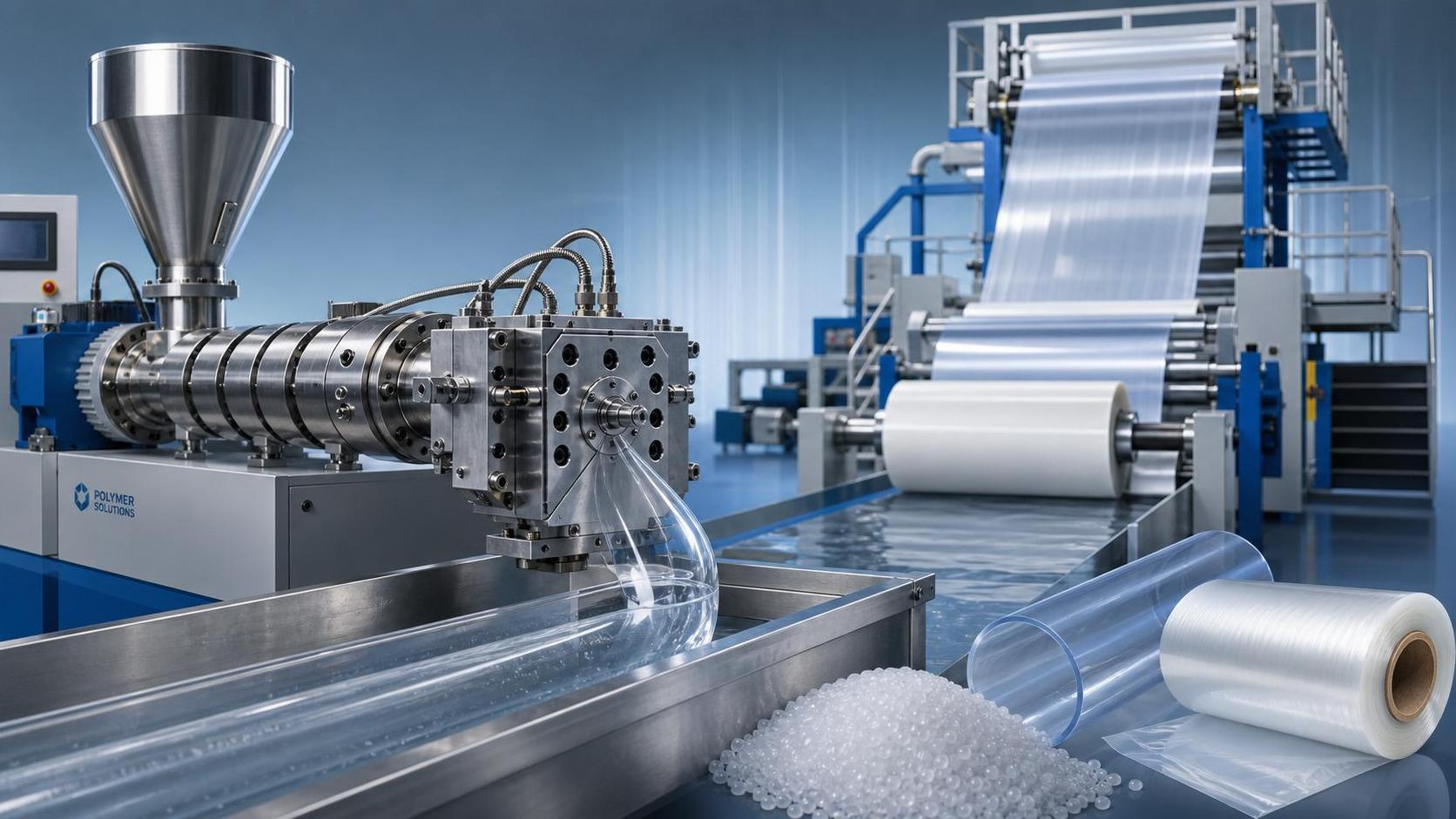
In practical terms, this affects injection molding, extrusion, blow molding, vulcanization, and recycling. The same digital logic now connects quality control, energy use, cycle stability, and compliance.
This is also why platforms such as PFRS have become useful reference points. They connect rheology, equipment intelligence, and circular economy signals into something easier to evaluate.
For anyone comparing technologies, the main question is not whether digital polymer processing is real. The better question is where it delivers measurable value first.
What does digital polymer processing actually include?
The term sounds broad because it is broad. Still, most real systems fall into a few recognizable layers.
One layer is machine control. This includes servo systems, closed-loop pressure regulation, temperature profiling, screw speed adjustment, and recipe management.
Another layer is process visibility. Sensors track melt pressure, cavity pressure, torque, moisture, thickness, weight variation, and cooling conditions in real time.
Then comes analytics. Historical data helps identify drift, optimize settings, reduce scrap, and shorten start-up time after material or mold changes.
The final layer is integration. This connects forming equipment with quality systems, maintenance records, and recycling loops, especially where sustainability reporting is becoming stricter.
A useful way to think about digital polymer processing is this: it turns polymer conversion from a mostly experience-driven activity into a measurable, repeatable operation.
Where does it show up most clearly?
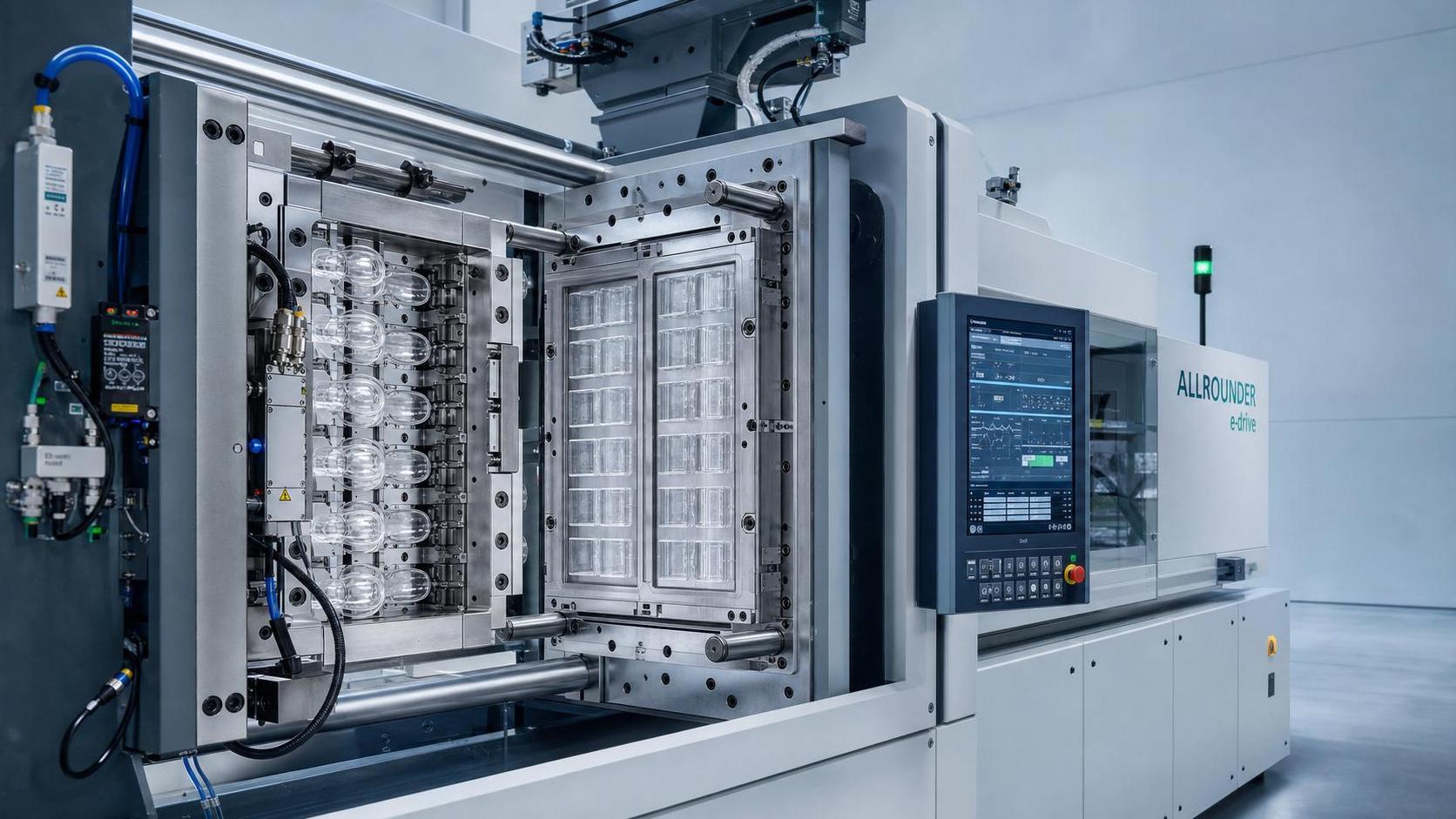
- Injection molding: cavity pressure control, holding pressure optimization, and dimensional consistency.
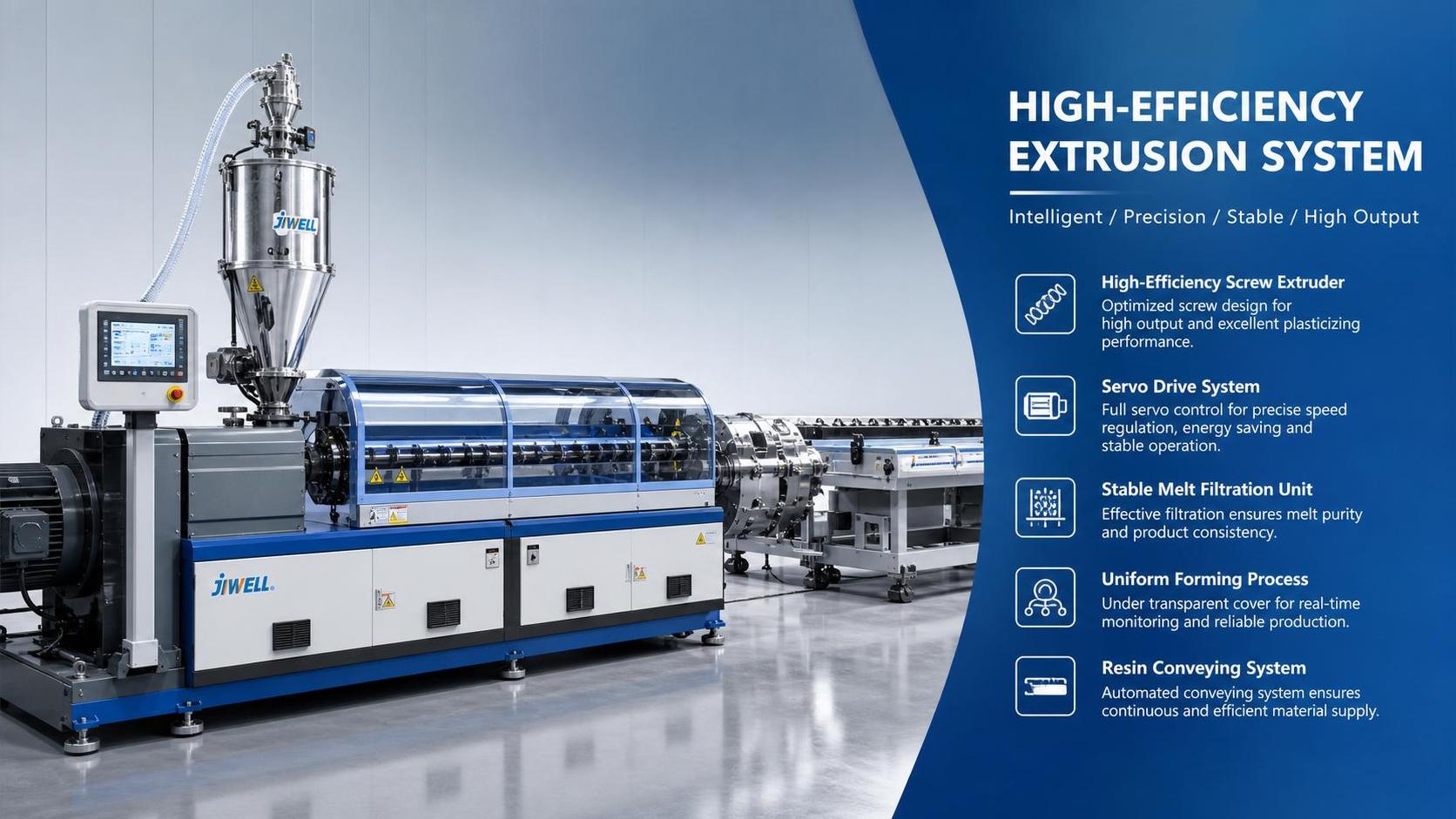
- Extrusion: melt homogeneity, die stability, output consistency, and compound traceability.
- Blow molding: wall thickness control, bottle weight reduction, and faster line balancing.
- Rubber processing: cure monitoring, temperature history tracking, and repeatable cross-link density.
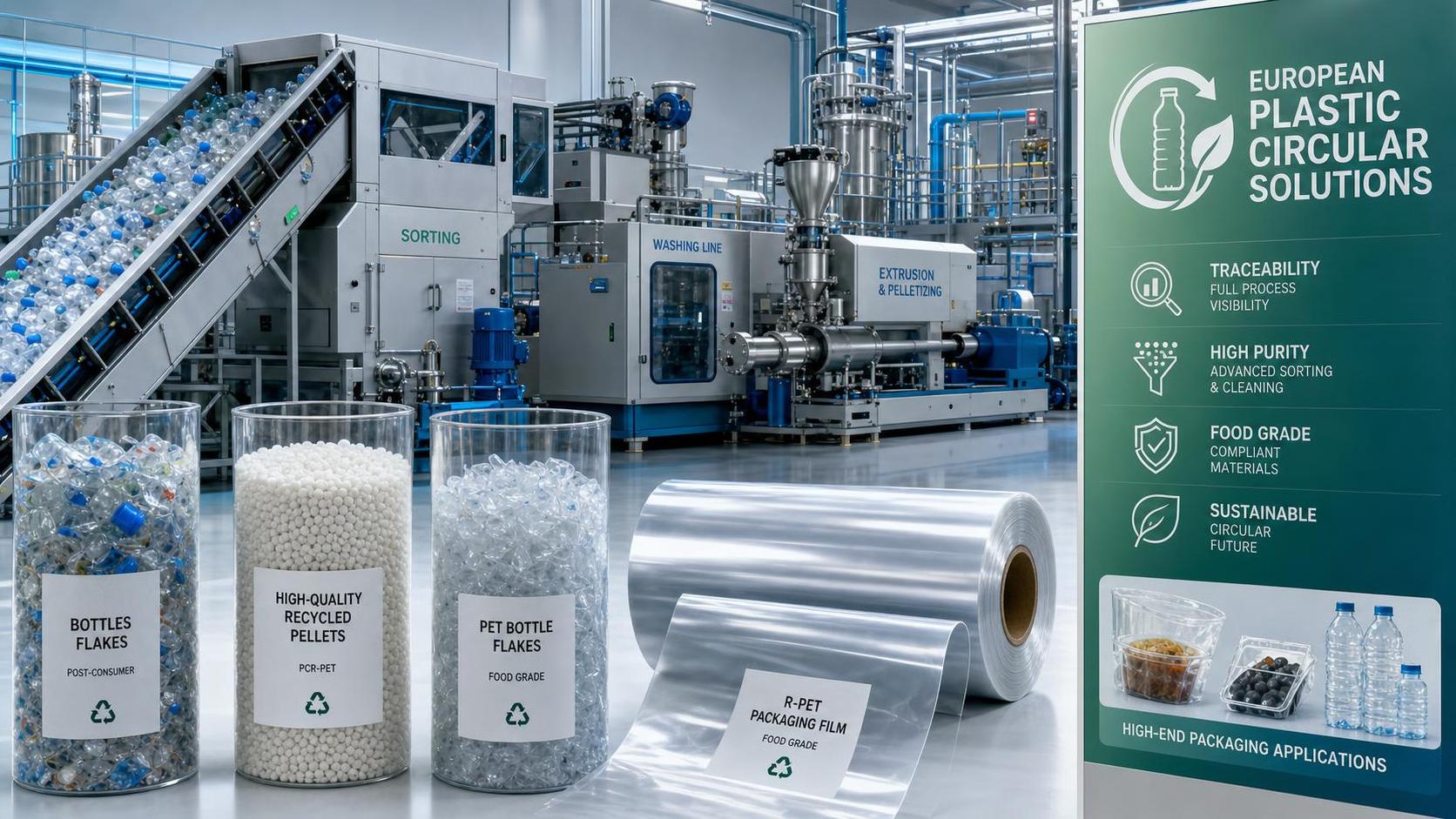
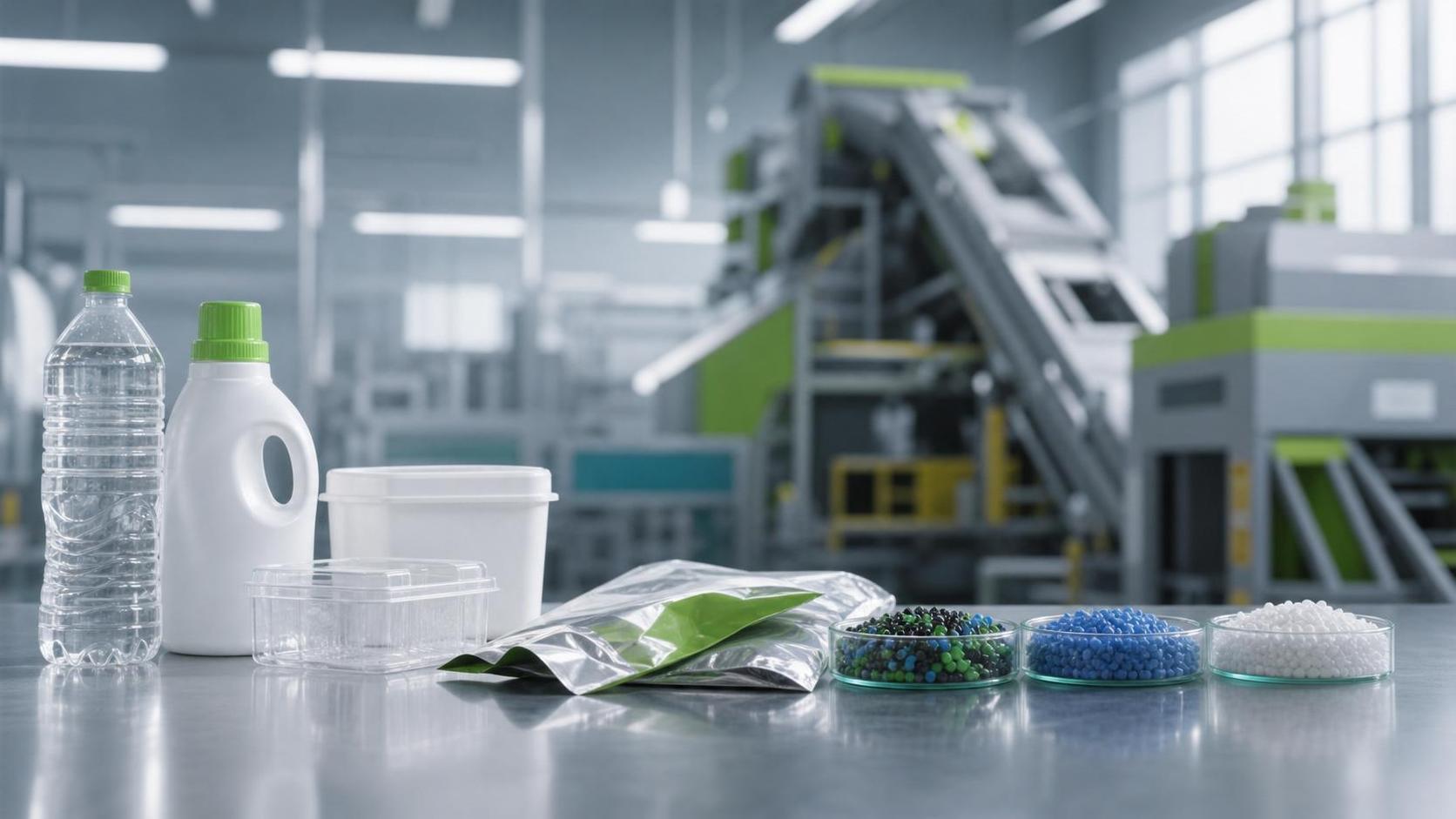
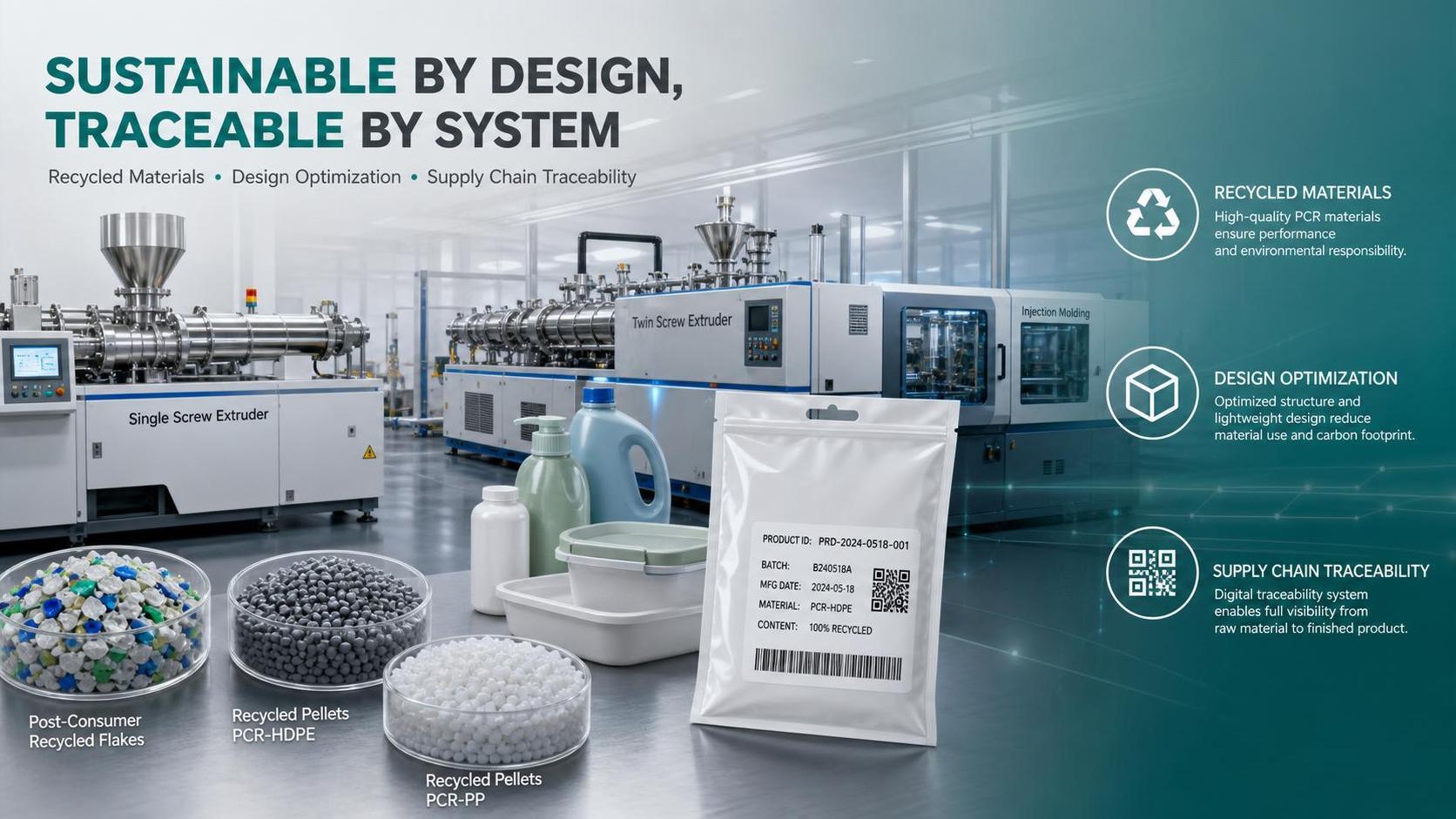
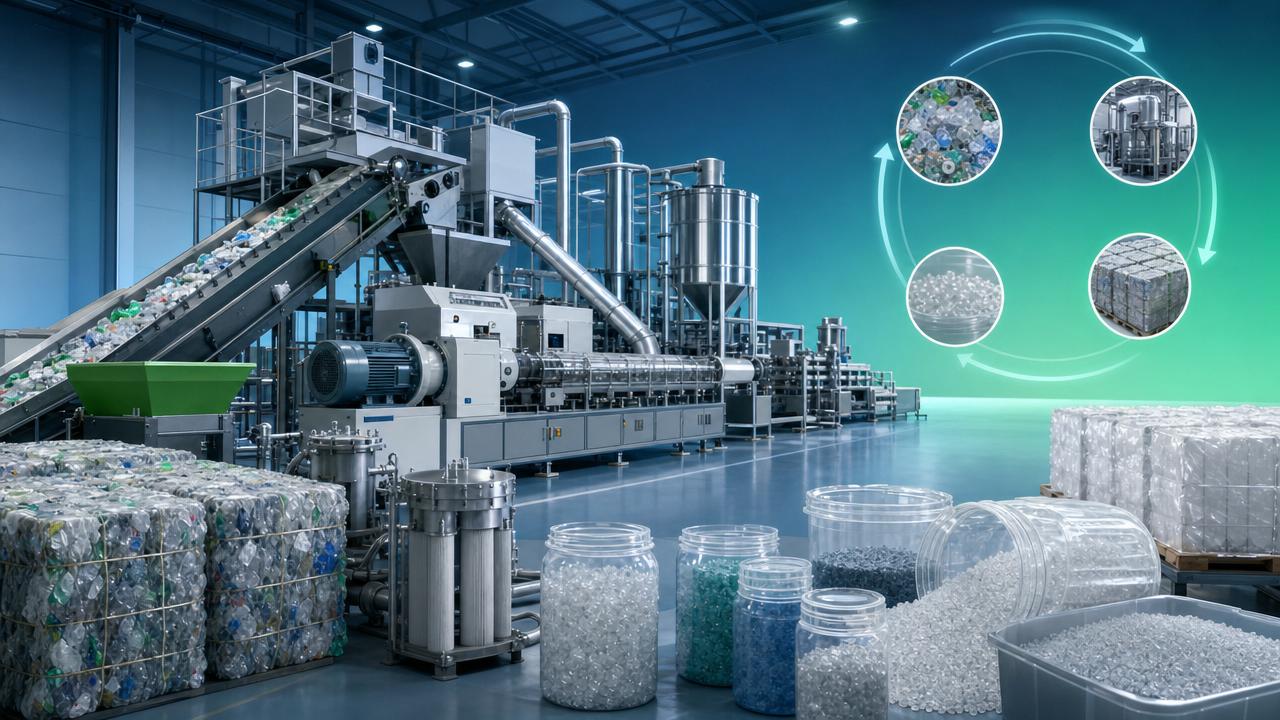
- Plastic recycling: contamination detection, filtration performance, pellet quality, and energy monitoring.
Which materials work best with digital polymer processing?
Almost any polymer can benefit, but not in the same way. The best-fit materials are those where small process changes create large quality differences.
Common thermoplastics are a strong starting point. PP, PE, PET, ABS, PA, PC, and PVC are widely processed and respond well to digital control.
Engineering polymers often gain even more. They usually have tighter thermal windows, stricter moisture limits, and greater sensitivity to shear history.
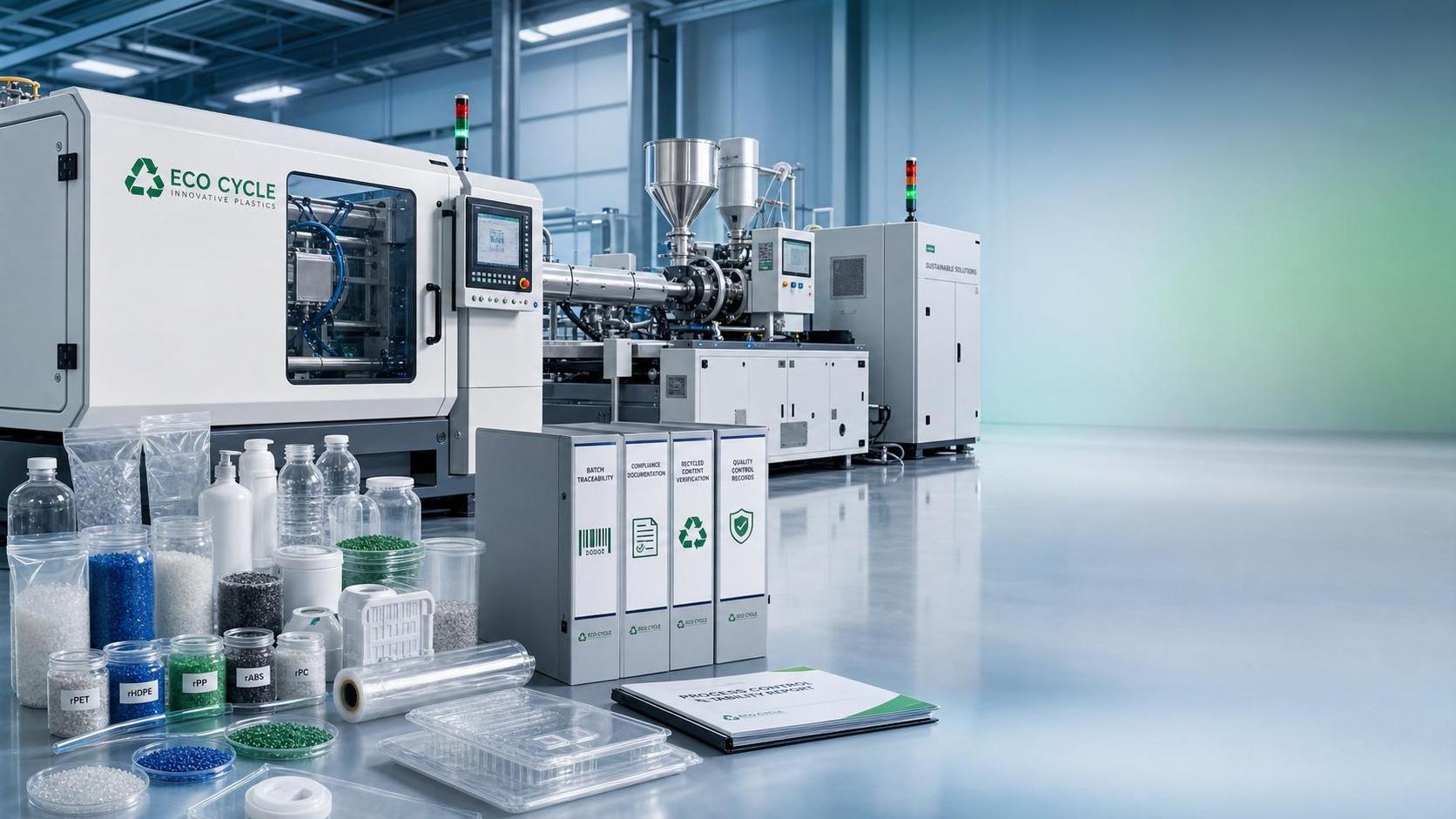
Recycled polymers are another major case. Their composition may vary between batches, so digital polymer processing helps stabilize output through better monitoring and correction.
Elastomers also fit the picture, though the control logic changes. In vulcanization, the emphasis shifts from melt flow alone to time, temperature, and cure uniformity.
The table below offers a fast way to judge where digital polymer processing tends to create the clearest return.
How do you match the method to the right application?
This is where digital polymer processing becomes more than a technical label. It becomes a selection tool.
If the part has tight tolerances, injection molding usually benefits most from digital control. Medical components, optical parts, and connectors are good examples.
If the output is continuous, extrusion often gains faster. Pipe, sheet, cable coating, and agricultural film all depend on stable melt behavior over time.
For high-volume packaging, blow molding stands out. Digital feedback can reduce bottle weight variation while keeping burst strength and line speed within target.
Where elastomer performance matters, vulcanization control becomes the main issue. Here, consistency in cure profile can be more important than simple throughput.
And when circularity is part of the brief, recycling and pelletizing deserve equal attention. Good digital polymer processing does not end at shaping. It also improves material recovery.
A quick application check
- Choose injection molding when geometry is complex and repeatability is critical.
- Choose extrusion when uniform output matters more than individual part cycles.
- Choose blow molding when lightweight hollow packaging must scale fast.
- Choose vulcanization-focused control when mechanical resilience depends on cure chemistry.
- Choose recycling-centered systems when feedstock variability and compliance are major concerns.
What mistakes lead to poor results, even with advanced systems?
One common mistake is assuming software alone solves process instability. In reality, poor tooling, weak material handling, or inconsistent feedstock can still undermine results.
Another issue is collecting data without linking it to action. A dashboard looks useful, but the value comes from setting thresholds, responses, and decision rules.
Material variation is often underestimated. Recycled content, moisture, filler loading, or additives can shift process windows faster than fixed recipes expect.
There is also a tendency to optimize one metric in isolation. Lower cycle time sounds attractive, but it may increase warpage, haze, gel formation, or energy spikes.
In broader industry tracking, this is why PFRS-style intelligence matters. Equipment performance, environmental packaging rules, and resin supply volatility now influence one another more directly.
Warning signs worth checking early
- Settings change often, but defect patterns remain unclear.
- Scrap falls in one line, yet energy use rises sharply.
- Recycled feedstock quality changes, but recipes stay fixed.
- Sensors exist, yet maintenance and calibration are irregular.
- Compliance reporting requires traceability that the process cannot provide.
How should digital polymer processing be evaluated before adoption?
A good evaluation starts with the process bottleneck, not the feature list. Ask what is hardest to control today: melt quality, dimensional drift, cure uniformity, scrap, or recycled content stability.
Then connect that issue to measurable variables. For example, cavity pressure may matter more than machine speed in precision molding. In extrusion, torque and melt temperature may reveal more.
It also helps to judge implementation by time horizon. Some gains appear quickly, such as reduced variation. Others, like predictive maintenance or circularity reporting, build value gradually.
The most reliable approach is usually comparative. Review method, material, application, and compliance demands together rather than in separate technical silos.
That is where digital polymer processing becomes easier to interpret. It is not one machine trend. It is a way to align forming precision, energy efficiency, and material reuse.
What to review next
- Map the target material and its sensitivity to heat, shear, and moisture.
- Compare the forming method against quality risks and throughput goals.
- Check whether recycling, traceability, or packaging compliance affects the decision.
- Define which data points must trigger adjustments, alarms, or maintenance.
- Use trusted sector intelligence to compare equipment trends with real application fit.
In the end, digital polymer processing is best understood as a decision framework. It helps explain which method suits which material, why certain defects appear, and where sustainability targets can be made practical.
A sensible next step is to organize requirements by material, process, output quality, and recovery goals. That makes future comparisons more grounded and far easier to verify.
Related News
- 00
0000-00
How Closed-Loop Recycling Turns Post-Consumer Plastic into Reliable Feedstock - 00
0000-00
How to Size a Tire Curing Press Machine for Capacity, Mold Type, and Cycle Time - 00
0000-00
Selecting Plastic Recycling Systems for Mixed Packaging Waste: Key Process Criteria - 00
0000-00
When Does Structural Foam Molding Make Sense for Large, Stiff Parts? - 00
0000-00
How to Evaluate a Vacuum Compression Molding Factory for High-Consistency Rubber Parts
Weekly Insights
Stay ahead with our curated technology reports delivered every Monday.
Related News
 Prof. Marcus ChenPlastic Pelletizing Trends: How Recycling Demand Is Reshaping Processing TechnologyPlastic pelletizing trends are redefining recycling quality. Explore filtration, extrusion, degassing, and automation innovations driving cleaner, more consistent recycled resin.Sep 07, 2026
 Prof. Marcus ChenHow Polymer Supply Chains Are Changing to Support High-Quality Recycling FeedstockPolymer supply chain for recycling is shifting toward traceable sourcing, cleaner sorting, and stable processing. See how high-quality feedstock improves performance, compliance, and cost control.Aug 22, 2026
 Prof. Marcus ChenHow Europe’s Circular Plastics Economy Is Reshaping Recycling InvestmentCircular plastics economy Europe is reshaping recycling investment through quality, traceability, and packaging demand. Explore where capital is moving and why it matters now.Aug 04, 2026
 Prof. Marcus ChenBlow Molding Trends Shaping Packaging, Sustainability, and Production EfficiencyBlow molding trends are redefining packaging with lightweighting, recycled content, automation, and energy efficiency. Discover how smarter production boosts sustainability and cuts costs.Jul 23, 2026
 Prof. Marcus ChenExtrusion Equipment Modular Design: When It Makes Sense for Line ExpansionExtrusion equipment modular design helps manufacturers expand lines in phases, cut disruption, and stay ready for recycled content, utility limits, and changing product demands.Jul 15, 2026
 Prof. Marcus ChenPolymer Lifecycle Solutions Explained: From Material Sourcing to End-of-Life RecoveryPolymer lifecycle solutions explained from sourcing and processing to recycling and recovery. Discover how to cut waste, improve quality, and build smarter material strategies.Jul 13, 2026
 Prof. Marcus ChenEnergy-Efficient Polymer Processing Systems: Which Metrics Matter Most?Energy-efficient polymer processing systems: discover the metrics that truly drive ROI—specific energy use, yield, uptime, stability, and compliance for smarter equipment decisions.Jul 11, 2026
 Prof. Marcus ChenPolymer Recycling Systems for Continuous Operation: What to Check Before SpecifyingPolymer recycling systems continuous operation starts with the right specification. Learn what to check for uptime, melt quality, energy efficiency, and reliable pellet output.Jul 09, 2026
 Prof. Marcus ChenCircular Plastics Economy in Japan: Policy Drivers, Recycling Targets, and Market ImpactCircular plastics economy Japan is accelerating as policy, recycling targets, and packaging reforms reshape material choices, processing strategy, and market advantage.Jul 05, 2026
 Prof. Marcus ChenPlastic Extrusion Technology Trends: What Process Changes Are Improving Energy Efficiency?Plastic extrusion technology trends are reshaping energy efficiency through smarter screws, thermal control, servo drives, and digital optimization. See which process changes deliver lower costs and more stable output.Jul 01, 2026
 Prof. Marcus ChenInjection Molding Technology Trends: Which Process Changes Matter Most for Medical and Packaging Parts?Injection molding technology trends shaping medical and packaging parts: discover the process changes that improve validation, precision, efficiency, and recycled-material readiness.Jun 30, 2026
 Prof. Marcus ChenCircular Plastics Economy Compliance Explained: Key Requirements for ManufacturersCircular plastics economy compliance explained for manufacturers: learn key requirements, audit risks, process controls, and how to turn compliance into a competitive advantage.Jun 25, 2026
 Prof. Marcus ChenAdvanced Materials Processing Trends: 5 Shifts Reshaping Capacity Planning and SourcingAdvanced materials processing trends are reshaping capacity planning, sourcing, recycling, and compliance. Explore 5 shifts helping manufacturers cut risk, improve precision, and build resilient growth.Jun 24, 2026
 Prof. Marcus ChenGlobal Plastic Ban Trends: Which Packaging Materials and Export Markets Face the Biggest Changes?Global plastic ban trends are reshaping packaging choices and export strategy. See which materials and markets face the biggest shifts, and how to reduce compliance risk.Jun 22, 2026
 Prof. Marcus ChenPolymer Rheology Trends That Matter in Extrusion: Melt Strength, Shear, and StabilityPolymer rheology trends are reshaping extrusion performance. Learn how melt strength, shear, and stability affect quality, efficiency, and recycled resin processing.Jun 18, 2026
 Prof. Marcus ChenPlastic Circularity Strategies for Manufacturers: Recycled Content, Design, and TraceabilityPlastic circularity strategies for manufacturers: learn how recycled content, smarter design, and traceability can reduce risk, improve compliance, and strengthen supply resilience.Jun 18, 2026
 Prof. Marcus ChenAdvanced Materials Processing Equipment in High-Performance Manufacturing: Where It Fits BestAdvanced materials processing equipment drives precision, speed, and sustainability in manufacturing. Explore where each system fits best to improve quality, efficiency, and ROI.Jun 16, 2026
 Prof. Marcus ChenWhat Is Driving the Circular Economy Plastics Market? Policy, Pricing, and Demand ShiftsCircular economy plastics market trends are being driven by tighter policy, resin price volatility, and stricter buyer demands. Discover what this means for sourcing, processing, and growth.Jun 13, 2026
 Prof. Marcus ChenDigital Polymer Processing Explained: Methods, Materials, and Best-Fit ApplicationsDigital polymer processing explained clearly: explore key methods, materials, and best-fit applications to improve quality, efficiency, and recycling performance.Jun 10, 2026
 Prof. Marcus ChenGlobal Plastic Ban Trends by Region: What Packaging Manufacturers Need to TrackGlobal plastic ban trends are reshaping packaging strategy by region. Discover key policy shifts, compliance risks, and smart actions manufacturers need to stay competitive.Jun 08, 2026