Recycled Plastic Technology: Sorting, Decontamination, and Pellet Quality




Recycled plastic technology is becoming a critical control point for quality and safety teams as manufacturers push for cleaner feedstock, stable processing, and compliant recycled resin.
From optical sorting and hot washing to melt filtration, decontamination, and pellet inspection, every stage now influences odor, color, contamination risk, mechanical strength, and regulatory acceptance.
The shift is no longer only environmental. It is operational, commercial, and technical across packaging, automotive, construction, textiles, and consumer goods.
Recycled Plastic Technology Is Moving From Waste Handling to Quality Engineering

The recycling line has become a material engineering system. Recycled plastic technology now depends on data, sensors, separation accuracy, and controlled thermal history.
This change reflects a wider industrial trend. Recycled resin is being evaluated like virgin polymer, with tighter requirements for traceability and performance consistency.
A pellet is no longer accepted because it melts. It must process predictably, meet specifications, and support documented compliance pathways.
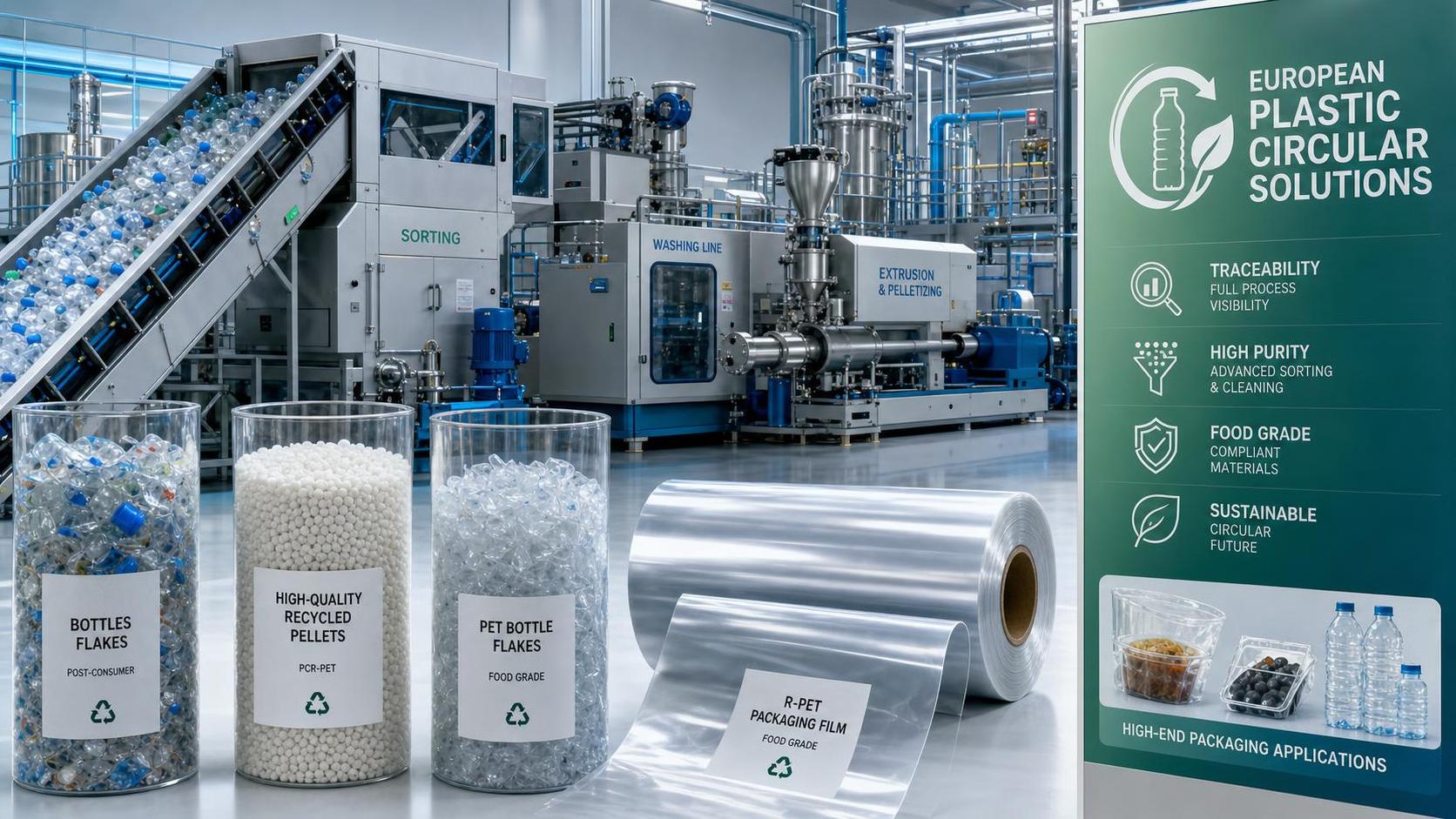
In this environment, recycled plastic technology connects feedstock control, contamination removal, extrusion stability, and final pellet validation into one measurable system.
Trend Signals: Cleaner Feedstock Is Becoming the New Competitive Boundary
Demand for recycled content is rising faster than the supply of high-quality recyclate. This creates strong pressure on sorting and washing systems.
Brands need recycled polymers with stable color, low odor, low gels, and predictable melt flow. These needs raise expectations for recycled plastic technology.
Mixed waste streams remain difficult. Labels, inks, multilayer films, metals, paper, food residue, PVC, and silicones can all damage pellet quality.
The strongest signal is clear. Quality is decided before extrusion, not only during pelletizing.
- Optical sorting is shifting from basic color detection to polymer-specific recognition.
- Hot washing systems are being optimized for adhesives, oils, and odor precursors.
- Decontamination is becoming essential for food-contact and sensitive packaging pathways.
- Pellet inspection is moving toward continuous monitoring instead of random sampling only.
Why Sorting Accuracy Now Determines Downstream Value
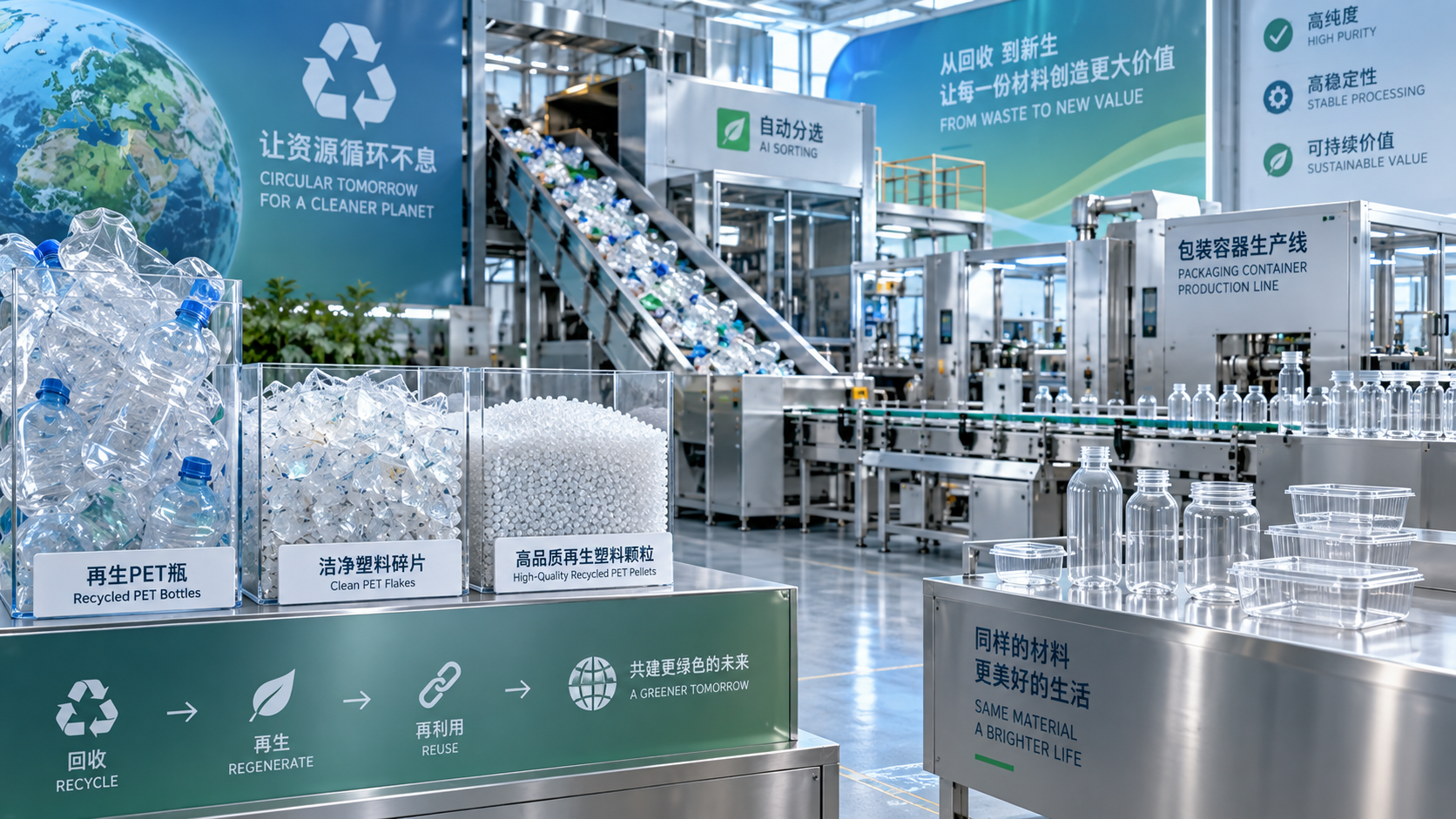
Sorting is the first economic gate in recycled plastic technology. A cleaner input reduces reject rates across washing, extrusion, filtration, and pelletizing.
Near-infrared systems identify common polymers such as PET, HDPE, PP, and PS. Advanced systems also detect black plastics and complex packaging structures.
Artificial intelligence improves classification when packaging designs vary. Camera systems can read shape, label area, closure type, and contamination patterns.
Air ejectors, robotics, density separation, and electrostatic systems then remove unwanted materials. Each step reduces risk before heat is applied.
Decontamination Is Becoming a Regulatory and Processing Priority
Decontamination used to be treated as a washing issue. Modern recycled plastic technology treats it as a multi-stage risk control strategy.
Contaminants can be physical, chemical, biological, or sensory. Each category requires a different removal method and verification approach.
Hot washing removes oils, sugars, dirt, and adhesives. Caustic systems help detach labels and reduce surface residue from post-consumer packaging.
Vacuum degassing removes volatile compounds during extrusion. This is critical when odor, residual moisture, and low molecular contaminants affect end-use acceptance.
Solid-state polycondensation improves rPET performance by increasing intrinsic viscosity. It also supports strict decontamination targets under controlled residence time and temperature.
Key Drivers Behind Stronger Decontamination Requirements
- Food-contact pathways require documented challenge testing and process validation.
- Packaging laws are increasing recycled content obligations in several markets.
- Odor complaints can block adoption in cosmetics, hygiene, and premium packaging.
- Lightweight products expose defects faster because safety margins are smaller.
- Global supply chains require repeatable quality across multiple recycling sources.
These drivers explain why recycled plastic technology is now measured by more than output volume. It is judged by verified contaminant reduction.
Melt Filtration and Extrusion Stability Are Redefining Pellet Quality
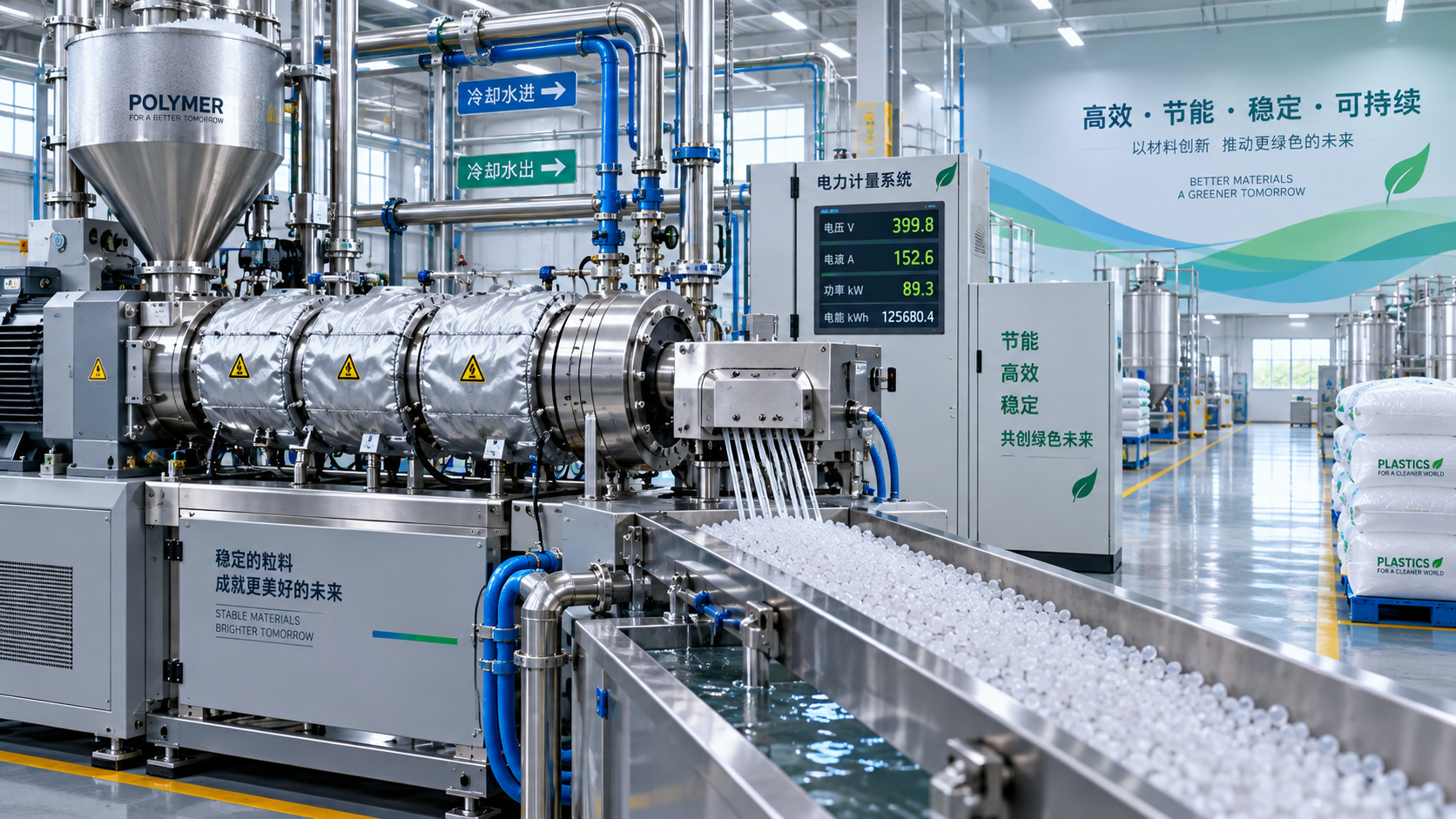
Extrusion is the thermal heart of recycled plastic technology. It transforms washed flakes into a homogeneous melt suitable for pelletizing and later processing.
However, extrusion can also amplify earlier mistakes. Excess contamination increases pressure, raises degradation risk, and creates gels or unstable strands.
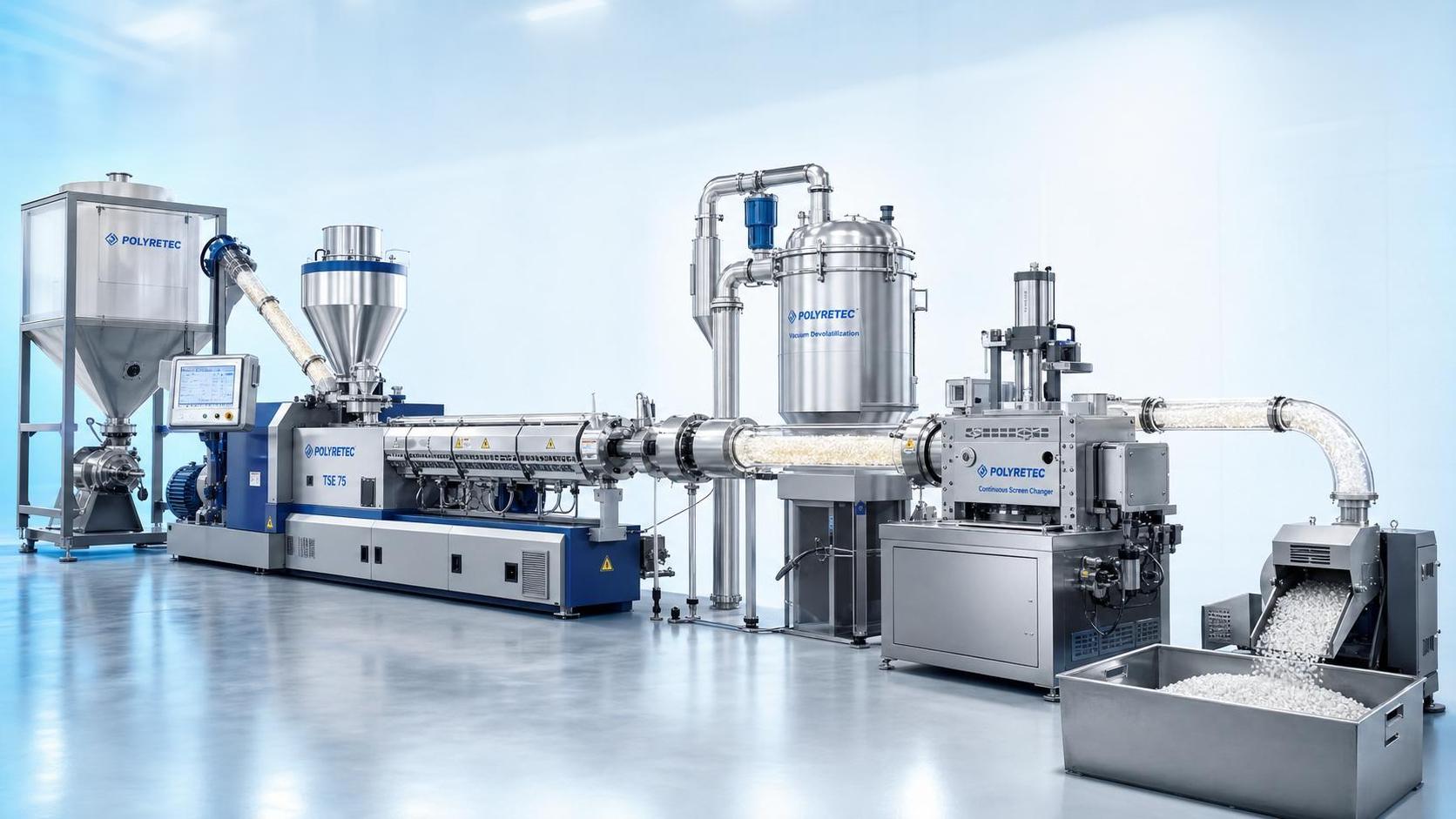
High-efficiency screws improve melting, mixing, and devolatilization. Twin-screw systems are valuable when additives, chain extenders, or stabilizers are required.
Melt filtration removes paper, aluminum, wood, rubber, unmelted fragments, and polymer cross-contamination. Filter fineness must balance cleanliness and productivity.
Too coarse a screen allows defects through. Too fine a screen may increase pressure, residence time, energy use, and polymer degradation.
What Stable Extrusion Data Reveals
- Consistent melt pressure indicates controlled contamination and proper filtration.
- Stable motor load suggests balanced feeding and suitable screw design.
- Low temperature fluctuation helps protect molecular weight and color.
- Reduced filter change frequency signals better upstream sorting and washing.
For PFRS, this is where machinery intelligence matters. Recycled plastic technology depends on the connection between process physics and material verification.
Pellet Inspection Is Becoming Continuous, Digital, and Traceable
Final pellets represent the visible output of recycled plastic technology. Yet pellet appearance alone cannot confirm safety, consistency, or process suitability.
Modern inspection combines physical testing, optical detection, rheological measurement, and batch traceability. This creates a clearer quality map.
Important pellet indicators include melt flow rate, density, moisture, ash content, color, black specks, odor, volatile content, and tensile performance.
Pellet geometry also matters. Uniform size improves feeding performance in injection molding machines, extruders, blow molding systems, and compounding lines.
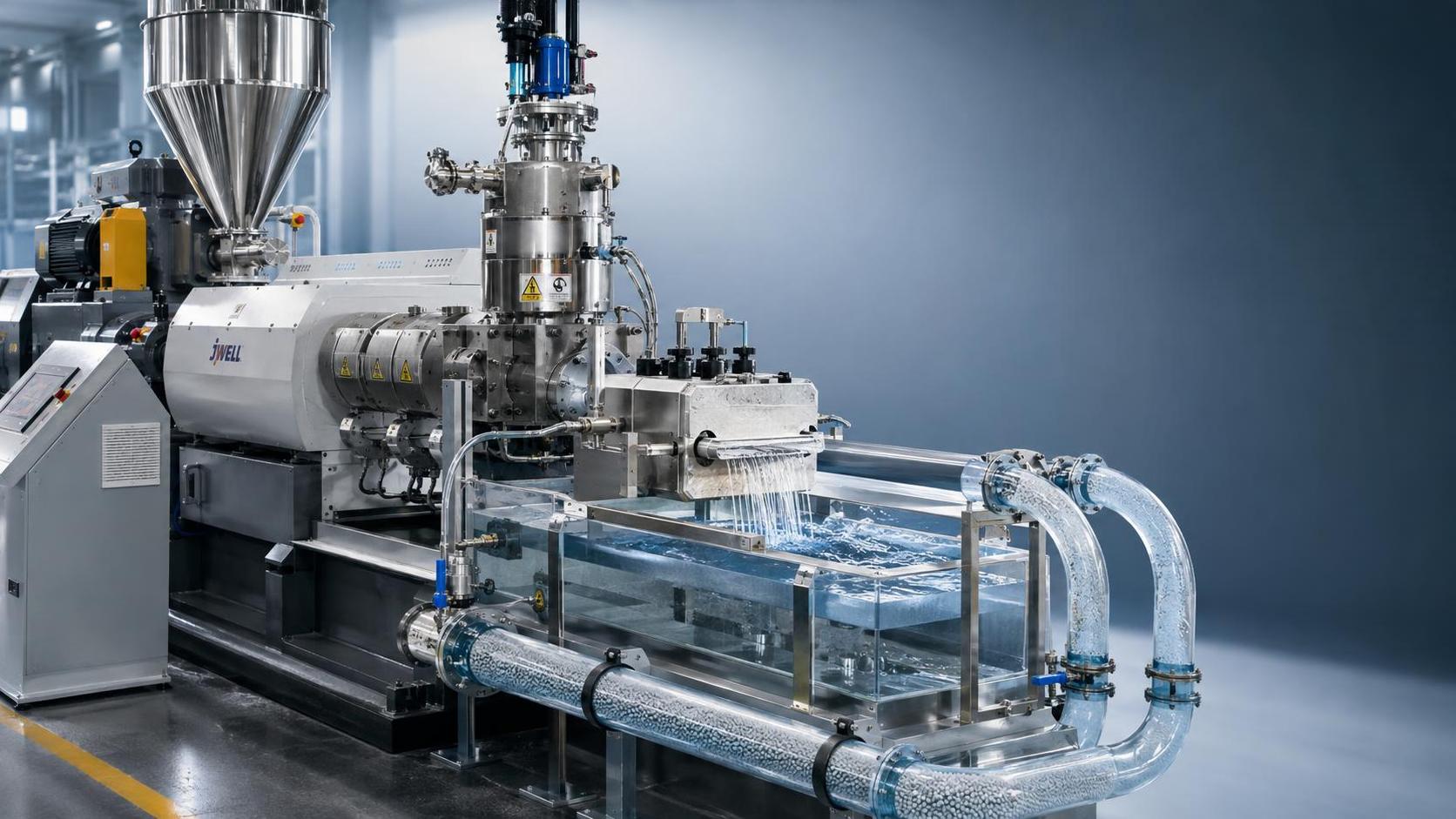
Underwater pelletizing supports smooth, spherical pellets. Strand pelletizing remains useful where simple layout, easy maintenance, or lower investment is preferred.
Business Impacts Across Processing, Compliance, and Product Design
The rise of recycled plastic technology changes decisions across the full polymer value chain. It affects equipment configuration, material approval, and product design.
Processing lines must handle more variable raw materials. That increases the value of automation, alarms, recipe control, and predictive maintenance.
Product development teams must design parts around recycled resin variability. Specifications need realistic ranges, not assumptions copied from virgin resin data.
Compliance systems must connect feedstock origin, process records, testing results, and shipment documents. Traceability becomes a commercial requirement.
- Injection molding benefits from tighter melt flow and moisture control.
- Extrusion depends on stable filtration, additive dispersion, and low gels.
- Blow molding requires consistent viscosity, color, and low volatile content.
- Rubber and hybrid applications need careful compatibility screening.
- Packaging applications require stronger documentation around migration and odor.
These impacts make recycled plastic technology a strategic factor, not a back-end utility process.
What Enterprises Should Watch as the Technology Matures
A mature recycling operation needs more than a washing line and an extruder. It needs a controlled decision system.
The following priorities can improve performance when recycled plastic technology is scaled across multiple sites, feedstocks, or product categories.
- Build feedstock grading rules before production planning.
- Monitor sorting accuracy with rejection audits and contamination counts.
- Validate washing chemistry through residue, odor, and wastewater indicators.
- Track melt pressure, motor load, and temperature as quality signals.
- Use filtration data to judge upstream process health.
- Define pellet release criteria by application, not only by polymer type.
- Connect laboratory results with batch records and customer feedback.
These actions make recycled plastic technology easier to manage, audit, and improve over time.
A Practical Roadmap for More Reliable Recycled Resin
The strongest approach is phased. Each phase should reduce uncertainty and create better data for the next improvement cycle.
This roadmap reflects the real direction of recycled plastic technology. Better pellets come from better control across the entire system.
From Machinery Intelligence to Circular Material Confidence
Recycled plastic technology is entering a more demanding stage. Output volume still matters, but trusted quality now defines long-term value.
Sorting, decontamination, melt filtration, and pellet inspection must operate as connected controls. Isolated improvements are no longer enough.
PFRS observes this transition through polymer rheology, extrusion design, precision molding, and circular plastics engineering. The common goal is reliable material recovery.
A practical next step is to audit current recycling operations by risk point. Start with feedstock variation, contamination sources, filtration behavior, and pellet release data.
When recycled plastic technology is managed with this discipline, recycled resin can move from compromise material to dependable circular feedstock.
Related News
- 00
0000-00
Injection Molding System Costs: Machine, Molds, Automation, and Installation - 00
0000-00
Truck Tire Manufacturing Equipment: Sizing Curing Presses for Target Output - 00
0000-00
How Single-Use Plastic Bans Shift Demand for Packaging Materials - 00
0000-00
PET Pelletizing Equipment: Strand vs. Underwater Systems for Recycled PET - 00
0000-00
Tire Manufacturing Equipment: Choosing Curing Presses by Tire Size and Output
Weekly Insights
Stay ahead with our curated technology reports delivered every Monday.
Related News
 Prof. Marcus ChenHow Single-Use Plastic Bans Shift Demand for Packaging MaterialsExplore the plastic ban market impact on packaging demand, from fiber and recycled plastics to reuse. Discover viable alternatives and smarter investment opportunities.Oct 15, 2026
 Prof. Marcus ChenWhere Recycled Plastic Innovation Delivers the Biggest Value in PackagingRecycled plastic innovation delivers the greatest packaging value through proven material loops, reliable processing, compliance readiness, and circular design.Oct 08, 2026
 Prof. Marcus ChenEnergy-Efficient Polymer Processing: Where Plants Can Cut kWh per KilogramEnergy-efficient polymer processing solutions help plants reduce kWh per kilogram, protect quality, cut scrap, and prioritize upgrades with data-driven insights.Sep 23, 2026
 Prof. Marcus ChenPlastic Pelletizing Trends: How Recycling Demand Is Reshaping Processing TechnologyPlastic pelletizing trends are redefining recycling quality. Explore filtration, extrusion, degassing, and automation innovations driving cleaner, more consistent recycled resin.Sep 07, 2026
 Prof. Marcus ChenHow Polymer Supply Chains Are Changing to Support High-Quality Recycling FeedstockPolymer supply chain for recycling is shifting toward traceable sourcing, cleaner sorting, and stable processing. See how high-quality feedstock improves performance, compliance, and cost control.Aug 22, 2026
 Prof. Marcus ChenHow Europe’s Circular Plastics Economy Is Reshaping Recycling InvestmentCircular plastics economy Europe is reshaping recycling investment through quality, traceability, and packaging demand. Explore where capital is moving and why it matters now.Aug 04, 2026
 Prof. Marcus ChenBlow Molding Trends Shaping Packaging, Sustainability, and Production EfficiencyBlow molding trends are redefining packaging with lightweighting, recycled content, automation, and energy efficiency. Discover how smarter production boosts sustainability and cuts costs.Jul 23, 2026
 Prof. Marcus ChenExtrusion Equipment Modular Design: When It Makes Sense for Line ExpansionExtrusion equipment modular design helps manufacturers expand lines in phases, cut disruption, and stay ready for recycled content, utility limits, and changing product demands.Jul 15, 2026
 Prof. Marcus ChenPolymer Lifecycle Solutions Explained: From Material Sourcing to End-of-Life RecoveryPolymer lifecycle solutions explained from sourcing and processing to recycling and recovery. Discover how to cut waste, improve quality, and build smarter material strategies.Jul 13, 2026
 Prof. Marcus ChenEnergy-Efficient Polymer Processing Systems: Which Metrics Matter Most?Energy-efficient polymer processing systems: discover the metrics that truly drive ROI—specific energy use, yield, uptime, stability, and compliance for smarter equipment decisions.Jul 11, 2026
 Prof. Marcus ChenPolymer Recycling Systems for Continuous Operation: What to Check Before SpecifyingPolymer recycling systems continuous operation starts with the right specification. Learn what to check for uptime, melt quality, energy efficiency, and reliable pellet output.Jul 09, 2026
 Prof. Marcus ChenCircular Plastics Economy in Japan: Policy Drivers, Recycling Targets, and Market ImpactCircular plastics economy Japan is accelerating as policy, recycling targets, and packaging reforms reshape material choices, processing strategy, and market advantage.Jul 05, 2026
 Prof. Marcus ChenPlastic Extrusion Technology Trends: What Process Changes Are Improving Energy Efficiency?Plastic extrusion technology trends are reshaping energy efficiency through smarter screws, thermal control, servo drives, and digital optimization. See which process changes deliver lower costs and more stable output.Jul 01, 2026
 Prof. Marcus ChenInjection Molding Technology Trends: Which Process Changes Matter Most for Medical and Packaging Parts?Injection molding technology trends shaping medical and packaging parts: discover the process changes that improve validation, precision, efficiency, and recycled-material readiness.Jun 30, 2026
 Prof. Marcus ChenCircular Plastics Economy Compliance Explained: Key Requirements for ManufacturersCircular plastics economy compliance explained for manufacturers: learn key requirements, audit risks, process controls, and how to turn compliance into a competitive advantage.Jun 25, 2026
 Prof. Marcus ChenAdvanced Materials Processing Trends: 5 Shifts Reshaping Capacity Planning and SourcingAdvanced materials processing trends are reshaping capacity planning, sourcing, recycling, and compliance. Explore 5 shifts helping manufacturers cut risk, improve precision, and build resilient growth.Jun 24, 2026
 Prof. Marcus ChenGlobal Plastic Ban Trends: Which Packaging Materials and Export Markets Face the Biggest Changes?Global plastic ban trends are reshaping packaging choices and export strategy. See which materials and markets face the biggest shifts, and how to reduce compliance risk.Jun 22, 2026
 Prof. Marcus ChenPolymer Rheology Trends That Matter in Extrusion: Melt Strength, Shear, and StabilityPolymer rheology trends are reshaping extrusion performance. Learn how melt strength, shear, and stability affect quality, efficiency, and recycled resin processing.Jun 18, 2026
 Prof. Marcus ChenPlastic Circularity Strategies for Manufacturers: Recycled Content, Design, and TraceabilityPlastic circularity strategies for manufacturers: learn how recycled content, smarter design, and traceability can reduce risk, improve compliance, and strengthen supply resilience.Jun 18, 2026
 Prof. Marcus ChenAdvanced Materials Processing Equipment in High-Performance Manufacturing: Where It Fits BestAdvanced materials processing equipment drives precision, speed, and sustainability in manufacturing. Explore where each system fits best to improve quality, efficiency, and ROI.Jun 16, 2026