Are green packaging materials worth the switch?




As packaging regulations tighten and ESG expectations reshape procurement, many manufacturers are asking whether green packaging materials justify the operational shift. For business decision-makers, the answer depends on more than brand reputation—it involves material performance, processing compatibility, recycling infrastructure, cost stability, and long-term compliance risk. By examining how sustainable materials interact with injection molding, extrusion, blow molding, and recycling systems, companies can determine whether switching today creates measurable value across both production efficiency and circular economy goals.
When do green packaging materials become a business decision, not a branding slogan?
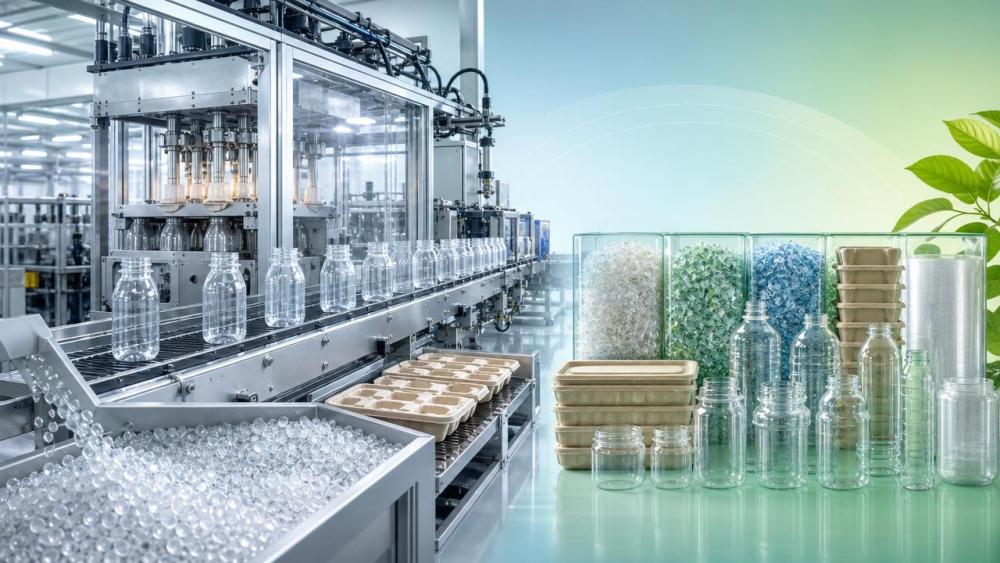
For enterprise leaders, green packaging materials should be evaluated as an operating system change. They affect resin sourcing, mold behavior, extrusion stability, bottle performance, labeling claims, waste handling, and supplier negotiations.
The switch becomes worthwhile when regulatory exposure, retailer requirements, customer expectations, and material volatility begin to outweigh the perceived safety of conventional packaging. This is already happening across food, beverage, medical, cosmetics, logistics, agriculture, and consumer goods supply chains.
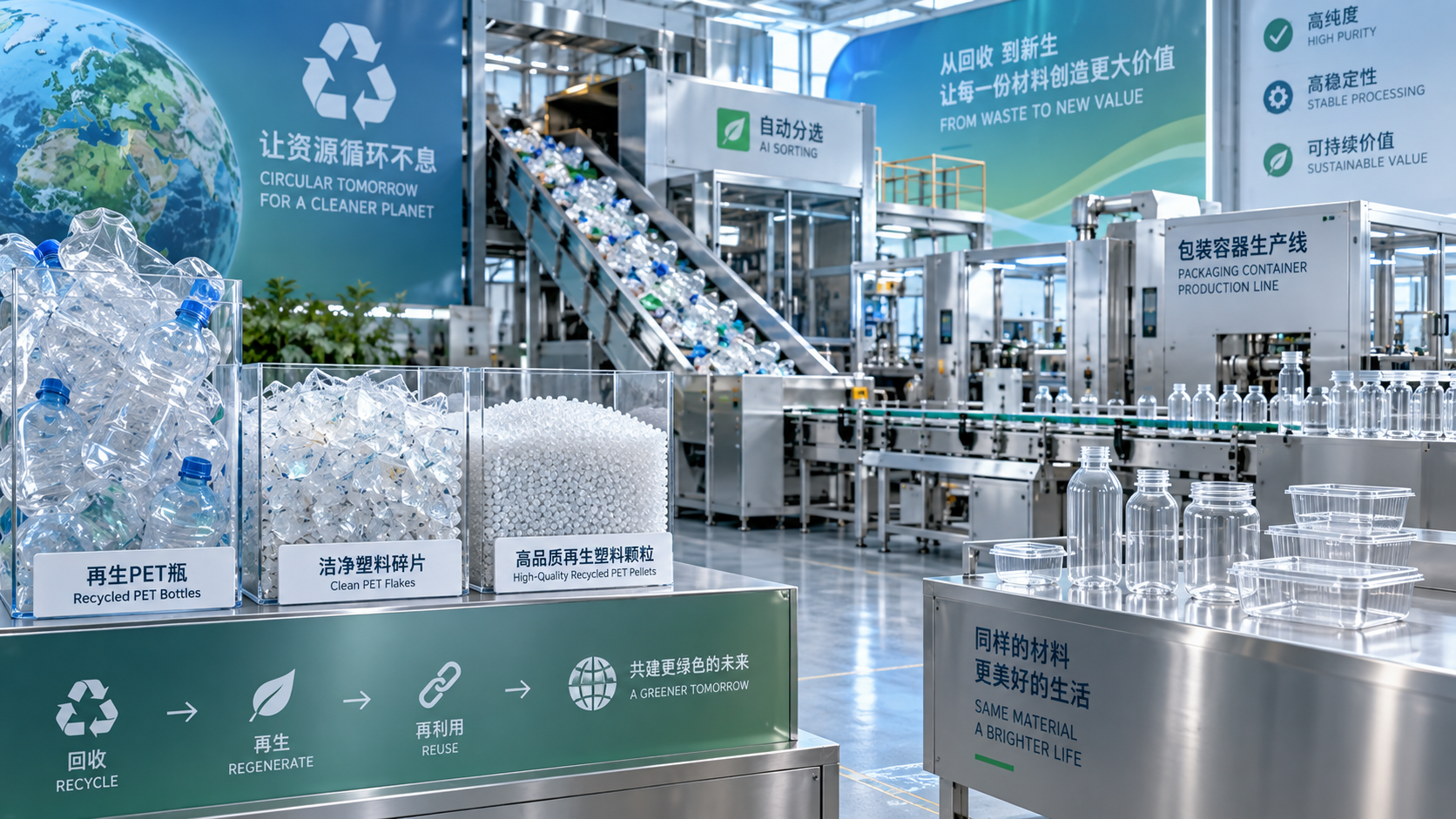
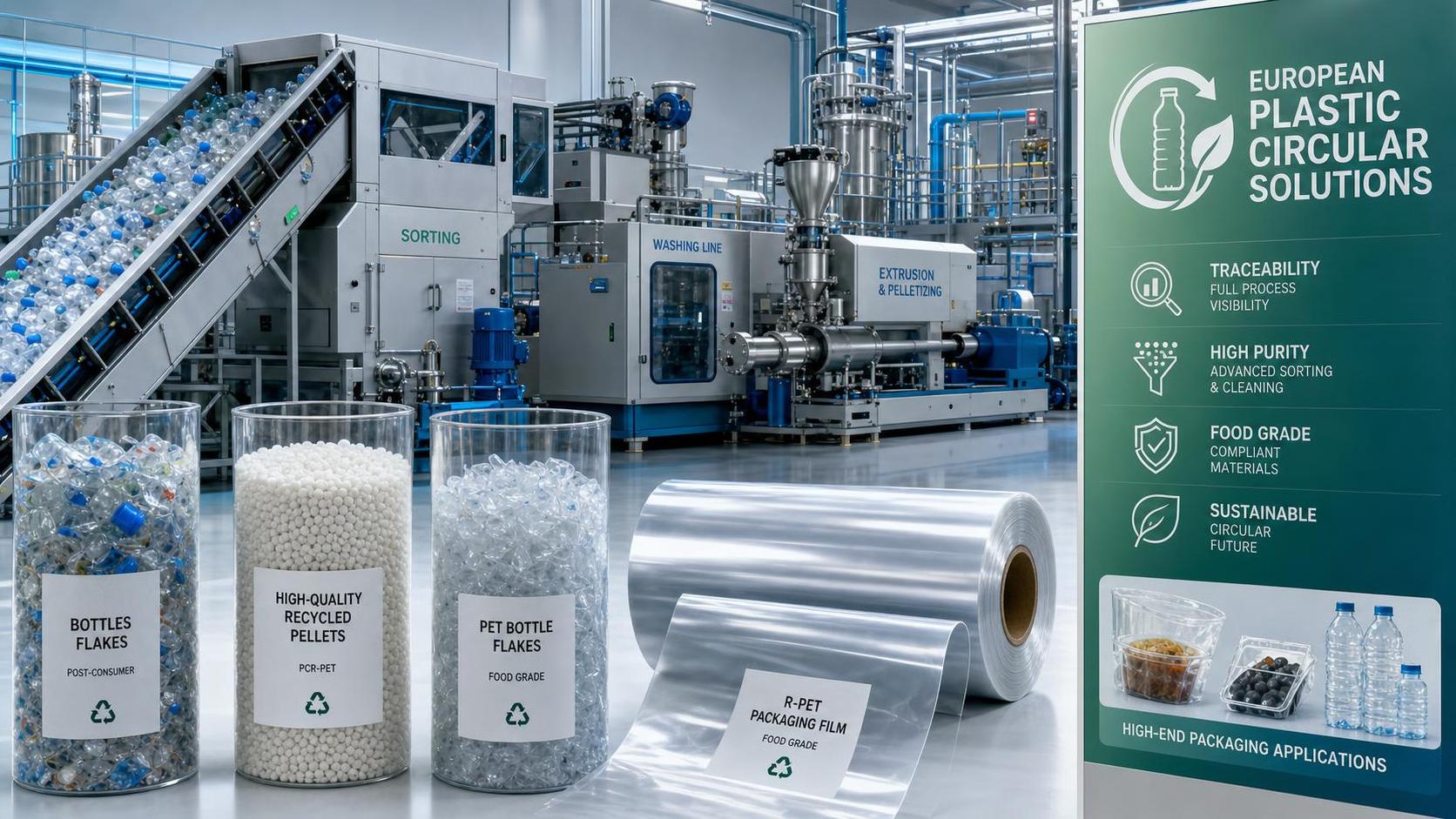
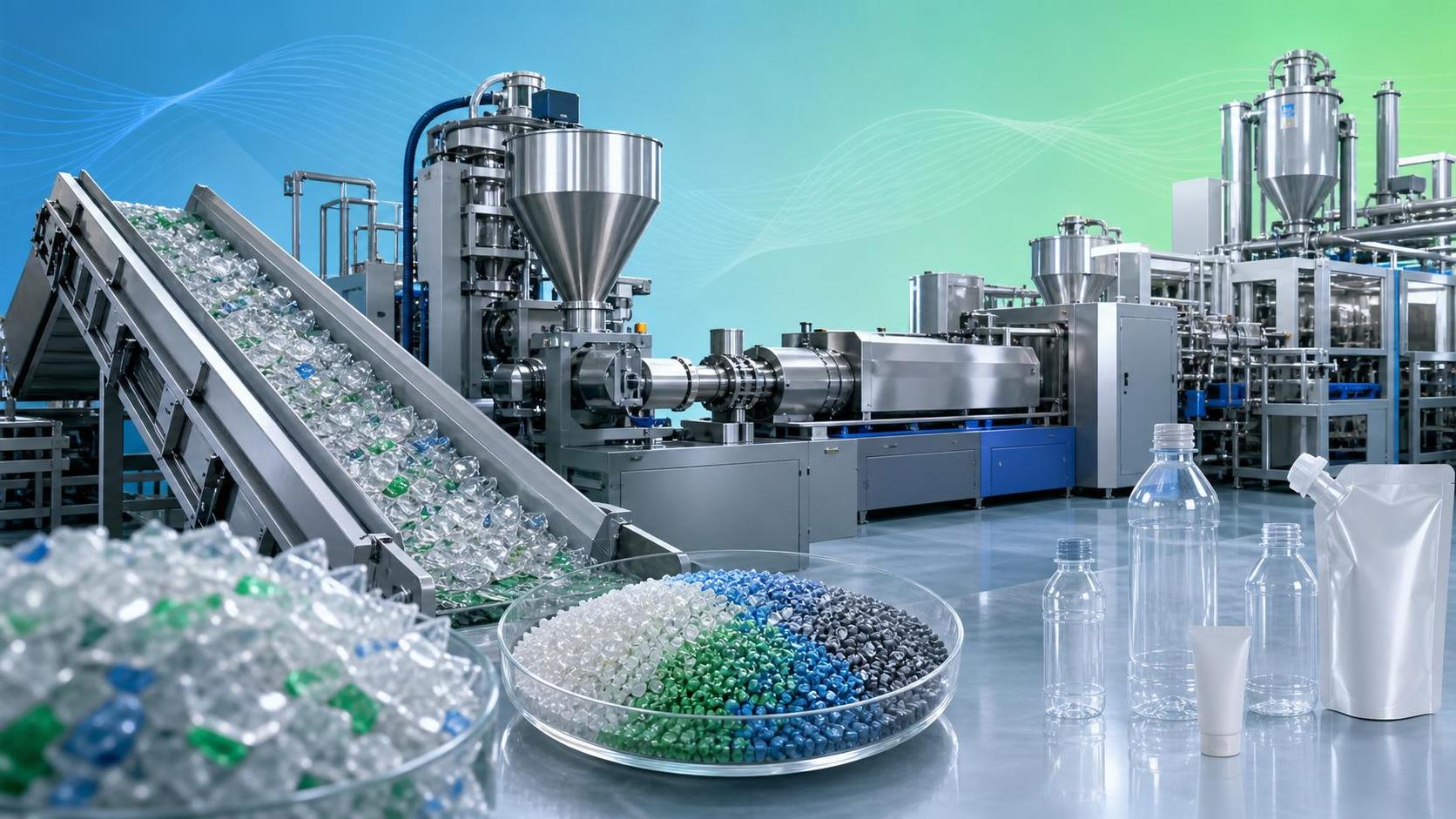
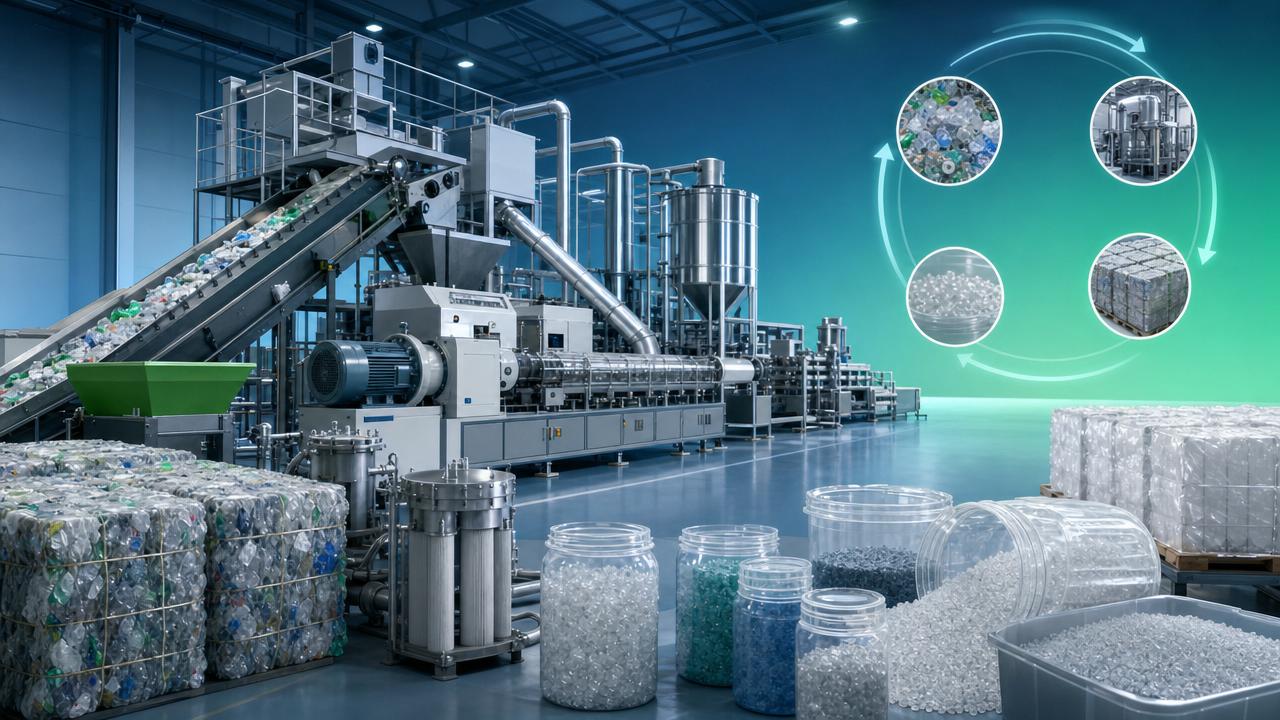
PFRS observes this transition through the full polymer lifecycle. Sustainable packaging is not only about choosing paper, rPET, bio-based PE, compostable resin, or lightweight mono-material film. It is about whether forming equipment and recycling systems can process those materials repeatedly, predictably, and profitably.
The real question executives should ask
The practical question is not whether green packaging materials are morally preferable. It is whether they reduce total risk while maintaining throughput, quality consistency, compliance flexibility, and acceptable unit economics.
- Can the material run on existing injection molding, extrusion, or blow molding lines with limited tooling changes?
- Will barrier properties, drop strength, sealing quality, and dimensional stability satisfy the target application?
- Does the local recycling or composting infrastructure support the material claim made on the package?
- Can procurement secure stable supply without exposing production to sudden resin shortages or price spikes?
How green packaging materials compare across industrial processing routes
Different green packaging materials behave differently under heat, shear, pressure, and cooling. A material that works well for thermoformed trays may not perform well in high-speed stretch blow molding or thin-wall injection molding.
The following table summarizes common material pathways from a manufacturing decision perspective. It helps decision-makers connect material choice with equipment compatibility and commercial risk.
This comparison shows why green packaging materials cannot be purchased by claim alone. A high-recycled-content package may be more practical than a compostable alternative if the product needs barrier strength, shelf stability, and established recycling outlets.
Which production scenarios are most ready for the switch?
Companies with mature process control, documented quality systems, and flexible equipment are usually better positioned to adopt green packaging materials. The transition is easier when production data already tracks temperature, pressure, cycle time, scrap rate, and energy consumption.
Injection molding: precision parts, caps, closures, and medical packaging
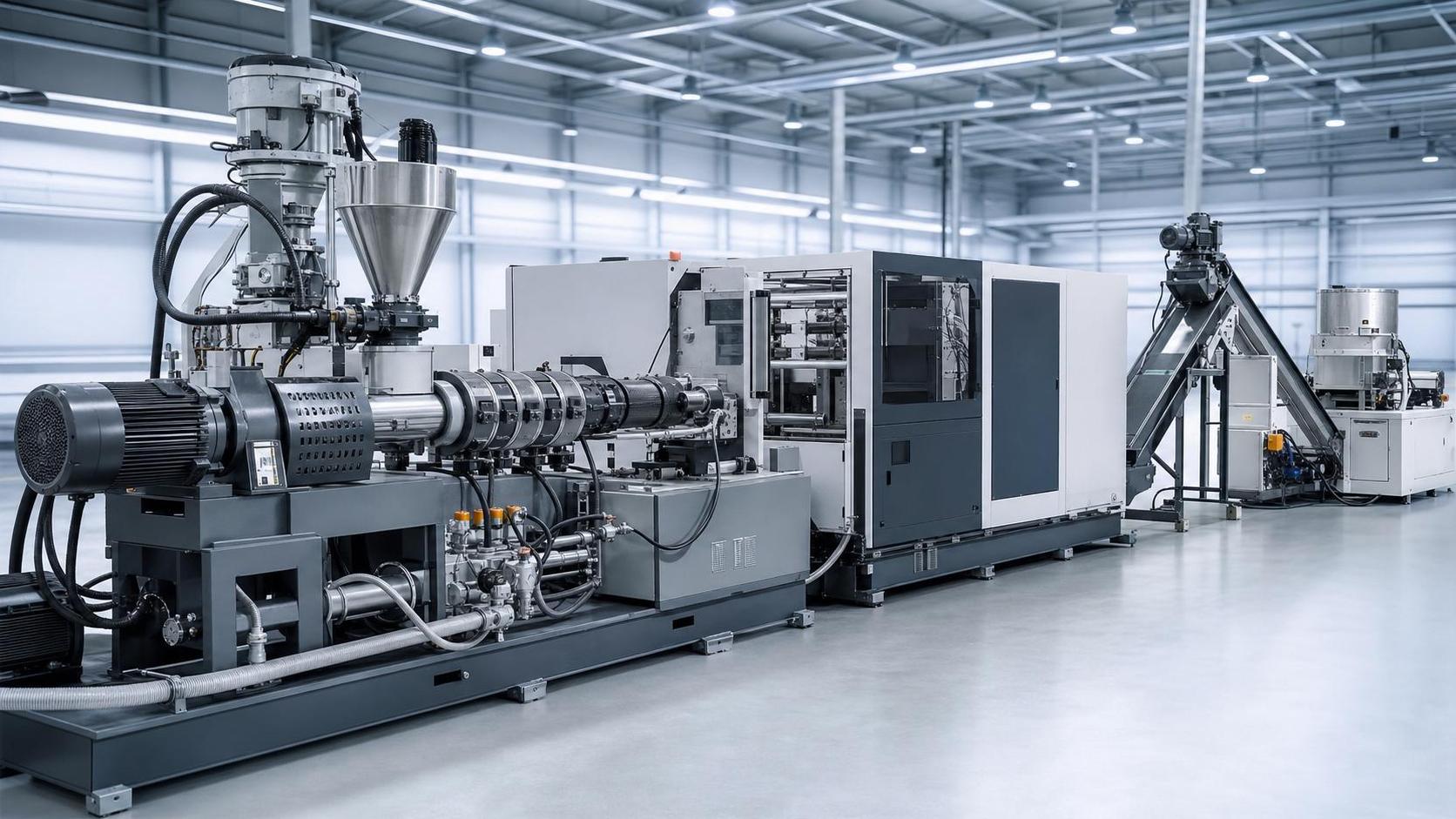
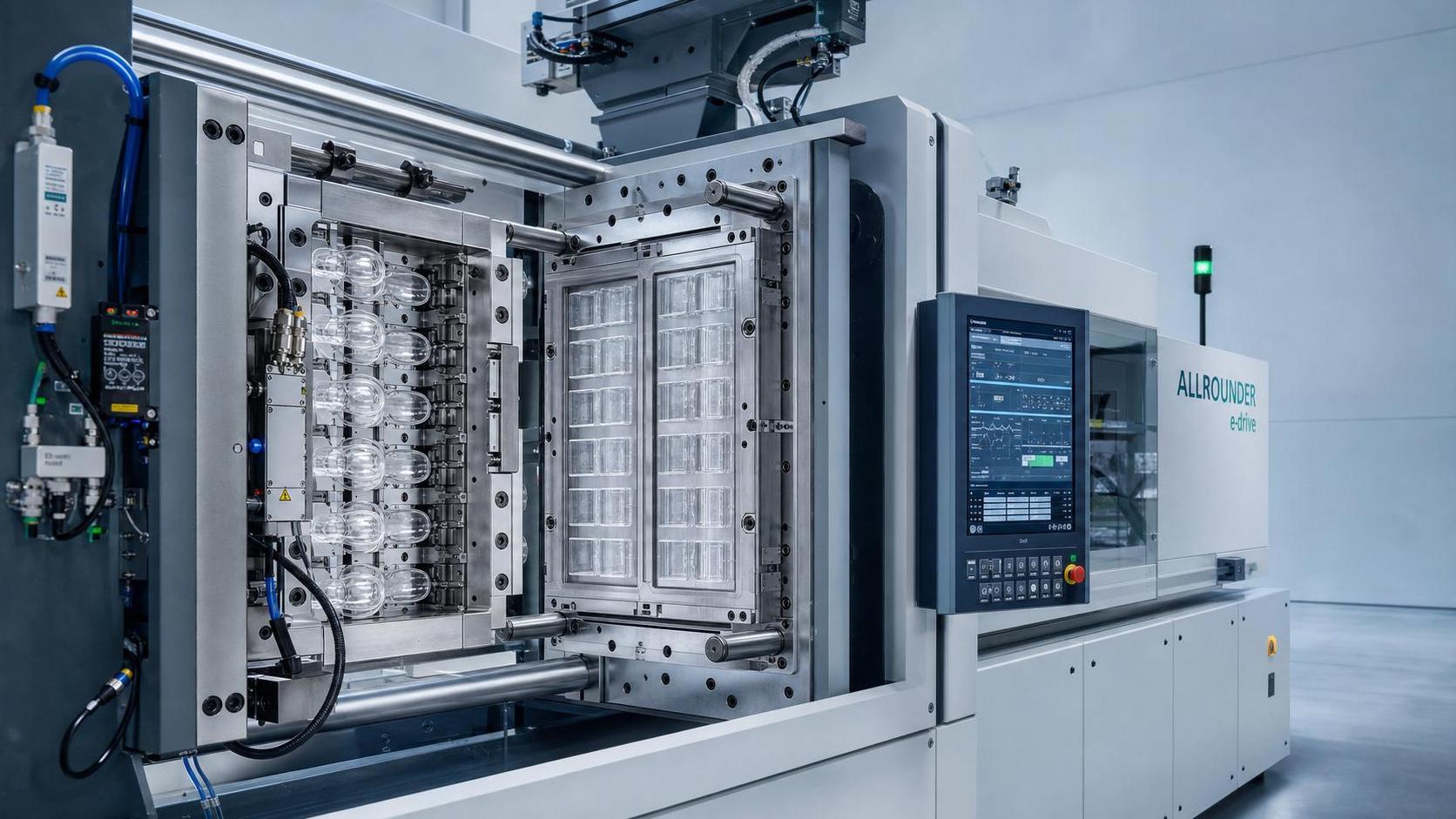
In injection molding, green packaging materials must fill cavities consistently and maintain shrinkage behavior. Recycled PP or PE may require modified holding pressure curves, mold temperature adjustments, and tighter incoming material inspection.
All-electric and servo-driven injection systems help reduce energy usage while improving repeatability. For thin-wall packaging, this combination can support sustainability targets without sacrificing cycle-time discipline.
Extrusion: films, sheets, pipes, and laminated structures
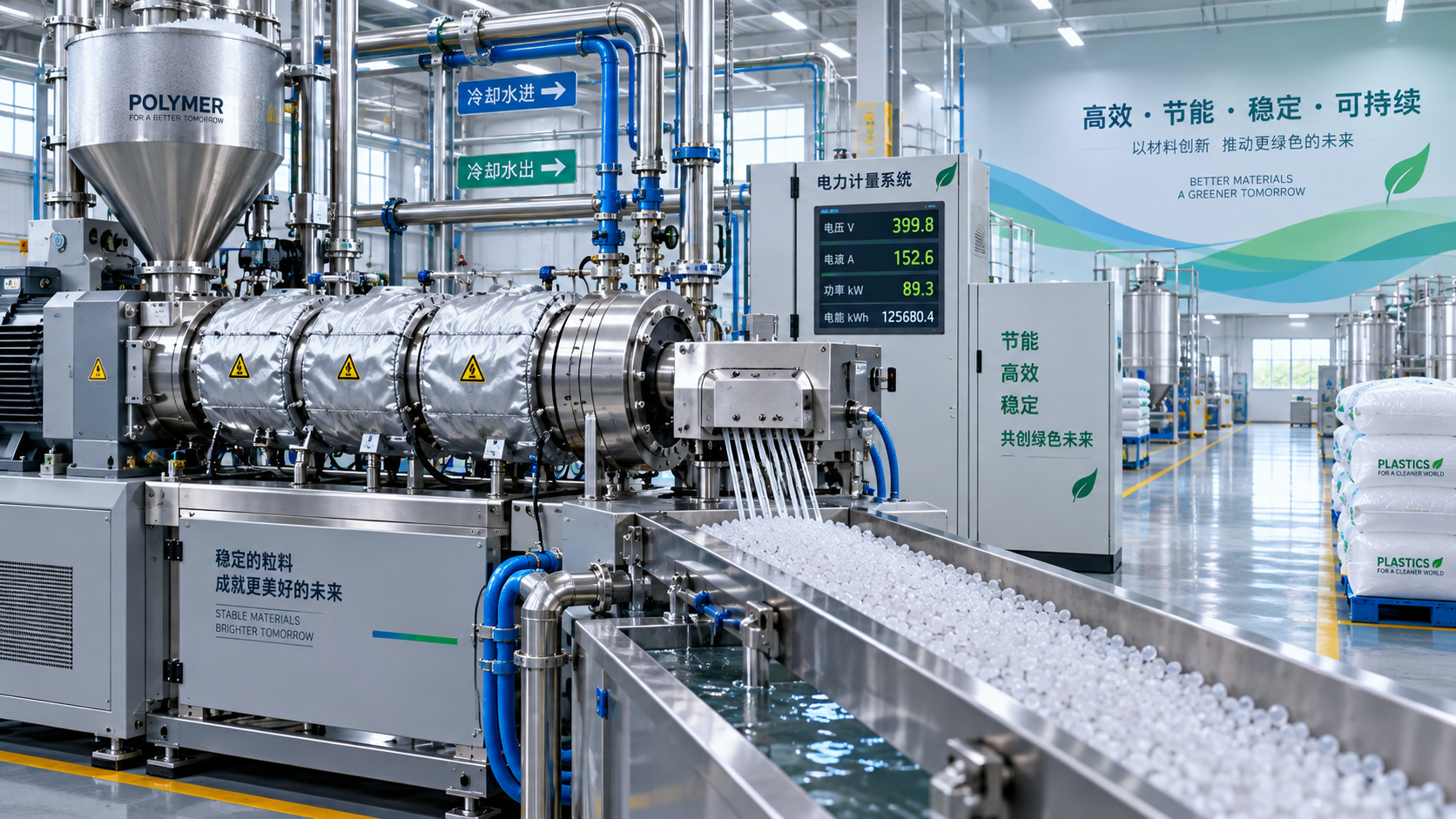
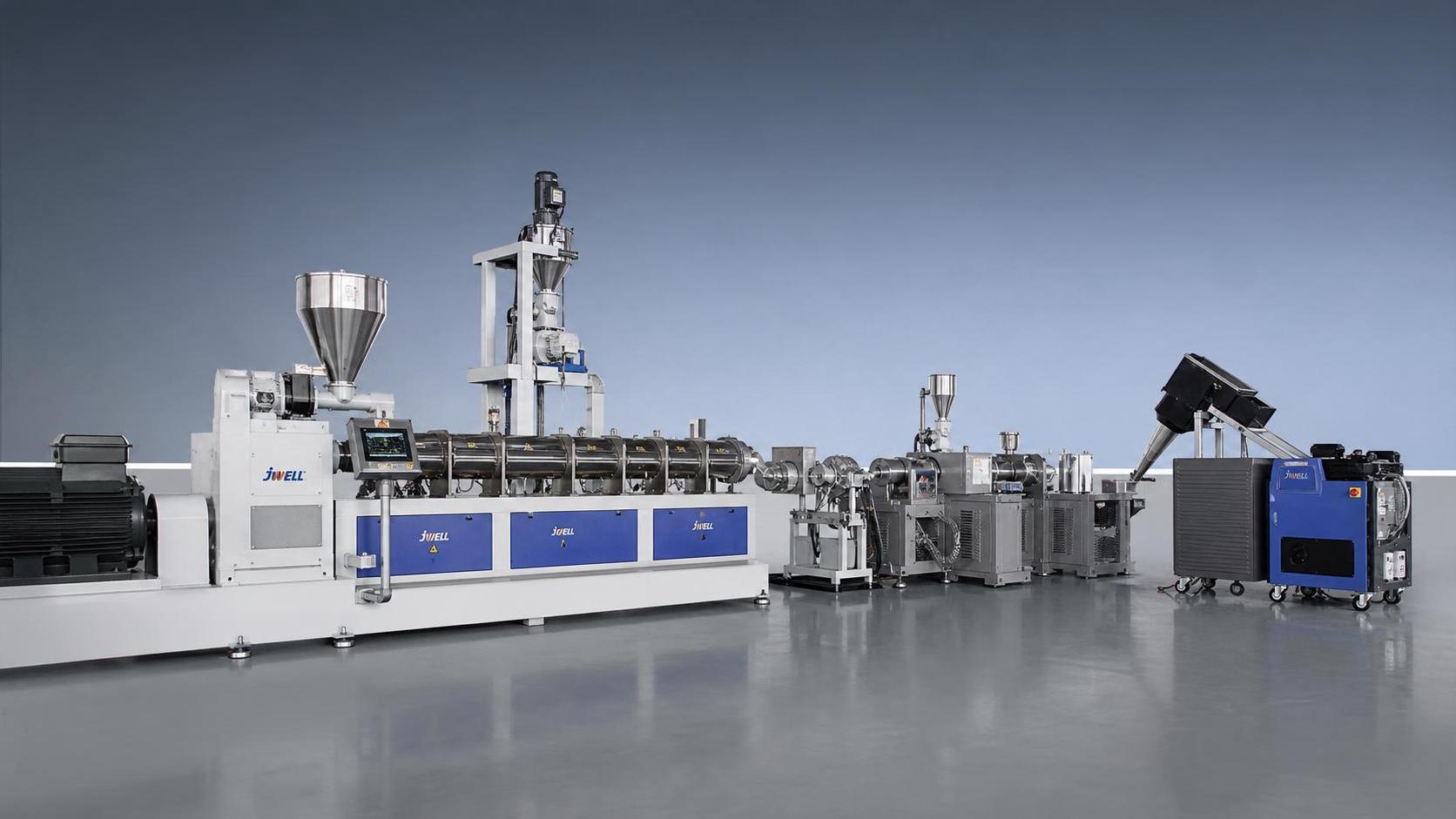
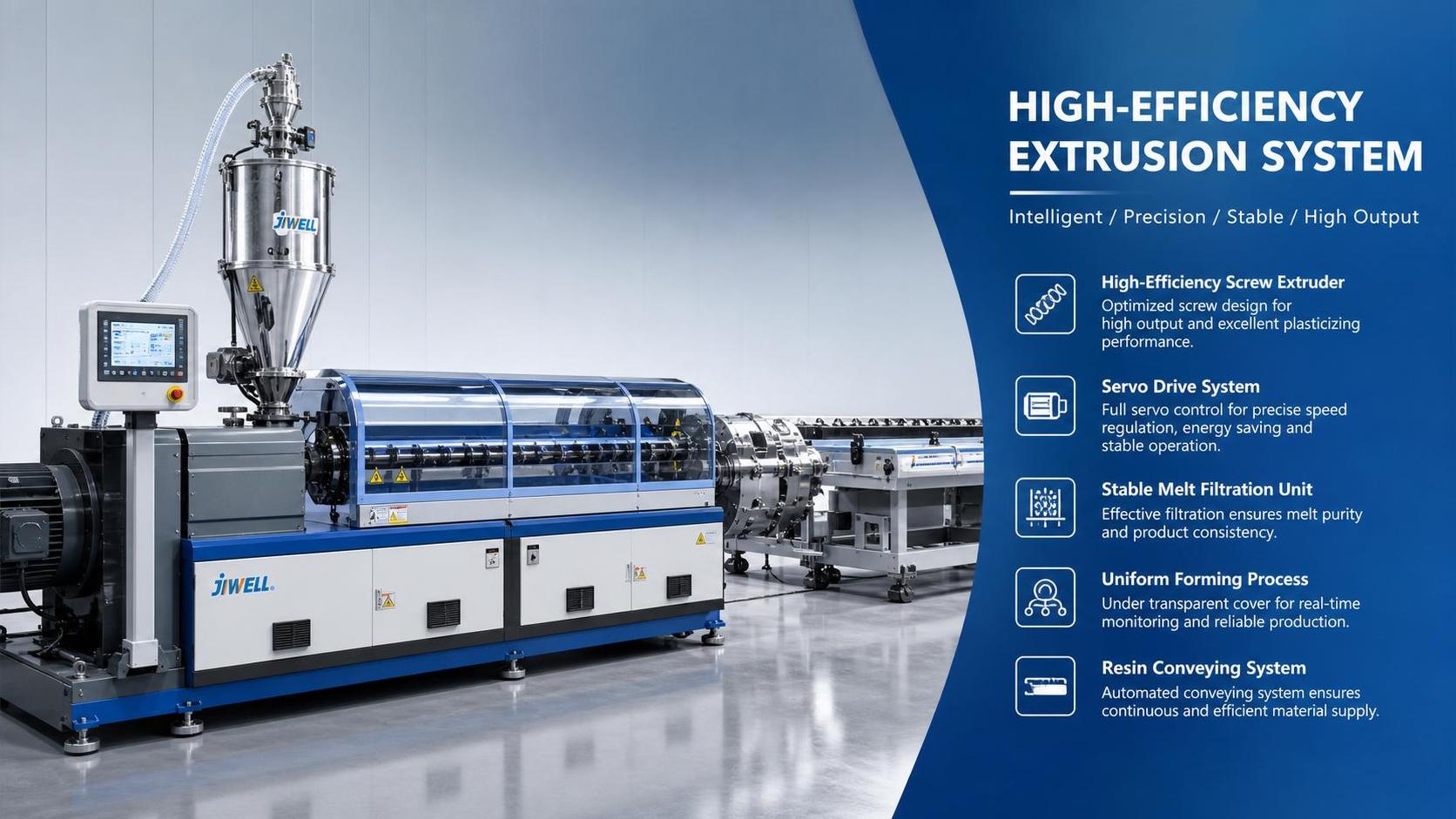
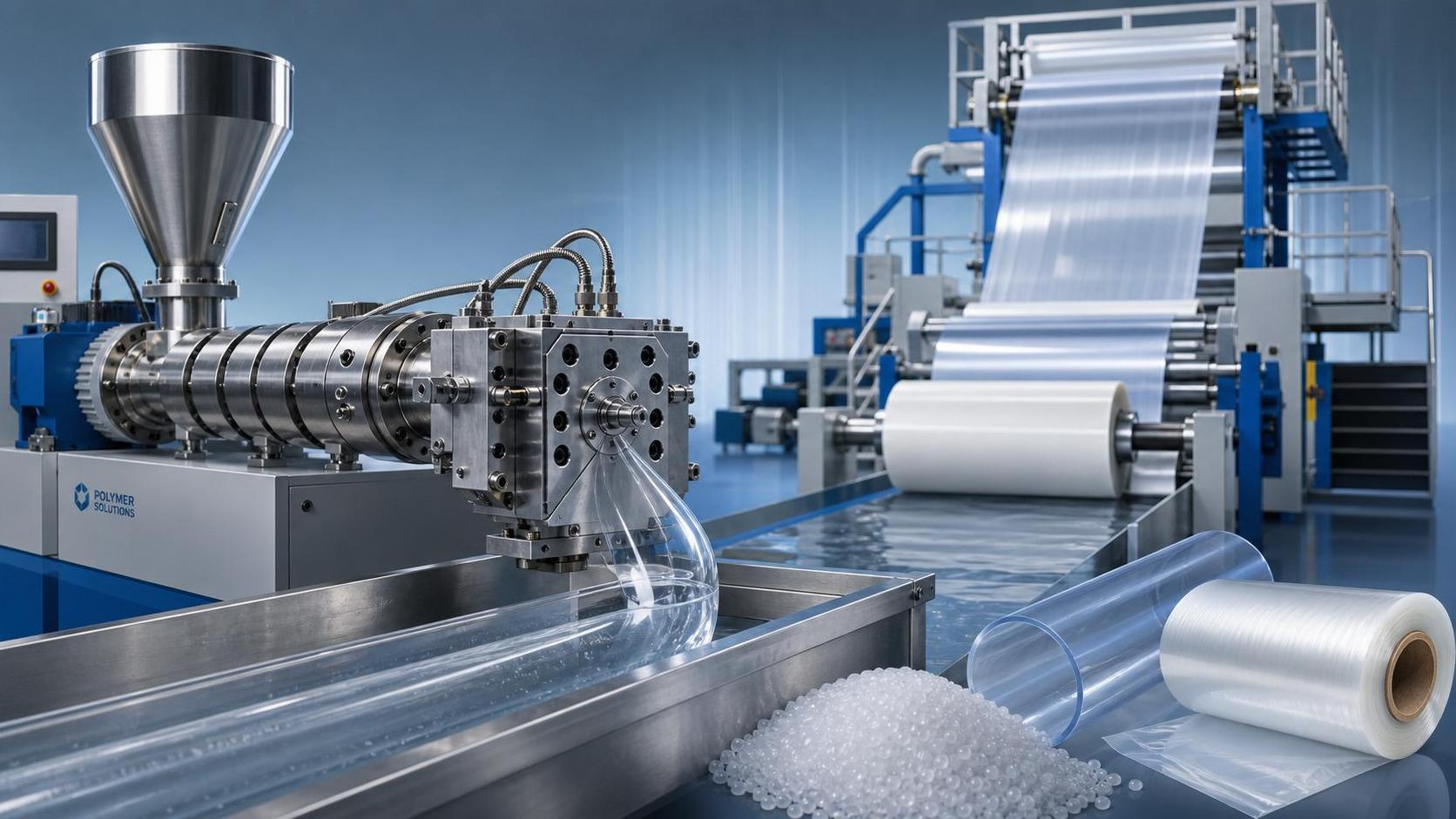
Extrusion is often the main artery of sustainable packaging conversion. Twin-screw compounding can disperse additives, compatibilizers, mineral fillers, and recycled resin streams while controlling non-Newtonian flow behavior.
For flexible packaging, mono-material structures are gaining traction because they improve recyclability. However, downgauging and barrier design must be tested together, especially for oxygen-sensitive or moisture-sensitive products.
Blow molding: bottles and high-speed FMCG packaging
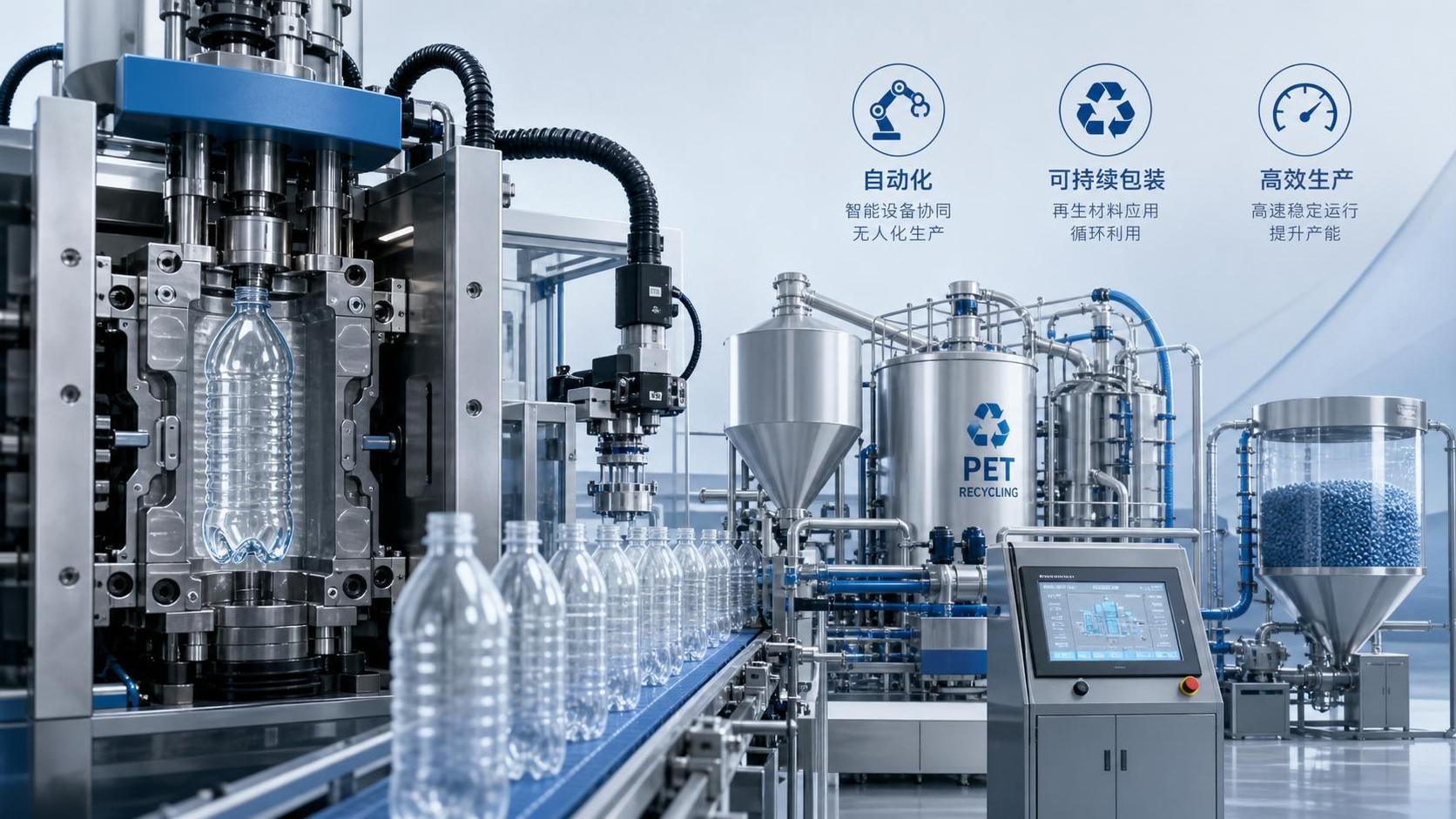
In blow molding, switching to rPET or bio-based PET requires close attention to preform quality, heating uniformity, stretch ratio, wall distribution, and top-load resistance. Small deviations become expensive at tens of thousands of bottles per hour.
Decision-makers should not assume that all sustainable bottle resins behave the same. Resin moisture, acetaldehyde control, haze, and recycled content percentage can influence both production stability and shelf presentation.
What should procurement evaluate before approving green packaging materials?
Procurement teams often compare unit price first. That is understandable, but incomplete. Green packaging materials should be evaluated through material economics, machine performance, compliance exposure, logistics, and end-of-life credibility.
The table below provides a procurement evaluation framework that connects purchasing questions with manufacturing and sustainability outcomes.
A disciplined procurement process turns green packaging materials from a speculative purchase into a controlled transition. It also gives finance teams better visibility into the payback period and operational trade-offs.
- Request process trial data, not only technical datasheets, especially when recycled content exceeds previous production levels.
- Compare total cost per sellable unit, including scrap rate, energy consumption, downtime, inspection load, and logistics changes.
- Confirm whether packaging claims are supported by recognized documentation, chain-of-custody evidence, or applicable test methods.
What cost factors decide whether the switch pays back?
The business case for green packaging materials rarely depends on resin price alone. A slightly higher material cost may be justified if it improves retailer acceptance, lowers packaging tax exposure, reduces virgin resin dependence, or supports premium positioning.
However, some projects fail because companies overlook secondary costs. These include drying upgrades, melt filtration, requalification testing, inventory separation, mold adjustment, operator training, and temporary productivity loss during trials.
Cost variables executives should model
- Material premium or discount compared with virgin resin, including freight and minimum order quantities.
- Process yield, because a lower resin price is irrelevant if scrap increases or output speed falls.
- Compliance savings, including potential plastic taxes, extended producer responsibility fees, and retailer sustainability requirements.
- Equipment investment, such as dryers, gravimetric dosing, filtration units, pelletizing lines, or updated control systems.
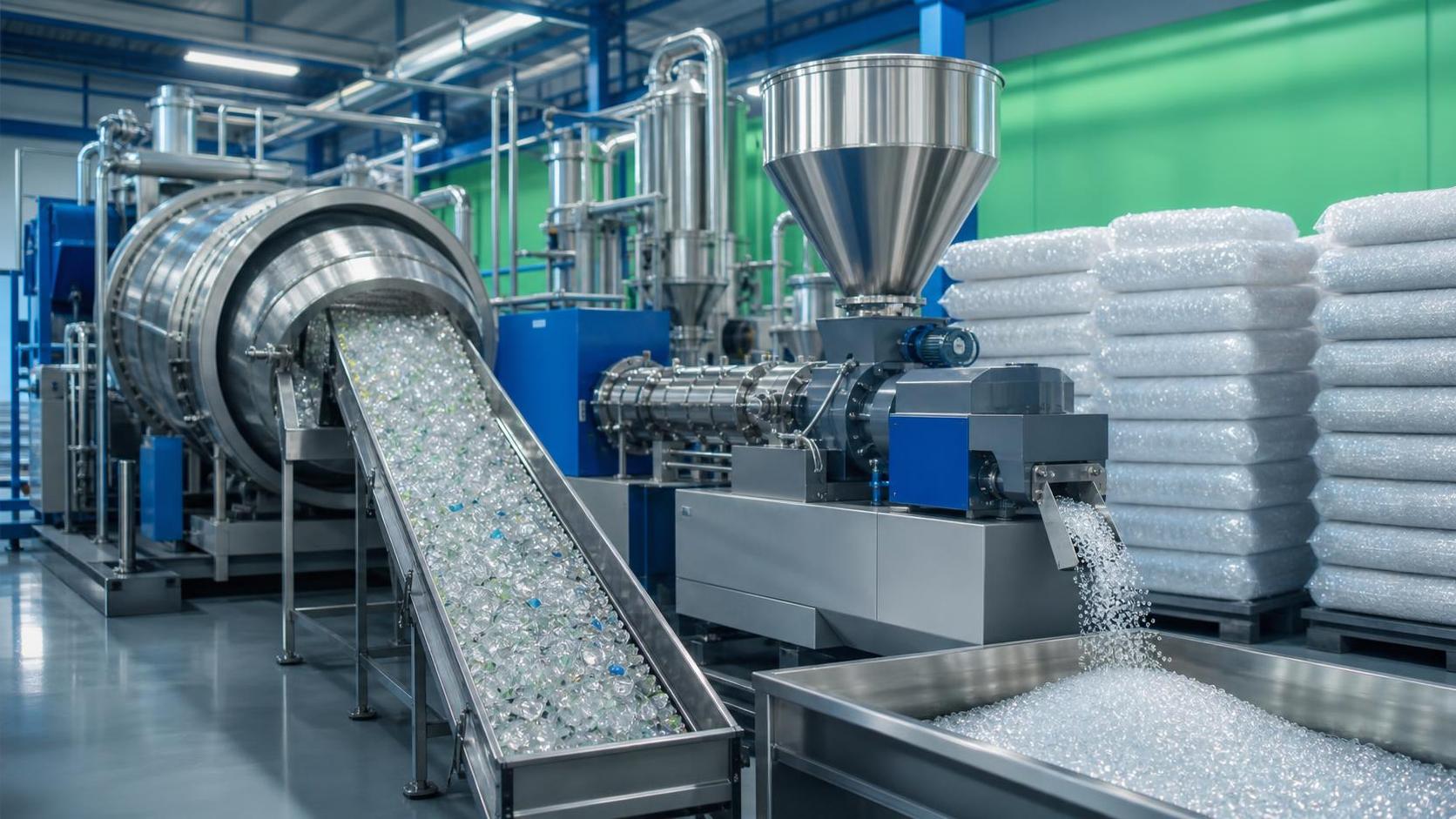
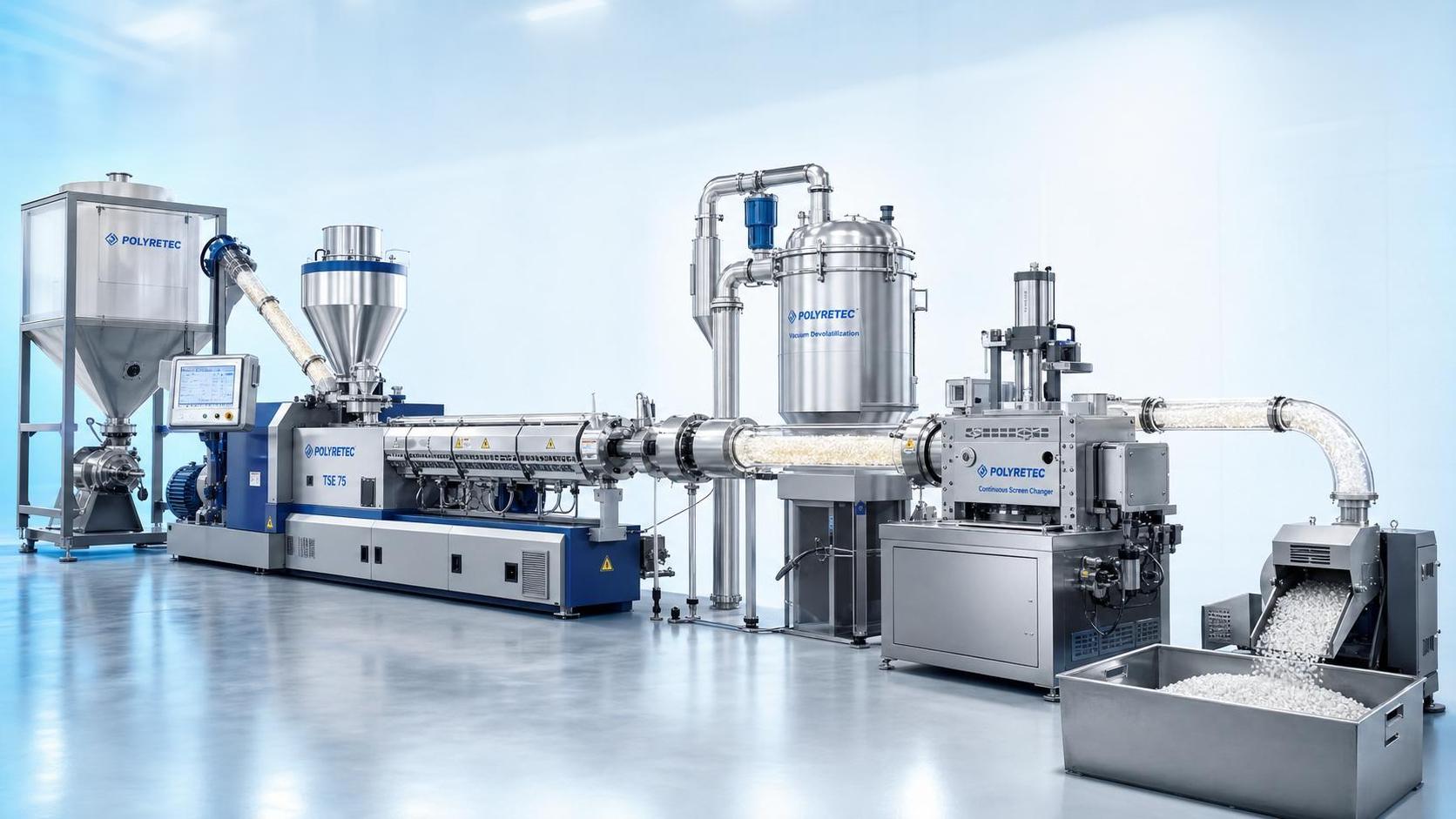
For high-volume packaging, in-house recycling can change the economics. Waste plastic pelletizing systems can convert production scrap into reusable pellets when contamination is controlled and quality requirements allow closed-loop reuse.
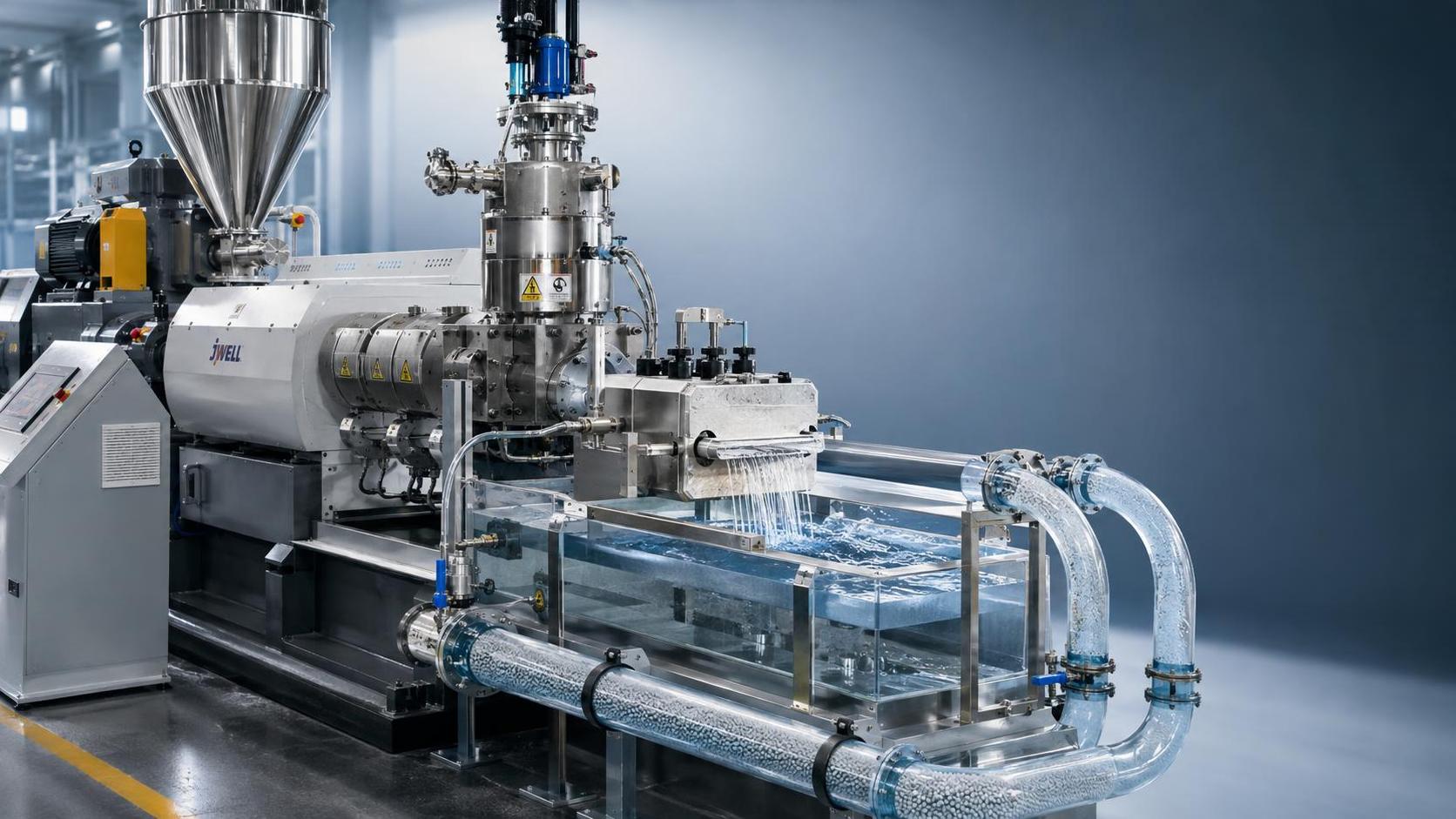
PFRS tracks this trend closely. Packaging groups are increasingly evaluating washing, melt filtration, and underwater pelletizing systems as strategic assets, not auxiliary equipment, because they reduce dependency on uncertain recycled resin markets.
Which standards and compliance issues should not be ignored?
Green packaging materials can create compliance value, but only when claims match the material pathway. “Recyclable,” “recycled content,” “bio-based,” and “compostable” are not interchangeable terms.
Decision-makers should treat compliance as a design constraint from the beginning. Late-stage certification review can force redesign, relabeling, or supplier replacement after tooling and inventory are already committed.
Common compliance checkpoints
- Food-contact suitability should be assessed according to relevant market requirements and documented supplier declarations.
- Recycled content claims should be traceable and aligned with customer, retailer, or regional reporting expectations.
- Compostability claims should reflect recognized testing frameworks and actual industrial composting availability.
- Design-for-recycling should consider colorants, labels, adhesives, multilayer structures, caps, closures, and sorting behavior.
General references may include ISO environmental labeling principles, EN 13432 for compostability contexts, ASTM compostability methods, and regional food-contact regulations. Requirements vary, so technical verification should be market-specific.
How to implement the switch without disrupting production
A controlled pilot is safer than a full-line conversion. Green packaging materials should be introduced through staged validation that links laboratory data, machine trials, product testing, and commercial readiness.
A practical transition sequence
- Define target outcomes, such as recycled content percentage, carbon reduction direction, downgauging, recyclability, or compliance readiness.
- Screen candidate materials against product performance, regulatory restrictions, supply reliability, and processing route.
- Run controlled equipment trials, documenting temperatures, pressures, screw speed, cycle time, energy use, and scrap ratio.
- Validate finished packaging through drop tests, sealing tests, migration review, shelf-life checks, or customer-specific protocols.
- Scale gradually, building supplier contingency plans and operator training before converting critical production lines.
This sequence reduces the risk of approving a material that looks sustainable on paper but fails under real production conditions. It also helps executives compare options using operational evidence rather than internal opinion.
FAQ: practical questions about green packaging materials
Are green packaging materials always more expensive?
Not always. Some recycled materials may be cost-competitive, while specialty compostable or certified bio-based resins can carry a premium. The meaningful metric is total cost per accepted package, not resin price per kilogram.
Can existing machines process sustainable packaging materials?
Often yes, but compatibility must be tested. Injection molding machines, extruders, and blow molding systems may need adjusted drying, filtration, temperature profiles, screw configuration, or mold cooling settings.
Which applications are lower risk for a first conversion?
Secondary packaging, logistics trays, non-food containers, caps, and certain mono-material films are often easier starting points. High-barrier food, medical, and hot-fill applications usually require deeper qualification.
What is a common mistake when selecting green packaging materials?
A frequent mistake is choosing the most marketable claim before confirming the end-of-life pathway. If recycling, composting, or reuse infrastructure is absent, the package may create reputational risk instead of ESG value.
Why choose PFRS for material, equipment, and circular packaging intelligence?
The value of green packaging materials depends on the system around them. PFRS connects polymer forming knowledge with recycling technology, helping decision-makers evaluate sustainable packaging through machinery, process, compliance, and market lenses.
Our Strategic Intelligence Center follows precision injection molding, high-efficiency extrusion, blow molding, rubber vulcanization, and waste plastic pelletizing developments. This enables practical guidance across the full lifecycle of polymer materials.
Business teams can consult PFRS for material pathway comparison, processing parameter confirmation, equipment selection logic, recycling line feasibility, certification considerations, sample trial planning, delivery-cycle discussions, and quotation preparation support.
If your organization is assessing green packaging materials for a new product, a regulatory transition, or an in-house recycling strategy, start with a structured technical review. The right decision should improve compliance readiness, production stability, and circular economy performance together.
Related News
- 00
0000-00
Tire Manufacturing Equipment: Choosing Curing Presses by Tire Size and Output - 00
0000-00
What Drives Underwater Pelletizing System Cost in High-Throughput Compounding? - 00
0000-00
Medical Molding for Lab Consumables: Choosing Processes for Low-Particle Parts - 00
0000-00
Smart Factory Costs for Plastics: Estimating ROI for Automation Projects - 00
0000-00
How to Evaluate a Packaging Molding Equipment Supplier for High-Volume Production
Weekly Insights
Stay ahead with our curated technology reports delivered every Monday.
Related News
 Prof. Marcus ChenWhere Recycled Plastic Innovation Delivers the Biggest Value in PackagingRecycled plastic innovation delivers the greatest packaging value through proven material loops, reliable processing, compliance readiness, and circular design.Oct 08, 2026
 Prof. Marcus ChenEnergy-Efficient Polymer Processing: Where Plants Can Cut kWh per KilogramEnergy-efficient polymer processing solutions help plants reduce kWh per kilogram, protect quality, cut scrap, and prioritize upgrades with data-driven insights.Sep 23, 2026
 Prof. Marcus ChenPlastic Pelletizing Trends: How Recycling Demand Is Reshaping Processing TechnologyPlastic pelletizing trends are redefining recycling quality. Explore filtration, extrusion, degassing, and automation innovations driving cleaner, more consistent recycled resin.Sep 07, 2026
 Prof. Marcus ChenHow Polymer Supply Chains Are Changing to Support High-Quality Recycling FeedstockPolymer supply chain for recycling is shifting toward traceable sourcing, cleaner sorting, and stable processing. See how high-quality feedstock improves performance, compliance, and cost control.Aug 22, 2026
 Prof. Marcus ChenHow Europe’s Circular Plastics Economy Is Reshaping Recycling InvestmentCircular plastics economy Europe is reshaping recycling investment through quality, traceability, and packaging demand. Explore where capital is moving and why it matters now.Aug 04, 2026
 Prof. Marcus ChenBlow Molding Trends Shaping Packaging, Sustainability, and Production EfficiencyBlow molding trends are redefining packaging with lightweighting, recycled content, automation, and energy efficiency. Discover how smarter production boosts sustainability and cuts costs.Jul 23, 2026
 Prof. Marcus ChenExtrusion Equipment Modular Design: When It Makes Sense for Line ExpansionExtrusion equipment modular design helps manufacturers expand lines in phases, cut disruption, and stay ready for recycled content, utility limits, and changing product demands.Jul 15, 2026
 Prof. Marcus ChenPolymer Lifecycle Solutions Explained: From Material Sourcing to End-of-Life RecoveryPolymer lifecycle solutions explained from sourcing and processing to recycling and recovery. Discover how to cut waste, improve quality, and build smarter material strategies.Jul 13, 2026
 Prof. Marcus ChenEnergy-Efficient Polymer Processing Systems: Which Metrics Matter Most?Energy-efficient polymer processing systems: discover the metrics that truly drive ROI—specific energy use, yield, uptime, stability, and compliance for smarter equipment decisions.Jul 11, 2026
 Prof. Marcus ChenPolymer Recycling Systems for Continuous Operation: What to Check Before SpecifyingPolymer recycling systems continuous operation starts with the right specification. Learn what to check for uptime, melt quality, energy efficiency, and reliable pellet output.Jul 09, 2026
 Prof. Marcus ChenCircular Plastics Economy in Japan: Policy Drivers, Recycling Targets, and Market ImpactCircular plastics economy Japan is accelerating as policy, recycling targets, and packaging reforms reshape material choices, processing strategy, and market advantage.Jul 05, 2026
 Prof. Marcus ChenPlastic Extrusion Technology Trends: What Process Changes Are Improving Energy Efficiency?Plastic extrusion technology trends are reshaping energy efficiency through smarter screws, thermal control, servo drives, and digital optimization. See which process changes deliver lower costs and more stable output.Jul 01, 2026
 Prof. Marcus ChenInjection Molding Technology Trends: Which Process Changes Matter Most for Medical and Packaging Parts?Injection molding technology trends shaping medical and packaging parts: discover the process changes that improve validation, precision, efficiency, and recycled-material readiness.Jun 30, 2026
 Prof. Marcus ChenCircular Plastics Economy Compliance Explained: Key Requirements for ManufacturersCircular plastics economy compliance explained for manufacturers: learn key requirements, audit risks, process controls, and how to turn compliance into a competitive advantage.Jun 25, 2026
 Prof. Marcus ChenAdvanced Materials Processing Trends: 5 Shifts Reshaping Capacity Planning and SourcingAdvanced materials processing trends are reshaping capacity planning, sourcing, recycling, and compliance. Explore 5 shifts helping manufacturers cut risk, improve precision, and build resilient growth.Jun 24, 2026
 Prof. Marcus ChenGlobal Plastic Ban Trends: Which Packaging Materials and Export Markets Face the Biggest Changes?Global plastic ban trends are reshaping packaging choices and export strategy. See which materials and markets face the biggest shifts, and how to reduce compliance risk.Jun 22, 2026
 Prof. Marcus ChenPolymer Rheology Trends That Matter in Extrusion: Melt Strength, Shear, and StabilityPolymer rheology trends are reshaping extrusion performance. Learn how melt strength, shear, and stability affect quality, efficiency, and recycled resin processing.Jun 18, 2026
 Prof. Marcus ChenPlastic Circularity Strategies for Manufacturers: Recycled Content, Design, and TraceabilityPlastic circularity strategies for manufacturers: learn how recycled content, smarter design, and traceability can reduce risk, improve compliance, and strengthen supply resilience.Jun 18, 2026
 Prof. Marcus ChenAdvanced Materials Processing Equipment in High-Performance Manufacturing: Where It Fits BestAdvanced materials processing equipment drives precision, speed, and sustainability in manufacturing. Explore where each system fits best to improve quality, efficiency, and ROI.Jun 16, 2026
 Prof. Marcus ChenWhat Is Driving the Circular Economy Plastics Market? Policy, Pricing, and Demand ShiftsCircular economy plastics market trends are being driven by tighter policy, resin price volatility, and stricter buyer demands. Discover what this means for sourcing, processing, and growth.Jun 13, 2026