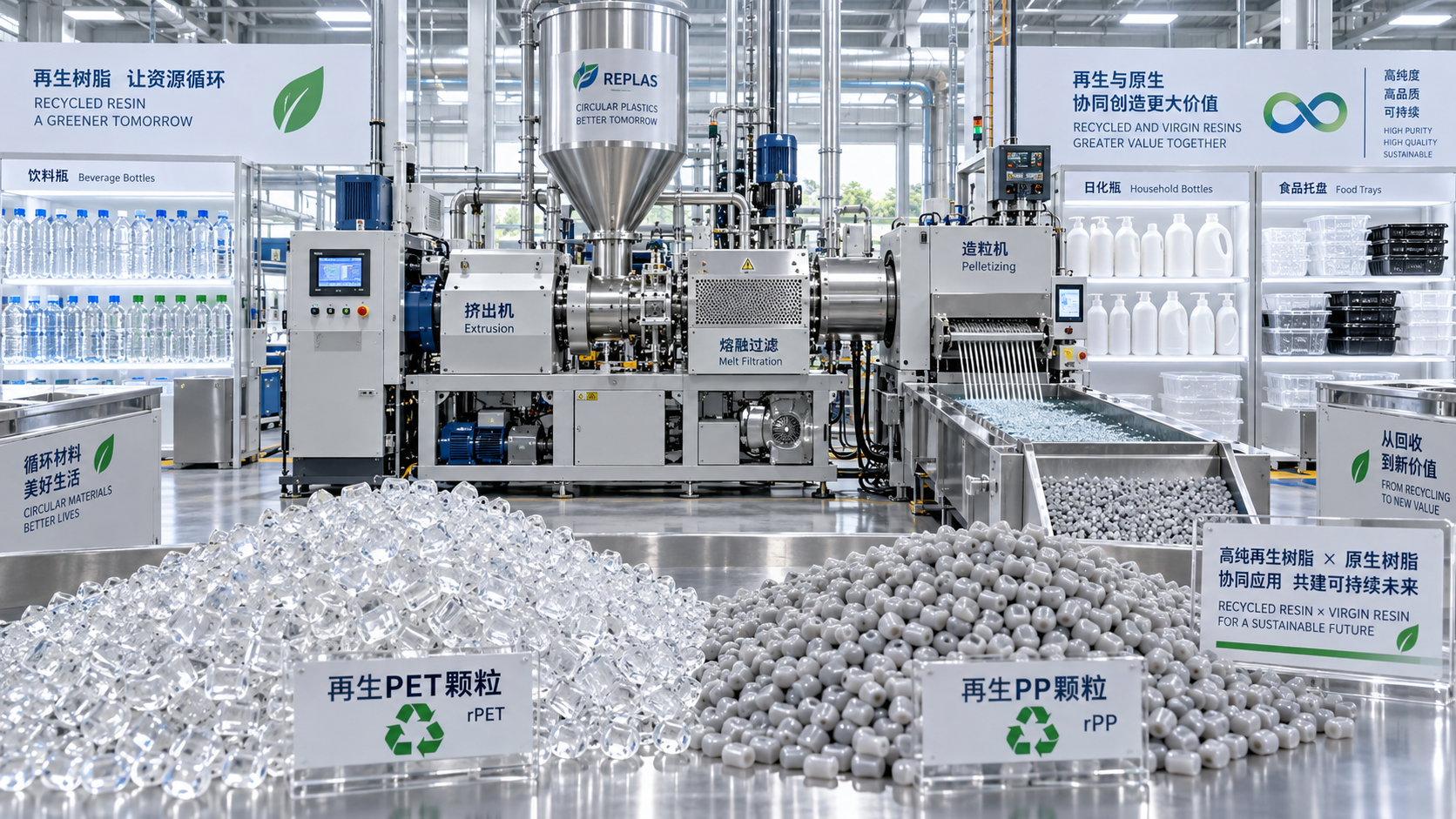
Why recycled plastic technology is changing line efficiency




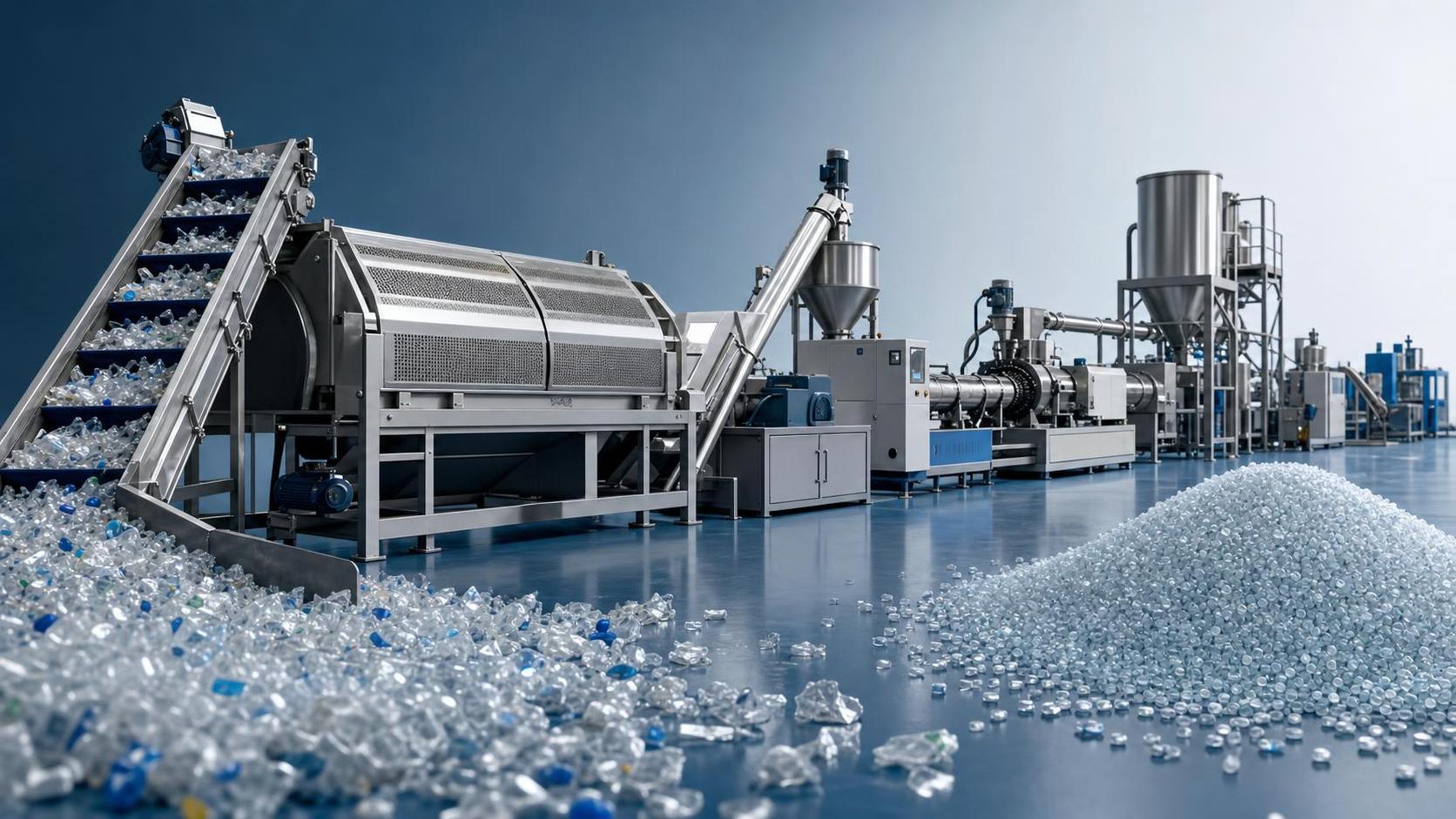
For operations under pressure to lift throughput, reduce scrap, and satisfy compliance, recycled plastic technology now shapes real production results. It improves feedstock control, stabilizes melt quality, and turns waste handling into a measurable efficiency lever.
Across injection molding, extrusion, blow molding, and pelletizing, the value of recycled plastic technology depends on scenario fit. The right setup can raise uptime, cut raw material loss, and support ESG goals without sacrificing output consistency.
Why line efficiency changes under different production scenarios
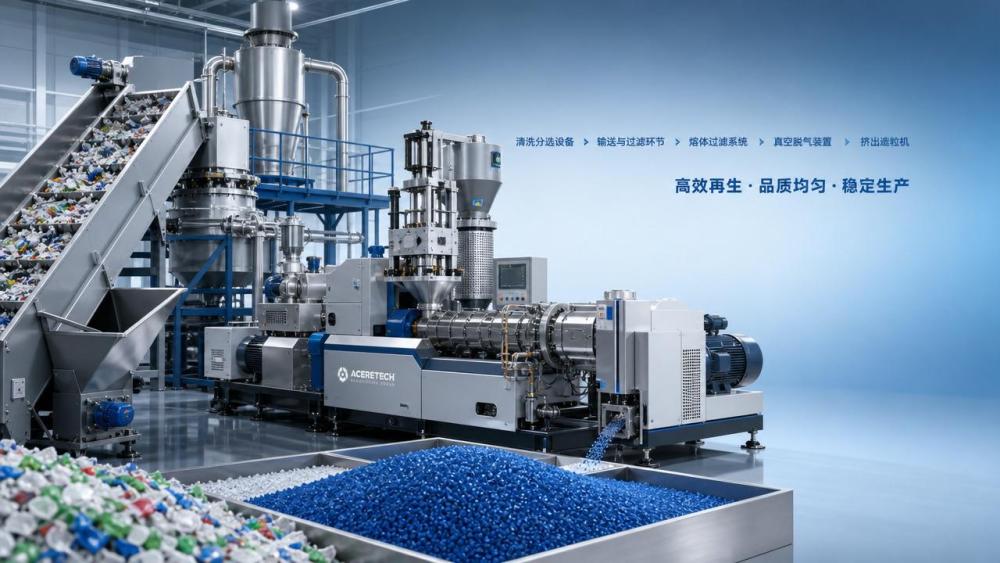
Line efficiency is never defined by speed alone. It also depends on changeover frequency, contamination risk, viscosity variation, and how well recycled plastic technology fits the material stream.
A packaging line processing clean in-house scrap faces different priorities than a mixed post-consumer recycling line. One needs stable regrind dosing. The other needs strong washing, filtration, and melt homogenization.
In both cases, recycled plastic technology changes the economics of material flow. Better pellet quality, smarter controls, and cleaner melt streams reduce interruptions that quietly drain capacity.
Scenario 1: In-house scrap recovery where every kilogram matters
Plants with stable internal scrap often see the fastest gains. Trim, rejected parts, startup waste, and edge cuts can return to production through compact recycling loops.
Here, recycled plastic technology works best when feedstock is known and contamination is low. The main judgment points are particle size consistency, regrind ratio limits, and moisture control before remelting.
When these factors stay controlled, extrusion and molding lines usually run with fewer stops. Material handling becomes more predictable, and virgin resin dependence declines without harming cycle stability.
Core indicators for this scenario
- Regrind particle uniformity and bulk density
- Drying performance before extrusion or molding
- Dosing accuracy between virgin and recycled material
- Effect on cycle time, pressure stability, and rejects
Scenario 2: Post-consumer recycling where contamination drives performance risk
Mixed waste streams create a different operational picture. Labels, paper fibers, metals, moisture, and polymer mismatch can all reduce line efficiency if pretreatment is weak.
In this scenario, recycled plastic technology is judged by cleaning depth, filtration precision, and melt stability after repeated heating. Strong front-end preparation often matters more than nominal machine speed.
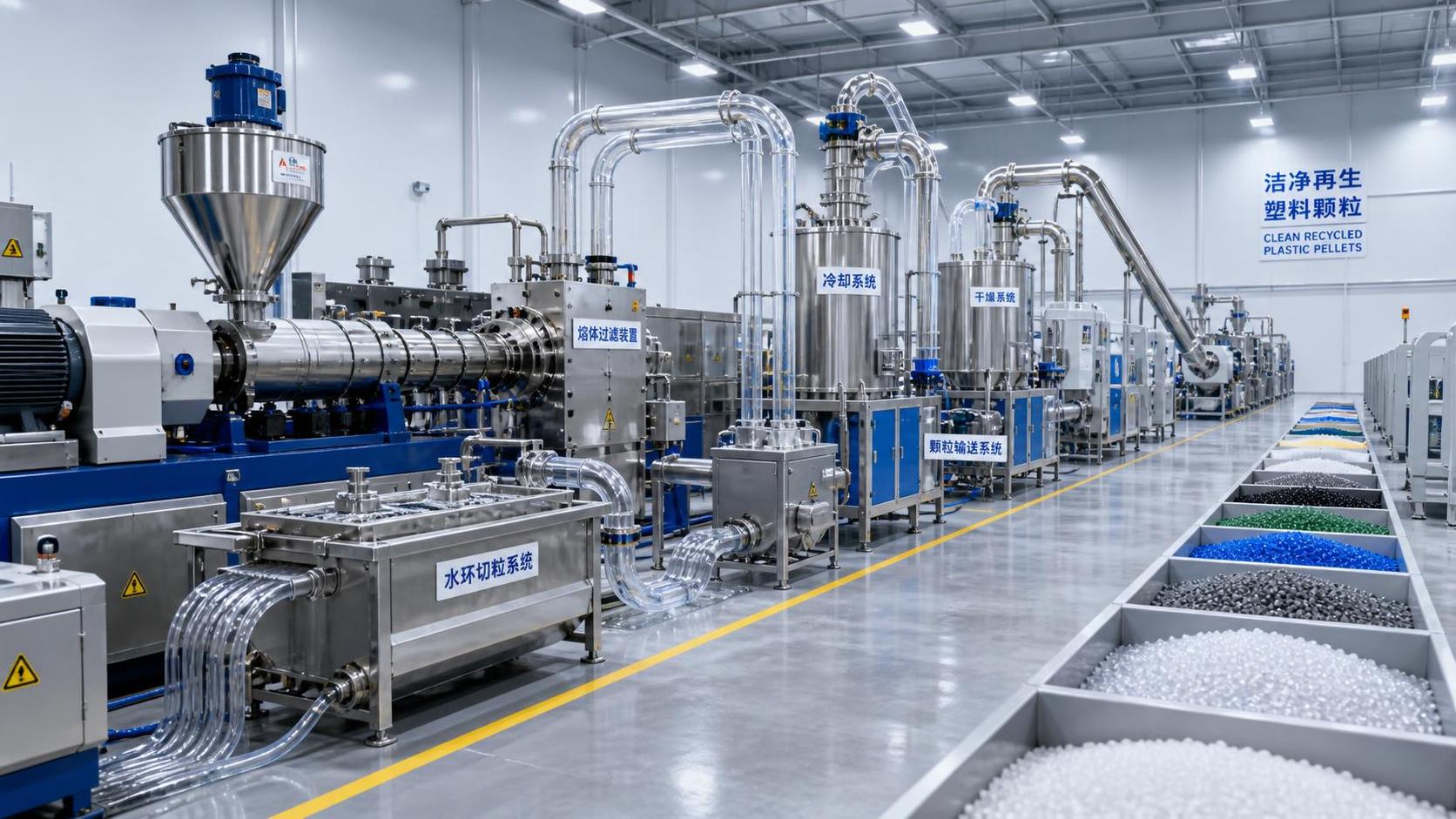
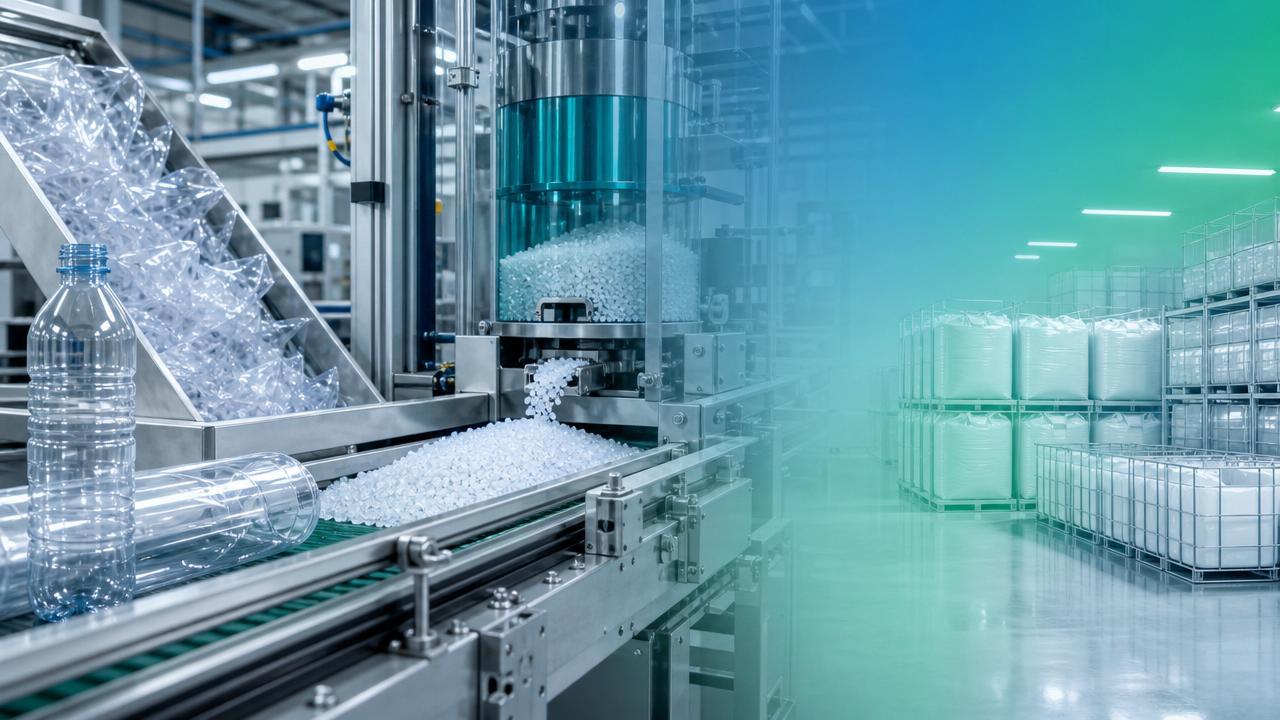
High-efficiency washing, degassing, and fine filtration reduce black specks, gels, and pressure fluctuations. That directly protects downstream extrusion, blow molding, or pelletizing performance.
What usually improves line efficiency here
- Automatic screen changers that avoid long stoppages
- Vacuum degassing to limit odor and volatile content
- Better sorting that reduces incompatible polymers
- Underwater or strand pelletizing for stable pellet geometry
Scenario 3: High-output packaging lines where compliance and speed must coexist
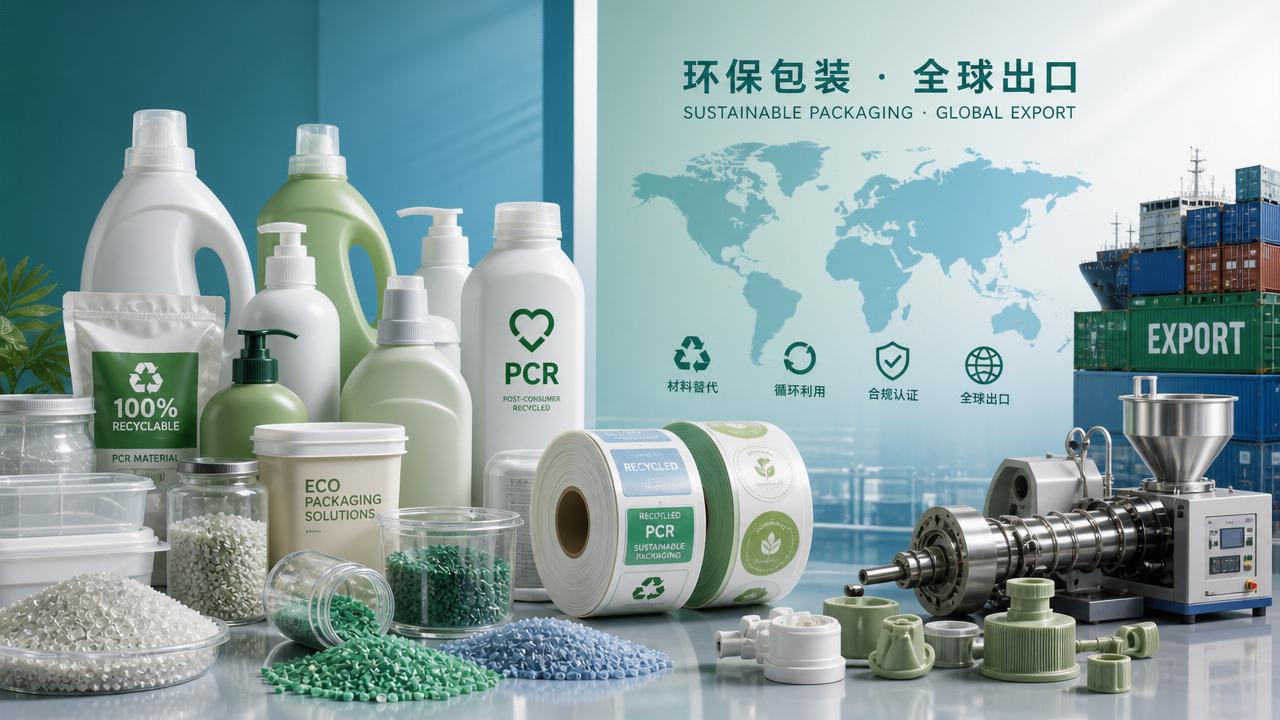
Food, beverage, medical, and personal care packaging lines face a strict balance. Output targets remain aggressive, while recycled content rules and traceability demands keep rising.
For these operations, recycled plastic technology must deliver repeatable pellet purity, narrow viscosity windows, and strong process data. Efficiency falls quickly when recycled input varies beyond validated limits.
The best setups integrate melt filtration, contamination detection, and closed-loop control. This reduces startup losses, supports bottle-to-bottle or film-to-film targets, and improves audit readiness.
Key judgment points
Check whether the recycled plastic technology supports regulatory documentation, stable intrinsic viscosity, low gel count, and reliable throughput under continuous runs.
Scenario 4: Engineering and industrial products where property retention decides value
Automotive parts, appliance housings, industrial containers, and technical components have tighter mechanical demands. In these cases, line efficiency cannot be separated from property retention.
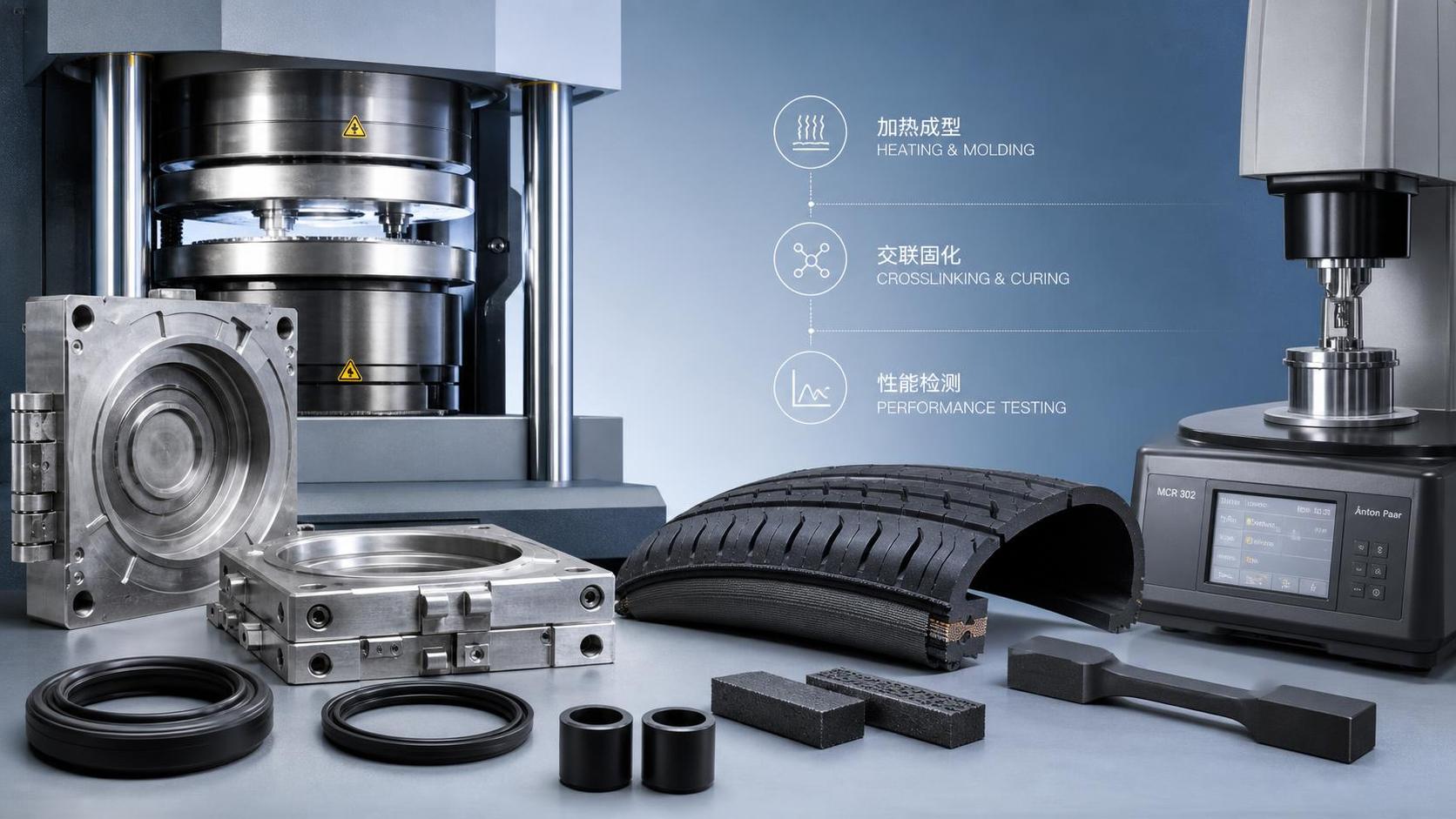
Recycled plastic technology adds value when it preserves impact strength, dimensional stability, and compound uniformity. Efficient compounding with additives or compatibilizers often becomes essential.
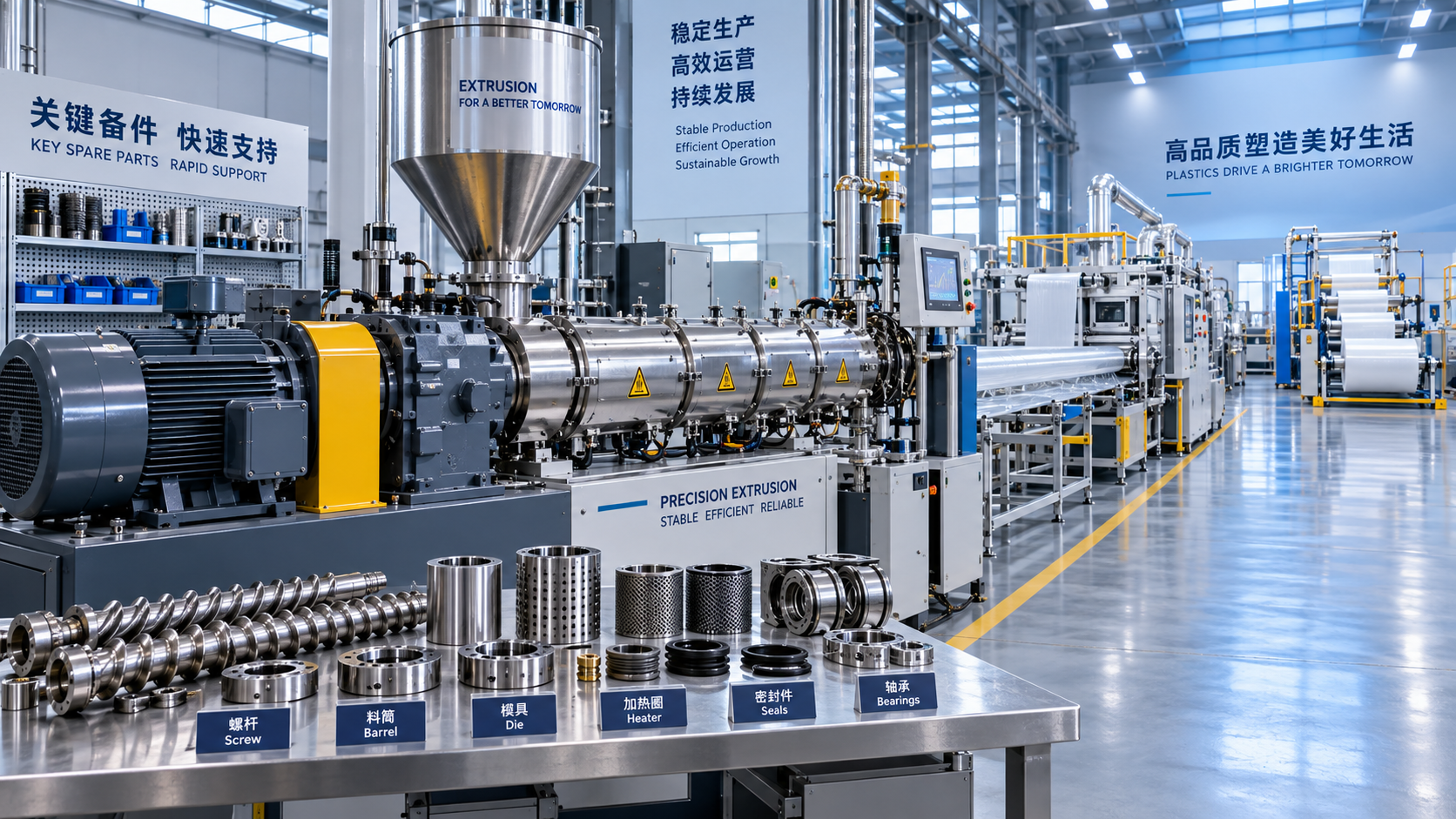
Twin-screw extrusion, precise temperature zoning, and controlled residence time help avoid degradation. Stable melt behavior then protects molding repeatability and reduces part rejection.
How scenario needs differ across common polymer processing lines
Practical fit recommendations before scaling recycled plastic technology
A strong decision process starts with material mapping, not equipment selection alone. Identify scrap source, contamination profile, moisture range, and acceptable property variation first.
- Measure current losses by startup scrap, purge waste, filter changes, and downtime.
- Test recycled plastic technology on one product family with clear quality limits.
- Track pressure stability, energy use, pellet quality, and reject rates together.
- Validate how recycled content affects cycle time and final part performance.
- Scale only after proving repeatability over several production runs.
For integrated polymer operations, this approach aligns well with the broader PFRS focus on precision molding, efficient extrusion, and closed-loop waste plastic recovery.
Common misjudgments that reduce efficiency instead of improving it
One common mistake is treating recycled plastic technology as a simple add-on. If upstream sorting is weak, downstream lines absorb the instability through more defects and more stoppages.
Another error is judging success only by recycled content percentage. Higher recycled input is valuable only when throughput, surface quality, and maintenance intervals remain acceptable.
Some lines also overlook digital monitoring. Without melt pressure trends, filtration alarms, and material traceability, root causes stay hidden until efficiency has already dropped.
A final blind spot is underestimating thermal history. Repeated heat exposure can lower polymer performance, making temperature control and residence time management central to recycled plastic technology success.
The next move: evaluate recycled plastic technology by line scenario, not by trend alone
The reason recycled plastic technology is changing line efficiency is simple. It connects material recovery, process stability, and compliance performance inside one operating model.
The strongest results appear when the technology matches the production scenario. Clean in-house scrap, post-consumer recovery, regulated packaging, and engineering compounds all require different judgments.
Start with one line, define measurable losses, and compare before-and-after stability. That is the fastest way to turn recycled plastic technology from a sustainability goal into a proven efficiency asset.
Related News
- 00
0000-00
How to Evaluate Plastic Pelletizing Machine Suppliers for Output, Support, and Risk - 00
0000-00
How to Select a Plastic Pipe Manufacturing System for Output, Resin, and Pipe Range - 00
0000-00
How to Specify Injection Molding Equipment for High-Volume Closure Production - 00
0000-00
How to Specify a Medical Molding Machine for Cleanroom Device Production - 00
0000-00
Plastic Extrusion Technology for Films: Process Controls That Improve Gauge Uniformity
Weekly Insights
Stay ahead with our curated technology reports delivered every Monday.
Related News
 Dr. Alistair VaughnHow Do PPWR Recycled-Content Targets Affect Packaging Resin Demand?How do PPWR recycled-content targets affect packaging resin demand? Explore shifts in recycled grades, virgin blends, food-contact supply, and processing strategy.Sep 26, 2026
 Dr. Alistair VaughnHow to Evaluate a Plastics Processing Equipment Manufacturer for Uptime and SupportPlastics processing equipment manufacturer evaluation guide: compare uptime, spare parts, service response, diagnostics, and lifecycle support before buying.Sep 17, 2026
 Dr. Alistair VaughnBudgeting a Plastic Pelletizing Machine: Cost Drivers for Recycling LinesPlastic pelletizing machines cost depends on feedstock, filtration, utilities, and installation. Explore key budget drivers to build a reliable recycling line investment plan.Sep 03, 2026
 Dr. Alistair VaughnCommon Waste and Downtime Causes in Rubber Processing and Cutting OperationsProcessamento e corte de borracha: discover the real causes of scrap and downtime in rubber lines, from material variation to machine wear, and learn how to cut waste and improve output.Aug 31, 2026
 Dr. Alistair VaughnWhat Is Automated Materials Processing and Where Does It Deliver the Most Value?Automated materials processing improves consistency, cuts waste, and boosts efficiency across molding, extrusion, and recycling. Discover where it delivers the most value.Aug 14, 2026
 Dr. Alistair VaughnHow Does a Polymer Recycling Plant Work? Process Steps and Key Equipment ExplainedPolymer recycling plant guide: explore sorting, washing, drying, extrusion, filtration, and pelletizing steps, plus key equipment that drives cleaner output and reliable recycled plastic quality.Jul 31, 2026
 Dr. Alistair VaughnHow Does Rubber Vulcanization Work and What Determines Final Rubber Performance?Rubber vulcanization explained: discover how curing, formulation, temperature, pressure, and machine control determine final rubber performance, durability, and product reliability.Jul 30, 2026
 Dr. Alistair VaughnHow Circular Plastics Economy EPR Rules Affect Packaging Costs and Compliance PlanningCircular plastics economy EPR is reshaping packaging costs, recyclability, and compliance planning. Learn how to reduce fee exposure, protect margins, and make smarter packaging decisions.Jul 13, 2026
 Dr. Alistair VaughnCircular Plastics Economy Trends: How EPR Policies and Recycled Content Rules Affect ManufacturersCircular plastics economy trends are reshaping manufacturing fast. See how EPR policies and recycled content rules impact costs, compliance, sourcing, and plant performance.Jun 30, 2026
![]() Dr. Alistair VaughnGlobal Plastic Ban Trends: Which Packaging Materials Face the Highest Compliance Risk?Global plastic ban trends are reshaping packaging compliance. Discover which materials face the highest risk and how to reduce cost, disruption, and redesign pressure.Jun 04, 2026
Dr. Alistair VaughnGlobal Plastic Ban Trends: Which Packaging Materials Face the Highest Compliance Risk?Global plastic ban trends are reshaping packaging compliance. Discover which materials face the highest risk and how to reduce cost, disruption, and redesign pressure.Jun 04, 2026 Dr. Alistair VaughnGlobal Plastic Ban Trends: Policy Shifts Affecting Packaging Materials and SupplyGlobal plastic ban trends are reshaping packaging supply. Discover policy shifts, material risks, and processing strategies to stay compliant and competitive.Jun 02, 2026
 Dr. Alistair VaughnHow is AI in injection molding cutting scrap?AI in injection molding cuts scrap by detecting process drift, optimizing pressure and cooling, and improving quality decisions—see how to reduce waste and boost ROI.May 29, 2026
 Dr. Alistair VaughnWhat global plastic ban trends mean for export planningGlobal plastic ban trends are reshaping export planning. Learn how to reduce compliance risk, choose smarter packaging, and align sourcing and equipment upgrades for market access.May 28, 2026
![]() Dr. Alistair VaughnWhy elastomer cross-linking fails and how to prevent defectsElastomer cross-linking failures can cause soft spots, cracks, and hidden reliability risks. Learn the key defect causes and proven prevention steps across molding, extrusion, and recycled blends.May 23, 2026
Dr. Alistair VaughnWhy elastomer cross-linking fails and how to prevent defectsElastomer cross-linking failures can cause soft spots, cracks, and hidden reliability risks. Learn the key defect causes and proven prevention steps across molding, extrusion, and recycled blends.May 23, 2026 Dr. Alistair VaughnHow fragile is the virgin resin supply chain in 2026Virgin resin supply chain risks are rising in 2026. Explore key disruption drivers, pricing impacts, and practical resilience strategies for smarter sourcing and planning.May 22, 2026
 Dr. Alistair VaughnWhy polymer molding scientists matter in process upgradesPolymer molding scientists help turn process upgrades into higher precision, lower waste, better energy efficiency, and faster ROI. See why their expertise reduces risk and improves modernization results.May 22, 2026
 Dr. Alistair VaughnWhat global plastic ban trends mean for new projectsGlobal plastic ban trends are reshaping new projects through design, compliance, recycled content, and equipment strategy. See how to plan smarter, reduce risk, and stay market-ready.May 21, 2026
 Dr. Alistair VaughnHow ESG in plastic manufacturing affects export riskESG in plastic manufacturing directly affects export risk, from customs delays to buyer approval. Learn how traceability, compliance, and smarter equipment protect market access.May 21, 2026
 Dr. Alistair VaughnWhat global plastic ban trends mean for export planningGlobal plastic ban trends are reshaping export planning, packaging choices, and compliance strategy. Learn how to reduce risk, adapt faster, and stay competitive across global markets.May 19, 2026
 Dr. Alistair VaughnHow polymer smart manufacturing improves batch consistencyPolymer smart manufacturing improves batch consistency with inline sensing, closed-loop control, and analytics. See how it reduces variation, scrap, and quality risk across polymer processing.May 18, 2026