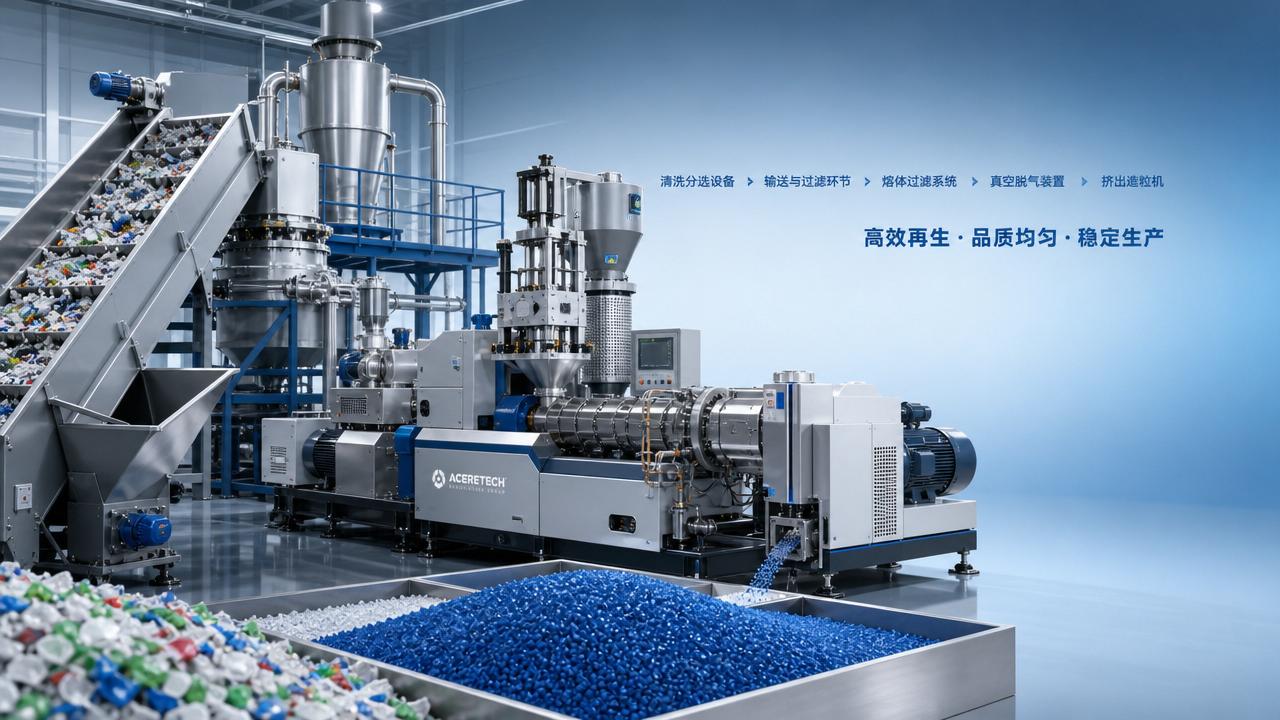
Circular Plastics Solutions Gaining Traction in 2026




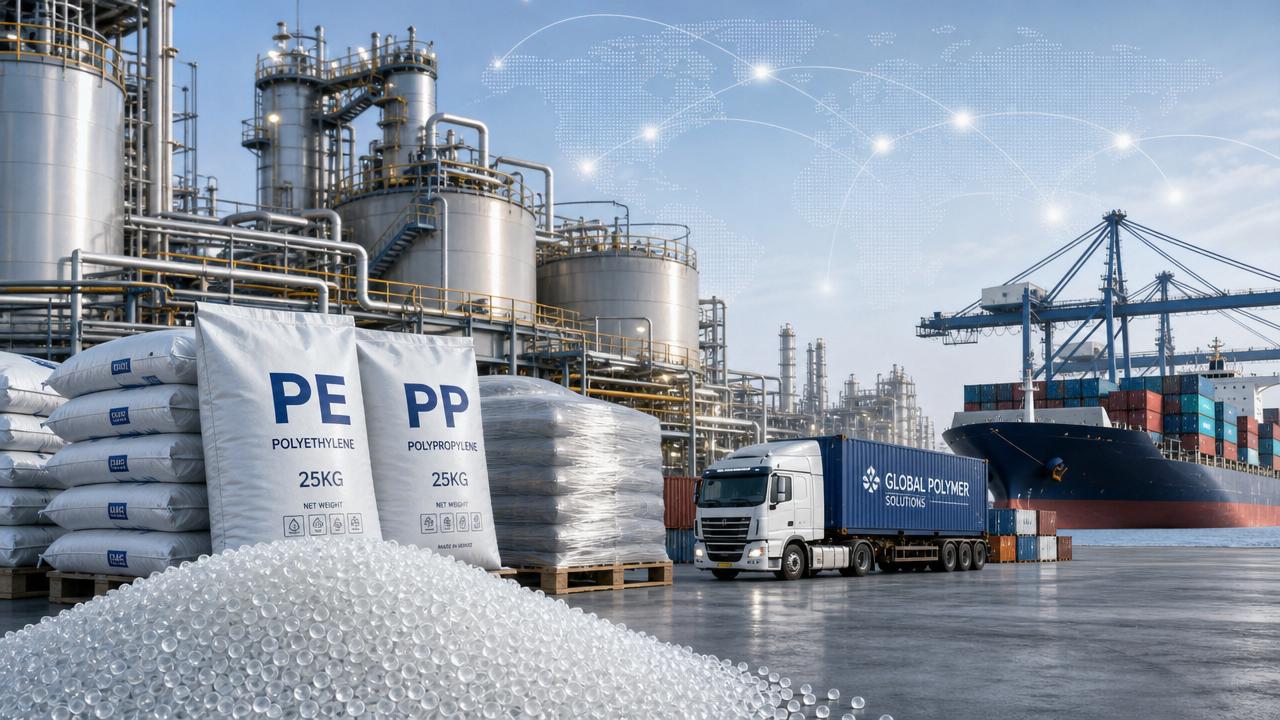
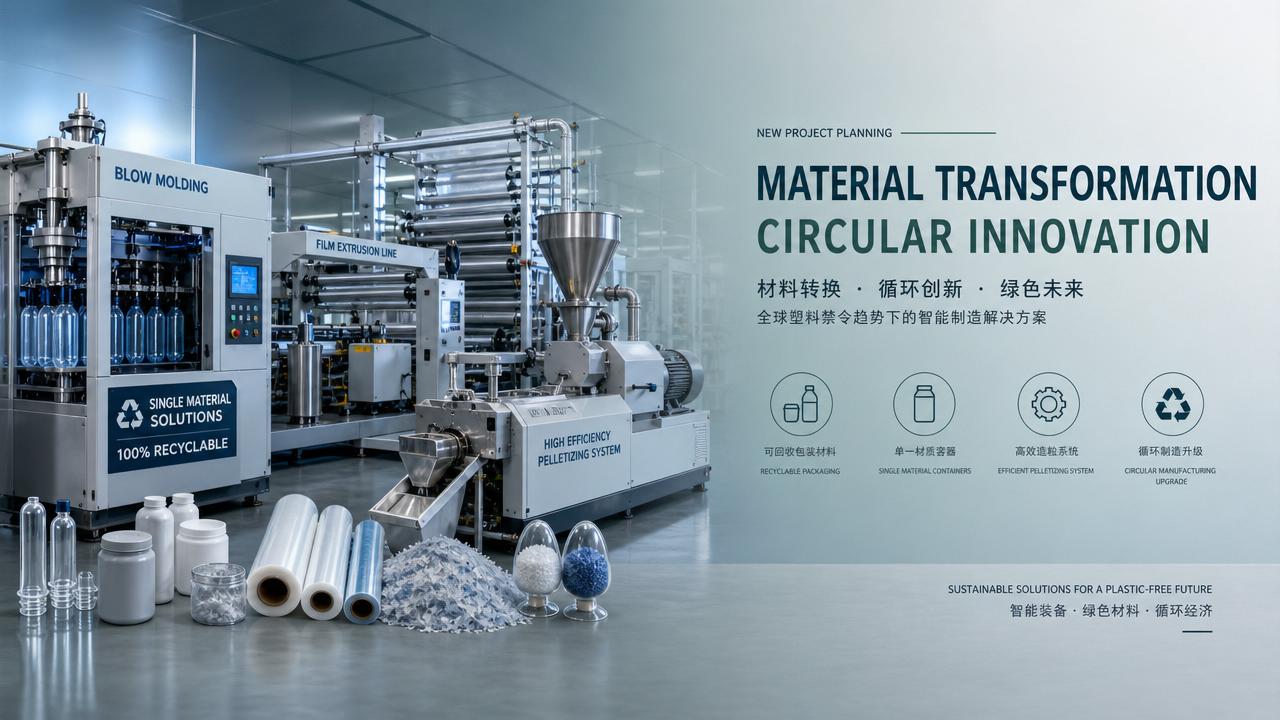
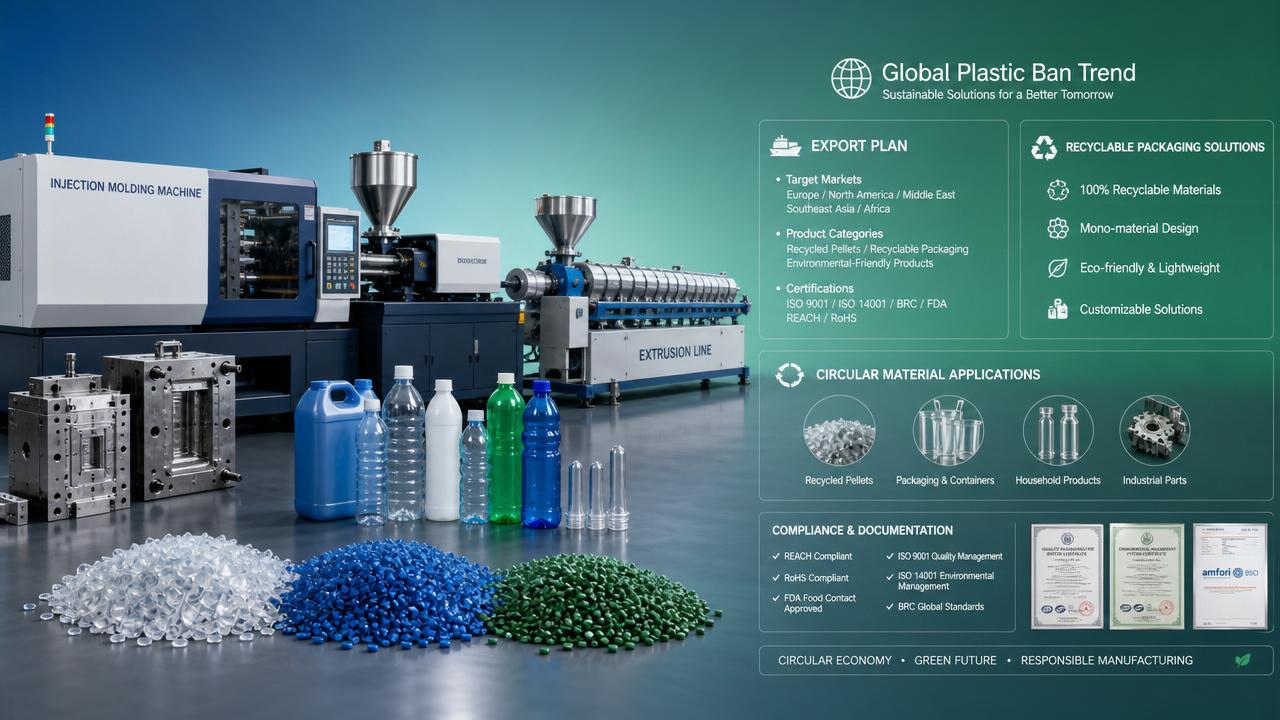
As sustainability targets tighten and packaging regulations evolve, circular plastics solutions are becoming a strategic priority across global manufacturing. In 2026, information researchers are tracking how advanced molding, extrusion, blow molding, vulcanization, and recycling systems are reshaping polymer value chains, improving material recovery, and helping enterprises balance production efficiency, compliance, and long-term environmental performance.
For B2B buyers, analysts, and technical sourcing teams, the topic is no longer limited to recycling equipment alone. Circular plastics solutions now span the full polymer lifecycle, from resin selection and part design to in-line scrap recovery, melt filtration, reprocessing stability, and packaging compliance. This broader view is especially relevant in 2026, when manufacturers face tighter recycled-content targets, higher energy costs, and more frequent supply fluctuations in virgin resin.
Within this landscape, PFRS provides a practical lens on the machinery, process intelligence, and commercial signals shaping the market. Its focus on injection molding, extrusion, blow molding, vulcanization, and waste plastic pelletizing aligns with what information researchers need most: not abstract sustainability claims, but actionable insight into equipment choices, process thresholds, implementation risks, and where circular plastics solutions can create measurable operational value.
Why Circular Plastics Solutions Are Accelerating in 2026
The strongest driver behind circular plastics solutions is convergence. Regulatory pressure, packaging redesign, ESG procurement, and resin cost volatility are all hitting manufacturers at the same time. In many sectors, a plant can no longer evaluate molding output, scrap rate, and recycled feedstock quality as separate issues. A 1% to 3% shift in reject rate can influence both production cost and recycled material yield, especially in high-volume packaging lines running 18 to 24 hours per day.
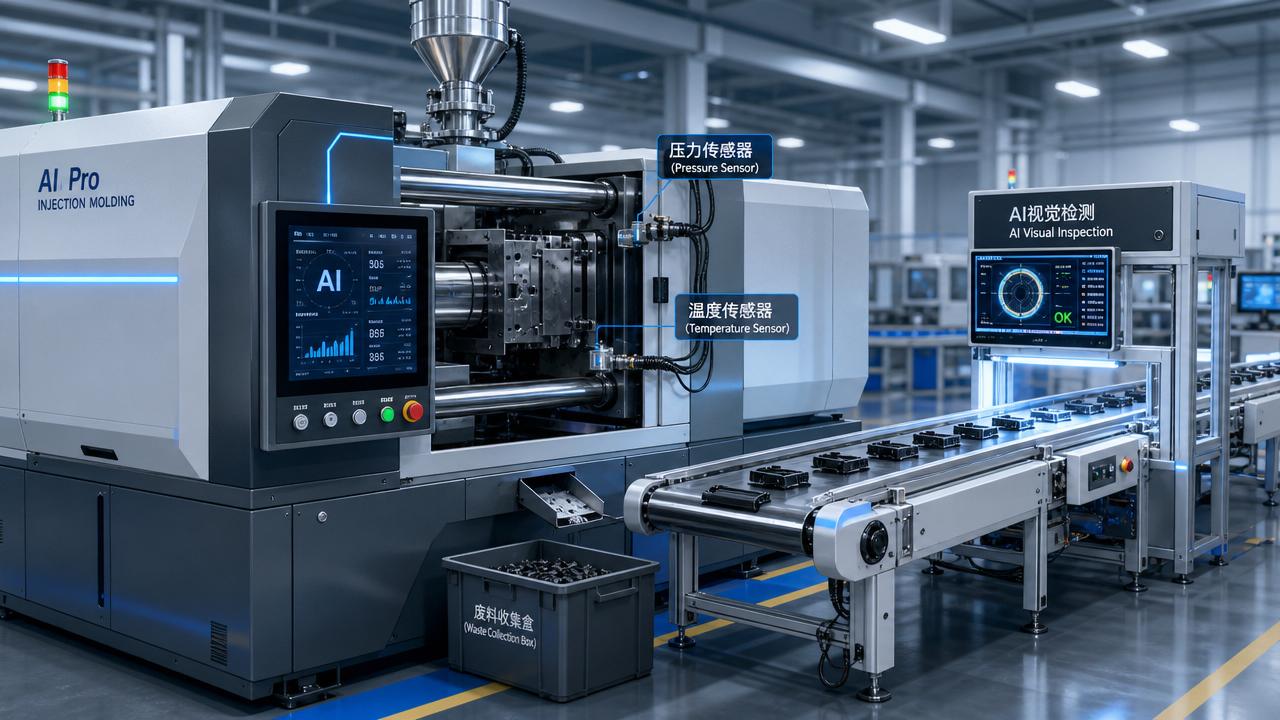
Another reason adoption is gaining traction is technical maturity. Ten years ago, many processors viewed circularity as a downstream waste issue. In 2026, it is increasingly treated as an upstream engineering and controls issue. Servo-electric injection machines, AI-assisted pressure optimization, twin-screw compounding, high-speed stretch blow molding, and finer melt filtration all help maintain material consistency when recycled content is introduced at ratios such as 10%, 25%, or even 50%, depending on the application.
From Linear Throughput to Closed-Loop Manufacturing
Traditional plastics manufacturing was optimized around throughput and low unit cost. Circular plastics solutions add three new performance layers: recoverability, reusability, and compliance traceability. That means processors must monitor not just cycle time and output per hour, but also regrind percentage, melt flow variation, contamination levels, and the number of reprocessing loops a material can withstand before part performance drops below specification.
- Material efficiency targets often begin with a 5% to 15% reduction in internal scrap.
- Energy optimization typically focuses on heaters, drives, and cooling systems with review intervals of 3 to 6 months.
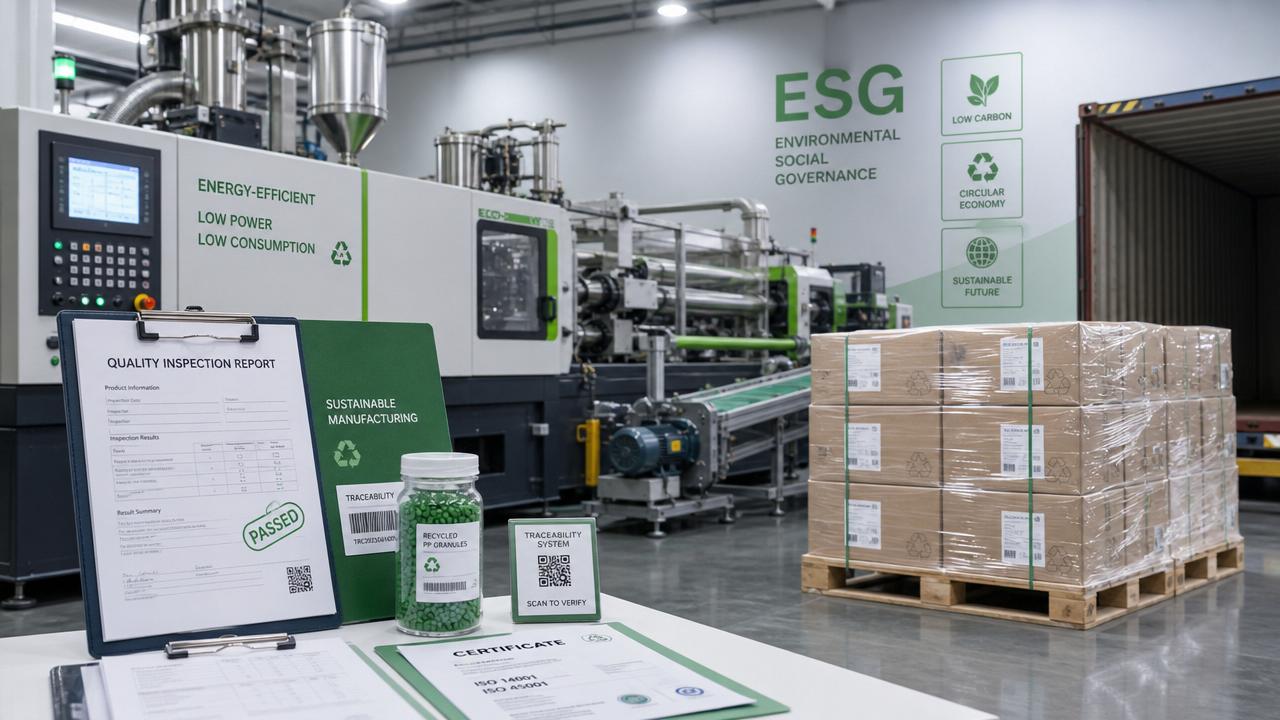
- Compliance management increasingly requires batch traceability across 2 to 4 process stages.
What Information Researchers Are Comparing Most Often
Researchers evaluating circular plastics solutions usually compare the same core dimensions: process compatibility, contamination tolerance, recycled-content stability, upgrade complexity, and payback range. The table below summarizes how these priorities typically differ across key polymer processing systems.
A key takeaway is that circular plastics solutions are not uniform across equipment categories. A packaging producer may prioritize optical clarity and bottle burst strength, while an automotive supplier may focus on dimensional repeatability and elastomer sealing performance over 100,000 or more cycles. The research process must therefore connect sustainability goals with process-specific engineering constraints.
How Core Processing Technologies Support Circular Plastics Solutions
The most credible circular plastics solutions are built on process control, not slogans. Each major equipment category contributes differently to material circularity, yield improvement, and compliance readiness. Understanding these differences helps researchers identify where upgrades deliver the highest value and where process limitations may require staged implementation.
Injection Molding: Precision and Regrind Stability
In precision injection molding, circularity depends on maintaining part quality while incorporating internal regrind or externally recycled resin. All-electric and high-response servo machines can improve repeatability in applications where tolerance windows may be as narrow as ±0.02 mm to ±0.10 mm. This matters in medical, electronics, and technical packaging, where even small viscosity swings can affect fill balance, sink marks, and dimensional consistency.
Typical control points
- Holding pressure curve optimization across 3 to 5 stages
- Drying and moisture control before feeding hygroscopic polymers
- Regrind ratio monitoring, often starting at 5% to 20% for sensitive parts
- Part inspection frequency every 30 to 60 minutes during material transition runs
Extrusion: The Main Platform for Compounding and Circular Feedstock Blending
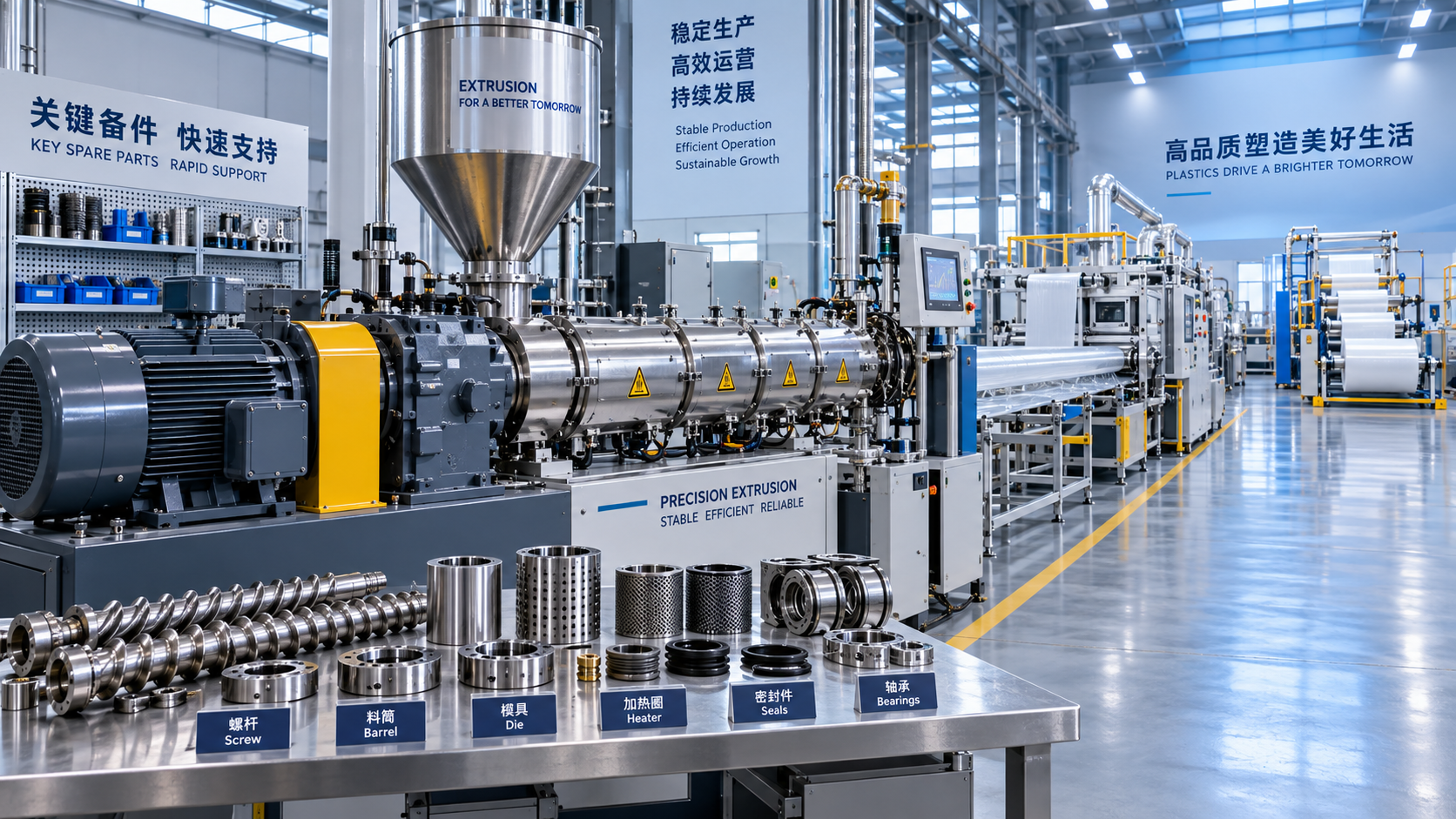
Extrusion is one of the most versatile foundations for circular plastics solutions because it can combine recycled polymers with stabilizers, compatibilizers, pigments, and mineral fillers in a continuous process. Twin-screw systems are especially useful when processors need better dispersion and devolatilization. In practice, researchers often assess screw configuration, temperature zoning, venting design, and filtration layout before evaluating nominal throughput.
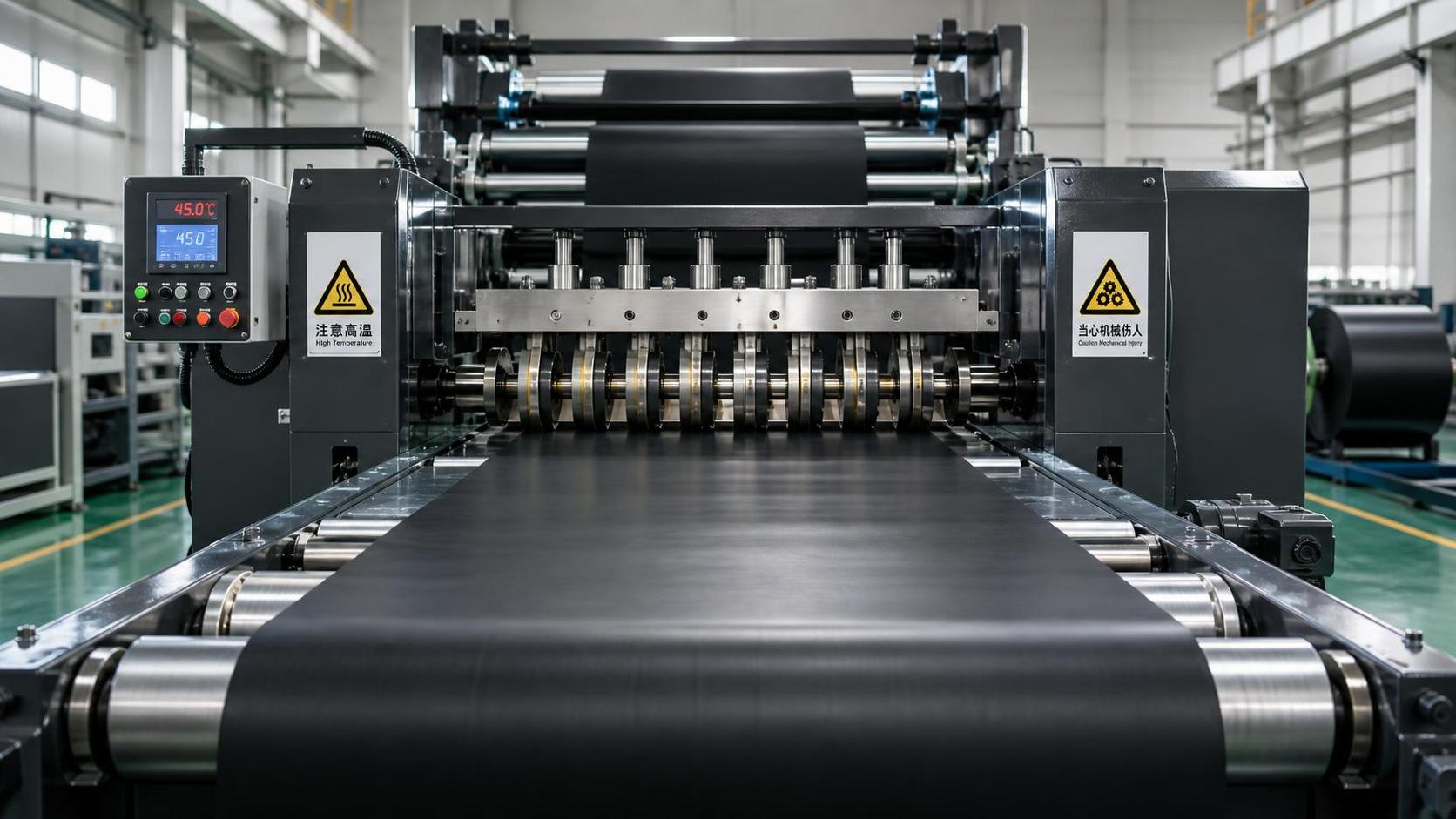
A line rated for a broad output range, such as 300 to 1,200 kg/h depending on material and formulation, may be more valuable than a system optimized only for peak volume. For recycled streams, consistency is frequently more important than maximum speed. Stable melt pressure and lower contamination carryover can reduce downstream defects in sheet, pipe, film, or profile production.
Blow Molding: Circular Packaging at Commercial Scale
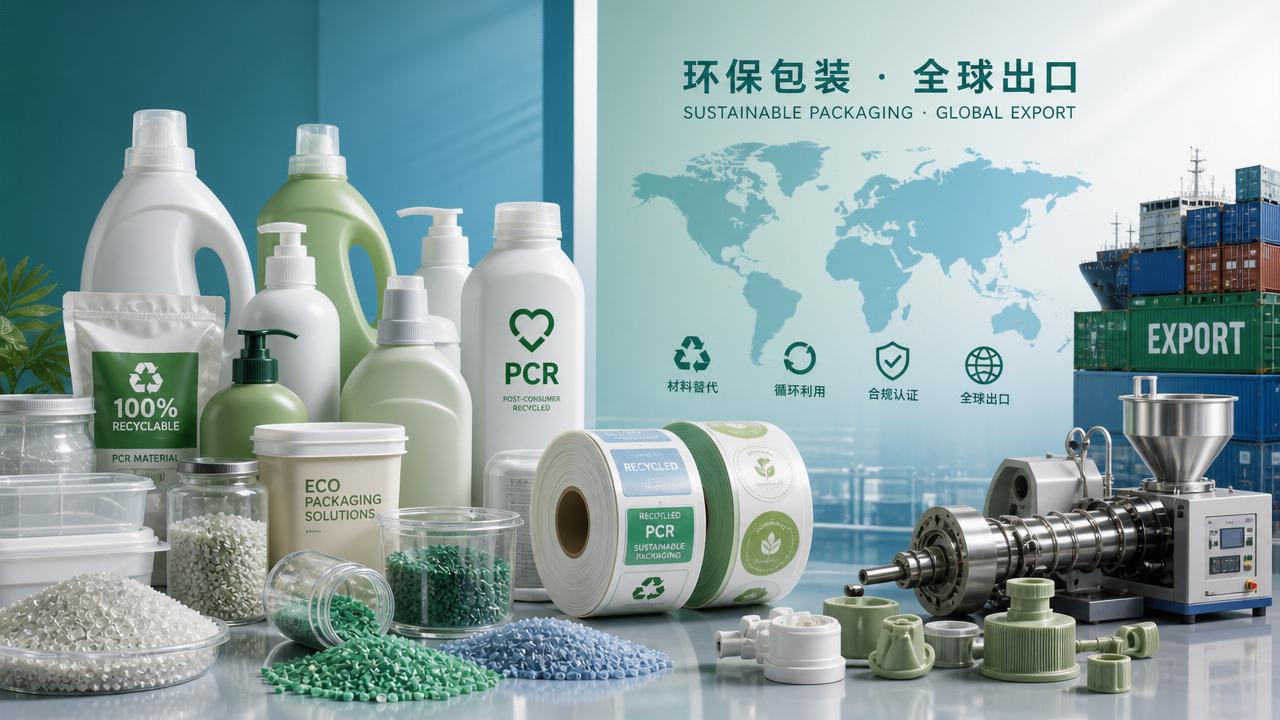
Blow molding sits at the center of circular packaging because beverage, personal care, and household product brands are under direct pressure to raise recycled content while keeping package performance intact. High-speed stretch blow molding systems may run tens of thousands of bottles per hour, leaving little room for instability in preform quality, bottle wall thickness, or haze control. Circular plastics solutions in this segment rely on stable upstream pellet quality and tighter processing windows, not just faster machine speed.
Pelletizing and Filtration: Where Waste Becomes Feedstock
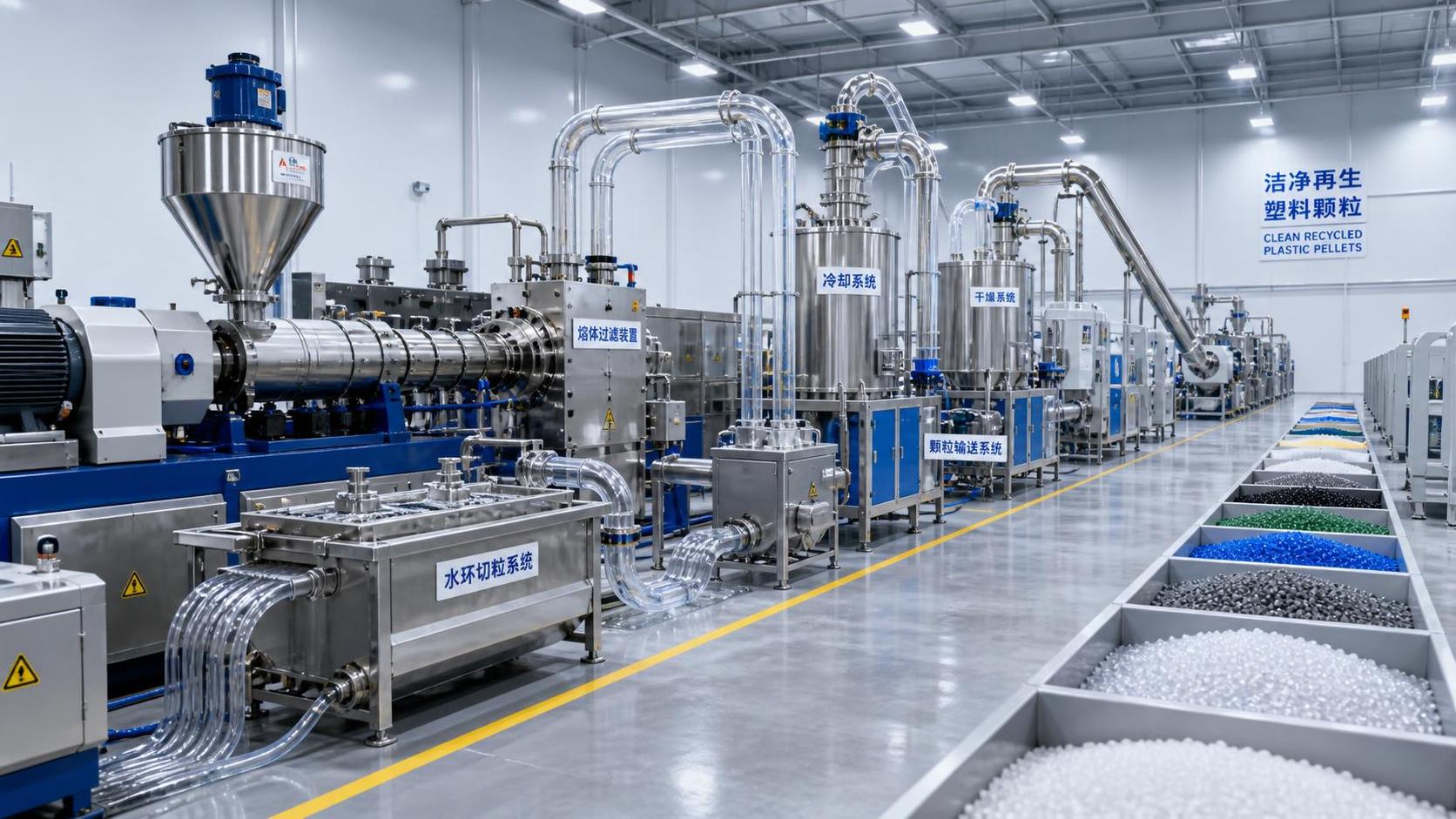
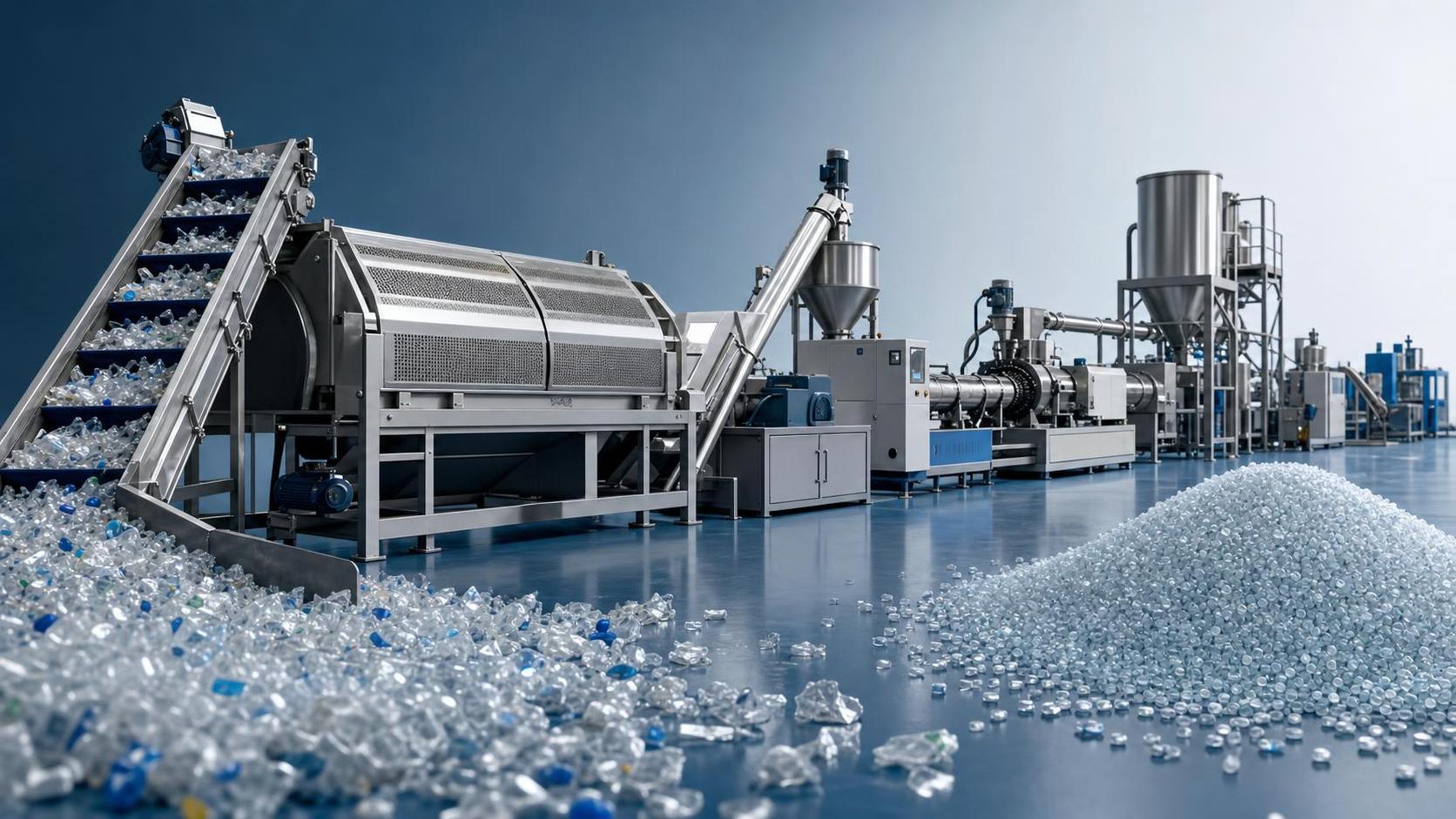
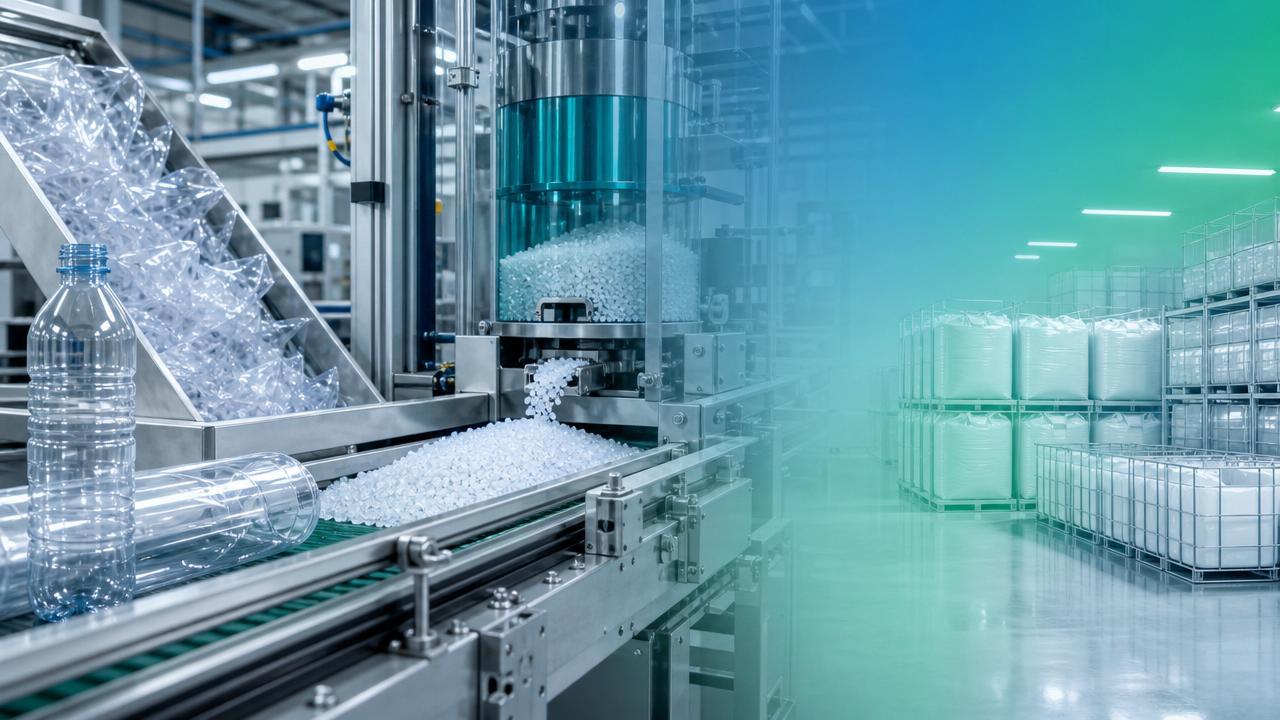
Waste plastic pelletizing machines are often the most visible part of circular plastics solutions, but they succeed only when washing, separation, melt purification, and pellet uniformity are aligned. A practical evaluation includes contamination class, moisture reduction steps, filtration fineness, and pellet bulk density consistency. Underwater pelletizing and advanced melt filtration are particularly valuable where downstream applications demand cleaner rPET or rPE for repeatable extrusion or molding performance.
How to Evaluate Circular Plastics Solutions for Procurement and Implementation
For information researchers supporting procurement, the biggest mistake is to compare equipment only on nameplate capacity. Circular plastics solutions should be screened through a wider decision framework that includes material compatibility, process stability, maintenance intervals, energy profile, digital traceability, and integration with existing lines. A lower initial price can become less attractive if contamination sensitivity leads to frequent stoppages or if changeovers consume 4 to 6 extra labor hours per week.
Five procurement criteria that matter most
- Feedstock range: Can the system handle post-industrial scrap, post-consumer flakes, or mixed streams with predictable results?
- Process control depth: Are temperature, pressure, and drive systems precise enough for recycled-content variability?
- Cleaning and maintenance: What is the expected screen change frequency, downtime per change, and wear part replacement cycle?
- Compliance support: Does the solution help document recycled-content usage and material traceability for packaging audits?
- Scale alignment: Is the line sized for real demand, such as 1 shift, 2 shifts, or 24/7 operation, instead of oversized assumptions?
The table below provides a practical procurement view for teams assessing circular plastics solutions across operations, quality, and compliance dimensions.
This comparison shows that circular plastics solutions should be justified through lifecycle efficiency rather than isolated machine output. In many projects, the deciding factors are stable recycled-content use, fewer quality excursions, and faster troubleshooting, not the highest theoretical throughput.
A practical 4-step implementation path
Most successful programs follow a phased rollout rather than a full-plant conversion. That is especially true when recycled materials are being introduced into regulated packaging, technical components, or multi-layer structures.
Step 1: Baseline current performance
Measure scrap rate, energy use, material loss points, and quality rejects over at least 2 to 4 weeks. Without a baseline, the value of circular plastics solutions is difficult to verify.
Step 2: Start with a controlled material window
Begin with one resin family and one product family. Many plants start at 10% to 15% recycled input, then expand after validating mechanical and visual performance.
Step 3: Upgrade process intelligence before scaling volume
Install monitoring for pressure stability, melt temperature, filtration events, and batch traceability. Data visibility often prevents quality drift when line speed increases.
Step 4: Expand to in-house recycling loops
Once internal scrap is controlled, manufacturers can assess washing, repelletizing, or re-compounding lines that close the loop more fully within the plant boundary.
Common Risks, Misconceptions, and Research Priorities
A frequent misconception is that circular plastics solutions are mainly about buying a recycling line. In reality, the weakest point is often elsewhere: unstable incoming scrap, poor drying, insufficient filtration, inconsistent additive dosing, or limited operator training. If these issues remain unresolved, even advanced equipment will struggle to deliver reliable circular performance.
Risks researchers should flag early
- Assuming all recycled streams behave like virgin resin in melt flow and thermal history
- Ignoring odor, color drift, or black speck risk in visible packaging applications
- Underestimating wear on screws, barrels, and screens when contamination load rises
- Overlooking downstream testing needs such as burst, compression, seal, or dimensional checks
Where PFRS-style intelligence adds value
For research-led organizations, intelligence matters most when it links policy shifts to machine-level implications. Plastic ban upgrades, recycled-content rules, and resin market turbulence can all alter equipment demand within 6 to 18 months. PFRS is well positioned in this context because its lens covers both advanced processing and circular recovery, allowing decision-makers to connect non-Newtonian flow behavior, AI-assisted molding control, and nano-level melt filtration with real procurement timing and capacity planning.
That cross-functional view is increasingly important for packaging converters, automotive suppliers, medical component manufacturers, and machinery distributors. Each group needs circular plastics solutions that are technically credible, commercially realistic, and scalable across changing compliance environments.
What 2026 Means for Decision-Makers in Polymer Processing
In 2026, circular plastics solutions are moving from pilot projects to operating requirements. The winning strategies are not built on a single machine category, but on coordinated control of molding precision, extrusion compounding, packaging throughput, elastomer processing, and material recovery. Decision-makers who assess these systems together are more likely to reduce waste, protect quality, and stay prepared for the next round of packaging and environmental obligations.
For information researchers, the most useful approach is to map circular goals against real process constraints: tolerance windows, contamination risk, maintenance cycles, energy profile, and compliance traceability. That is where circular plastics solutions become practical business infrastructure rather than a broad sustainability concept.
If you are evaluating equipment trends, in-house recycling options, or process upgrades across injection molding, extrusion, blow molding, vulcanization, or pelletizing, now is the right time to build a clearer decision framework. Contact us to discuss your application, get a tailored solution path, or learn more about the polymer processing and recycling strategies shaping the next stage of circular manufacturing.
Related News
- 00
0000-00
Polymer Processing for Extrusion: How Melt Rheology Affects Line Stability - 00
0000-00
Energy-Efficient Polymer Processing: Where Plants Can Cut kWh per Kilogram - 00
0000-00
German Extrusion Equipment Suppliers: Comparing Service, Lead Times, and Lifecycle Cost - 00
0000-00
Is an Underwater Pelletizer Worth the Added Cost for Recycled Plastics? - 00
0000-00
How Often Should Melt Filter Screens Be Changed?
Weekly Insights
Stay ahead with our curated technology reports delivered every Monday.
Related News
 Dr. Alistair VaughnHow to Evaluate a Plastics Processing Equipment Manufacturer for Uptime and SupportPlastics processing equipment manufacturer evaluation guide: compare uptime, spare parts, service response, diagnostics, and lifecycle support before buying.Sep 17, 2026
 Dr. Alistair VaughnBudgeting a Plastic Pelletizing Machine: Cost Drivers for Recycling LinesPlastic pelletizing machines cost depends on feedstock, filtration, utilities, and installation. Explore key budget drivers to build a reliable recycling line investment plan.Sep 03, 2026
 Dr. Alistair VaughnCommon Waste and Downtime Causes in Rubber Processing and Cutting OperationsProcessamento e corte de borracha: discover the real causes of scrap and downtime in rubber lines, from material variation to machine wear, and learn how to cut waste and improve output.Aug 31, 2026
 Dr. Alistair VaughnWhat Is Automated Materials Processing and Where Does It Deliver the Most Value?Automated materials processing improves consistency, cuts waste, and boosts efficiency across molding, extrusion, and recycling. Discover where it delivers the most value.Aug 14, 2026
 Dr. Alistair VaughnHow Does a Polymer Recycling Plant Work? Process Steps and Key Equipment ExplainedPolymer recycling plant guide: explore sorting, washing, drying, extrusion, filtration, and pelletizing steps, plus key equipment that drives cleaner output and reliable recycled plastic quality.Jul 31, 2026
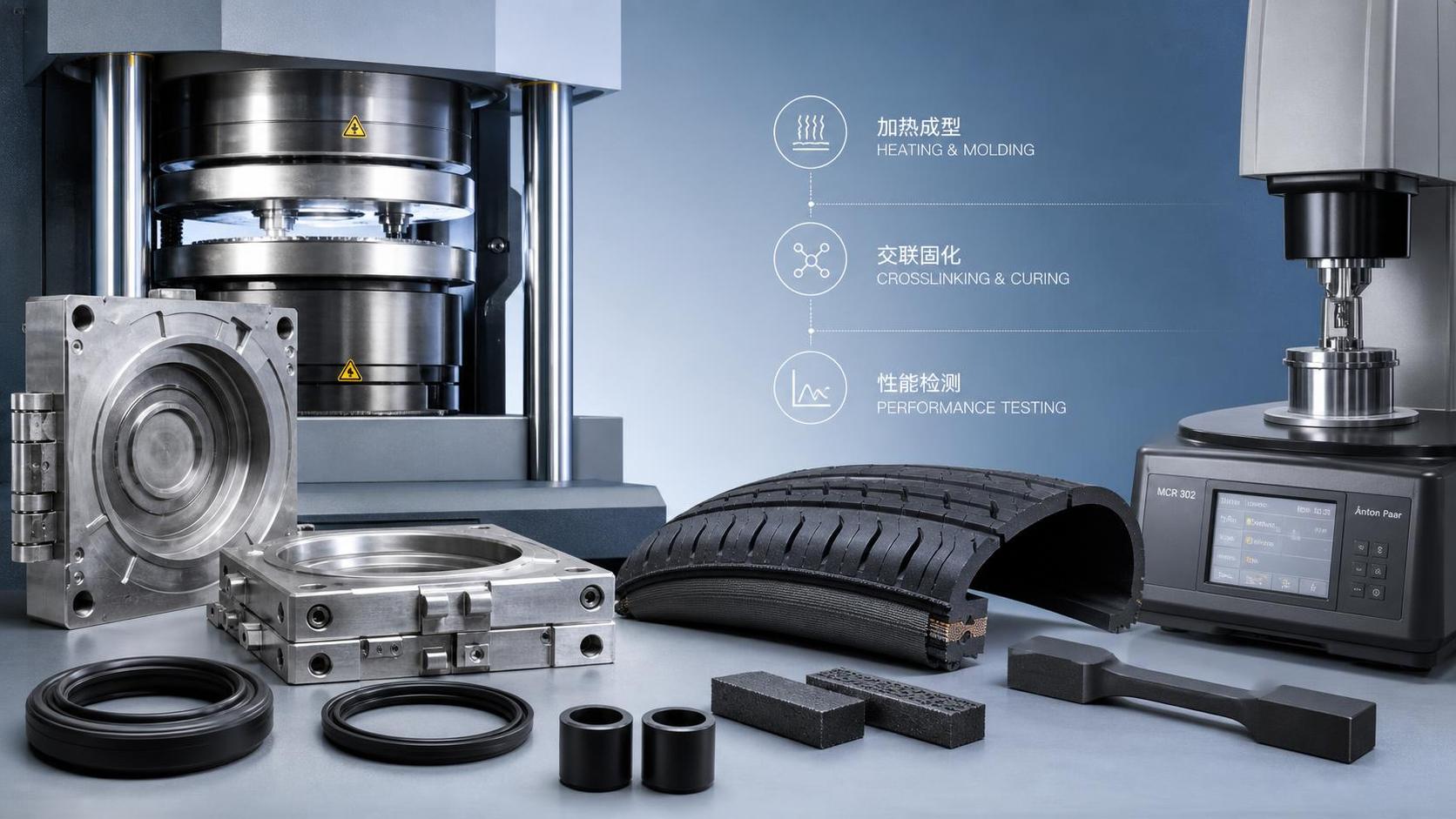
 Dr. Alistair VaughnHow Does Rubber Vulcanization Work and What Determines Final Rubber Performance?Rubber vulcanization explained: discover how curing, formulation, temperature, pressure, and machine control determine final rubber performance, durability, and product reliability.Jul 30, 2026
 Dr. Alistair VaughnHow Circular Plastics Economy EPR Rules Affect Packaging Costs and Compliance PlanningCircular plastics economy EPR is reshaping packaging costs, recyclability, and compliance planning. Learn how to reduce fee exposure, protect margins, and make smarter packaging decisions.Jul 13, 2026
 Dr. Alistair VaughnCircular Plastics Economy Trends: How EPR Policies and Recycled Content Rules Affect ManufacturersCircular plastics economy trends are reshaping manufacturing fast. See how EPR policies and recycled content rules impact costs, compliance, sourcing, and plant performance.Jun 30, 2026
![]() Dr. Alistair VaughnGlobal Plastic Ban Trends: Which Packaging Materials Face the Highest Compliance Risk?Global plastic ban trends are reshaping packaging compliance. Discover which materials face the highest risk and how to reduce cost, disruption, and redesign pressure.Jun 04, 2026
Dr. Alistair VaughnGlobal Plastic Ban Trends: Which Packaging Materials Face the Highest Compliance Risk?Global plastic ban trends are reshaping packaging compliance. Discover which materials face the highest risk and how to reduce cost, disruption, and redesign pressure.Jun 04, 2026 Dr. Alistair VaughnGlobal Plastic Ban Trends: Policy Shifts Affecting Packaging Materials and SupplyGlobal plastic ban trends are reshaping packaging supply. Discover policy shifts, material risks, and processing strategies to stay compliant and competitive.Jun 02, 2026
 Dr. Alistair VaughnHow is AI in injection molding cutting scrap?AI in injection molding cuts scrap by detecting process drift, optimizing pressure and cooling, and improving quality decisions—see how to reduce waste and boost ROI.May 29, 2026
 Dr. Alistair VaughnWhat global plastic ban trends mean for export planningGlobal plastic ban trends are reshaping export planning. Learn how to reduce compliance risk, choose smarter packaging, and align sourcing and equipment upgrades for market access.May 28, 2026
![]() Dr. Alistair VaughnWhy elastomer cross-linking fails and how to prevent defectsElastomer cross-linking failures can cause soft spots, cracks, and hidden reliability risks. Learn the key defect causes and proven prevention steps across molding, extrusion, and recycled blends.May 23, 2026
Dr. Alistair VaughnWhy elastomer cross-linking fails and how to prevent defectsElastomer cross-linking failures can cause soft spots, cracks, and hidden reliability risks. Learn the key defect causes and proven prevention steps across molding, extrusion, and recycled blends.May 23, 2026 Dr. Alistair VaughnHow fragile is the virgin resin supply chain in 2026Virgin resin supply chain risks are rising in 2026. Explore key disruption drivers, pricing impacts, and practical resilience strategies for smarter sourcing and planning.May 22, 2026
 Dr. Alistair VaughnWhy polymer molding scientists matter in process upgradesPolymer molding scientists help turn process upgrades into higher precision, lower waste, better energy efficiency, and faster ROI. See why their expertise reduces risk and improves modernization results.May 22, 2026
 Dr. Alistair VaughnWhat global plastic ban trends mean for new projectsGlobal plastic ban trends are reshaping new projects through design, compliance, recycled content, and equipment strategy. See how to plan smarter, reduce risk, and stay market-ready.May 21, 2026
 Dr. Alistair VaughnHow ESG in plastic manufacturing affects export riskESG in plastic manufacturing directly affects export risk, from customs delays to buyer approval. Learn how traceability, compliance, and smarter equipment protect market access.May 21, 2026
 Dr. Alistair VaughnWhat global plastic ban trends mean for export planningGlobal plastic ban trends are reshaping export planning, packaging choices, and compliance strategy. Learn how to reduce risk, adapt faster, and stay competitive across global markets.May 19, 2026
 Dr. Alistair VaughnHow polymer smart manufacturing improves batch consistencyPolymer smart manufacturing improves batch consistency with inline sensing, closed-loop control, and analytics. See how it reduces variation, scrap, and quality risk across polymer processing.May 18, 2026
 Dr. Alistair VaughnWhy recycled plastic technology is changing line efficiencyRecycled plastic technology is changing line efficiency by reducing scrap, stabilizing melt quality, and improving uptime across molding, extrusion, and packaging operations.May 18, 2026