Why thermodynamic reactions in polymers affect part quality




Why do tiny thermal shifts create major defects on the production floor? In polymer processing, thermodynamic reactions in polymers directly influence melt stability, dimensional accuracy, surface finish, and long-term safety performance. For quality control and safety managers, understanding these reactions is essential to preventing warpage, degradation, and compliance risks before they turn into costly part failures.
Across injection molding, extrusion, blow molding, vulcanization, and recycling, heat is never just a machine setting. It drives viscosity change, crystallization, oxidation, cross-linking, moisture release, and molecular breakdown. When those reactions move outside a controlled window—often by as little as 5°C to 15°C or a few extra seconds of residence time—part quality can shift from acceptable to rejectable.
For B2B manufacturers, the cost is not limited to scrap. It can include line stoppages, customer returns, seal failure, migration risk in packaging, reduced impact strength, and traceability issues during audits. This is why PFRS closely tracks thermodynamic reactions in polymers as a decision-critical topic for modern quality assurance, safe production, and compliant material shaping.
How thermodynamic reactions in polymers shape part quality on the factory floor
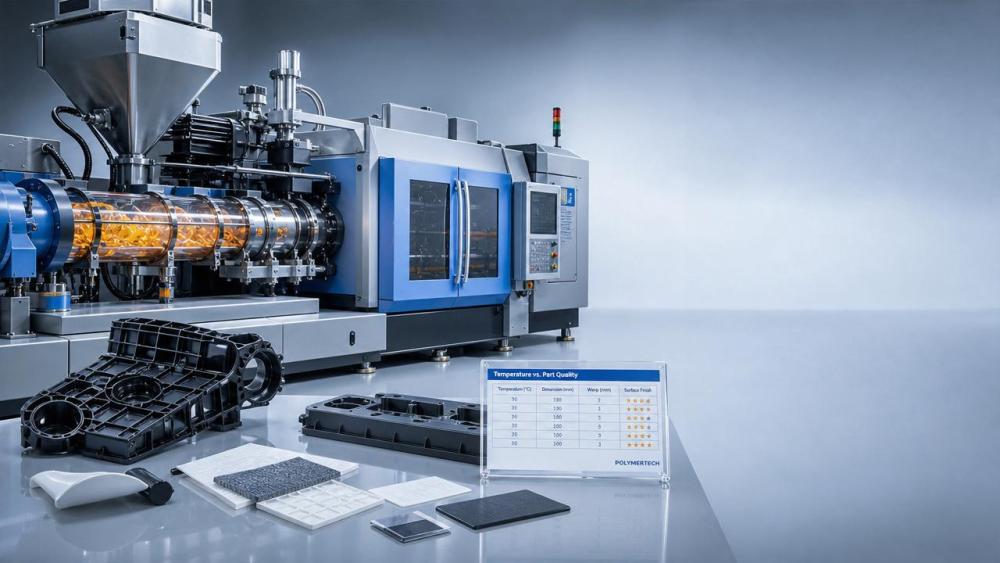
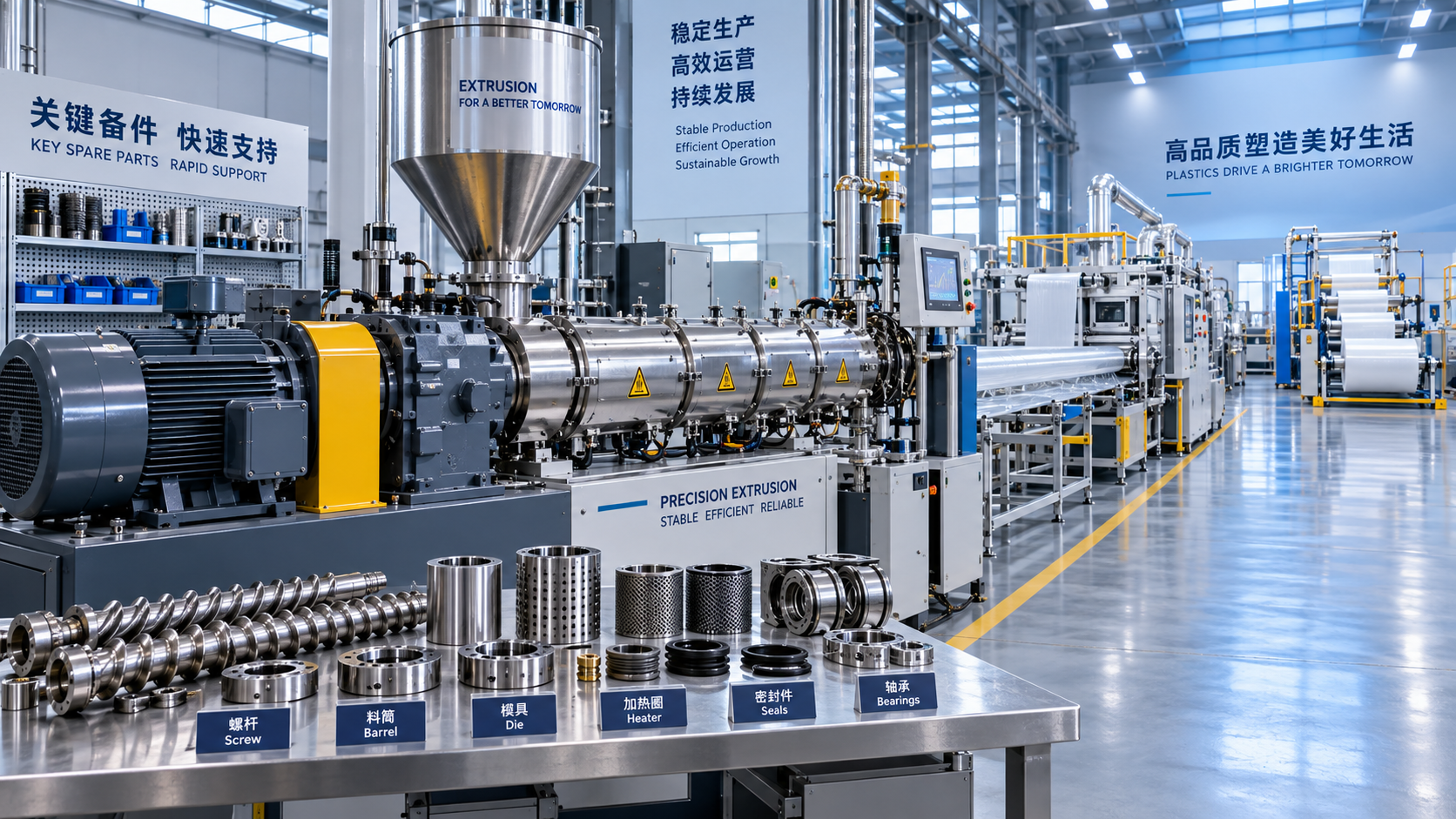
In practical processing terms, thermodynamic reactions in polymers describe how polymer chains and additives respond to temperature, pressure, shear, and time. These reactions are not limited to chemistry in a lab. They occur every hour inside screws, barrels, molds, dies, hot runners, dryers, and pelletizing systems.
A stable process usually depends on keeping melt temperature, pressure, and residence time within a narrow operating band. For many thermoplastics, a 10°C increase can sharply reduce viscosity, while also accelerating oxidation or chain scission. In semi-crystalline resins, even small cooling differences can change shrinkage by 0.2% to 1.0%, which is enough to create dimensional drift in tight-tolerance parts.
Key reactions that matter to quality and safety teams
Different materials fail in different ways, but most production issues can be traced to 5 recurring thermodynamic behaviors: melting, crystallization, degradation, cross-linking, and moisture-related hydrolysis. Each one affects downstream inspection results, customer complaints, and process capability.
- Melting instability can create unmelted particles, poor flow fronts, and weld line weakness.
- Crystallization variation can change opacity, stiffness, warpage, and cycle time.
- Thermal degradation may cause discoloration, odor, brittleness, or gas generation.
- Cross-linking in rubber and reactive polymers determines elasticity, compression set, and sealing life.
- Hydrolysis in moisture-sensitive resins such as PET, PA, or PC can reduce molecular weight in less than 30 minutes of poor handling.
Why the same defect may come from different thermal causes
A burn mark does not always mean overheating at the barrel. It may come from trapped air compressed at the end of fill. A warped part does not always mean bad mold design. It may result from uneven crystallization between the core side and cavity side. A dull surface may signal low mold temperature, excessive regrind, or additive separation triggered by thermal imbalance.
This is why quality and safety managers should not evaluate defects only by appearance. Good root-cause analysis links visible symptoms to thermal history, residence time, shear exposure, moisture level, venting performance, and cooling uniformity.
The table below shows how common thermodynamic reactions in polymers translate into measurable part-quality risks in polymer processing operations.
The key point is that thermodynamic reactions in polymers affect both immediate appearance and long-term performance. Some defects are obvious at incoming inspection, while others only appear after 3 months of field use, repeated load cycles, or temperature exposure during transport and storage.
High-risk process zones in the polymer lifecycle
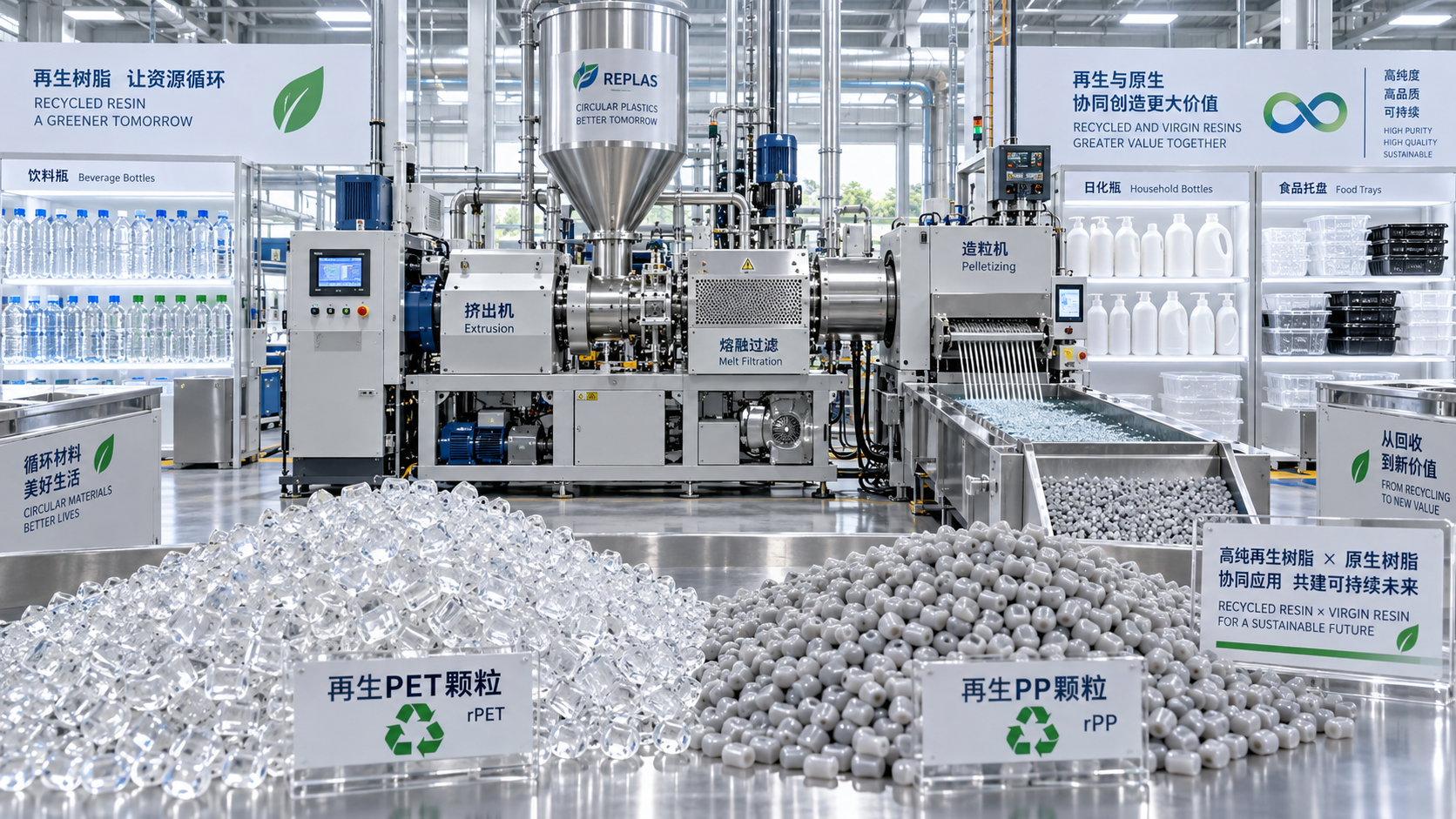
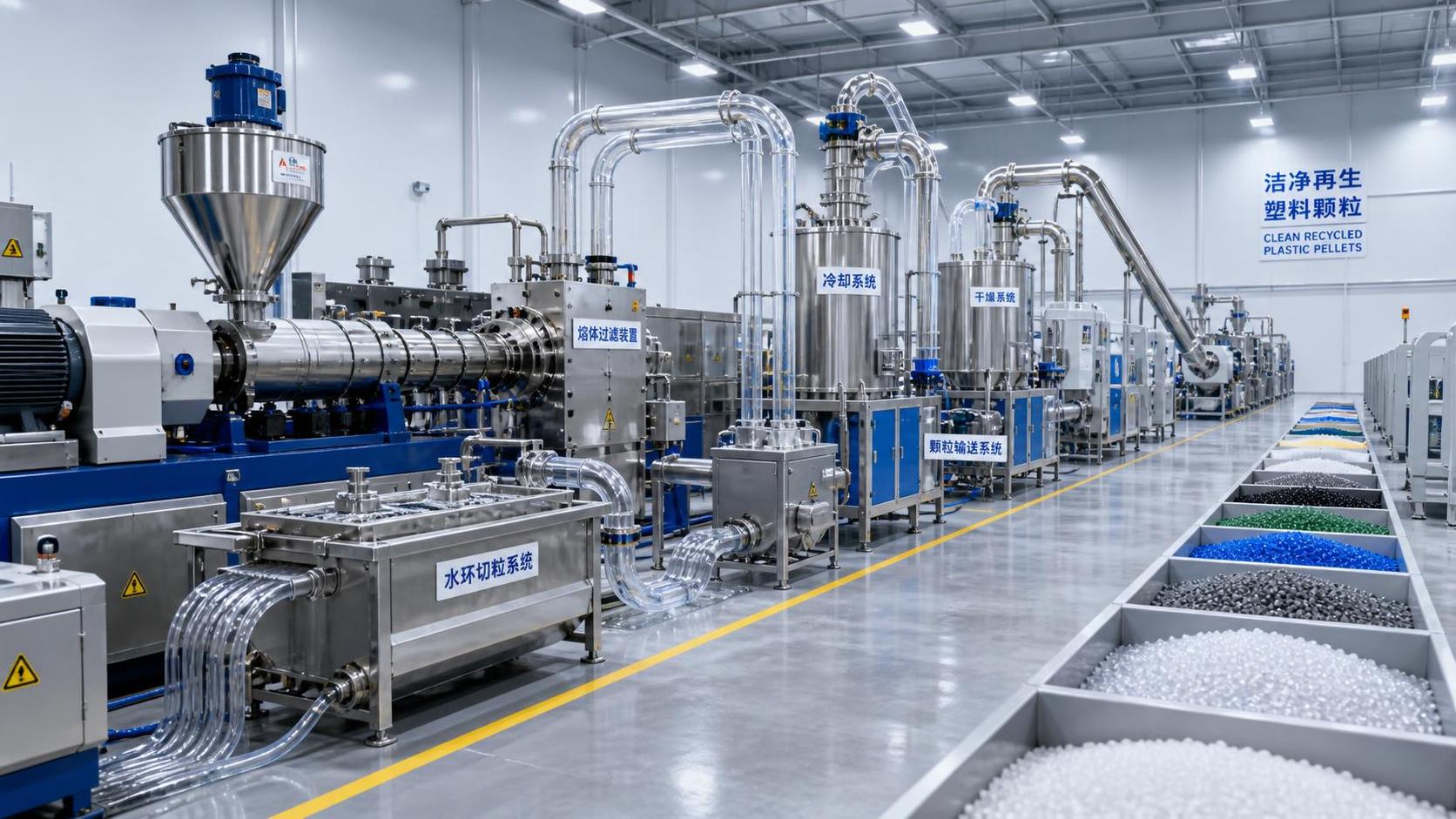
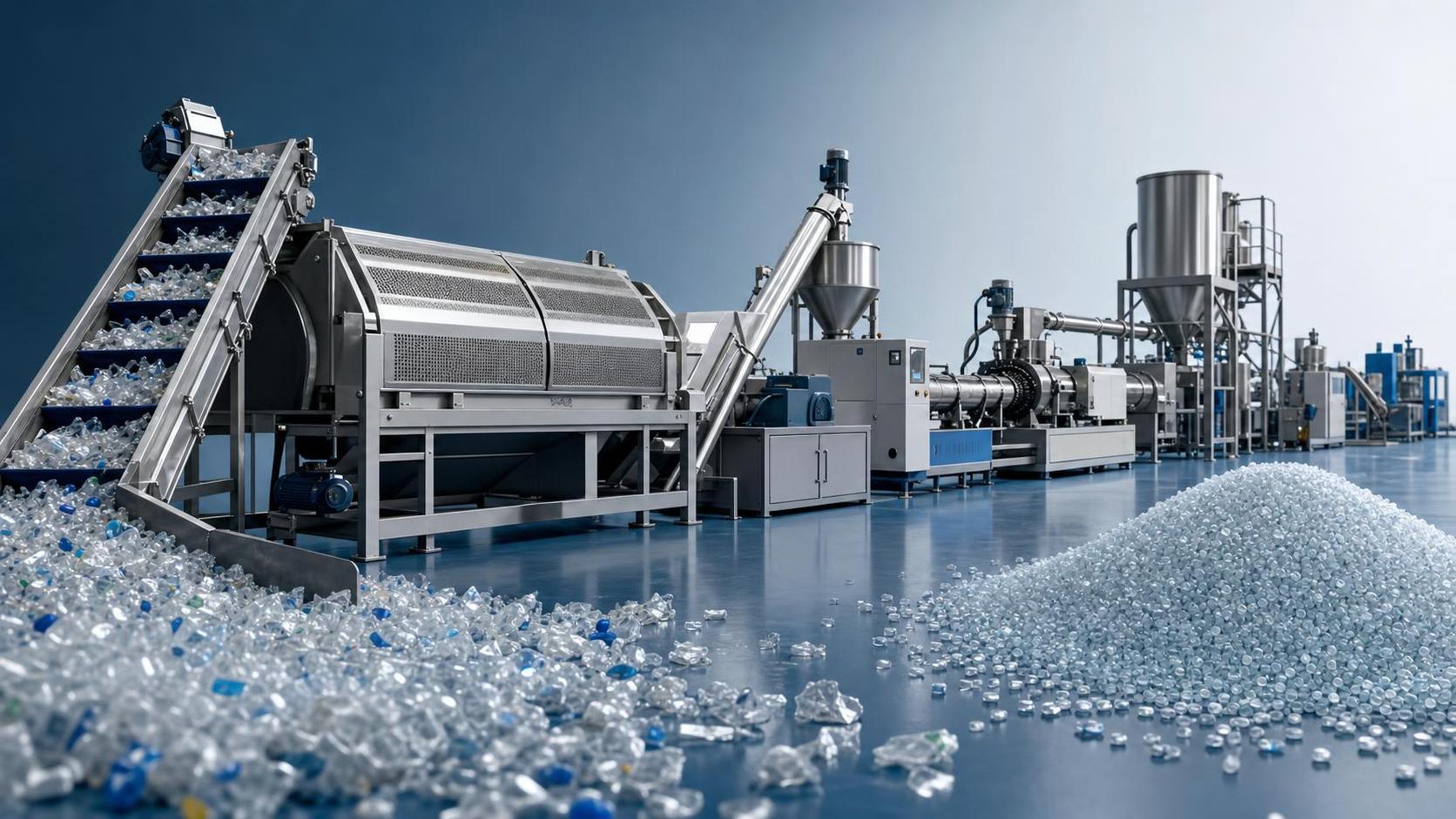
In injection molding, the highest thermal-risk zones are usually the feed throat, compression section, non-return valve, nozzle, hot runner, gate, and thick-to-thin transitions inside the mold. In extrusion, twin-screw mixing sections, vent ports, die lips, and screen packs deserve special attention. In recycling, wash quality, dryer performance, melt filtration, and pellet cooling strongly influence the thermal consistency of reprocessed resin.
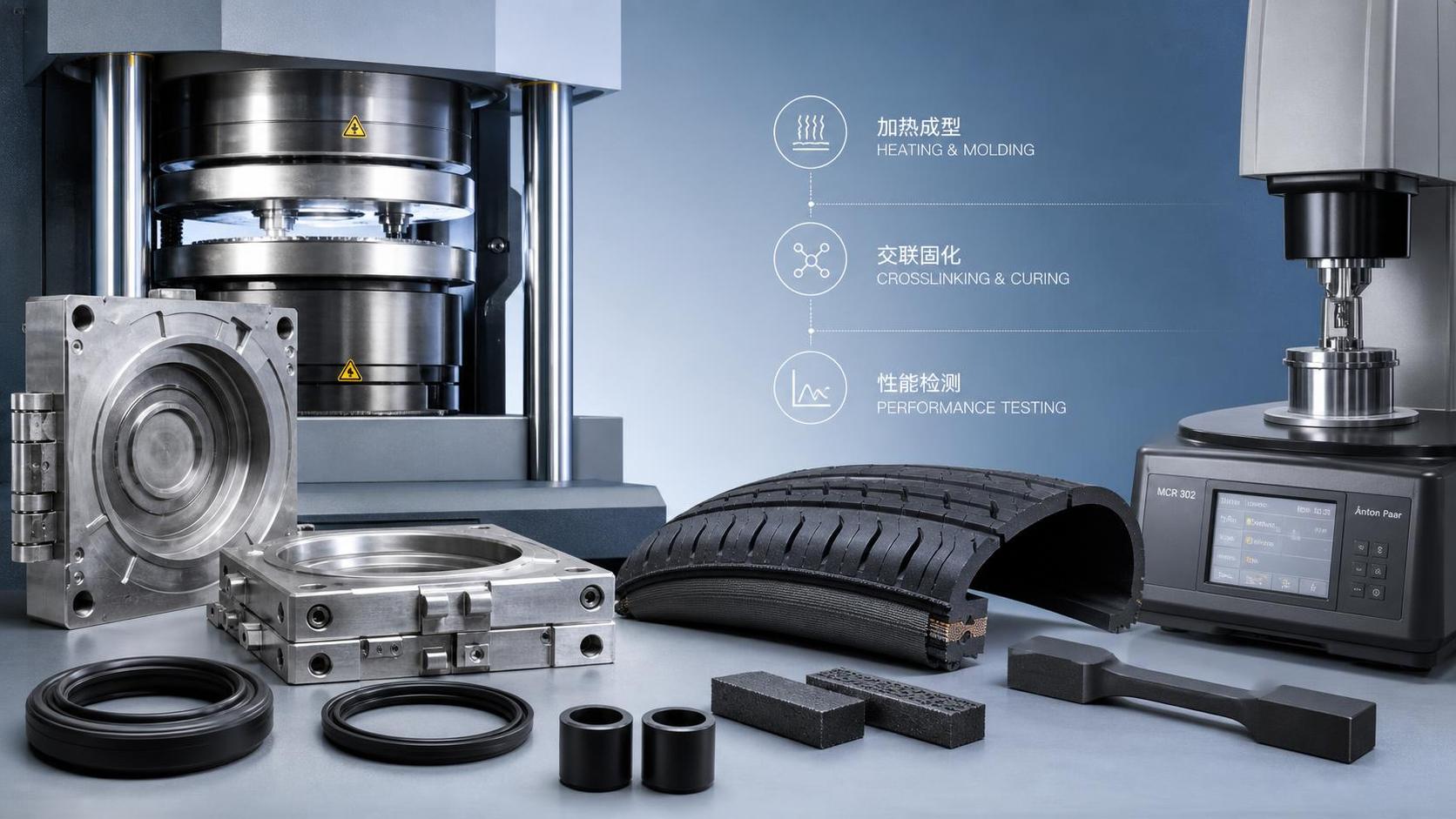
For rubber vulcanization, thermodynamic reactions in polymers become even more critical because cross-linking is intentionally irreversible. Under-curing can reduce tensile properties and compression resistance, while over-curing can embrittle the compound. A cure deviation of even 2% to 5% may affect sealing reliability in automotive, fluid transfer, or industrial gasket applications.
What quality control and safety managers should monitor in real time
Quality teams often inherit defect data after the fact, but the best prevention happens upstream. To control thermodynamic reactions in polymers, the process should be monitored through a combination of thermal, rheological, dimensional, and material-handling indicators. A single setpoint is not enough. What matters is the interaction among temperature, pressure, time, moisture, and shear.
Six control points that reduce defect escape
- Verify resin drying conditions and dew point before start-up, especially for PET, PA, TPU, and PC.
- Track actual melt temperature, not only barrel set temperature, at least once per shift.
- Set residence-time limits for machine size versus shot size; ratios above typical safe ranges increase degradation risk.
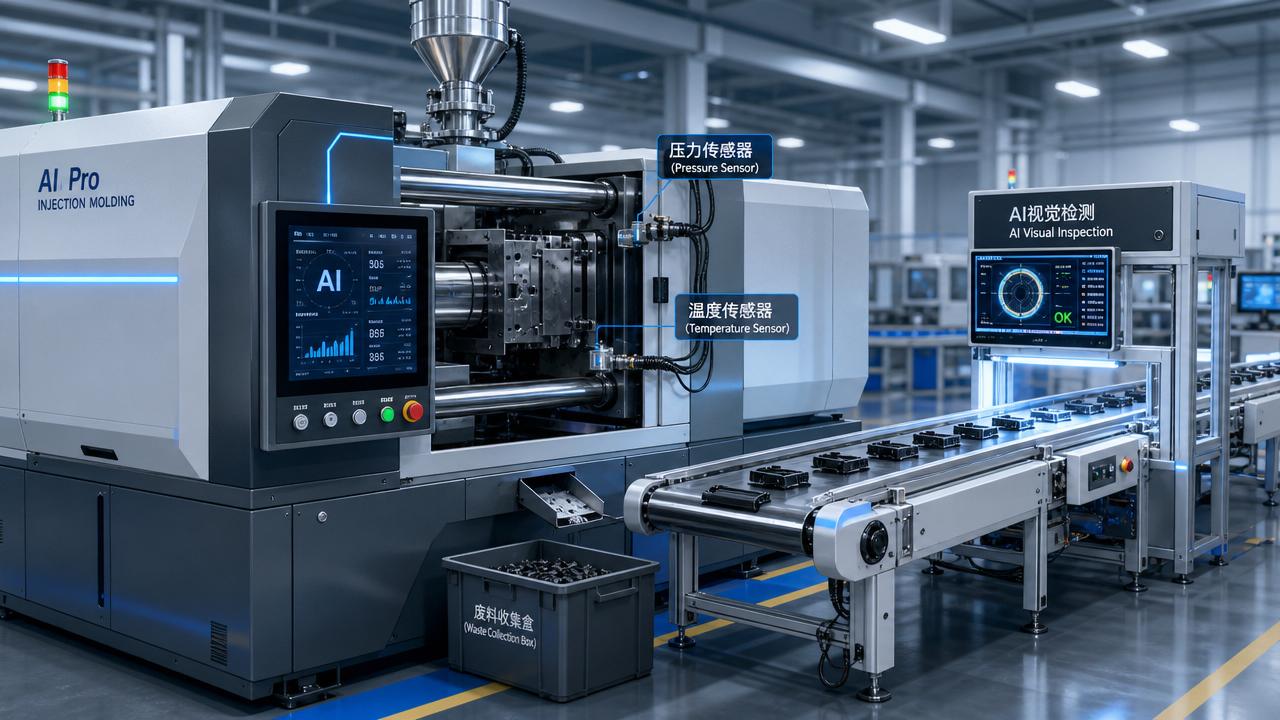
- Use cavity pressure or fill-time trend monitoring to detect viscosity shifts within 1 to 3 cycles.
- Confirm mold or die thermal balance across zones, especially where cooling-line variation exceeds 3°C to 5°C.
- Separate virgin, regrind, and recycled input streams with traceable batch records and contamination checks.
Why melt temperature matters more than barrel settings
Two machines can run the same recipe and still produce different part quality because shear heating changes the real melt condition. A servo-electric injection machine, a hydraulic press, and a high-output extruder do not create identical thermal histories. Measuring actual melt temperature at purge or using in-line sensors gives a more reliable signal than relying on controller displays alone.
For safety managers, this matters because degraded polymer can release fumes, increase char buildup, or trigger unstable pressure events. For example, blocked vents, dirty hot runners, or overpacked molds can push local temperatures beyond safe operating margins even when standard alarms do not activate.
The following checklist can help teams connect thermal control to inspection, compliance, and safe operation across multiple polymer processes.
This checklist is especially valuable for plants that process both virgin and recycled material. Variability in reclaimed feedstock often widens the thermal processing window, making thermodynamic reactions in polymers harder to predict without stronger incoming inspection and melt-quality control.
Common warning signs that should trigger immediate review
Quality personnel should escalate investigation when they see repeated burn marks, silver streaks, short shots, black specks, odor complaints, unusual torque rise, gloss inconsistency, or dimensional drift beyond established control limits such as ±0.1 mm, ±0.25 mm, or application-specific tolerance bands. These are often early indicators that thermal balance is moving away from the validated process window.
Safety teams should also watch for sudden increases in vent emissions, smoke near purge events, abnormal barrel-pressure fluctuations, or recurring screen-pack blockage in extrusion and recycling lines. These conditions may indicate advanced degradation, contamination, or uncontrolled reactions that threaten both part quality and operator safety.
How to reduce defects through process design, equipment choice, and material strategy
Controlling thermodynamic reactions in polymers is not only a machine-operator issue. It starts with process design and equipment matching. A robust system combines proper screw geometry, stable heating and cooling, venting efficiency, mold thermal balance, resin preparation, and disciplined change control. When one element is weak, the entire thermal profile becomes harder to manage.
Equipment and tooling factors that deserve attention
- Choose screw designs suited to the resin family and filler level; general-purpose screws may over-shear sensitive compounds.
- Review shot size-to-barrel capacity ratio to avoid excessive residence time, especially for heat-sensitive polymers.
- Improve mold cooling layout to minimize side-to-side temperature gaps and shorten cycle variation.
- Use vented extrusion, melt filtration, or devolatilization where recycled or moisture-prone feedstock is involved.
- Validate hot-runner balance and gate freeze behavior in precision molding applications.
In many plants, the fastest return does not come from a new press. It comes from better thermal mapping, dryer verification, screw-maintenance discipline, and cavity-pressure monitoring. For high-volume packaging, medical components, or automotive seals, these improvements can reduce internal reject rates within 2 to 6 weeks when paired with structured process audits.
The growing impact of recycled content on thermal stability
As ESG and packaging regulations push more recycled content into production, thermal variability becomes a bigger issue. Recycled flakes and pellets may contain broader molecular-weight distribution, residual moisture, inks, adhesive traces, or mixed-polymer contamination. That means thermodynamic reactions in polymers can become less predictable than in virgin resin alone.
For quality control, the response should be practical: define allowable recycled-content ranges, tighten dryer checks, validate melt-flow consistency, and introduce staged trials before full-scale release. Even a 10% to 20% recycled-content change can require adjustments in barrel profile, screw speed, holding pressure, or mold temperature to keep part quality stable.
A practical implementation path for plants
A workable improvement plan usually follows 4 steps. First, identify the top 3 recurring defect families by scrap cost or customer impact. Second, map their likely thermal causes using machine, mold, material, and time data. Third, run controlled trials with one variable changed at a time. Fourth, lock the new process window into SOPs, alarm limits, and operator training.
For cross-functional plants handling injection molding, extrusion, and recycling, this roadmap also improves communication. Quality teams focus on defect patterns, safety teams focus on exposure and process stability, and engineering teams translate both into measurable settings and maintenance actions.
Frequent misconceptions that increase risk
“If the barrel setting is correct, the polymer is safe.”
Not always. Shear heating, dead spots, blocked vents, worn screws, and idle dwell time can raise local polymer temperature above the displayed setpoint. Actual melt behavior should be confirmed through measurement and trend data.
“A part that passes visual inspection is good enough.”
Not when thermodynamic reactions in polymers have reduced molecular integrity. A part can look acceptable while losing impact resistance, elongation, seal performance, or environmental stress-crack resistance. This is why visual checks should be supported by periodic mechanical, dimensional, or application-specific validation.
“Recycled material only affects appearance.”
In reality, recycled content can change drying demand, viscosity, odor profile, contamination load, and degradation sensitivity. Without tighter thermal control and melt filtration, the risk reaches both part performance and compliance documentation.
What this means for procurement, compliance, and long-term plant performance
For decision-makers, thermodynamic reactions in polymers should influence more than process settings. They should shape equipment purchasing criteria, supplier qualification, validation planning, and maintenance budgets. A lower upfront machine price may not be a lower total cost if it delivers weak thermal uniformity, poor venting, or limited process monitoring.
When evaluating injection molding machines, extruders, blow molding lines, vulcanizing systems, or pelletizing equipment, teams should compare at least 4 factors: temperature-control responsiveness, residence-time management, melt homogeneity, and traceable data output. These directly affect scrap rate, audit readiness, and the consistency of quality records.
For plants serving packaging, medical, automotive, or industrial sealing markets, this also supports regulatory confidence. Better control of thermodynamic reactions in polymers helps reduce unknowns tied to odor, migration, particulate contamination, mechanical drift, and recycled-material variability. That translates into fewer surprises during customer audits and internal risk reviews.
PFRS follows these issues across the full polymer lifecycle because the link between rheology, thermal reaction, equipment capability, and circular-material strategy is now central to both productivity and compliance. If your team is reviewing defect trends, planning a process upgrade, or integrating more recycled content, a thermodynamics-focused assessment can reveal risks that routine inspection may miss.
If you need support comparing equipment options, refining thermal control strategy, or building a more resilient quality framework for polymer processing, contact PFRS to get a tailored solution, discuss your production targets, and explore more practical insights for safer, more stable part manufacturing.
Related News
- 00
0000-00
How to Evaluate Plastic Pelletizing Machine Suppliers for Output, Support, and Risk - 00
0000-00
How to Select a Plastic Pipe Manufacturing System for Output, Resin, and Pipe Range - 00
0000-00
How to Specify Injection Molding Equipment for High-Volume Closure Production - 00
0000-00
How to Specify a Medical Molding Machine for Cleanroom Device Production - 00
0000-00
Plastic Extrusion Technology for Films: Process Controls That Improve Gauge Uniformity
Weekly Insights
Stay ahead with our curated technology reports delivered every Monday.
Related News
 Dr. Alistair VaughnHow Do PPWR Recycled-Content Targets Affect Packaging Resin Demand?How do PPWR recycled-content targets affect packaging resin demand? Explore shifts in recycled grades, virgin blends, food-contact supply, and processing strategy.Sep 26, 2026
 Dr. Alistair VaughnHow to Evaluate a Plastics Processing Equipment Manufacturer for Uptime and SupportPlastics processing equipment manufacturer evaluation guide: compare uptime, spare parts, service response, diagnostics, and lifecycle support before buying.Sep 17, 2026
 Dr. Alistair VaughnBudgeting a Plastic Pelletizing Machine: Cost Drivers for Recycling LinesPlastic pelletizing machines cost depends on feedstock, filtration, utilities, and installation. Explore key budget drivers to build a reliable recycling line investment plan.Sep 03, 2026
 Dr. Alistair VaughnCommon Waste and Downtime Causes in Rubber Processing and Cutting OperationsProcessamento e corte de borracha: discover the real causes of scrap and downtime in rubber lines, from material variation to machine wear, and learn how to cut waste and improve output.Aug 31, 2026
 Dr. Alistair VaughnWhat Is Automated Materials Processing and Where Does It Deliver the Most Value?Automated materials processing improves consistency, cuts waste, and boosts efficiency across molding, extrusion, and recycling. Discover where it delivers the most value.Aug 14, 2026
 Dr. Alistair VaughnHow Does a Polymer Recycling Plant Work? Process Steps and Key Equipment ExplainedPolymer recycling plant guide: explore sorting, washing, drying, extrusion, filtration, and pelletizing steps, plus key equipment that drives cleaner output and reliable recycled plastic quality.Jul 31, 2026
 Dr. Alistair VaughnHow Does Rubber Vulcanization Work and What Determines Final Rubber Performance?Rubber vulcanization explained: discover how curing, formulation, temperature, pressure, and machine control determine final rubber performance, durability, and product reliability.Jul 30, 2026
 Dr. Alistair VaughnHow Circular Plastics Economy EPR Rules Affect Packaging Costs and Compliance PlanningCircular plastics economy EPR is reshaping packaging costs, recyclability, and compliance planning. Learn how to reduce fee exposure, protect margins, and make smarter packaging decisions.Jul 13, 2026
 Dr. Alistair VaughnCircular Plastics Economy Trends: How EPR Policies and Recycled Content Rules Affect ManufacturersCircular plastics economy trends are reshaping manufacturing fast. See how EPR policies and recycled content rules impact costs, compliance, sourcing, and plant performance.Jun 30, 2026
![]() Dr. Alistair VaughnGlobal Plastic Ban Trends: Which Packaging Materials Face the Highest Compliance Risk?Global plastic ban trends are reshaping packaging compliance. Discover which materials face the highest risk and how to reduce cost, disruption, and redesign pressure.Jun 04, 2026
Dr. Alistair VaughnGlobal Plastic Ban Trends: Which Packaging Materials Face the Highest Compliance Risk?Global plastic ban trends are reshaping packaging compliance. Discover which materials face the highest risk and how to reduce cost, disruption, and redesign pressure.Jun 04, 2026 Dr. Alistair VaughnGlobal Plastic Ban Trends: Policy Shifts Affecting Packaging Materials and SupplyGlobal plastic ban trends are reshaping packaging supply. Discover policy shifts, material risks, and processing strategies to stay compliant and competitive.Jun 02, 2026
 Dr. Alistair VaughnHow is AI in injection molding cutting scrap?AI in injection molding cuts scrap by detecting process drift, optimizing pressure and cooling, and improving quality decisions—see how to reduce waste and boost ROI.May 29, 2026
 Dr. Alistair VaughnWhat global plastic ban trends mean for export planningGlobal plastic ban trends are reshaping export planning. Learn how to reduce compliance risk, choose smarter packaging, and align sourcing and equipment upgrades for market access.May 28, 2026
![]() Dr. Alistair VaughnWhy elastomer cross-linking fails and how to prevent defectsElastomer cross-linking failures can cause soft spots, cracks, and hidden reliability risks. Learn the key defect causes and proven prevention steps across molding, extrusion, and recycled blends.May 23, 2026
Dr. Alistair VaughnWhy elastomer cross-linking fails and how to prevent defectsElastomer cross-linking failures can cause soft spots, cracks, and hidden reliability risks. Learn the key defect causes and proven prevention steps across molding, extrusion, and recycled blends.May 23, 2026 Dr. Alistair VaughnHow fragile is the virgin resin supply chain in 2026Virgin resin supply chain risks are rising in 2026. Explore key disruption drivers, pricing impacts, and practical resilience strategies for smarter sourcing and planning.May 22, 2026
 Dr. Alistair VaughnWhy polymer molding scientists matter in process upgradesPolymer molding scientists help turn process upgrades into higher precision, lower waste, better energy efficiency, and faster ROI. See why their expertise reduces risk and improves modernization results.May 22, 2026
 Dr. Alistair VaughnWhat global plastic ban trends mean for new projectsGlobal plastic ban trends are reshaping new projects through design, compliance, recycled content, and equipment strategy. See how to plan smarter, reduce risk, and stay market-ready.May 21, 2026
 Dr. Alistair VaughnHow ESG in plastic manufacturing affects export riskESG in plastic manufacturing directly affects export risk, from customs delays to buyer approval. Learn how traceability, compliance, and smarter equipment protect market access.May 21, 2026
 Dr. Alistair VaughnWhat global plastic ban trends mean for export planningGlobal plastic ban trends are reshaping export planning, packaging choices, and compliance strategy. Learn how to reduce risk, adapt faster, and stay competitive across global markets.May 19, 2026
 Dr. Alistair VaughnHow polymer smart manufacturing improves batch consistencyPolymer smart manufacturing improves batch consistency with inline sensing, closed-loop control, and analytics. See how it reduces variation, scrap, and quality risk across polymer processing.May 18, 2026