Green Circular Economy Shifts Reshaping Plastics in 2026




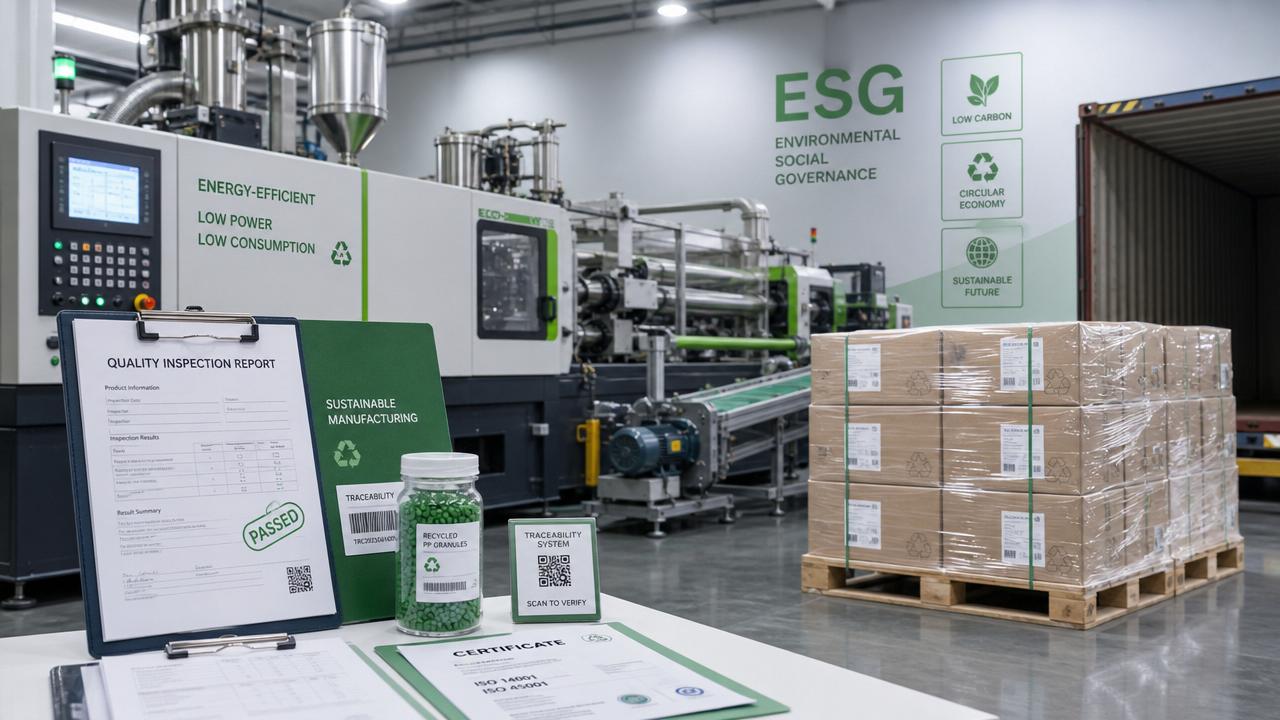
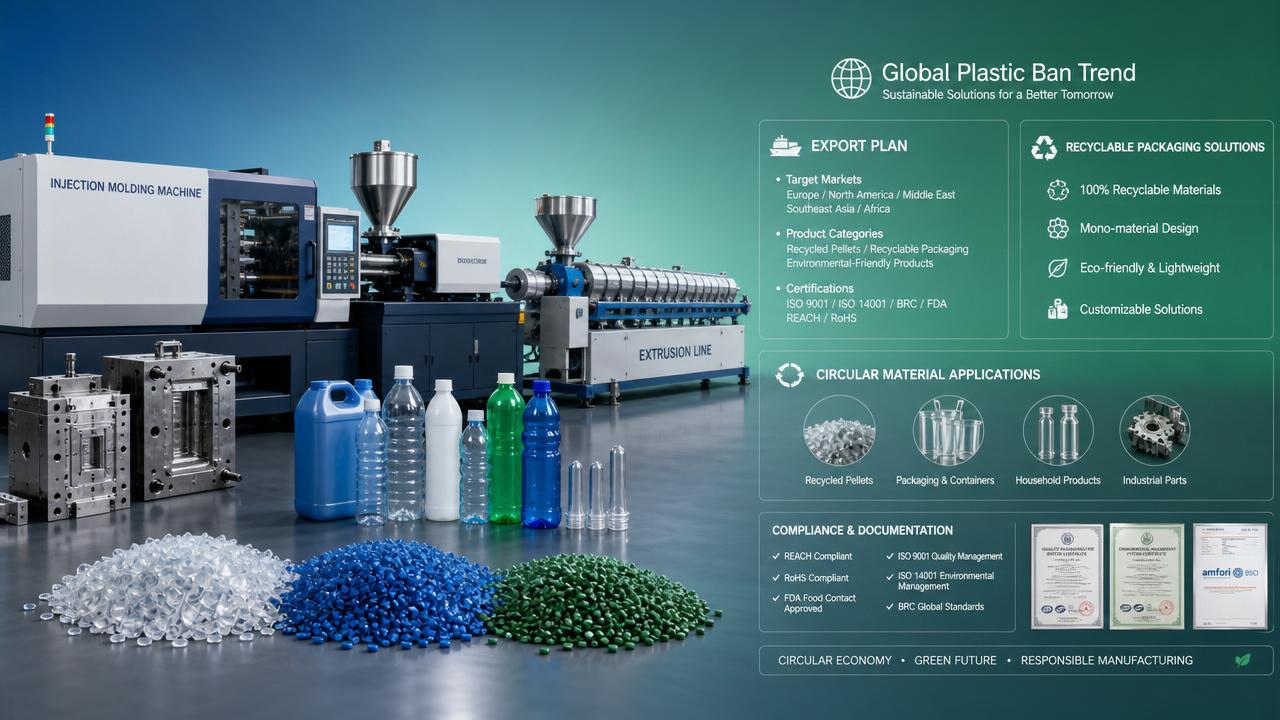
In 2026, the green circular economy is no longer a policy talking point—it is a measurable force reshaping plastics investment, equipment selection, and supply-chain risk. For business evaluators, the real opportunity lies in understanding how recycling systems, energy-efficient processing, and compliance-driven innovation are redefining value across injection molding, extrusion, blow molding, vulcanization, and waste plastic recovery.
For buyers, investors, and assessment teams, the key question is no longer whether circularity matters. It is which technologies, suppliers, and operating models can convert sustainability pressure into margin protection, regulatory resilience, and long-term asset value. In plastics, the companies that make better decisions in 2026 will be the ones that evaluate equipment not only by output and price, but by energy intensity, recycled-material adaptability, traceability, and compliance readiness.
What Business Evaluators Need to Know First About the Green Circular Economy in Plastics
The core search intent behind green circular economy in this context is practical decision support. Readers are not looking for a general definition. They want to know how circular economy shifts are changing capital spending, procurement standards, technology roadmaps, and competitive positioning across the plastics value chain.
For business evaluators, the most important conclusion is clear: in 2026, circular performance has become a commercial metric. It affects access to customers, export eligibility, financing discussions, insurance assumptions, and total production cost. This is especially true in sectors tied to packaging, automotive, medical components, construction materials, and consumer goods.
That means equipment assessments must now include a broader set of criteria. Traditional benchmarks such as throughput, cycle time, mold compatibility, screw durability, and maintenance intervals still matter. But they are no longer enough on their own. Decision-makers also need to evaluate recycled feedstock tolerance, contamination control, digital process monitoring, carbon and energy reporting capability, and alignment with evolving extended producer responsibility frameworks.
In short, the green circular economy is changing the definition of a “good asset.” A machine that is efficient only under virgin resin conditions may become strategically weaker than one that can process mixed or variable recycled inputs with stable quality and lower resource consumption.
Why 2026 Marks a Turning Point for Plastics Economics
Several forces are converging in 2026 to make circularity a hard business issue rather than a soft branding theme. The first is regulation. Packaging rules, recycled-content requirements, plastic taxes, landfill restrictions, and disclosure obligations are becoming more detailed and more enforceable across major markets. As a result, equipment and processing decisions made today increasingly determine future market access.
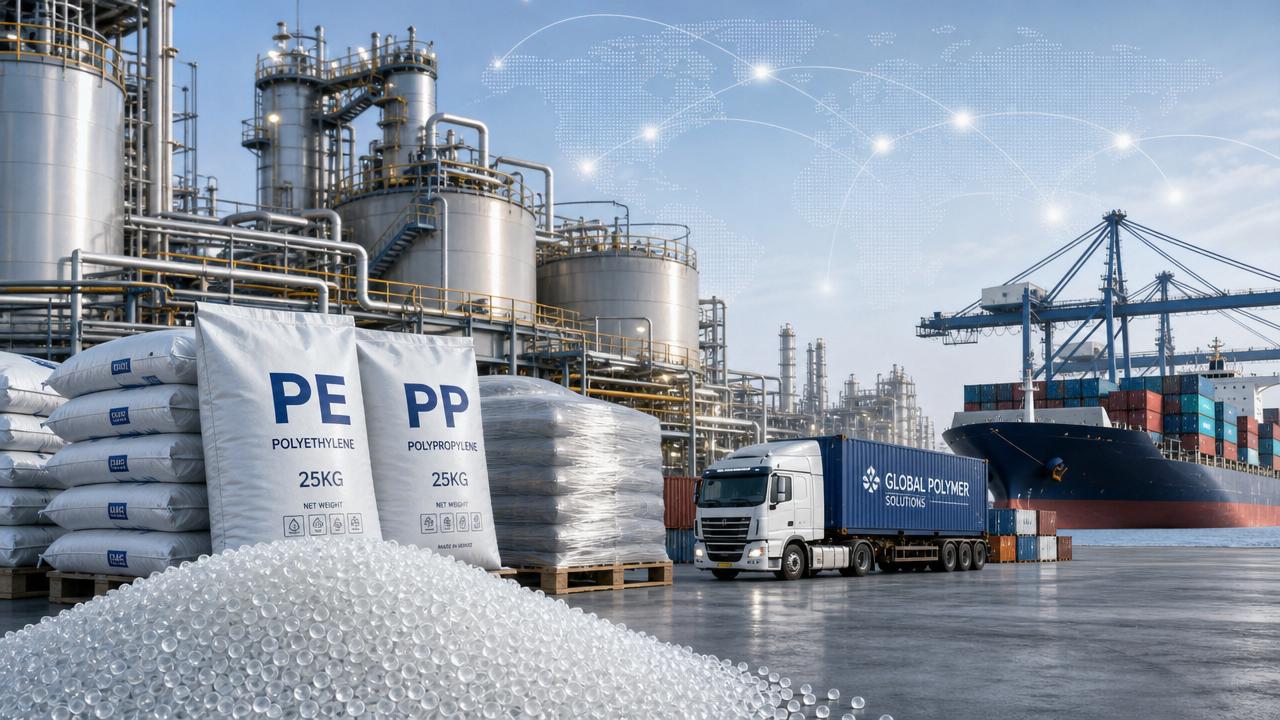
The second force is feedstock volatility. Virgin resin pricing remains exposed to energy markets, geopolitics, and logistics disruptions. At the same time, recycled resin markets are maturing, but quality consistency remains uneven. This creates both a risk and an opportunity. Companies with flexible forming and recycling systems are better positioned to balance cost, quality, and supply continuity.
The third force is customer pressure. Brand owners and OEMs are pushing sustainability targets deeper into supplier qualification. In many tenders, “can you process recycled material reliably?” now matters almost as much as “can you meet volume and quality?” For business evaluators, this means machinery purchases should be reviewed as strategic enablers of customer retention and future bid competitiveness.
The fourth force is technology readiness. High-response servo drives, all-electric platforms, better melt filtration, AI-assisted process control, and in-house recycling integration are no longer niche experiments. They are becoming investable, measurable tools that reduce waste, improve repeatability, and strengthen circular manufacturing economics.
Where the Green Circular Economy Is Reshaping Equipment Priorities
Across polymer processing, circularity is not affecting every machine category in the same way. Business evaluators should examine how value is shifting within each production segment, because the return profile differs between injection molding, extrusion, blow molding, vulcanization, and recycling systems.
In precision injection molding, circularity is pushing buyers toward machines that can maintain dimensional stability even when resin variability increases. This is especially important for technical parts, medical disposables where permitted material pathways apply, and packaging closures. The asset value lies in process control: faster response, more stable pressure curves, lower scrap rates, and better traceability.
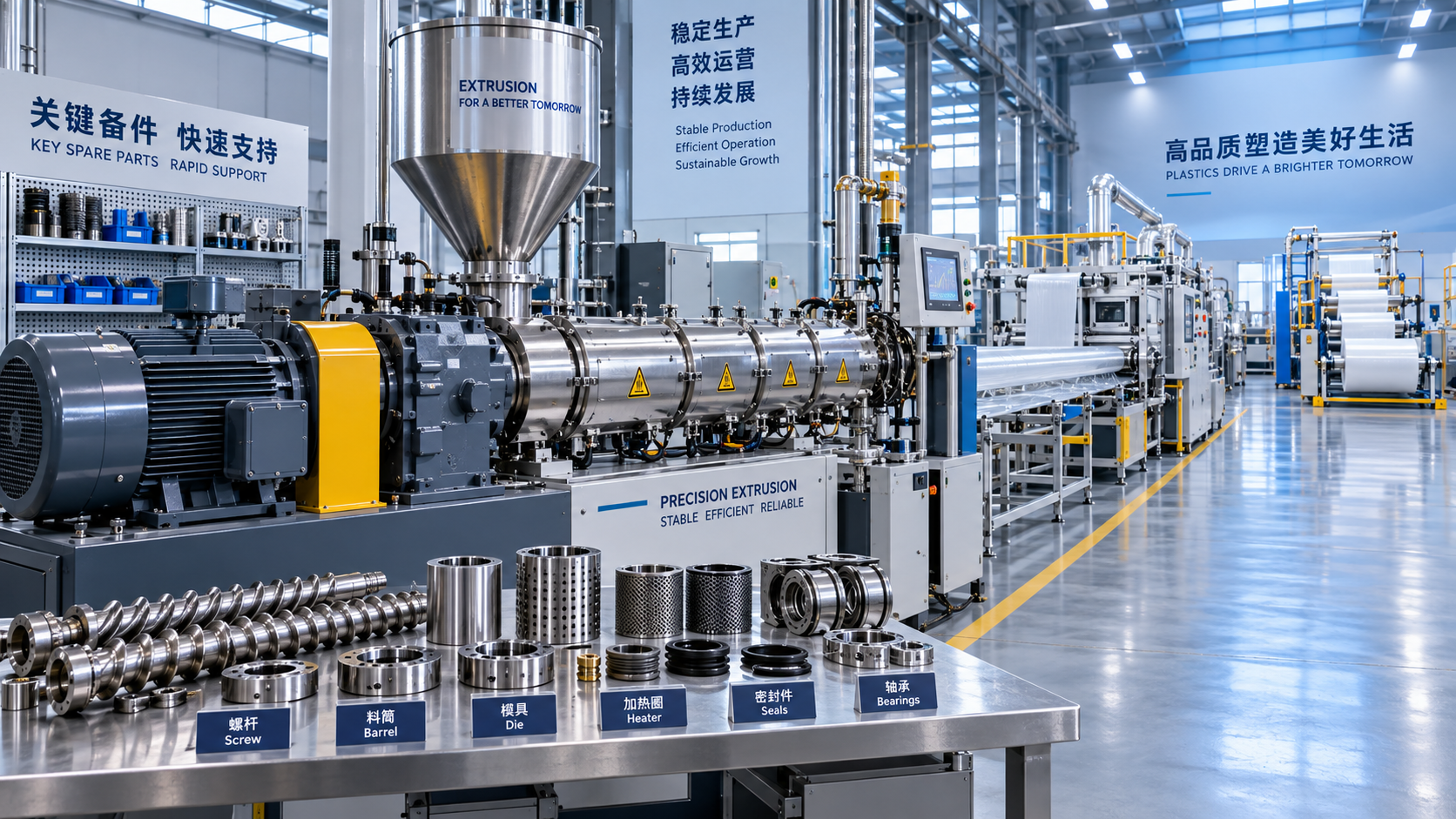
In extrusion, the green circular economy is increasing demand for systems that can handle compounding complexity. Twin-screw platforms are particularly relevant because they support blending of base polymers, additives, fillers, and recycled content. For evaluators, the key issue is not just output per hour, but whether the line can produce saleable material from less predictable inputs without excessive energy use or quality drift.
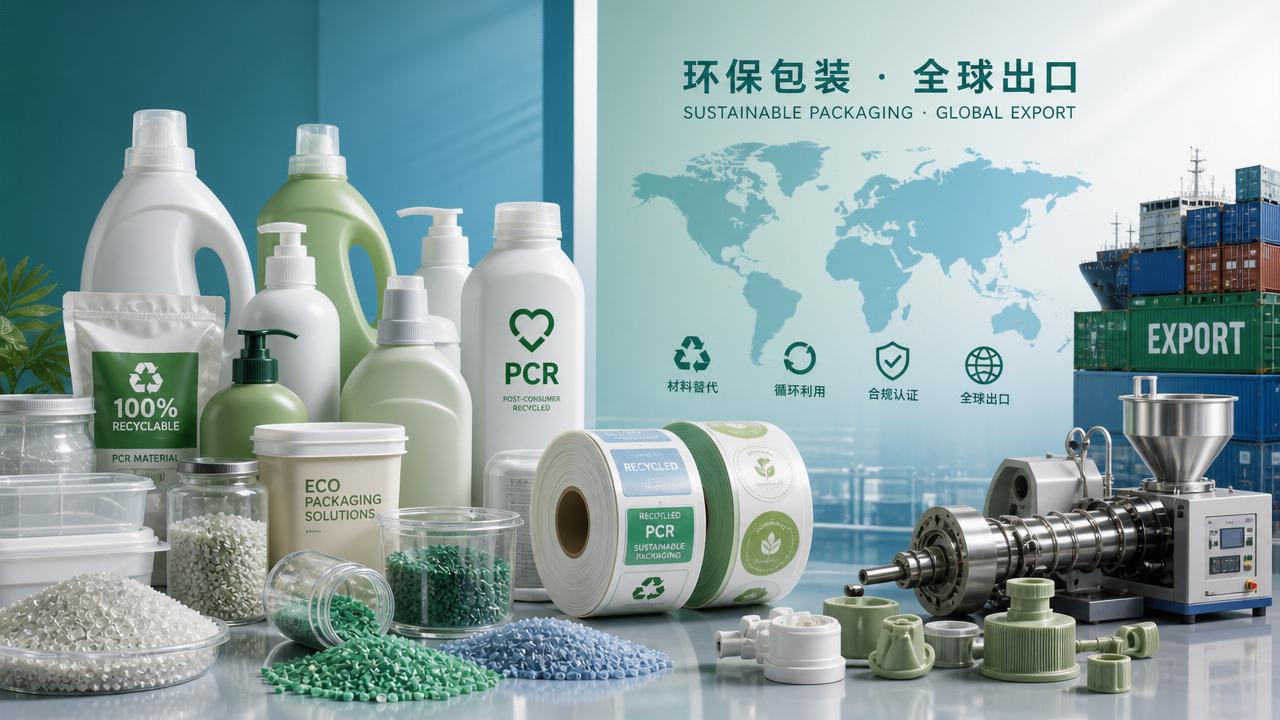
In blow molding, especially for FMCG packaging, the shift is tied to lightweighting, recycled PET integration, and high-speed consistency. Bottle and container manufacturers are under pressure to combine high throughput with sustainability claims that can withstand audit and customer review. Machines that reduce material waste and support recycled-content processing can materially improve margin resilience.
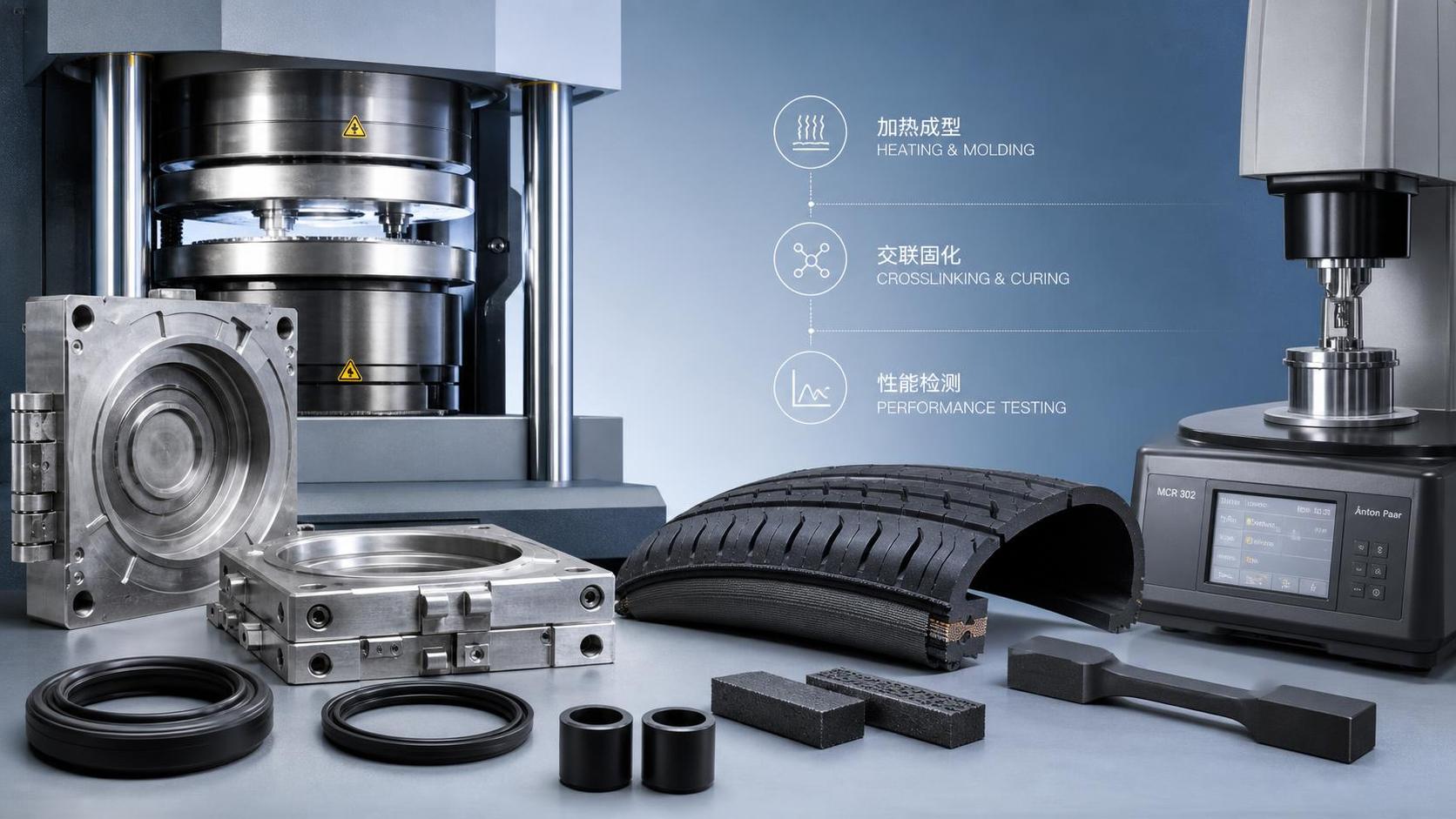
In rubber vulcanization, the circular transition is slower but still meaningful. Energy efficiency, process repeatability, and waste minimization matter more as elastomer producers face tighter environmental scrutiny. While closed-loop recovery in rubber is more complex than in thermoplastics, evaluators should still examine cure efficiency, scrap reduction, and compatibility with reclaimed material strategies where relevant.
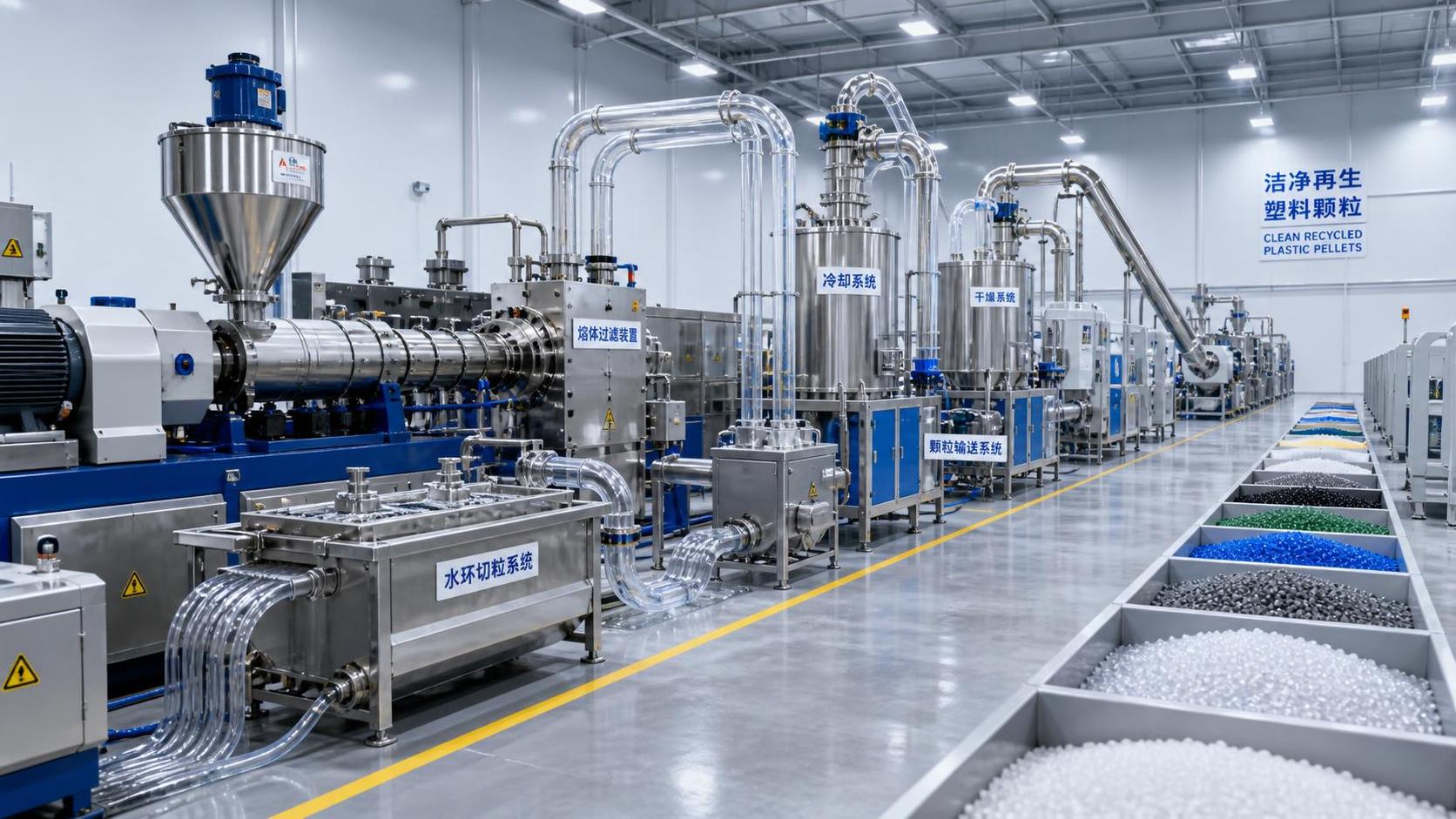
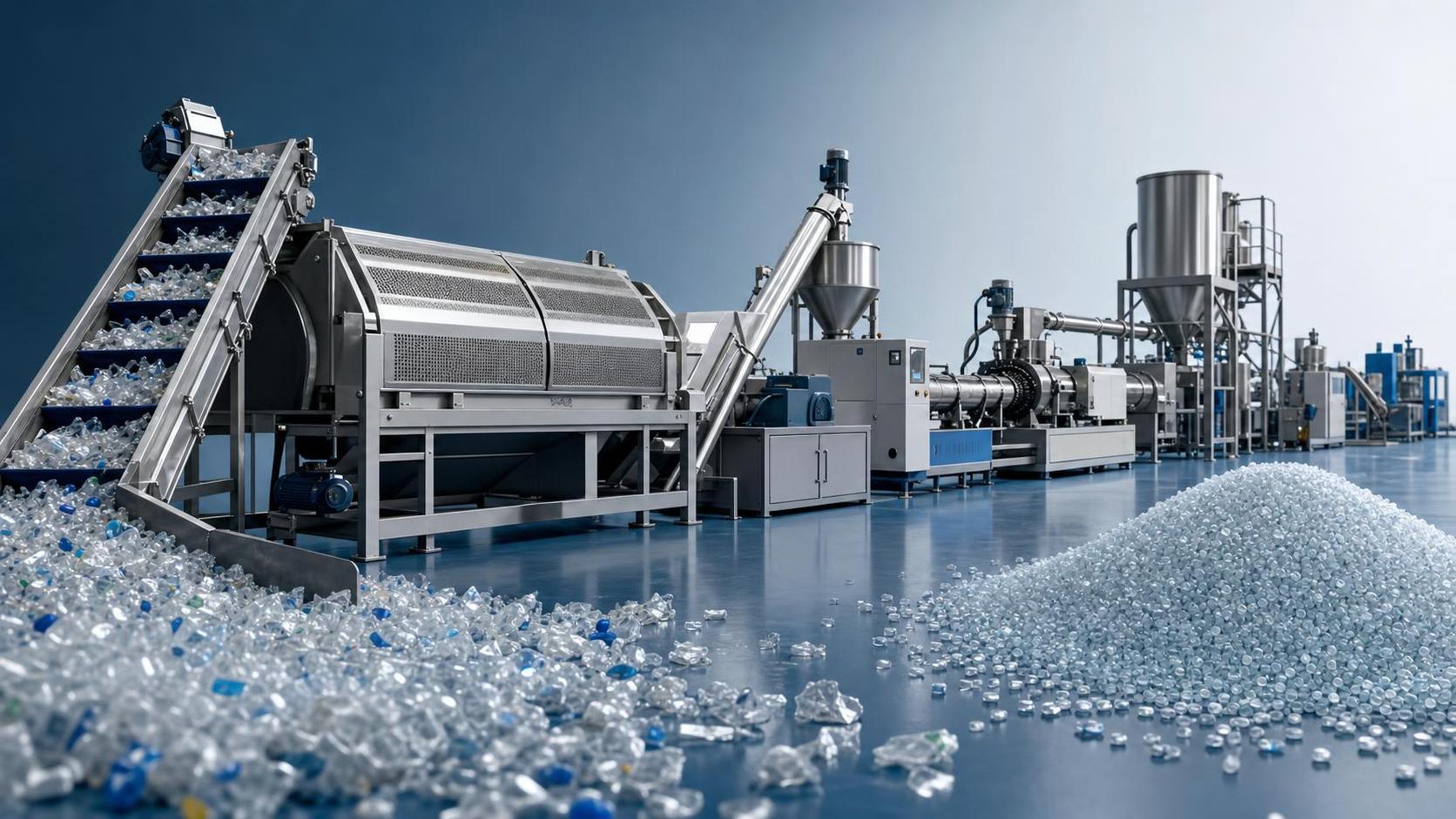
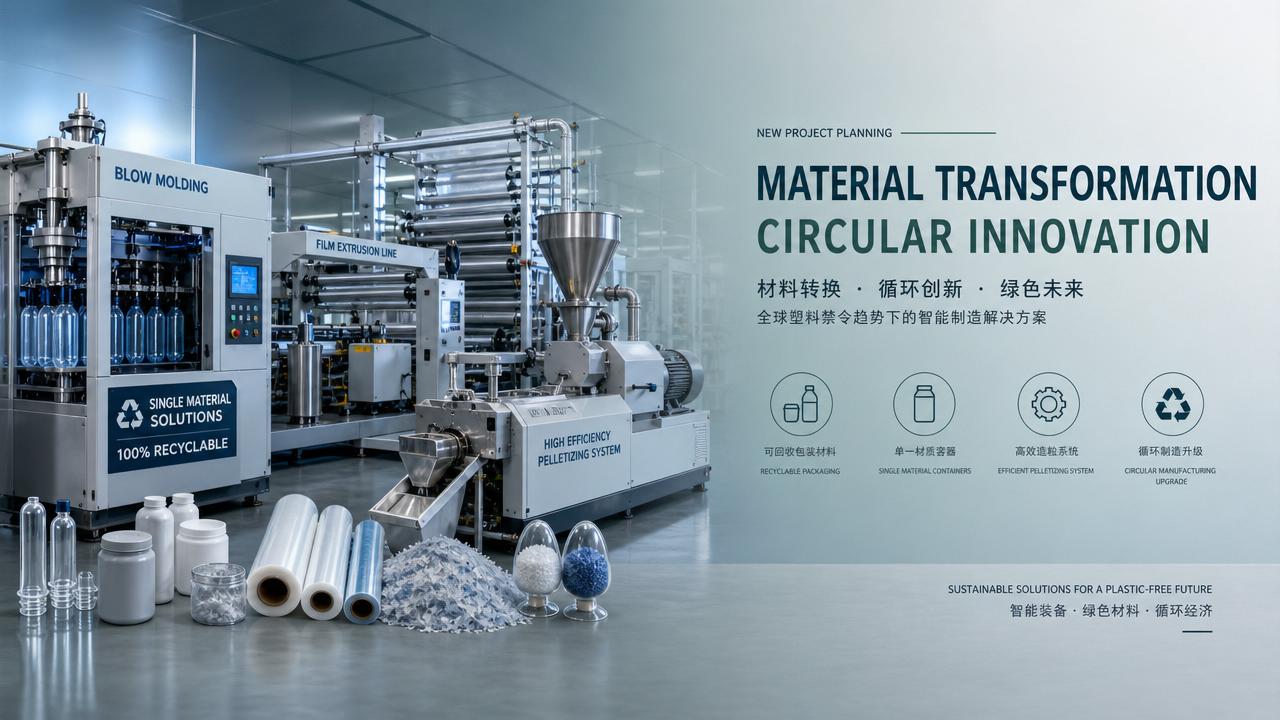
In waste plastic pelletizing, the economics are becoming central to the whole ecosystem. High-performance washing, degassing, melt filtration, and underwater pelletizing now have direct influence over whether recycled resin can move from low-value downcycling toward higher-value reuse. For many processors and packaging groups, in-house recovery lines are no longer side projects; they are strategic infrastructure.
How to Evaluate Circular Economy Investments Beyond the Purchase Price
One of the biggest mistakes in plastics equipment evaluation is comparing machines mainly on upfront cost. Under circular economy conditions, that approach misses the variables that increasingly determine long-term profitability. A lower-priced machine may create hidden losses if it consumes more energy, generates more scrap, or cannot reliably process recycled feedstock.
A stronger business case starts with total cost of ownership. Evaluators should model energy consumption per kilogram, material loss rates, labor intensity, maintenance frequency, uptime stability, and spare-parts availability. They should also test how those economics change under different resin mixes, especially when recycled content rises.
Another crucial metric is adaptability. Circular markets evolve quickly. A system optimized only for one virgin material grade may face obsolescence risk if regulations or customer specifications shift. Equipment with broader process windows, modular upgrades, better controls, and advanced filtration can provide strategic flexibility that is difficult to capture in a simple price comparison.
Compliance readiness should also be treated as an economic factor. If a machine can support data capture for traceability, energy reporting, and recycled-content verification, it may reduce future audit costs and shorten qualification cycles with brand owners. That capability can be commercially significant, even if it does not appear directly on a basic equipment quotation.
Finally, evaluators should consider residual value. In 2026, resale attractiveness increasingly depends on whether equipment aligns with lower-carbon and circular production requirements. Machines designed for efficient, digitally monitored, recycled-material-capable processing are likely to retain value better than assets built around older linear production assumptions.
What Risks Matter Most in a Circular Plastics Transition
The green circular economy creates opportunity, but it also introduces new decision risks. The first is overestimating recycled feedstock quality. Many business cases fail because they assume consistent input streams that do not exist in real operating conditions. Variability in moisture, contamination, melt flow, color, and additive residue can undermine throughput and product quality.
That is why equipment due diligence should include feedstock realism. Suppliers should be asked to demonstrate performance under representative material conditions, not ideal lab-grade assumptions. Trial data, contamination tolerance, filtration efficiency, and degassing performance are especially important in recycling and extrusion applications.
The second risk is underestimating compliance complexity. Different markets are moving at different speeds, and definitions of recyclability, recycled content, and material traceability are not always harmonized. Evaluators should avoid buying assets based only on broad sustainability claims. They need evidence that the system supports actual reporting and operational requirements in target geographies.
The third risk is treating digitalization as optional. In circular manufacturing, process variability is often higher than in virgin-only production. Without adequate sensors, controls, and analytics, scrap rates can climb quickly. Digital monitoring is not merely a productivity feature; it is a stabilizer for circular operations.
The fourth risk is organizational. A company may buy advanced recycling or forming equipment but fail to align procurement, quality control, maintenance, and commercial teams around the new operating model. Circular economy success often depends on cross-functional execution as much as on machine capability.
What Strong Suppliers Will Look Like in 2026
For business evaluators, supplier quality is becoming inseparable from equipment quality. The strongest suppliers in 2026 will not simply sell machines. They will demonstrate a clear understanding of polymer rheology, contamination behavior, energy optimization, and compliance-linked process design.
They should be able to explain how their systems perform across real-use scenarios: varying recycled input ratios, demanding cycle-time targets, heat-sensitive materials, and traceability expectations from end customers. Technical credibility matters more than promotional language. Buyers should look for evidence in trial results, installed references, service capability, and process support depth.
Suppliers with intelligence-driven support models also have an advantage. In sectors like injection molding and extrusion, the value increasingly comes from tuning process windows, optimizing energy curves, reducing startup losses, and integrating data feedback into production decisions. Vendors that can assist with these tasks create longer-term operational value.
This is where specialist platforms such as PFRS become relevant to the evaluation process. In a market shaped by precision molding demands, advanced extrusion, efficient blow molding, robust vulcanization, and waste plastic resource recovery, credible intelligence helps buyers separate headline claims from actual capability. Strategic insight is particularly useful when regulations, resin markets, and end-user requirements are changing at the same time.
Practical Questions Business Evaluators Should Ask Before Approving Investment
When reviewing plastics equipment or circular manufacturing projects in 2026, assessment teams should move beyond generic sustainability claims and ask direct business questions. Can the line maintain quality with higher recycled-content inputs? What is the tested energy consumption under normal production conditions? How does the machine respond to contamination or moisture variation?
They should also ask about data. Can the system document process parameters, energy use, material batches, and output quality in a way that supports audits and customer requests? Can digital controls reduce operator dependency and stabilize performance across shifts? In circular operations, undocumented efficiency is difficult to monetize.
Another key area is service and upgradeability. What local or regional support exists? How quickly can wear components, filtration units, screws, or control modules be replaced? Can the line be retrofitted for stricter recycled-content targets or future automation? In a fast-changing market, upgrade pathways can be as important as current specifications.
Business evaluators should also request scenario-based ROI analysis. Instead of relying on one forecast, they should compare outcomes under different assumptions: rising energy prices, tighter packaging rules, lower virgin resin availability, or increased customer demand for recycled content. The best circular investments tend to remain credible under multiple scenarios, not only under optimistic ones.
The Strategic Outlook: From Sustainability Obligation to Competitive Filter
The biggest shift in 2026 is that the green circular economy is becoming a competitive filter in plastics. It is separating assets that merely produce volume from assets that protect long-term market relevance. Companies that evaluate machinery through a circular lens are better able to manage cost volatility, meet compliance demands, and qualify for more demanding customer programs.
For business evaluators, this does not mean every investment must chase the newest trend. It means decisions should be grounded in measurable business outcomes: lower waste, lower energy intensity, more flexible material use, stronger traceability, and better resilience against policy and supply shocks. Circularity becomes valuable when it improves decision quality and operational stability.
Across injection molding, extrusion, blow molding, vulcanization, and waste plastic recovery, the winners will be organizations that combine technical precision with strategic discipline. They will understand that advanced processing equipment, intelligent recycling systems, and data-based compliance capability are no longer separate topics. Together, they define the next era of plastics competitiveness.
For any company assessing equipment, suppliers, or expansion plans, the message is straightforward: the green circular economy is not a future add-on. It is already reshaping how value is created and defended in plastics. In 2026, the smartest evaluations will focus not only on what a machine can make, but on how efficiently, compliantly, and circularly it can make it.
Related News
- 00
0000-00
Polymer Processing for Extrusion: How Melt Rheology Affects Line Stability - 00
0000-00
Energy-Efficient Polymer Processing: Where Plants Can Cut kWh per Kilogram - 00
0000-00
German Extrusion Equipment Suppliers: Comparing Service, Lead Times, and Lifecycle Cost - 00
0000-00
Is an Underwater Pelletizer Worth the Added Cost for Recycled Plastics? - 00
0000-00
How Often Should Melt Filter Screens Be Changed?
Weekly Insights
Stay ahead with our curated technology reports delivered every Monday.
Related News
 Dr. Alistair VaughnHow to Evaluate a Plastics Processing Equipment Manufacturer for Uptime and SupportPlastics processing equipment manufacturer evaluation guide: compare uptime, spare parts, service response, diagnostics, and lifecycle support before buying.Sep 17, 2026
 Dr. Alistair VaughnBudgeting a Plastic Pelletizing Machine: Cost Drivers for Recycling LinesPlastic pelletizing machines cost depends on feedstock, filtration, utilities, and installation. Explore key budget drivers to build a reliable recycling line investment plan.Sep 03, 2026
 Dr. Alistair VaughnCommon Waste and Downtime Causes in Rubber Processing and Cutting OperationsProcessamento e corte de borracha: discover the real causes of scrap and downtime in rubber lines, from material variation to machine wear, and learn how to cut waste and improve output.Aug 31, 2026
 Dr. Alistair VaughnWhat Is Automated Materials Processing and Where Does It Deliver the Most Value?Automated materials processing improves consistency, cuts waste, and boosts efficiency across molding, extrusion, and recycling. Discover where it delivers the most value.Aug 14, 2026
 Dr. Alistair VaughnHow Does a Polymer Recycling Plant Work? Process Steps and Key Equipment ExplainedPolymer recycling plant guide: explore sorting, washing, drying, extrusion, filtration, and pelletizing steps, plus key equipment that drives cleaner output and reliable recycled plastic quality.Jul 31, 2026
 Dr. Alistair VaughnHow Does Rubber Vulcanization Work and What Determines Final Rubber Performance?Rubber vulcanization explained: discover how curing, formulation, temperature, pressure, and machine control determine final rubber performance, durability, and product reliability.Jul 30, 2026
 Dr. Alistair VaughnHow Circular Plastics Economy EPR Rules Affect Packaging Costs and Compliance PlanningCircular plastics economy EPR is reshaping packaging costs, recyclability, and compliance planning. Learn how to reduce fee exposure, protect margins, and make smarter packaging decisions.Jul 13, 2026
 Dr. Alistair VaughnCircular Plastics Economy Trends: How EPR Policies and Recycled Content Rules Affect ManufacturersCircular plastics economy trends are reshaping manufacturing fast. See how EPR policies and recycled content rules impact costs, compliance, sourcing, and plant performance.Jun 30, 2026
![]() Dr. Alistair VaughnGlobal Plastic Ban Trends: Which Packaging Materials Face the Highest Compliance Risk?Global plastic ban trends are reshaping packaging compliance. Discover which materials face the highest risk and how to reduce cost, disruption, and redesign pressure.Jun 04, 2026
Dr. Alistair VaughnGlobal Plastic Ban Trends: Which Packaging Materials Face the Highest Compliance Risk?Global plastic ban trends are reshaping packaging compliance. Discover which materials face the highest risk and how to reduce cost, disruption, and redesign pressure.Jun 04, 2026 Dr. Alistair VaughnGlobal Plastic Ban Trends: Policy Shifts Affecting Packaging Materials and SupplyGlobal plastic ban trends are reshaping packaging supply. Discover policy shifts, material risks, and processing strategies to stay compliant and competitive.Jun 02, 2026
 Dr. Alistair VaughnHow is AI in injection molding cutting scrap?AI in injection molding cuts scrap by detecting process drift, optimizing pressure and cooling, and improving quality decisions—see how to reduce waste and boost ROI.May 29, 2026
 Dr. Alistair VaughnWhat global plastic ban trends mean for export planningGlobal plastic ban trends are reshaping export planning. Learn how to reduce compliance risk, choose smarter packaging, and align sourcing and equipment upgrades for market access.May 28, 2026
![]() Dr. Alistair VaughnWhy elastomer cross-linking fails and how to prevent defectsElastomer cross-linking failures can cause soft spots, cracks, and hidden reliability risks. Learn the key defect causes and proven prevention steps across molding, extrusion, and recycled blends.May 23, 2026
Dr. Alistair VaughnWhy elastomer cross-linking fails and how to prevent defectsElastomer cross-linking failures can cause soft spots, cracks, and hidden reliability risks. Learn the key defect causes and proven prevention steps across molding, extrusion, and recycled blends.May 23, 2026 Dr. Alistair VaughnHow fragile is the virgin resin supply chain in 2026Virgin resin supply chain risks are rising in 2026. Explore key disruption drivers, pricing impacts, and practical resilience strategies for smarter sourcing and planning.May 22, 2026
 Dr. Alistair VaughnWhy polymer molding scientists matter in process upgradesPolymer molding scientists help turn process upgrades into higher precision, lower waste, better energy efficiency, and faster ROI. See why their expertise reduces risk and improves modernization results.May 22, 2026
 Dr. Alistair VaughnWhat global plastic ban trends mean for new projectsGlobal plastic ban trends are reshaping new projects through design, compliance, recycled content, and equipment strategy. See how to plan smarter, reduce risk, and stay market-ready.May 21, 2026
 Dr. Alistair VaughnHow ESG in plastic manufacturing affects export riskESG in plastic manufacturing directly affects export risk, from customs delays to buyer approval. Learn how traceability, compliance, and smarter equipment protect market access.May 21, 2026
 Dr. Alistair VaughnWhat global plastic ban trends mean for export planningGlobal plastic ban trends are reshaping export planning, packaging choices, and compliance strategy. Learn how to reduce risk, adapt faster, and stay competitive across global markets.May 19, 2026
 Dr. Alistair VaughnHow polymer smart manufacturing improves batch consistencyPolymer smart manufacturing improves batch consistency with inline sensing, closed-loop control, and analytics. See how it reduces variation, scrap, and quality risk across polymer processing.May 18, 2026
 Dr. Alistair VaughnWhy recycled plastic technology is changing line efficiencyRecycled plastic technology is changing line efficiency by reducing scrap, stabilizing melt quality, and improving uptime across molding, extrusion, and packaging operations.May 18, 2026