Digital polymer processing is changing line control fast




Digital polymer processing is changing how project leaders manage line control, from injection molding and extrusion to recycling systems. As production targets tighten and compliance demands rise, data-driven optimization, smarter automation, and real-time process visibility are becoming essential for reducing downtime, improving yield, and accelerating delivery. For engineering and project managers, understanding this shift is key to building more efficient, resilient, and future-ready polymer manufacturing lines.
Why is digital polymer processing becoming a line-control priority?
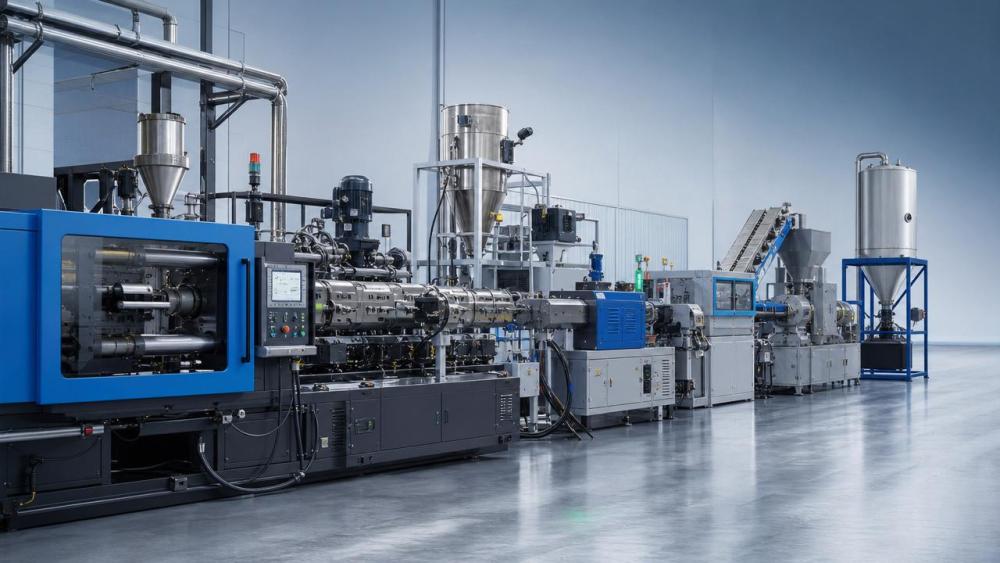
For project managers, line control is no longer just about machine uptime. It now includes recipe consistency, traceability, energy use, scrap reduction, maintenance coordination, and compliance reporting across multiple polymer processes.
That is why digital polymer processing matters. It connects equipment behavior with production targets, allowing teams to see how melt pressure, screw speed, mold temperature, cooling stability, and recycled feed variability affect final output.
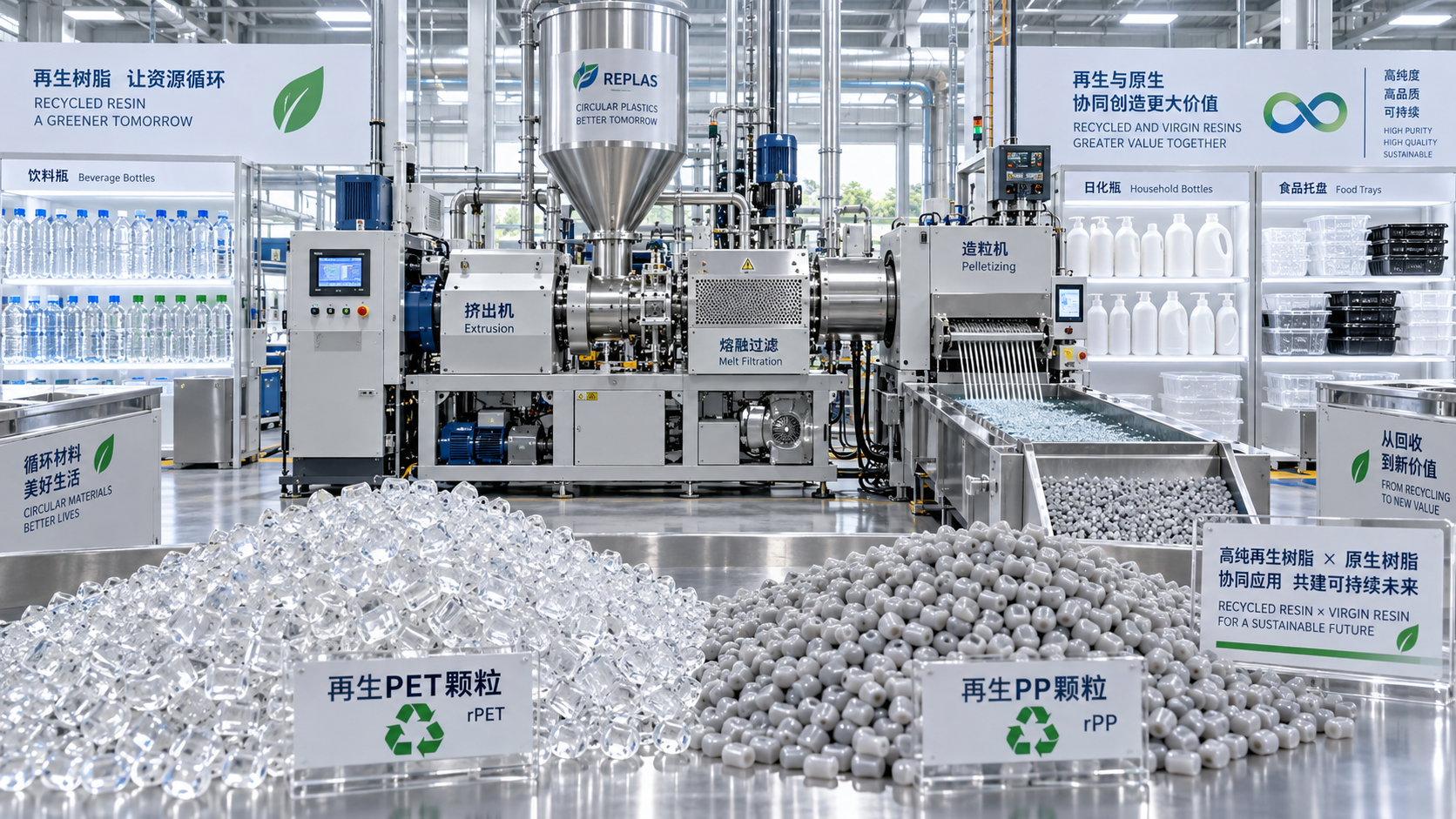
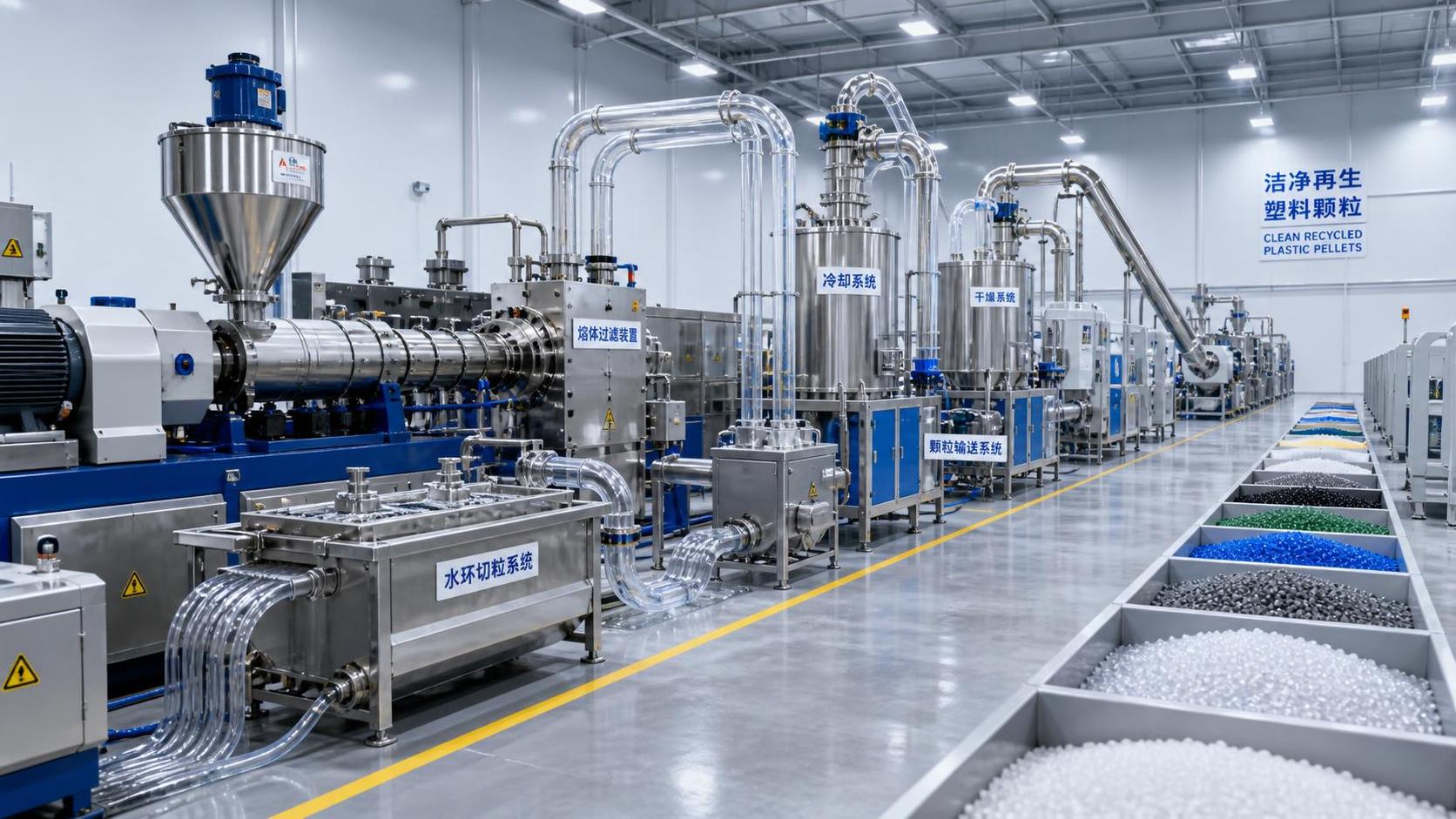
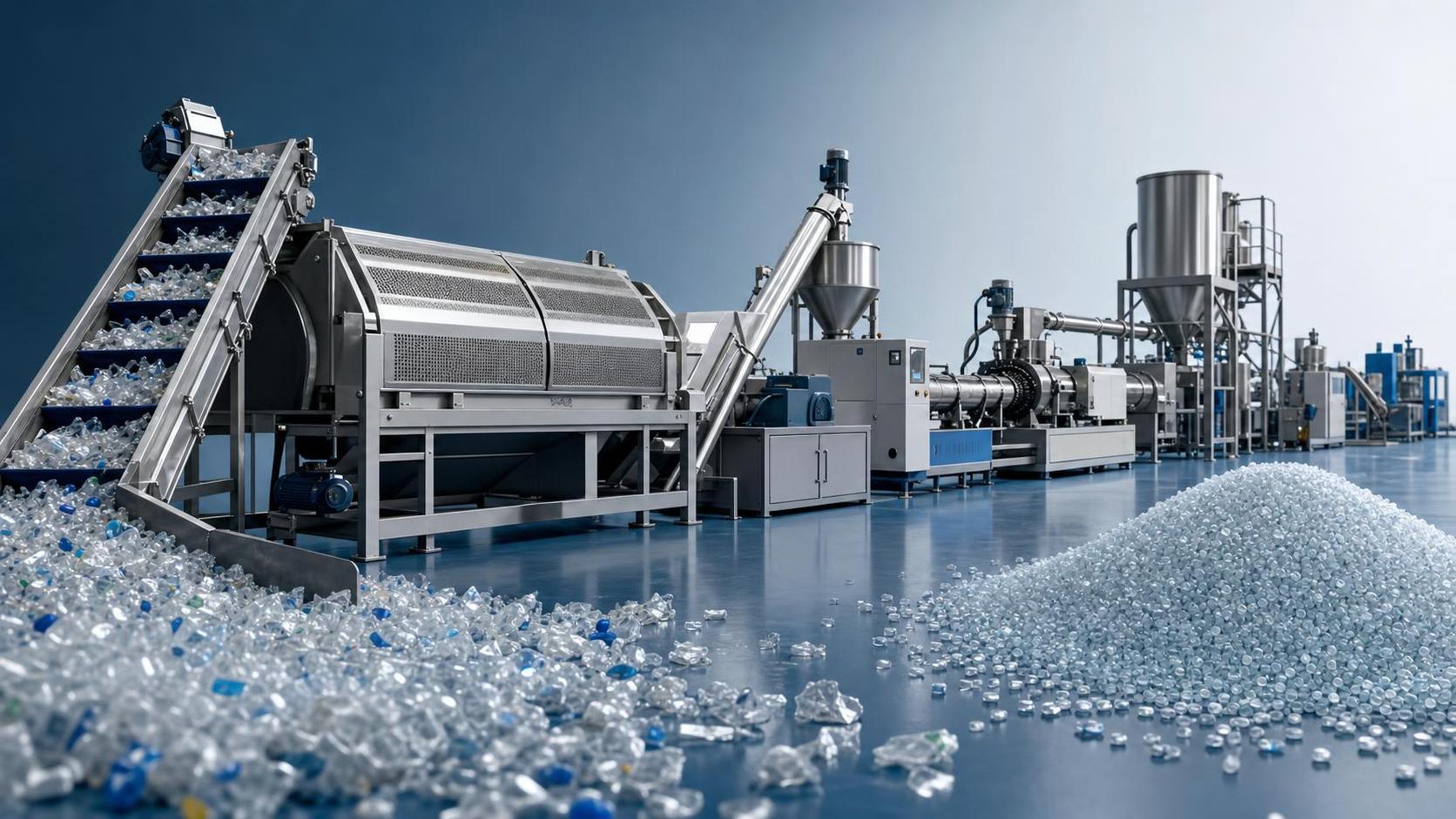
In injection molding, this shift helps stabilize holding pressure curves and cycle times. In extrusion, it improves throughput control and formulation consistency. In recycling lines, it supports contamination management, filtration monitoring, and pellet quality tracking.
PFRS follows this transition across the full polymer lifecycle. Its intelligence coverage links polymer rheology, thermodynamic behavior, smart automation, and environmental packaging compliance, giving project teams a clearer basis for technical and commercial decisions.
- Project schedules are tighter, so start-up losses and commissioning delays have a bigger cost than before.
- Material volatility is rising, especially with recycled content and additive-heavy compounds.
- Global packaging and environmental rules require better process records, lot traceability, and stable quality windows.
- Multi-machine lines need coordinated data, not isolated operator judgment, to maintain output and quality.
What does digital polymer processing include on a real production line?
Many teams assume digitalization means only adding dashboards. In practice, digital polymer processing combines sensing, control logic, process modeling, machine communication, historical analysis, and alarm-driven workflow management.
For a project leader, the value appears when data supports faster decisions. Instead of reacting to defects after inspection, teams can detect drift earlier through torque, temperature, cavity pressure, melt viscosity indicators, or filtration pressure trends.
Core control layers that matter most
- Machine layer: Servo drives, heaters, pressure sensors, encoders, load cells, and energy meters provide the raw operating signals.
- Process layer: PLC, HMI, recipe management, alarm logic, and closed-loop control maintain stable windows for molding, extrusion, blowing, vulcanization, or pelletizing.
- Analysis layer: Historical trending, predictive maintenance, SPC, and AI-assisted optimization identify recurring instability and improvement opportunities.
- Management layer: MES, ERP links, batch traceability, maintenance scheduling, and compliance reporting align the plant floor with business targets.
When these layers are aligned, digital polymer processing becomes a practical line-control system rather than a standalone software purchase.
Which polymer processes benefit first from digital line control?
Not every line has the same digital priority. The best starting point depends on quality sensitivity, output volume, material complexity, and the cost of downtime. The table below helps project managers compare where digital polymer processing creates the fastest operational impact.
The common pattern is clear. Digital polymer processing delivers the fastest return where process windows are narrow, material variation is high, or nonconformance creates expensive downstream disruption.
How should project managers evaluate digital polymer processing options?
Selection often fails when buyers focus only on machine price or software features. A better approach is to evaluate control architecture, implementation effort, data usability, and long-term service fit.
A practical selection checklist
- Define the line bottleneck first. Is the main loss caused by scrap, changeover, unstable throughput, filter blockage, cure variation, or energy consumption?
- Map the critical process variables. For example, extrusion may depend on feeder accuracy, barrel zone response, screw torque, and melt pressure more than on general OEE dashboards.
- Check integration depth. Can the system communicate with existing PLCs, auxiliary equipment, gravimetric feeders, chillers, dryers, robots, or quality systems?
- Review alarm strategy. Too many alarms create noise. Too few alarms miss drift. The right design supports action, escalation, and maintenance planning.
- Confirm traceability needs. Packaging, medical, automotive, and recycled content applications may require stronger batch records and parameter history.
- Estimate commissioning risk. Ask about sensor calibration, operator training time, recipe migration, and validation support before purchase approval.
PFRS is especially useful at this stage because it connects process science with market intelligence. That helps teams avoid buying tools that look advanced but do not match the actual control demands of polymer production.
What technical indicators deserve the closest attention?
Project leaders need indicators that are actionable, not just easy to display. The table below highlights the technical signals that usually have the strongest effect on line control and delivery reliability in digital polymer processing projects.
These indicators give better control than generic utilization figures alone. They directly connect digital polymer processing with product quality, scheduling confidence, and maintenance planning.
How does digital polymer processing support compliance and risk control?
Compliance is becoming a line-control issue, not just a documentation issue. When recycled content, food-contact packaging, medical components, or export requirements are involved, process consistency must be demonstrated, not assumed.
Digital records can help capture temperature history, lot identity, process alarms, maintenance events, and operator interventions. For project managers, this reduces the risk of disputes during customer audits, internal qualification, or market entry review.
Risk points often overlooked
- Assuming recycled feed behaves like virgin resin, even when contamination or moisture varies significantly.
- Deploying sensors without defining who responds to alerts, how escalation works, and what threshold triggers intervention.
- Treating software validation as an IT task only, instead of linking it to process acceptance and customer requirements.
- Ignoring how regional environmental packaging rules can affect material selection, traceability, or in-house recycling system design.
Because PFRS monitors plastic ban updates, resin supply turbulence, and circular manufacturing trends, it helps decision-makers read line control not as an isolated engineering issue, but as part of a larger compliance and supply-chain strategy.
What implementation path reduces disruption and budget waste?
The safest way to adopt digital polymer processing is phased deployment. This lets teams validate value on critical lines before scaling plant-wide. It also prevents overbuying features that operators will not use.
Recommended rollout sequence
- Start with one high-impact process cell, such as a precision injection molding line, a twin-screw compounding line, or a pelletizing line with unstable filtration behavior.
- Baseline current performance using scrap rate, downtime causes, throughput consistency, changeover recovery, and energy consumption per output unit.
- Install only the sensors and software needed to control the baseline problem, then verify improvement with a defined review window.
- Train operators, maintenance staff, and process engineers together so alerts, recipes, and corrective actions use one language.
- Expand to upstream and downstream equipment once the first control loop is stable and responsibilities are clear.
This staged method is especially relevant where budgets are tight, delivery dates are fixed, and management expects measurable gains within one project cycle.
FAQ: what do engineering leaders ask before investing?
Is digital polymer processing only suitable for new production lines?
No. Many existing molding, extrusion, and recycling lines can be upgraded in stages. Retrofit potential depends on control openness, sensor access, machine condition, and the ability to capture reliable process signals.
What should we prioritize first: automation, analytics, or traceability?
Prioritize the area linked to your biggest cost of instability. If defects dominate, start with process control and alarms. If audits or customer complaints dominate, strengthen traceability first. If labor and responsiveness are weak, focus on automation.
How long does a digital polymer processing project usually take?
Timing varies by scope. A focused retrofit on one line can move faster than a plant-wide integration. Project duration usually depends more on interface complexity, validation expectations, and staff readiness than on hardware delivery alone.
Can digital control help when recycled materials are used?
Yes, and often this is where it creates major value. Recycled streams can vary in contamination, moisture, bulk density, and thermal history. Better monitoring of filtration pressure, dosing stability, melt behavior, and pellet quality helps maintain usable output.
Why choose us when evaluating digital polymer processing?
PFRS supports project managers who need more than general industry news. Our strength is connecting processing science, equipment trends, commercial reality, and compliance pressure across injection molding, extrusion, blow molding, vulcanization, and waste plastic pelletizing.
You can consult us when you need help narrowing a technical direction, comparing line-control approaches, or understanding where digital polymer processing will deliver the strongest return for your specific application.
- Parameter confirmation for critical variables such as pressure, temperature, dosing, torque, or cycle control.
- Product and solution selection support for injection molding, extrusion, blow molding, vulcanization, or in-house recycling lines.
- Delivery-cycle discussion for phased upgrades, retrofit planning, commissioning sequence, and implementation risk.
- Custom line-control guidance based on material behavior, plant constraints, ESG goals, and packaging compliance needs.
- Certification and compliance communication around traceability expectations, process documentation, and market-specific requirements.
- Quotation and scope alignment for digital upgrades, process optimization priorities, and equipment intelligence planning.
If your team is balancing output pressure, quality risk, budget control, and future compliance, this is the right time to assess digital polymer processing with a clearer technical and project-management lens.
Related News
- 00
0000-00
How to Evaluate Plastic Recycling Machinery for UAE Heat, Feedstock, and Output Needs - 00
0000-00
How to Evaluate a PET Bottle Recycling System Supplier for Reliable rPET Output - 00
0000-00
How to Select Rubber Processing Equipment for High-Precision Automotive Seals - 00
0000-00
How to Qualify a Servo Injection Molding Exporter for Global Sourcing - 00
0000-00
Polymer Processing for Extrusion: How Melt Rheology Affects Line Stability
Weekly Insights
Stay ahead with our curated technology reports delivered every Monday.
Related News
 Dr. Alistair VaughnHow Do PPWR Recycled-Content Targets Affect Packaging Resin Demand?How do PPWR recycled-content targets affect packaging resin demand? Explore shifts in recycled grades, virgin blends, food-contact supply, and processing strategy.Sep 26, 2026
 Dr. Alistair VaughnHow to Evaluate a Plastics Processing Equipment Manufacturer for Uptime and SupportPlastics processing equipment manufacturer evaluation guide: compare uptime, spare parts, service response, diagnostics, and lifecycle support before buying.Sep 17, 2026
 Dr. Alistair VaughnBudgeting a Plastic Pelletizing Machine: Cost Drivers for Recycling LinesPlastic pelletizing machines cost depends on feedstock, filtration, utilities, and installation. Explore key budget drivers to build a reliable recycling line investment plan.Sep 03, 2026
 Dr. Alistair VaughnCommon Waste and Downtime Causes in Rubber Processing and Cutting OperationsProcessamento e corte de borracha: discover the real causes of scrap and downtime in rubber lines, from material variation to machine wear, and learn how to cut waste and improve output.Aug 31, 2026
 Dr. Alistair VaughnWhat Is Automated Materials Processing and Where Does It Deliver the Most Value?Automated materials processing improves consistency, cuts waste, and boosts efficiency across molding, extrusion, and recycling. Discover where it delivers the most value.Aug 14, 2026
 Dr. Alistair VaughnHow Does a Polymer Recycling Plant Work? Process Steps and Key Equipment ExplainedPolymer recycling plant guide: explore sorting, washing, drying, extrusion, filtration, and pelletizing steps, plus key equipment that drives cleaner output and reliable recycled plastic quality.Jul 31, 2026
 Dr. Alistair VaughnHow Does Rubber Vulcanization Work and What Determines Final Rubber Performance?Rubber vulcanization explained: discover how curing, formulation, temperature, pressure, and machine control determine final rubber performance, durability, and product reliability.Jul 30, 2026
 Dr. Alistair VaughnHow Circular Plastics Economy EPR Rules Affect Packaging Costs and Compliance PlanningCircular plastics economy EPR is reshaping packaging costs, recyclability, and compliance planning. Learn how to reduce fee exposure, protect margins, and make smarter packaging decisions.Jul 13, 2026
 Dr. Alistair VaughnCircular Plastics Economy Trends: How EPR Policies and Recycled Content Rules Affect ManufacturersCircular plastics economy trends are reshaping manufacturing fast. See how EPR policies and recycled content rules impact costs, compliance, sourcing, and plant performance.Jun 30, 2026
![]() Dr. Alistair VaughnGlobal Plastic Ban Trends: Which Packaging Materials Face the Highest Compliance Risk?Global plastic ban trends are reshaping packaging compliance. Discover which materials face the highest risk and how to reduce cost, disruption, and redesign pressure.Jun 04, 2026
Dr. Alistair VaughnGlobal Plastic Ban Trends: Which Packaging Materials Face the Highest Compliance Risk?Global plastic ban trends are reshaping packaging compliance. Discover which materials face the highest risk and how to reduce cost, disruption, and redesign pressure.Jun 04, 2026 Dr. Alistair VaughnGlobal Plastic Ban Trends: Policy Shifts Affecting Packaging Materials and SupplyGlobal plastic ban trends are reshaping packaging supply. Discover policy shifts, material risks, and processing strategies to stay compliant and competitive.Jun 02, 2026
 Dr. Alistair VaughnHow is AI in injection molding cutting scrap?AI in injection molding cuts scrap by detecting process drift, optimizing pressure and cooling, and improving quality decisions—see how to reduce waste and boost ROI.May 29, 2026
 Dr. Alistair VaughnWhat global plastic ban trends mean for export planningGlobal plastic ban trends are reshaping export planning. Learn how to reduce compliance risk, choose smarter packaging, and align sourcing and equipment upgrades for market access.May 28, 2026
![]() Dr. Alistair VaughnWhy elastomer cross-linking fails and how to prevent defectsElastomer cross-linking failures can cause soft spots, cracks, and hidden reliability risks. Learn the key defect causes and proven prevention steps across molding, extrusion, and recycled blends.May 23, 2026
Dr. Alistair VaughnWhy elastomer cross-linking fails and how to prevent defectsElastomer cross-linking failures can cause soft spots, cracks, and hidden reliability risks. Learn the key defect causes and proven prevention steps across molding, extrusion, and recycled blends.May 23, 2026 Dr. Alistair VaughnHow fragile is the virgin resin supply chain in 2026Virgin resin supply chain risks are rising in 2026. Explore key disruption drivers, pricing impacts, and practical resilience strategies for smarter sourcing and planning.May 22, 2026
 Dr. Alistair VaughnWhy polymer molding scientists matter in process upgradesPolymer molding scientists help turn process upgrades into higher precision, lower waste, better energy efficiency, and faster ROI. See why their expertise reduces risk and improves modernization results.May 22, 2026
 Dr. Alistair VaughnWhat global plastic ban trends mean for new projectsGlobal plastic ban trends are reshaping new projects through design, compliance, recycled content, and equipment strategy. See how to plan smarter, reduce risk, and stay market-ready.May 21, 2026
 Dr. Alistair VaughnHow ESG in plastic manufacturing affects export riskESG in plastic manufacturing directly affects export risk, from customs delays to buyer approval. Learn how traceability, compliance, and smarter equipment protect market access.May 21, 2026
 Dr. Alistair VaughnWhat global plastic ban trends mean for export planningGlobal plastic ban trends are reshaping export planning, packaging choices, and compliance strategy. Learn how to reduce risk, adapt faster, and stay competitive across global markets.May 19, 2026
 Dr. Alistair VaughnHow polymer smart manufacturing improves batch consistencyPolymer smart manufacturing improves batch consistency with inline sensing, closed-loop control, and analytics. See how it reduces variation, scrap, and quality risk across polymer processing.May 18, 2026