Innovations in Plastic Recycling: Mechanical vs Chemical Processing




Innovations in plastic recycling give technical evaluators more ways to recover value from waste, but the process choice starts with the material and its intended market. A relatively clean, well-sorted stream of thermoplastic packaging may be a strong candidate for mechanical recycling. A mixed or contaminated stream may justify chemical processing, but only if the technology can handle its actual composition and its outputs have a credible route to use.
The decision is rarely a simple contest between two machines. Sorting, pretreatment, energy supply, downstream refining and product specifications determine whether either route works commercially. In many facilities, mechanical and chemical processes can also serve different fractions of the same incoming waste stream.
Compare the complete processing route
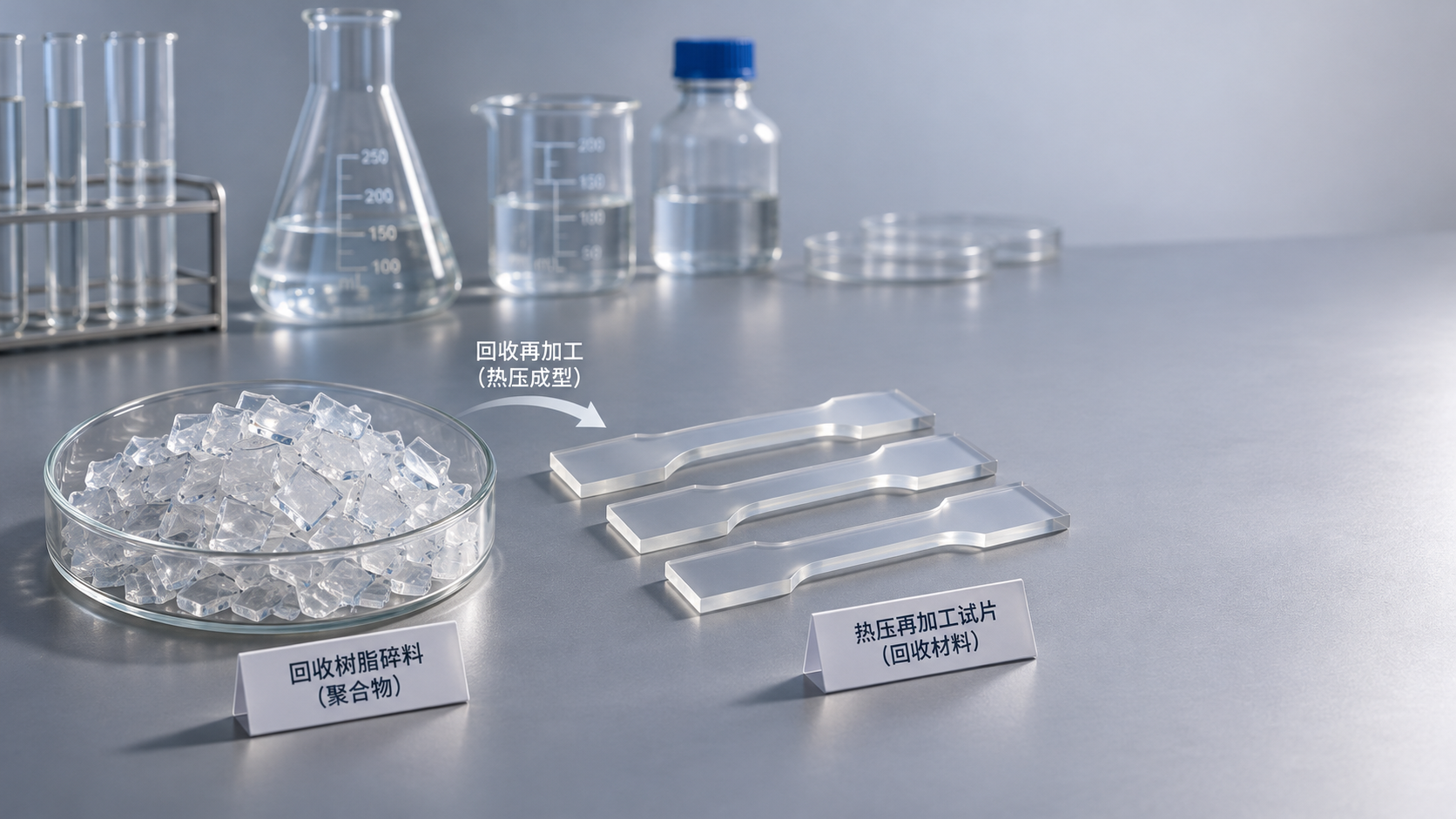
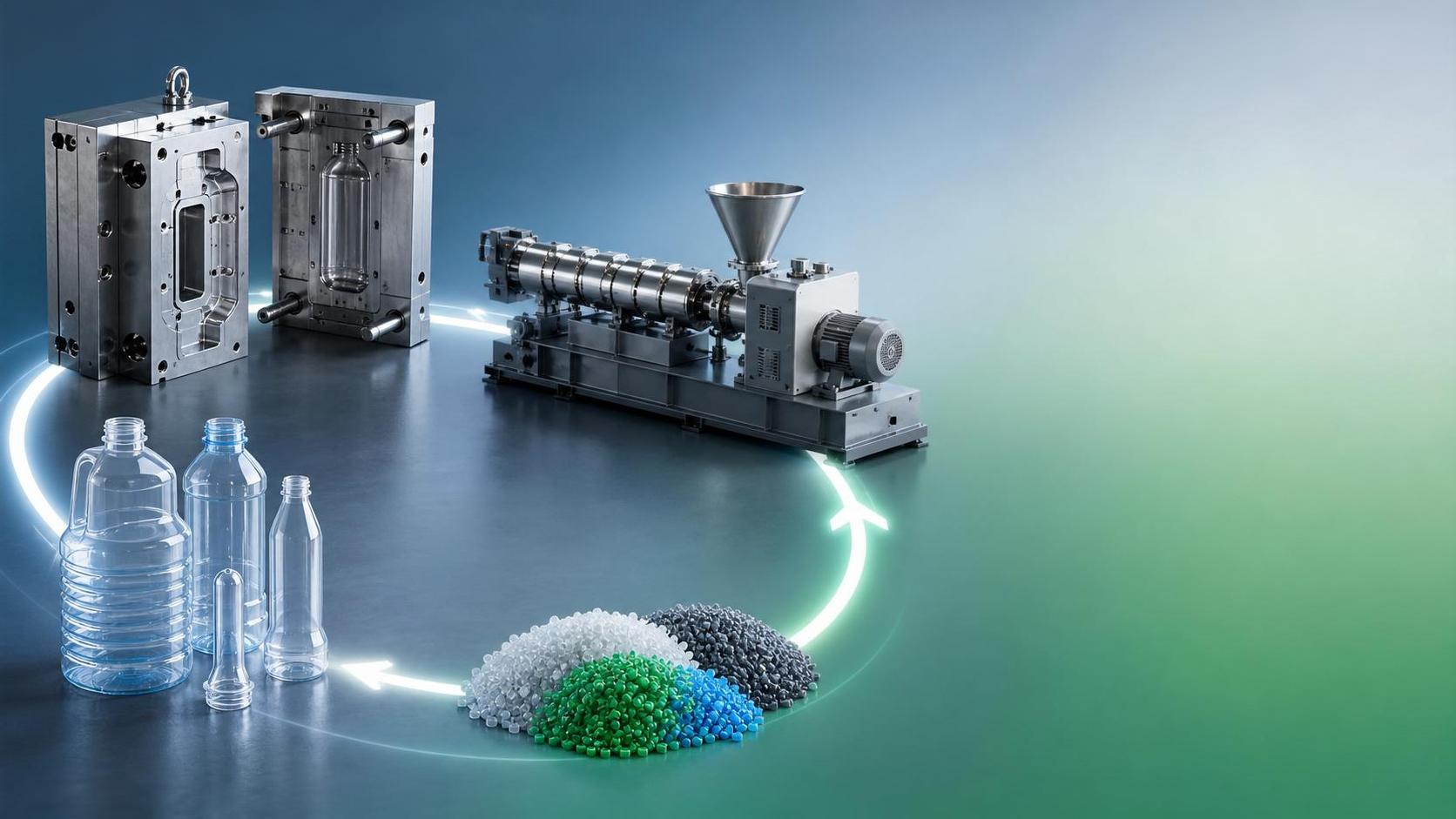
Mechanical recycling generally preserves the polymer molecules while reshaping the material. Chemical recycling changes the molecules through reactions, producing substances that may be used to make new polymers or other products. That distinction affects equipment selection, product quality and how much of the incoming material becomes saleable output.
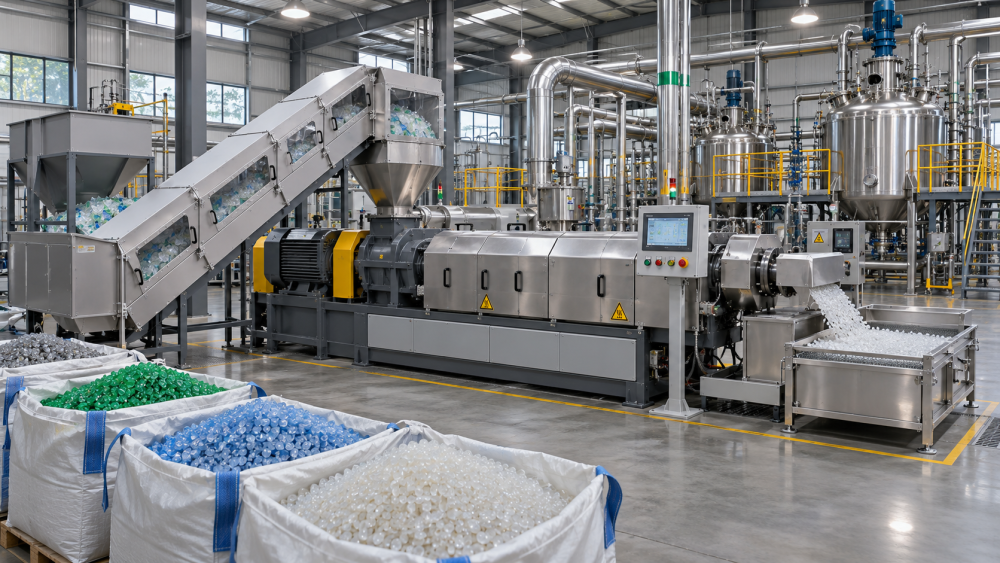
Start with an outlet specification, not a technology label. A process that produces a technically usable material may still be a poor fit if local buyers cannot use it consistently. Conversely, a more demanding preparation step may be worthwhile when it enables a higher-value application.
Where mechanical recycling has the stronger case
Mechanical recycling is often the first route to assess for a reasonably consistent thermoplastic stream with an established market. Examples include sorted polyethylene terephthalate (PET) bottles or segregated polyethylene production scrap. The value proposition is clearest when the material can be cleaned and remelted into a product that meets a buyer’s requirements without extensive blending or upgrading.
Its practical limits begin before the extruder. Labels, adhesives, food residue, incompatible polymers and residual moisture can affect both process stability and product quality. A melt filter can remove some solid contamination, but it cannot reliably separate polymers that have already melted together. Nor does filtration alone restore polymer properties lost through degradation.
Match preparation and extrusion to the waste
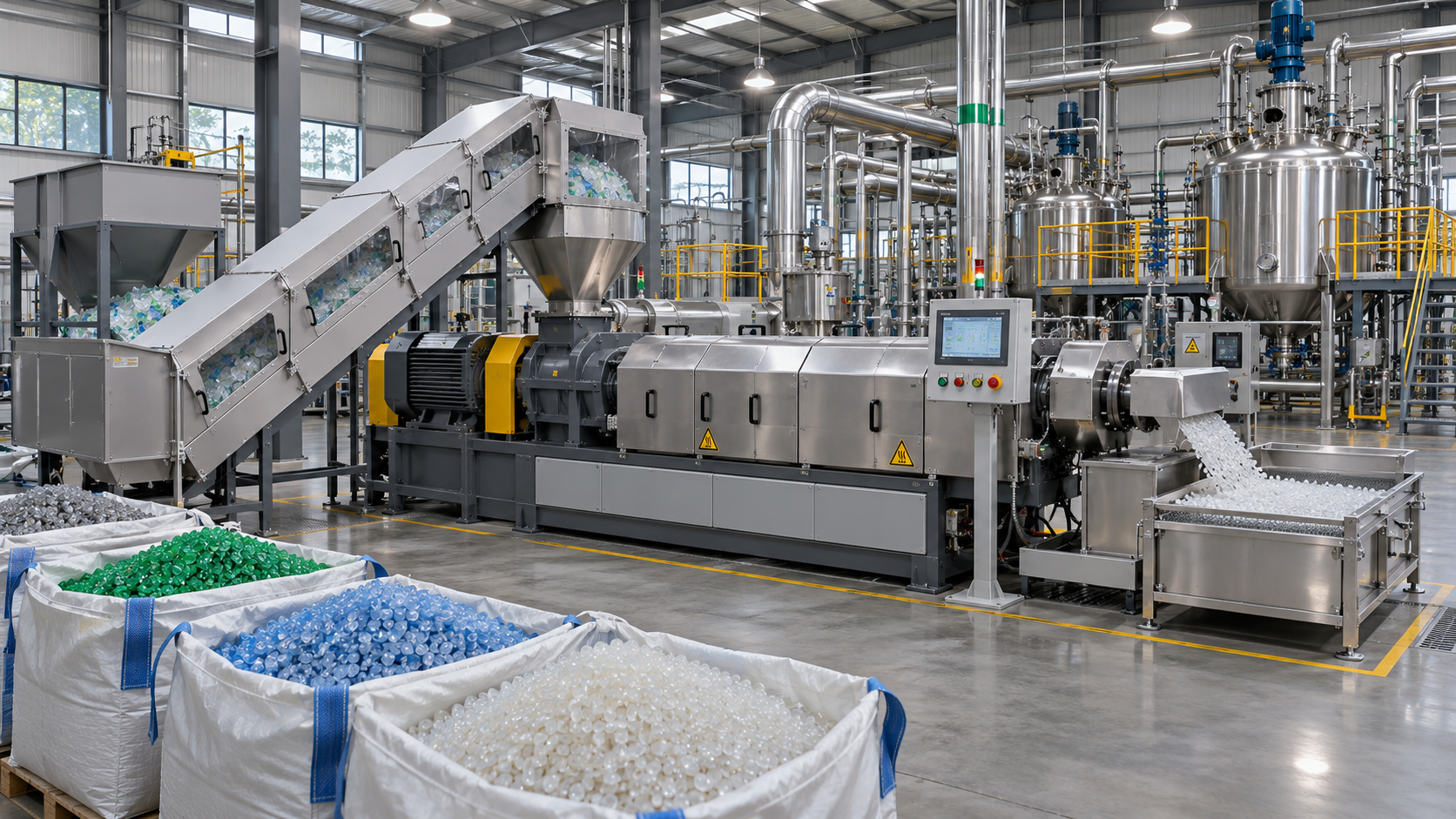
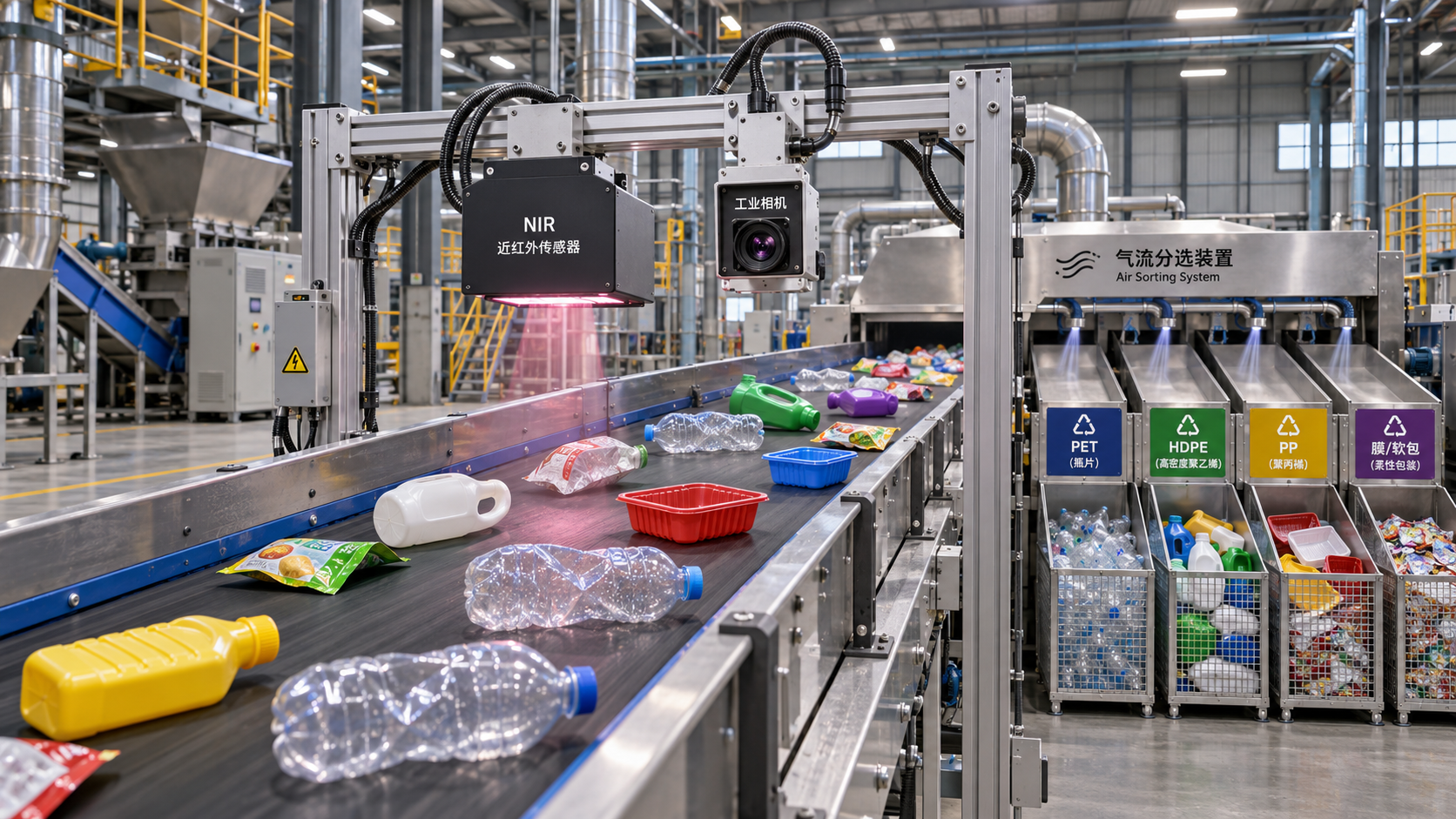
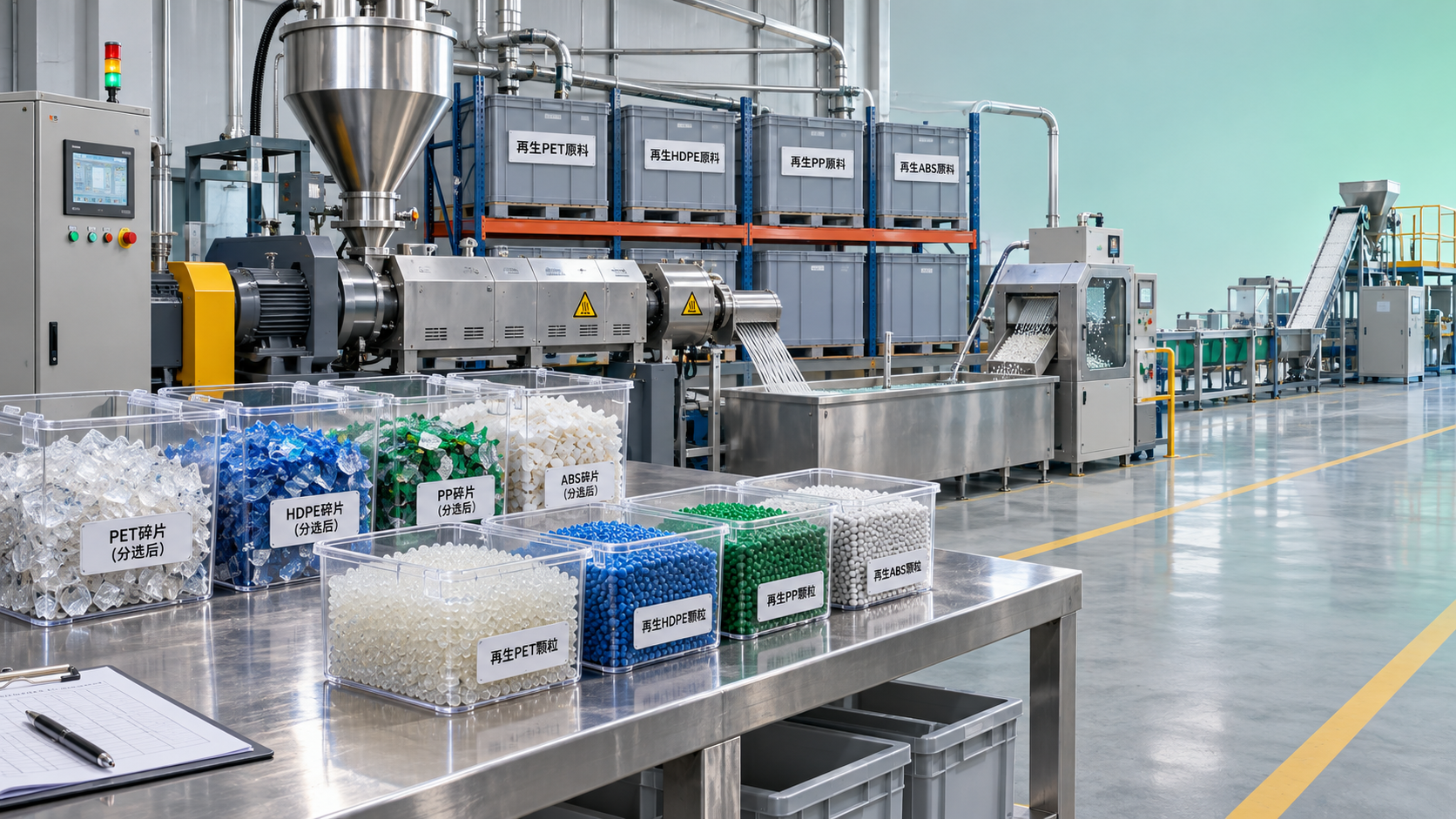
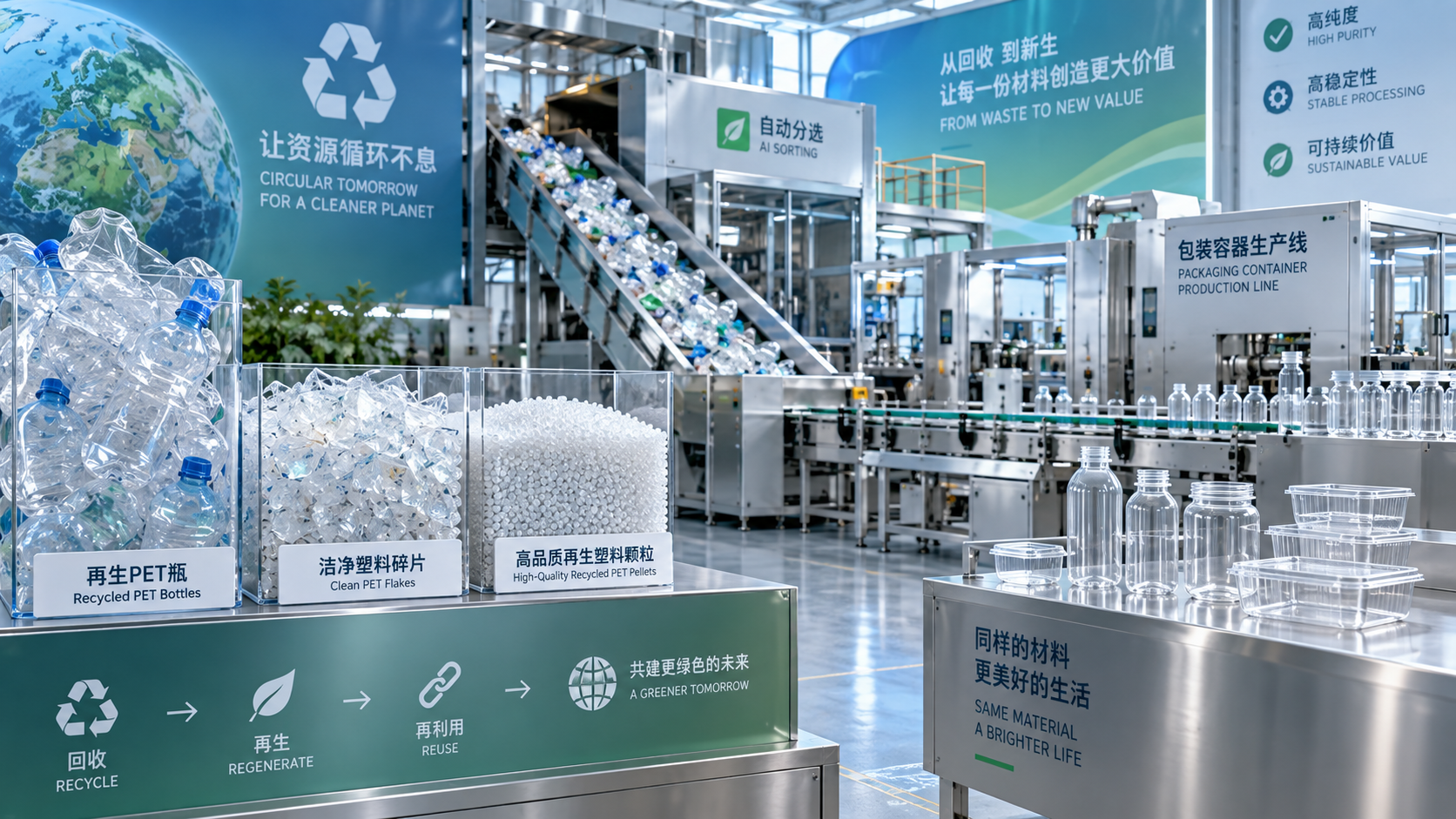
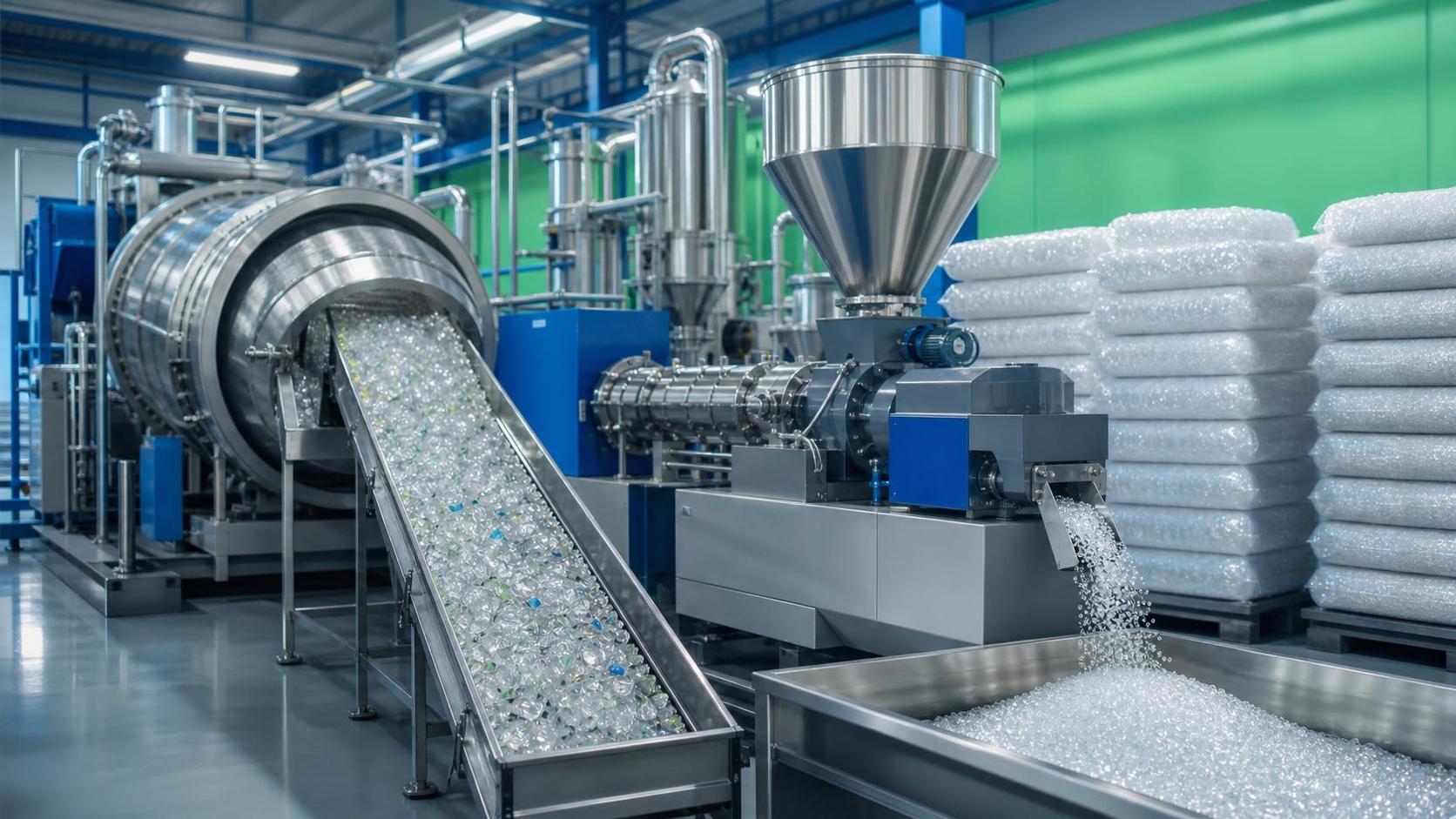
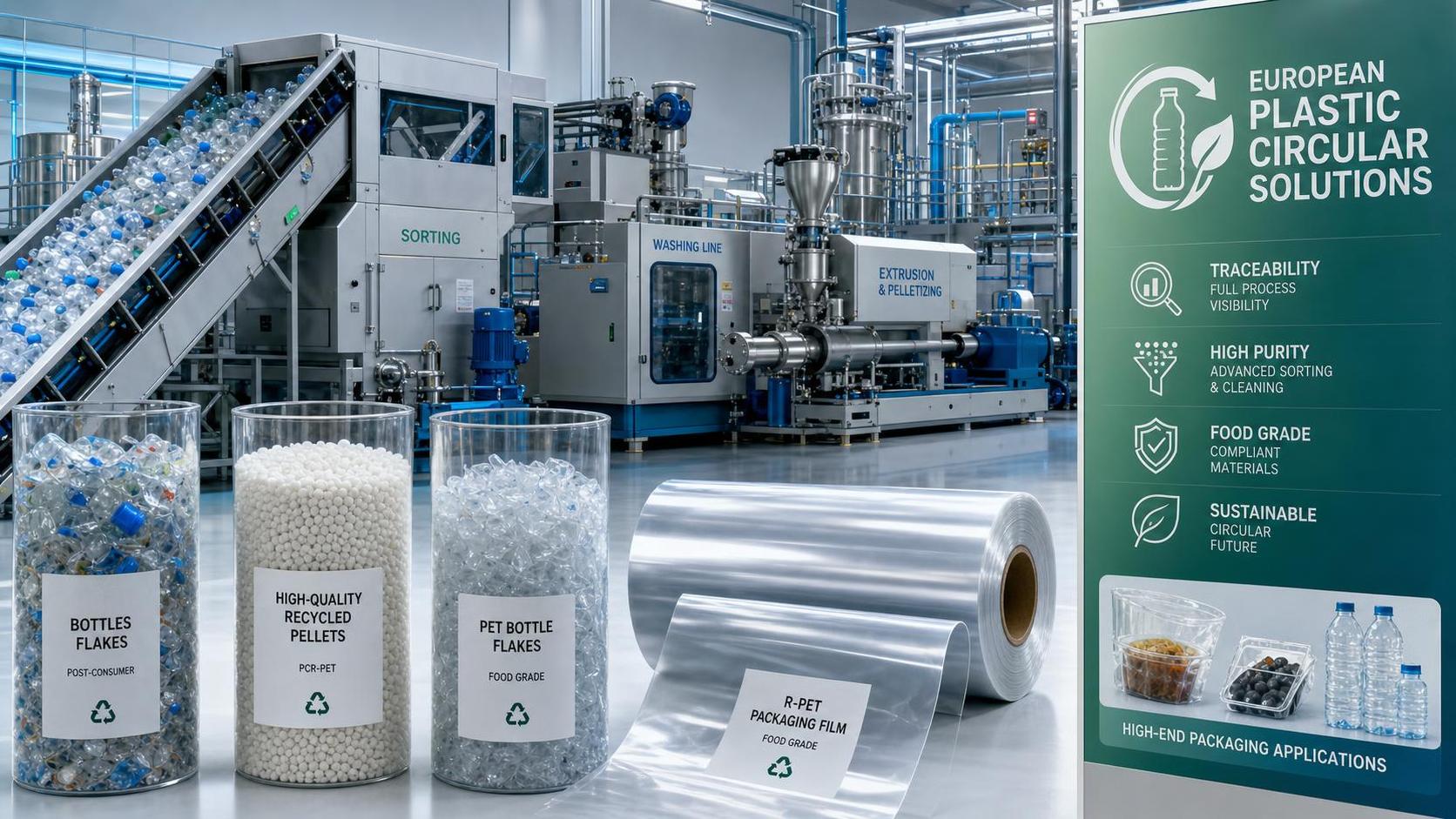
For post-consumer packaging, sorting and washing determine what reaches the pelletizing line. The evaluator should consider the variability of incoming bales, the effectiveness of polymer and color separation, wash-water treatment, drying and the destination of rejected material. A line designed around clean industrial scrap may need substantially different preparation for household packaging.
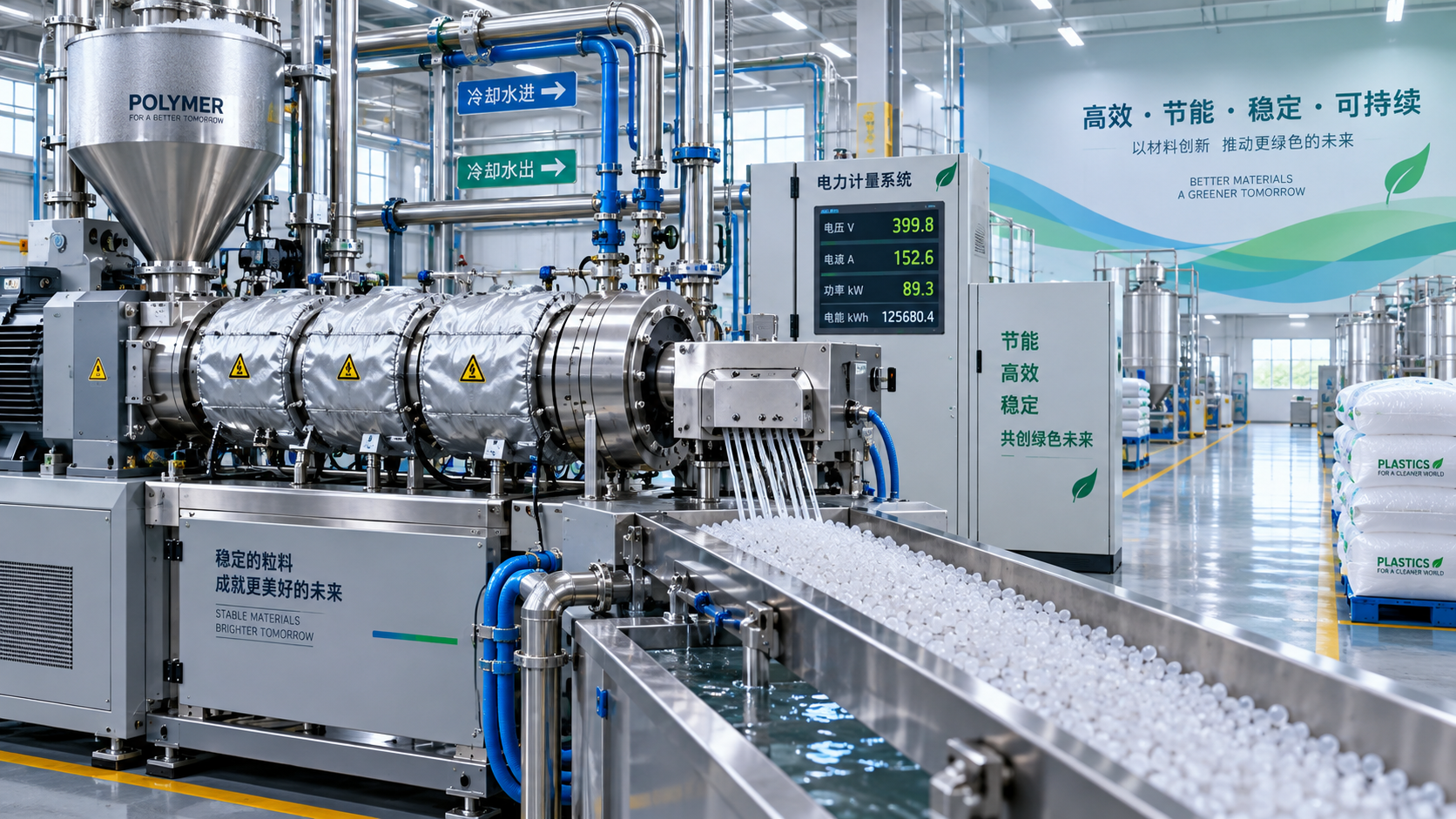
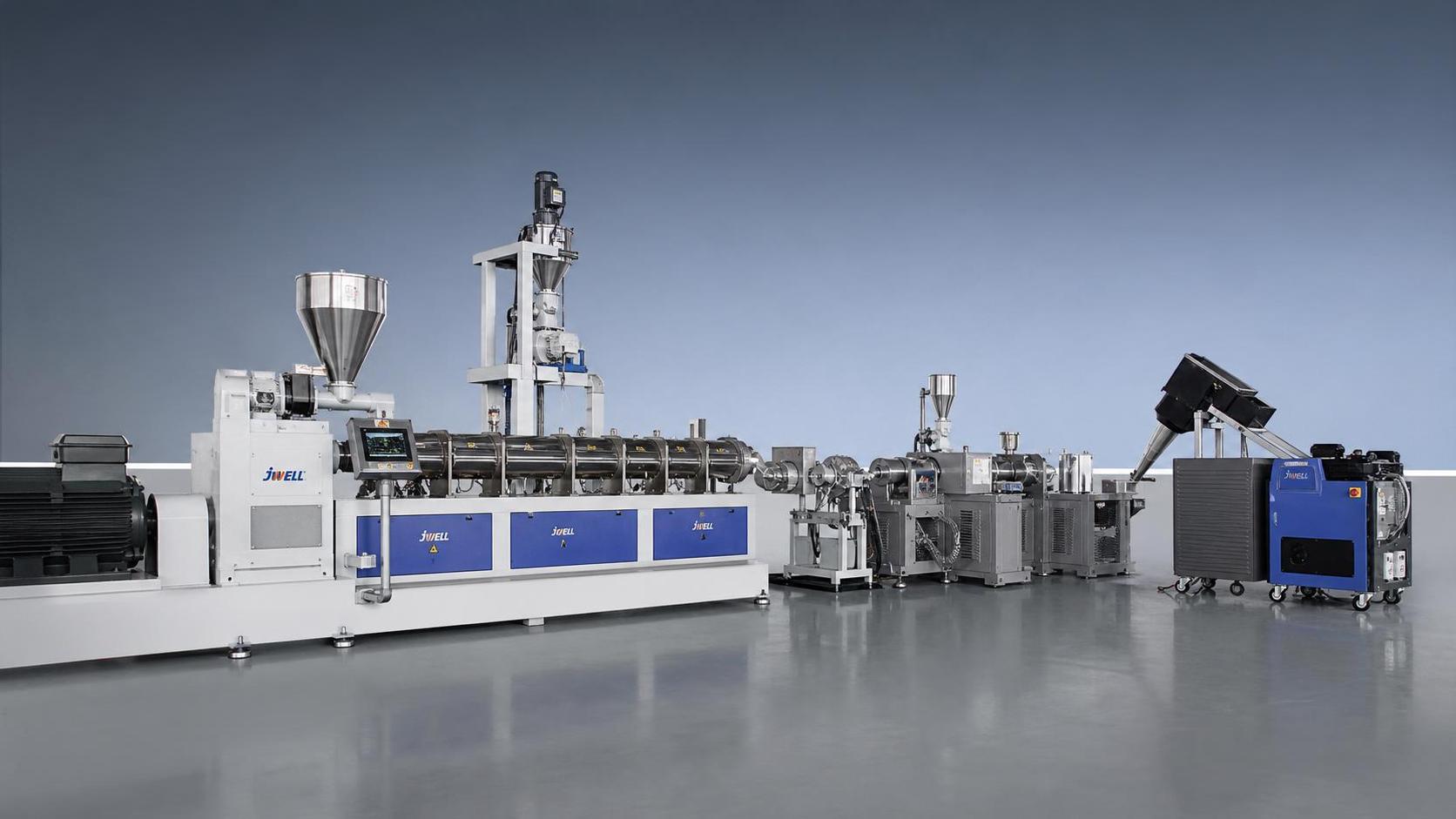
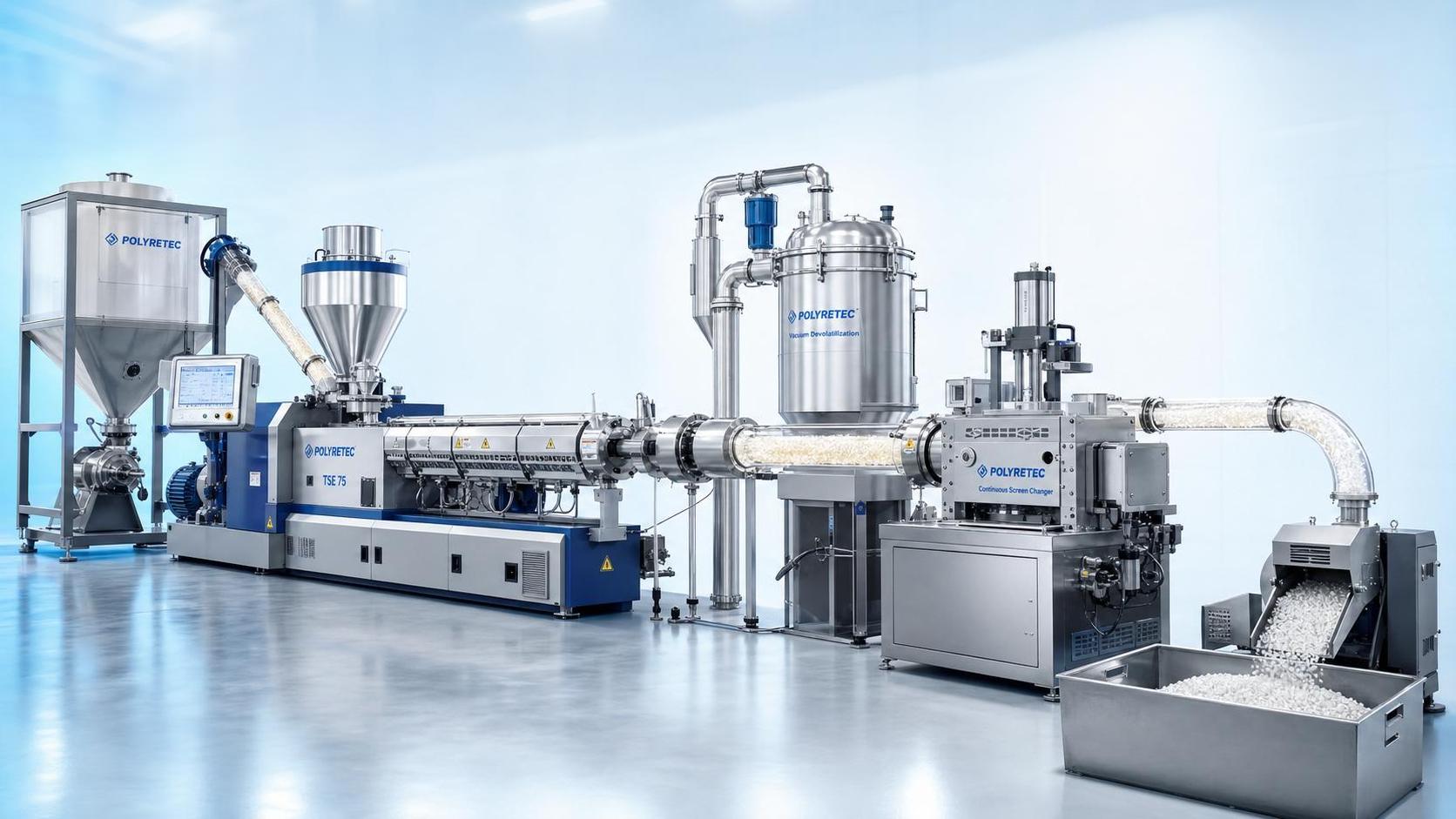
Extrusion then has to manage the material that remains. Moisture-sensitive polymers such as PET require appropriate drying and processing control to limit degradation. For mixed or more contaminated feedstocks, filtration and degassing may help manage particles and volatile compounds, but their effectiveness depends on the contaminant and equipment configuration. Screen changes, pressure stability and the amount of material discarded with the filter residue also affect operation.
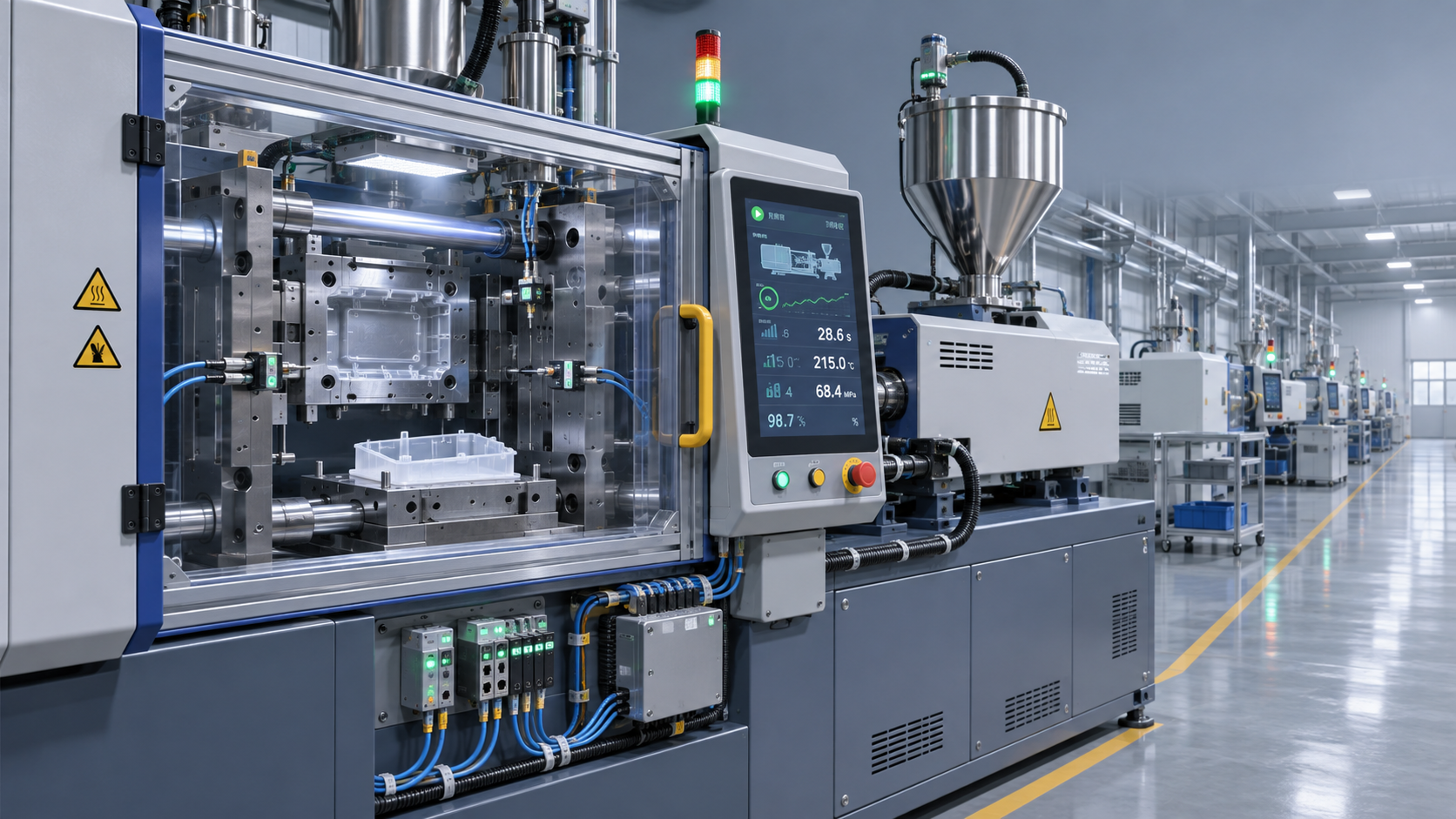
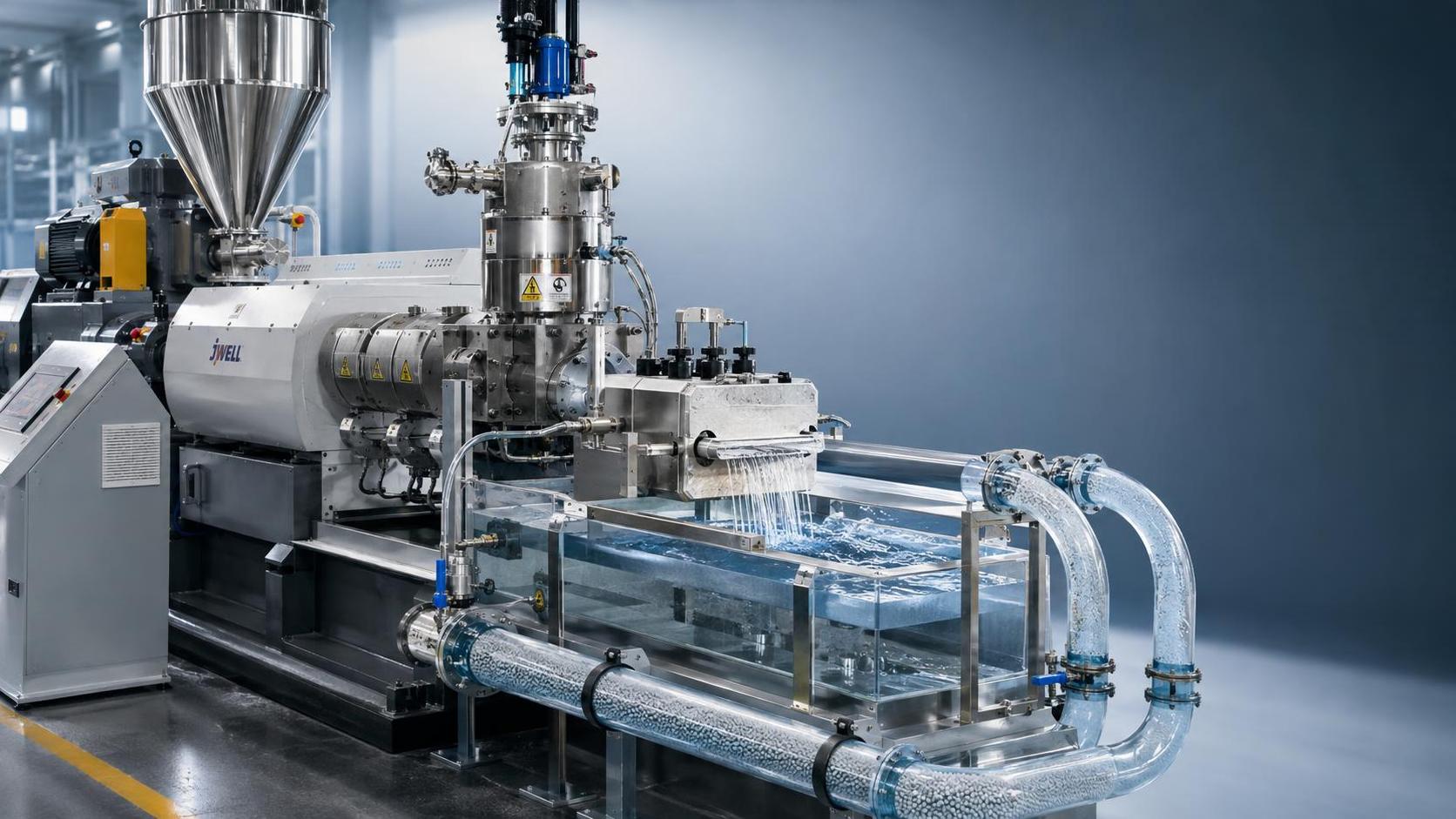
Pelletizing is not always necessary: clean flakes can be a suitable intermediate for some applications. Where pellets are required, assess the output against the next process—such as extrusion, injection molding or blow molding—rather than treating pellet appearance as proof of quality. Buyers may care about consistency, odor, color and processing behavior as much as the nominal polymer type.
When chemical processing deserves closer evaluation
Chemical routes may be attractive when mechanical recycling cannot produce an acceptable material, or when a specific polymer can be converted back into useful chemical building blocks. They are not interchangeable technologies: the reaction, feedstock and output market must be assessed together.
Depolymerization targets polymers whose chemical bonds can be broken to recover monomers or related intermediates. Certain PET recycling processes use this principle. A suitable route still needs feed preparation and purification; a reactor designed for PET should not be assumed to accept an arbitrary mixture of packaging plastics.
Pyrolysis heats suitable plastics in a low-oxygen environment to produce a mixture that can include oils, gases and solid residues. The oil is not automatically a finished plastic resin. Depending on its composition and the intended destination, it may require further treatment and processing before it can contribute to new polymer production. Some outputs may instead be used as fuels or in other applications, which changes the material-recovery outcome.
Gasification is another route that converts suitable feedstocks into a gas mixture that can be processed further. Its relevance depends on the downstream chemical route, energy demand and availability of customers for the resulting products. Solvent-based purification is sometimes grouped with chemical recycling in commercial discussions, but it can involve dissolving and recovering the polymer rather than breaking it down into smaller molecules. Ask how the proposed process is classified and what physically happens to the polymer.
Feed acceptance is not the same as feed suitability
A claim that a plant accepts mixed plastics does not mean every component is equally desirable. Chlorine-containing materials, metals, moisture, food residue and certain additives can create operational or product-quality problems, depending on the process. Feed specifications should identify restricted materials and explain what happens when incoming loads fall outside those limits.
This distinction matters for flexible packaging and multilayer materials. Chemical processing may provide an outlet for some fractions that are difficult to recycle mechanically, but multilayer construction does not by itself make a material suitable for a given reactor. Composition, contaminants, preparation needs and downstream product quality remain decisive.
Test both routes against the same decision criteria
A useful comparison follows a representative batch from collection to final product. Use the same incoming waste definition for each route, including moisture, non-plastic material and the expected variation between deliveries. Otherwise, a comparison can favor the option with the cleaner assumed feed.
Material balance and output destination
Trace the material through sorting rejects, washing losses, filter residues, reaction products and purification steps. For mechanical recycling, distinguish saleable flakes or pellets from low-value residues. For chemical processing, distinguish material intended for new polymers from products destined for fuel or other uses. A reactor output alone does not establish how much recycled plastic is ultimately produced.
Ask prospective suppliers for a mass balance tied to the proposed feedstock and operating configuration. The evaluator also needs to understand whether reported outputs are measured before or after drying, purification and upgrading. These boundaries make a meaningful difference when comparing recovery across routes.
Energy, utilities and environmental performance
Mechanical lines consume energy for sorting, washing, drying, extrusion and supporting equipment; washing also creates water-treatment needs. Chemical systems require energy for feed preparation, reactions, separation and potentially downstream upgrading. Heat integration and the source of electricity or fuel can materially change the comparison.
Environmental claims should therefore cover the same boundaries: collection and transport where relevant, preparation, conversion, treatment of residues and the production of a comparable usable output. A comparison between a mechanical pellet at the factory gate and an unrefined chemical product leaves out steps needed to make the products functionally comparable.
Quality and commercial readiness
The right output depends on the application. A recycled pellet suitable for a non-contact molded component may not meet the requirements of food-contact packaging. Likewise, a chemical intermediate needs a purchaser and a defined purification route. Regulations and customer requirements vary by market and application, so assess the intended use early in the project.
Commercial readiness should be evaluated at the scale and feed composition proposed. A successful laboratory reaction does not establish continuous operation with variable waste. For either route, seek operating evidence relevant to the project: feed preparation, uptime, maintenance, product consistency and management of off-specification material all matter alongside nominal throughput.
Use a staged selection process
- Characterize the feed. Identify polymer types, packaging formats, contaminants, moisture and variability across seasons or suppliers. Separate the fractions that already have viable recycling outlets.
- Define the product and buyer. Establish the required material properties, contamination limits and intended application. For chemical outputs, include the upgrading steps and the party responsible for them.
- Screen mechanical options. Determine whether sorting, washing and extrusion can deliver the required quality at an acceptable recovery level. Include reject handling and the effect of repeated heat exposure where relevant.
- Screen compatible chemical routes. Match each technology to the actual polymer mix and contaminant profile. Examine pretreatment, utilities, product separation, residues and the final destination of each output.
- Compare complete chains. Review material balances, operating needs, environmental boundaries and commercial evidence using consistent assumptions. Include transport and external processing when either route depends on them.
- Run representative trials. Use material that reflects normal feed variability, then assess the resulting product with the intended downstream processor. Examine off-specification output and residue handling as well as the best-performing sample.
A combined configuration can emerge from this process: send clean, sortable fractions to mechanical recycling and evaluate a suitable chemical route for selected residual fractions. The split should follow demonstrated feed compatibility and product demand; neither route benefits from receiving material it cannot process reliably.
Questions to take into supplier discussions
Ask what the system requires at its inlet and what it guarantees at its outlet. For a mechanical line, that includes permitted contamination, preparation requirements, melt filtration, cleaning intervals and the properties of the finished flakes or pellets. For a chemical system, it also includes reaction products, purification responsibilities, utility demand and the treatment of gases, liquids and solids that are not sold as products.
Request a clear account of which operations are inside the proposed facility and which depend on third parties. A chemical recycler may rely on an external site to upgrade its output; a mechanical recycler may depend on a separate sorting or washing provider. Those interfaces influence transport, quality control and the project’s exposure to supply interruptions.
The strongest choice is the route that can repeatedly turn the available feed into a product someone can use, with its preparation, losses and downstream processing included in the assessment. Start with that complete chain, and the appropriate role for mechanical recycling, chemical processing or a combination becomes much clearer.
Have questions about this sector analysis, or seeking best practices specific to your niche? Drop us a line below and let the senior consultants at PFRS assist you.
We respect your privacy. Your information is strictly confidential.
Related News
- 00
0000-00
Selecting a Vacuum Flat Press for Rubber Hoses: Key Specifications - 00
0000-00
Innovations in Plastic Recycling: Mechanical vs Chemical Processing - 00
0000-00
Plastic Recycling Innovation: Sorting Advances for Mixed Packaging Waste - 00
0000-00
ESG Compliance for Plastics: Mapping Reporting Obligations by Market - 00
0000-00
Drying Temperature and Coating Defects in PU Synthetic Leather
Weekly Insights
Stay ahead with our curated technology reports delivered every Monday.
Related News
 Prof. Marcus ChenInnovations in Plastic Recycling: Mechanical vs Chemical ProcessingExplore innovations in plastic recycling and compare mechanical and chemical processing to find the right fit for your feedstock, product goals and market.Nov 24, 2026
 Prof. Marcus ChenPlastic Recycling Innovation: Sorting Advances for Mixed Packaging WasteExplore plastic recycling innovation in mixed packaging sorting, from AI and NIR sensors to robotics, and discover what drives recyclate quality.Nov 24, 2026
 Prof. Marcus ChenConnected Plastics Machinery: How Real-Time Data Improves ProductionConnected plastics machinery turns real-time data into actionable insights. Discover how to improve quality, investigate downtime, and plan a successful pilot.Nov 19, 2026
 Prof. Marcus ChenEnergy-Efficient Circular Manufacturing: Cutting Energy Use and Material WasteDiscover how energy efficient circular manufacturing cuts energy use and material waste through smarter equipment choices, process controls, and recycling strategies.Nov 15, 2026
 Prof. Marcus ChenSmart Polymer Recycling: How Reversible Bonds Enable Material RecoveryExplore smart polymer manufacturing recycling: discover how reversible bonds enable material recovery and what it takes to make the process practical.Nov 13, 2026
 Prof. Marcus ChenPlastics Manufacturing Digitalization: Reducing Downtime and ScrapPlastics manufacturing digitalization can reduce downtime and scrap. Discover practical steps to connect process data, improve maintenance, and act on quality issues.Nov 07, 2026
 Prof. Marcus ChenWhat Is a Circular Plastics Platform and How Does It Support Recycling?Discover how a circular plastics platform connects materials, recyclers, and buyers—and learn what to look for when choosing one.Nov 03, 2026
 Prof. Marcus ChenHow Single-Use Plastic Bans Shift Demand for Packaging MaterialsExplore the plastic ban market impact on packaging demand, from fiber and recycled plastics to reuse. Discover viable alternatives and smarter investment opportunities.Oct 15, 2026
 Prof. Marcus ChenWhere Recycled Plastic Innovation Delivers the Biggest Value in PackagingRecycled plastic innovation delivers the greatest packaging value through proven material loops, reliable processing, compliance readiness, and circular design.Oct 08, 2026
 Prof. Marcus ChenEnergy-Efficient Polymer Processing: Where Plants Can Cut kWh per KilogramEnergy-efficient polymer processing solutions help plants reduce kWh per kilogram, protect quality, cut scrap, and prioritize upgrades with data-driven insights.Sep 23, 2026
 Prof. Marcus ChenPlastic Pelletizing Trends: How Recycling Demand Is Reshaping Processing TechnologyPlastic pelletizing trends are redefining recycling quality. Explore filtration, extrusion, degassing, and automation innovations driving cleaner, more consistent recycled resin.Sep 07, 2026
 Prof. Marcus ChenHow Polymer Supply Chains Are Changing to Support High-Quality Recycling FeedstockPolymer supply chain for recycling is shifting toward traceable sourcing, cleaner sorting, and stable processing. See how high-quality feedstock improves performance, compliance, and cost control.Aug 22, 2026
 Prof. Marcus ChenHow Europe’s Circular Plastics Economy Is Reshaping Recycling InvestmentCircular plastics economy Europe is reshaping recycling investment through quality, traceability, and packaging demand. Explore where capital is moving and why it matters now.Aug 04, 2026
 Prof. Marcus ChenBlow Molding Trends Shaping Packaging, Sustainability, and Production EfficiencyBlow molding trends are redefining packaging with lightweighting, recycled content, automation, and energy efficiency. Discover how smarter production boosts sustainability and cuts costs.Jul 23, 2026
 Prof. Marcus ChenExtrusion Equipment Modular Design: When It Makes Sense for Line ExpansionExtrusion equipment modular design helps manufacturers expand lines in phases, cut disruption, and stay ready for recycled content, utility limits, and changing product demands.Jul 15, 2026
 Prof. Marcus ChenPolymer Lifecycle Solutions Explained: From Material Sourcing to End-of-Life RecoveryPolymer lifecycle solutions explained from sourcing and processing to recycling and recovery. Discover how to cut waste, improve quality, and build smarter material strategies.Jul 13, 2026
 Prof. Marcus ChenEnergy-Efficient Polymer Processing Systems: Which Metrics Matter Most?Energy-efficient polymer processing systems: discover the metrics that truly drive ROI—specific energy use, yield, uptime, stability, and compliance for smarter equipment decisions.Jul 11, 2026
 Prof. Marcus ChenPolymer Recycling Systems for Continuous Operation: What to Check Before SpecifyingPolymer recycling systems continuous operation starts with the right specification. Learn what to check for uptime, melt quality, energy efficiency, and reliable pellet output.Jul 09, 2026
 Prof. Marcus ChenCircular Plastics Economy in Japan: Policy Drivers, Recycling Targets, and Market ImpactCircular plastics economy Japan is accelerating as policy, recycling targets, and packaging reforms reshape material choices, processing strategy, and market advantage.Jul 05, 2026
 Prof. Marcus ChenPlastic Extrusion Technology Trends: What Process Changes Are Improving Energy Efficiency?Plastic extrusion technology trends are reshaping energy efficiency through smarter screws, thermal control, servo drives, and digital optimization. See which process changes deliver lower costs and more stable output.Jul 01, 2026