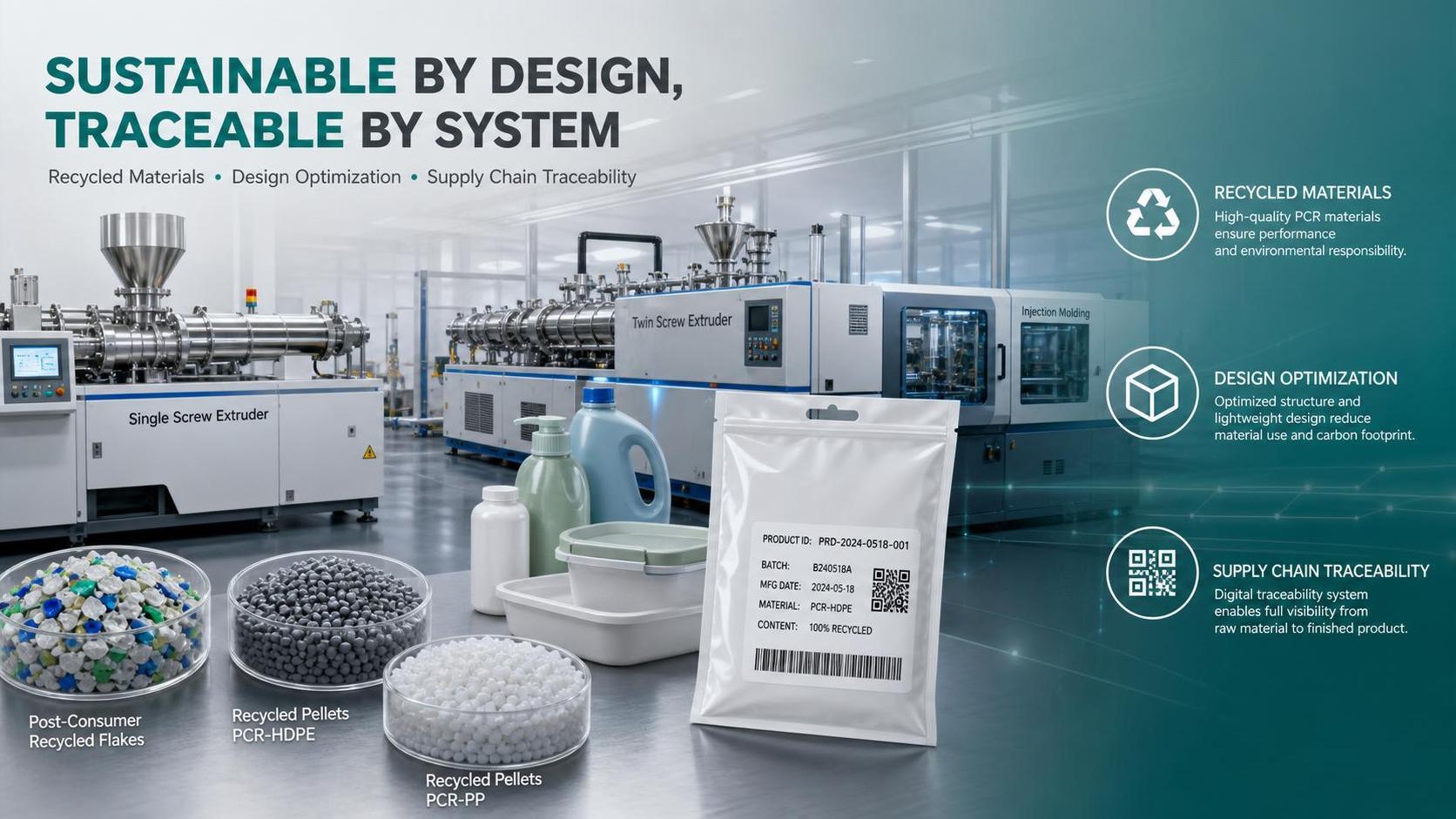
Blow Molding Trends Shaping Packaging, Sustainability, and Production Efficiency




Blow molding trends are reshaping packaging strategy at a time when material costs, carbon targets, and compliance risks are moving in the same direction. What once looked like a mature production method now sits at the center of brand protection, supply continuity, and circular packaging plans. The most relevant shift is not one single machine upgrade. It is the way automation, lightweight design, recycled resin readiness, and digital process control are starting to work together across the full packaging value chain.
Why blow molding trends matter now

Packaging lines are under pressure from several directions at once. Retail formats are changing. Extended producer responsibility rules are expanding. Recycled content targets are becoming harder to ignore.
In that environment, blow molding trends matter because packaging is no longer judged only by unit output. It is judged by grams saved, scrap reduced, line stability, traceability, and end-of-life compatibility.
This is especially visible in beverage, personal care, household chemical, and healthcare packaging. These segments need high volumes, consistent wall distribution, and strong quality control, yet they also face increasing pressure to use less virgin material.
For that reason, the latest blow molding trends are closely linked with extrusion performance, resin behavior, recycled feedstock preparation, and plant-level data systems. PFRS follows this broader equipment ecosystem because packaging outcomes depend on more than the blow molder alone.
A practical view of the technology behind the trend
At a basic level, blow molding forms hollow plastic parts by inflating a heated preform or parison inside a mold. The method sounds simple, but its business impact depends on process precision.
Stretch blow molding dominates PET bottle production. Extrusion blow molding remains important for containers with handle designs, technical parts, and many household product formats. Injection blow molding serves tighter dimensional needs in selected packaging categories.
The current blow molding trends are changing how these methods are selected. Instead of choosing by tradition, companies are comparing machine architecture against material mix, product geometry, sustainability targets, and downstream filling speeds.
That shift explains why process intelligence has become valuable. Resin viscosity, thermal stability, neck finish accuracy, and cooling performance affect not only bottle quality, but also freight economics and shelf performance.
The strongest industry signals shaping investment decisions
Several blow molding trends now stand out as durable rather than temporary. They are influencing capital planning, supplier qualification, and packaging redesign programs.
1. Lightweighting with tighter process control
Reducing bottle weight is still one of the fastest ways to cut resin use and transport cost. Yet aggressive lightweighting raises the risk of top-load failure, paneling, and inconsistent barrier performance.
That is why modern blow molding trends focus on precise heating profiles, better mold design, and closed-loop control. The goal is not simply thinner packaging. The goal is stable lightweight packaging.
2. Recycled content processing is becoming a core capability
rPET and recycled polyolefins are moving from pilot programs into mainstream packaging portfolios. This creates new demands around contamination control, melt consistency, color variation, and acetaldehyde management.
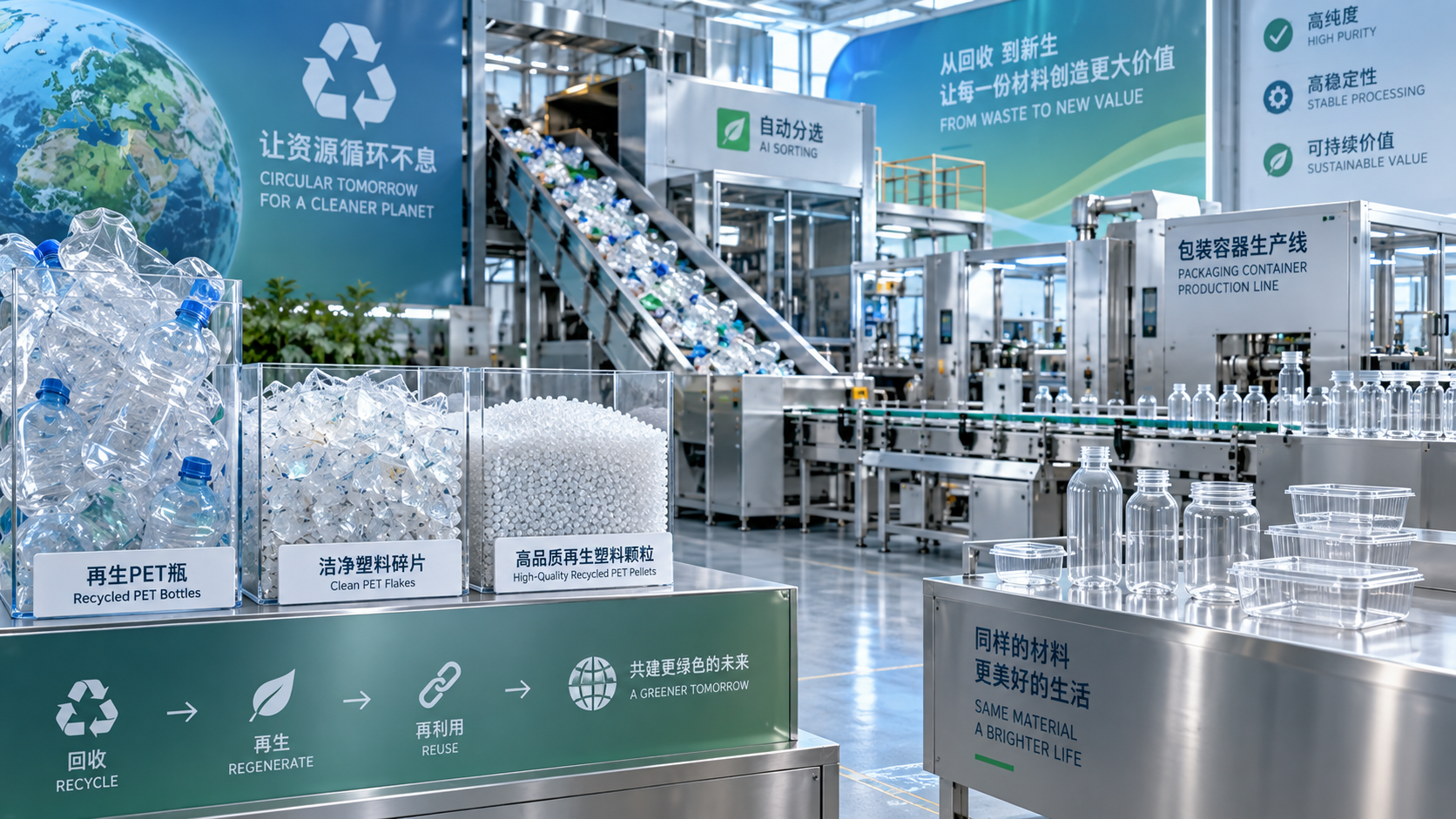
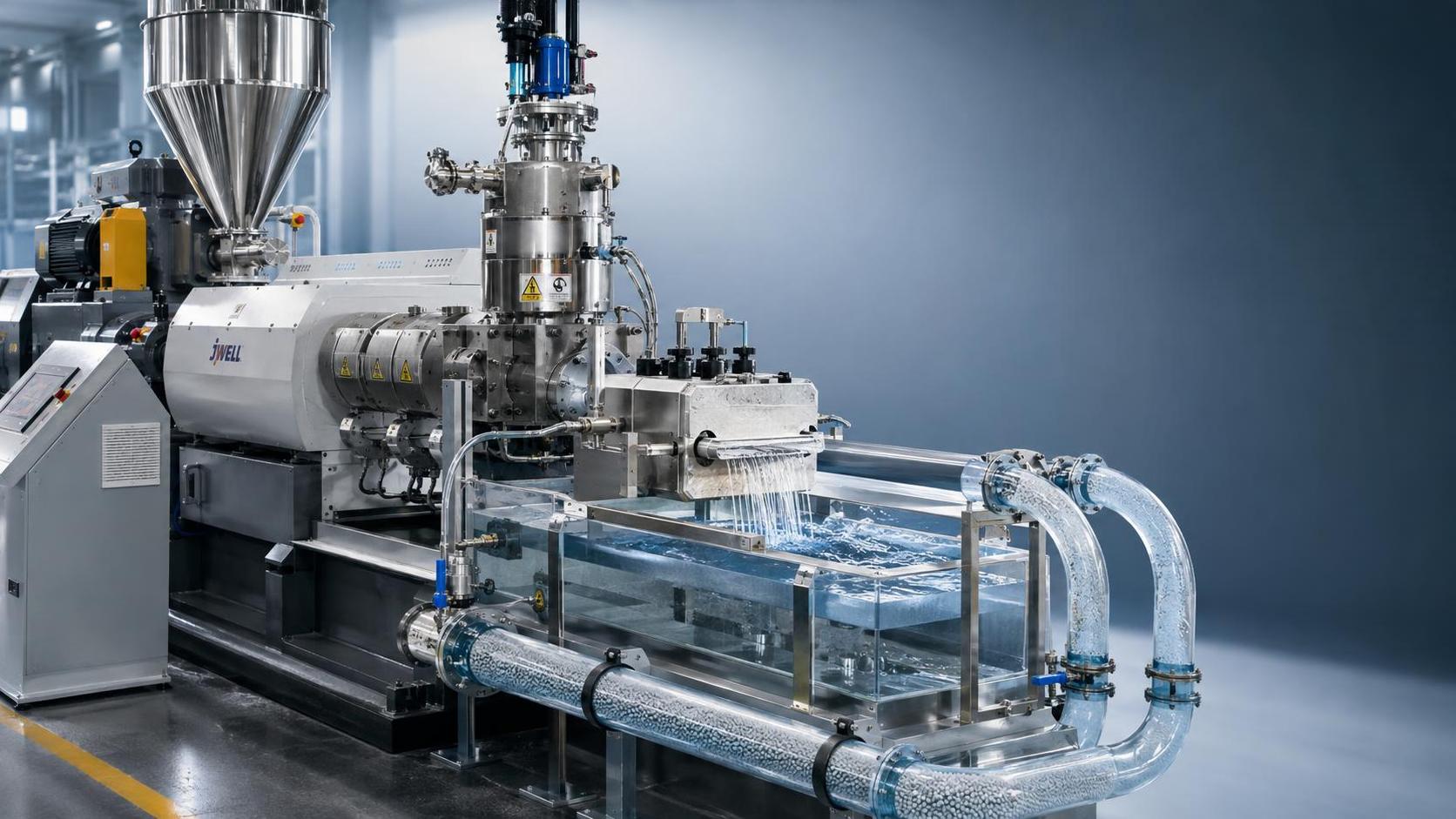
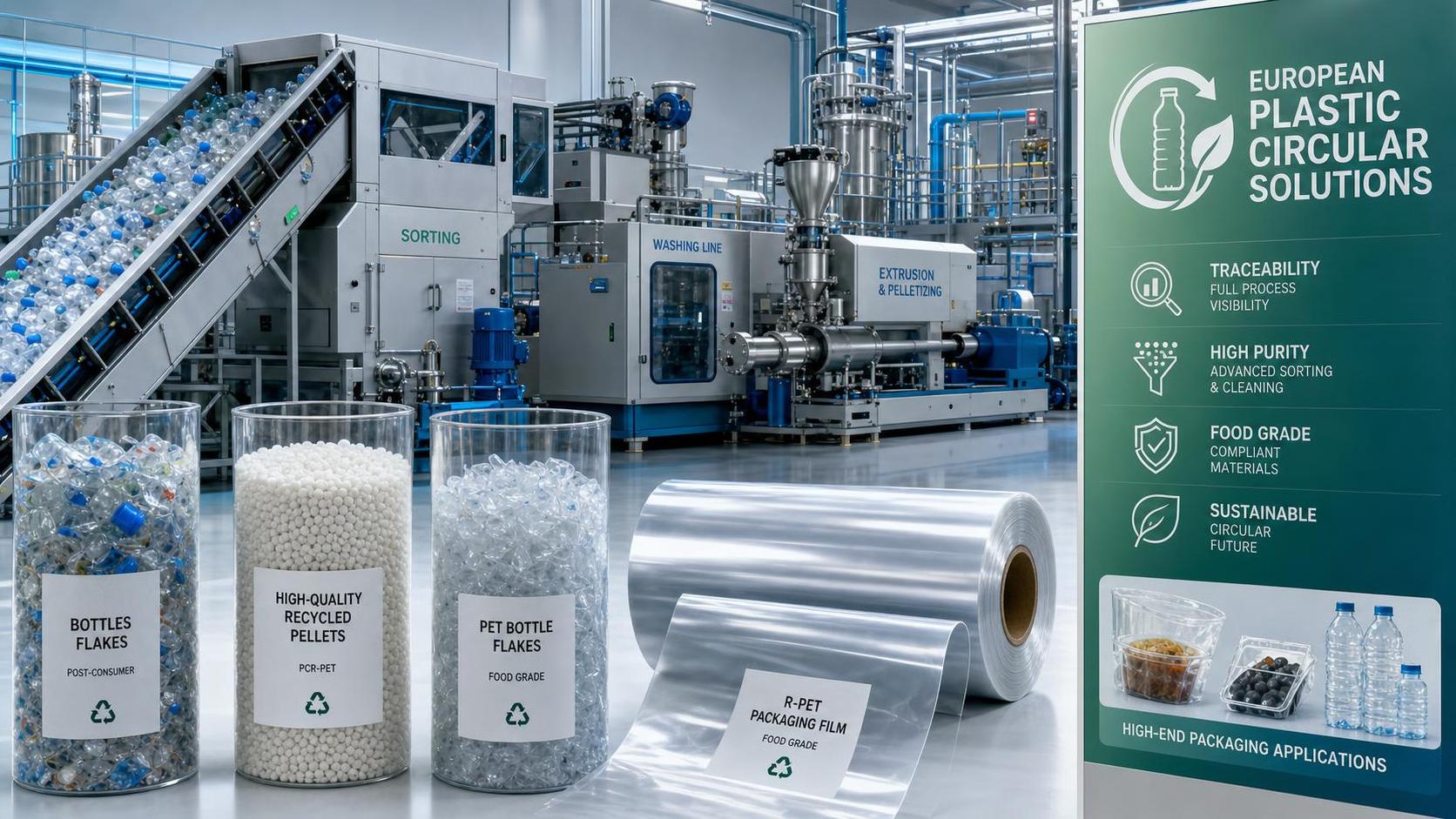
Here, blow molding trends connect directly to washing, pelletizing, filtration, and extrusion quality. PFRS tracks these links because recycled-content packaging succeeds only when upstream material recovery systems perform reliably.
3. Energy efficiency is now a production metric
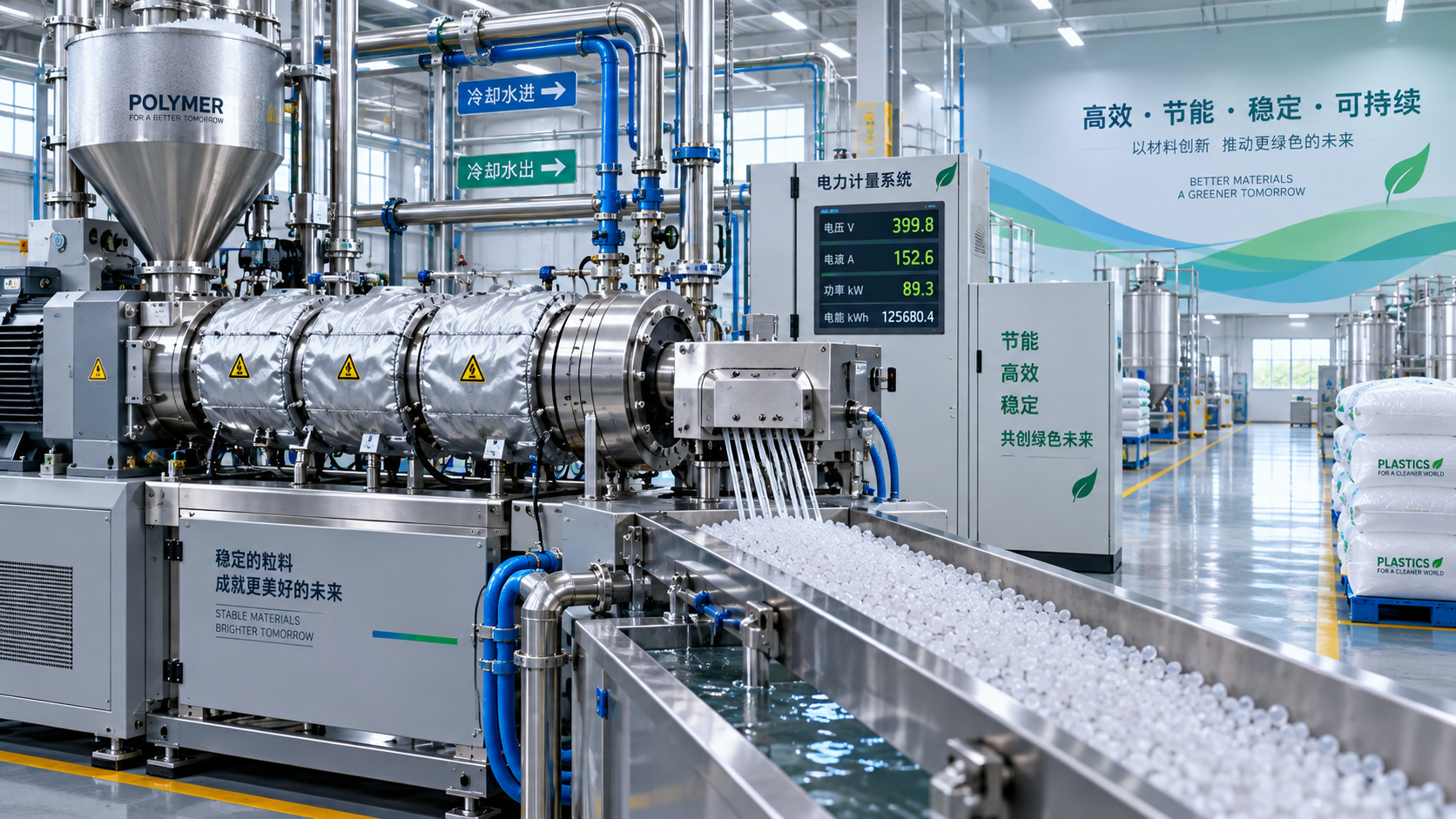
Energy was once treated as an overhead issue. Now it is part of packaging competitiveness. Servo drives, all-electric handling systems, optimized oven design, and heat recovery are reducing the cost per bottle.
These blow molding trends also support decarbonization reporting. Plants increasingly need production data that can be tied to ESG commitments and customer disclosure requirements.
4. Automation is moving beyond labor reduction
Automation now supports quality repeatability, faster changeovers, and better uptime visibility. Vision inspection, leak detection, predictive maintenance, and recipe-based machine settings are becoming more common.
In practice, this means the most useful blow molding trends are often digital. Data integrity, alarm logic, and process traceability can matter as much as headline output speed.
Where these trends create the most business value
The value of blow molding trends changes by application. A beverage bottle and a pharmaceutical container may use related technologies, but the decision criteria are not the same.
This range of use cases explains why broad market commentary often misses the point. Blow molding trends need to be read through the lens of actual package performance and plant economics.
How to read blow molding trends in the context of circular manufacturing
Circular packaging claims are easy to state and harder to execute. The constraint is usually not ambition. It is process compatibility between recovered material, converting equipment, and package specifications.
This is where PFRS offers useful context. Blow molding does not operate in isolation from extrusion, pelletizing, and broader polymer process science. Recycled flakes must be cleaned, remelted, filtered, and standardized before stable bottle production becomes realistic.
Better filtration, smarter compounding, and more predictable rheology are therefore part of the same story as advanced blow molding trends. If one link is weak, packaging consistency suffers.
The broader lesson is clear. Sustainability claims become operational only when machine capability, material preparation, and compliance documentation are aligned.
What to examine before acting on new equipment or line upgrades
Not every trend deserves immediate investment. Some are genuinely strategic. Others are useful only under certain resin, volume, or market conditions.
A grounded assessment usually starts with a few questions:
- Is the main constraint output, package weight, scrap, energy use, or recycled content capability?
- How stable is the incoming material stream, especially when PCR or rPET is involved?
- Does the line need flexibility for format changes, or is it optimized for a narrow SKU range?
- Can machine data be connected to maintenance, quality, and sustainability reporting systems?
- Will upstream extrusion or recycling performance limit the benefit of a new blow molding asset?
These questions turn blow molding trends into decision criteria. They also help avoid a common mistake: buying advanced hardware without addressing material variability or downstream bottlenecks.
What the next phase is likely to look like
The next phase of blow molding trends will likely be defined by integration rather than isolated innovation. Machines will be judged by how well they support circular material use, digital monitoring, and fast commercial adaptation.
That means future advantage may come from quieter capabilities: more stable processing windows, better use of secondary material, lower specific energy consumption, and cleaner production data.
For companies reviewing packaging strategy, the useful next step is to compare current line performance against these trend drivers. Track where resin loss occurs, where energy intensity is highest, and where recycled content plans break down.
From there, blow molding trends become easier to prioritize. Some plants will need machine modernization. Others will gain more from upstream recycling upgrades, process simulation, or tighter specification control. The strongest decisions usually come from viewing packaging, processing, and circularity as one connected system.
Related News
- 00
0000-00
Pallet Injection Molding: How to Size Clamp Force and Shot Capacity - 00
0000-00
Circular Manufacturing Roadmap: From Waste Audits to Material Recovery - 00
0000-00
How Continuous Melt Filtration Limits Pressure Fluctuations During Screen Changes - 00
0000-00
Choosing High-Speed All-Electric Injection Molding Machines for Thin-Wall Parts - 00
0000-00
Injection Molding System Costs: Machine, Molds, Automation, and Installation
Weekly Insights
Stay ahead with our curated technology reports delivered every Monday.
Related News
 Prof. Marcus ChenHow Single-Use Plastic Bans Shift Demand for Packaging MaterialsExplore the plastic ban market impact on packaging demand, from fiber and recycled plastics to reuse. Discover viable alternatives and smarter investment opportunities.Oct 15, 2026
 Prof. Marcus ChenWhere Recycled Plastic Innovation Delivers the Biggest Value in PackagingRecycled plastic innovation delivers the greatest packaging value through proven material loops, reliable processing, compliance readiness, and circular design.Oct 08, 2026
 Prof. Marcus ChenEnergy-Efficient Polymer Processing: Where Plants Can Cut kWh per KilogramEnergy-efficient polymer processing solutions help plants reduce kWh per kilogram, protect quality, cut scrap, and prioritize upgrades with data-driven insights.Sep 23, 2026
 Prof. Marcus ChenPlastic Pelletizing Trends: How Recycling Demand Is Reshaping Processing TechnologyPlastic pelletizing trends are redefining recycling quality. Explore filtration, extrusion, degassing, and automation innovations driving cleaner, more consistent recycled resin.Sep 07, 2026
 Prof. Marcus ChenHow Polymer Supply Chains Are Changing to Support High-Quality Recycling FeedstockPolymer supply chain for recycling is shifting toward traceable sourcing, cleaner sorting, and stable processing. See how high-quality feedstock improves performance, compliance, and cost control.Aug 22, 2026
 Prof. Marcus ChenHow Europe’s Circular Plastics Economy Is Reshaping Recycling InvestmentCircular plastics economy Europe is reshaping recycling investment through quality, traceability, and packaging demand. Explore where capital is moving and why it matters now.Aug 04, 2026
 Prof. Marcus ChenBlow Molding Trends Shaping Packaging, Sustainability, and Production EfficiencyBlow molding trends are redefining packaging with lightweighting, recycled content, automation, and energy efficiency. Discover how smarter production boosts sustainability and cuts costs.Jul 23, 2026
 Prof. Marcus ChenExtrusion Equipment Modular Design: When It Makes Sense for Line ExpansionExtrusion equipment modular design helps manufacturers expand lines in phases, cut disruption, and stay ready for recycled content, utility limits, and changing product demands.Jul 15, 2026
 Prof. Marcus ChenPolymer Lifecycle Solutions Explained: From Material Sourcing to End-of-Life RecoveryPolymer lifecycle solutions explained from sourcing and processing to recycling and recovery. Discover how to cut waste, improve quality, and build smarter material strategies.Jul 13, 2026
 Prof. Marcus ChenEnergy-Efficient Polymer Processing Systems: Which Metrics Matter Most?Energy-efficient polymer processing systems: discover the metrics that truly drive ROI—specific energy use, yield, uptime, stability, and compliance for smarter equipment decisions.Jul 11, 2026
 Prof. Marcus ChenPolymer Recycling Systems for Continuous Operation: What to Check Before SpecifyingPolymer recycling systems continuous operation starts with the right specification. Learn what to check for uptime, melt quality, energy efficiency, and reliable pellet output.Jul 09, 2026
 Prof. Marcus ChenCircular Plastics Economy in Japan: Policy Drivers, Recycling Targets, and Market ImpactCircular plastics economy Japan is accelerating as policy, recycling targets, and packaging reforms reshape material choices, processing strategy, and market advantage.Jul 05, 2026
 Prof. Marcus ChenPlastic Extrusion Technology Trends: What Process Changes Are Improving Energy Efficiency?Plastic extrusion technology trends are reshaping energy efficiency through smarter screws, thermal control, servo drives, and digital optimization. See which process changes deliver lower costs and more stable output.Jul 01, 2026
 Prof. Marcus ChenInjection Molding Technology Trends: Which Process Changes Matter Most for Medical and Packaging Parts?Injection molding technology trends shaping medical and packaging parts: discover the process changes that improve validation, precision, efficiency, and recycled-material readiness.Jun 30, 2026
 Prof. Marcus ChenCircular Plastics Economy Compliance Explained: Key Requirements for ManufacturersCircular plastics economy compliance explained for manufacturers: learn key requirements, audit risks, process controls, and how to turn compliance into a competitive advantage.Jun 25, 2026
 Prof. Marcus ChenAdvanced Materials Processing Trends: 5 Shifts Reshaping Capacity Planning and SourcingAdvanced materials processing trends are reshaping capacity planning, sourcing, recycling, and compliance. Explore 5 shifts helping manufacturers cut risk, improve precision, and build resilient growth.Jun 24, 2026
 Prof. Marcus ChenGlobal Plastic Ban Trends: Which Packaging Materials and Export Markets Face the Biggest Changes?Global plastic ban trends are reshaping packaging choices and export strategy. See which materials and markets face the biggest shifts, and how to reduce compliance risk.Jun 22, 2026
 Prof. Marcus ChenPolymer Rheology Trends That Matter in Extrusion: Melt Strength, Shear, and StabilityPolymer rheology trends are reshaping extrusion performance. Learn how melt strength, shear, and stability affect quality, efficiency, and recycled resin processing.Jun 18, 2026
 Prof. Marcus ChenPlastic Circularity Strategies for Manufacturers: Recycled Content, Design, and TraceabilityPlastic circularity strategies for manufacturers: learn how recycled content, smarter design, and traceability can reduce risk, improve compliance, and strengthen supply resilience.Jun 18, 2026
 Prof. Marcus ChenAdvanced Materials Processing Equipment in High-Performance Manufacturing: Where It Fits BestAdvanced materials processing equipment drives precision, speed, and sustainability in manufacturing. Explore where each system fits best to improve quality, efficiency, and ROI.Jun 16, 2026