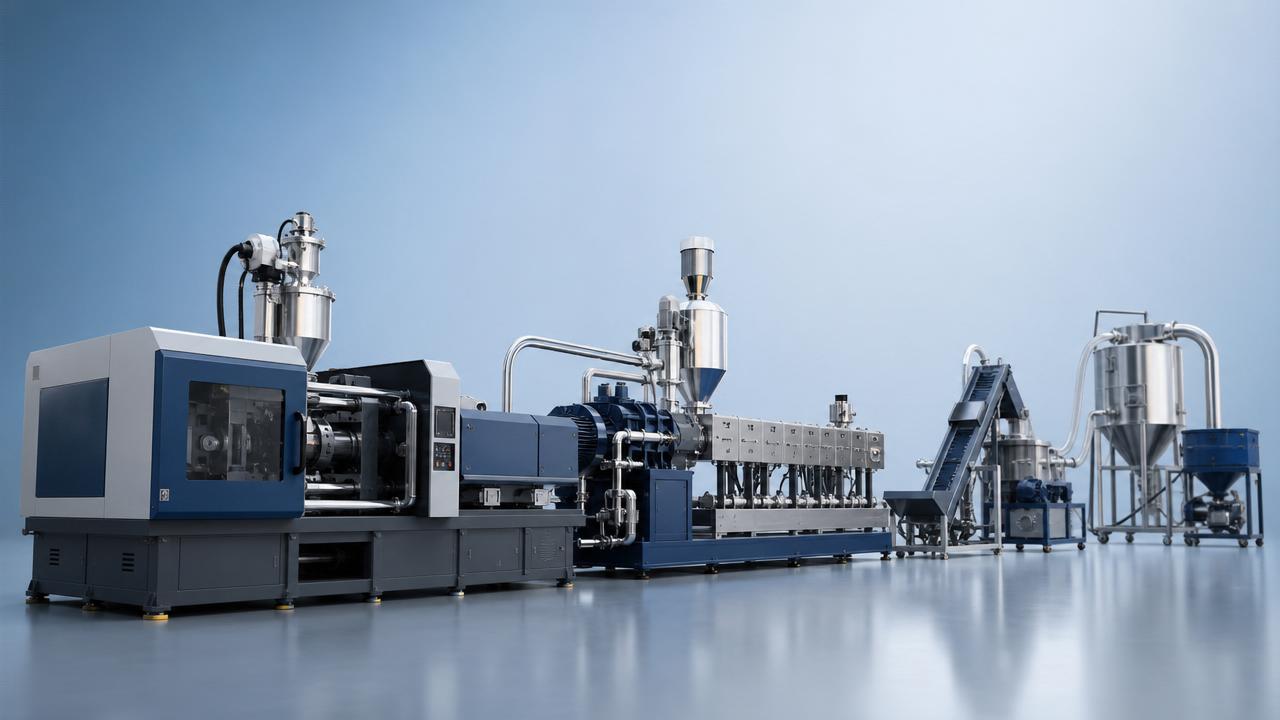
Plastic Pelletizing Trends: How Recycling Demand Is Reshaping Processing Technology




Plastic pelletizing trends are being shaped by a stricter definition of usable recycled resin. Bale weight and line throughput still matter, but they no longer describe whether a pellet can enter a demanding application. Packaging converters, compounders, and molded-product plants increasingly need material with controlled odor, contamination, moisture, color, melt behavior, and lot-to-lot consistency. That requirement is moving investment upstream, into sorting and washing, and downstream, into filtration, degassing, extrusion control, and pellet cooling.
The most important market shift is the move from recovering plastic by mass to recovering polymer by functional quality. A recycling line that produces stable pellets from relatively clean industrial scrap has a very different technical task from one handling mixed post-consumer film, printed rigid packaging, or moisture-sensitive polyester flakes. Treating these feedstocks as interchangeable is a common source of poor equipment selection and unstable output.
Quality targets are changing the pelletizing line
Demand for recycled content in packaging, consumer goods, construction products, and durable components has raised the value of cleaner, more predictable resin streams. The result is not simply a larger need for pelletizers. It is a need for integrated processing systems in which each stage protects the next one.
For polyolefins such as polyethylene and polypropylene, incoming feedstock often carries paper labels, adhesive, inks, food residues, mineral particles, wood fibers, and incompatible polymers. These contaminants do not disappear when material is melted. Some form black specks, some create gels, and some degrade during residence in the extruder, producing odor or gas. A pelletizer can create visually uniform pellets while the melt quality remains unsuitable for the intended conversion process.
For PET and other hygroscopic materials, moisture management has an equally direct effect on value. Excess moisture entering a hot melt process can cause hydrolytic chain scission. The pellets may look acceptable, yet reduced molecular weight can appear later as lower melt strength, brittle parts, or unstable sheet extrusion. Drying, crystallization where appropriate, vacuum conditions, melt temperature, and residence time must therefore be considered together rather than treated as isolated settings.
This focus on functional quality is also changing plant layouts. Material handling, water treatment, odor control, metal detection, fine screening, and laboratory sampling are increasingly linked to pelletizing performance. The pelletizer remains a defining process step, but it cannot compensate for uncontrolled contamination or a feedstock stream with large swings in composition.
Filtration is becoming a process-control decision
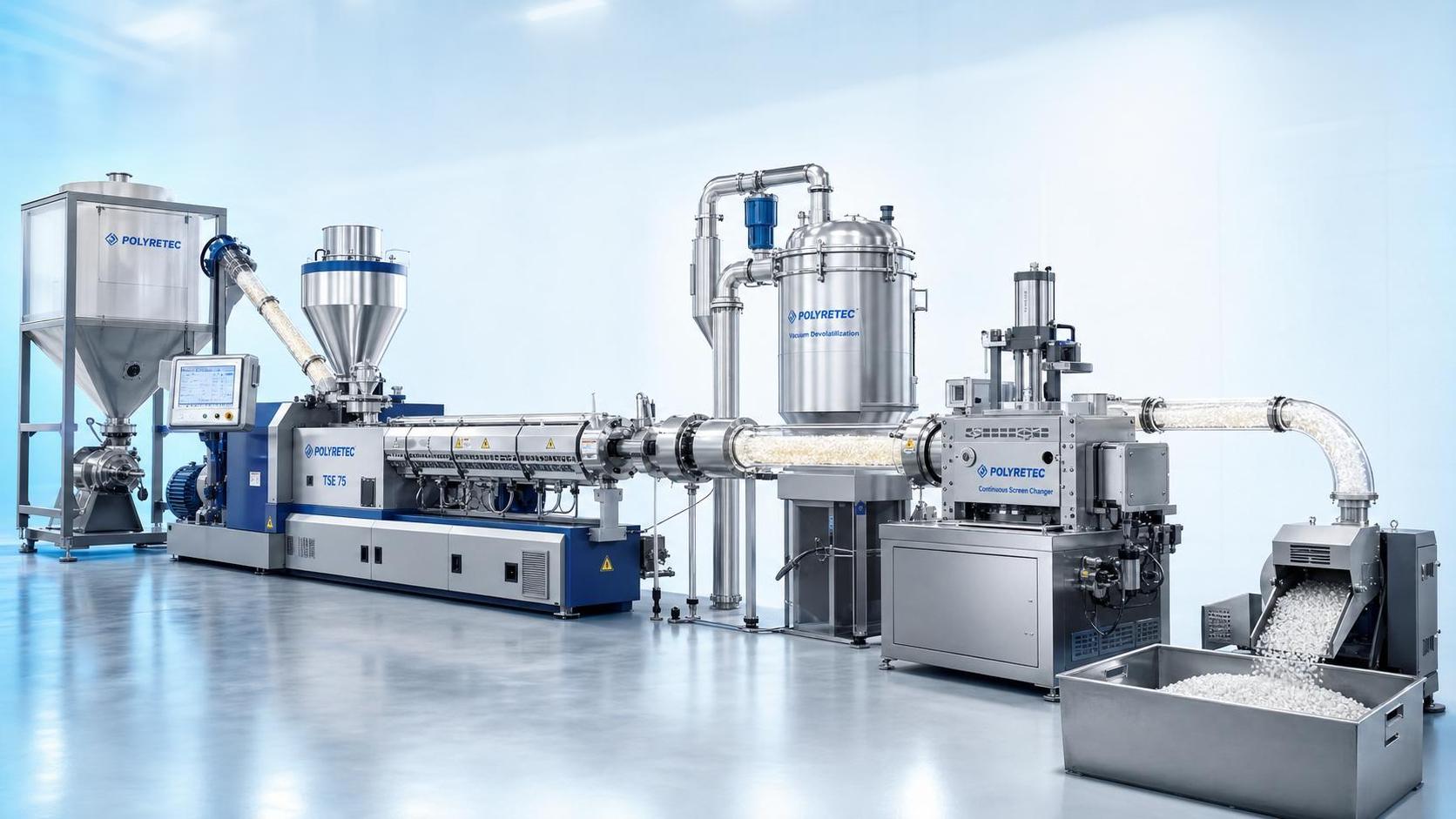
Melt filtration is among the clearest examples of how recycling demand is reshaping processing technology. Screen changers, continuous filtration systems, and finer filtration media are being used to remove solid contamination before the polymer reaches the die. The apparent choice is simple: finer filtration produces cleaner melt. The operational reality is more complex.
A tighter screen pack raises pressure and can shorten run time when the feedstock contains high levels of paper, aluminum, carbonized material, or unmelted polymer. Higher pressure can increase shear heating and expose weak points in seals, die connections, or control logic. If the extruder has limited torque reserve, a filtration upgrade may reduce output enough to offset the gain in pellet quality. Conversely, selecting a coarse screen to preserve throughput can leave defects that become visible only after the pellet is converted into film, sheet, fibers, or molded parts.
Filtration must be matched to the contaminant profile and the final application. Rigid regrind with occasional metal or paper fragments calls for a different strategy from printed flexible packaging with adhesive residues and fine mineral contamination. A pressure trend across the filter is more informative than a single pressure reading. A steady rise can indicate normal loading; abrupt movement may point to an inconsistent feed, a temperature disturbance, bridging at the hopper, or a damaged screen assembly.
Fine filtration also changes the importance of upstream washing. Better washing does not eliminate the need for filtration, but it reduces the burden on the melt filter and makes pressure behavior easier to predict. When filter changes become unexpectedly frequent, the root cause may lie in friction washing, sink-float separation, rinse-water quality, drying efficiency, or storage conditions rather than in the filter itself.
Extrusion is being tuned for stability, not only output
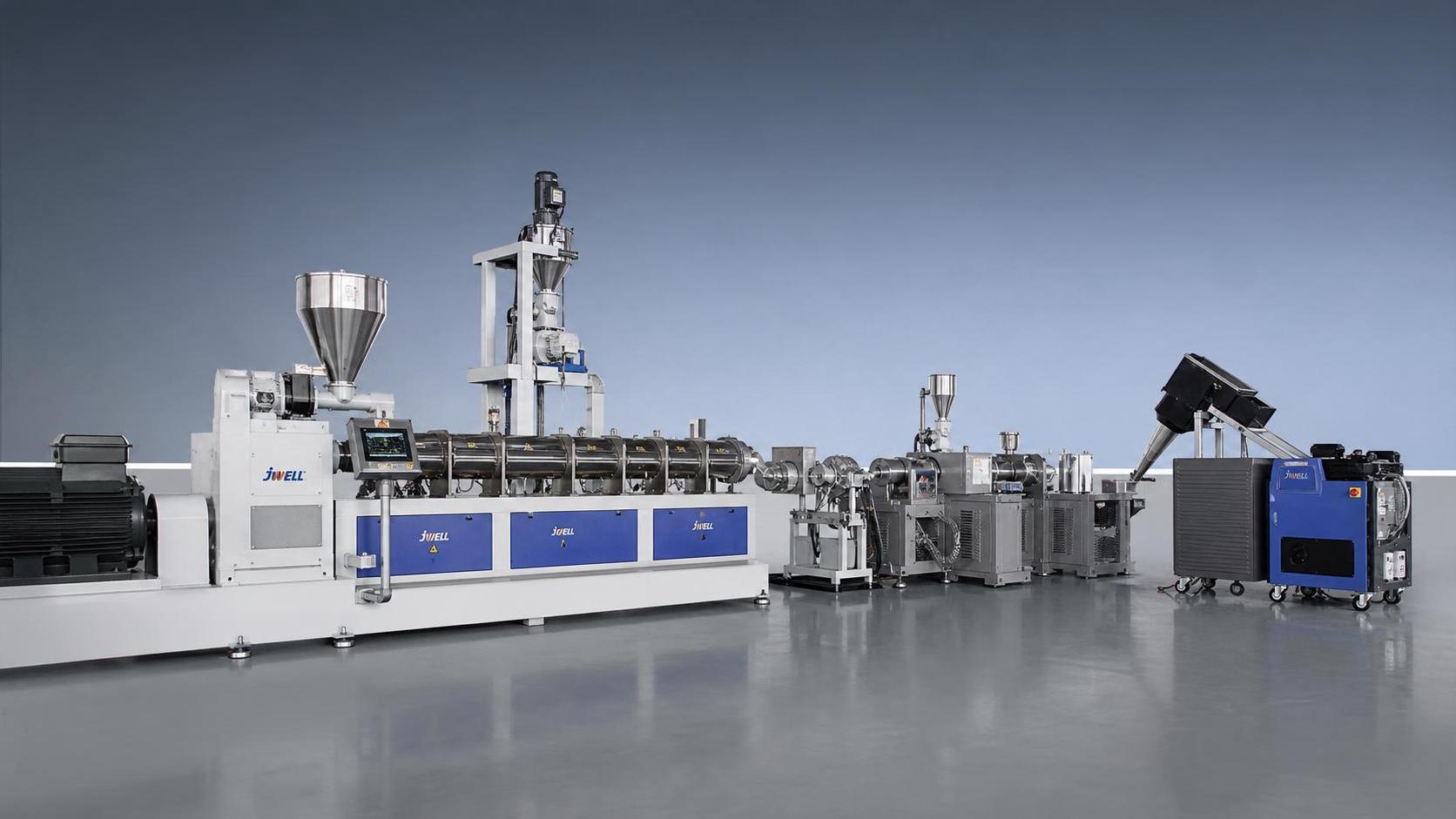
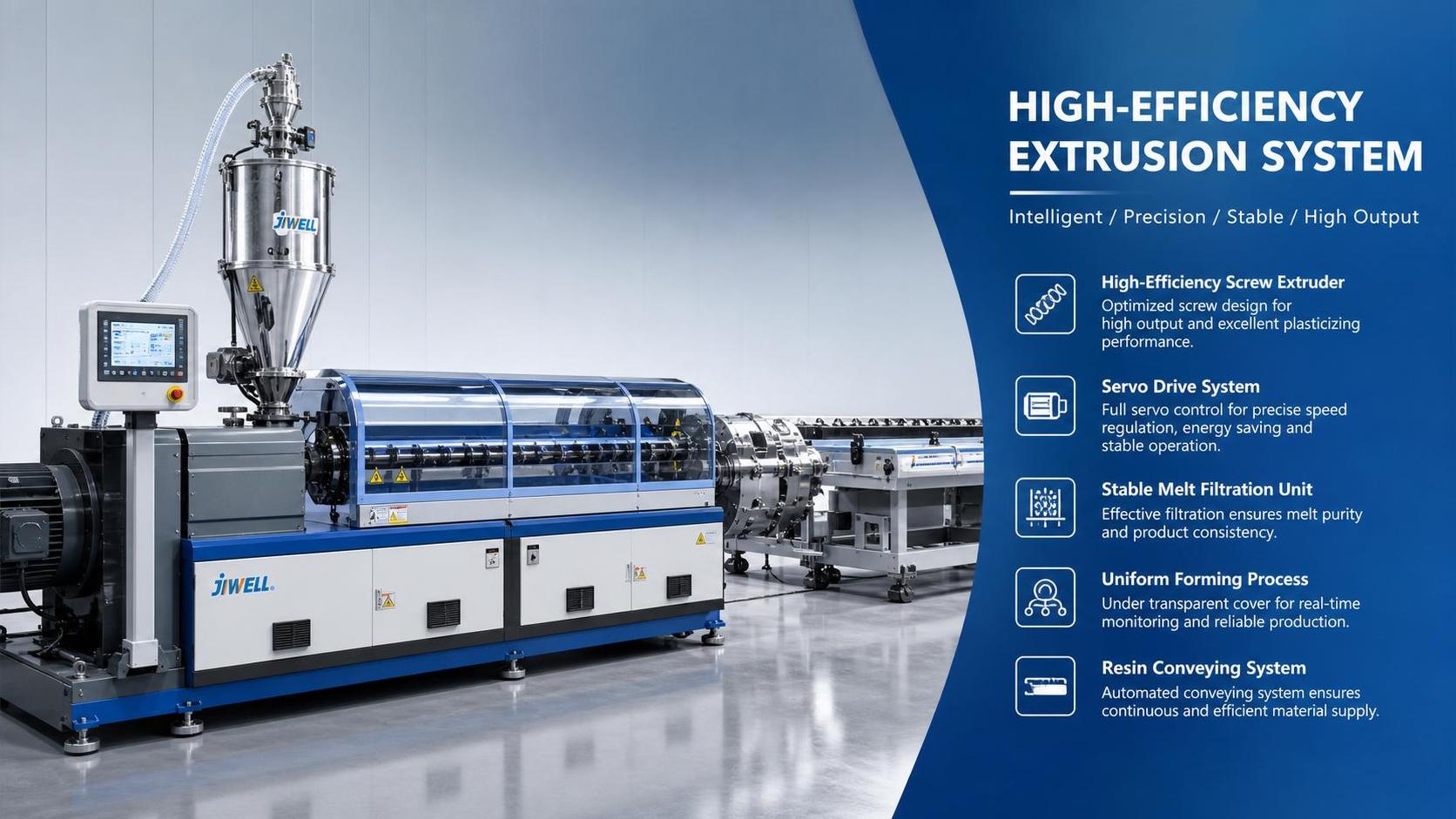
The extruder is where variations in recovered material become visible as changes in torque, melt pressure, temperature, volatile load, and pellet appearance. Modern recycling lines increasingly rely on controlled feeding, segmented screw designs, vacuum degassing, and automated adjustment of speed and temperature zones to keep these variables within a usable process window.
Twin-screw configurations are valuable where mixing, dispersive action, devolatilization, and additive incorporation need to occur in the same process. They are not automatically the best answer for every recycling stream. A single-screw extruder with suitable screw geometry, robust feeding, and effective filtration can be appropriate for a clean, well-sorted stream. More intensive screw action can improve mixing of additives or contaminants, but it can also create additional heat and degradation when the feedstock has already experienced several thermal histories.
Temperature is frequently misread as the main lever for improving melt flow. Raising barrel or die temperature may reduce viscosity and stabilize pressure temporarily, yet it can intensify oxidation, odor formation, color shift, and polymer breakdown. A high melt temperature does not prove good plasticization. It may instead reflect excessive shear, a worn screw, restricted filtration, inadequate cooling around the feed zone, or a residence-time problem caused by poor feed continuity.
Residence-time distribution deserves attention when recycled material contains a broad mix of particle sizes, films, flakes, and regrind. Material that passes through the extruder too quickly may not melt uniformly; material held too long can degrade. Feed densification, force feeding, cutter design, and hopper geometry all affect this balance. Lightweight film flakes can trap air and bridge, creating a cyclic feed pattern that appears downstream as pressure oscillation and uneven pellet size.
Degassing is tied to feedstock preparation
Vacuum degassing is increasingly specified for streams containing printing inks, residual detergents, moisture, coatings, and odor-bearing residues. Its performance depends on surface renewal in the melt, vent design, vacuum stability, and the amount of volatile material actually reaching the extruder. A vacuum port cannot resolve a feedstock with excessive liquid contamination or poorly washed organic residues. Those conditions can cause carryover into the vent system, foul condensers, and create process interruptions.
Odor reduction requires similar discipline. Odor may originate from absorbed food residues, degradation products, cleaning agents, inks, or additives. A pellet with low visible contamination can still retain objectionable odor. Increasing vacuum alone is rarely a complete remedy; the source needs to be separated from the mechanism that releases it during melting.
Underwater pelletizing gains ground where pellet uniformity matters
Strand pelletizing remains practical for many recycling operations, particularly when output rates, melt behavior, and cooling conditions are stable. It is relatively straightforward, but its success relies on consistent strands, effective water cooling, clean cutting, and a material that does not become excessively tacky at the die. Strand breakage is often blamed on the pelletizer even when the underlying cause is unstable melt pressure, uneven die heating, contamination, or insufficient melt strength.
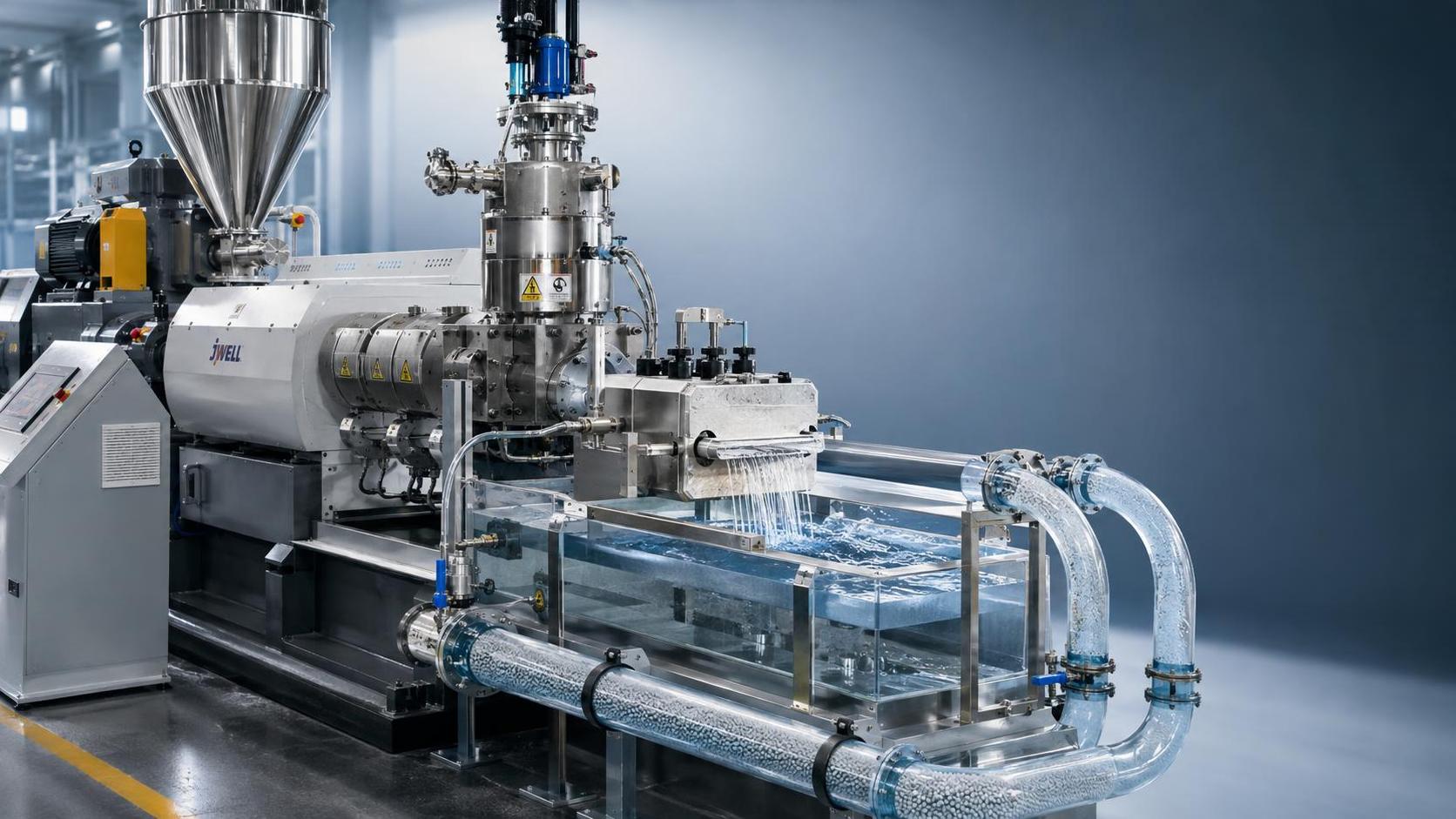
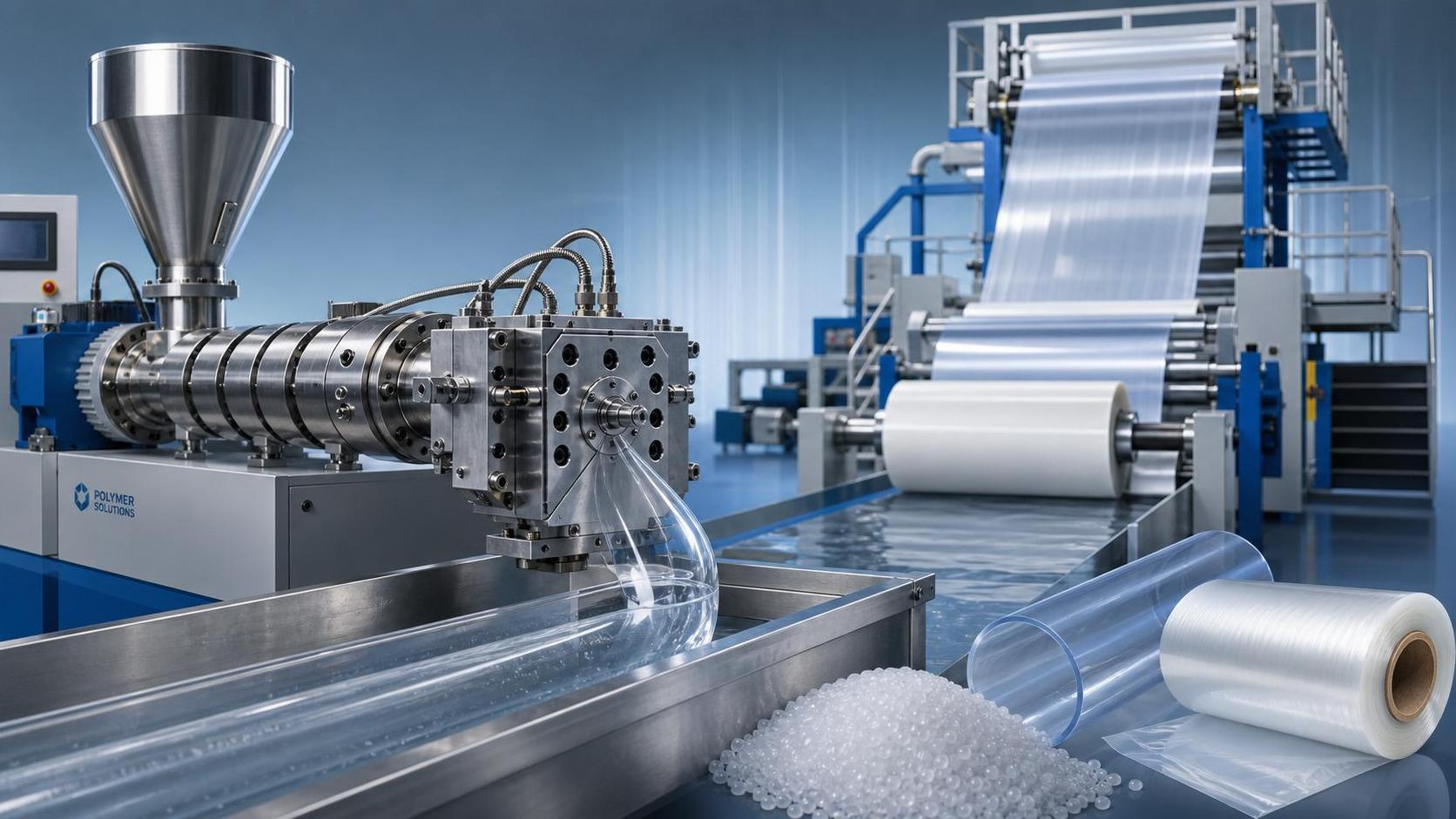
Underwater pelletizing is attracting greater interest as processors seek more uniform pellet geometry, enclosed handling, and stable operation with materials that are difficult to cool as strands. The melt is cut directly at the die face in a controlled water environment, then conveyed through a water circuit for separation and drying. This approach can reduce the floor space associated with long cooling runs and can offer better control over pellet formation for certain high-throughput applications.
Its operating window is not universal. Die-face temperature, water temperature, water pressure, cutting speed, polymer viscosity, and die-hole condition must be aligned. If the die face is too cool, freeze-off can obstruct holes. If it is too hot, the melt may smear or form tails. Water contaminated with fines or insufficiently treated process residue can affect circulation and pellet drying. A change in pellet shape may signal a cutter issue, but it may also reflect a shift in melt rheology caused by feedstock composition or degradation.
Automation is becoming useful only when measurements are trustworthy
Digital controls are increasingly applied to feeding, screw speed, vacuum level, melt pressure, filter changeover, pellet-water systems, and downstream drying. Their value lies in recognizing drift early and maintaining a repeatable operating window. Automated adjustments based on unreliable sensors or poorly defined material grades can simply repeat an error faster.
A practical control strategy distinguishes between variables that indicate normal loading and those that predict a quality failure. Filter differential pressure, motor load, melt temperature, vacuum level, moisture after drying, and pellet bulk density can reveal different problems. Reading them together is more useful than treating each as an independent alarm. For example, increasing motor load with rising pressure may indicate filter loading. Increasing motor load with falling pressure may instead suggest a feed interruption, a change in bulk density, or inconsistent material capture by the screw.
Lot segregation is becoming more important as recycled resin moves into tighter applications. Blending material from different collection routes can smooth supply volume, but it can also hide variation in color, odor, ash content, melt flow, and contamination. A line may run steadily while the finished pellet drifts outside its intended processing range. Sampling at receiving, after washing, at the extruder, and after pelletizing provides a clearer picture of where the variation entered the system.
Equipment selection is shifting toward total process fit
Plastic pelletizing trends do not point to one universal machine configuration. The appropriate line is defined by the material stream, required pellet properties, contamination burden, available utilities, local water conditions, planned maintenance capability, and the downstream process that will consume the pellets.
A system designed around nominal capacity alone can create hidden constraints. A high-output extruder paired with undersized washing, drying, filtration, water circulation, or pellet drying equipment will operate below its potential or create a growing quality backlog. Installation planning also matters: utilities must support stable heating and cooling loads, wastewater handling must match the contamination expected from incoming material, and access around filters, dies, cutters, and screens must permit routine service without extending downtime.
Wear management is part of product consistency. Abrasive fillers, sand, glass, and mineral contamination affect screws, barrels, die plates, cutter blades, and pump components. Gradual wear can be mistaken for a feedstock problem because it first appears as rising energy use, unstable pressure, broader pellet-size distribution, or declining output at unchanged settings. Recording baseline conditions after commissioning makes later changes easier to interpret.
The strongest technical direction is toward lines that preserve polymer value through disciplined feed preparation, measured melt conditioning, and pellet formation matched to the actual resin behavior. Recycling demand is raising expectations for what a pellet must do after it leaves the line. Processing technology is responding by making quality control a continuous part of material recovery rather than a final inspection step.
Related News
- 00
0000-00
Automatic Tire Curing: How Temperature and Pressure Controls Affect Cure Uniformity - 00
0000-00
Pallet Injection Molding: How to Size Clamp Force and Shot Capacity - 00
0000-00
Circular Manufacturing Roadmap: From Waste Audits to Material Recovery - 00
0000-00
How Continuous Melt Filtration Limits Pressure Fluctuations During Screen Changes - 00
0000-00
Choosing High-Speed All-Electric Injection Molding Machines for Thin-Wall Parts
Weekly Insights
Stay ahead with our curated technology reports delivered every Monday.
Related News
 Prof. Marcus ChenHow Single-Use Plastic Bans Shift Demand for Packaging MaterialsExplore the plastic ban market impact on packaging demand, from fiber and recycled plastics to reuse. Discover viable alternatives and smarter investment opportunities.Oct 15, 2026
 Prof. Marcus ChenWhere Recycled Plastic Innovation Delivers the Biggest Value in PackagingRecycled plastic innovation delivers the greatest packaging value through proven material loops, reliable processing, compliance readiness, and circular design.Oct 08, 2026
 Prof. Marcus ChenEnergy-Efficient Polymer Processing: Where Plants Can Cut kWh per KilogramEnergy-efficient polymer processing solutions help plants reduce kWh per kilogram, protect quality, cut scrap, and prioritize upgrades with data-driven insights.Sep 23, 2026
 Prof. Marcus ChenPlastic Pelletizing Trends: How Recycling Demand Is Reshaping Processing TechnologyPlastic pelletizing trends are redefining recycling quality. Explore filtration, extrusion, degassing, and automation innovations driving cleaner, more consistent recycled resin.Sep 07, 2026
 Prof. Marcus ChenHow Polymer Supply Chains Are Changing to Support High-Quality Recycling FeedstockPolymer supply chain for recycling is shifting toward traceable sourcing, cleaner sorting, and stable processing. See how high-quality feedstock improves performance, compliance, and cost control.Aug 22, 2026
 Prof. Marcus ChenHow Europe’s Circular Plastics Economy Is Reshaping Recycling InvestmentCircular plastics economy Europe is reshaping recycling investment through quality, traceability, and packaging demand. Explore where capital is moving and why it matters now.Aug 04, 2026
 Prof. Marcus ChenBlow Molding Trends Shaping Packaging, Sustainability, and Production EfficiencyBlow molding trends are redefining packaging with lightweighting, recycled content, automation, and energy efficiency. Discover how smarter production boosts sustainability and cuts costs.Jul 23, 2026
 Prof. Marcus ChenExtrusion Equipment Modular Design: When It Makes Sense for Line ExpansionExtrusion equipment modular design helps manufacturers expand lines in phases, cut disruption, and stay ready for recycled content, utility limits, and changing product demands.Jul 15, 2026
 Prof. Marcus ChenPolymer Lifecycle Solutions Explained: From Material Sourcing to End-of-Life RecoveryPolymer lifecycle solutions explained from sourcing and processing to recycling and recovery. Discover how to cut waste, improve quality, and build smarter material strategies.Jul 13, 2026
 Prof. Marcus ChenEnergy-Efficient Polymer Processing Systems: Which Metrics Matter Most?Energy-efficient polymer processing systems: discover the metrics that truly drive ROI—specific energy use, yield, uptime, stability, and compliance for smarter equipment decisions.Jul 11, 2026
 Prof. Marcus ChenPolymer Recycling Systems for Continuous Operation: What to Check Before SpecifyingPolymer recycling systems continuous operation starts with the right specification. Learn what to check for uptime, melt quality, energy efficiency, and reliable pellet output.Jul 09, 2026
 Prof. Marcus ChenCircular Plastics Economy in Japan: Policy Drivers, Recycling Targets, and Market ImpactCircular plastics economy Japan is accelerating as policy, recycling targets, and packaging reforms reshape material choices, processing strategy, and market advantage.Jul 05, 2026
 Prof. Marcus ChenPlastic Extrusion Technology Trends: What Process Changes Are Improving Energy Efficiency?Plastic extrusion technology trends are reshaping energy efficiency through smarter screws, thermal control, servo drives, and digital optimization. See which process changes deliver lower costs and more stable output.Jul 01, 2026
 Prof. Marcus ChenInjection Molding Technology Trends: Which Process Changes Matter Most for Medical and Packaging Parts?Injection molding technology trends shaping medical and packaging parts: discover the process changes that improve validation, precision, efficiency, and recycled-material readiness.Jun 30, 2026
 Prof. Marcus ChenCircular Plastics Economy Compliance Explained: Key Requirements for ManufacturersCircular plastics economy compliance explained for manufacturers: learn key requirements, audit risks, process controls, and how to turn compliance into a competitive advantage.Jun 25, 2026
 Prof. Marcus ChenAdvanced Materials Processing Trends: 5 Shifts Reshaping Capacity Planning and SourcingAdvanced materials processing trends are reshaping capacity planning, sourcing, recycling, and compliance. Explore 5 shifts helping manufacturers cut risk, improve precision, and build resilient growth.Jun 24, 2026
 Prof. Marcus ChenGlobal Plastic Ban Trends: Which Packaging Materials and Export Markets Face the Biggest Changes?Global plastic ban trends are reshaping packaging choices and export strategy. See which materials and markets face the biggest shifts, and how to reduce compliance risk.Jun 22, 2026
 Prof. Marcus ChenPolymer Rheology Trends That Matter in Extrusion: Melt Strength, Shear, and StabilityPolymer rheology trends are reshaping extrusion performance. Learn how melt strength, shear, and stability affect quality, efficiency, and recycled resin processing.Jun 18, 2026
 Prof. Marcus ChenPlastic Circularity Strategies for Manufacturers: Recycled Content, Design, and TraceabilityPlastic circularity strategies for manufacturers: learn how recycled content, smarter design, and traceability can reduce risk, improve compliance, and strengthen supply resilience.Jun 18, 2026
 Prof. Marcus ChenAdvanced Materials Processing Equipment in High-Performance Manufacturing: Where It Fits BestAdvanced materials processing equipment drives precision, speed, and sustainability in manufacturing. Explore where each system fits best to improve quality, efficiency, and ROI.Jun 16, 2026