Where Recycled Plastic Innovation Delivers the Biggest Value in Packaging




Recycled plastic innovation creates the greatest packaging value where it solves a material-system problem rather than merely raises a recycled-content percentage. The strongest opportunities are not evenly distributed across all formats. They are concentrated in packaging streams with consistent feedstock, clear quality specifications, repeatable processing conditions, and a credible route back into collection and recycling.
For many packaging businesses, the commercial question is no longer whether recycled content belongs in the portfolio. It is where recycled resin can improve supply resilience, compliance readiness, product positioning, and material efficiency without creating unacceptable risks in appearance, mechanical performance, food-contact status, or line productivity. The answer depends less on the word “recycled” than on the relationship between collection, sorting, decontamination, compounding, conversion, and end-market demand.
Value is highest in packaging designed around established material loops
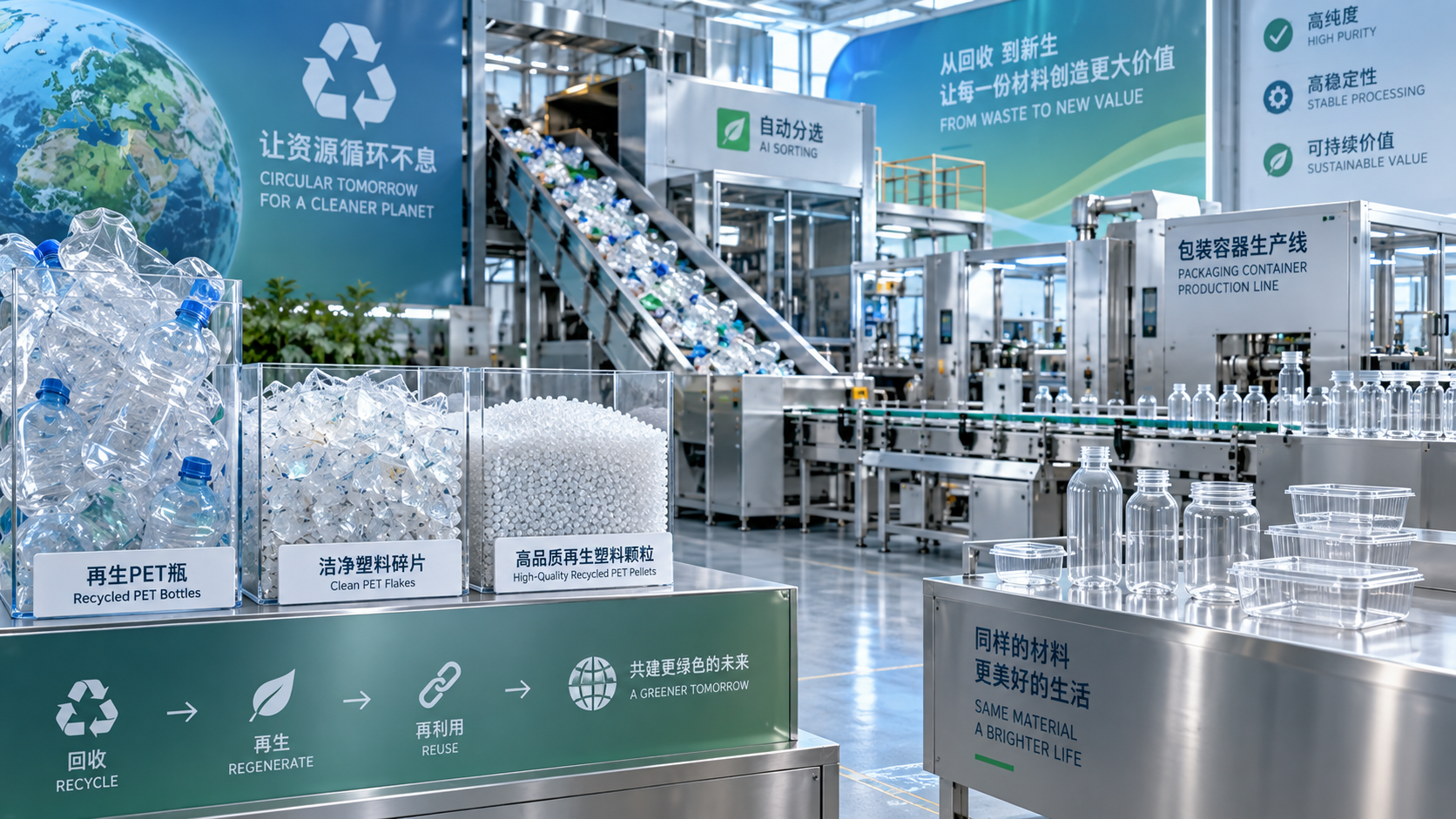
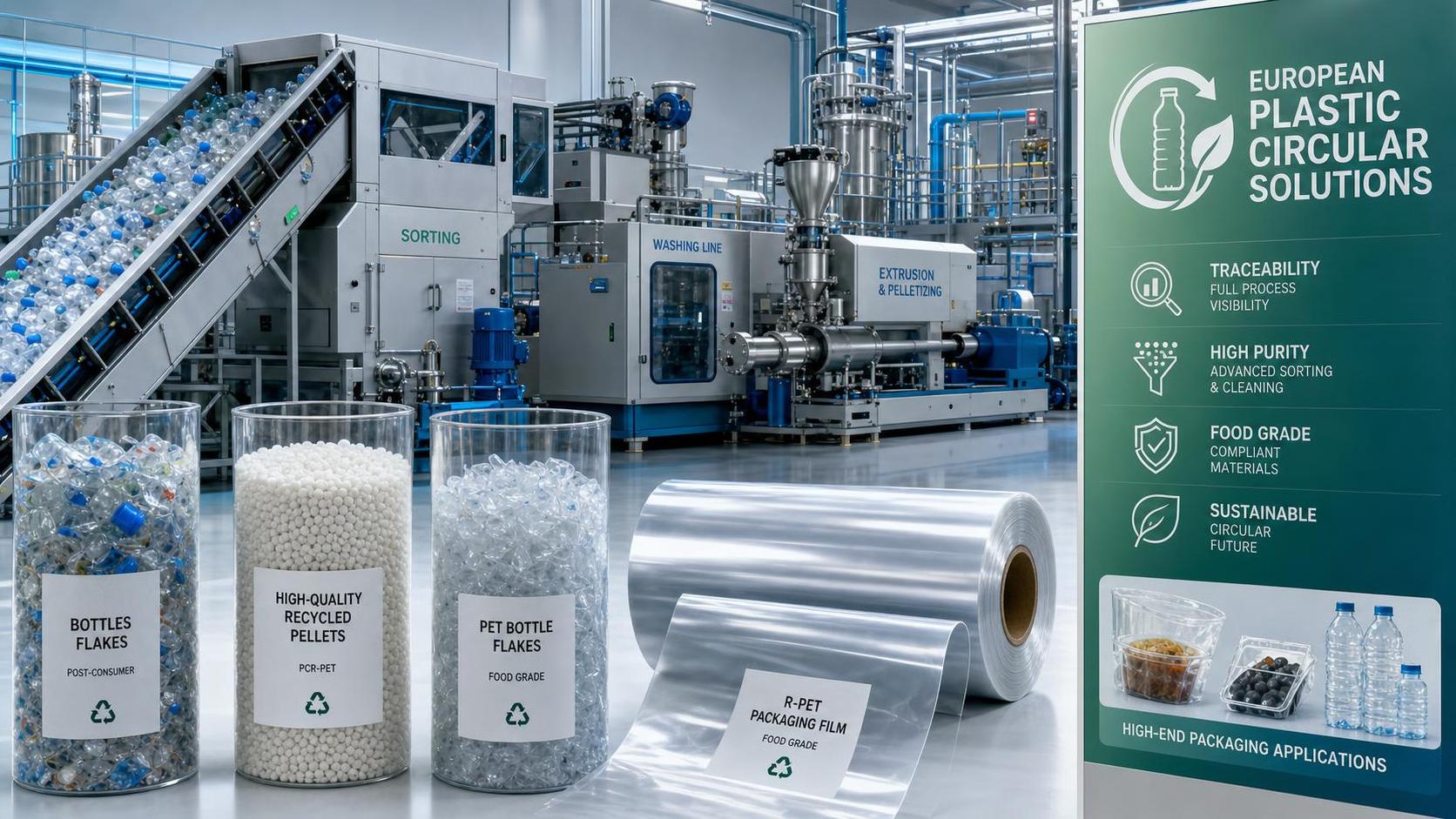
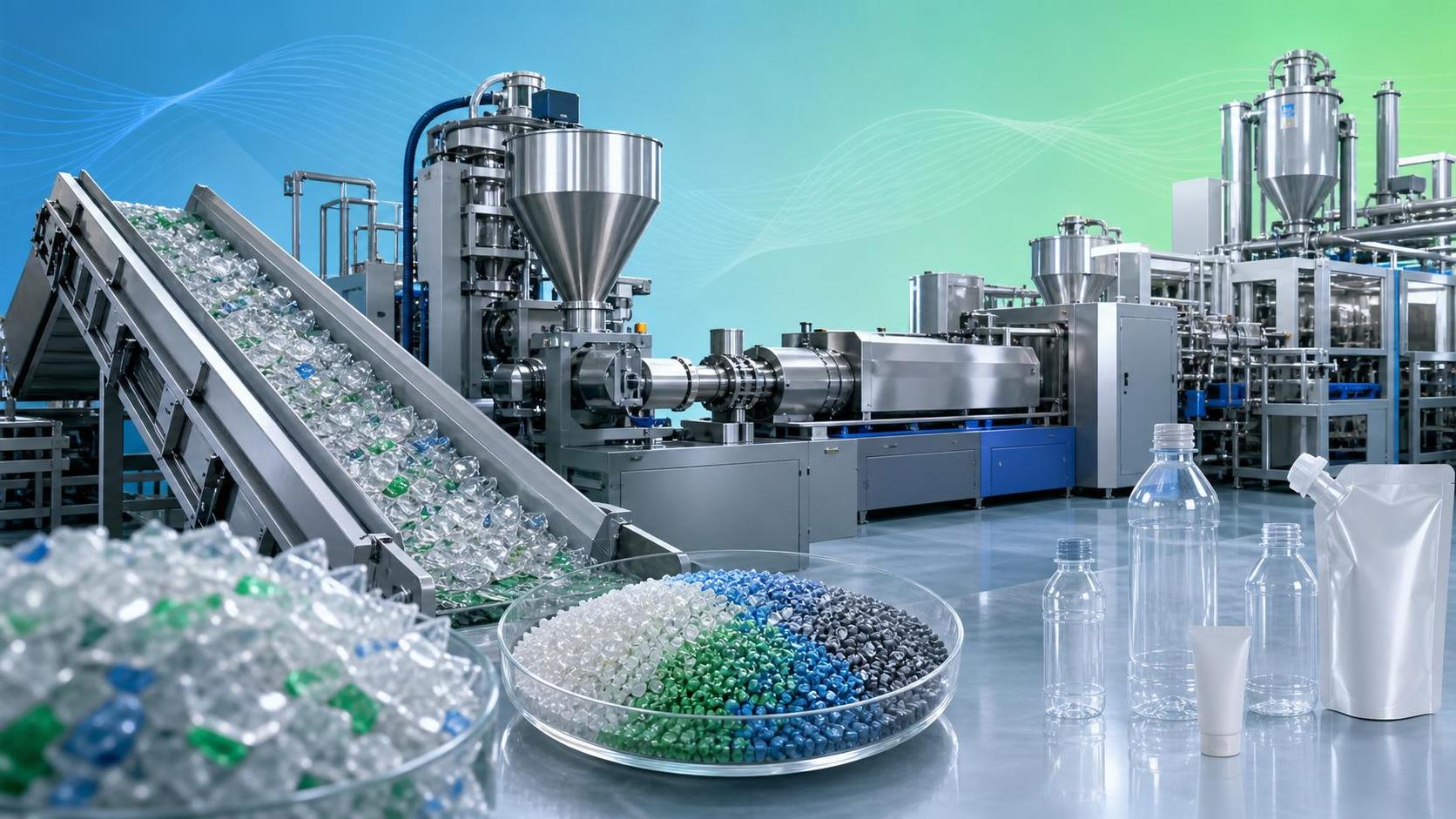
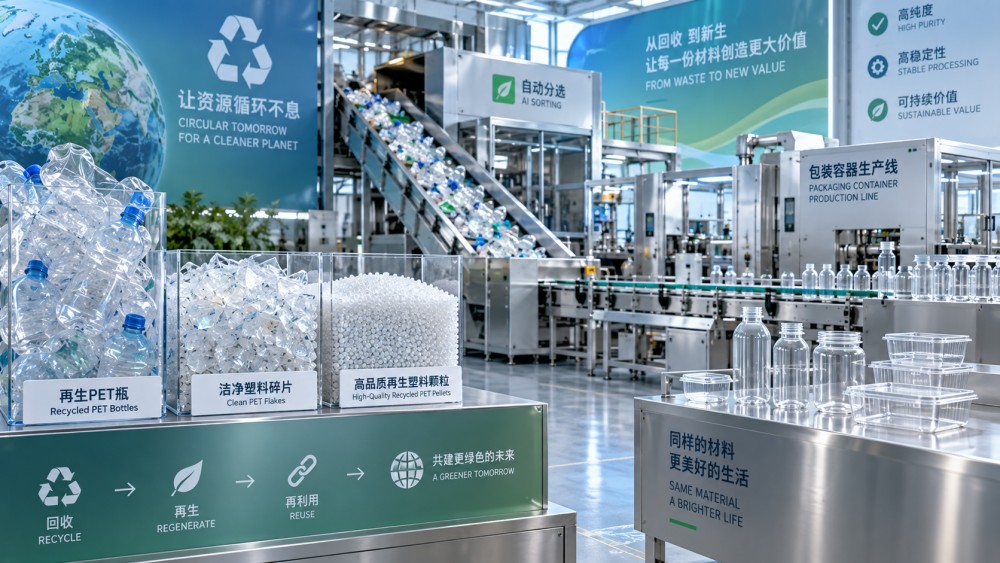
Packaging with a well-defined recovery pathway offers a more practical base for recycled plastic innovation than complex, multi-material structures with uncertain sorting outcomes. PET beverage bottles are the clearest example: collection systems, optical sorting, washing, flake processing, decontamination, and bottle-grade pellet production are comparatively mature in many markets. That does not make food-contact recycled PET simple, but it creates an identifiable technical and regulatory route.
High-density polyethylene (HDPE) and polypropylene (PP) packaging can also support meaningful circularity where the incoming stream is sufficiently controlled. Household detergent bottles, personal-care containers, transport packaging, caps, crates, pails, and some non-food rigid packs can be good candidates because their polymer families are widely used, their wall thickness can tolerate some material variation, and their applications may be less sensitive than clear food or pharmaceutical packaging.
The deciding factor is not format alone. A natural HDPE bottle and a deeply pigmented detergent bottle may both be technically recyclable, yet their recovered material will not deliver the same value. Color, odor, label adhesive, product residues, barrier layers, fillers, and closures all affect what the recycler can make from the output. A package that enters the waste stream with a clear material identity is more likely to return as a usable resin rather than be downcycled into a lower-value application.
That changes how packaging innovation should be evaluated. The relevant design question is not simply, “Can this package contain recycled plastic?” It is, “Can this package be repeatedly recovered into a quality level that has a stable commercial use?”
Food-contact packaging rewards process control more than broad claims
Food-contact applications can deliver substantial strategic value because they often consume high volumes of virgin-quality polymers and sit under visible sustainability commitments. They also impose the highest burden of proof. Recycled content in a food package is not interchangeable with recycled content in a refuse sack, pallet, or industrial drum.
For mechanically recycled polymers, the central issue is contamination control. Input material may contain residues from non-food products, cleaning agents, inks, adhesives, fragrances, or substances introduced through misuse. Sorting and washing reduce contamination, but they do not automatically establish suitability for food contact. The recycling process, the character of the input stream, intended conditions of use, and applicable migration requirements must be considered together.
In the European Union, recycled plastic materials and articles intended to come into contact with food are governed by Regulation (EU) 2022/1616, alongside the broader food-contact framework. In the United States, food-contact uses of recycled plastics are assessed under the relevant U.S. Food and Drug Administration framework, including its processes for evaluating recycling operations. These are not generic recycled-content approvals. A resin’s acceptability depends on the specific recycling process and intended use.
This is why bottle-to-bottle PET has received so much attention: it aligns a relatively recognizable post-consumer feedstock with dedicated processing and an established high-value output. But even in PET, quality can be affected by non-PET contamination, colored bottles, multilayer components, PVC ingress, acetaldehyde management, moisture control, and degradation caused by repeated heat histories.
For a packaging producer, the business value lies in reducing uncertainty across this chain. Long-term access to approved material, stable technical specifications, traceability records, and clear responsibility for compliance can matter more than achieving the highest possible nominal recycled-content figure. A package with a lower recycled-content level that runs reliably and meets all applicable requirements can be commercially superior to a higher-content design that creates production losses or regulatory ambiguity.
Opaque and non-food rigid packaging often offers the quickest practical gains
Not every circular packaging strategy needs to begin with the most demanding application. Non-food rigid packaging frequently provides a more forgiving entry point for recycled polyolefins because color and visual purity are less critical, while functional performance can be managed through design and compounding.
Detergent, household-care, automotive-fluid, garden, and certain industrial containers may tolerate recycled HDPE or PP when resin selection is matched to the application. The limiting variables are still substantial: environmental stress cracking resistance, top-load strength, drop impact, chemical compatibility, odor, color consistency, and closure performance all require validation. Recycled resin can vary in melt flow rate, density, contamination profile, and residual additives. These variations affect blow molding behavior, wall-thickness distribution, cycle stability, and final-package performance.
The innovation opportunity is therefore broader than substituting virgin resin with post-consumer recycled (PCR) resin. It includes better incoming-material specifications, blending strategies, odor-reduction systems, melt filtration, devolatilization, color management, and package geometries that preserve performance at feasible recycled-content levels.
In this segment, closed-loop or semi-closed-loop collection can create especially strong value. When a brand, retailer, industrial user, or waste-management partner can retain control over a relatively uniform stream, the recovered polymer is less exposed to the variability of mixed municipal waste. This can improve traceability and make recycled material more suitable for a defined package family. The commercial advantage comes from reduced feedstock uncertainty, not from circularity language alone.
Flexible packaging remains the largest technical gap—and a major innovation field
Flexible packaging represents a difficult but important frontier. Films, pouches, wraps, laminates, and sachets use very little material per unit, yet they are often made from structures engineered for barrier performance, sealability, puncture resistance, printability, and shelf life. Those functions can require multiple polymer layers, aluminum, paper, coatings, adhesives, or metallization. Once combined, these components can be difficult to separate and recycle into equivalent packaging-grade material.
The highest-value innovations in flexible packaging are therefore often design-led rather than resin-led. Moving from incompatible multilayer structures toward recyclable mono-material or compatible-polyolefin structures can improve the chance of recovery. This may involve redesigning barrier layers, adjusting sealant formulations, changing inks and adhesives, or accepting trade-offs in stiffness, optics, and product-protection performance.
Recycled content is possible in some flexible applications, especially where the package is non-food, less appearance-sensitive, or designed for secondary and tertiary use. Yet it should not be treated as a universal answer. A film with recycled content but no realistic collection and sorting pathway may have limited circular value. Equally, a theoretically recyclable mono-material film may still lack effective regional collection infrastructure.
The material and system must be assessed together. A technically recyclable structure has limited value if it is too small, too contaminated, or too poorly sorted to reach a recycling process. Conversely, a redesign that makes a film compatible with an existing collection stream may create more practical value than an aggressive recycled-content target that compromises the package’s core function.
Processing innovation determines whether recycled resin becomes a production asset or a production problem
The commercial viability of recycled packaging often turns on conversion performance. Recycled material is not a uniform commodity; it carries a process history. Polymer chains may have experienced thermal, oxidative, mechanical, and hydrolytic degradation. Inconsistent feedstock can introduce gels, black specks, moisture, volatile compounds, residual paper, metal particles, incompatible polymers, or unstable melt behavior.
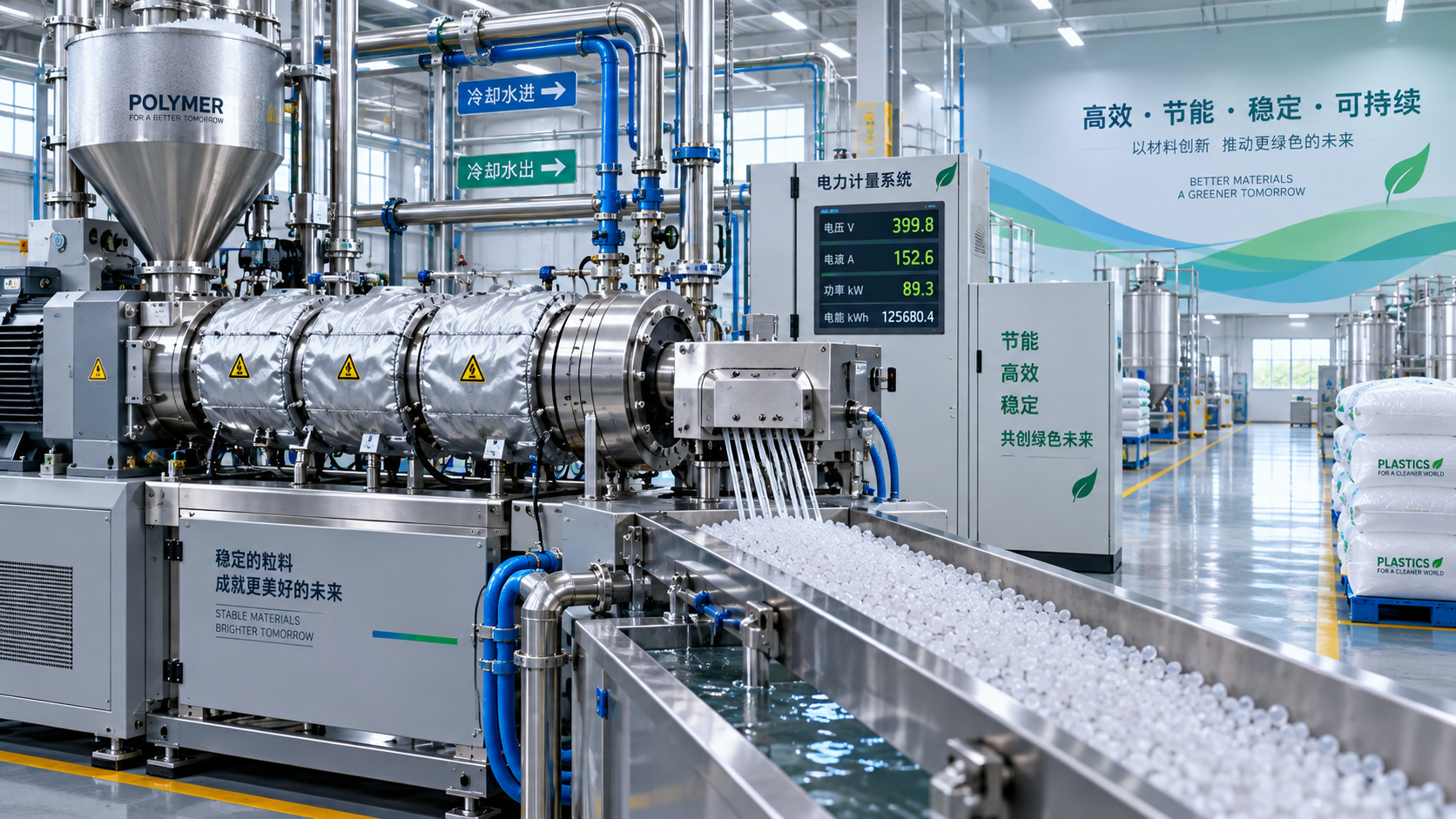
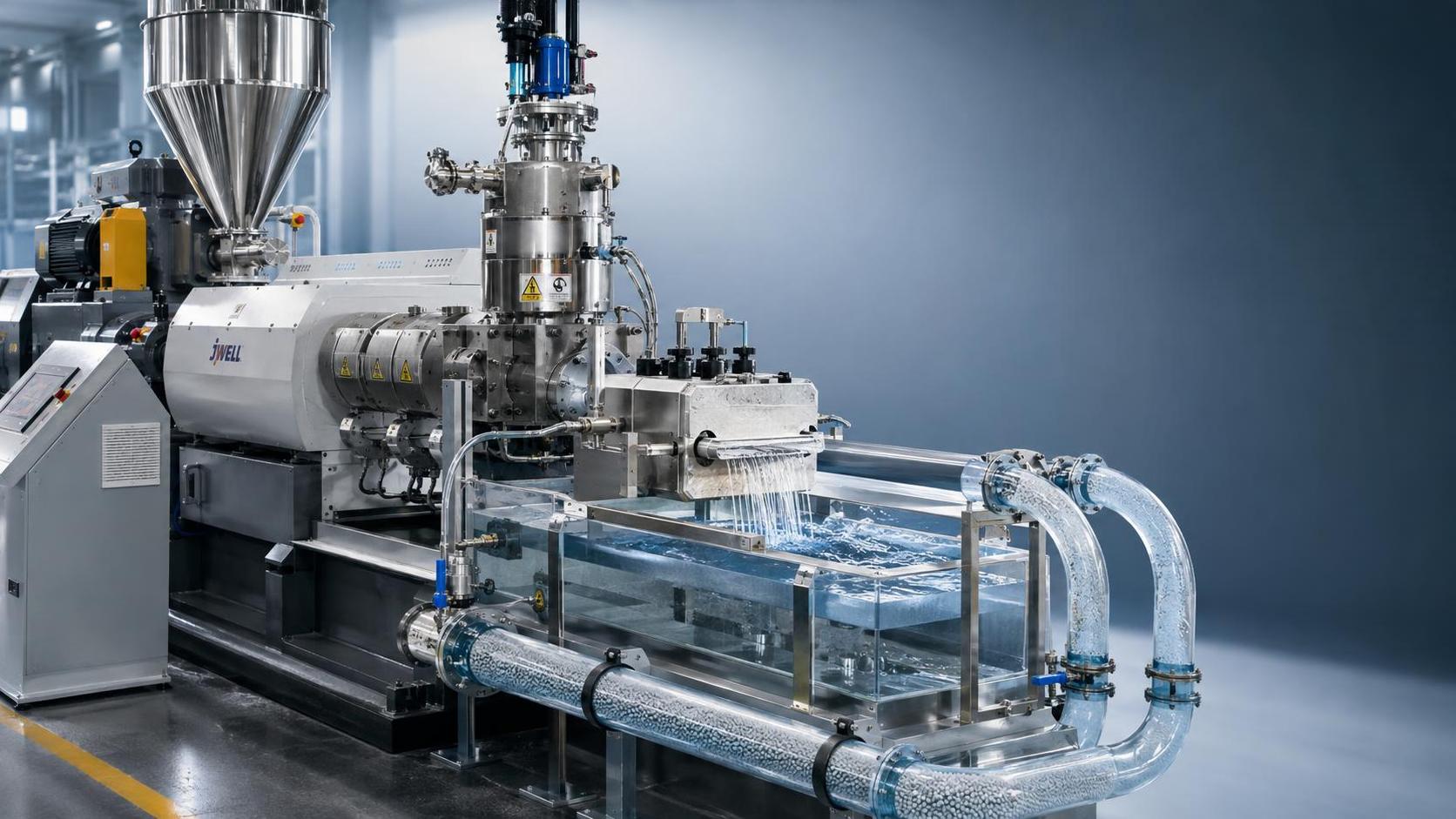
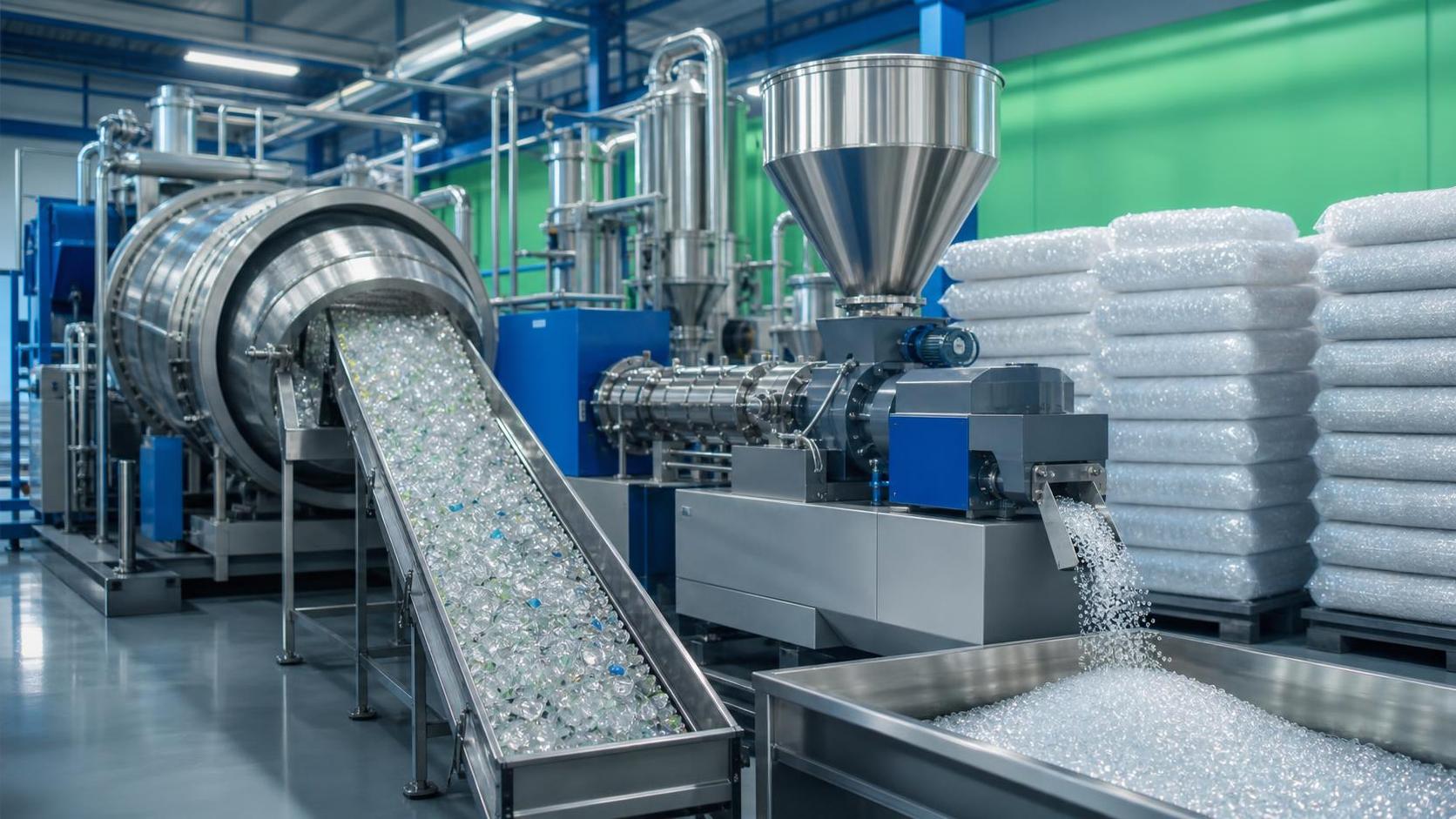
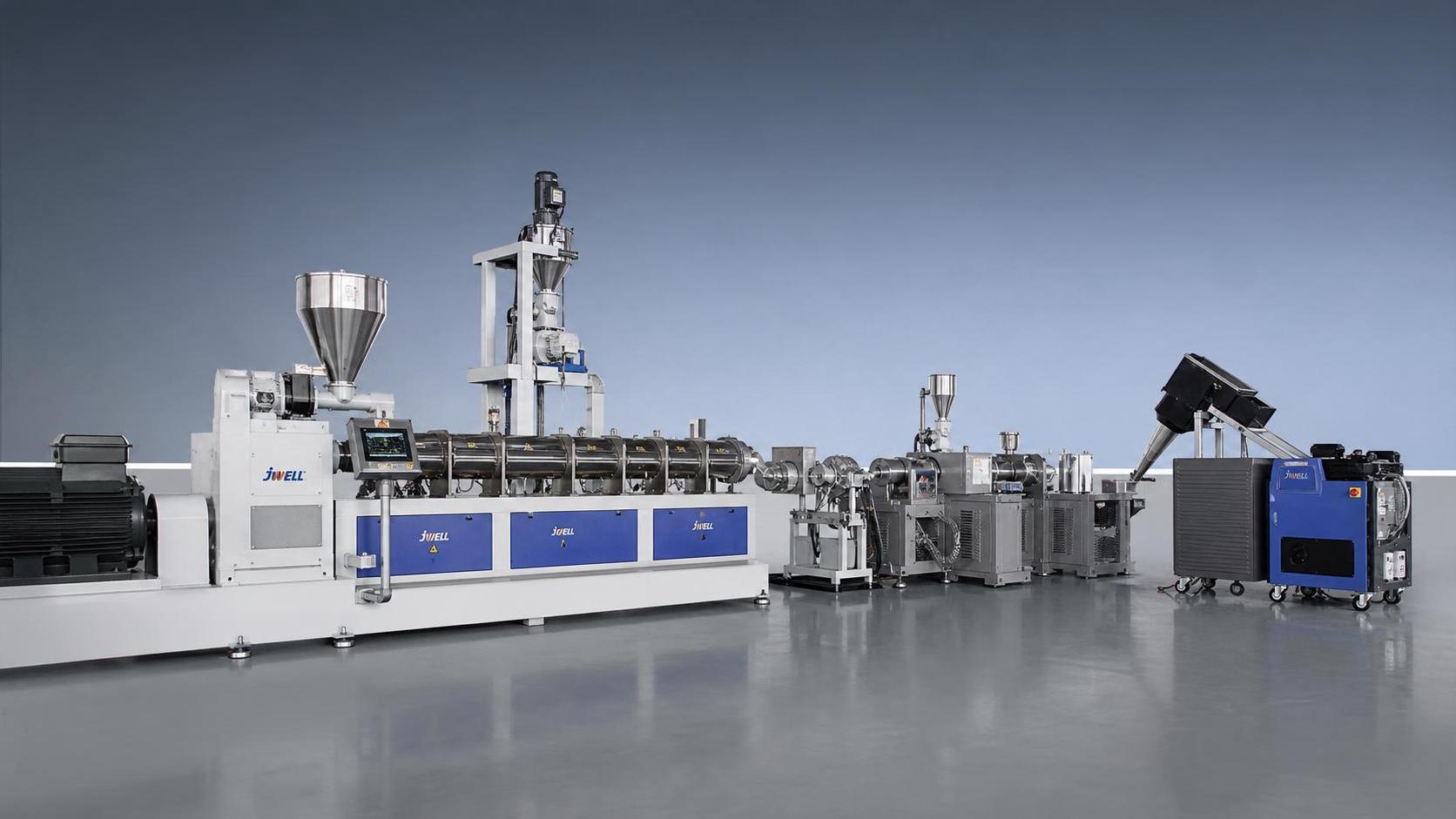
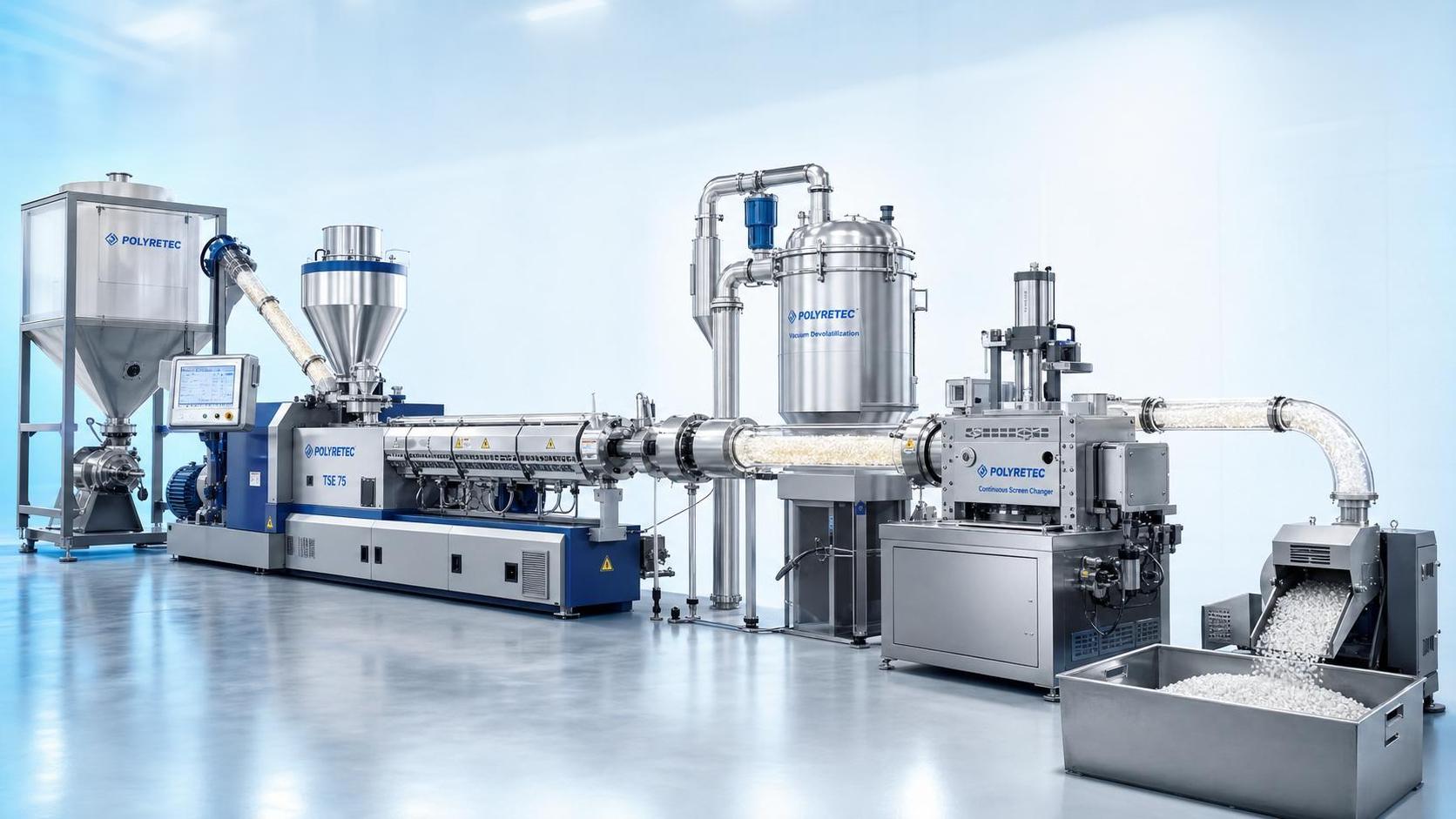
Modern sorting, washing, extrusion, filtration, degassing, pelletizing, and compounding technologies are valuable because they address these defects at different points in the chain. Near-infrared sorting can improve polymer separation, though it has limitations with dark or complex materials. Hot washing and friction washing target labels, adhesives, and residues. Melt filtration removes solid contaminants at the extrusion stage. Vacuum degassing helps reduce volatiles and moisture-related issues. Additives and chain extenders may help restore selected processing or mechanical properties, but they do not erase the need for disciplined feedstock control.
For converters, the critical measurement is not simply recycled-content percentage. It is the combined impact on scrap rate, line speed, energy use, cleaning frequency, downtime, product rejection, and customer complaints. A lower-cost recycled resin can become expensive if it causes frequent screen changes, unstable extrusion pressure, poor parison control in blow molding, inconsistent injection molding fill, or unacceptable surface defects.
This is why resin qualification should reflect the actual conversion process. A datasheet may provide melt flow rate, density, moisture, ash content, and basic mechanical properties, but those values do not fully predict performance in a specific mold, die, extrusion line, or blow-molding platform. The relevant specification should include the defects and process limits that affect the intended package.
Compliance is shifting recycled plastic from a sustainability project to a packaging-system requirement
Regulatory direction is making traceability and design evidence more important. The EU Packaging and Packaging Waste Regulation establishes a framework that includes recyclability requirements and recycled-content provisions for plastic packaging, with obligations applying according to the regulation’s implementation timetable and packaging category. Requirements differ by application, particularly where contact-sensitive packaging is involved.
Outside the EU, recycled-content mandates, extended producer responsibility schemes, labeling rules, plastic taxes, and packaging-recovery requirements vary substantially by jurisdiction. A cross-border packaging program cannot safely assume that a claim, resin source, or package configuration accepted in one market will transfer unchanged to another.
The operational implication is that compliance should be built into material governance. Companies need to know the source of the recycled resin, the polymer type, the applicable product-contact status, the presence of restricted substances where relevant, and the evidence supporting recycled-content claims. Mass-balance approaches, physical segregation, and chain-of-custody models are not interchangeable. Their acceptability depends on the claim being made, the certification system used, and the legal context.
Weak documentation can undermine otherwise sound material innovation. If a brand cannot substantiate its recycled-content statement or identify the limits of a recycled resin’s approved use, the exposure is commercial as well as regulatory.
Where investment tends to create durable advantage
The most defensible investments connect upstream material quality with downstream package requirements. A recycling line designed only to maximize throughput may not produce the consistency needed for demanding packaging markets. A converter that specifies recycled content without investing in quality assurance may inherit feedstock variability it cannot control. A brand that redesigns a package without considering sorting behavior may create a format that is difficult to recover in practice.
Durable value is more likely where the following conditions align:
- A sufficiently defined feedstock: The incoming stream has known polymer composition, manageable contamination, and a collection route capable of supplying volume with reasonable consistency.
- A package application with realistic tolerance: Functional, visual, odor, regulatory, and processing requirements are understood before recycled-content targets are set.
- Conversion equipment suited to material variability: Filtration, drying, dosing, extrusion control, mold or die design, and quality monitoring support stable production.
- A credible end-of-life pathway: The package is compatible with the collection, sorting, and recycling systems available in its intended markets.
- Traceable compliance evidence: Material declarations, test records, certification scope, and claim substantiation are maintained across the supply chain.
These conditions explain why recycled plastic innovation is moving beyond a single-material procurement decision. The value is greatest when packaging design, recycling technology, and market access reinforce one another. In practical terms, this favors applications where recycled material can be specified, processed, sold, collected, and recycled again with limited loss of function.
The key market divide will not be between packaging that contains recycled plastic and packaging that does not. It will be between packaging systems that can reliably manage material quality across multiple cycles and those that depend on one-time claims without a robust recovery route. For businesses making long-life packaging investments, that distinction is the one most likely to determine whether recycled plastic becomes a source of resilience or a source of operational friction.
Related News
- 00
0000-00
Where Recycled Plastic Innovation Delivers the Biggest Value in Packaging - 00
0000-00
How to Evaluate a Tire Curing Equipment Supplier for Capacity, Support, and Uptime - 00
0000-00
How to Size a Servo Injection Molding Press for High-Precision Parts - 00
0000-00
How High-Speed Precision Injection Molding Controls Part Tolerances at Scale - 00
0000-00
How to Select Packaging Molding Equipment for High-Volume Production Lines
Weekly Insights
Stay ahead with our curated technology reports delivered every Monday.
Related News
 Prof. Marcus ChenWhere Recycled Plastic Innovation Delivers the Biggest Value in PackagingRecycled plastic innovation delivers the greatest packaging value through proven material loops, reliable processing, compliance readiness, and circular design.Oct 08, 2026
 Prof. Marcus ChenEnergy-Efficient Polymer Processing: Where Plants Can Cut kWh per KilogramEnergy-efficient polymer processing solutions help plants reduce kWh per kilogram, protect quality, cut scrap, and prioritize upgrades with data-driven insights.Sep 23, 2026
 Prof. Marcus ChenPlastic Pelletizing Trends: How Recycling Demand Is Reshaping Processing TechnologyPlastic pelletizing trends are redefining recycling quality. Explore filtration, extrusion, degassing, and automation innovations driving cleaner, more consistent recycled resin.Sep 07, 2026
 Prof. Marcus ChenHow Polymer Supply Chains Are Changing to Support High-Quality Recycling FeedstockPolymer supply chain for recycling is shifting toward traceable sourcing, cleaner sorting, and stable processing. See how high-quality feedstock improves performance, compliance, and cost control.Aug 22, 2026
 Prof. Marcus ChenHow Europe’s Circular Plastics Economy Is Reshaping Recycling InvestmentCircular plastics economy Europe is reshaping recycling investment through quality, traceability, and packaging demand. Explore where capital is moving and why it matters now.Aug 04, 2026
 Prof. Marcus ChenBlow Molding Trends Shaping Packaging, Sustainability, and Production EfficiencyBlow molding trends are redefining packaging with lightweighting, recycled content, automation, and energy efficiency. Discover how smarter production boosts sustainability and cuts costs.Jul 23, 2026
 Prof. Marcus ChenExtrusion Equipment Modular Design: When It Makes Sense for Line ExpansionExtrusion equipment modular design helps manufacturers expand lines in phases, cut disruption, and stay ready for recycled content, utility limits, and changing product demands.Jul 15, 2026
 Prof. Marcus ChenPolymer Lifecycle Solutions Explained: From Material Sourcing to End-of-Life RecoveryPolymer lifecycle solutions explained from sourcing and processing to recycling and recovery. Discover how to cut waste, improve quality, and build smarter material strategies.Jul 13, 2026
 Prof. Marcus ChenEnergy-Efficient Polymer Processing Systems: Which Metrics Matter Most?Energy-efficient polymer processing systems: discover the metrics that truly drive ROI—specific energy use, yield, uptime, stability, and compliance for smarter equipment decisions.Jul 11, 2026
 Prof. Marcus ChenPolymer Recycling Systems for Continuous Operation: What to Check Before SpecifyingPolymer recycling systems continuous operation starts with the right specification. Learn what to check for uptime, melt quality, energy efficiency, and reliable pellet output.Jul 09, 2026
 Prof. Marcus ChenCircular Plastics Economy in Japan: Policy Drivers, Recycling Targets, and Market ImpactCircular plastics economy Japan is accelerating as policy, recycling targets, and packaging reforms reshape material choices, processing strategy, and market advantage.Jul 05, 2026
 Prof. Marcus ChenPlastic Extrusion Technology Trends: What Process Changes Are Improving Energy Efficiency?Plastic extrusion technology trends are reshaping energy efficiency through smarter screws, thermal control, servo drives, and digital optimization. See which process changes deliver lower costs and more stable output.Jul 01, 2026
 Prof. Marcus ChenInjection Molding Technology Trends: Which Process Changes Matter Most for Medical and Packaging Parts?Injection molding technology trends shaping medical and packaging parts: discover the process changes that improve validation, precision, efficiency, and recycled-material readiness.Jun 30, 2026
 Prof. Marcus ChenCircular Plastics Economy Compliance Explained: Key Requirements for ManufacturersCircular plastics economy compliance explained for manufacturers: learn key requirements, audit risks, process controls, and how to turn compliance into a competitive advantage.Jun 25, 2026
 Prof. Marcus ChenAdvanced Materials Processing Trends: 5 Shifts Reshaping Capacity Planning and SourcingAdvanced materials processing trends are reshaping capacity planning, sourcing, recycling, and compliance. Explore 5 shifts helping manufacturers cut risk, improve precision, and build resilient growth.Jun 24, 2026
 Prof. Marcus ChenGlobal Plastic Ban Trends: Which Packaging Materials and Export Markets Face the Biggest Changes?Global plastic ban trends are reshaping packaging choices and export strategy. See which materials and markets face the biggest shifts, and how to reduce compliance risk.Jun 22, 2026
 Prof. Marcus ChenPolymer Rheology Trends That Matter in Extrusion: Melt Strength, Shear, and StabilityPolymer rheology trends are reshaping extrusion performance. Learn how melt strength, shear, and stability affect quality, efficiency, and recycled resin processing.Jun 18, 2026
 Prof. Marcus ChenPlastic Circularity Strategies for Manufacturers: Recycled Content, Design, and TraceabilityPlastic circularity strategies for manufacturers: learn how recycled content, smarter design, and traceability can reduce risk, improve compliance, and strengthen supply resilience.Jun 18, 2026
 Prof. Marcus ChenAdvanced Materials Processing Equipment in High-Performance Manufacturing: Where It Fits BestAdvanced materials processing equipment drives precision, speed, and sustainability in manufacturing. Explore where each system fits best to improve quality, efficiency, and ROI.Jun 16, 2026
 Prof. Marcus ChenWhat Is Driving the Circular Economy Plastics Market? Policy, Pricing, and Demand ShiftsCircular economy plastics market trends are being driven by tighter policy, resin price volatility, and stricter buyer demands. Discover what this means for sourcing, processing, and growth.Jun 13, 2026