How Single-Use Plastic Bans Shift Demand for Packaging Materials




Single-use plastic bans shift packaging demand in several directions at once: some applications move to fiber, some retain plastic in a different format, and others move toward reuse or disappear altogether. The commercial opportunity depends on which products a rule covers, what replacement can perform the same job, and whether the local waste system can handle it. A restriction on disposable cutlery produces a different material response from a rule affecting takeaway containers or shopping bags.
For business evaluators, the plastic ban market impact is therefore best assessed by packaging application and destination market. A broad forecast for “sustainable packaging” can obscure the purchasing decisions that determine revenue. Suppliers need to establish whether customers must change materials, redesign a package, introduce a return system, or simply reduce consumption. Each response creates a different demand profile, with different implications for margins and production capacity.
The regulation determines which demand can actually move. An outright restriction removes a defined product from the market, subject to its scope and exemptions. A charge on disposable items changes purchasing economics without necessarily prohibiting them. Recycled-content requirements can increase demand for qualifying recycled polymers while leaving the packaging format intact. Producer-responsibility fees can influence material selection through disposal costs. These measures may operate together, but their commercial effects should be assessed separately.
That distinction prevents a consequential forecasting error: treating every packaging policy as a driver of demand for paper. If a measure targets a specific disposable plastic item, fiber may capture part of its market. If it instead requires recycled content in permitted plastic packaging, the opportunity may sit with recyclers and converters capable of processing compliant feedstock. A company investing against the wrong policy mechanism can build capacity for a substitution that customers have little reason to make.
Definitions also affect the addressable market. A paper package containing a polymer barrier may still fall within a rule’s definition of plastic-containing packaging. A compostable polymer may remain subject to a restriction on single-use plastics. A thicker container described as reusable may need to satisfy requirements beyond its material weight. Before assigning demand to an alternative, evaluators should examine the applicable product definition, intended use, exemptions, and evidence required to demonstrate compliance.
Timing creates another layer of uncertainty. A legal deadline does not automatically become the date when all customers switch suppliers. Buyers may qualify replacement materials in advance, run down existing inventories where permitted, or phase changes across locations. Some purchases represent temporary stock building; others reflect sustained consumption. Demand forecasts should distinguish these movements, particularly when machinery or material capacity requires a longer investment horizon than the initial conversion period.
Fiber gains ground where its performance matches the packaging task. Dry food, short-duration service, and applications with limited barrier requirements can offer relatively straightforward substitution opportunities. Paperboard and molded fiber can provide shape, stiffness, and a familiar handling experience. However, the commercial value of these properties depends on the complete package: a tray, lid, closure, and any protective layer must work together under the buyer’s operating conditions.
Hot, greasy, wet, or shelf-life-sensitive contents make substitution more demanding. Fiber can require coatings, liners, or other treatments to resist moisture and grease. Those additions influence cost, processing, regulatory status, and suitability for the intended recycling stream. A package that performs adequately during a brief meal service may fail during delivery, chilled storage, or reheating. Buyers consequently have reasons to qualify alternatives by use case rather than accept a supplier’s broad claim that a material replaces plastic.
The resulting demand is for finished packaging performance, not simply additional fiber tonnage. A converter supplying a reliably sealed, stackable food container may capture more value than a material supplier offering an inexpensive substrate that requires extensive downstream adaptation. For capacity planning, the relevant bottleneck could be forming, drying, coating, or sealing. Expanding the wrong production stage can leave a business with more output but limited ability to serve the applications affected by restrictions.
Material weight can also complicate the market picture. A replacement package may need more mass to deliver the same stiffness or protection. Material sales could rise even as the number of disposable packages falls. Conversely, eliminating an unnecessary component can reduce both unit demand and tonnage. Evaluators should track packaging units, material consumption, and revenue separately; none alone provides a complete measure of the substitution opportunity.

Compostable packaging has a narrower commercial case than its environmental language can suggest. Its suitability depends on the applicable rules, the intended disposal route, collection arrangements, and acceptance by the receiving facility. A compostability claim does not establish that an item will be collected and processed in a particular market. Where those arrangements are absent, buyers may struggle to justify a premium or communicate a credible disposal instruction to users.
More durable demand can emerge in controlled settings where packaging and food waste are collected together and an appropriate processor accepts the material. Even there, the package must meet service requirements, and the purchasing organization must maintain collection discipline. The investment question is whether the disposal pathway can operate at the expected volume. Certification can support that assessment, but it cannot replace the collection and processing system.
Plastic demand can remain substantial in applications outside a ban’s scope. Where rules permit the format, buyers may favor simpler polymer structures, greater recycled content, or designs compatible with established collection streams. This can redistribute demand within the plastics sector: away from certain disposable products and toward packaging with different resin specifications, construction, or recovery characteristics. A decline in one product category should not be extrapolated across every packaging use of the same polymer.
Recycled resin also carries qualification constraints. Feedstock consistency, contamination, odor, color, mechanical performance, and suitability for the intended contact use can affect purchasing decisions. Recycled content does not make a prohibited product permissible, and recycled polymer availability does not guarantee suitability for every package. Suppliers able to document consistent performance and an appropriate supply chain may capture value, but forecasts should be built around eligible applications and achievable quality rather than total waste-plastic availability.
Reuse changes the relationship between packaging use and packaging purchases. A disposable system requires a new package for each service occasion. A reusable system requires an initial pool, followed by replacements for losses, damage, and changes in operating volume. Adoption can create a substantial opening order for durable containers while reducing recurring unit purchases if those containers circulate effectively. Treating that opening order as a permanent annual demand level would overstate the market.
The economics depend heavily on how the pool operates. Containers must return, be sorted and cleaned, pass inspection, and arrive where they are needed. A controlled workplace or venue can have different collection conditions from dispersed takeaway delivery. Material durability matters, but so do return convenience, washing capacity, storage space, and transport distances. A technically reusable package can become an expensive disposable item when users do not return it or the operator cannot recover it economically.
For evaluators, cost per completed use is more informative than purchase price per container. The calculation should include washing, handling, reverse logistics, losses, and replacement, alongside the number of successful uses. Comparing an optimistic reuse assumption with a conservative return scenario exposes how dependent the proposal is on user behavior. Demand for durable molded packaging becomes more credible when the customer has a workable circulation model and a clear responsibility for operating it.
Packaging reduction deserves similar attention because it can absorb demand that suppliers expect to capture through substitution. Customers may remove secondary components, supply accessories only on request, or change service formats to use fewer packages. A restriction can therefore create growth for one material while reducing the total number of items purchased. Replacement-market estimates should allow for this reduction before assigning the remaining volume among fiber, permitted plastics, compostable materials, and reusable formats.
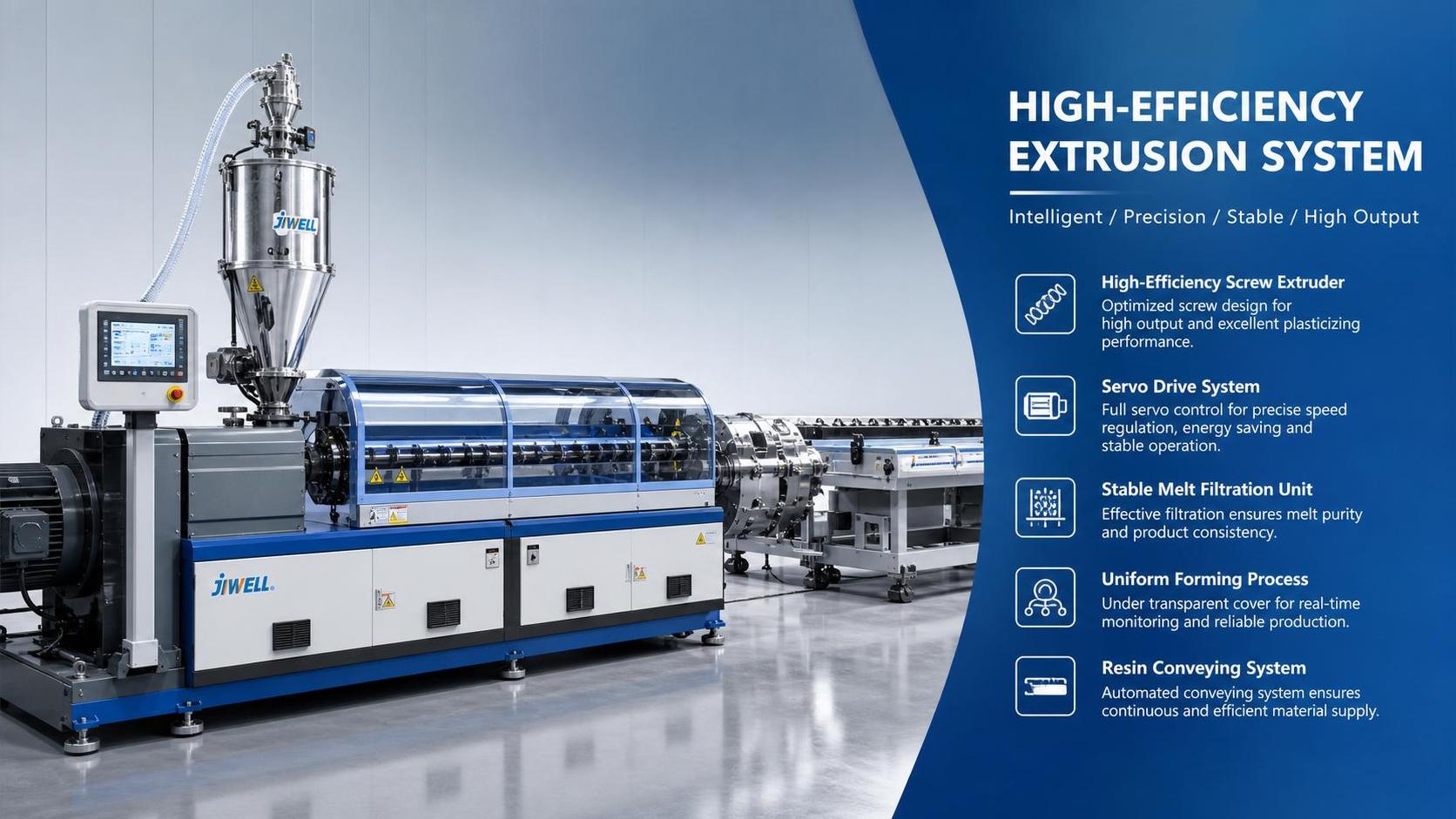
Capacity decisions should follow qualified applications. For polymer processors, a shift in formulation can require changes to drying, screw configuration, filtration, tooling, or process control. The extent depends on the material and equipment involved. An existing line’s ability to process a sample does not establish acceptable output, scrap levels, or economics at commercial scale. Customer qualification and representative production trials provide a stronger basis for investment than nominal compatibility alone.
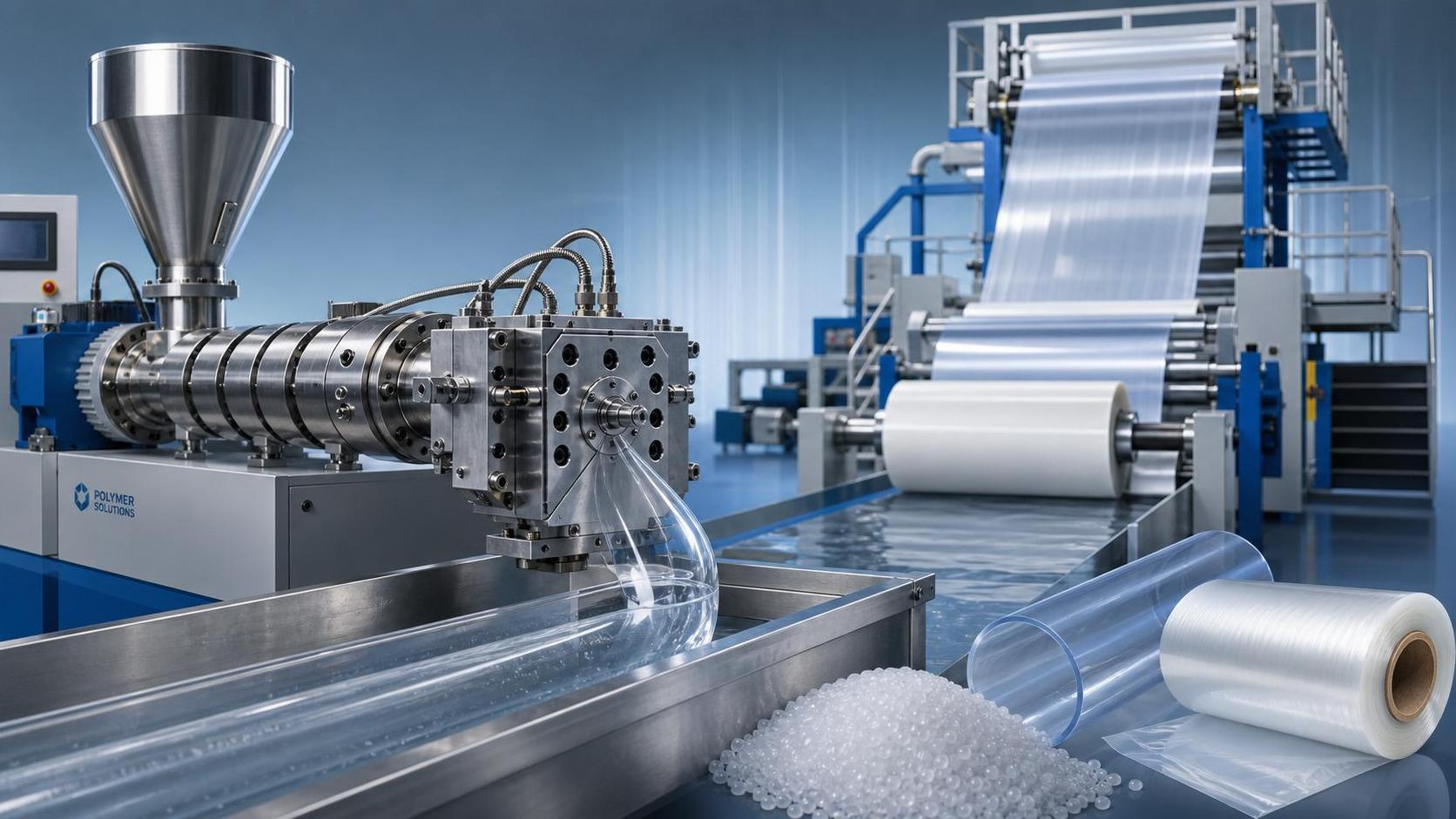
Recycling equipment faces a related distinction between producing usable pellets and supplying a specified packaging market. Washing and melt filtration address particular contaminants, but they do not automatically establish suitability for demanding contact applications. Feedstock sourcing, sorting, process design, and any required approvals remain relevant. An investment case should identify the intended buyer specification and the yield of material that can meet it, rather than value all incoming waste as premium recycled resin.
For fiber converters and suppliers, expansion should likewise be tied to the package features customers will purchase. Demand may concentrate on a particular barrier treatment, closure design, or forming capability. Customer commitments are more persuasive when they follow packaging qualification and reflect expected recurring consumption. Orders placed to cover a regulatory transition can justify short-term production, yet provide weaker support for permanent capacity if the final format or supplier allocation remains unsettled.
A useful commercial model begins with the affected packaging application, then estimates how much consumption will be eliminated, reused, or transferred to each permitted alternative. It should carry the full cost of delivering that alternative: conversion yield, sealing and filling performance, storage, freight, damage, and disposal obligations where applicable. A lower material price can lose its advantage through slower packing or higher product losses. Equally, a more expensive package can remain commercially viable when it performs reliably within the customer’s distribution system.
The most informative signals are therefore specific: customers completing qualification, repeat orders after conversion, evidence that collection systems accept the proposed package, and clarity over regulatory definitions. Material prices and announced capacity additions matter, but they become more useful when connected to these purchasing conditions. A supplier can see strong inquiries before a deadline while still facing uncertainty about which alternative will secure repeat business.
Businesses assessing an expansion should be able to connect each proposed increment of capacity to a defined use, a permitted format, a qualified specification, and a plausible pattern of repeat purchases. Where that connection is weak, flexible equipment, staged commitments, or narrower application targets may preserve options. The strongest demand opportunity is a replacement customers can keep buying because it satisfies the rule, protects the product, and works within their operating costs.
Related News
- 00
0000-00
How Single-Use Plastic Bans Shift Demand for Packaging Materials - 00
0000-00
PET Pelletizing Equipment: Strand vs. Underwater Systems for Recycled PET - 00
0000-00
Tire Manufacturing Equipment: Choosing Curing Presses by Tire Size and Output - 00
0000-00
Can your melt filtration systems supplier provide replacement screens? - 00
0000-00
How to verify pore uniformity in a manufacturer's melt filters
Weekly Insights
Stay ahead with our curated technology reports delivered every Monday.
Related News
 Prof. Marcus ChenHow Single-Use Plastic Bans Shift Demand for Packaging MaterialsExplore the plastic ban market impact on packaging demand, from fiber and recycled plastics to reuse. Discover viable alternatives and smarter investment opportunities.Oct 15, 2026
 Prof. Marcus ChenWhere Recycled Plastic Innovation Delivers the Biggest Value in PackagingRecycled plastic innovation delivers the greatest packaging value through proven material loops, reliable processing, compliance readiness, and circular design.Oct 08, 2026
 Prof. Marcus ChenEnergy-Efficient Polymer Processing: Where Plants Can Cut kWh per KilogramEnergy-efficient polymer processing solutions help plants reduce kWh per kilogram, protect quality, cut scrap, and prioritize upgrades with data-driven insights.Sep 23, 2026
 Prof. Marcus ChenPlastic Pelletizing Trends: How Recycling Demand Is Reshaping Processing TechnologyPlastic pelletizing trends are redefining recycling quality. Explore filtration, extrusion, degassing, and automation innovations driving cleaner, more consistent recycled resin.Sep 07, 2026
 Prof. Marcus ChenHow Polymer Supply Chains Are Changing to Support High-Quality Recycling FeedstockPolymer supply chain for recycling is shifting toward traceable sourcing, cleaner sorting, and stable processing. See how high-quality feedstock improves performance, compliance, and cost control.Aug 22, 2026
 Prof. Marcus ChenHow Europe’s Circular Plastics Economy Is Reshaping Recycling InvestmentCircular plastics economy Europe is reshaping recycling investment through quality, traceability, and packaging demand. Explore where capital is moving and why it matters now.Aug 04, 2026
 Prof. Marcus ChenBlow Molding Trends Shaping Packaging, Sustainability, and Production EfficiencyBlow molding trends are redefining packaging with lightweighting, recycled content, automation, and energy efficiency. Discover how smarter production boosts sustainability and cuts costs.Jul 23, 2026
 Prof. Marcus ChenExtrusion Equipment Modular Design: When It Makes Sense for Line ExpansionExtrusion equipment modular design helps manufacturers expand lines in phases, cut disruption, and stay ready for recycled content, utility limits, and changing product demands.Jul 15, 2026
 Prof. Marcus ChenPolymer Lifecycle Solutions Explained: From Material Sourcing to End-of-Life RecoveryPolymer lifecycle solutions explained from sourcing and processing to recycling and recovery. Discover how to cut waste, improve quality, and build smarter material strategies.Jul 13, 2026
 Prof. Marcus ChenEnergy-Efficient Polymer Processing Systems: Which Metrics Matter Most?Energy-efficient polymer processing systems: discover the metrics that truly drive ROI—specific energy use, yield, uptime, stability, and compliance for smarter equipment decisions.Jul 11, 2026
 Prof. Marcus ChenPolymer Recycling Systems for Continuous Operation: What to Check Before SpecifyingPolymer recycling systems continuous operation starts with the right specification. Learn what to check for uptime, melt quality, energy efficiency, and reliable pellet output.Jul 09, 2026
 Prof. Marcus ChenCircular Plastics Economy in Japan: Policy Drivers, Recycling Targets, and Market ImpactCircular plastics economy Japan is accelerating as policy, recycling targets, and packaging reforms reshape material choices, processing strategy, and market advantage.Jul 05, 2026
 Prof. Marcus ChenPlastic Extrusion Technology Trends: What Process Changes Are Improving Energy Efficiency?Plastic extrusion technology trends are reshaping energy efficiency through smarter screws, thermal control, servo drives, and digital optimization. See which process changes deliver lower costs and more stable output.Jul 01, 2026
 Prof. Marcus ChenInjection Molding Technology Trends: Which Process Changes Matter Most for Medical and Packaging Parts?Injection molding technology trends shaping medical and packaging parts: discover the process changes that improve validation, precision, efficiency, and recycled-material readiness.Jun 30, 2026
 Prof. Marcus ChenCircular Plastics Economy Compliance Explained: Key Requirements for ManufacturersCircular plastics economy compliance explained for manufacturers: learn key requirements, audit risks, process controls, and how to turn compliance into a competitive advantage.Jun 25, 2026
 Prof. Marcus ChenAdvanced Materials Processing Trends: 5 Shifts Reshaping Capacity Planning and SourcingAdvanced materials processing trends are reshaping capacity planning, sourcing, recycling, and compliance. Explore 5 shifts helping manufacturers cut risk, improve precision, and build resilient growth.Jun 24, 2026
 Prof. Marcus ChenGlobal Plastic Ban Trends: Which Packaging Materials and Export Markets Face the Biggest Changes?Global plastic ban trends are reshaping packaging choices and export strategy. See which materials and markets face the biggest shifts, and how to reduce compliance risk.Jun 22, 2026
 Prof. Marcus ChenPolymer Rheology Trends That Matter in Extrusion: Melt Strength, Shear, and StabilityPolymer rheology trends are reshaping extrusion performance. Learn how melt strength, shear, and stability affect quality, efficiency, and recycled resin processing.Jun 18, 2026
 Prof. Marcus ChenPlastic Circularity Strategies for Manufacturers: Recycled Content, Design, and TraceabilityPlastic circularity strategies for manufacturers: learn how recycled content, smarter design, and traceability can reduce risk, improve compliance, and strengthen supply resilience.Jun 18, 2026
 Prof. Marcus ChenAdvanced Materials Processing Equipment in High-Performance Manufacturing: Where It Fits BestAdvanced materials processing equipment drives precision, speed, and sustainability in manufacturing. Explore where each system fits best to improve quality, efficiency, and ROI.Jun 16, 2026