Energy-Efficient Polymer Processing: Where Plants Can Cut kWh per Kilogram




Measure the Energy That Produces Saleable Material
For a polymer plant, the useful energy metric is not the machine nameplate rating or the monthly utility bill. It is kWh per kilogram of conforming output. That denominator matters because a line can appear efficient while it is making off-spec parts, carrying excessive trim, running below its practical rate, or consuming large amounts of energy during long warm-up and idle periods.
Energy-efficient polymer processing solutions are therefore most valuable when they address the full conversion task: melting, conveying, shaping, cooling, curing, trimming, reclaiming, and producing material that can be sold or reused. A new servo motor may reduce electrical draw, but its value is diluted if cycle time increases, scrap rises, or the line must operate at an unstable process window. Conversely, a relatively modest change to temperature control or screw condition can reduce energy per kilogram substantially when it removes a chronic throughput constraint.
Plant leaders should begin by separating energy into three categories: energy that directly transforms polymer, energy used to maintain process conditions, and energy lost through instability, waiting, rework, or poor material handling. The first category cannot be eliminated. The other two are where most practical improvement programs begin.
A reliable baseline uses production data by machine, product family, material grade, and shift pattern. It should distinguish productive run time from start-up, changeover, cleaning, idling, and shutdown. Electricity should also be considered alongside compressed air, chilled water, thermal oil, steam, and fuel where they are part of the process. Looking only at electrical kWh can move a burden from one utility system to another without improving the plant’s total energy position.
Start With the Equipment That Runs Longest and Carries the Most Load
Plants often prioritize a replacement based on the age of a machine. A more useful ranking combines annual operating hours, installed energy demand, production volume, and the gap between actual and achievable output. A continuously operated extrusion line or recycling system can justify a focused upgrade sooner than a visibly older but intermittently used molding machine. High-volume equipment also produces the clearest data, making it easier to verify whether a claimed improvement has survived normal production variation.
Injection molding, extrusion, blow molding, rubber vulcanization, and plastic recycling each have different loss mechanisms. They should not be evaluated with one generic “energy-saving percentage.” The operational question is where a given process is spending energy without converting it into stable, compliant output.
Injection molding: match power delivery to the cycle
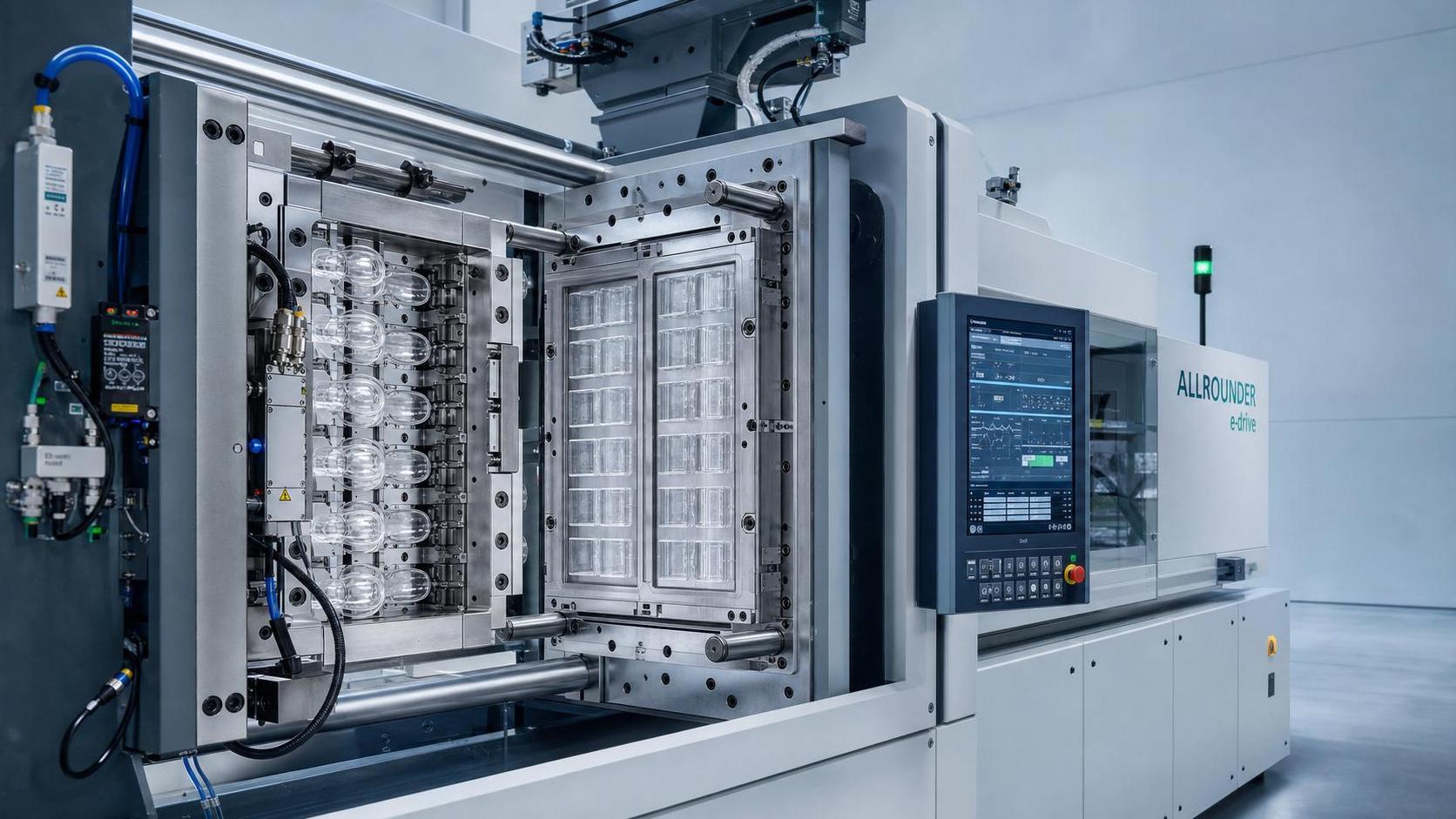
In injection molding, hydraulic power, barrel heating, mold temperature control, cooling, and auxiliary equipment all affect kWh per kilogram. Older hydraulic machines can consume considerable energy while holding pressure or maintaining a ready state. Servo-hydraulic systems reduce this loss by supplying flow and pressure in line with demand, while all-electric machines can offer further control benefits in suitable applications. The best fit depends on clamp force, shot size, mold design, part tolerances, production schedule, and the need for high-speed dynamic response.
Machine replacement is not always the first answer. A plant should first establish whether barrel zones are overheating, whether heaters and thermocouples are functioning correctly, whether hydraulic oil cooling is masking internal losses, and whether the mold cooling circuit is delivering uniform heat removal. An unnecessarily long cooling phase can increase both cycle energy and unit cost. But aggressively shortening cooling to save energy can lead to warpage, sink marks, poor dimensional stability, or downstream rejection. The target is the shortest repeatable cycle that meets the defined part specification.
Holding pressure and recovery settings deserve the same discipline. Excessive pressure, prolonged hold time, or high back pressure may be inherited from an old troubleshooting adjustment rather than justified by the current mold and resin. Process optimization should be performed with quality limits visible, including part weight, dimensions, appearance, and mechanical requirements. Lower energy use is only a gain when those limits remain intact.
Extrusion: throughput and melt quality must move together
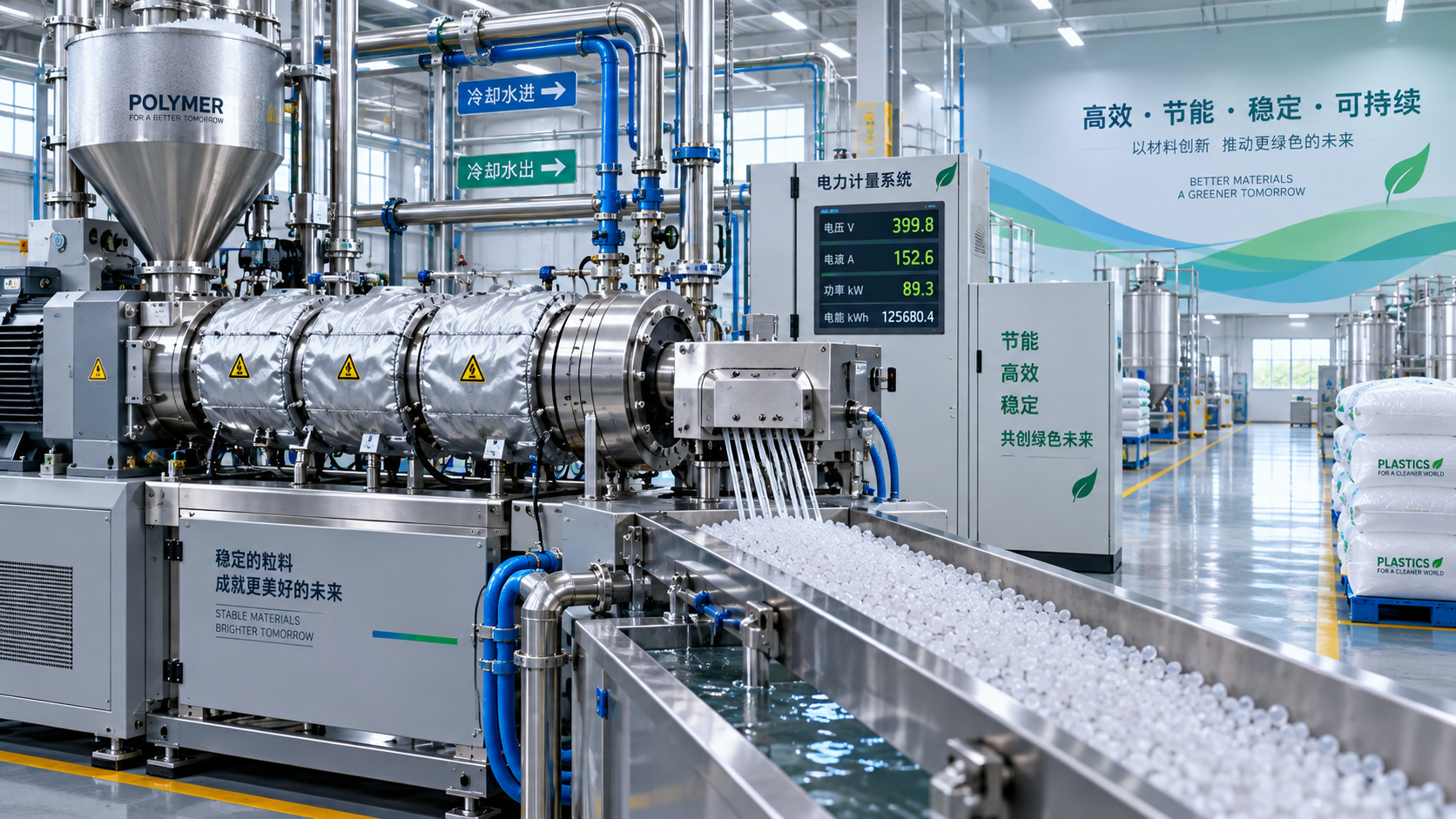
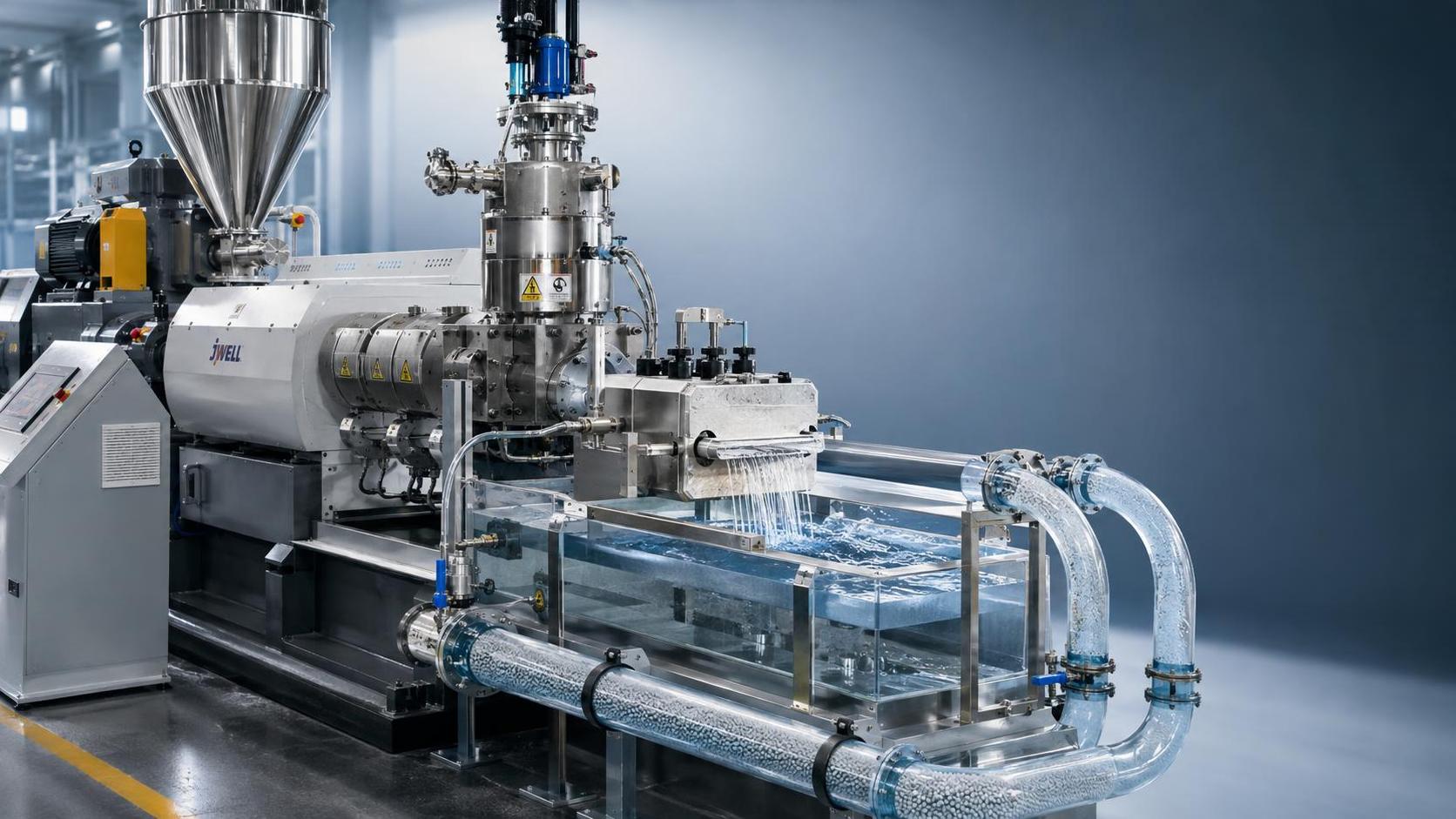
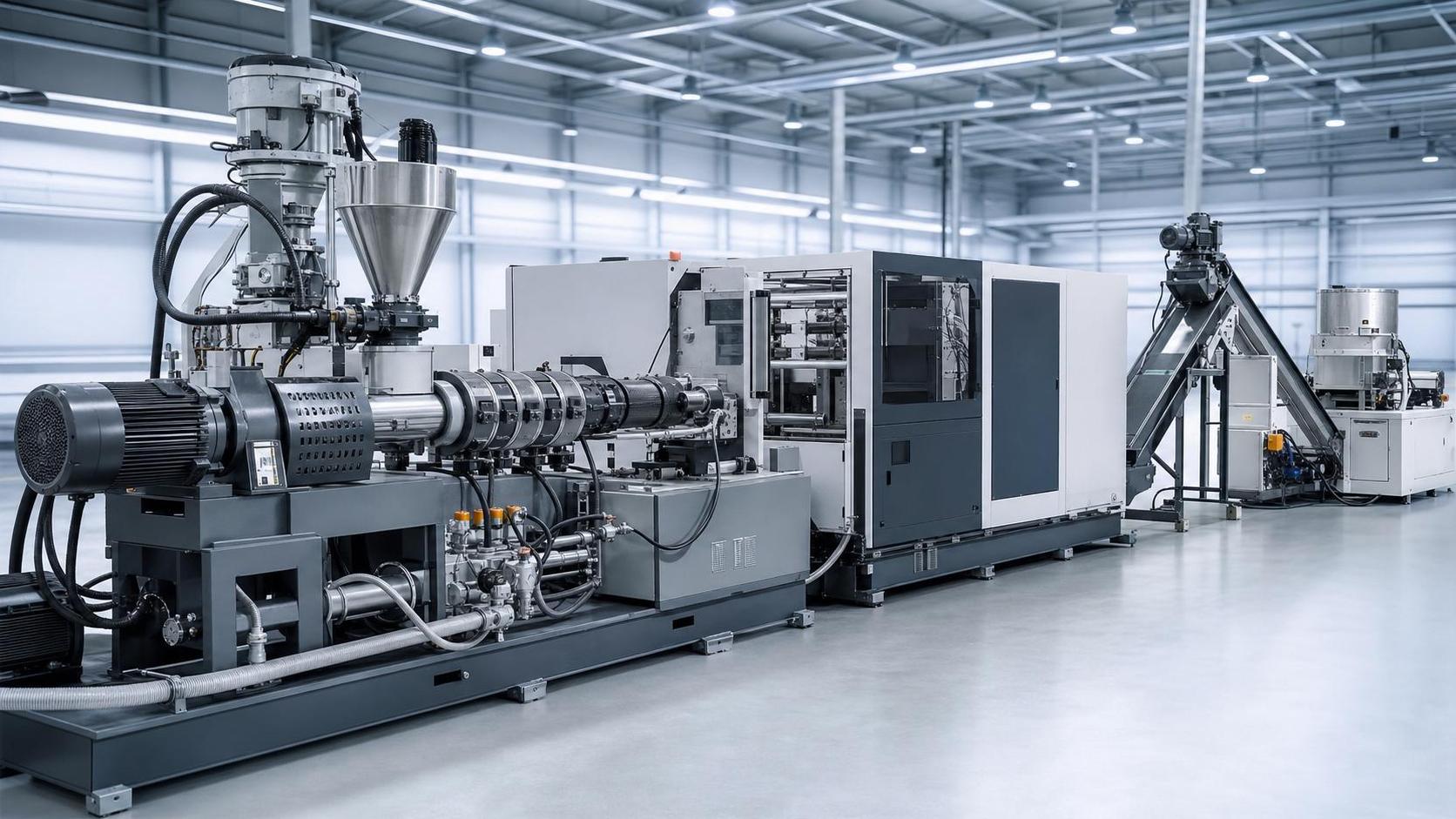
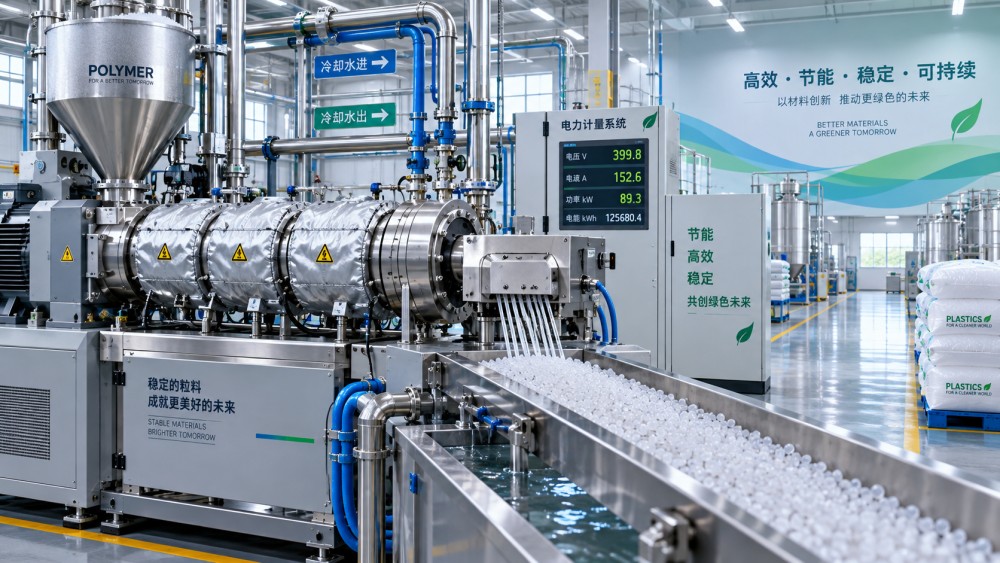
Extrusion energy performance is often determined by the relationship between screw design, resin condition, barrel temperature profile, die pressure, and output rate. Raising barrel temperatures can make a line easier to run in the short term, yet it may increase thermal load, degrade sensitive polymers, and leave the line operating below its efficient throughput range. Excessive melt temperature also raises cooling demand downstream.
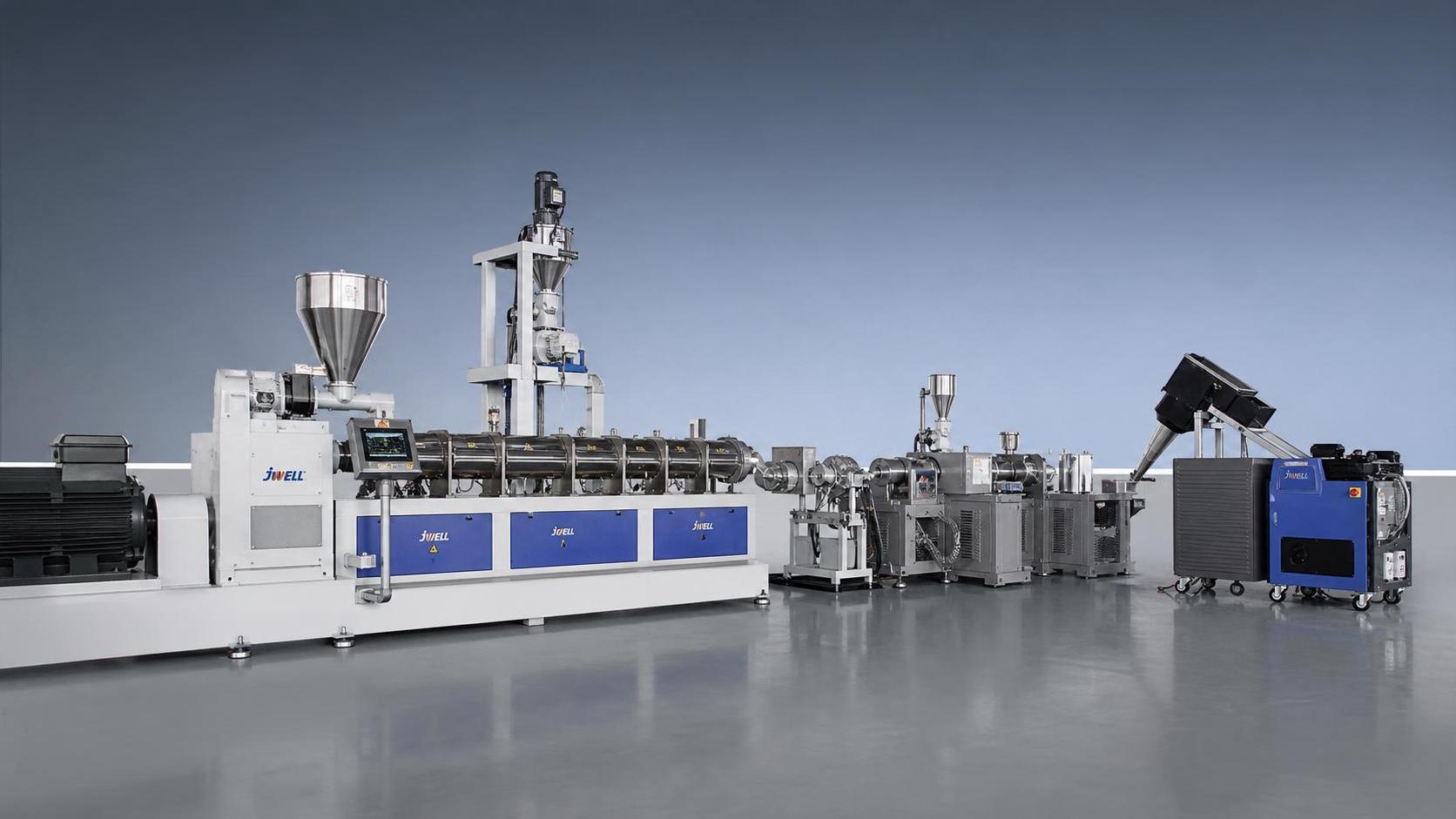
A well-matched screw and barrel system uses mechanical energy and controlled heating in balance. Wear, poor screw geometry for the formulation, inconsistent feed, blocked cooling passages, and a restrictive die can all force the operator to compensate with additional heat or reduced output. On twin-screw compounding lines, the arrangement of conveying and kneading elements has direct consequences for shear history, mixing quality, melt temperature, and motor load. The lowest specific energy figure is not automatically desirable if dispersion, additive distribution, or devolatilization deteriorates.
Before committing to a major extrusion retrofit, compare actual operating points with the line’s intended process window. Review motor load stability, melt pressure variation, melt temperature, feeder accuracy, screen-pack change intervals, die condition, and cooling capacity. Where output is constrained by a specific bottleneck, replacing a drive or increasing installed power may simply transfer the bottleneck to cooling, filtration, pelletizing, or downstream handling.
Blow molding and thermoforming: look beyond the primary machine
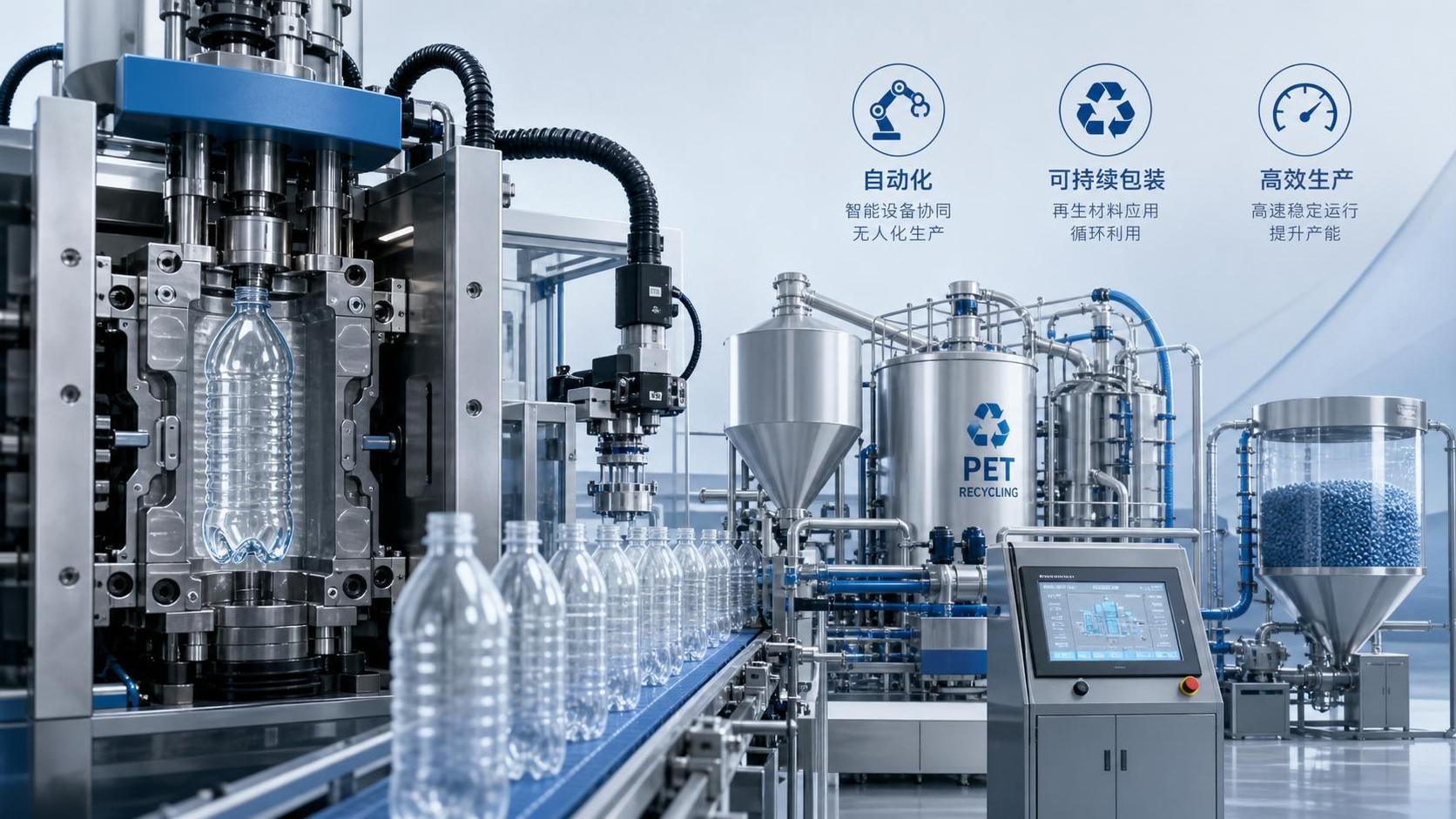
High-speed packaging operations can consume large amounts of energy outside the forming station. Compressed air, process cooling, preform or sheet conditioning, leak testing, and conveyor systems may collectively determine the line’s energy intensity. In stretch blow molding, air pressure should be measured at the point of use, not assumed from compressor discharge conditions. Leaks, excessive pressure settings, poorly maintained valves, and long distribution runs can create a large energy burden without improving bottle quality.
Heat recovery and thermal management can be relevant in high-volume operations, but only after the plant has stabilized the basics: correct setpoints, insulation where hot surfaces are exposed, functioning cooling circuits, and dependable control of oven or heater zones. A process that alternates between overheating and aggressive cooling is paying for two opposing actions.
Vulcanization: control the thermal mass, not just the cure time
Rubber processing presents a different profile because curing requires sustained heat and pressure. Presses, molds, platens, steam or thermal-oil circuits, and warm-up periods can dominate the energy balance. Reducing cure time without validating cross-linking performance can create a serious quality and liability problem, especially for sealing, automotive, or safety-related components.
The more defensible opportunities are heat-loss reduction, platen temperature uniformity, insulation, control of idle press temperatures, leak-free utility circuits, and scheduling that avoids repeatedly heating and cooling large thermal masses. Better temperature uniformity can also reduce the need to hold a process at a conservative setting designed to compensate for cold zones. The commercial benefit comes from fewer marginal cycles and less time spent keeping equipment hot without producing parts.
Recycling Lines Need a Broader Energy Boundary
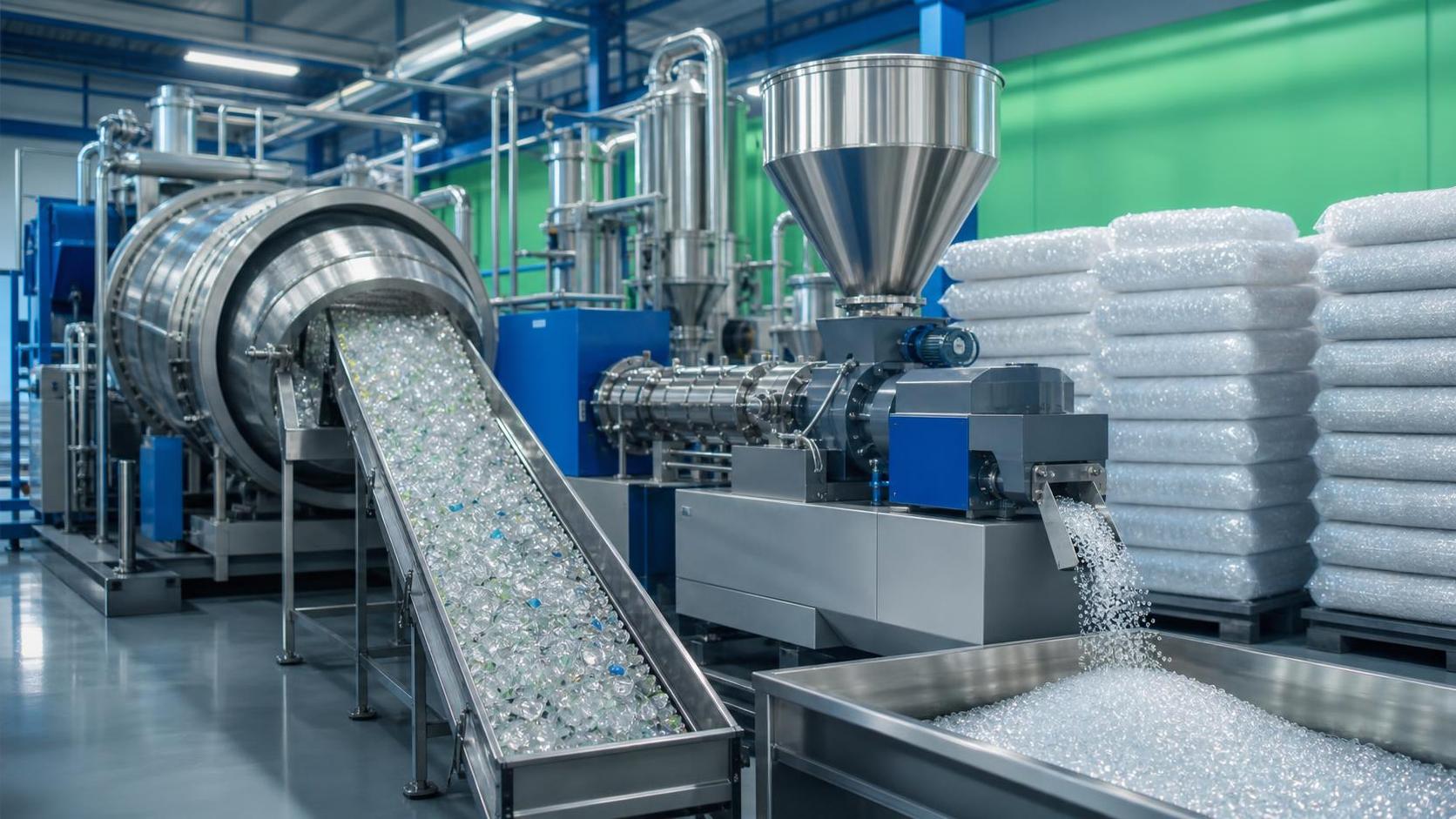
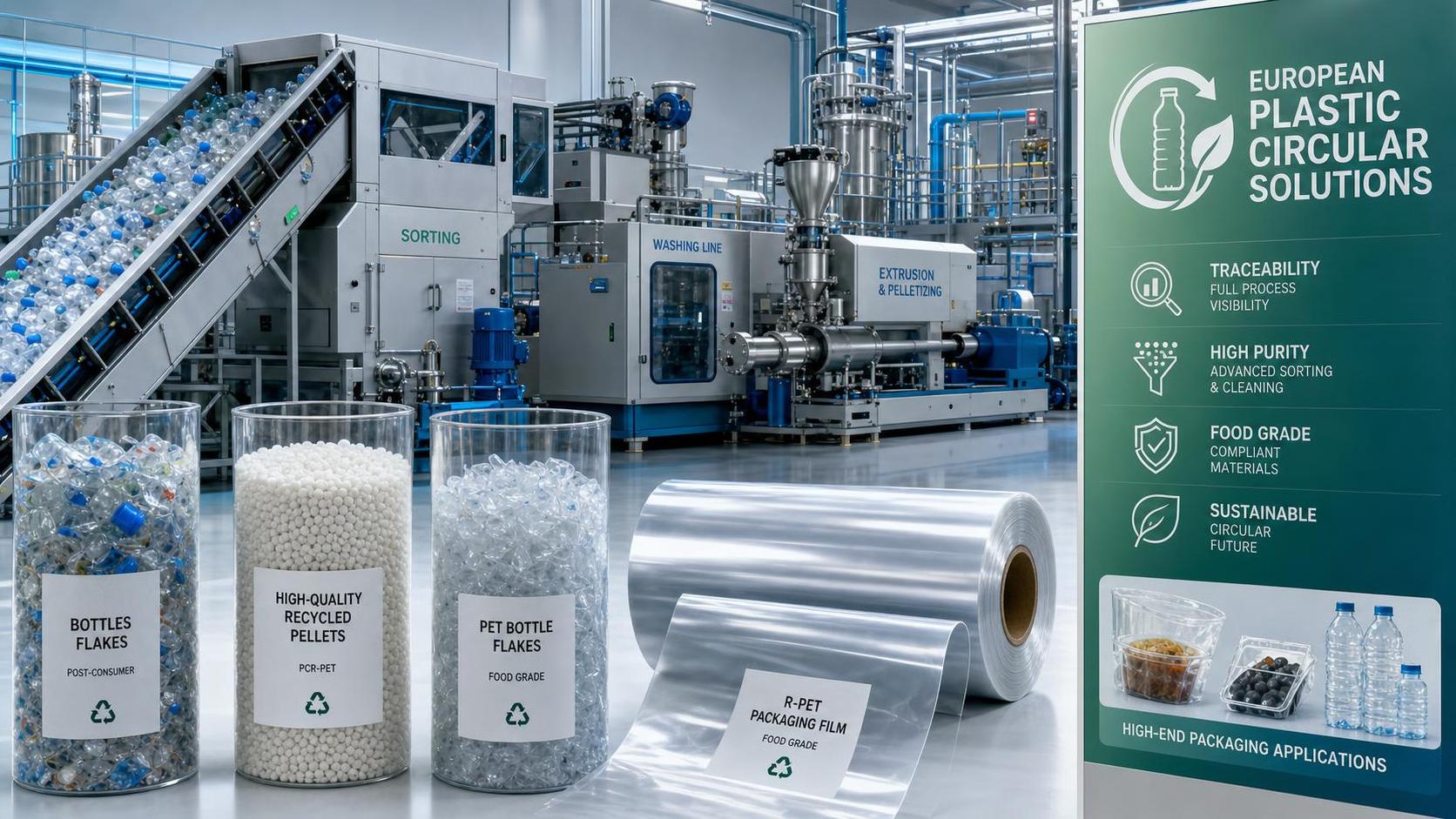
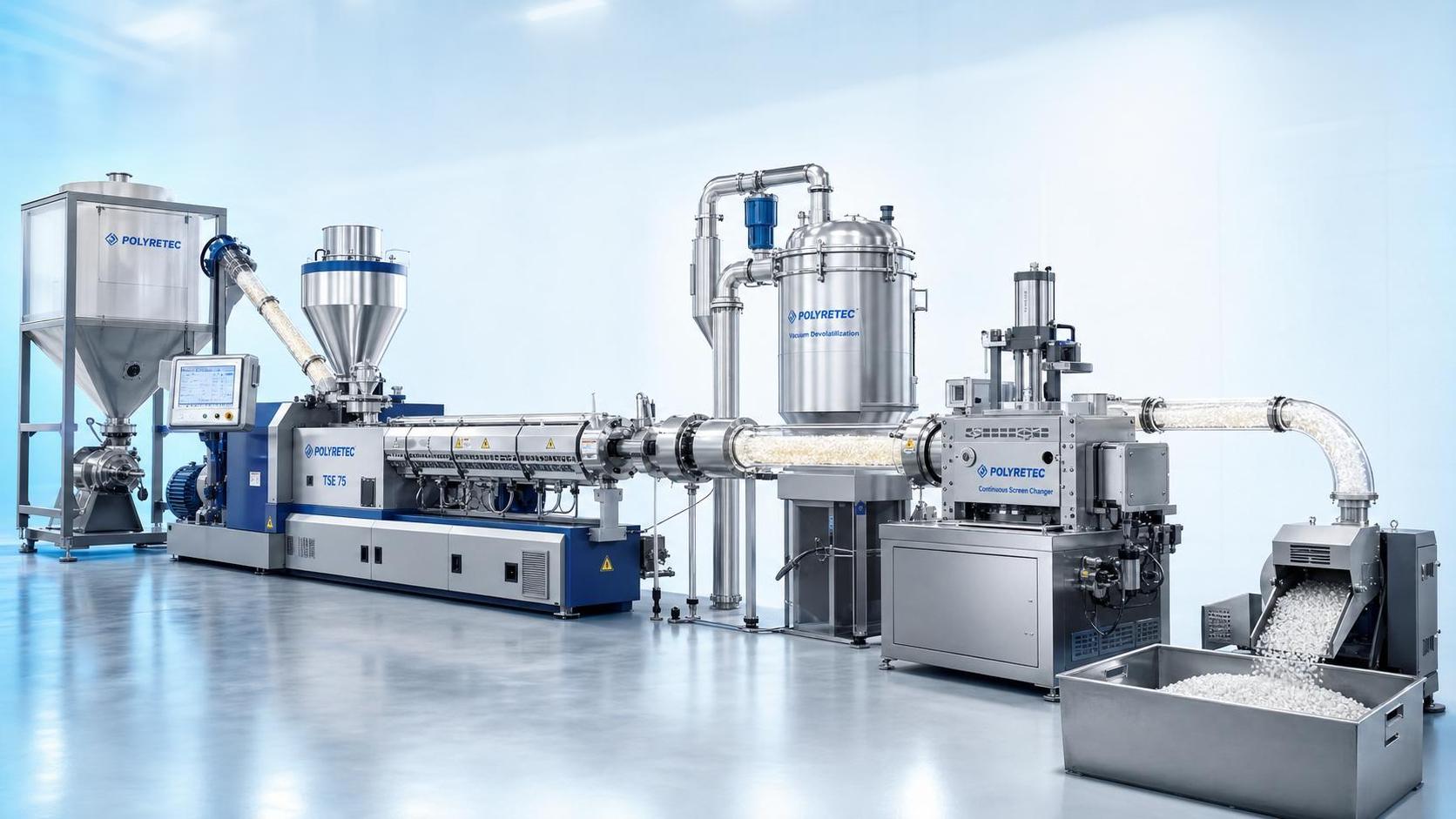
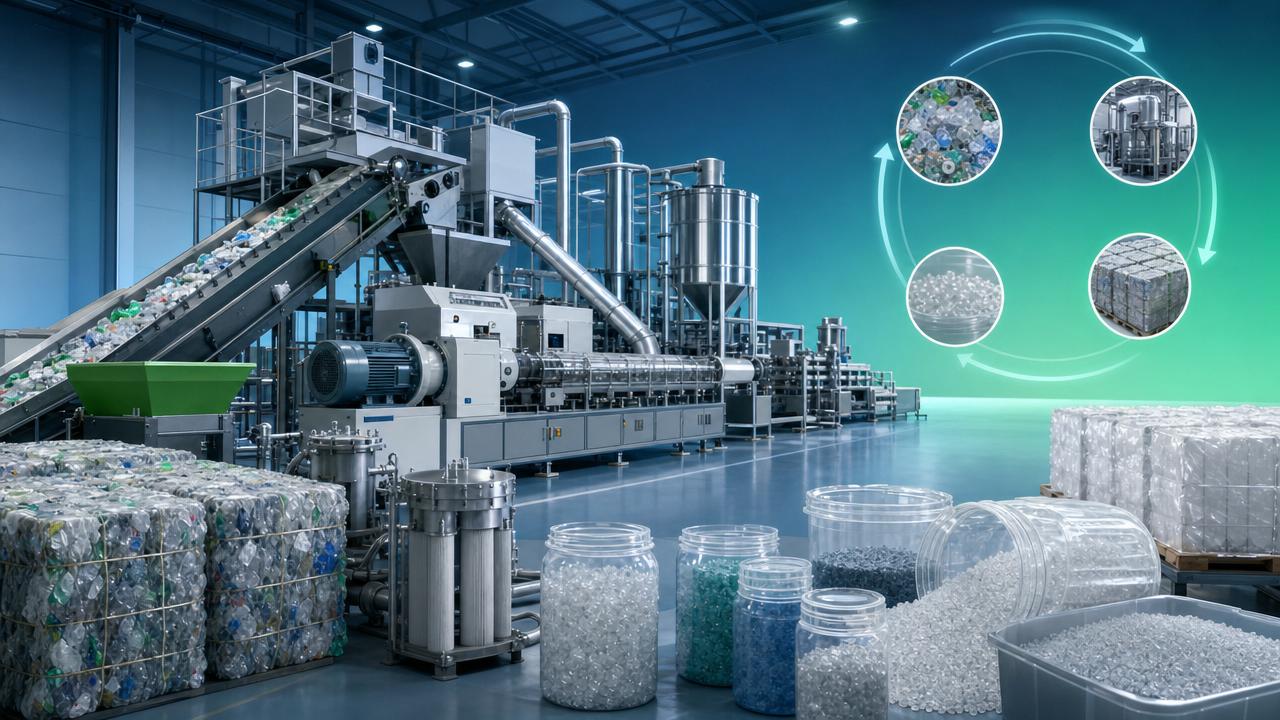
Recycling operations are frequently judged by the energy used in extrusion or pelletizing alone. That can hide the largest improvement opportunities. Sorting, size reduction, washing, drying, conveying, water treatment, melt filtration, devolatilization, and pellet cooling all contribute to the energy per kilogram of usable recyclate. Moisture control is especially important: poorly dried feedstock can increase degassing demand, destabilize extrusion, reduce pellet quality, and force operators to compensate with more heat, slower throughput, or additional filtering.
A recycling line also needs a clear quality denominator. The meaningful measure is not simply energy per kilogram of incoming waste; it is energy per kilogram of material that meets the intended specification after contaminants, rejects, fines, and losses are accounted for. A line accepting more difficult feedstock may show a higher energy figure while producing a more valuable recovered resin. Management decisions should account for both material yield and final application value.
For in-house recycling, the decision is tightly linked to the stability of the internal scrap stream. Clean, well-segregated edge trim or production scrap can often justify a comparatively simple reclaim process. Mixed, printed, contaminated, or moisture-sensitive material requires more treatment and stronger quality controls. Treating both streams as equivalent is a common source of poor return calculations.
Do Not Approve a Retrofit on kW Claims Alone
Supplier specifications are useful, but they describe equipment capability under stated conditions. Plant economics depend on the production reality around that equipment. Before approving a drive conversion, heater upgrade, new screw, chiller, compressor project, or full machine replacement, decision-makers should require an operating-case model built from their own products and schedules.
- Production basis: expected annual operating hours, product mix, planned output, changeover frequency, and realistic uptime rather than theoretical capacity.
- Energy boundary: direct machine electricity plus the relevant compressed air, cooling, heating, drying, conveying, and water systems.
- Quality basis: acceptable scrap level, dimensional and visual requirements, material-property limits, and any recycled-content or traceability requirements.
- Baseline condition: a defined period of stable operation, with maintenance defects and obvious utility leaks identified separately from normal process consumption.
- Verification method: metering points, production records, comparison products, and a period long enough to include ordinary operating variation.
- Implementation risk: installation downtime, tooling or control-system compatibility, operator training, spare parts, and the impact on downstream equipment.
This framework also prevents an attractive energy figure from hiding a throughput trade-off. A retrofit that lowers instantaneous power but reduces kilograms per hour may worsen kWh per kilogram. The reverse can also happen: a machine may draw more power at a higher stable output, yet improve specific energy because fixed losses are spread across more saleable production.
Payback calculations should therefore include avoided scrap, lower maintenance exposure, reduced utility demand, and potential output recovery only where these benefits can be linked to a credible operating change. They should not assume that every new control system will automatically improve production discipline. Digital monitoring is an enabler; the savings come from decisions made with its data.
Use Data to Find Drift Before It Becomes Waste
Energy monitoring has the greatest operational value when it is paired with process and quality data. A rising specific-energy trend can indicate a developing restriction, heater fault, cooling issue, screw wear, material moisture problem, hydraulic loss, or gradual change in operator settings. It is rarely enough to observe a monthly increase and assign it to “production conditions.” The investigation should connect energy to throughput, pressure, temperature, cycle time, reject rate, and material lot where those variables are relevant.
For many plants, submetering the largest machines and utility systems is a better first step than implementing a plant-wide analytics platform. The aim is to identify decisions that can be made repeatedly: which lines should be shut down rather than idled, where compressed-air losses are occurring, when a barrel or mold zone is drifting, and whether a process change has preserved its expected benefit after several weeks of routine operation.
Control systems can support recipe management, alarm limits, and automated setpoint discipline, but operators still need permission to challenge inherited settings. A high setpoint, extended cure, or conservative pressure profile may once have solved a production problem. It may also have remained in place long after the root cause was corrected.
Sequence the Work Before Replacing Capital Equipment
The most practical energy program usually progresses from visibility and maintenance to process tuning, targeted retrofit, and then equipment replacement. Metering and stable production records establish where the energy is going. Maintenance addresses leaks, failed insulation, inaccurate sensors, worn components, blocked cooling paths, and avoidable idle demand. Process work then tests whether temperatures, pressures, speeds, and cycle phases are aligned with the material and product requirements.
Only after those steps should a plant judge the residual gap that capital equipment must close. This sequence makes procurement more precise. Instead of buying “an efficient machine,” the plant can specify the required production range, utility conditions, material portfolio, control requirements, permitted quality variation, and the energy measure against which performance will be assessed.
There are cases where replacement should move ahead quickly: equipment may have poor reliability, unsuitable control capability, an obsolete drive system, inadequate guarding, or an energy profile that cannot be corrected economically. Even then, the purchasing decision improves when the plant knows whether the expected gain comes from reduced idle power, faster cycles, better thermal control, higher throughput, lower scrap, or several of these effects together.
Reducing kWh per kilogram is not a single technology purchase. It is a production-management discipline applied to heat, motion, materials, and time. Plants that treat it that way can prioritize investments by operational evidence, protect product quality, and avoid paying for energy that never becomes saleable polymer.
Related News
- 00
0000-00
Energy-Efficient Polymer Processing: Where Plants Can Cut kWh per Kilogram - 00
0000-00
German Extrusion Equipment Suppliers: Comparing Service, Lead Times, and Lifecycle Cost - 00
0000-00
What Causes Black Specks in Recycled Plastic Pellets? - 00
0000-00
How to Compare Pelletizing Lines by Energy Use per Ton - 00
0000-00
How Curing Press Control Shapes Uniformity and Tread Life in Truck Tire Manufacturing
Weekly Insights
Stay ahead with our curated technology reports delivered every Monday.
Related News
 Prof. Marcus ChenEnergy-Efficient Polymer Processing: Where Plants Can Cut kWh per KilogramEnergy-efficient polymer processing solutions help plants reduce kWh per kilogram, protect quality, cut scrap, and prioritize upgrades with data-driven insights.Sep 23, 2026
 Prof. Marcus ChenPlastic Pelletizing Trends: How Recycling Demand Is Reshaping Processing TechnologyPlastic pelletizing trends are redefining recycling quality. Explore filtration, extrusion, degassing, and automation innovations driving cleaner, more consistent recycled resin.Sep 07, 2026
 Prof. Marcus ChenHow Polymer Supply Chains Are Changing to Support High-Quality Recycling FeedstockPolymer supply chain for recycling is shifting toward traceable sourcing, cleaner sorting, and stable processing. See how high-quality feedstock improves performance, compliance, and cost control.Aug 22, 2026
 Prof. Marcus ChenHow Europe’s Circular Plastics Economy Is Reshaping Recycling InvestmentCircular plastics economy Europe is reshaping recycling investment through quality, traceability, and packaging demand. Explore where capital is moving and why it matters now.Aug 04, 2026
 Prof. Marcus ChenBlow Molding Trends Shaping Packaging, Sustainability, and Production EfficiencyBlow molding trends are redefining packaging with lightweighting, recycled content, automation, and energy efficiency. Discover how smarter production boosts sustainability and cuts costs.Jul 23, 2026
 Prof. Marcus ChenExtrusion Equipment Modular Design: When It Makes Sense for Line ExpansionExtrusion equipment modular design helps manufacturers expand lines in phases, cut disruption, and stay ready for recycled content, utility limits, and changing product demands.Jul 15, 2026
 Prof. Marcus ChenPolymer Lifecycle Solutions Explained: From Material Sourcing to End-of-Life RecoveryPolymer lifecycle solutions explained from sourcing and processing to recycling and recovery. Discover how to cut waste, improve quality, and build smarter material strategies.Jul 13, 2026
 Prof. Marcus ChenEnergy-Efficient Polymer Processing Systems: Which Metrics Matter Most?Energy-efficient polymer processing systems: discover the metrics that truly drive ROI—specific energy use, yield, uptime, stability, and compliance for smarter equipment decisions.Jul 11, 2026
 Prof. Marcus ChenPolymer Recycling Systems for Continuous Operation: What to Check Before SpecifyingPolymer recycling systems continuous operation starts with the right specification. Learn what to check for uptime, melt quality, energy efficiency, and reliable pellet output.Jul 09, 2026
 Prof. Marcus ChenCircular Plastics Economy in Japan: Policy Drivers, Recycling Targets, and Market ImpactCircular plastics economy Japan is accelerating as policy, recycling targets, and packaging reforms reshape material choices, processing strategy, and market advantage.Jul 05, 2026
 Prof. Marcus ChenPlastic Extrusion Technology Trends: What Process Changes Are Improving Energy Efficiency?Plastic extrusion technology trends are reshaping energy efficiency through smarter screws, thermal control, servo drives, and digital optimization. See which process changes deliver lower costs and more stable output.Jul 01, 2026
 Prof. Marcus ChenInjection Molding Technology Trends: Which Process Changes Matter Most for Medical and Packaging Parts?Injection molding technology trends shaping medical and packaging parts: discover the process changes that improve validation, precision, efficiency, and recycled-material readiness.Jun 30, 2026
 Prof. Marcus ChenCircular Plastics Economy Compliance Explained: Key Requirements for ManufacturersCircular plastics economy compliance explained for manufacturers: learn key requirements, audit risks, process controls, and how to turn compliance into a competitive advantage.Jun 25, 2026
 Prof. Marcus ChenAdvanced Materials Processing Trends: 5 Shifts Reshaping Capacity Planning and SourcingAdvanced materials processing trends are reshaping capacity planning, sourcing, recycling, and compliance. Explore 5 shifts helping manufacturers cut risk, improve precision, and build resilient growth.Jun 24, 2026
 Prof. Marcus ChenGlobal Plastic Ban Trends: Which Packaging Materials and Export Markets Face the Biggest Changes?Global plastic ban trends are reshaping packaging choices and export strategy. See which materials and markets face the biggest shifts, and how to reduce compliance risk.Jun 22, 2026
 Prof. Marcus ChenPolymer Rheology Trends That Matter in Extrusion: Melt Strength, Shear, and StabilityPolymer rheology trends are reshaping extrusion performance. Learn how melt strength, shear, and stability affect quality, efficiency, and recycled resin processing.Jun 18, 2026
 Prof. Marcus ChenPlastic Circularity Strategies for Manufacturers: Recycled Content, Design, and TraceabilityPlastic circularity strategies for manufacturers: learn how recycled content, smarter design, and traceability can reduce risk, improve compliance, and strengthen supply resilience.Jun 18, 2026
 Prof. Marcus ChenAdvanced Materials Processing Equipment in High-Performance Manufacturing: Where It Fits BestAdvanced materials processing equipment drives precision, speed, and sustainability in manufacturing. Explore where each system fits best to improve quality, efficiency, and ROI.Jun 16, 2026
 Prof. Marcus ChenWhat Is Driving the Circular Economy Plastics Market? Policy, Pricing, and Demand ShiftsCircular economy plastics market trends are being driven by tighter policy, resin price volatility, and stricter buyer demands. Discover what this means for sourcing, processing, and growth.Jun 13, 2026
 Prof. Marcus ChenDigital Polymer Processing Explained: Methods, Materials, and Best-Fit ApplicationsDigital polymer processing explained clearly: explore key methods, materials, and best-fit applications to improve quality, efficiency, and recycling performance.Jun 10, 2026