How Europe’s Circular Plastics Economy Is Reshaping Recycling Investment




How Europe’s Circular Plastics Economy Is Reshaping Recycling Investment
Europe’s circular plastics economy is no longer a sustainability narrative sitting beside industrial strategy. It is becoming a capital allocation framework. The practical shift is visible in where money is moving: away from generic recycling capacity and toward systems that can deliver traceable feedstock quality, regulatory fit, and stable offtake into packaging, automotive, construction, and consumer goods. For investors, converters, and equipment suppliers, the question is no longer whether recycling demand will grow, but which parts of the recycling chain can still earn margins once compliance, energy, contamination, and certification costs are fully counted.
That change has been accelerated by a policy environment that is unusually direct. The EU Single-Use Plastics framework, tightening packaging rules, the revision path under the Packaging and Packaging Waste Regulation, and the broader direction of the European Green Deal have all pushed the market toward higher recycled content, better collection performance, and stronger design-for-recycling expectations. Even when specific implementation timelines shift, the investment signal remains consistent: low-grade output with uncertain application pathways is becoming harder to finance, while equipment and process lines linked to food-contact, bottle-to-bottle, film recovery, and in-house circularity are attracting closer attention.
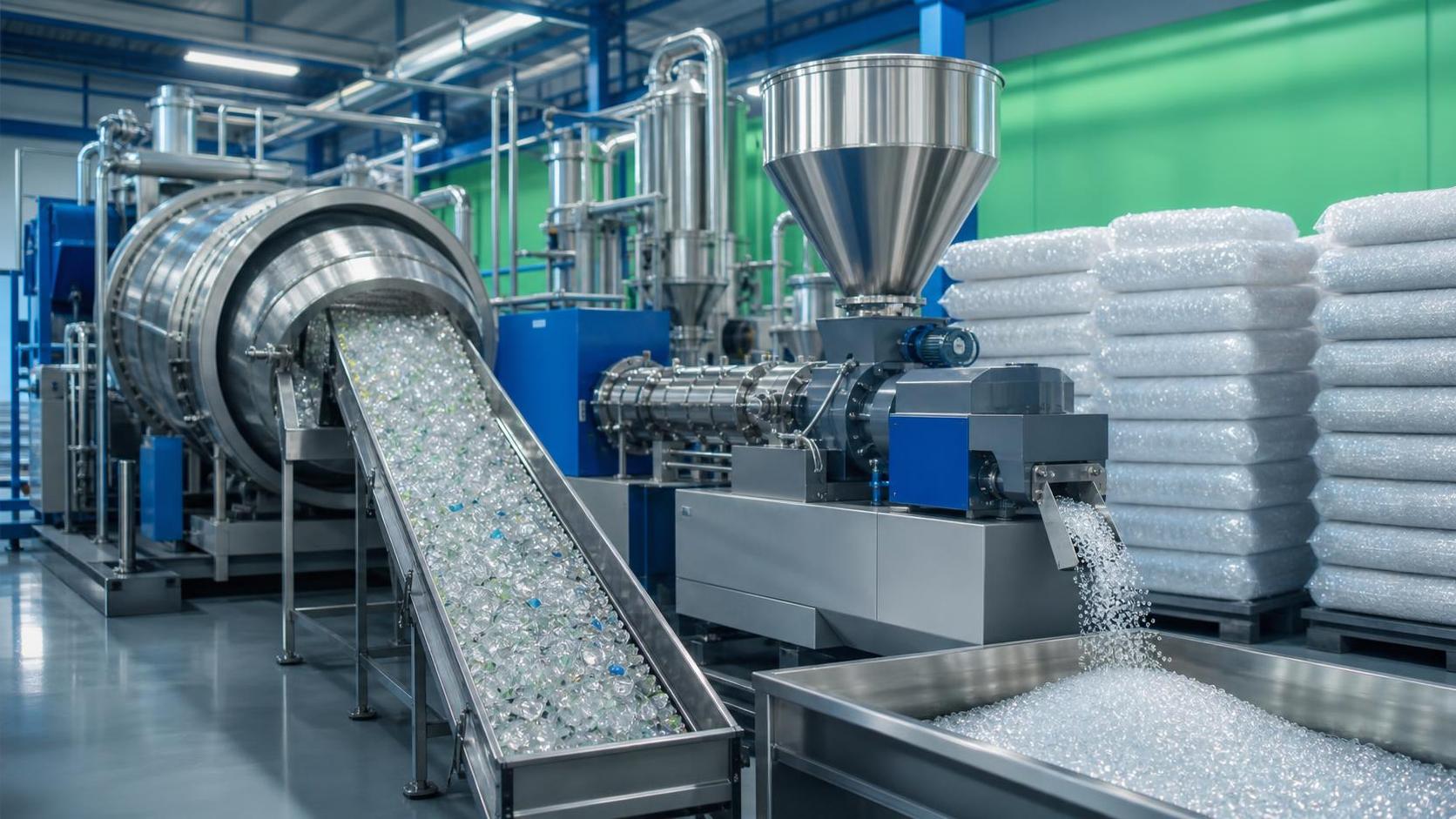
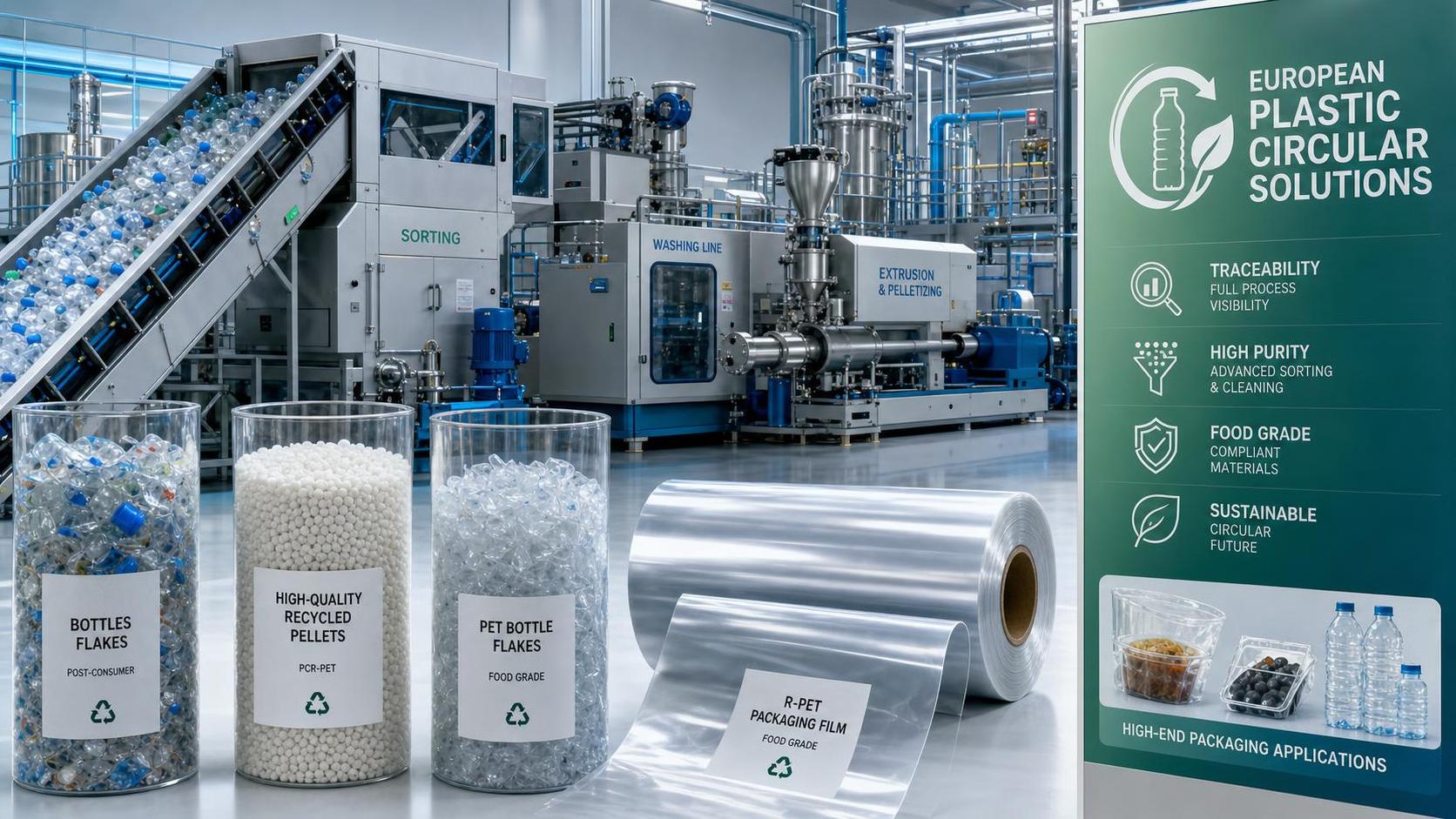
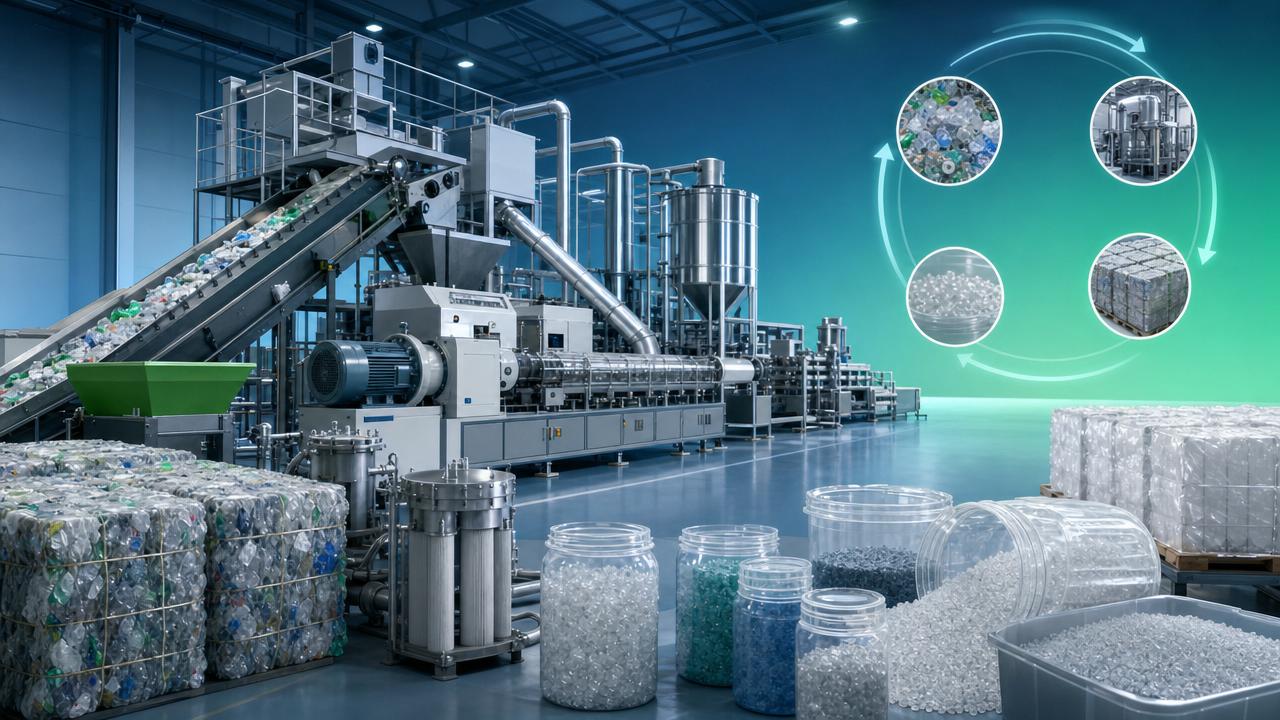
One of the clearest market changes is that “recycling investment” in Europe increasingly means process control investment. A decade ago, adding wash lines or pelletizing capacity could be sold on volume. Today, that is not enough. Buyers of recycled polymers want lower odor, tighter melt flow consistency, fewer black specks, cleaner color profiles, and documentation that can survive procurement scrutiny. That has lifted the value of melt filtration, degassing, sorting automation, contamination detection, and digital quality assurance. In practical terms, more projects are being evaluated as integrated material upgrading systems rather than as stand-alone waste handling assets.
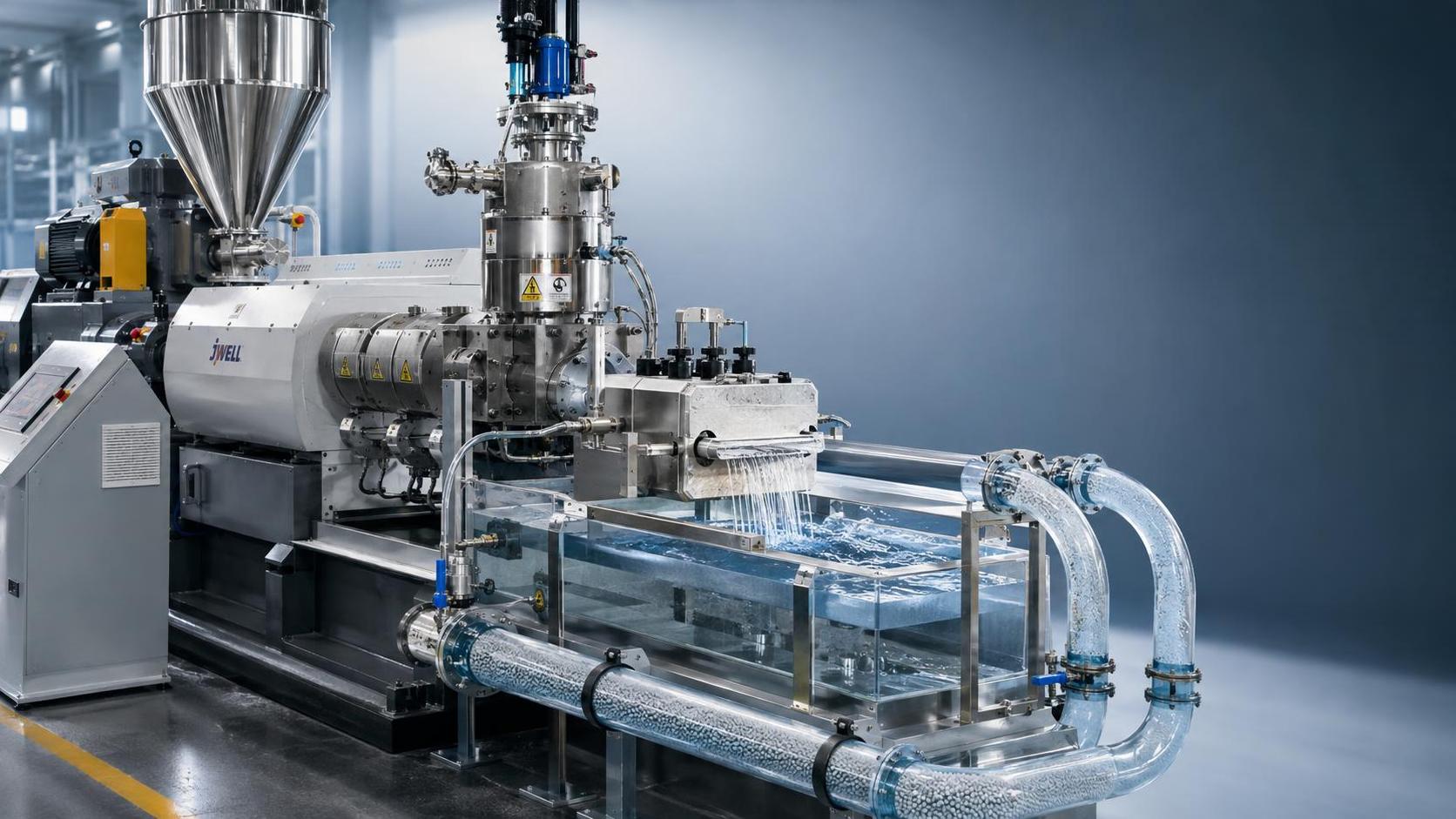
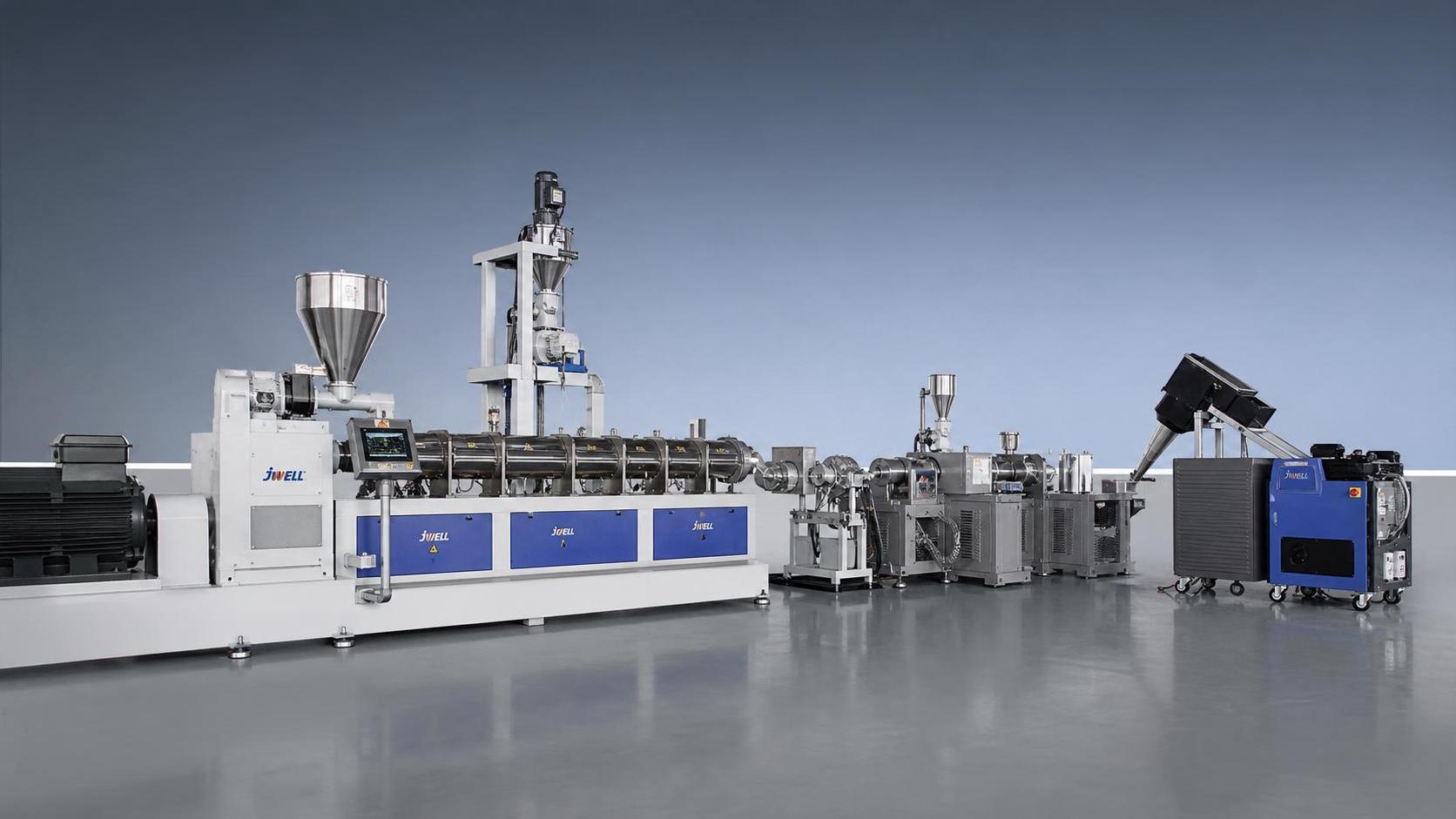
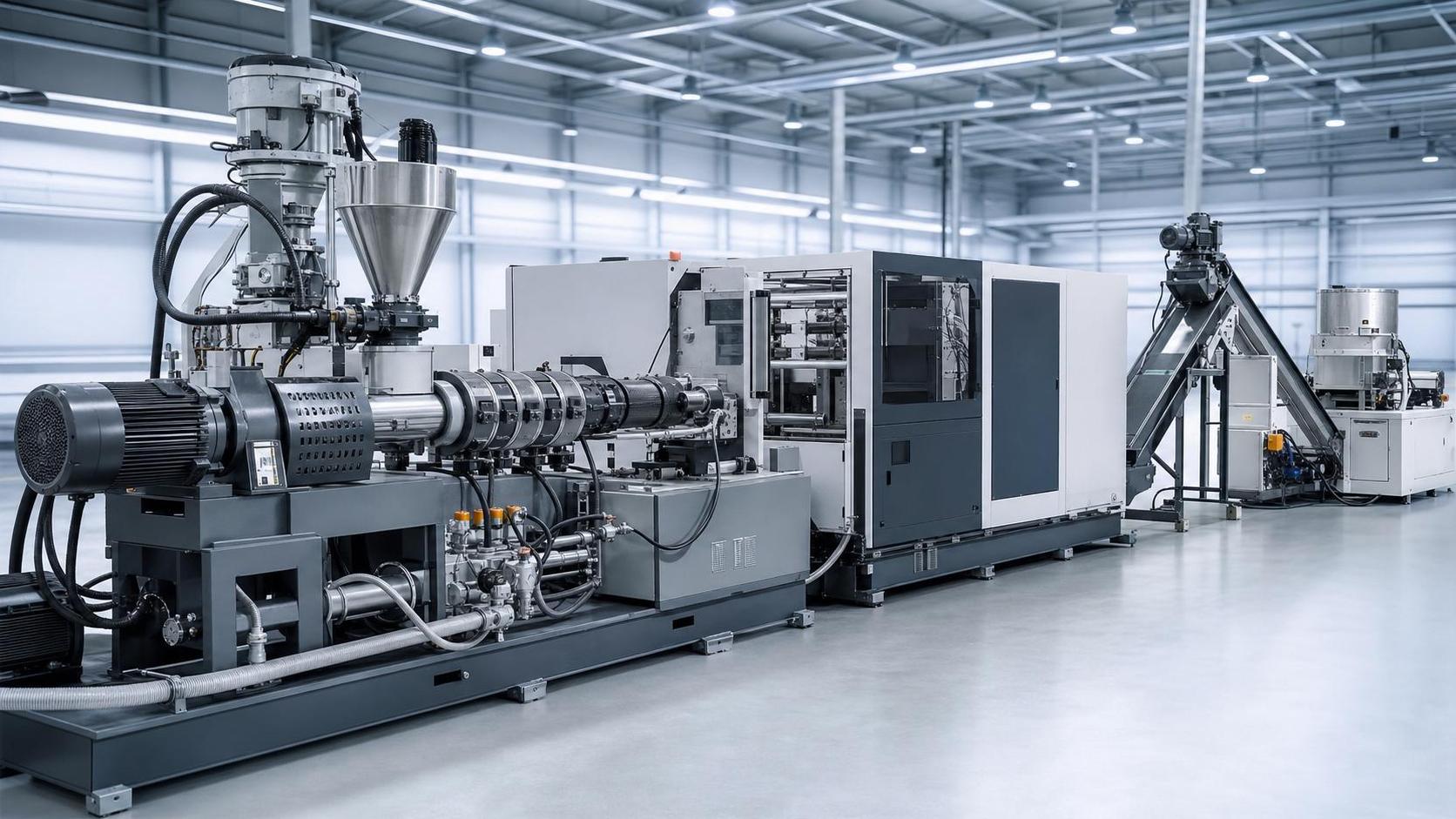
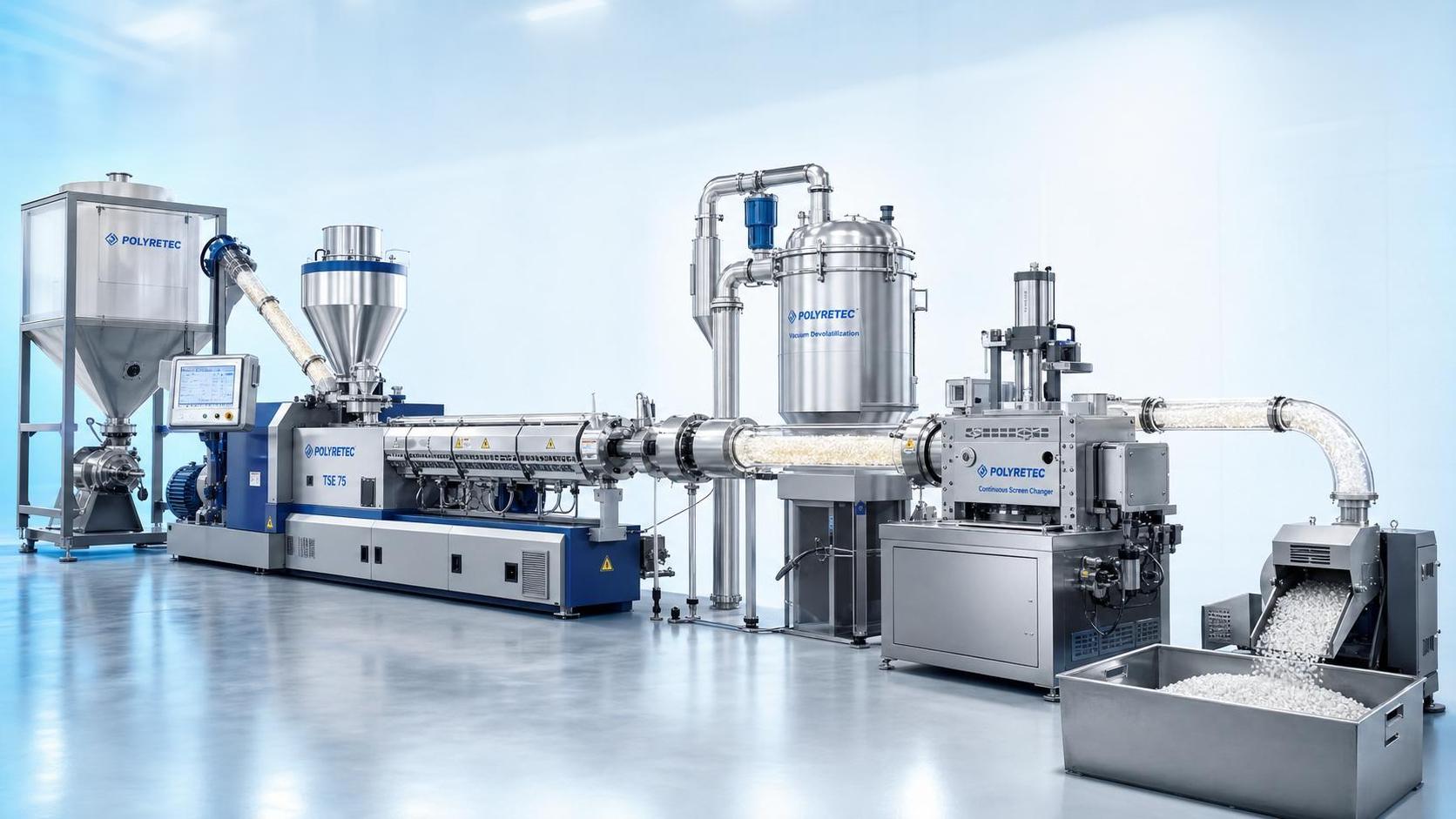
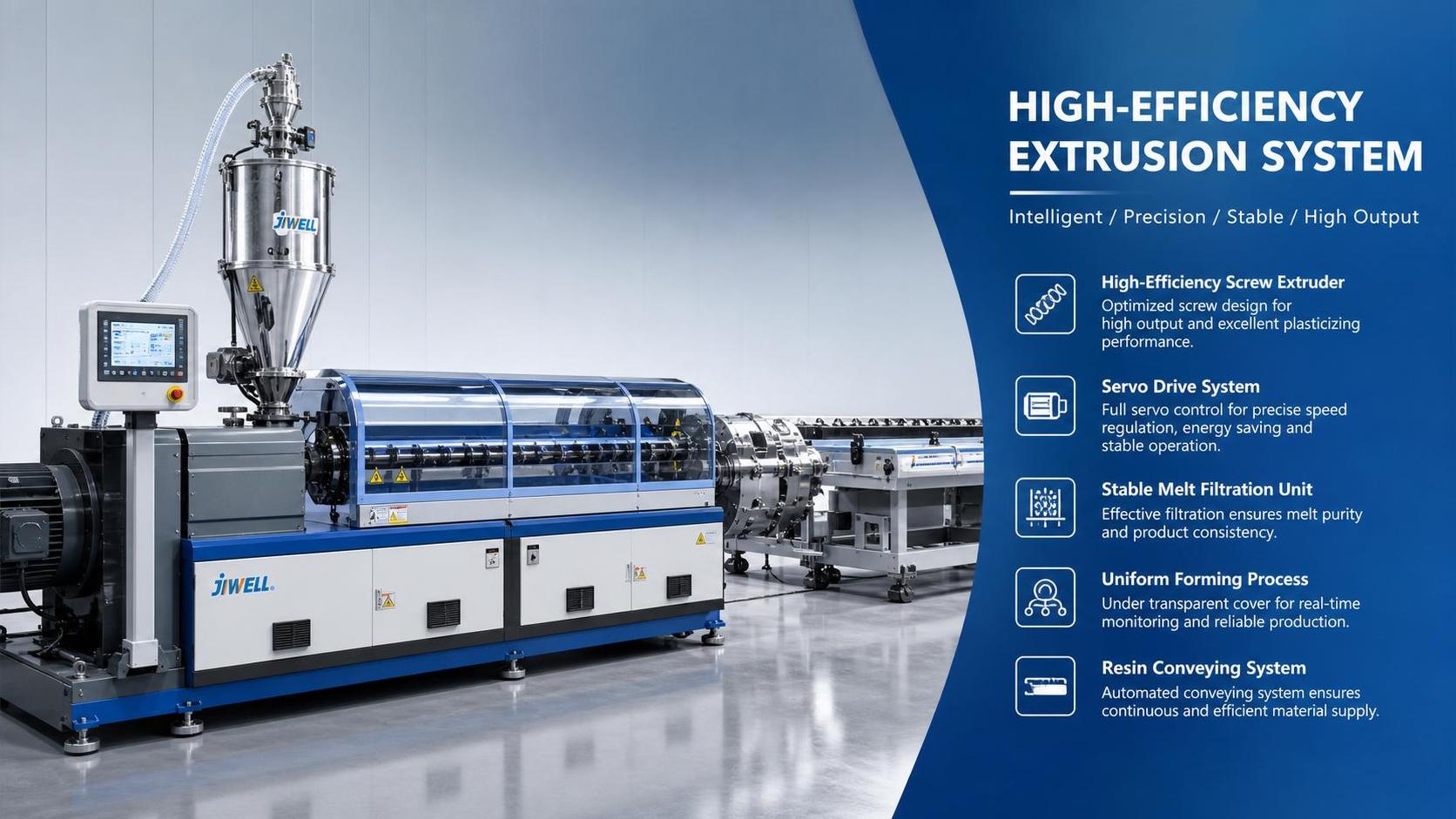
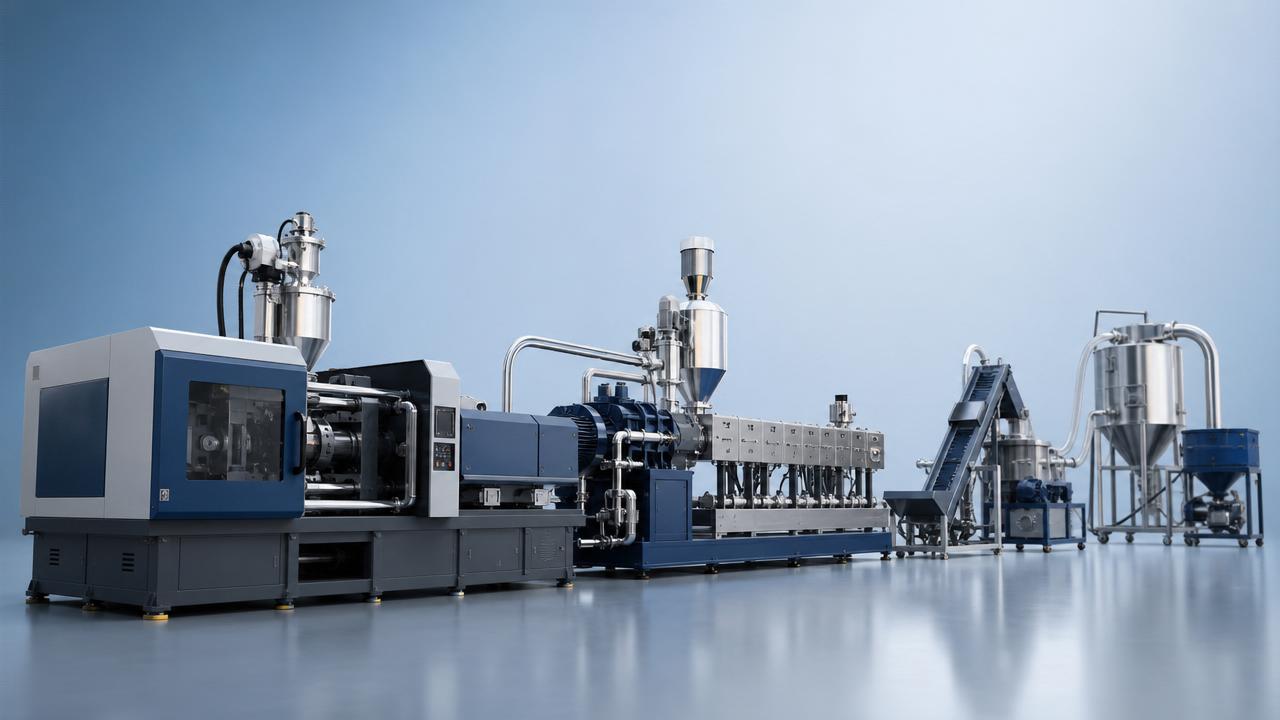
This is where the equipment side of the industry has become strategically relevant again. High-efficiency extrusion platforms, advanced pelletizing systems, and intelligent controls are no longer secondary engineering choices. They influence whether recycled flakes and regrind can enter demanding applications at all. For operators processing polyolefins, PET, or complex post-consumer packaging streams, the quality gap between a commodity pellet and a specification-ready recycled resin often comes down to screw design, venting stability, filtration fineness, washing performance, and how well the line handles moisture and volatile residues under real throughput conditions.
There is another reason capital is being redirected: Europe’s circular plastics economy is exposing the weakness of simple tonnage assumptions. Not all recycled output is equally valuable, and not all collection streams deserve the same investment intensity. Food-grade PET remains structurally different from mixed flexible packaging. HDPE bottle streams behave differently from multilayer films. Industrial scrap has a very different risk profile from household waste. Investors have become more selective because the market has become more selective. Access to material is important, but access to the right material, with the right contamination profile and end-market route, now determines bankability.
Why packaging is setting the tone
Packaging remains the strongest driver of this investment cycle because it combines regulation, volume, and brand pressure. Across Europe, packaging producers and FMCG groups are facing the same set of constraints: recycled content expectations are rising, design requirements are getting more specific, and virgin resin volatility has complicated long-term sourcing strategies. That combination is pushing more packaging companies to rethink not only procurement, but plant architecture.
A visible result is the growth of interest in in-house and near-site recycling loops. Converters that once sold edge trim, offcuts, or downgraded scrap into secondary markets are increasingly looking at densification, re-extrusion, repelletizing, and closed-loop reuse within their own production footprint. The logic is straightforward. Internal waste has known composition, better traceability, and fewer contamination surprises. In a market where external recycled feedstock quality can be inconsistent and audited content claims matter more, internal circularity becomes financially easier to justify.
That does not mean post-consumer recycling is losing importance. It means post-consumer projects are being judged more harshly. Investors want to know whether a line can move beyond basic recovery into application-specific output. Can the material serve blow molding? Can it run in demanding film structures? Can it support non-food rigid packaging with acceptable mechanical performance and appearance? The capital market is rewarding plants that answer those questions with process evidence, customer commitments, and a realistic understanding of contamination economics.
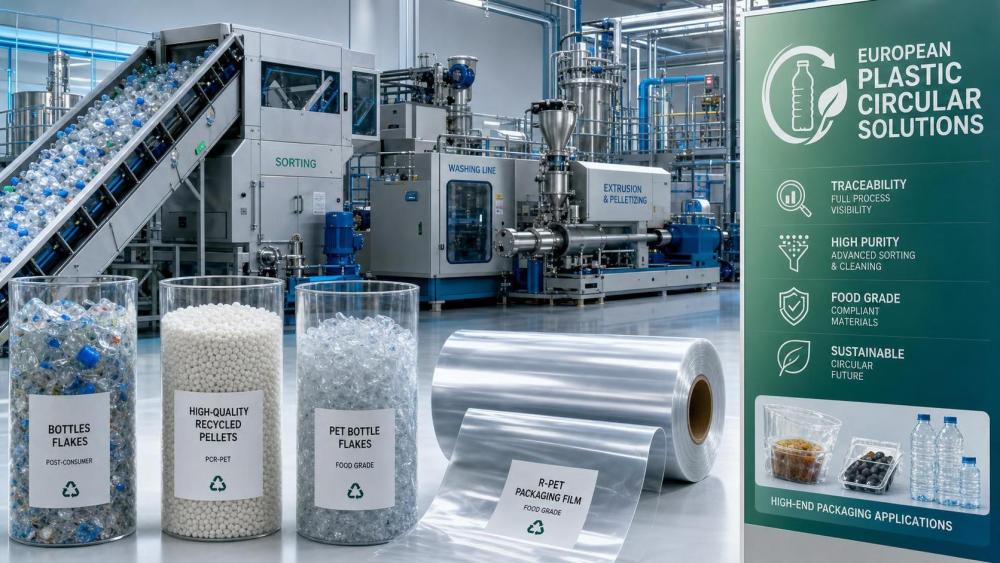
A useful signal to watch is procurement language. When buyers start specifying odor thresholds, food-contact pathway readiness, digital batch records, or compatibility with specific converting conditions, they are effectively changing what counts as investable recycling infrastructure. Capacity alone stops being the story.
Mechanical recycling is being upgraded, not replaced
There is still a tendency in market commentary to frame Europe’s recycling future as a choice between established mechanical recycling and newer chemical pathways. That framing is too simplistic for current investment behavior. What is happening in practice is a layered market. Mechanical recycling remains the immediate workhorse for many commercial streams because it is more mature, more energy legible, and closer to existing converting economics. But it is being pushed upward into higher-spec territory through better sorting, more stable extrusion, finer filtration, and smarter process analytics.
Chemical recycling, where it progresses, is influencing investment decisions indirectly as well. It raises the strategic value of feedstock segregation, creates competitive tension around difficult-to-recycle fractions, and reminds brand owners that not every circularity claim has the same cost base or infrastructure dependency. For decision-makers, the immediate implication is not to chase every new process route. It is to understand where mechanical recycling can still capture more value if supported by better upstream preparation and downstream application targeting.
This matters for machinery suppliers across extrusion, washing, pelletizing, blow molding support, and precision compounding. The winning proposition is increasingly tied to measurable stability: lower energy per kilogram processed, fewer line stoppages due to contamination, better melt homogeneity, easier grade switching, and stronger integration with laboratory and traceability systems. Europe’s circular plastics economy is rewarding equipment that makes recycled material more usable, not just more available.
The cost question has become more technical
Recycling economics in Europe are often described as a battle between virgin and recycled resin prices. That is part of the story, but it misses what operators are actually dealing with. Energy costs, labor availability, water treatment, logistics, contamination losses, maintenance intervals, and compliance documentation all shape the margin structure. In many cases, the difference between a profitable asset and a disappointing one is not the headline resin spread. It is the hidden cost of unstable input and poor process fit.
This is why investors are showing greater interest in projects with strong preprocessing, better sensor-based sorting, and process lines built for variability rather than ideal feedstock. A recycling plant that assumes stable incoming waste in Europe is making a risky assumption. Collection systems differ by country. Deposit return schemes improve some streams while leaving others exposed. Extended producer responsibility frameworks are evolving unevenly. Cross-border waste movement remains politically sensitive. A plant designed around narrow operating windows may still look efficient on paper and struggle in live market conditions.
For the same reason, modularity is becoming more valuable. Investors are more open to phased expansion when the first phase demonstrates material quality and offtake discipline. Large headline capacity numbers have lost some of their appeal unless they are paired with clear feedstock security and realistic customer qualification pathways.
What experienced operators are watching now
These are not abstract indicators. They change which equipment gets approved, how fast projects move, and what level of process sophistication is expected from suppliers. In Europe, the recycling conversation is becoming less about whether a technology can run and more about whether it can keep running profitably under tightening quality expectations.
The strategic opening for polymer processing specialists
For companies positioned across polymer forming and recycling systems, this moment is unusually consequential. The boundary between primary processing and recycling is getting thinner. Injection molders care more about the rheological behavior of recycled compounds. Extrusion operators are under pressure to blend cost, consistency, and compliance. Blow molding lines depend on resin quality that does not compromise cycle stability or finished bottle performance. Recycling is not a side market anymore; it is feeding back into the core economics of polymer conversion.
That creates room for suppliers that can connect materials science with plant-level execution. A recycler buying a pelletizing line may also need guidance on melt filtration strategy, moisture management, and how output variability will affect downstream molding. A packaging converter considering internal scrap recycling may need a compact line that fits existing production logic rather than a standalone waste project. The market is rewarding technical credibility that travels across the material lifecycle.
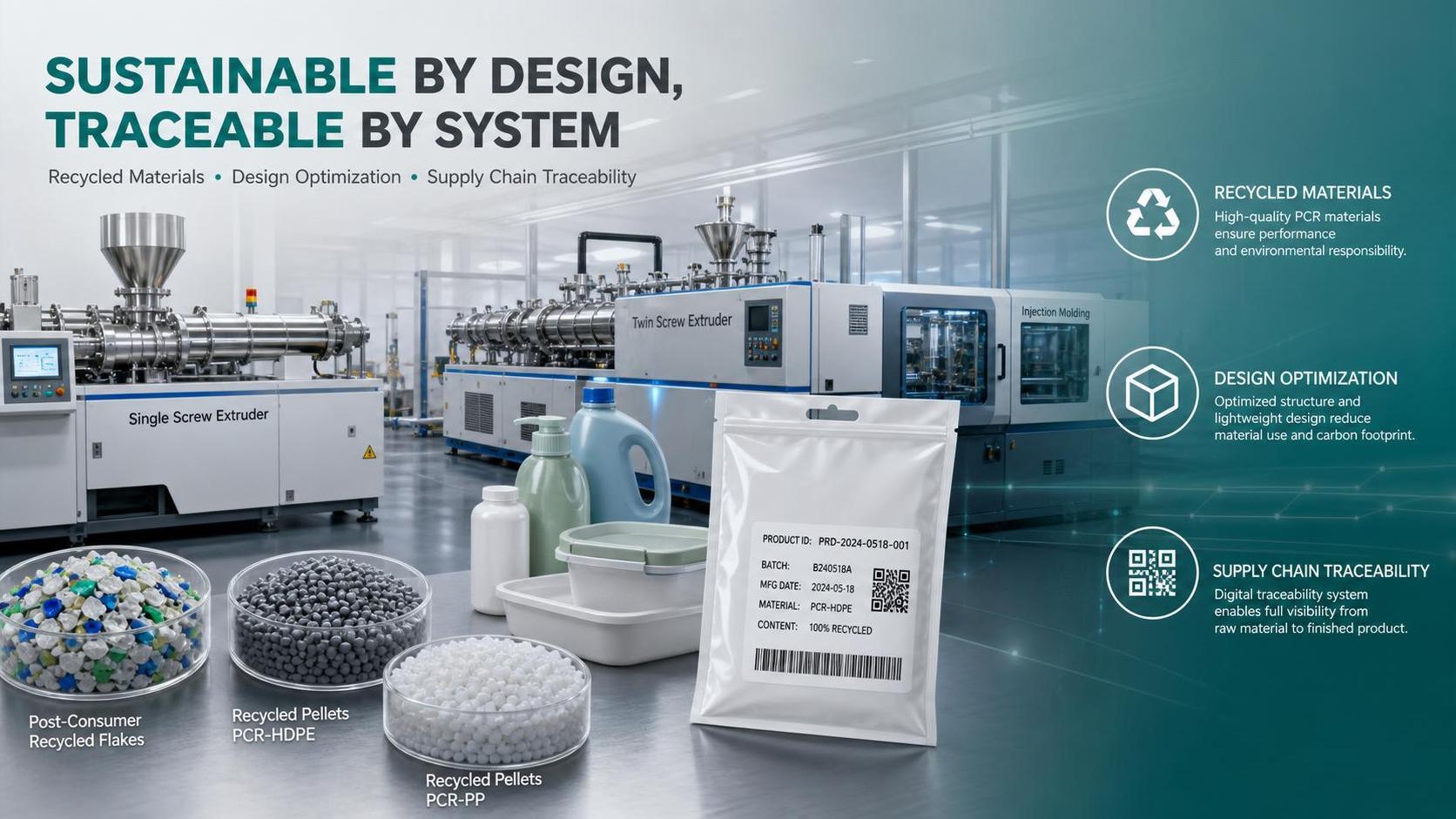
PFRS has been tracking this convergence closely because it is showing up in commercial decisions before it appears in broad market summaries. The strongest inquiries are not only for higher throughput; they are for better application security. Buyers want to know whether an extrusion train can tolerate mixed input without destabilizing output. They ask how digital controls can reduce trial-and-error during grade transitions. They care about filtration at the nano and micron level because they have already discovered the downstream cost of contamination. Those are operating questions, but they are also investment questions.
The next phase of Europe’s circular plastics economy will probably not be defined by the largest number of announced projects. It will be defined by which projects close the gap between recovered material and industrial usability. That is a narrower field than the early optimism suggested. It favors disciplined operators, better process engineering, and equipment platforms designed for variability, traceability, and energy efficiency.
For decision-makers, the most useful stance now is selective conviction. Watch where regulation and packaging demand are converging, but test every investment against feedstock realism and application fit. In Europe, circular plastics investment is maturing. The market is no longer rewarding circularity claims on their own. It is rewarding systems that can turn difficult waste streams into repeatable industrial inputs.
Related News
- 00
0000-00
How to Specify a Food-Grade PET Bottle Recycling System for Safe rPET Production - 00
0000-00
How to Evaluate a Plastics Processing Equipment Manufacturer for Uptime and Support - 00
0000-00
How to Evaluate Energy-Efficient Rubber Injection Presses for Lower Cycle Costs - 00
0000-00
How Closed-Loop Recycling Turns Post-Consumer Plastic into Reliable Feedstock - 00
0000-00
How to Size a Tire Curing Press Machine for Capacity, Mold Type, and Cycle Time
Weekly Insights
Stay ahead with our curated technology reports delivered every Monday.
Related News
 Prof. Marcus ChenPlastic Pelletizing Trends: How Recycling Demand Is Reshaping Processing TechnologyPlastic pelletizing trends are redefining recycling quality. Explore filtration, extrusion, degassing, and automation innovations driving cleaner, more consistent recycled resin.Sep 07, 2026
 Prof. Marcus ChenHow Polymer Supply Chains Are Changing to Support High-Quality Recycling FeedstockPolymer supply chain for recycling is shifting toward traceable sourcing, cleaner sorting, and stable processing. See how high-quality feedstock improves performance, compliance, and cost control.Aug 22, 2026
 Prof. Marcus ChenHow Europe’s Circular Plastics Economy Is Reshaping Recycling InvestmentCircular plastics economy Europe is reshaping recycling investment through quality, traceability, and packaging demand. Explore where capital is moving and why it matters now.Aug 04, 2026
 Prof. Marcus ChenBlow Molding Trends Shaping Packaging, Sustainability, and Production EfficiencyBlow molding trends are redefining packaging with lightweighting, recycled content, automation, and energy efficiency. Discover how smarter production boosts sustainability and cuts costs.Jul 23, 2026
 Prof. Marcus ChenExtrusion Equipment Modular Design: When It Makes Sense for Line ExpansionExtrusion equipment modular design helps manufacturers expand lines in phases, cut disruption, and stay ready for recycled content, utility limits, and changing product demands.Jul 15, 2026
 Prof. Marcus ChenPolymer Lifecycle Solutions Explained: From Material Sourcing to End-of-Life RecoveryPolymer lifecycle solutions explained from sourcing and processing to recycling and recovery. Discover how to cut waste, improve quality, and build smarter material strategies.Jul 13, 2026
 Prof. Marcus ChenEnergy-Efficient Polymer Processing Systems: Which Metrics Matter Most?Energy-efficient polymer processing systems: discover the metrics that truly drive ROI—specific energy use, yield, uptime, stability, and compliance for smarter equipment decisions.Jul 11, 2026
 Prof. Marcus ChenPolymer Recycling Systems for Continuous Operation: What to Check Before SpecifyingPolymer recycling systems continuous operation starts with the right specification. Learn what to check for uptime, melt quality, energy efficiency, and reliable pellet output.Jul 09, 2026
 Prof. Marcus ChenCircular Plastics Economy in Japan: Policy Drivers, Recycling Targets, and Market ImpactCircular plastics economy Japan is accelerating as policy, recycling targets, and packaging reforms reshape material choices, processing strategy, and market advantage.Jul 05, 2026
 Prof. Marcus ChenPlastic Extrusion Technology Trends: What Process Changes Are Improving Energy Efficiency?Plastic extrusion technology trends are reshaping energy efficiency through smarter screws, thermal control, servo drives, and digital optimization. See which process changes deliver lower costs and more stable output.Jul 01, 2026
 Prof. Marcus ChenInjection Molding Technology Trends: Which Process Changes Matter Most for Medical and Packaging Parts?Injection molding technology trends shaping medical and packaging parts: discover the process changes that improve validation, precision, efficiency, and recycled-material readiness.Jun 30, 2026
 Prof. Marcus ChenCircular Plastics Economy Compliance Explained: Key Requirements for ManufacturersCircular plastics economy compliance explained for manufacturers: learn key requirements, audit risks, process controls, and how to turn compliance into a competitive advantage.Jun 25, 2026
 Prof. Marcus ChenAdvanced Materials Processing Trends: 5 Shifts Reshaping Capacity Planning and SourcingAdvanced materials processing trends are reshaping capacity planning, sourcing, recycling, and compliance. Explore 5 shifts helping manufacturers cut risk, improve precision, and build resilient growth.Jun 24, 2026
 Prof. Marcus ChenGlobal Plastic Ban Trends: Which Packaging Materials and Export Markets Face the Biggest Changes?Global plastic ban trends are reshaping packaging choices and export strategy. See which materials and markets face the biggest shifts, and how to reduce compliance risk.Jun 22, 2026
 Prof. Marcus ChenPolymer Rheology Trends That Matter in Extrusion: Melt Strength, Shear, and StabilityPolymer rheology trends are reshaping extrusion performance. Learn how melt strength, shear, and stability affect quality, efficiency, and recycled resin processing.Jun 18, 2026
 Prof. Marcus ChenPlastic Circularity Strategies for Manufacturers: Recycled Content, Design, and TraceabilityPlastic circularity strategies for manufacturers: learn how recycled content, smarter design, and traceability can reduce risk, improve compliance, and strengthen supply resilience.Jun 18, 2026
 Prof. Marcus ChenAdvanced Materials Processing Equipment in High-Performance Manufacturing: Where It Fits BestAdvanced materials processing equipment drives precision, speed, and sustainability in manufacturing. Explore where each system fits best to improve quality, efficiency, and ROI.Jun 16, 2026
 Prof. Marcus ChenWhat Is Driving the Circular Economy Plastics Market? Policy, Pricing, and Demand ShiftsCircular economy plastics market trends are being driven by tighter policy, resin price volatility, and stricter buyer demands. Discover what this means for sourcing, processing, and growth.Jun 13, 2026
 Prof. Marcus ChenDigital Polymer Processing Explained: Methods, Materials, and Best-Fit ApplicationsDigital polymer processing explained clearly: explore key methods, materials, and best-fit applications to improve quality, efficiency, and recycling performance.Jun 10, 2026
 Prof. Marcus ChenGlobal Plastic Ban Trends by Region: What Packaging Manufacturers Need to TrackGlobal plastic ban trends are reshaping packaging strategy by region. Discover key policy shifts, compliance risks, and smart actions manufacturers need to stay competitive.Jun 08, 2026