Sustainable Packaging Manufacturing: Where to Cut Costs Without Adding Waste




A packaging line can appear inexpensive to run while losing value through excess resin, start-up scrap, rejected packs, and frequent changeovers. Cost effective sustainable packaging manufacturing starts by measuring those losses and removing them before changing materials or buying new equipment. The best savings protect the package’s required performance while reducing the resources used for each accepted unit.
For a purchasing decision, compare options on total cost per usable package rather than resin price, machine price, or energy consumption alone. A lighter container, a higher recycled-content blend, or a faster machine can lower costs, but only if it does not create more rejects, shorten shelf life, or move an avoidable waste burden elsewhere.
Find the losses hidden behind the unit price
Start with one product family and define the output consistently: accepted packages delivered to the next operation, or another agreed point in the supply chain. Record resin purchased and consumed, packaging produced, rejected units, start-up and changeover scrap, energy use, downtime, and disposal or recovery costs over a representative production period. Separate internal scrap that is genuinely reused from material sent off-site or discarded.
Then assign costs to the losses. Resin in a rejected container is only part of its cost; processing energy, labor, inspection, handling, and lost production time may also matter. Avoid counting recovered material at its original purchase value if it requires grinding, testing, or other processing before it can be used again.
Use the same boundary for every option. A useful comparison is total relevant manufacturing cost divided by accepted units, with waste quantities reported alongside it. Include material, energy, labor, maintenance, consumables, recovery, disposal, and the annualized cost of a proposed investment where those items change. Keep transport, storage, and product-loss effects visible when a packaging change could affect them. This prevents an apparent saving on the production line from concealing a larger cost downstream.
Reduce material where performance allows
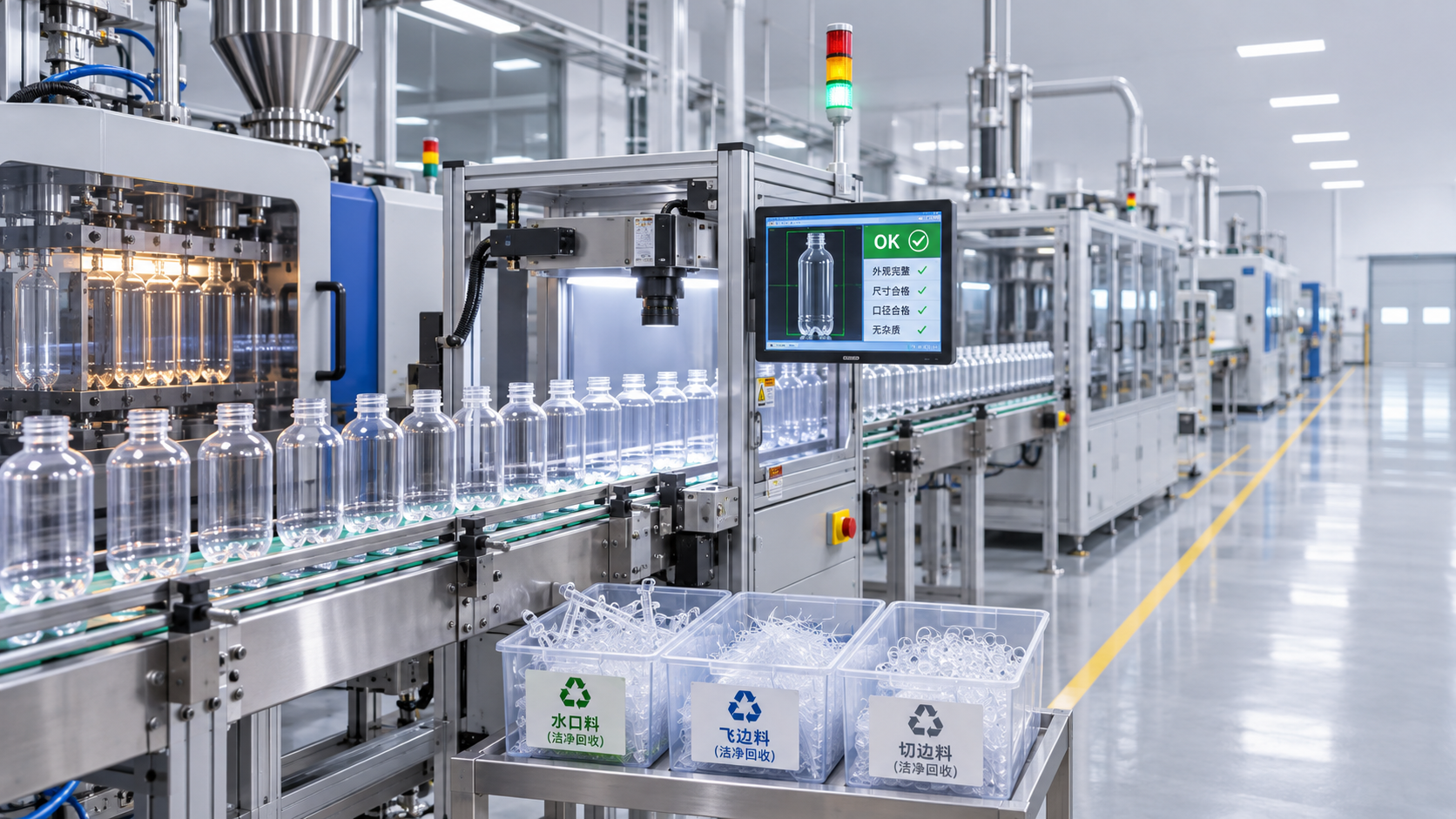
Resin is often a major part of packaging cost, making weight reduction an attractive first target. Before changing nominal dimensions, examine the distribution of material. In a blow-molded bottle, excess thickness in one area does not necessarily compensate for a weak base, shoulder, or neck. In injection-molded closures, inconsistent filling or excessive variation may lead operators to add weight as insurance against defects.
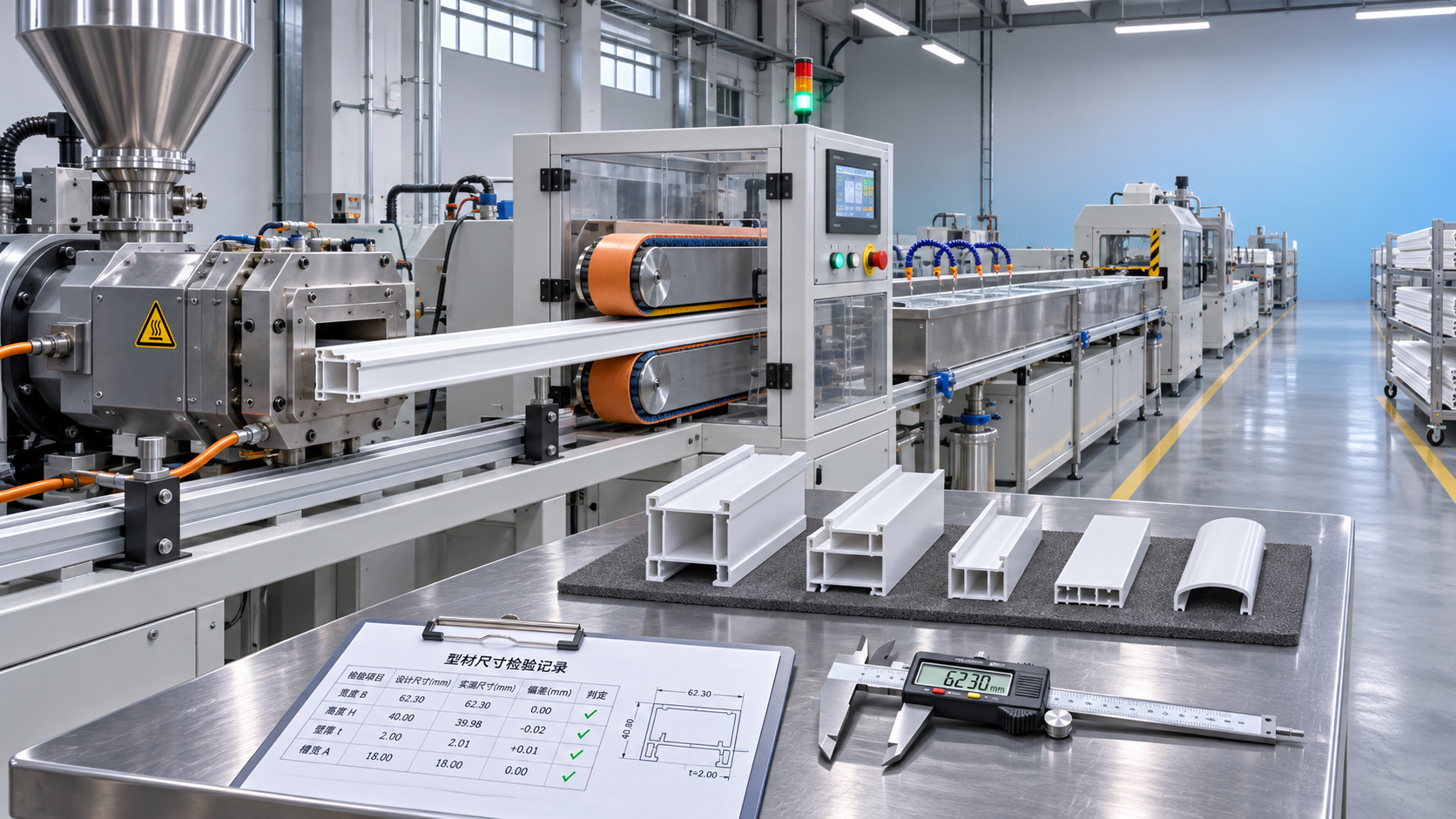
Review part-weight variation alongside wall-thickness measurements, dimensional results, leak tests, and the defects that matter to filling and distribution. Adjustments to temperature, pressure, cooling, or mold condition may reduce variation before a design change is considered. Once the process is stable, trial smaller changes in weight and check performance across the operating range, not just on the first acceptable samples.
A lighter pack is not automatically a lower-waste pack. It must still survive filling, stacking, transport, handling, and the intended shelf life. A film that tears more often or a container that increases product damage can erase the material saving. For sensitive products, barrier performance and seal integrity may set a practical limit on downgauging even when the package remains mechanically sound.
Stabilize production before chasing speed
A machine running at its highest possible rate is not necessarily producing the most saleable packaging. Shorter cooling time, more aggressive extrusion throughput, or a faster molding cycle can increase deformation, inconsistent seals, dimensional variation, or downstream stoppages. Compare accepted output per operating hour and total cost per accepted unit, not nameplate speed alone.
Look first at recurring interruptions and the conditions around them. Are rejects concentrated at start-up? Does a material change require extended purging? Are operators compensating for worn tooling, unstable melt temperature, or variable feedstock? Record the settings and material lots associated with stable runs, then use controlled trials to identify which adjustments actually reduce loss.
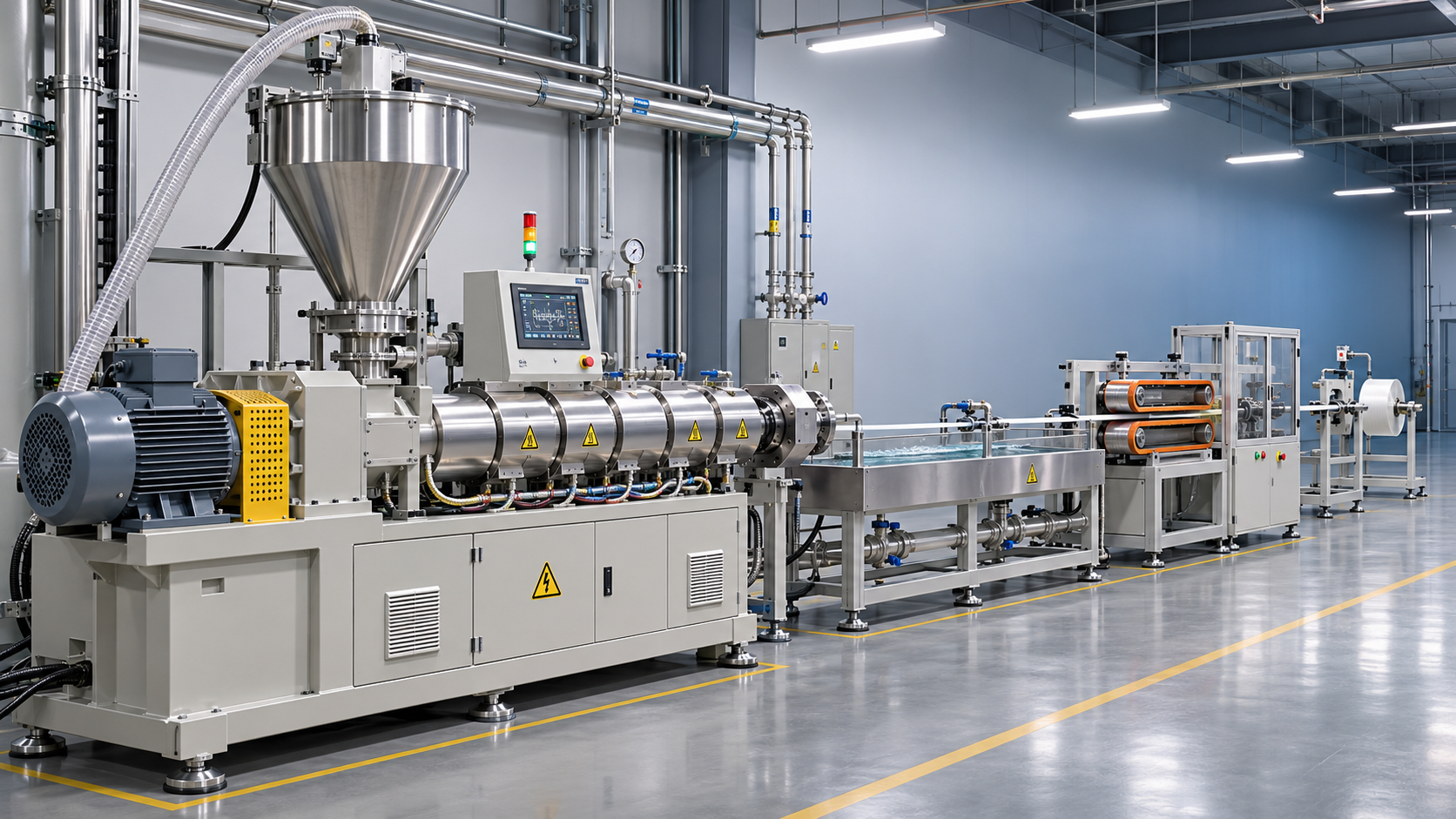
Maintenance can be a cost-reduction measure when it addresses a documented defect source. Worn screws, damaged dies, blocked filters, cooling problems, and leaking compressed-air lines may affect material use, energy demand, or quality. Prioritize repairs using observed downtime and quality data rather than replacing components solely because an upgrade is available.
Measure energy at the right boundary
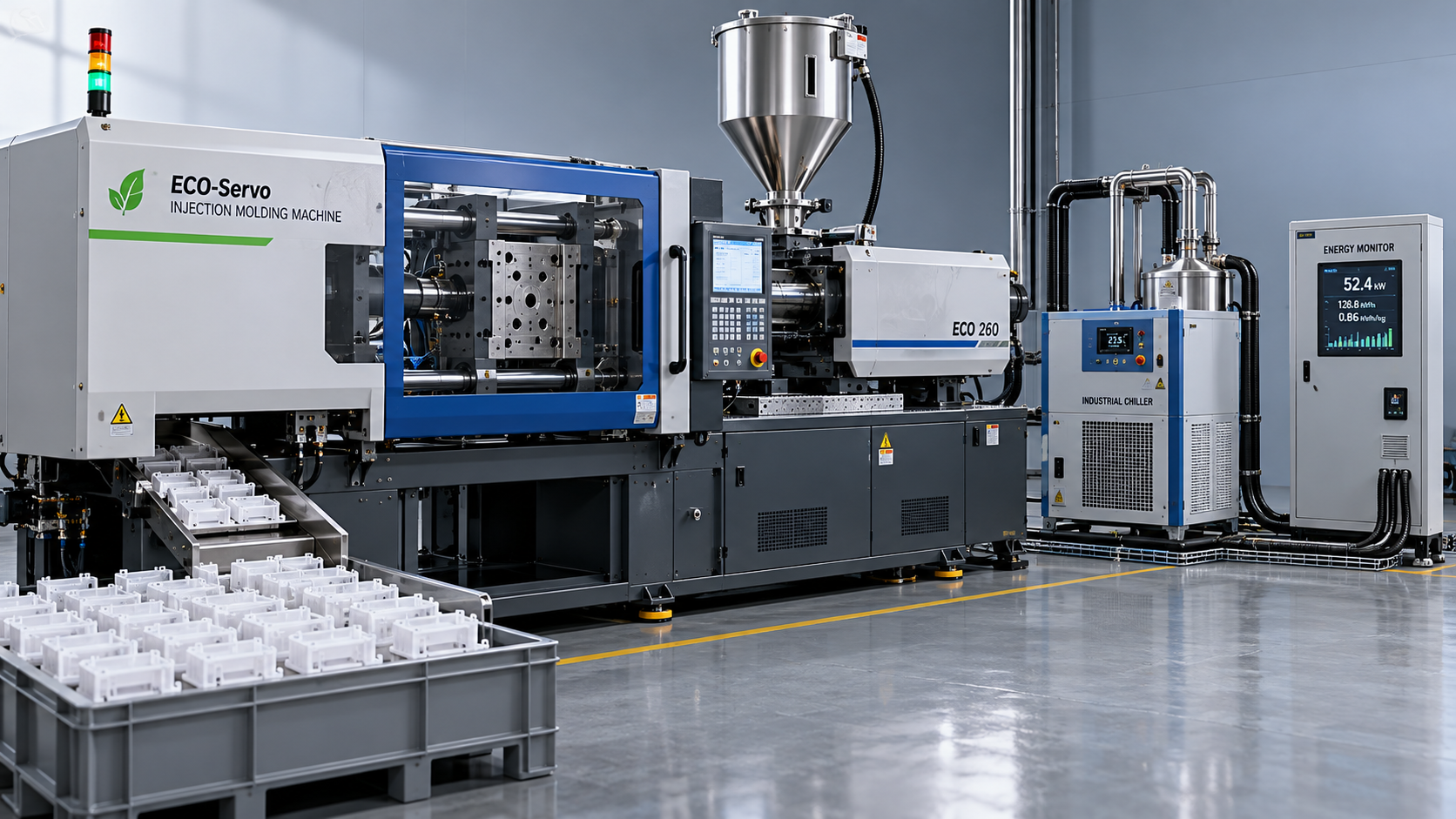
Compare electricity per accepted unit under similar production conditions. Include relevant auxiliary equipment, such as dryers, chillers, compressors, and conveying systems where practical. A machine that uses less power at the press but requires substantially more drying or cooling may offer a smaller system-level saving than its specification suggests.
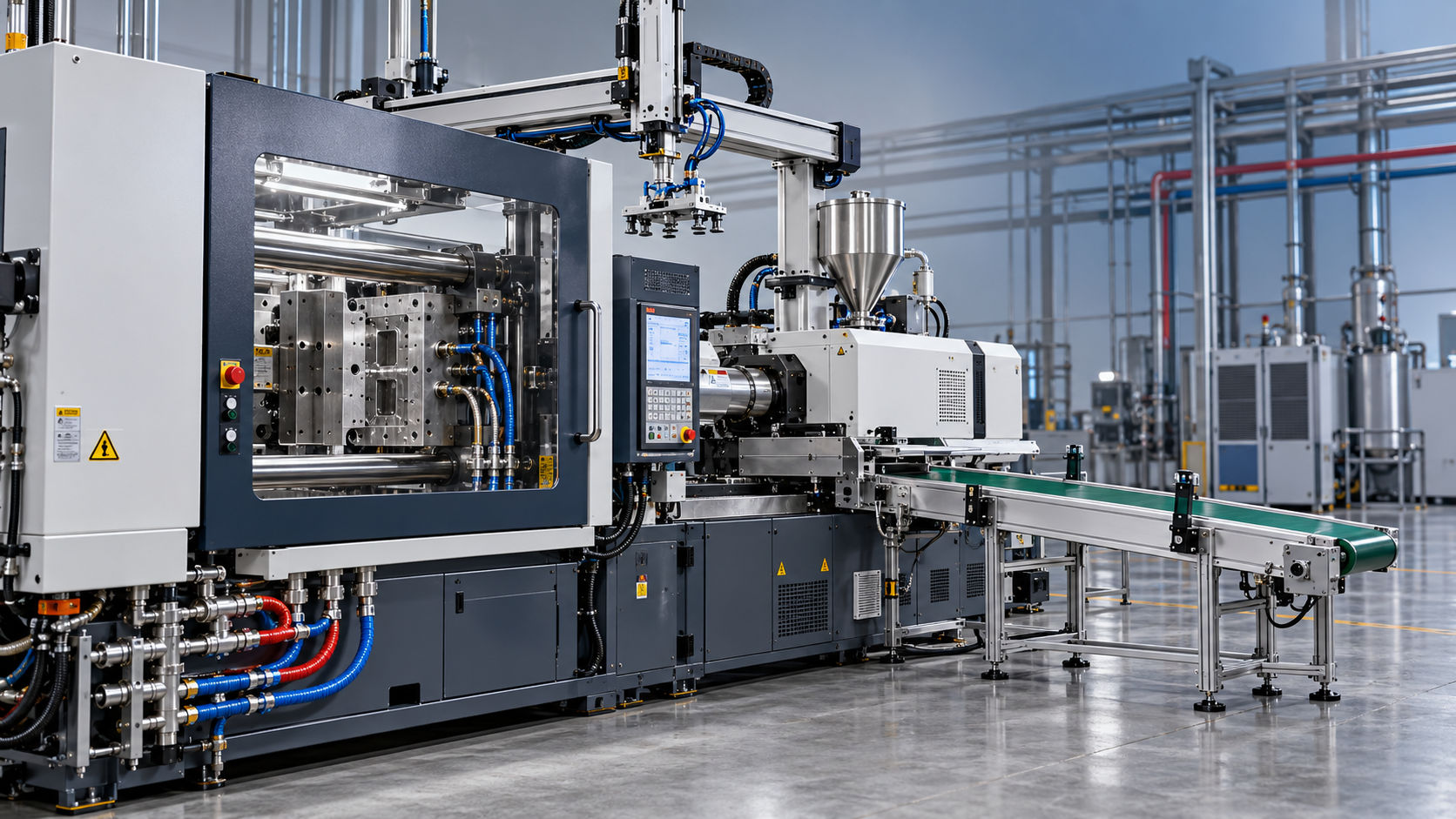
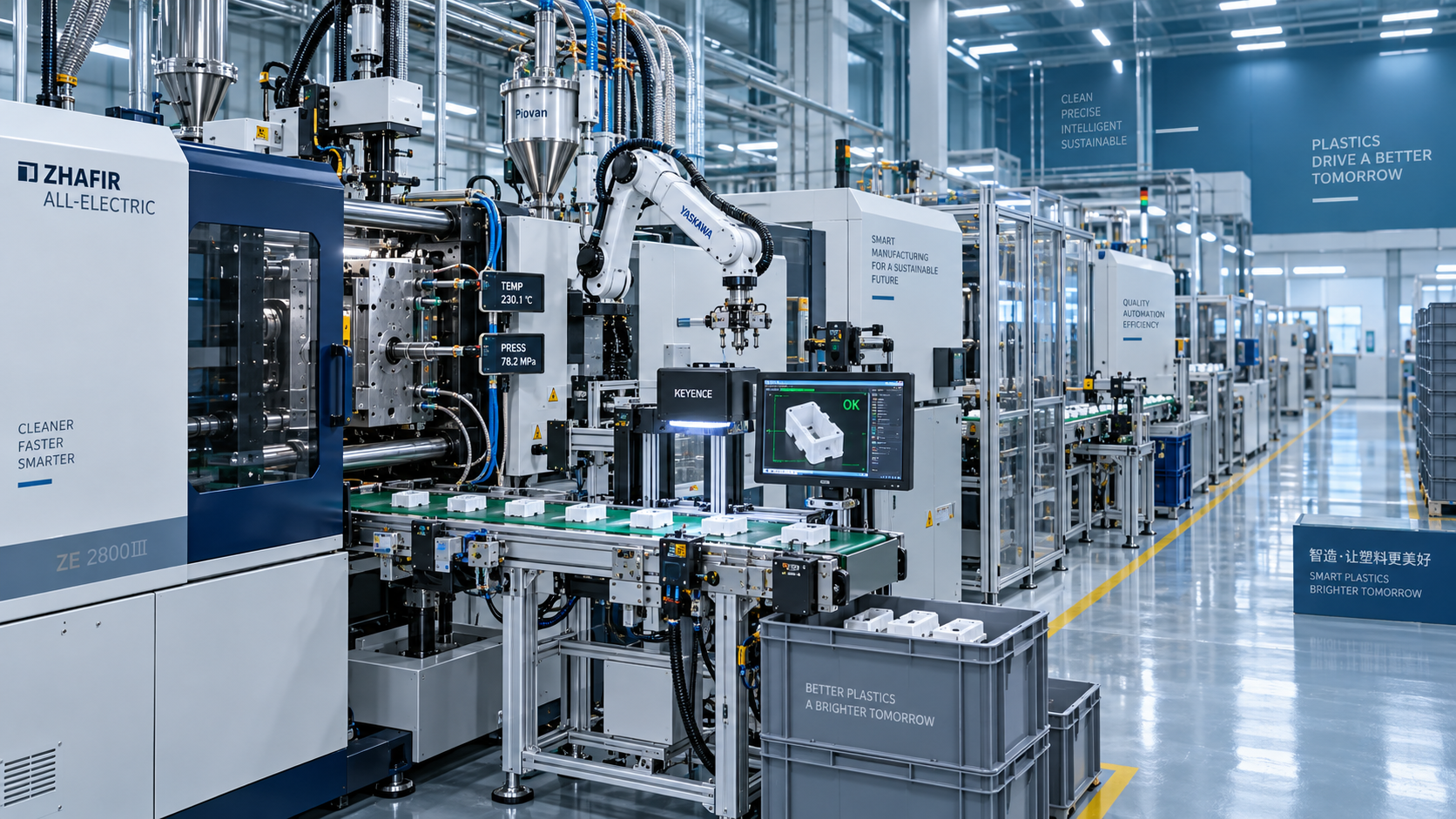
Energy performance also changes with utilization and product mix. An all-electric or servo-driven machine may be a strong candidate for some duty cycles, but the business case depends on actual operating hours, part requirements, local energy costs, and the condition of the existing machine. Ask for a trial or a clearly stated estimate using representative operating assumptions rather than relying on a generic efficiency claim.
Give production scrap a controlled route back
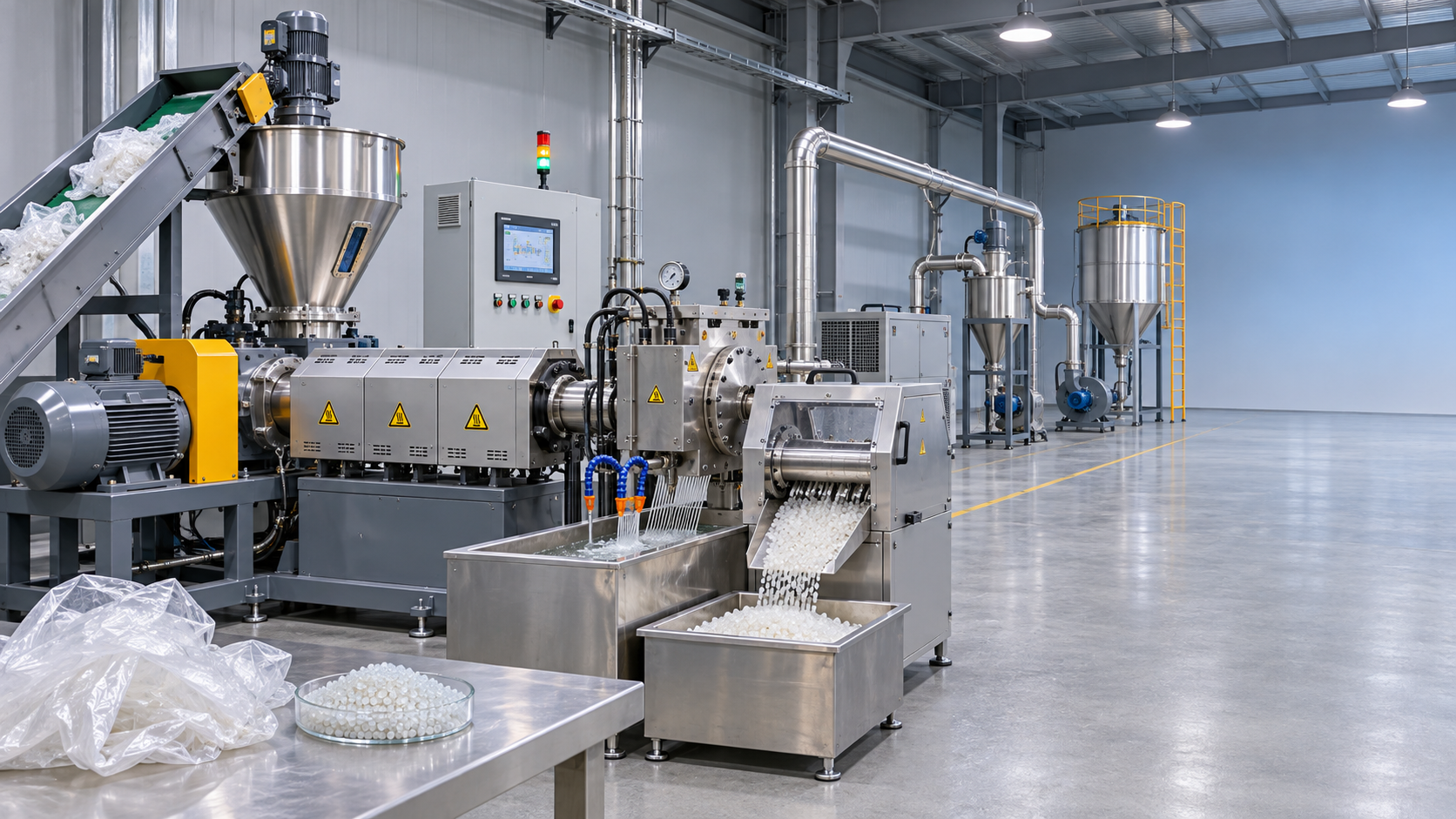
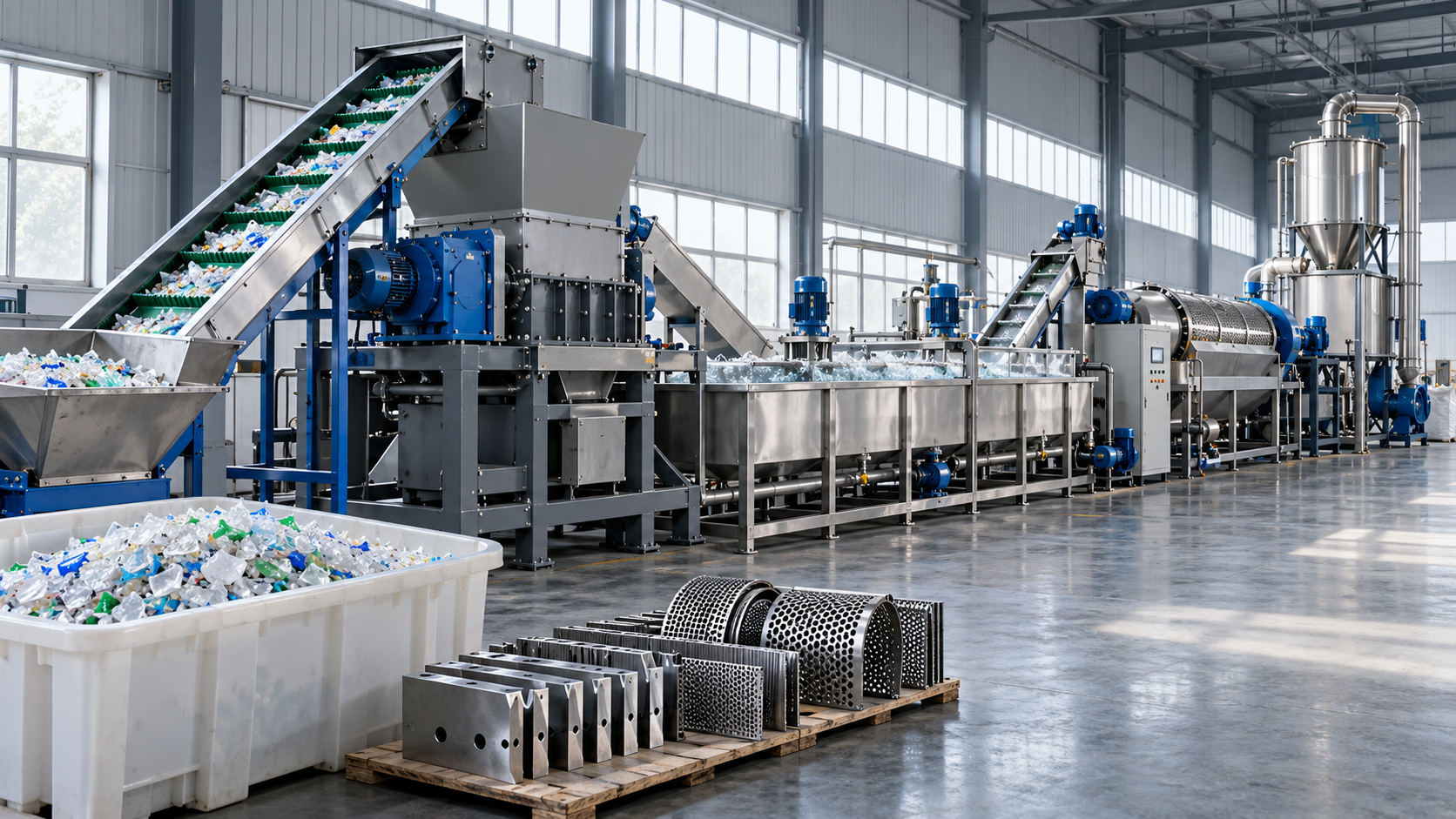
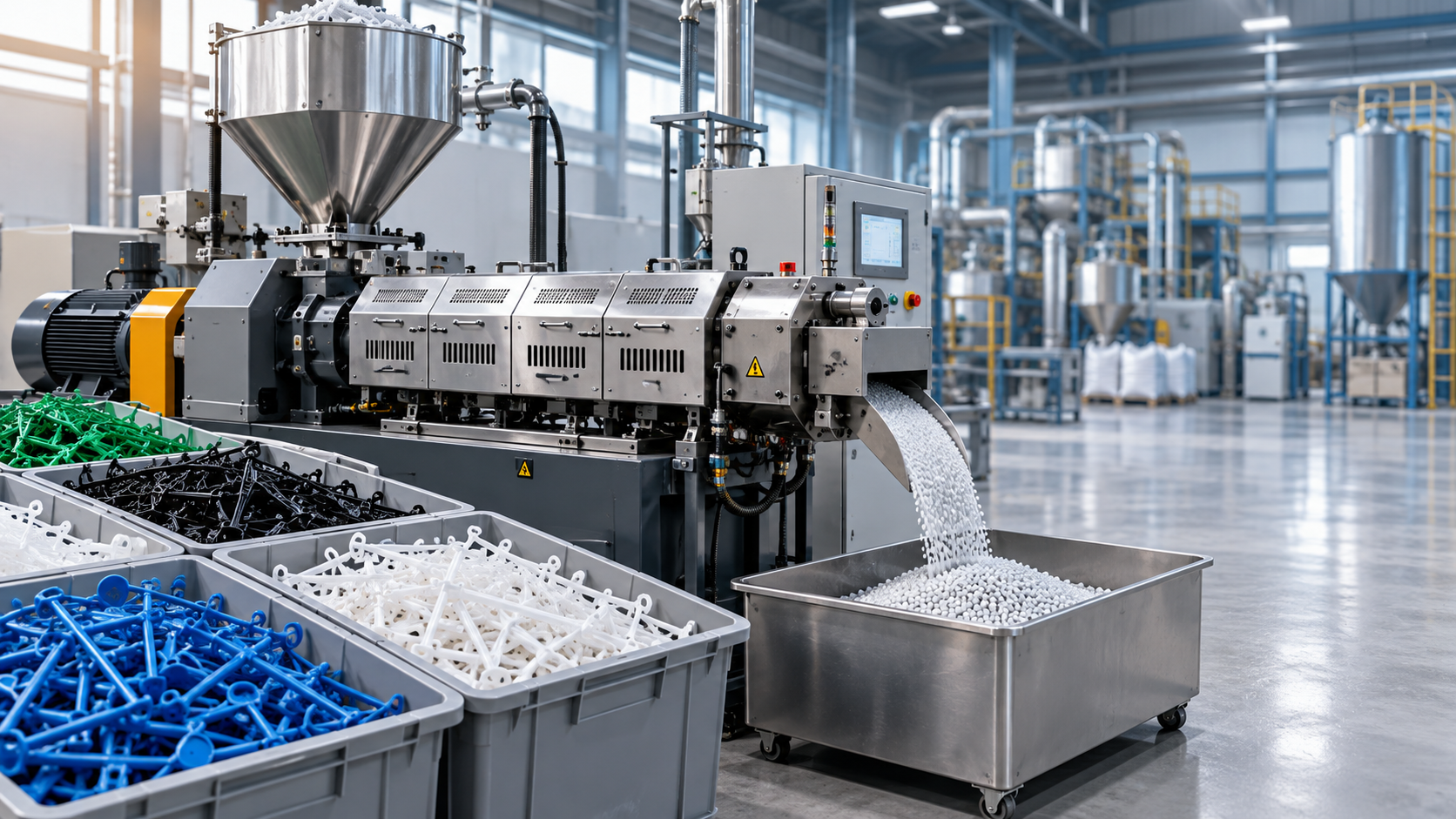
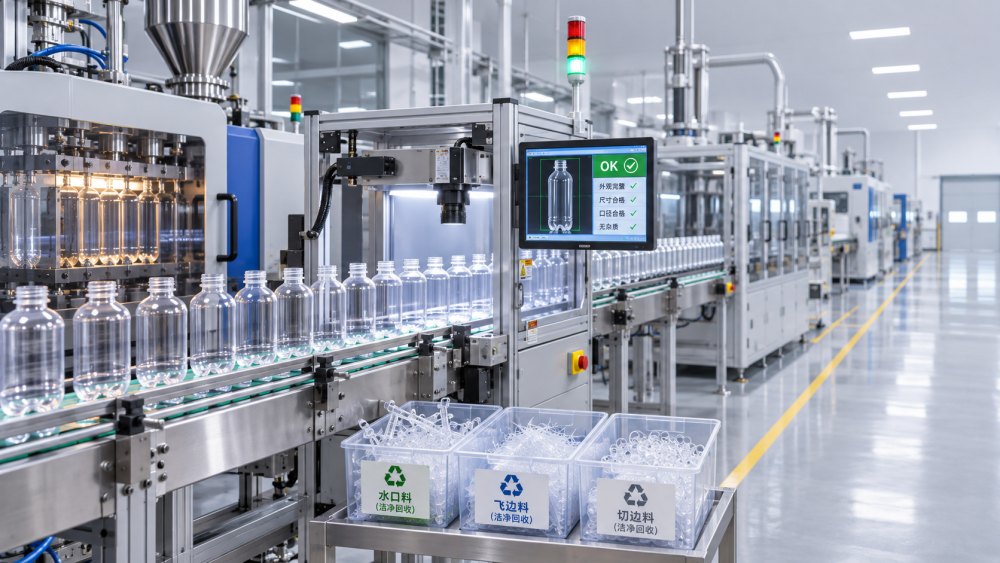
Clean, segregated production scrap can sometimes replace a portion of virgin material without leaving the facility. The economic case is strongest when material type, color, and contamination are controlled at the point of generation. Mixing polymers or combining clean trim with floor sweepings can turn a potentially useful stream into material requiring sorting, lower-value recovery, or disposal.
Set an approved regrind procedure rather than adding scrap whenever it is available. Define the eligible source, maximum trial addition, particle consistency, handling conditions, and quality checks for the application. Repeated heat exposure can change polymer properties, while labels, coatings, additives, or contamination can affect appearance and processing. Any increase in regrind content should be validated against package performance and applicable customer requirements.
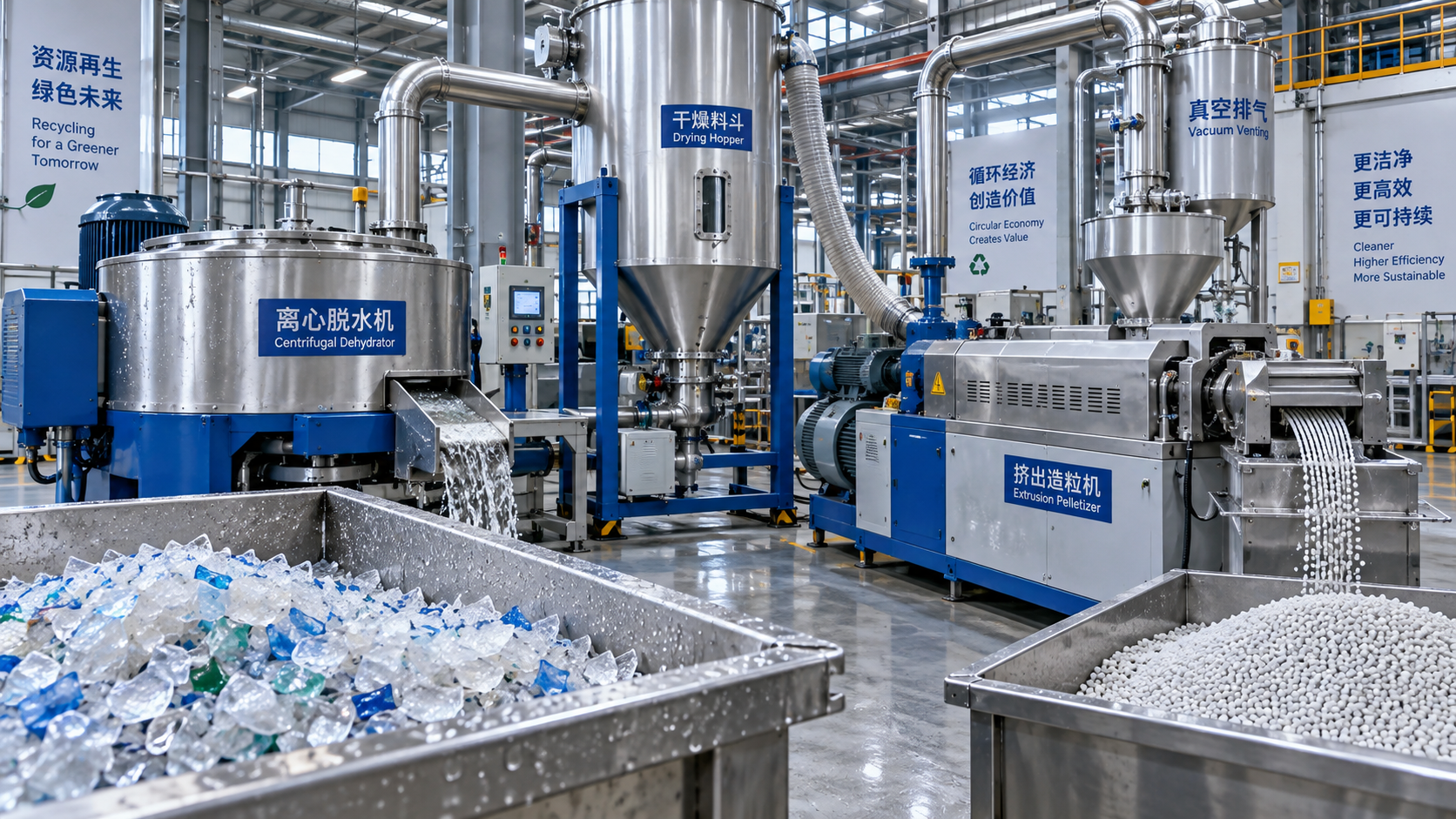
In-house grinding or pelletizing is not automatically the cheapest option. Compare the equipment, space, utilities, labor, maintenance, filtration, and quality-control costs with the value and volume of material recovered. Also consider whether the line generates a steady, compatible stream. Small or highly variable quantities may be better managed through an external recovery route, provided the destination and treatment are documented. Reuse within the same product is not always feasible or permitted.
Assess recycled content as a processing decision
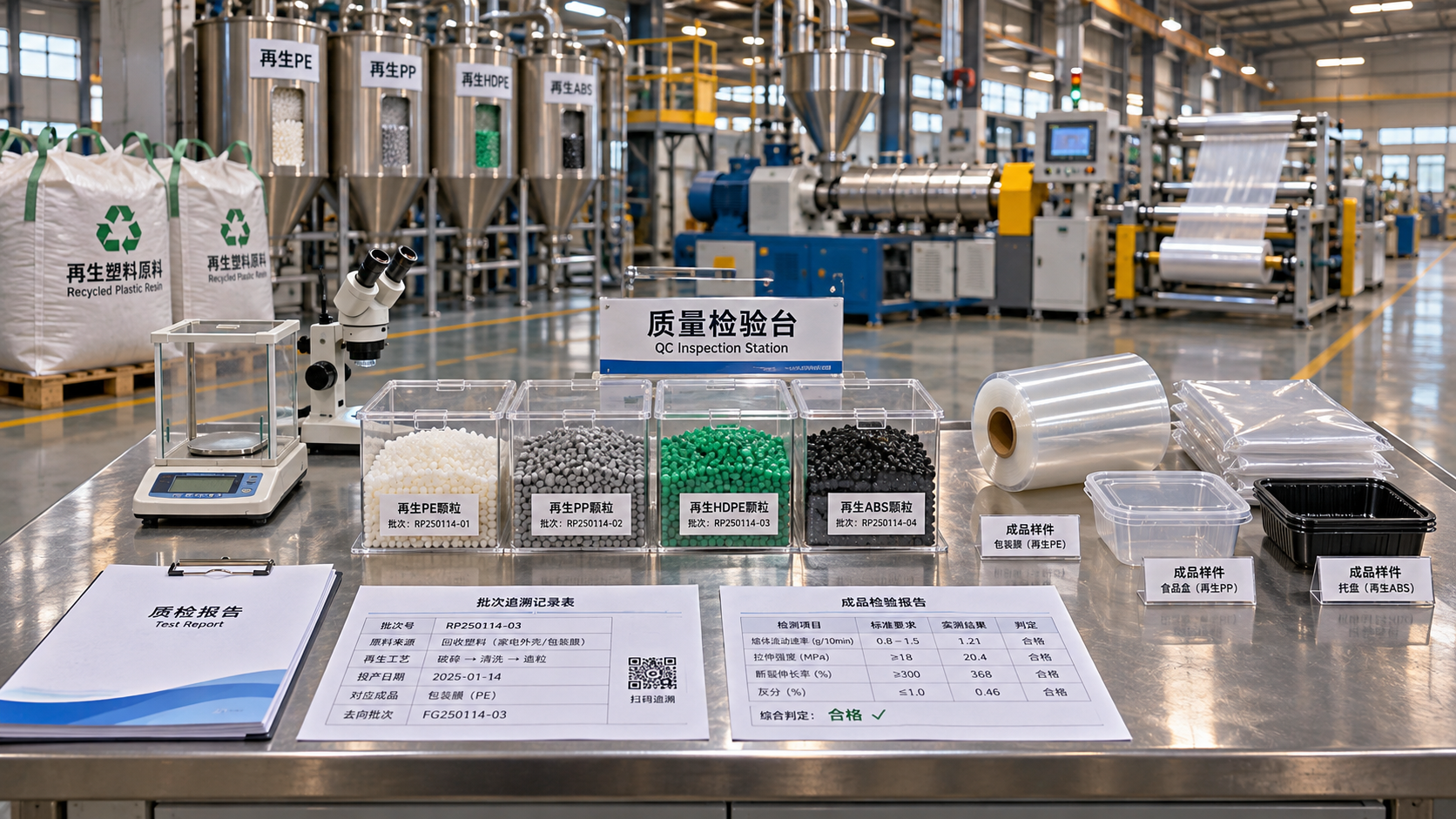
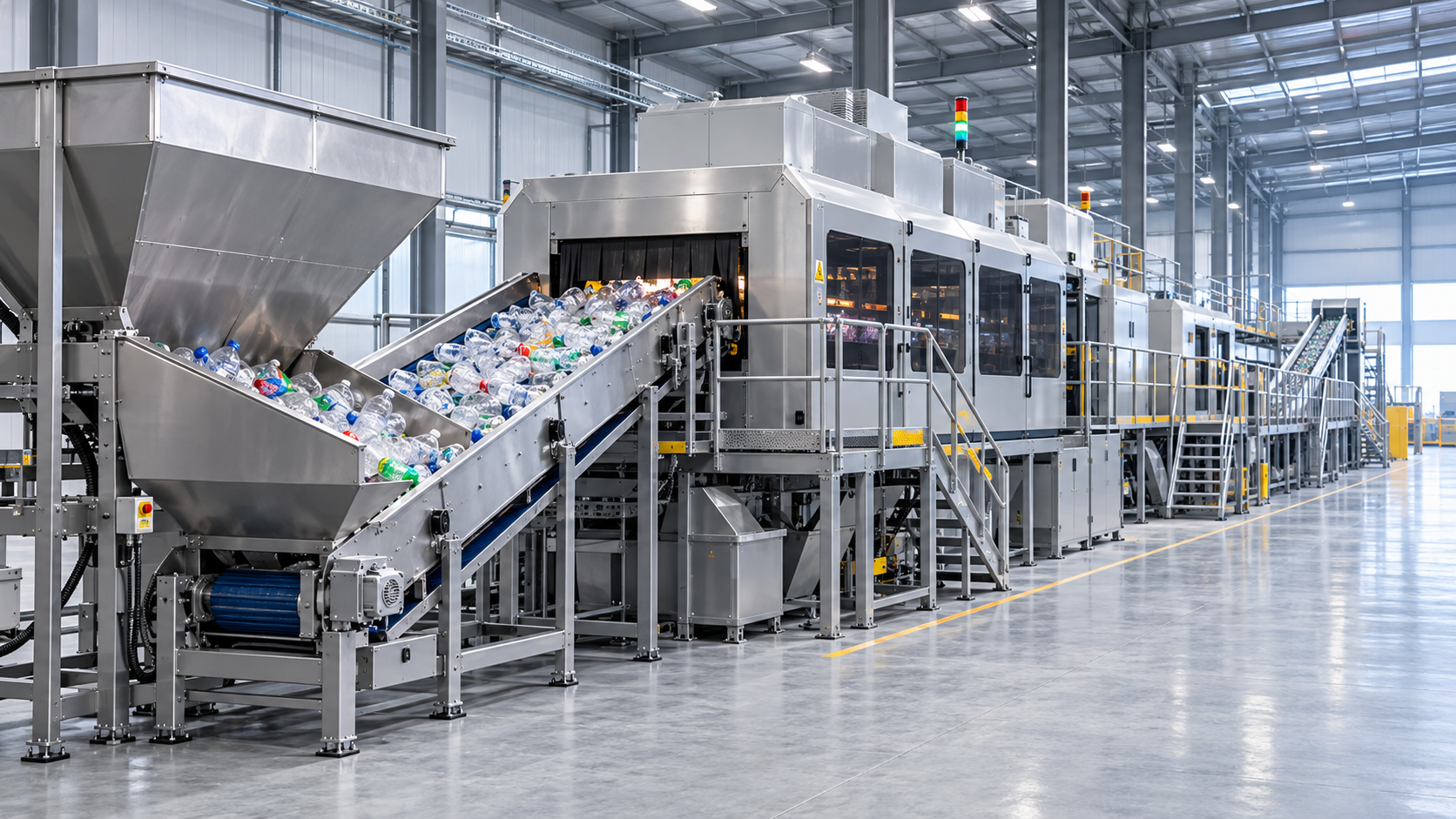
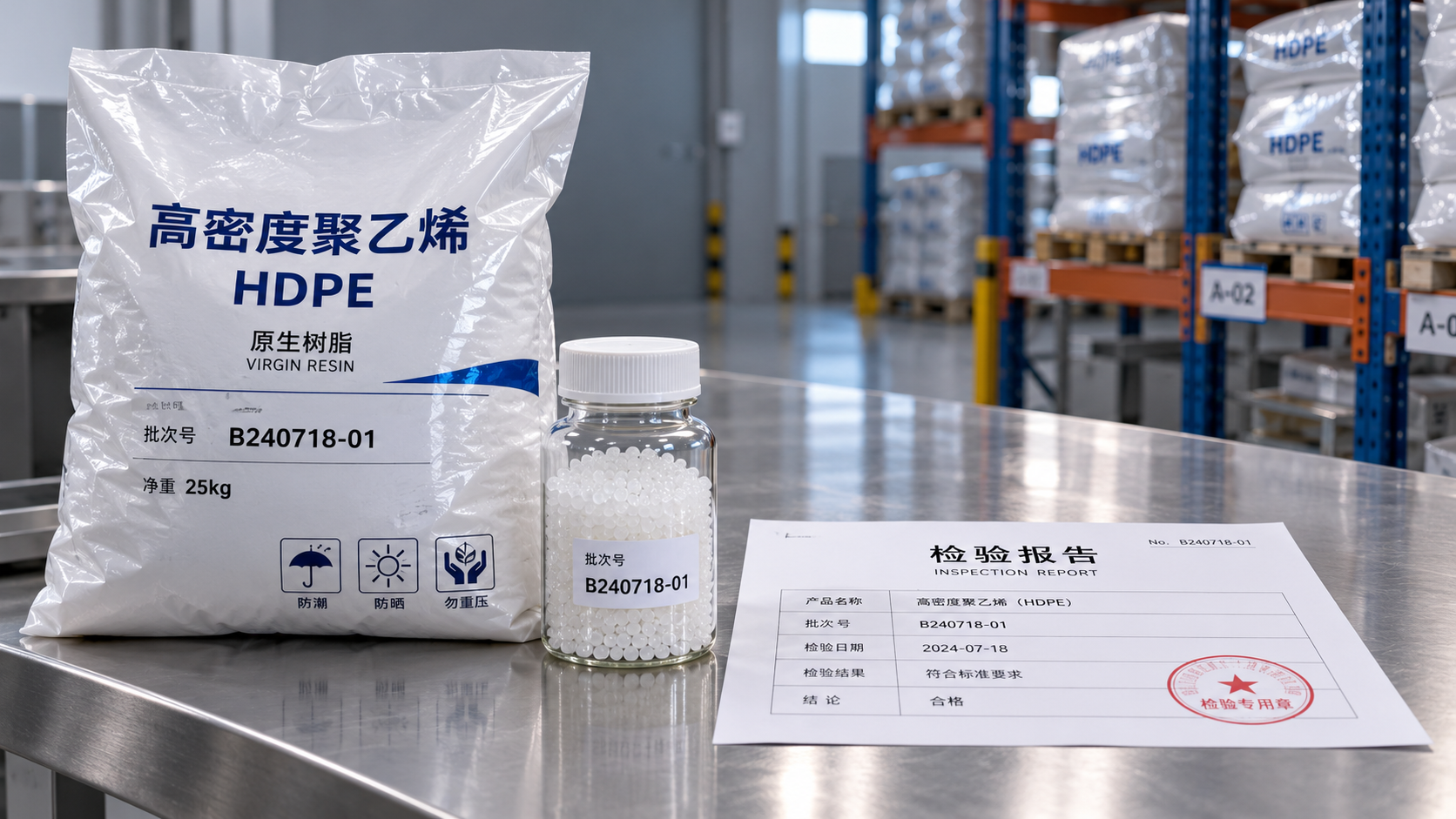
Recycled resin can support circularity objectives, but its purchase price alone does not establish its value. Variability in moisture, contamination, melt behavior, odor, color, and composition can change drying needs, filtration requirements, processing stability, and rejection rates. Ask suppliers for material specifications and lot-to-lot controls, then test candidate grades on the intended equipment and package.
Calculate the effective cost of usable recycled content by including extra handling, drying, screen changes, testing, lost output, and off-spec material where relevant. Compare like with like: the same package specification, operating schedule, and acceptance criteria. A lower-priced grade that repeatedly disrupts extrusion or molding can cost more than a consistent grade with a higher invoice price.
Application restrictions matter. Recycled content used in direct food-contact packaging, for example, may be subject to specific requirements that vary by jurisdiction and material. Confirm the intended market, package layer, supplier documentation, and applicable rules before approving a formulation. Recyclability also depends on the complete pack and the collection and sorting systems available in the target market; changing the resin alone does not establish that a package will be recycled.
Compare equipment on the work it must do
When process adjustments and maintenance cannot meet the required output or quality, define the duty before requesting quotations. Specify the package, resin and recycled-content range, required accepted output, operating schedule, changeover frequency, available utilities, and inspection criteria. Include expected start-up and shutdown patterns: equipment optimized for long continuous runs may not be the lowest-cost choice for a plant with frequent product changes.
Use supplier figures consistently, and distinguish guarantees from estimates. Request a breakdown of the proposed test conditions: material grade, part weight, cycle, cooling conditions, auxiliary equipment, and quality definition. A demonstration using virgin material and a single uninterrupted run may not represent a plant that processes recycled content across several shifts and product formats.
Compare the proposed investment with maintaining or modifying the existing line. A payback calculation should include the installed cost and the expected annual change in contribution from accepted output, material use, energy, maintenance, and waste handling. Run a sensitivity check on the assumptions most likely to change, especially utilization, resin price, reject rate, and recycled-feedstock availability. Do not count avoided scrap twice if its recovered value is already included elsewhere in the calculation.
Put the lowest-risk changes to work first
A practical sequence is to establish the baseline, correct recurring process or maintenance problems, and segregate usable scrap. Next, test material and design changes against agreed performance limits. Only then compare capital projects using the improved baseline; otherwise, a new machine may receive credit for savings that could have been achieved by stabilizing the existing process.
Assign an owner to each trial and record the starting conditions, proposed change, acceptance tests, and decision point. Track cost per accepted package together with scrap generated, scrap genuinely reused, external recovery, and disposal. These measures show whether a saving comes from using less material and producing fewer rejects, rather than merely moving waste to another part of the operation or supply chain.
Have questions about this sector analysis, or seeking best practices specific to your niche? Drop us a line below and let the senior consultants at PFRS assist you.
We respect your privacy. Your information is strictly confidential.
Related News
- 00
0000-00
Selecting a Vacuum Flat Press for Rubber Hoses: Key Specifications - 00
0000-00
Innovations in Plastic Recycling: Mechanical vs Chemical Processing - 00
0000-00
Plastic Recycling Innovation: Sorting Advances for Mixed Packaging Waste - 00
0000-00
ESG Compliance for Plastics: Mapping Reporting Obligations by Market - 00
0000-00
Drying Temperature and Coating Defects in PU Synthetic Leather
Weekly Insights
Stay ahead with our curated technology reports delivered every Monday.
Related News
 Ms. Elena RodriguezESG Compliance for Plastics: Mapping Reporting Obligations by MarketExplore ESG compliance for plastics across the EU, UK, US and Canada. Learn how to map reporting obligations and build reliable records.Nov 24, 2026
 Ms. Elena RodriguezDrying Temperature and Coating Defects in PU Synthetic LeatherView used machinery details and learn how drying profiles affect PU synthetic leather defects, adhesion and solvent safety. Explore practical troubleshooting tips.Nov 23, 2026
 Ms. Elena RodriguezPolymer Supply Chain Analytics: How to Reduce Resin Supply DisruptionsDiscover how polymer supply chain analytics can reduce resin disruptions with better inventory planning, supplier risk insights, and qualified alternatives.Nov 21, 2026
 Ms. Elena RodriguezChoosing Polymer Processing Equipment in India: Capacity and Supplier CriteriaChoosing polymer processing equipment in India? Compare capacity, lifecycle costs, supplier reliability and local support to make a confident investment.Nov 18, 2026
 Ms. Elena RodriguezChoosing a Recycled Plastic Processing Exporter: Quality and Supply ChecksChoose a recycled plastic processing exporter with confidence. Compare equipment quality, proven output, delivery terms and after-sales support.Nov 17, 2026
 Ms. Elena RodriguezSustainable Packaging Manufacturing: Where to Cut Costs Without Adding WasteDiscover cost effective sustainable packaging manufacturing strategies to cut material and production costs, reduce waste, and protect package performance.Nov 16, 2026
 Ms. Elena RodriguezChoosing a Plastic Extrusion Supplier: Quality, Capacity and Lead TimesChoosing a plastic extrusion supplier? Learn how to assess quality, production capacity, lead times and total costs to make a confident sourcing decision.Nov 08, 2026
 Ms. Elena RodriguezAutomated Plastic Recycling Systems: When Do Labor Savings Justify the Cost?Do automated plastic recycling systems pay off? Learn how to calculate real labor savings, operating costs, and payback to make a smarter investment.Oct 29, 2026
 Ms. Elena RodriguezBuying Plastic Recycling Equipment in South Africa: Costs and Local SupportFind plastic recycling equipment South Africa businesses can rely on. Compare total costs, local support and supplier checks to invest with confidence.Oct 26, 2026
 Ms. Elena RodriguezVirgin Resin Suppliers: How to Verify Traceability and Batch ConsistencyEvaluate virgin resin suppliers with practical checks for traceability, CoA accuracy, and batch consistency. Learn how to reduce scrap, avoid sourcing risks, and buy with confidence.Oct 24, 2026
 Ms. Elena RodriguezEnergy-Saving Plastics Machinery: How to Calculate Payback Before BuyingEvaluate energy saving plastics machinery before buying. Learn to calculate payback using verified energy savings, installed costs, and production data to invest with confidence.Oct 23, 2026
 Ms. Elena RodriguezCircular Manufacturing Roadmap: From Waste Audits to Material RecoveryBuild a circular manufacturing roadmap from waste audits to material recovery. Explore practical steps to qualify recycled materials, select equipment, and validate ROI before investing.Oct 20, 2026
 Ms. Elena RodriguezInjection Molding System Costs: Machine, Molds, Automation, and InstallationCompare injection molding systems price proposals with confidence. Uncover machine, mold, automation, and installation costs to avoid hidden expenses and choose a production-ready cell.Oct 17, 2026
 Ms. Elena RodriguezHow Does Feedstock Moisture Affect Plastic Pelletizing Energy Use?How does feedstock moisture affect plastic pelletizing energy use? Discover how smarter drying and dewatering can cut kWh/kg, protect pellet quality, and boost output.Oct 22, 2026
 Ms. Elena RodriguezWaste Tyre Collection and Sorting: On-Site vs Outsourced Shredding CostsCompare waste tyre collection and sorting unit cost for on-site vs outsourced shredding. Uncover hidden expenses, assess break-even volumes and choose the most cost-effective route.Oct 26, 2026
 Ms. Elena RodriguezSmart Factory Costs for Plastics: Estimating ROI for Automation ProjectsSmart factory for plastics cost: learn how to estimate automation ROI, uncover hidden integration expenses, reduce scrap, and build a phased investment plan.Oct 10, 2026
 Ms. Elena RodriguezHow to Evaluate a Packaging Molding Equipment Supplier for High-Volume ProductionChoose a packaging molding equipment supplier with confidence. Learn how to assess throughput stability, tooling, recycled-material capability, lifecycle cost, and service support for high-volume production.Oct 09, 2026
 Ms. Elena RodriguezProcurement Records to Request Before Buying a Used Tyre ShredderUsed tyre shredder for sale? Request maintenance, operating, safety, and parts records to reduce risk, verify condition, and buy with confidence.Oct 16, 2026
 Ms. Elena RodriguezHow to Select Packaging Molding Equipment for High-Volume Production LinesPackaging molding equipment selection guide for high-volume lines: compare processes, throughput, materials, automation, and energy to achieve stable, cost-effective output.Oct 04, 2026
 Ms. Elena RodriguezHow to Evaluate Plastic Recycling Machinery for UAE Heat, Feedstock, and Output NeedsPlastic recycling machinery UAE buyers: evaluate heat resilience, feedstock handling, cooling, pellet quality, energy use, and lifecycle cost for reliable output.Sep 28, 2026