Why Circular Plastics Economy Traceability Matters for Recycled Content Compliance




Why Circular Plastics Economy Traceability Matters for Recycled Content Compliance
The phrase circular plastics economy traceability is often treated as if it simply means “knowing where recycled plastic came from.” That is too narrow to be useful. In compliance terms, traceability is the discipline of proving a material story across multiple handoffs: what waste stream entered the system, how it was sorted and processed, whether it remained segregated or was balanced through an approved accounting method, and how the recycled content claim appears in the final packaging or product record.
This matters because recycled content compliance is no longer judged only by a supplier declaration or a line item on an invoice. Regulators, brand owners, auditors, and procurement teams increasingly want a chain of evidence. If a converter says a bottle, tray, film, or molded component contains recycled polymer, the question is no longer whether that claim sounds plausible. The question is whether the business can show how the claim survives collection, reprocessing, compounding, forming, and sale without losing credibility.
That is where traceability becomes operational rather than rhetorical. It sits between environmental ambition and manufacturable proof.
What companies usually underestimate
Many executives assume recycled content is mainly a purchasing issue: buy certified pellets, keep the certificate, and the compliance problem is solved. In practice, plastics systems are more complicated. Recycled resin may be washed and pelletized by one party, compounded with additives by another, extruded into sheet or film elsewhere, then thermoformed, blow molded, or injection molded into packaging in a different jurisdiction. Each transfer introduces a risk: mixing, relabeling, yield loss, downgauging, scrap regrind loops, and inconsistent documentation.
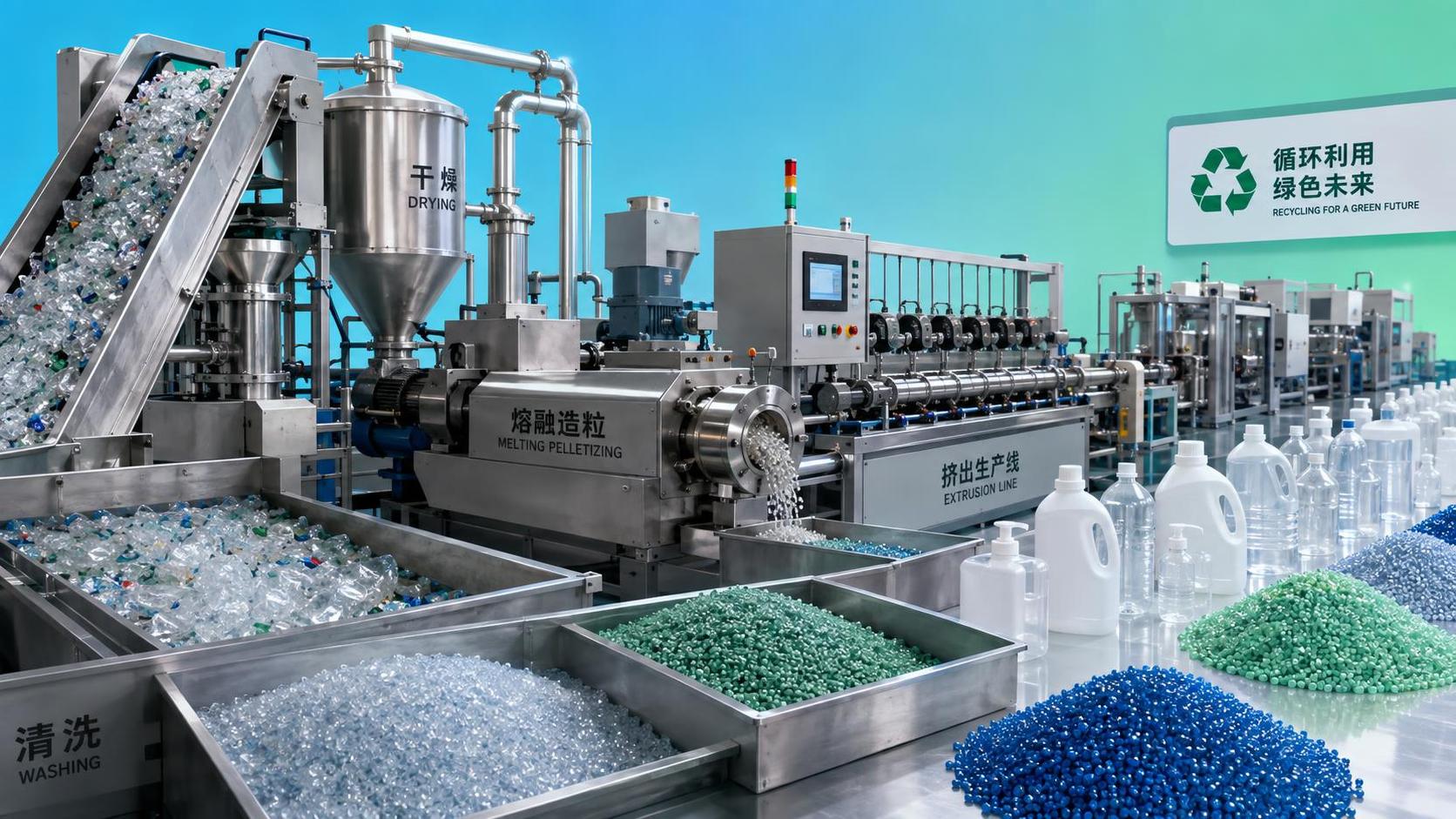
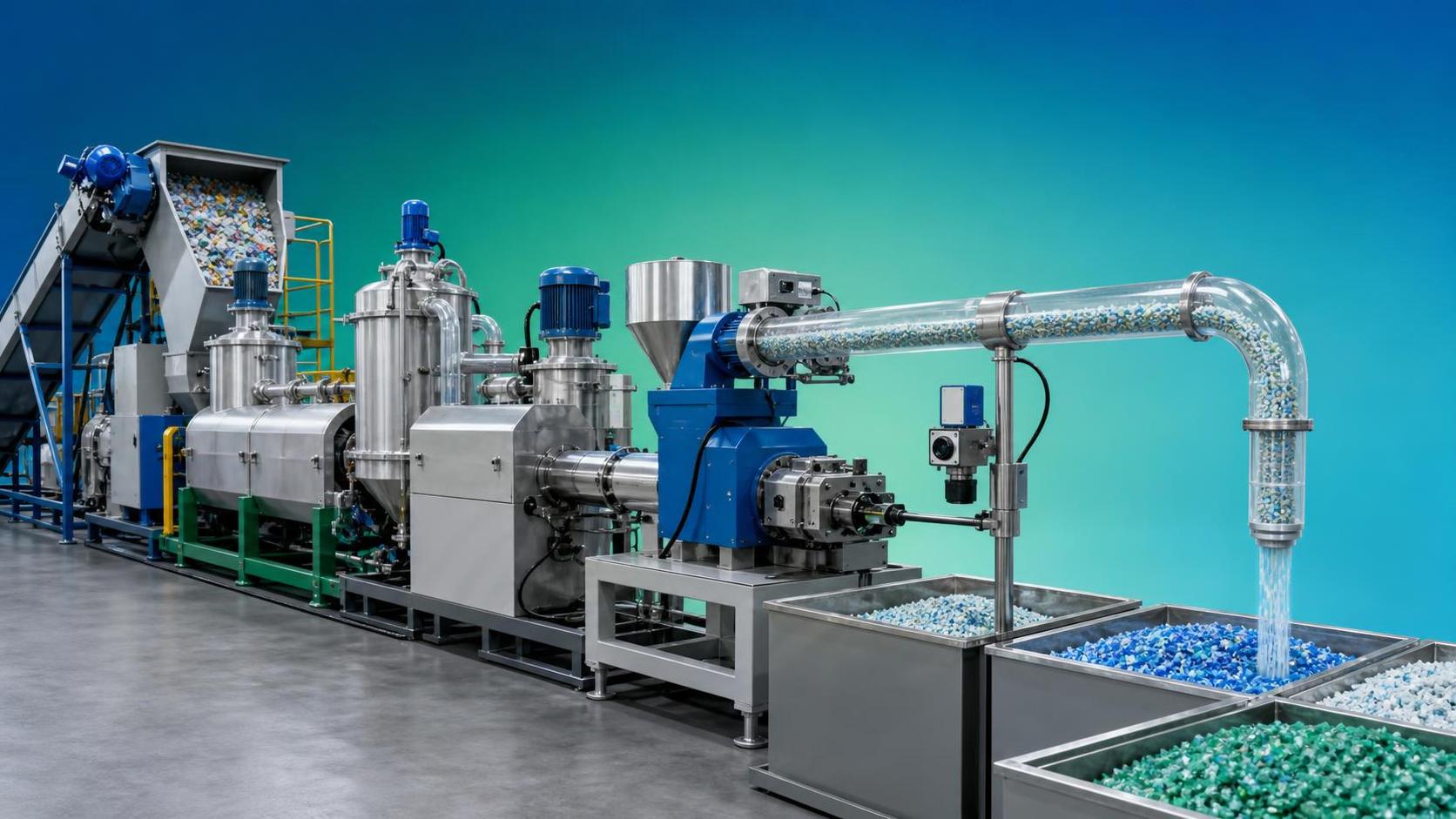
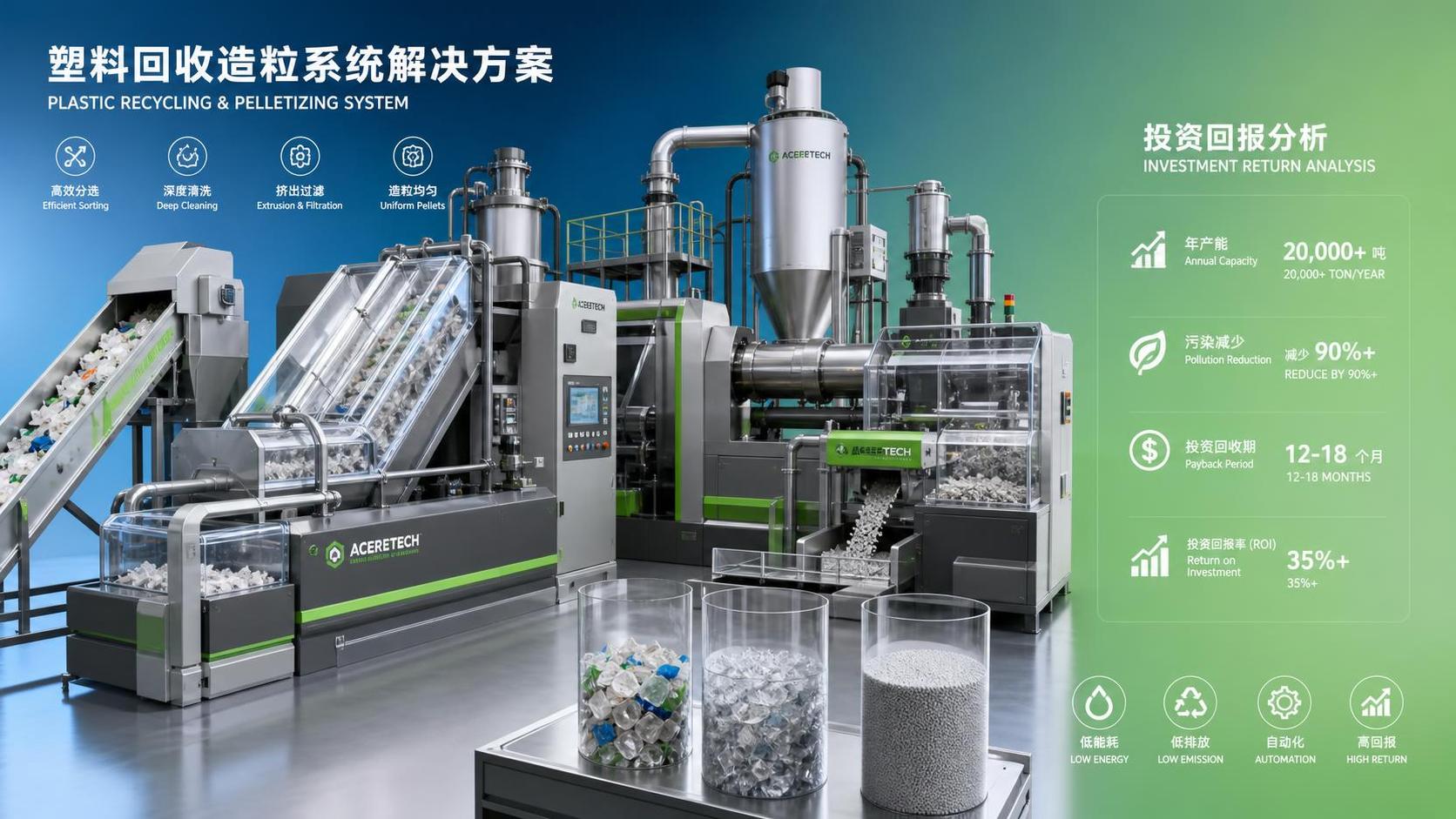
That complexity is familiar to anyone working around polymer processing equipment. A waste plastic pelletizing line does not produce compliance by itself; it produces a material that still needs documented identity. A twin-screw extruder can homogenize recycled and virgin fractions very effectively, but from a reporting standpoint that same efficiency can blur the visibility of inputs unless there is a robust accounting method behind it. High-output blow molding and injection systems then turn those inputs into saleable units at speeds where recordkeeping gaps multiply quickly if data capture is still manual.
This is why traceability is not just a sustainability office concern. It touches plant operations, quality assurance, procurement, regulatory affairs, and increasingly IT architecture.

Traceability is about evidence quality, not just data quantity
A common mistake is to confuse traceability with digitization. A company may have ERP records, batch tickets, warehouse scans, and supplier PDFs, yet still be unable to substantiate a recycled content claim. The weak point is usually not the volume of data; it is whether the data can support a defensible chain of custody.
In recycled plastics, evidence typically needs to answer a few practical questions:
- What was the input material: post-consumer, post-industrial, or a chemically recycled feedstock accounted for through a recognized method?
- Which processor handled it, and under what certified or auditable management system?
- How much usable recycled polymer remained after washing, filtering, devolatilization, pelletizing, compounding, and conversion losses?
- Was the claim tied to physical segregation, controlled blending, or a mass balance model?
- Can the final product claim be reconciled to production output, scrap generation, and sales volume?
If a business cannot answer those questions consistently, the issue is not missing paperwork in the narrow sense. The issue is that the compliance claim may be structurally weak.
Why the processing stage matters more than many policy discussions admit
Policy conversations often focus on collection targets and minimum recycled content thresholds. Those are important, but they do not explain where traceability succeeds or fails inside factories. The decisive point is often the transformation stage, where material identity meets production reality.
Consider extrusion and compounding. Recycled feedstocks rarely behave exactly like virgin resin. Melt flow variation, contamination risk, moisture sensitivity, odor management, and additive compatibility all affect process settings and yield. When processors compensate by blending lots, adjusting formulations, or recirculating internal scrap, the technical solution may be sound while the traceability model becomes harder to defend unless those adjustments are recorded in a disciplined way.
The same is true in injection molding and blow molding. A plant can run high percentages of recycled content successfully, but if regrind from startup waste, edge trim, or rejected parts is returned to the process without clear accounting rules, the reported recycled percentage can drift away from what the documentation suggests. That gap may remain invisible until a customer audit, an eco-design review, or a certification renewal forces a line-by-line reconciliation.
For decision-makers, the implication is straightforward: traceability should be designed into the process flow, not added after production as an administrative patch.
Physical traceability and mass balance are not interchangeable claims
Another area of confusion is the assumption that all recycled content claims mean the same thing. They do not. Some claims rely on physical segregation, where recycled material is kept identifiable through the process. Others rely on controlled mixing with auditable allocation rules, often described through mass balance approaches in certain recycling and certification contexts.
Neither model is automatically superior in every application. Mechanical recycling streams used in bottles, films, or molded packaging often lean toward direct physical accounting because the material path is easier to understand and verify. More complex feedstock recycling pathways may depend on mass balance because molecular outputs are not physically distinguishable once they re-enter petrochemical systems. The compliance risk appears when a company uses one model operationally but communicates as if it were the other.
That is not just a communications problem. It affects label claims, procurement language, audit scope, and legal exposure. If a buyer expects physically recycled content and receives a mass balance allocation claim, the dispute is not semantic. It is a mismatch in traceability architecture.
What good traceability looks like in practice
A credible system usually has less glamour than strategy decks suggest. It starts with unglamorous controls: input classification, lot integrity, calibrated yield assumptions, documented recipe changes, scrap accounting, and disciplined links between production orders and outbound claims. The businesses that manage recycled content well tend to treat traceability as a manufacturing control problem with compliance consequences, not as a branding narrative with technical footnotes.
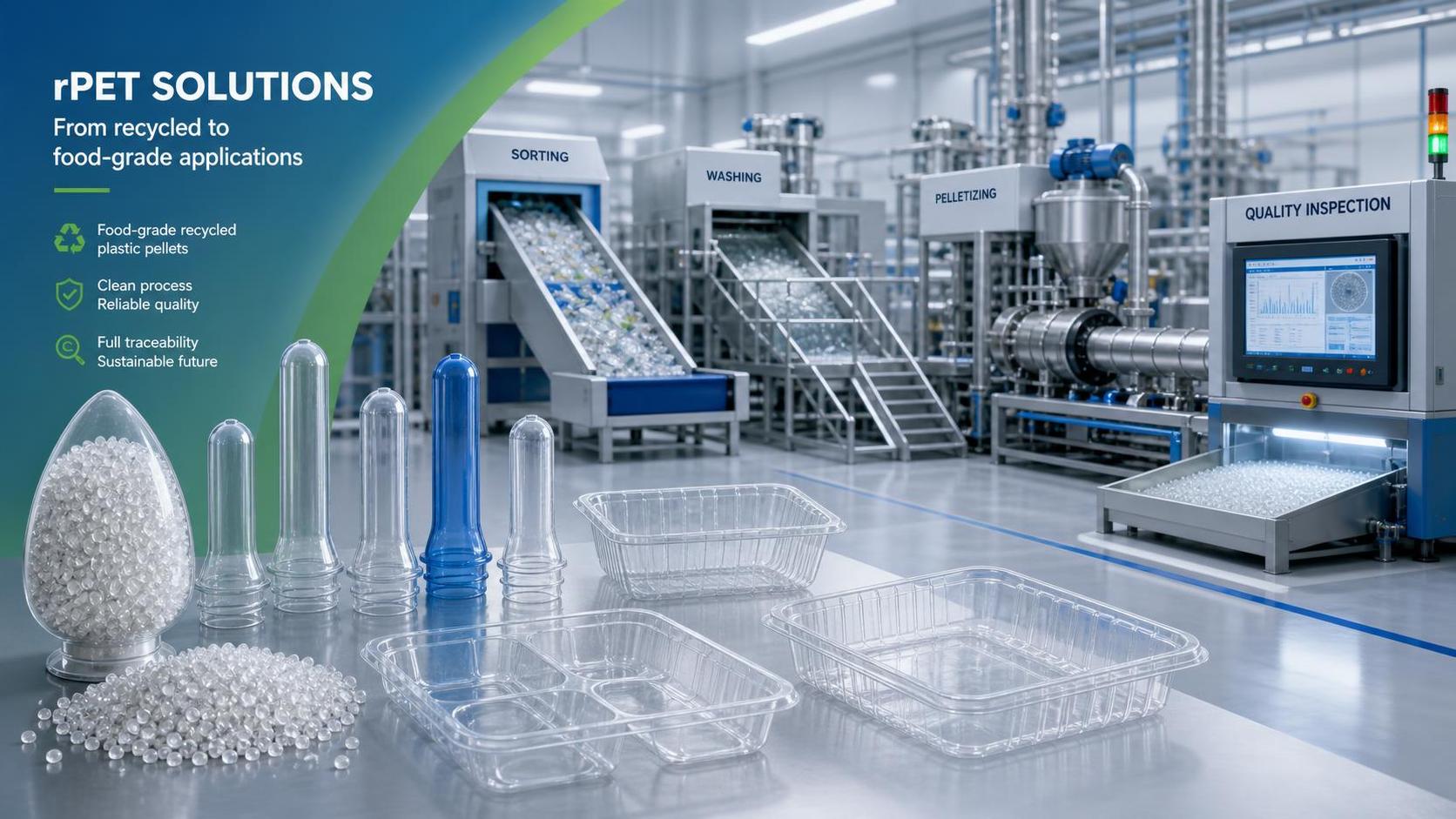
The strongest programs also recognize that different polymer routes require different levels of granularity. A mono-material PET bottle system is not documented the same way as a multi-layer film structure or a glass-filled injection molded component. Traceability should follow the points where claims become vulnerable: wash line output, pelletizing batches, compound formulation, silo transfers, extruder changeovers, mold startup scrap, and finished goods release.
The standards and certification angle
Because this is a standards-oriented topic, it is worth being precise about what traceability can and cannot do. A certification or chain-of-custody audit can strengthen confidence, but it does not replace process discipline. Nor does compliance always flow from a single global rule. Companies dealing with packaging, automotive, consumer goods, electronics, or industrial plastics often face a patchwork of contractual specifications, regional reporting rules, and voluntary certification schemes layered on top of regulatory expectations.
That means decision-makers should read recycled content requirements at three levels at once: the legal claim standard, the certification basis if one is used, and the plant-level accounting method that actually generates the numbers. Problems usually appear when those three levels are managed by different teams with weak coordination.
For companies sourcing machinery or upgrading lines, this is also where equipment intelligence matters. Modern pelletizing systems, extrusion platforms, dosing units, and molding cells can capture process data at a much finer resolution than legacy lines. That does not automatically create traceability, but it makes traceability governable. The more precisely a plant can link material input, machine state, throughput, rejects, and output, the less it depends on reconstruction after the fact.
A useful test for executives
If leadership wants to know whether its current approach is credible, one practical test is this: could the company explain a recycled content claim from waste input to shipped SKU without relying on memory, broad averages, or unverified supplier language? If the answer depends on spreadsheet workarounds or on a small number of people who “know how the system really works,” traceability is still immature.
A second test is whether the business can distinguish between compliance-grade traceability and operational convenience. Plenty of systems are good enough for inventory management while still being too loose for substantiating environmental claims. The gap only becomes obvious when a customer asks for evidence at batch level, when a certifier reviews allocation logic, or when a regulatory submission requires consistency across procurement, production, and sales records.
In other words, circular plastics economy traceability is not a slogan for sustainability reports. It is the infrastructure that makes recycled content claims survive scrutiny. For companies operating across polymer recovery, compounding, extrusion, molding, and packaging, that infrastructure has become part of commercial fitness. The businesses that understand this early tend to make better equipment choices, define cleaner data ownership, and avoid the costly habit of promising circularity faster than they can prove it.
Related News
- 00
0000-00
How to Evaluate Energy-Efficient Rubber Injection Presses for Lower Cycle Costs - 00
0000-00
How Closed-Loop Recycling Turns Post-Consumer Plastic into Reliable Feedstock - 00
0000-00
How to Size a Tire Curing Press Machine for Capacity, Mold Type, and Cycle Time - 00
0000-00
Selecting Plastic Recycling Systems for Mixed Packaging Waste: Key Process Criteria - 00
0000-00
When Does Structural Foam Molding Make Sense for Large, Stiff Parts?
Weekly Insights
Stay ahead with our curated technology reports delivered every Monday.
Related News
 Ms. Elena RodriguezIn-House Recycling for Factory Scrap: How to Reduce Material Waste and Disposal CostsIn house recycling for factory scrap helps manufacturers cut material waste, reduce disposal costs, and create controlled, quality-focused reuse loops.Sep 07, 2026
 Ms. Elena RodriguezHow Recyclable Packaging Manufacturing Balances Material Recovery and Production CostRecyclable packaging manufacturing: discover how smarter design, feedstock control, and process optimization reduce recovery costs while improving quality and yield.Sep 04, 2026
 Ms. Elena RodriguezHow to Evaluate a Plastic Recycling Systems Supplier for Your Processing NeedsChoose the right plastic recycling systems supplier with a practical guide to feedstock fit, output quality, total cost, testing, service, and compliance.Sep 01, 2026
 Ms. Elena RodriguezCE Marking for Plastic Processing Equipment: Documentation and Safety ChecksPlastic processing equipment CE compliance: learn the essential documentation, risk assessments, safety checks, and validation steps for reliable EU market access.Aug 30, 2026
 Ms. Elena RodriguezPlastic Packaging Compliance Standards: What Tests and Documents Matter Most?Plastic packaging compliance standards explained: learn which migration tests, mechanical checks, and audit-ready documents matter most to reduce risk and pass reviews with confidence.Aug 25, 2026
 Ms. Elena RodriguezHow to Evaluate a Plastic Waste Recycling System for Capacity, Contamination, and ROIPlastic waste recycling system evaluation made practical: compare true capacity, contamination control, and ROI to choose a line that delivers stable output and stronger returns.Aug 24, 2026
 Ms. Elena RodriguezPackaging Molding Equipment Price: What Drives Cost and How to Compare Quotes?Packaging molding equipment price varies by machine type, automation, tooling, energy use, and service scope. Learn what drives cost and how to compare quotes with confidence.Aug 21, 2026
 Ms. Elena RodriguezWhat Packaging Machinery for Plastic Containers Should You Choose for High-Volume Production?Packaging machinery for plastics containers can make or break high-volume production. Learn how to choose the right line for speed, consistency, compliance, and lower lifecycle costs.Aug 16, 2026
 Ms. Elena RodriguezWhat Circular Plastics Mean for Automotive Parts and Material SelectionCircular plastics for automotive are reshaping part selection with lower weight, better sustainability, and reliable performance. Discover how engineers balance recycled content, durability, and compliance.Aug 15, 2026
 Ms. Elena RodriguezBroiler Farming in Cage System: Selection Factors for Commercial FarmsBroiler farming in cage system selection for commercial farms: compare structure, ventilation, automation, and manure handling to improve efficiency and avoid costly mistakes.Aug 14, 2026
 Ms. Elena RodriguezHow to Implement Smart Polymer Manufacturing Without Disrupting Existing Production?Smart polymer manufacturing implementation made practical: learn how to upgrade existing production with phased digitalization, less downtime, better control, and measurable ROI.Aug 11, 2026
 Ms. Elena RodriguezHow to Evaluate a Rubber Compression Molding Supplier for Complex Part ProductionRubber compression molding supplier selection for complex parts starts with process, material, and tooling control. Learn how to compare vendors beyond price and reduce launch risk.Aug 10, 2026
 Ms. Elena RodriguezPackaging Compliance in Canada: Key Labeling and EPR Rules Importers Must KnowPackaging compliance Canada explained for importers: learn bilingual labeling, environmental claims, and provincial EPR rules to reduce risk, avoid costly errors, and stay market-ready.Aug 03, 2026
 Ms. Elena RodriguezWhy Circular Plastics Economy Traceability Matters for Recycled Content ComplianceCircular plastics economy traceability is essential for proving recycled content compliance across sourcing, processing, and reporting. Learn how strong evidence reduces audit risk.Aug 02, 2026
 Ms. Elena RodriguezRecycled Plastic Compliance: Key Standards, Testing Requirements, and DocumentationRecycled plastic compliance explained: key standards, testing requirements, supplier documents, and food-contact risks to help you avoid approval delays and costly compliance mistakes.Aug 01, 2026
 Ms. Elena RodriguezHow to Evaluate an Extrusion Machinery Manufacturer for Quality, Support, and ROIExtrusion machinery manufacturer selection affects quality, uptime, and ROI. Learn how to compare process fit, output claims, service, compliance, and long-term operating costs.Jul 29, 2026
 Ms. Elena RodriguezHow to Evaluate Food Grade Recycled Pellets for Safe Packaging ApplicationsFood grade recycled pellets for safe packaging demand more than a label. Learn how to assess feedstock, process validation, pellet quality, and compliance before approval.Jul 28, 2026
 Ms. Elena RodriguezHow to Evaluate a Rubber Vulcanization Supplier for Quality, Capacity, and Lead TimeRubber vulcanization supplier selection made easier: learn how to assess quality systems, true production capacity, and lead time reliability to reduce sourcing risk and improve supply performance.Jul 25, 2026
 Ms. Elena RodriguezPlastic Waste Recycling Price: What Drives Costs and How Buyers Should Compare QuotesPlastic waste recycling price explained: compare quotes by yield, energy use, pellet quality, and compliance costs to find the best long-term recycling value.Jul 20, 2026
 Ms. Elena RodriguezHow to Plan a Smart Factory for Plastics Packaging: Key Systems, Data, and ROISmart factory for plastics packaging planning starts with the right systems, data architecture, compliance, recycling, and ROI model. Learn the key steps to build a scalable, future-ready plant.Jul 19, 2026