Plastic Recycling Equipment: Key Cost Checks Before Investment




Before approving capital for plastic recycling equipment, financial decision-makers need more than a price quote. Hidden costs in energy use, maintenance, material yield, compliance, and downtime can quickly reshape ROI. This article highlights the key cost checks that matter before investment, helping you compare equipment options with greater confidence and align purchasing decisions with long-term profitability and sustainability goals.
What should finance teams verify before buying plastic recycling equipment?
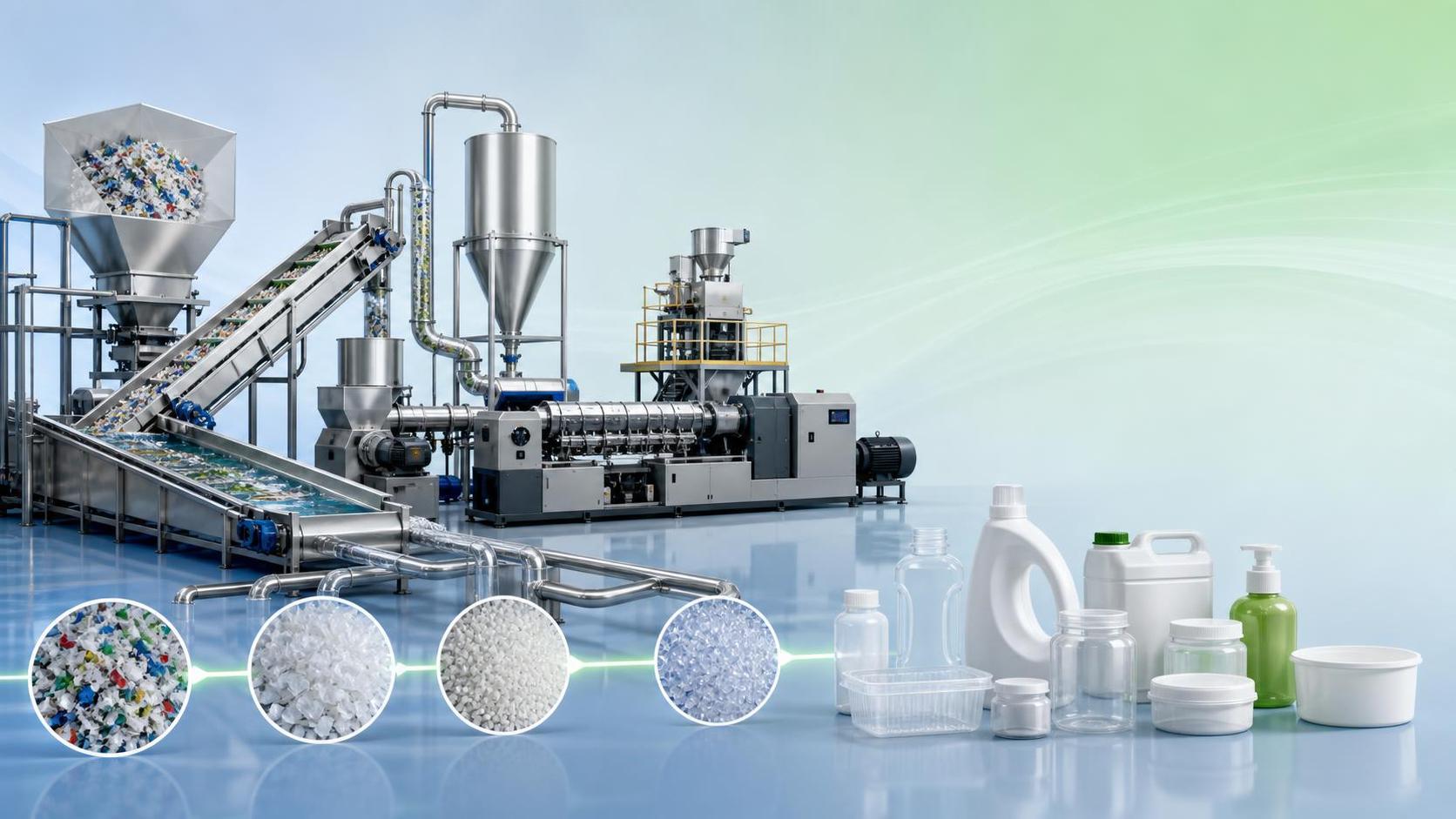
For a finance approver, plastic recycling equipment is not simply a machinery purchase. It is a capital project tied to feedstock quality, utility consumption, output consistency, regulatory risk, and resale value of recycled pellets or flakes. A machine that looks competitive on initial quotation can become expensive when operating hours, spare-part cycles, reject rates, and labor intensity are added to the model.
In the broader polymer processing industry, this is especially important because recycling lines often interact with upstream sorting and washing, and downstream extrusion, injection molding, blow molding, or compounding operations. PFRS follows these links closely. Its intelligence perspective helps buyers connect equipment specifications with real production economics rather than relying on headline throughput alone.
- Check total cost of ownership over at least three to five years, not only purchase price.
- Validate whether nameplate capacity is achievable with your actual feedstock contamination and moisture range.
- Assess utility exposure, especially electricity, water, compressed air, and heating loads.
- Quantify the financial effect of downtime, screen changes, screw wear, and melt filtration interruptions.
- Review compliance costs linked to emissions, wastewater, food-contact pathways, and packaging regulations.
The practical question is not “What does the line cost?” but “What does one stable ton of usable recycled output cost?” That shift in viewpoint usually leads to better investment decisions.
Which cost drivers most often distort ROI in plastic recycling equipment?
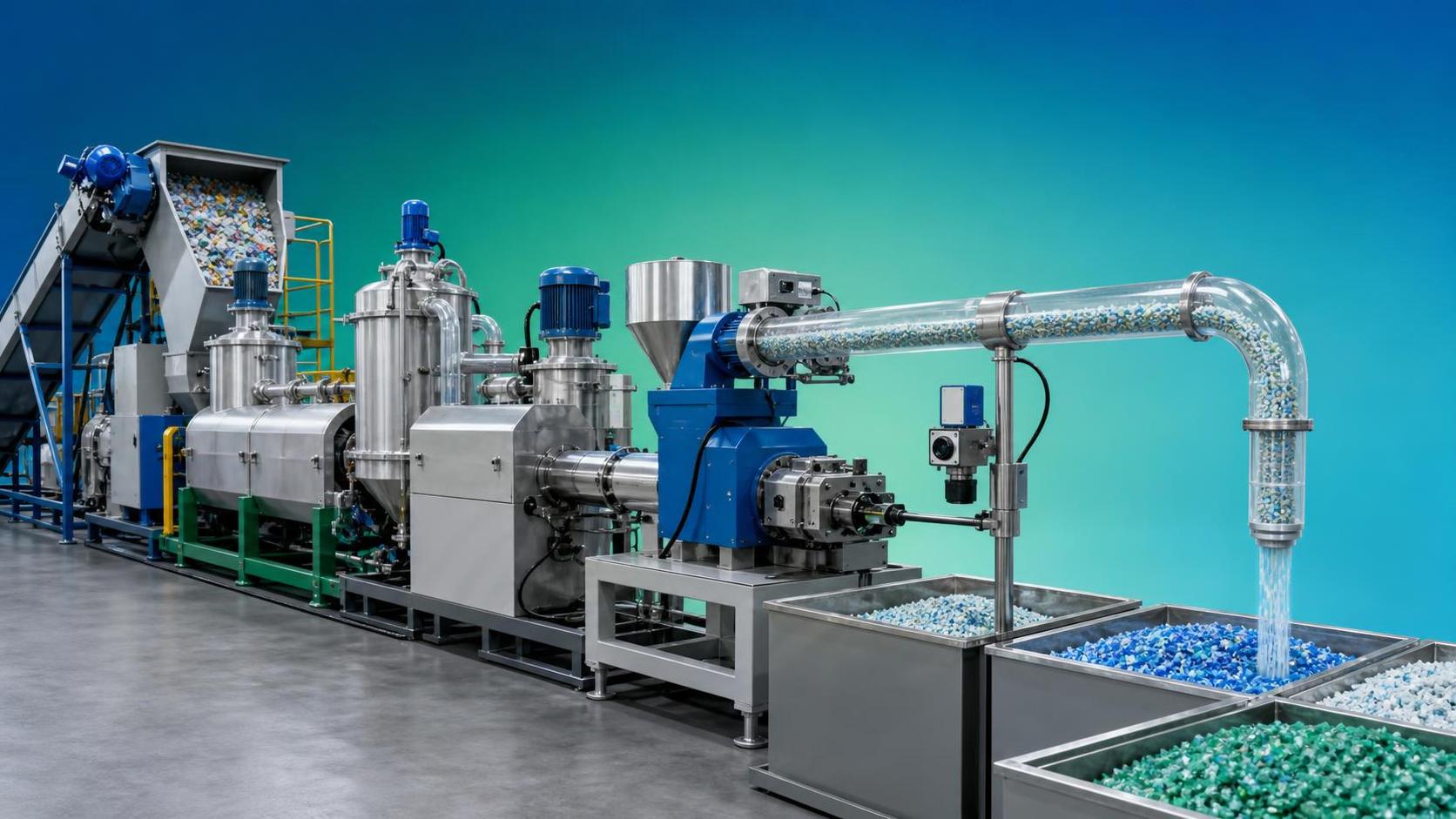
Many investment reviews underestimate the gap between quoted throughput and saleable output. Plastic recycling equipment may process a certain tonnage per hour, but saleable yield depends on moisture control, contaminant removal, melt stability, filtration efficiency, and pellet uniformity. If the output does not meet downstream processing needs, the line can produce volume without producing margin.
Five cost areas that deserve early scrutiny
- Energy intensity per ton. Servo drives, degassing design, barrel heating strategy, and pelletizing method all affect electricity cost.
- Material loss. In washing, drying, melt filtration, and start-up purging, small percentage losses can materially change gross margin.
- Maintenance burden. Wear parts on screws, barrels, blades, screens, and cutters can shorten replacement cycles with abrasive or dirty feedstock.
- Labor requirement. Manual feeding, frequent cleaning, and unstable controls raise direct labor and supervisory hours.
- Compliance and quality assurance. Dust control, wastewater treatment, traceability, and testing protocols add recurring cost.
PFRS often highlights a related industry lesson from injection molding and extrusion: better process control usually reduces hidden cost faster than headline speed increases do. The same logic applies here. Stable rheology control, reliable filtration, and predictable pellet quality are usually more valuable than an optimistic throughput claim.
The table below helps finance teams frame the main cost checks for plastic recycling equipment before a purchase approval meeting.
This framework turns a technical conversation into a finance-friendly model. It also reveals whether the supplier understands operating economics or is selling primarily on nominal line speed.
How should you compare low-price and higher-spec plastic recycling equipment?
A lower quote is not always the lower-cost option. For plastic recycling equipment, a more advanced configuration may improve wash cleanliness, degassing stability, melt filtration, and pellet consistency enough to reduce cost per saleable ton. Finance teams should compare alternatives using a common operating assumption, not separate vendor narratives.
Comparison logic that works in approval meetings
Use the same feedstock, shift pattern, electricity tariff, reject assumption, and staffing model for every proposal. Then compare output quality, downtime sensitivity, spare-part cost, and compliance burden. This exposes where “budget equipment” may carry hidden exposure.
For buyers reviewing multiple plastic recycling equipment proposals, the following comparison table can reduce ambiguity during technical and financial alignment.
The right answer depends on feedstock quality, production hours, and target end use. If recycled resin will feed sensitive extrusion, blow molding, or injection molding applications, quality stability usually carries stronger financial value than a lower invoice amount.
Which technical checkpoints matter most to a non-technical approver?
Finance leaders do not need to become process engineers, but they do need a shortlist of technical checks that have direct budget consequences. The most useful approach is to ask for measurable ranges rather than generic claims.
Ask these data-backed questions
- What throughput is achievable for film, rigid regrind, or post-consumer flakes under defined contamination levels?
- What is the expected energy use per ton at normal operating load rather than ideal lab conditions?
- How often must screens, blades, seals, or wear components be replaced for the intended material mix?
- What moisture level is required before extrusion or pelletizing to avoid unstable melt behavior?
- What output specifications are achievable for bulk density, pellet uniformity, contamination level, or melt flow consistency?
PFRS covers these issues across the full polymer lifecycle. That matters because recycled output is only economically useful when it integrates into downstream converting processes. A finance decision is stronger when based on end-to-end process fit, not isolated machine claims.
How do compliance, ESG, and packaging regulations affect equipment cost?
Plastic recycling equipment increasingly sits inside a compliance framework, not just a production framework. Wastewater discharge, dust capture, odor management, noise, traceability, and recycled-content documentation can all influence project cost. For packaging applications, food-contact pathways and jurisdiction-specific requirements may require extra testing, filtration, or process controls.
Common compliance-related budget items
- Environmental controls for washing water, exhaust handling, and particulate containment.
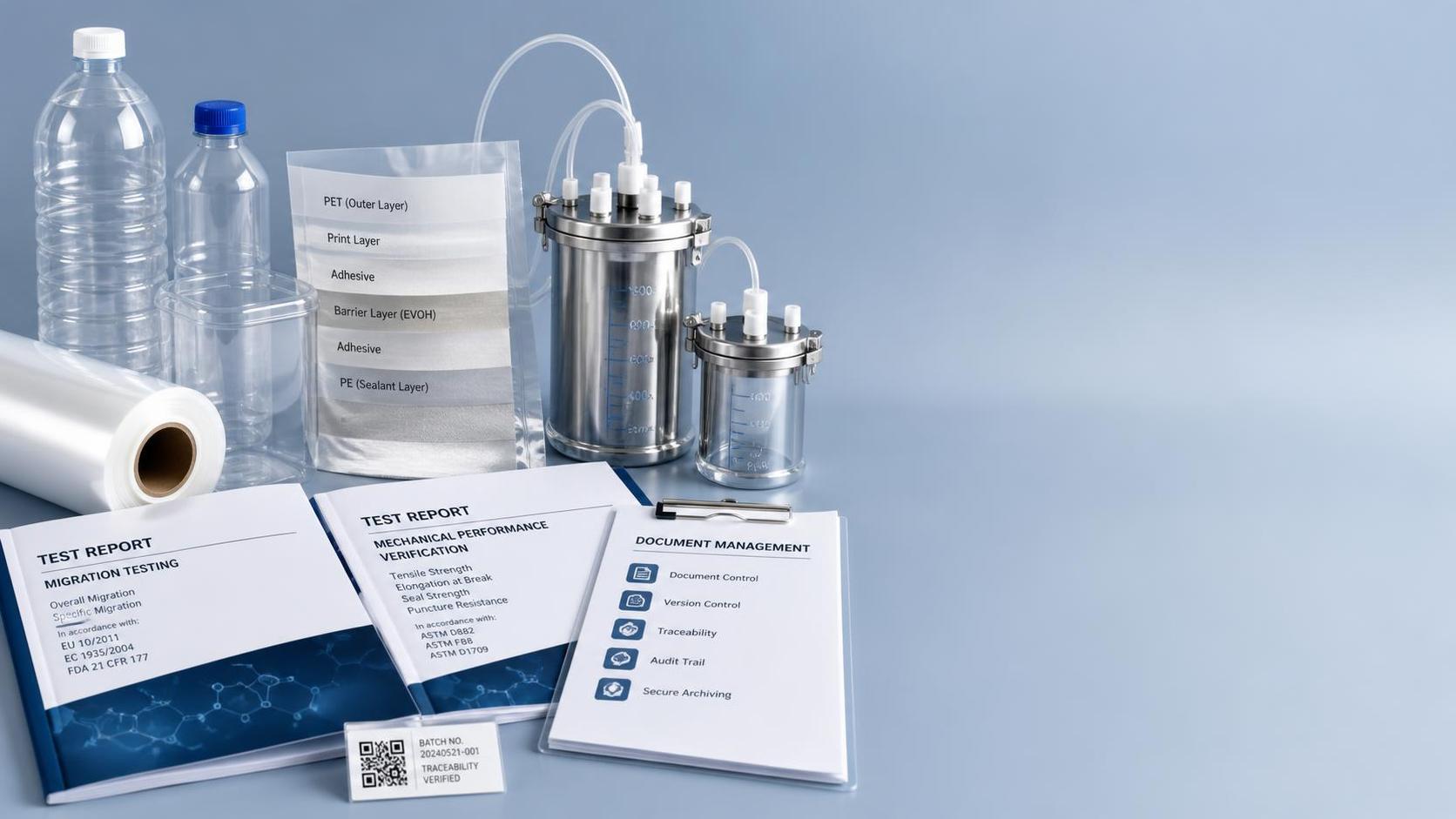
- Documentation systems that support customer audits, recycled-content claims, and supplier traceability.
- Testing procedures for contamination, moisture, pellet dimensions, or material consistency.
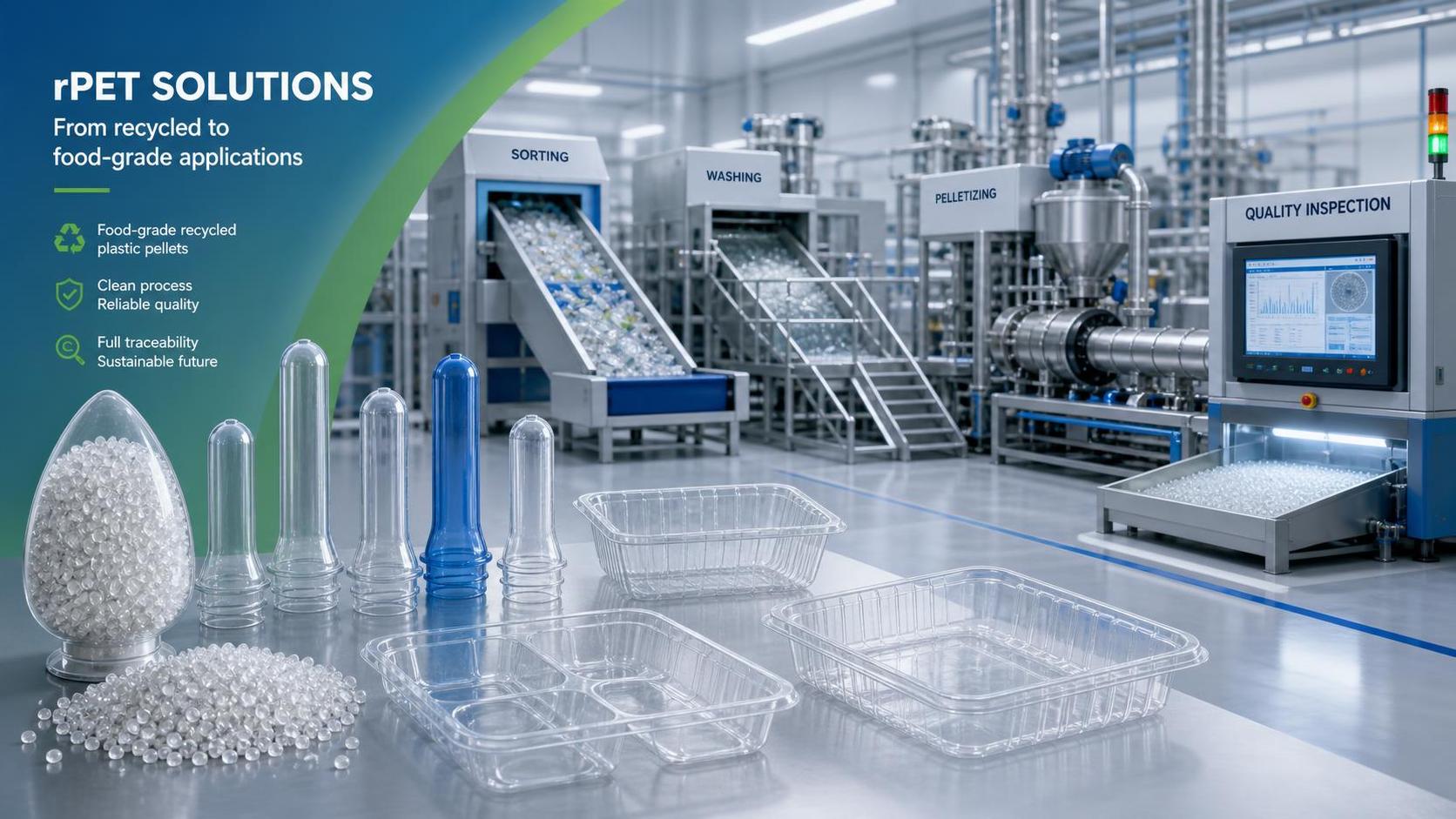
- Additional filtration or decontamination steps if output targets packaging or sensitive consumer applications.
This is where PFRS offers useful market context. Global plastic-ban upgrades, virgin resin price turbulence, and ESG-linked in-house recycling strategies are changing purchasing logic. Approvers should view plastic recycling equipment as part of long-term compliance resilience and supply-chain flexibility, not merely as a waste reduction tool.
What does a realistic procurement checklist look like?
A disciplined procurement flow helps finance, operations, engineering, and sustainability teams work from the same assumptions. This reduces the risk of approving a line that satisfies one department but fails the full business case.
Recommended approval sequence
- Define feedstock profile: polymer type, contamination level, moisture range, bale variability, and expected annual volume.
- Define output target: flakes, regrind, or pellets; and whether the output feeds extrusion, injection molding, blow molding, or external resale.
- Request utility data: power load, water requirement, heat demand, air consumption, and wastewater burden.
- Model operating cost: labor, maintenance, wear parts, reject rate, testing cost, and planned downtime.
- Review supplier support: installation scope, commissioning plan, spare-part availability, remote diagnostics, and training hours.
- Validate compliance fit: environmental controls, traceability expectations, and customer-specific packaging requirements.
This kind of cross-functional review is especially useful in diversified manufacturing groups, where plastic recycling equipment may support internal reuse, contract recycling, or ESG reporting at the same time.
What mistakes do buyers commonly make with plastic recycling equipment?
Mistake 1: Approving by headline throughput
Throughput figures can be misleading when feedstock is inconsistent. Dirty post-consumer film behaves differently from cleaner industrial scrap. If the line slows down under real contamination levels, the expected return quickly weakens.
Mistake 2: Ignoring downstream process requirements
Recycled material that cannot run smoothly in extrusion, injection molding, or blow molding may require additional sorting, blending, or reprocessing. That adds hidden cost and delays internal adoption.
Mistake 3: Underbudgeting utilities and infrastructure
Power upgrades, water loops, drainage, dust collection, and floor layout adjustments can materially expand project cost. These items should sit inside the approval package, not appear later as change requests.
Mistake 4: Treating maintenance as a minor variable
In abrasive or contaminated applications, maintenance frequency can make the difference between acceptable and poor economics. Planned wear cost is manageable; unplanned stoppage is not.
FAQ: practical questions from financial approvers
How should I evaluate payback for plastic recycling equipment?
Use a model based on saleable output, not input volume. Include utility cost, labor, maintenance, testing, material loss, financing cost, and expected downtime. Then test the model under conservative, base, and optimistic feedstock scenarios. Sensitivity analysis is more reliable than a single ROI number.
Is in-house recycling always cheaper than outsourcing?
Not always. In-house plastic recycling equipment becomes more attractive when scrap volume is stable, material is relatively predictable, and the recycled output can be reused internally or sold with consistent quality. Outsourcing may be preferable if volume is low, feedstock is highly variable, or compliance burden is heavy.
What documents should I request before approval?
Request a technical specification sheet, utility list, wear-part list, commissioning scope, training plan, recommended spare parts, maintenance schedule, and a clear statement of expected output conditions. If the project supports packaging applications, also request the process and documentation approach for relevant compliance pathways.
How long is the typical implementation risk window?
The highest-risk period is usually from installation through feedstock stabilization and early ramp-up. Approvers should budget for tuning, operator training, and temporary productivity gaps. A supplier or advisory partner with process insight across washing, extrusion, pelletizing, and downstream polymer converting can reduce that ramp risk.
Why consult PFRS before finalizing the investment?
PFRS brings value because plastic recycling equipment does not operate in isolation. Its intelligence framework spans injection molding, extrusion, blow molding, vulcanization, and waste plastic recovery, allowing investment teams to judge a recycling line by its effect on the whole polymer value chain. That perspective is useful when your business case includes internal reuse, ESG targets, advanced materials, or packaging compliance pressures.
If you are comparing suppliers or preparing an approval note, you can consult PFRS on practical decision points such as parameter confirmation, line configuration logic, feedstock-to-output matching, expected utility burden, delivery timeline assumptions, downstream process compatibility, and compliance-related documentation questions.
- Need help screening plastic recycling equipment proposals against total cost of ownership?
- Need support aligning machine selection with extrusion, injection molding, or blow molding reuse targets?
- Need a clearer view of delivery scope, spare-part exposure, or compliance-sensitive design choices?
Contact us to discuss equipment selection, parameter review, project budgeting, delivery planning, certification-related concerns, and quotation comparison. A stronger decision starts when finance, process, and compliance questions are answered together rather than one at a time.
Related News
- 00
0000-00
Polymer Processing for Extrusion: How Melt Rheology Affects Line Stability - 00
0000-00
Energy-Efficient Polymer Processing: Where Plants Can Cut kWh per Kilogram - 00
0000-00
German Extrusion Equipment Suppliers: Comparing Service, Lead Times, and Lifecycle Cost - 00
0000-00
Is an Underwater Pelletizer Worth the Added Cost for Recycled Plastics? - 00
0000-00
How Often Should Melt Filter Screens Be Changed?
Weekly Insights
Stay ahead with our curated technology reports delivered every Monday.
Related News
 Ms. Elena RodriguezGerman Extrusion Equipment Suppliers: Comparing Service, Lead Times, and Lifecycle CostExtrusion equipment Germany suppliers compared: evaluate service coverage, credible lead times, spare-parts access, and lifecycle cost to select a reliable, future-ready production partner.Sep 22, 2026
 Ms. Elena RodriguezHow to Compare Pelletizing Lines by Energy Use per TonHow do I compare pelletizing lines by kWh per ton? Learn to measure total energy, verify saleable output, and select a cost-efficient line.Sep 23, 2026
 Ms. Elena RodriguezIn-House Recycling for Factory Scrap: How to Reduce Material Waste and Disposal CostsIn house recycling for factory scrap helps manufacturers cut material waste, reduce disposal costs, and create controlled, quality-focused reuse loops.Sep 07, 2026
 Ms. Elena RodriguezHow Recyclable Packaging Manufacturing Balances Material Recovery and Production CostRecyclable packaging manufacturing: discover how smarter design, feedstock control, and process optimization reduce recovery costs while improving quality and yield.Sep 04, 2026
 Ms. Elena RodriguezHow to Evaluate a Plastic Recycling Systems Supplier for Your Processing NeedsChoose the right plastic recycling systems supplier with a practical guide to feedstock fit, output quality, total cost, testing, service, and compliance.Sep 01, 2026
 Ms. Elena RodriguezCE Marking for Plastic Processing Equipment: Documentation and Safety ChecksPlastic processing equipment CE compliance: learn the essential documentation, risk assessments, safety checks, and validation steps for reliable EU market access.Aug 30, 2026
 Ms. Elena RodriguezPlastic Packaging Compliance Standards: What Tests and Documents Matter Most?Plastic packaging compliance standards explained: learn which migration tests, mechanical checks, and audit-ready documents matter most to reduce risk and pass reviews with confidence.Aug 25, 2026
 Ms. Elena RodriguezHow to Evaluate a Plastic Waste Recycling System for Capacity, Contamination, and ROIPlastic waste recycling system evaluation made practical: compare true capacity, contamination control, and ROI to choose a line that delivers stable output and stronger returns.Aug 24, 2026
 Ms. Elena RodriguezPackaging Molding Equipment Price: What Drives Cost and How to Compare Quotes?Packaging molding equipment price varies by machine type, automation, tooling, energy use, and service scope. Learn what drives cost and how to compare quotes with confidence.Aug 21, 2026
 Ms. Elena RodriguezWhat Packaging Machinery for Plastic Containers Should You Choose for High-Volume Production?Packaging machinery for plastics containers can make or break high-volume production. Learn how to choose the right line for speed, consistency, compliance, and lower lifecycle costs.Aug 16, 2026
 Ms. Elena RodriguezWhat Circular Plastics Mean for Automotive Parts and Material SelectionCircular plastics for automotive are reshaping part selection with lower weight, better sustainability, and reliable performance. Discover how engineers balance recycled content, durability, and compliance.Aug 15, 2026
 Ms. Elena RodriguezBroiler Farming in Cage System: Selection Factors for Commercial FarmsBroiler farming in cage system selection for commercial farms: compare structure, ventilation, automation, and manure handling to improve efficiency and avoid costly mistakes.Aug 14, 2026
 Ms. Elena RodriguezHow to Implement Smart Polymer Manufacturing Without Disrupting Existing Production?Smart polymer manufacturing implementation made practical: learn how to upgrade existing production with phased digitalization, less downtime, better control, and measurable ROI.Aug 11, 2026
 Ms. Elena RodriguezHow to Evaluate a Rubber Compression Molding Supplier for Complex Part ProductionRubber compression molding supplier selection for complex parts starts with process, material, and tooling control. Learn how to compare vendors beyond price and reduce launch risk.Aug 10, 2026
 Ms. Elena RodriguezPackaging Compliance in Canada: Key Labeling and EPR Rules Importers Must KnowPackaging compliance Canada explained for importers: learn bilingual labeling, environmental claims, and provincial EPR rules to reduce risk, avoid costly errors, and stay market-ready.Aug 03, 2026
 Ms. Elena RodriguezWhy Circular Plastics Economy Traceability Matters for Recycled Content ComplianceCircular plastics economy traceability is essential for proving recycled content compliance across sourcing, processing, and reporting. Learn how strong evidence reduces audit risk.Aug 02, 2026
 Ms. Elena RodriguezRecycled Plastic Compliance: Key Standards, Testing Requirements, and DocumentationRecycled plastic compliance explained: key standards, testing requirements, supplier documents, and food-contact risks to help you avoid approval delays and costly compliance mistakes.Aug 01, 2026
 Ms. Elena RodriguezHow to Evaluate an Extrusion Machinery Manufacturer for Quality, Support, and ROIExtrusion machinery manufacturer selection affects quality, uptime, and ROI. Learn how to compare process fit, output claims, service, compliance, and long-term operating costs.Jul 29, 2026
 Ms. Elena RodriguezHow to Evaluate Food Grade Recycled Pellets for Safe Packaging ApplicationsFood grade recycled pellets for safe packaging demand more than a label. Learn how to assess feedstock, process validation, pellet quality, and compliance before approval.Jul 28, 2026
 Ms. Elena RodriguezHow to Evaluate a Rubber Vulcanization Supplier for Quality, Capacity, and Lead TimeRubber vulcanization supplier selection made easier: learn how to assess quality systems, true production capacity, and lead time reliability to reduce sourcing risk and improve supply performance.Jul 25, 2026