Recycled plastic technology trends changing material consistency




As manufacturers face tighter quality, safety, and compliance demands, recycled plastic technology is rapidly shifting from cost-saving support to a core material control strategy.
For consistent output, material teams now evaluate recycled resin with the same rigor once reserved for virgin polymers.
That shift matters across packaging, automotive, medical support components, consumer goods, and industrial extrusion.
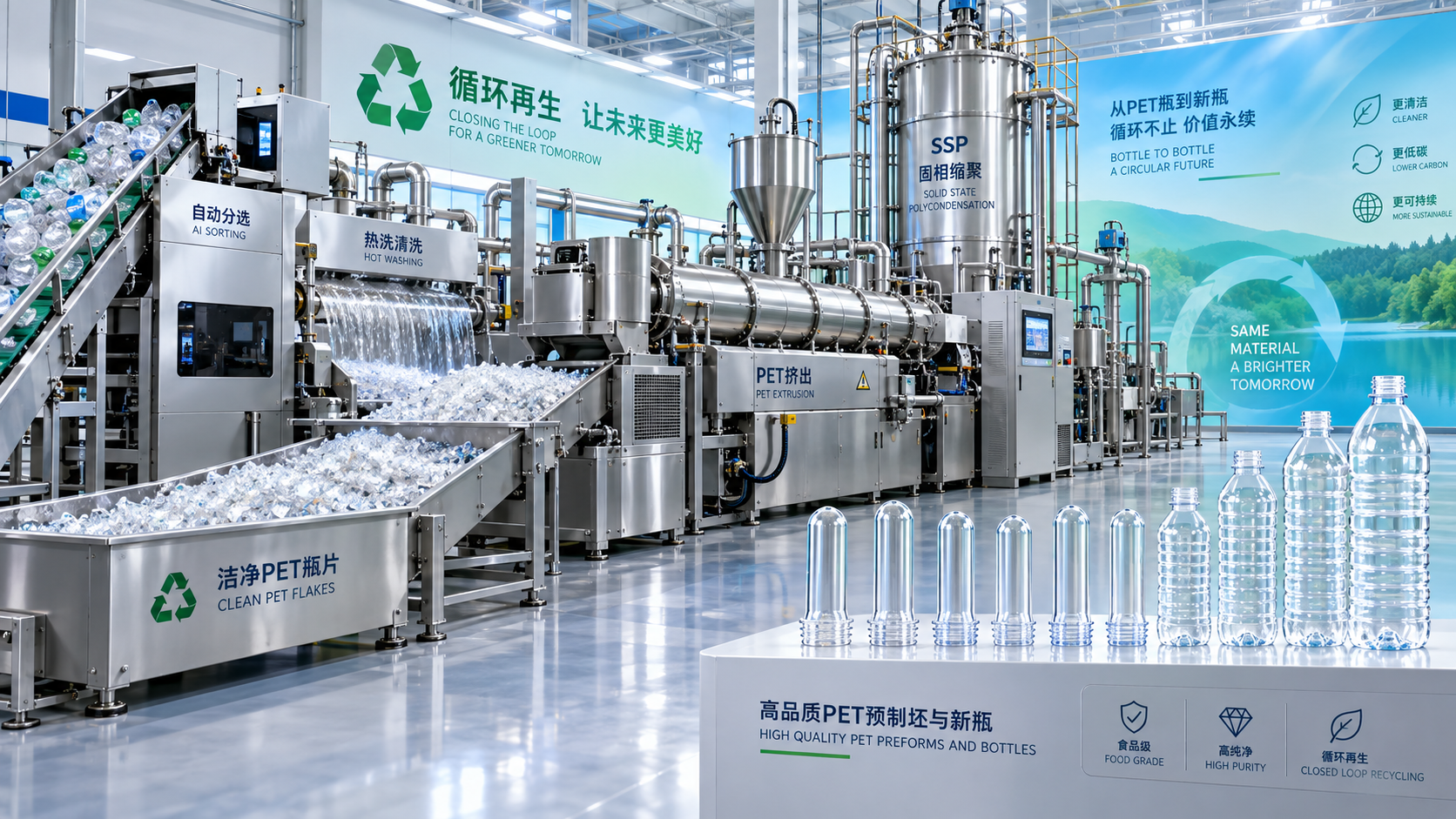
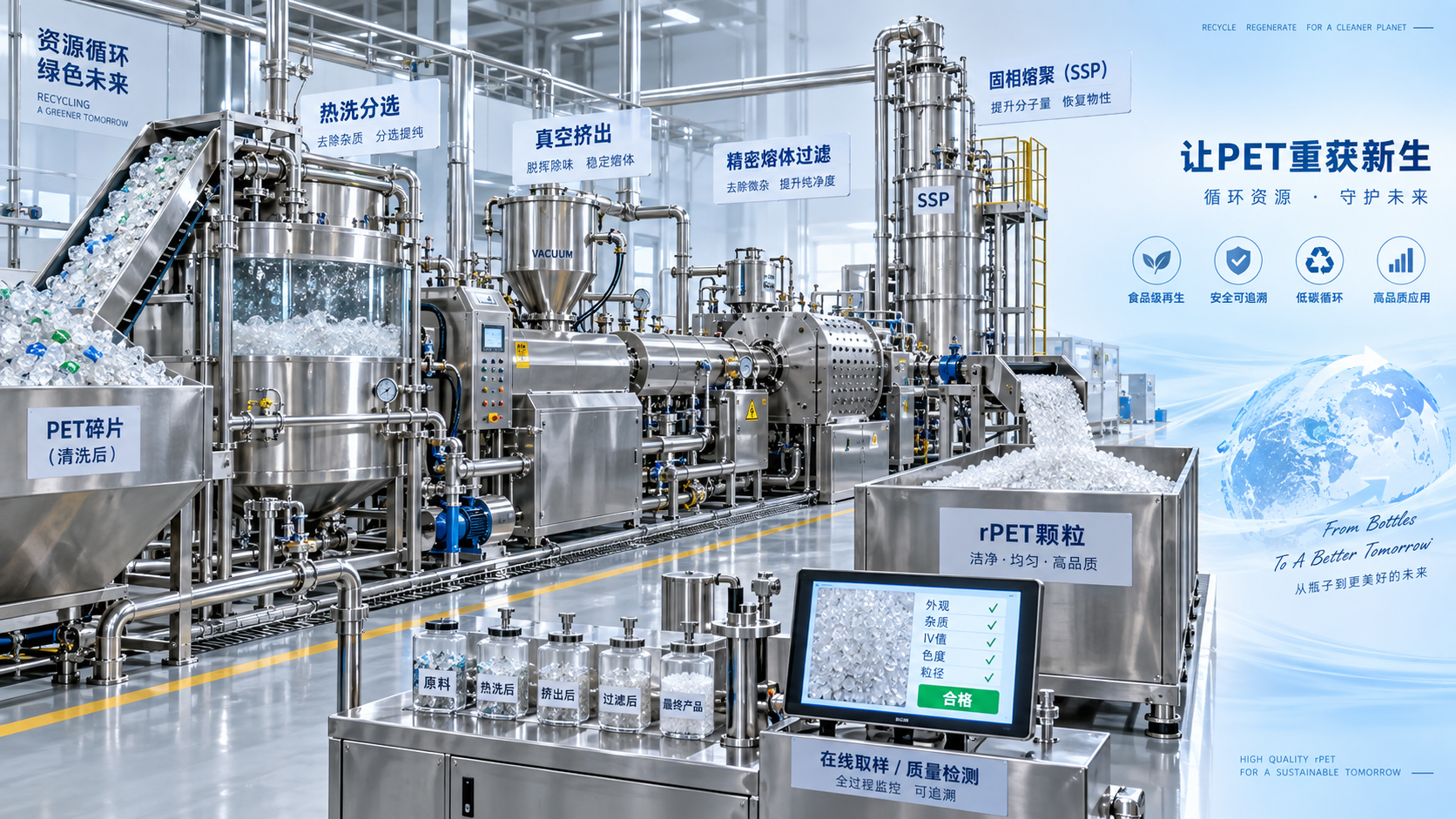
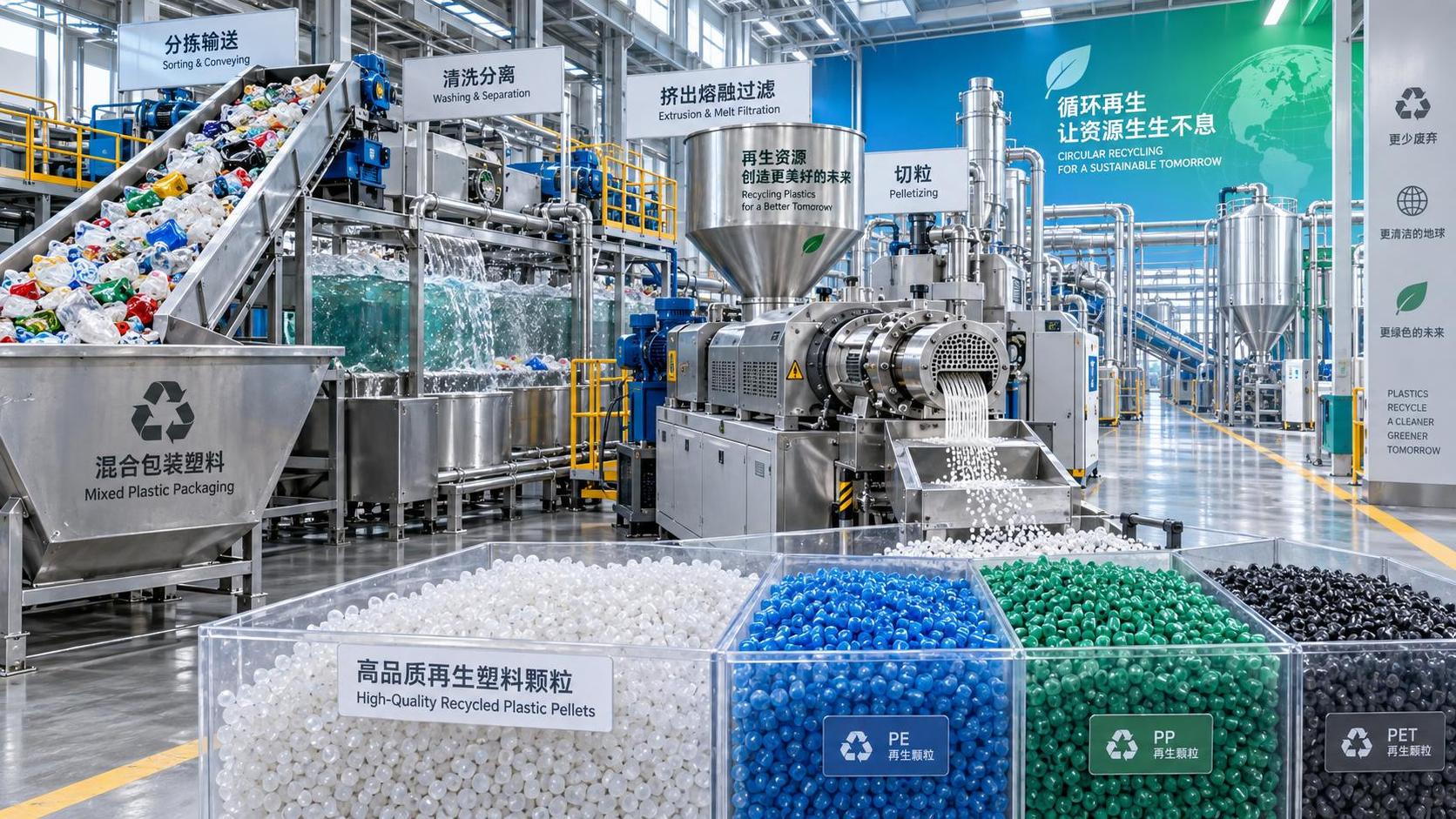
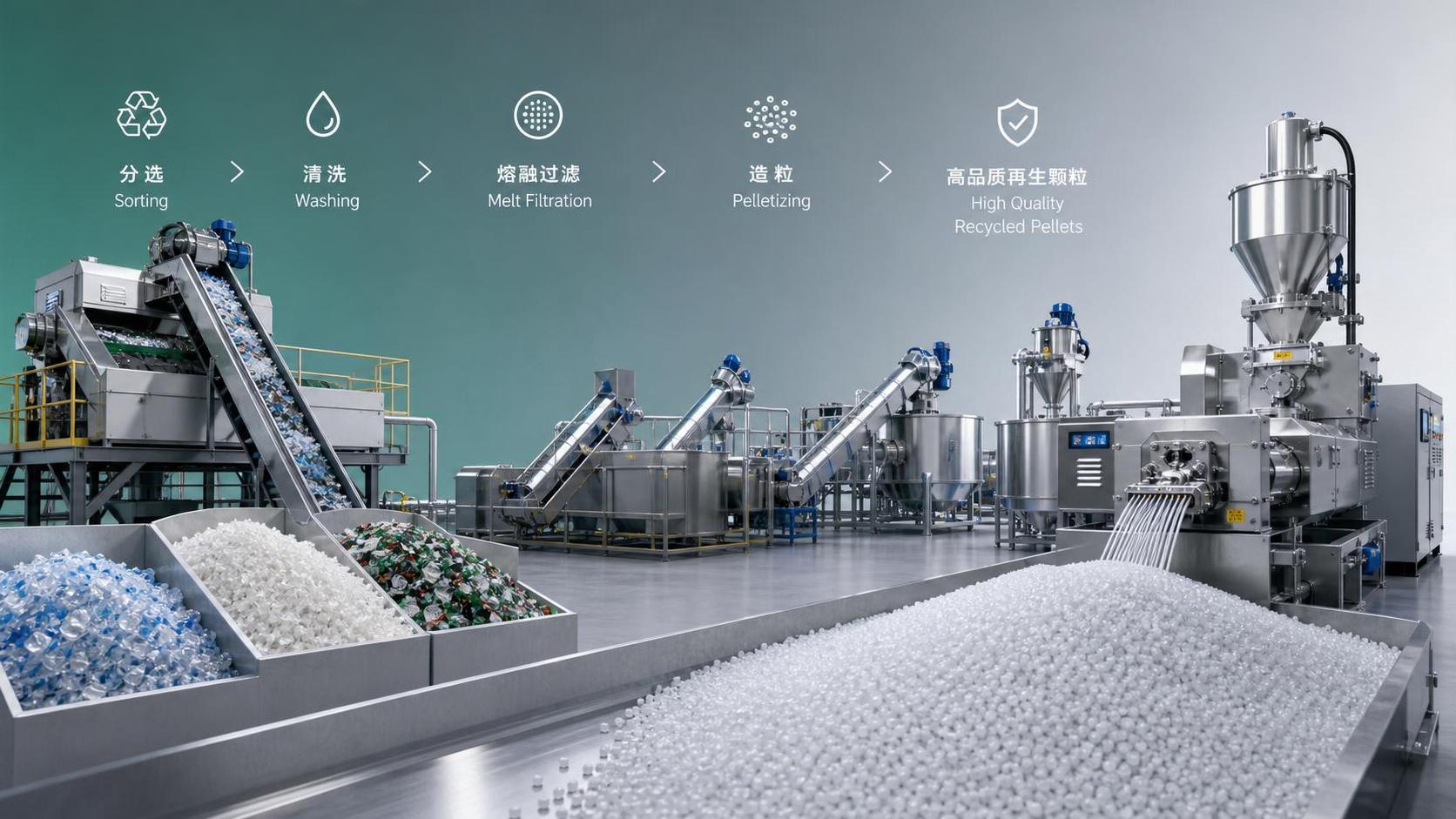
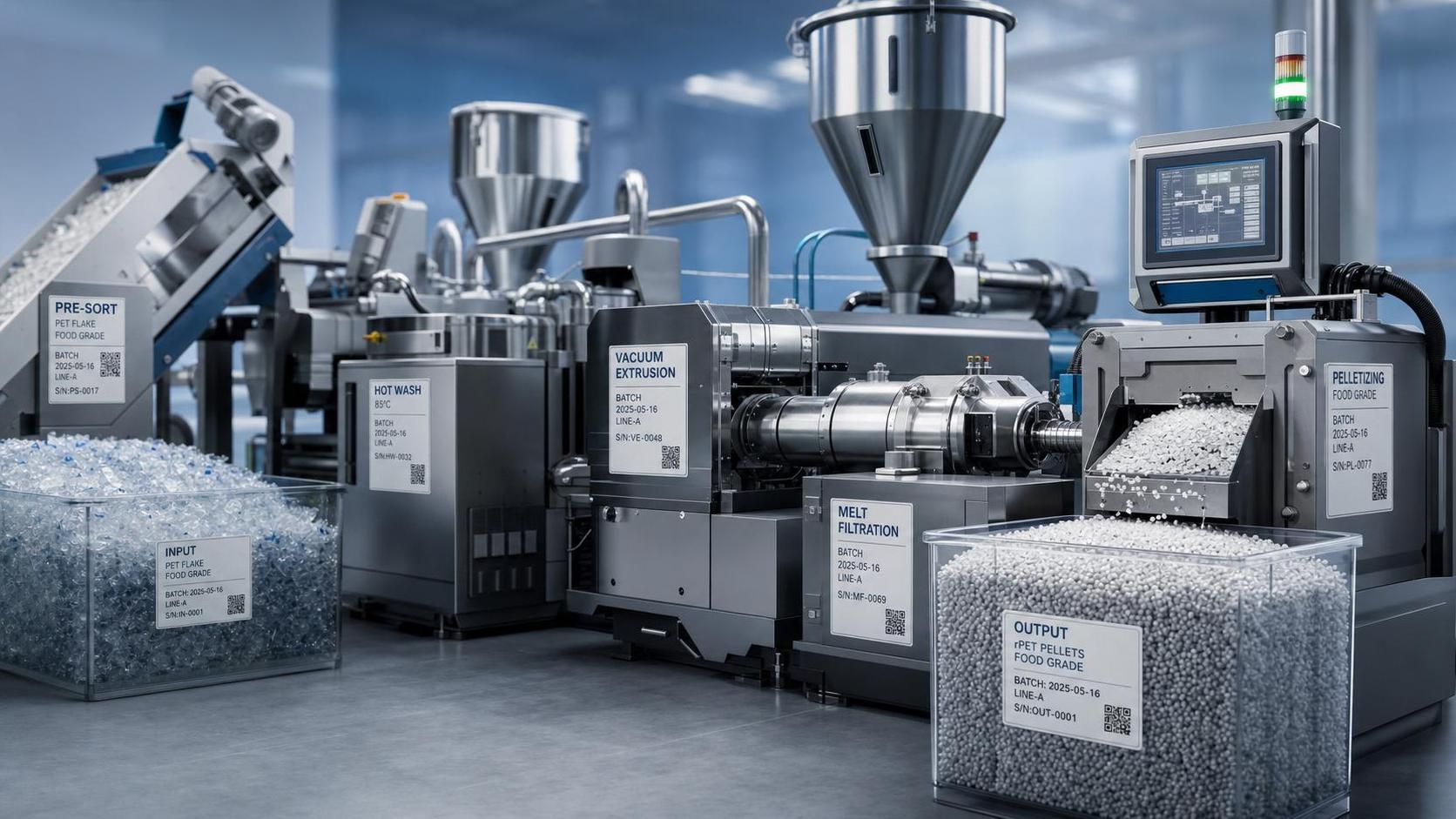
The latest recycled plastic technology improves sorting accuracy, melt purity, pellet uniformity, traceability, and process stability.
As a result, material consistency is becoming measurable, predictable, and easier to control at scale.
Why recycled plastic technology now needs a structured review
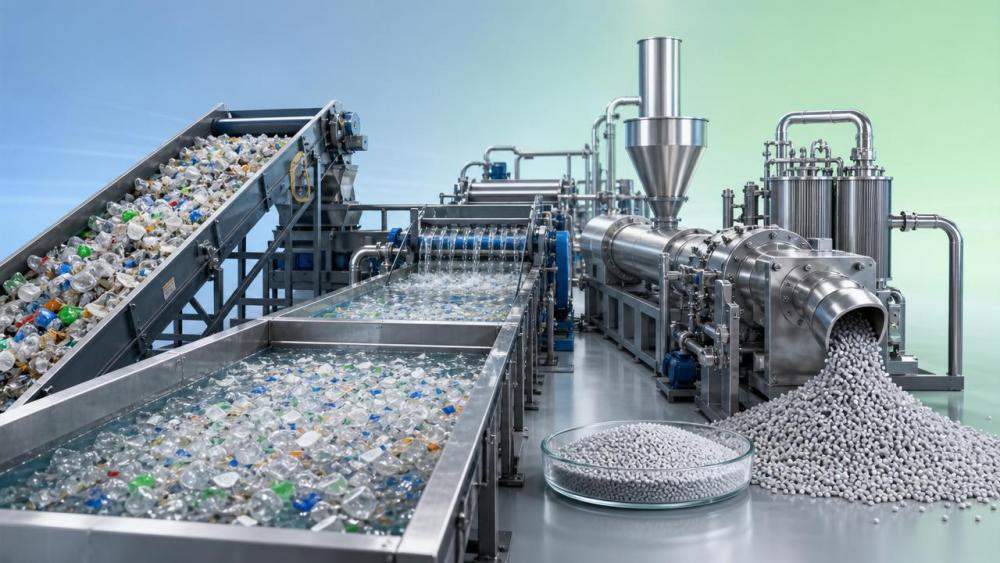
Material inconsistency no longer comes from one source alone. It often starts upstream and compounds through washing, regrinding, melting, filtration, pelletizing, and conversion.
A structured review helps compare feedstock quality, process control, contamination risk, and final performance without missing hidden variables.
This approach is especially useful when recycled plastic technology must support strict color targets, mechanical properties, odor limits, and regulatory compliance.
It also aligns with broader industry changes, including digital process monitoring, in-house recycling lines, and tighter packaging rules.
Key points to verify when recycled plastic technology affects material consistency
- Check feedstock origin, polymer family, prior use, and contamination profile before reviewing any equipment claims or pellet specifications.
- Confirm whether sorting uses NIR, color cameras, AI vision, or density separation to reduce mixed-polymer variation.
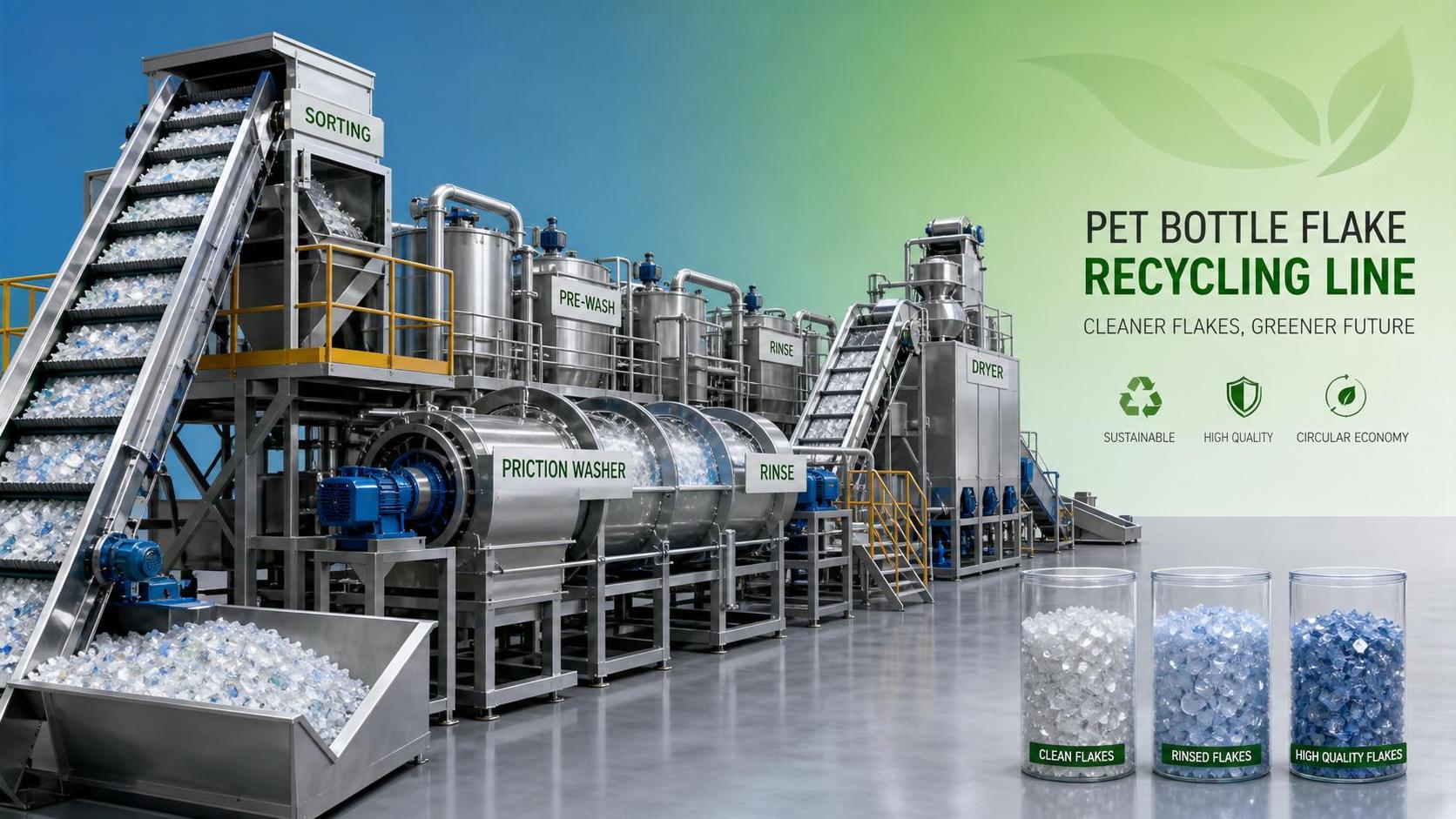
- Review washing performance for labels, adhesives, organics, fines, and residual chemicals that can affect melt stability.
- Verify size reduction consistency because uneven flakes often create unstable feeding, heating differences, and variable residence time.
- Assess degassing efficiency for moisture, volatiles, and odor compounds, especially in recycled plastic technology for packaging applications.
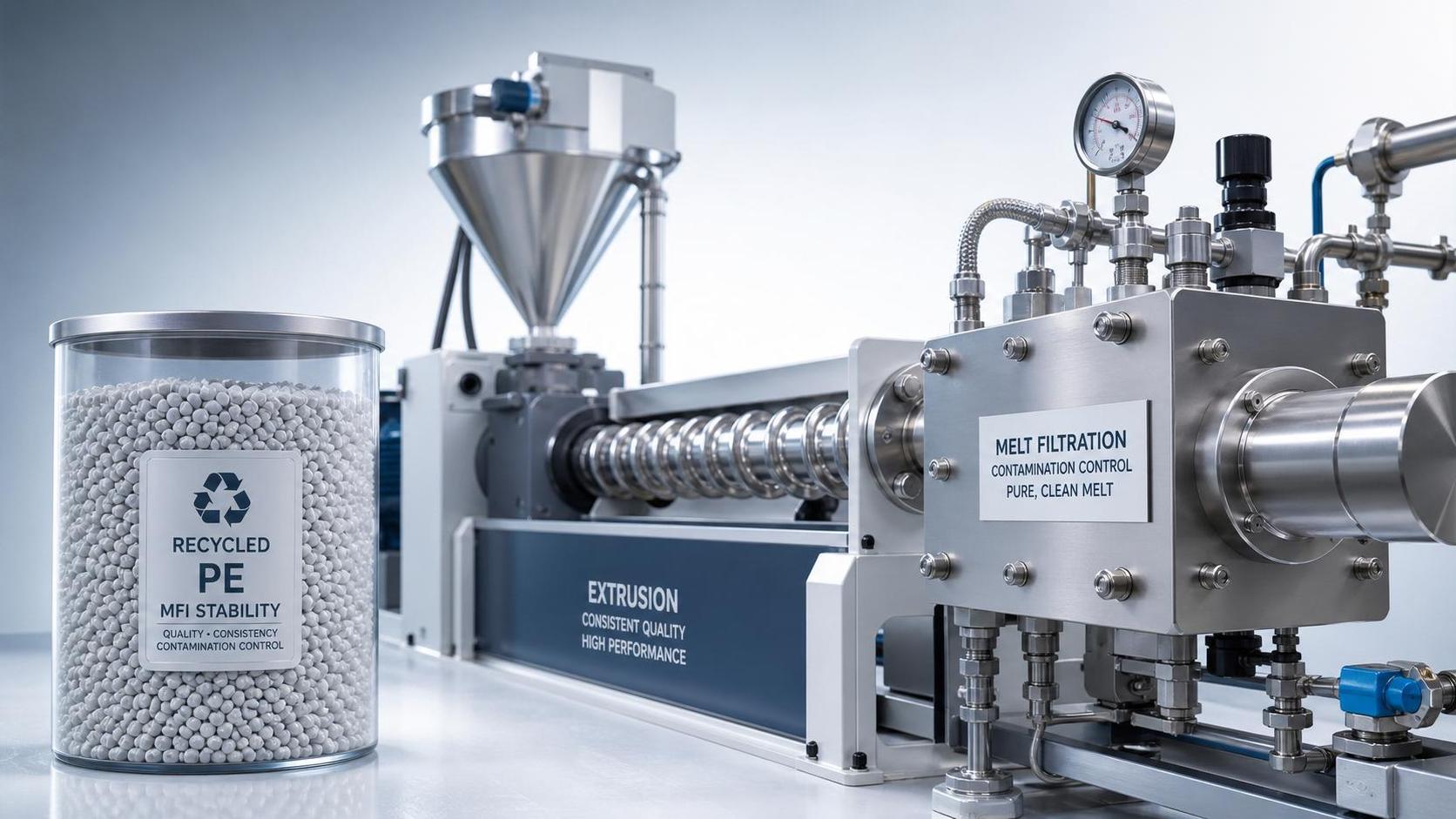
- Inspect melt filtration fineness, screen change strategy, and pressure stability to prevent gels, black specks, and unmelted residue.
- Measure melt flow index distribution by lot, not only average value, because spread often predicts conversion instability.
- Compare pellet size, shape, bulk density, and dust level since uniform pellets support repeatable dosing and processing.
- Check additive management, including compatibilizers, chain extenders, stabilizers, and odor absorbers, for controlled performance recovery.
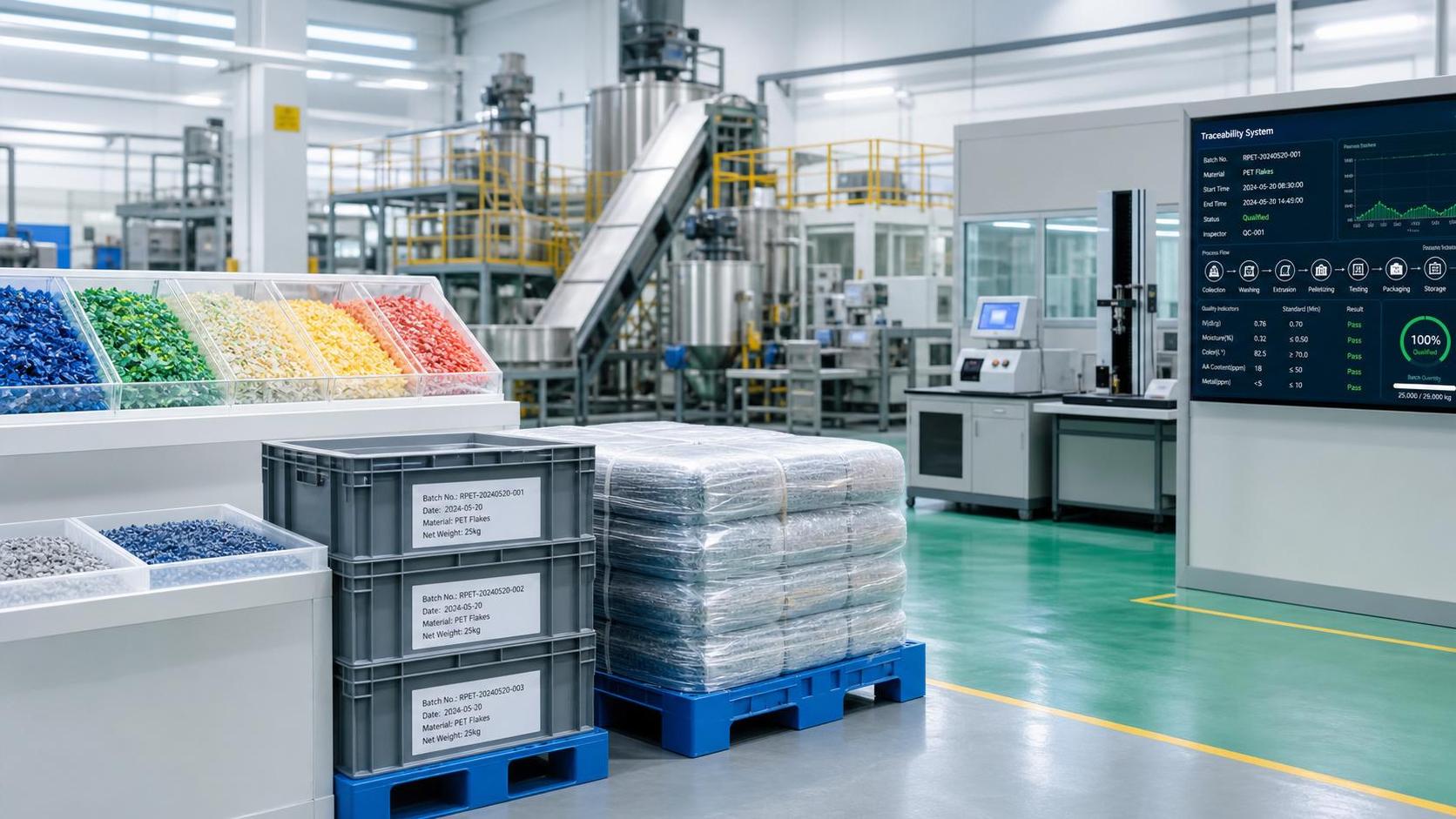
- Confirm traceability records from bale to pellet, including sensor data, lot coding, and nonconformance response procedures.
- Review contamination detection methods such as metal separation, spectroscopy, and inline sensors for chlorine or foreign polymer presence.
- Evaluate whether extrusion and pelletizing settings are digitally logged to link material behavior with process conditions.
Technology trends changing consistency expectations
Smarter sorting reduces variability before melting begins
Modern recycled plastic technology increasingly starts with intelligent sorting rather than downstream correction.
AI-assisted optical systems now separate by resin type, color tone, opacity, and object format with better repeatability.
That lowers cross-contamination and improves consistency in melt flow, color, and odor from batch to batch.
Advanced melt filtration is moving closer to precision control
Nano-level and multi-stage filtration systems are becoming more important in recycled plastic technology for high-value applications.
They remove paper, aluminum, degraded polymer fragments, and other fine contaminants without excessive pressure fluctuation.
Stable pressure matters because it supports uniform pellet quality and steadier downstream molding or extrusion behavior.
Inline sensing is making quality deviations visible earlier
Inline rheology, spectroscopy, moisture sensing, and volatile monitoring are helping processors identify drift before pellets leave the line.
This allows closed-loop adjustments to screw speed, vacuum level, temperature profile, or filtration frequency.
The result is a more data-driven recycled plastic technology workflow with fewer surprises during conversion.
Digital process intelligence supports repeatable output
Digital twins, machine learning, and lot-based analytics are improving consistency across extrusion, pelletizing, and injection molding.
When process data is linked to pellet performance, operators can identify the conditions that create narrow quality windows.
This trend is central to recycled plastic technology adoption in demanding sectors where scrap variability used to be a major barrier.
How the checks change by application
Packaging
Packaging needs close control of odor, appearance, food-contact pathway compliance, and seal or stretch performance.
In this setting, recycled plastic technology should be reviewed for decontamination strength, clarity retention, and lot traceability.
Automotive
Automotive applications often prioritize mechanical stability, thermal aging, dimensional control, and low volatile emissions.
Here, recycled plastic technology must support consistent reinforcement behavior, stable melt flow, and reliable additive compatibility.
Industrial extrusion and molded products
Pipes, sheets, crates, and technical parts usually allow broader cosmetic variation but still require process stability.
Key checks include pressure stability, pellet feeding consistency, contamination control, and resistance to repeated thermal history.
Commonly overlooked risks
A low average melt flow index can hide large lot-to-lot variation. Distribution matters more than a single certificate value.
Odor complaints often come from poor washing or weak devolatilization, not only from the original waste stream.
Pellet shape is frequently underestimated. Irregular pellets can create feeder inconsistency, bridging, and unstable shot weight.
Color control may fail because contamination is invisible in flakes but obvious after melting and residence time exposure.
Another missed issue is additive stacking. Repeated stabilization can distort viscosity, odor, or long-term aging behavior.
Finally, recycled plastic technology is sometimes judged by lab pellets only, without checking full-scale production stability.
Practical execution steps for better consistency
- Create a material acceptance sheet covering source, contamination type, melt flow range, moisture, odor, color, and pellet geometry.
- Set control limits for both average values and variation bands, then link those limits to conversion outcomes.
- Run trial lots through actual molding or extrusion equipment instead of relying only on resin lab data.
- Use supplier audits to verify sorting logic, filtration stages, vacuum performance, and digital record quality.
- Introduce inline monitoring where possible so recycled plastic technology issues are corrected before large-volume deviation occurs.
- Review regrind and recycled content interactions together because combined variability can exceed machine process windows.
FAQ on recycled plastic technology and consistency
Can recycled plastic technology match virgin resin consistency?
In some applications, yes. It depends on feedstock control, filtration quality, additive strategy, and process monitoring depth.
Which metric should be checked first?
Start with feedstock identity and contamination profile. Without that, other data can look good but remain misleading.
Why is pellet consistency so important?
Uniform pellets improve conveying, dosing, melting, and residence time control across extrusion and injection processes.
Does digitalization really improve recycled plastic technology?
Yes. Data correlation helps isolate the variables behind drift and supports repeatable quality over time.
Conclusion and next actions
Recycled plastic technology is no longer judged only by recovery rate or price advantage.
Its real value now lies in how reliably it delivers stable, traceable, application-ready material.
Start with a structured review of sorting, washing, filtration, sensing, pelletizing, and data traceability.
Then compare those findings against actual process windows and final product requirements.
That practical discipline turns recycled plastic technology from a sustainability promise into a dependable material consistency strategy.
Related News
- 00
0000-00
How to Qualify a Servo Injection Molding Exporter for Global Sourcing - 00
0000-00
Polymer Processing for Extrusion: How Melt Rheology Affects Line Stability - 00
0000-00
Energy-Efficient Polymer Processing: Where Plants Can Cut kWh per Kilogram - 00
0000-00
German Extrusion Equipment Suppliers: Comparing Service, Lead Times, and Lifecycle Cost - 00
0000-00
Is an Underwater Pelletizer Worth the Added Cost for Recycled Plastics?
Weekly Insights
Stay ahead with our curated technology reports delivered every Monday.
Related News
 Circular Plastics ExpertHow Closed-Loop Bottle-to-Bottle Recycling Maintains Food-Grade PET QualityClosed-loop plastic recycling for bottle to bottle: learn how sorting, washing, filtration, SSP, and quality control protect food-grade PET performance.Sep 19, 2026
 Circular Plastics ExpertHow to Specify a Food-Grade PET Bottle Recycling System for Safe rPET ProductionFood grade PET bottle recycling systems: learn how to specify safe, compliant rPET production with proven feedstock control, decontamination, IV stability, and acceptance testing.Sep 18, 2026
 Circular Plastics ExpertHow Closed-Loop Recycling Turns Post-Consumer Plastic into Reliable FeedstockRecycled plastic processing closed loop systems turn post-consumer waste into reliable feedstock through sorting, washing, filtration, compounding, and quality control.Sep 15, 2026
 Circular Plastics ExpertSelecting Plastic Recycling Systems for Mixed Packaging Waste: Key Process CriteriaPlastic recycling systems for packaging: learn how to match sorting, washing, separation, and extrusion to mixed waste for reliable, saleable recycled resin.Sep 12, 2026
 Circular Plastics ExpertHow Closed-Loop Recycling Works for UK PET Bottle Packaging Supply ChainsClosed loop recycling UK: discover how PET bottles return to food-grade packaging through smarter design, sorting, compliant rPET and resilient supply chains.Aug 27, 2026
 Circular Plastics ExpertIn-House Recycling Systems for Plastics: When They Make Sense and What to CompareIn house recycling systems can cut resin costs and waste—but only in the right setup. Learn when they pay off, what risks to compare, and how to choose wisely.Jul 12, 2026
 Circular Plastics ExpertWhat to Check Before Investing in a Polymer Recycling Plant for Post-Consumer WastePolymer recycling plant investment guide: learn how to evaluate feedstock quality, contamination control, operating costs, compliance, and ROI before committing capital.Jul 08, 2026
![]() Circular Plastics ExpertPlastic Recycling Machinery for PET Bottles: How to Compare Capacity, Washing, and Output QualityPlastic recycling machinery for PET bottles compared clearly: learn how to evaluate real capacity, washing efficiency, and flake output quality to choose a higher-value PET recycling line.Jul 07, 2026
Circular Plastics ExpertPlastic Recycling Machinery for PET Bottles: How to Compare Capacity, Washing, and Output QualityPlastic recycling machinery for PET bottles compared clearly: learn how to evaluate real capacity, washing efficiency, and flake output quality to choose a higher-value PET recycling line.Jul 07, 2026 Circular Plastics ExpertPET Recycling Plant Cost Drivers: Capacity, Washing Line Design, and Food-Grade TargetsPET recycling plant cost depends on more than machine price. Discover how capacity, washing line design, and food-grade goals affect ROI, quality, and project risk.Jul 06, 2026
 Circular Plastics ExpertCommon PET Flake Recycling System Problems and How to Improve Flake PurityPET flake recycling system issues can quietly reduce flake purity. Learn the main contamination points, troubleshooting steps, and practical upgrades to improve quality and line stability.Jul 05, 2026
 Circular Plastics ExpertPET Flake Recycling System Selection Guide: Washing, Sorting, and Output Quality FactorsPET flake recycling system selection starts with feedstock, washing, sorting, and output quality. Discover how to reduce contamination, control costs, and improve rPET value.Jul 05, 2026
 Circular Plastics ExpertRecycled Plastic Pellets rPE: How to Evaluate Quality, MFI, and Contamination RiskRecycled plastic pellets rPE: learn how to assess quality, MFI stability, and contamination risk to choose reliable grades for extrusion, molding, and packaging with more confidence.Jul 04, 2026
 Circular Plastics ExpertCircular Economy for PET Recycling: How Closed-Loop Systems Work in Bottle ProductionCircular economy for PET recycling explained: discover how closed-loop bottle production turns used PET into food-grade rPET, boosting compliance, efficiency, and brand value.Jul 03, 2026
 Circular Plastics ExpertIn-House Plastic Recycling in Germany: When Does It Make Sense for PET Processors?In house plastic recycling Germany: learn when PET processors can turn internal scrap into lower resin costs, better compliance, and stronger margins with the right setup.Jul 03, 2026
 Circular Plastics ExpertWhat Drives Closed Loop Recycling Price in PET Bottle Projects?Closed loop recycling price in PET bottle projects depends on feedstock quality, yield, energy, compliance, and rPET demand. Learn what truly drives cost and profit.Jun 28, 2026
 Circular Plastics ExpertClosed-Loop Plastic Recycling Compliance: Key Documentation, Traceability, and Audit ChecksClosed-loop plastic recycling compliance explained: learn the key documents, traceability steps, and audit checks needed to reduce risk, prove claims, and stay audit-ready.Jun 27, 2026
 Circular Plastics ExpertRecycled Plastic Technology Explained: Common Processes, Materials, and Output QualityRecycled plastic technology explained: learn the common processes, key materials, and what determines output quality for reliable, high-value recycling results.Jun 26, 2026
 Circular Plastics ExpertFood Grade Plastic Recycling Systems: How to Choose for Traceability and DecontaminationFood grade plastic recycling systems: learn how to choose solutions that deliver traceability, proven decontamination, compliance confidence, and consistent recycled resin quality.Jun 25, 2026
 Circular Plastics ExpertCircular Economy Plastics Explained: Recycled Content, Design for Recycling, and EPR BasicsCircular economy plastics explained: learn recycled content, design for recycling, and EPR basics to cut costs, improve compliance, and build smarter packaging strategies.Jun 22, 2026
 Circular Plastics ExpertWhat Drives Closed Loop Recycling Price in 2025? Supply, Quality, and Policy FactorsClosed loop recycling price in 2025 is driven by supply quality, traceability, and policy shifts. Discover what raises premiums, reshapes risk, and impacts buying decisions.Jun 19, 2026