Plastic extrusion technology choices that affect output stability




For business evaluators, plastic extrusion technology is not just a machine specification. It determines whether output stays stable across shifts, recipes, operators, and market changes.
In extrusion-driven production, small technology choices often create large downstream effects. A screw design change, tighter temperature zoning, or better melt pressure control can shift scrap rates and uptime.
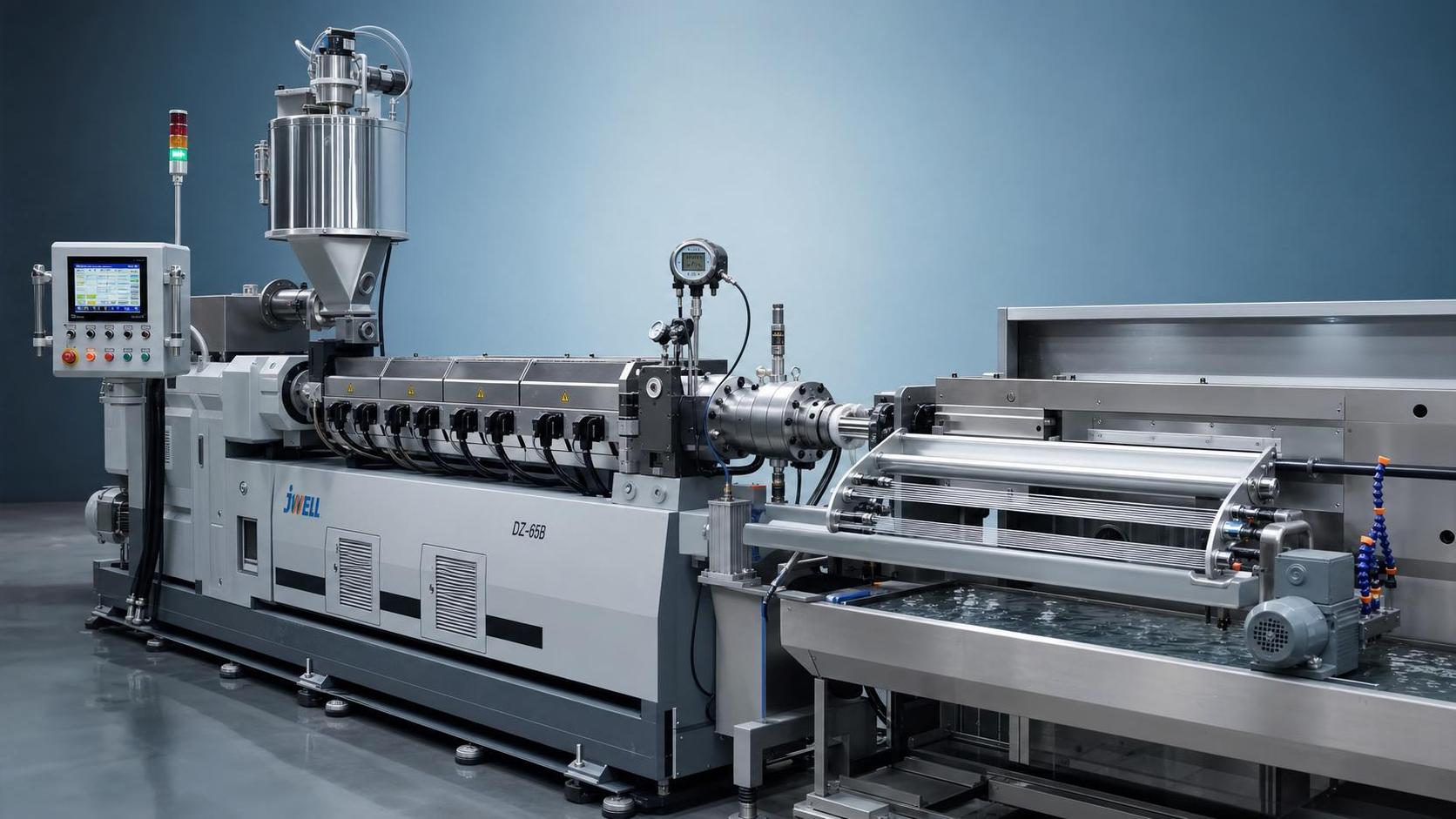
Stable output matters across the broader polymer industry. Pipe, film, sheet, profile, cable, and recycling lines all depend on repeatable melt behavior, consistent throughput, and predictable energy use.
This article examines how plastic extrusion technology choices should be judged by application scenario. The goal is practical: match technology paths with production risk, quality targets, and long-term operating value.
Why output stability depends on scenario, not one universal extrusion setup
Output stability looks different in different environments. A packaging film line values gauge uniformity, while a pipe line focuses on dimensional consistency and pressure endurance.
The same plastic extrusion technology package rarely fits every process. Material rheology, filler loading, moisture sensitivity, line speed, and tolerance windows change the best technology choice.
This is why scenario-based evaluation matters. It reduces overinvestment in features that add little value and avoids underinvestment in controls that protect output stability.
Scenario 1: High-volume pipe and profile lines need pressure stability first
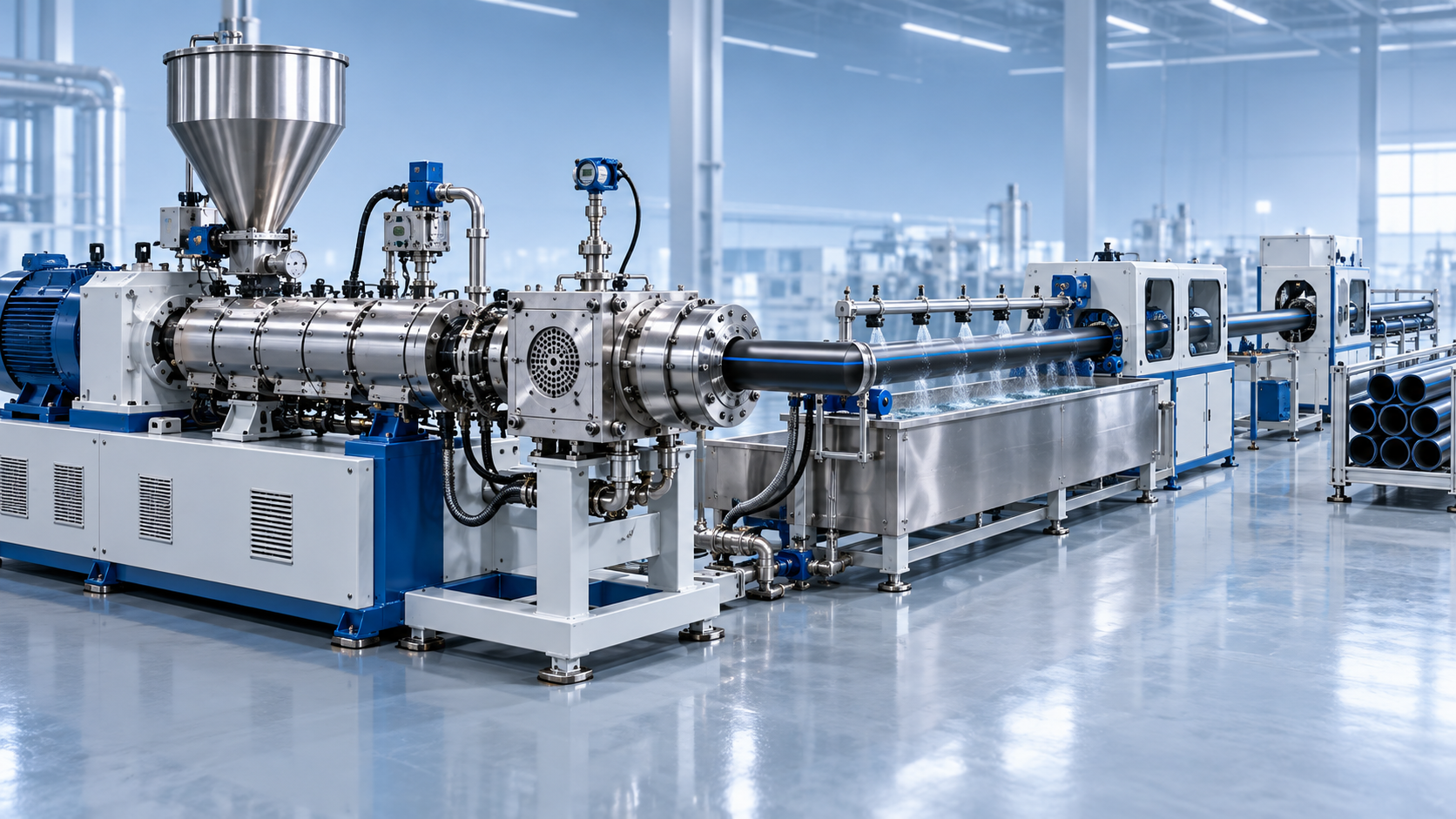
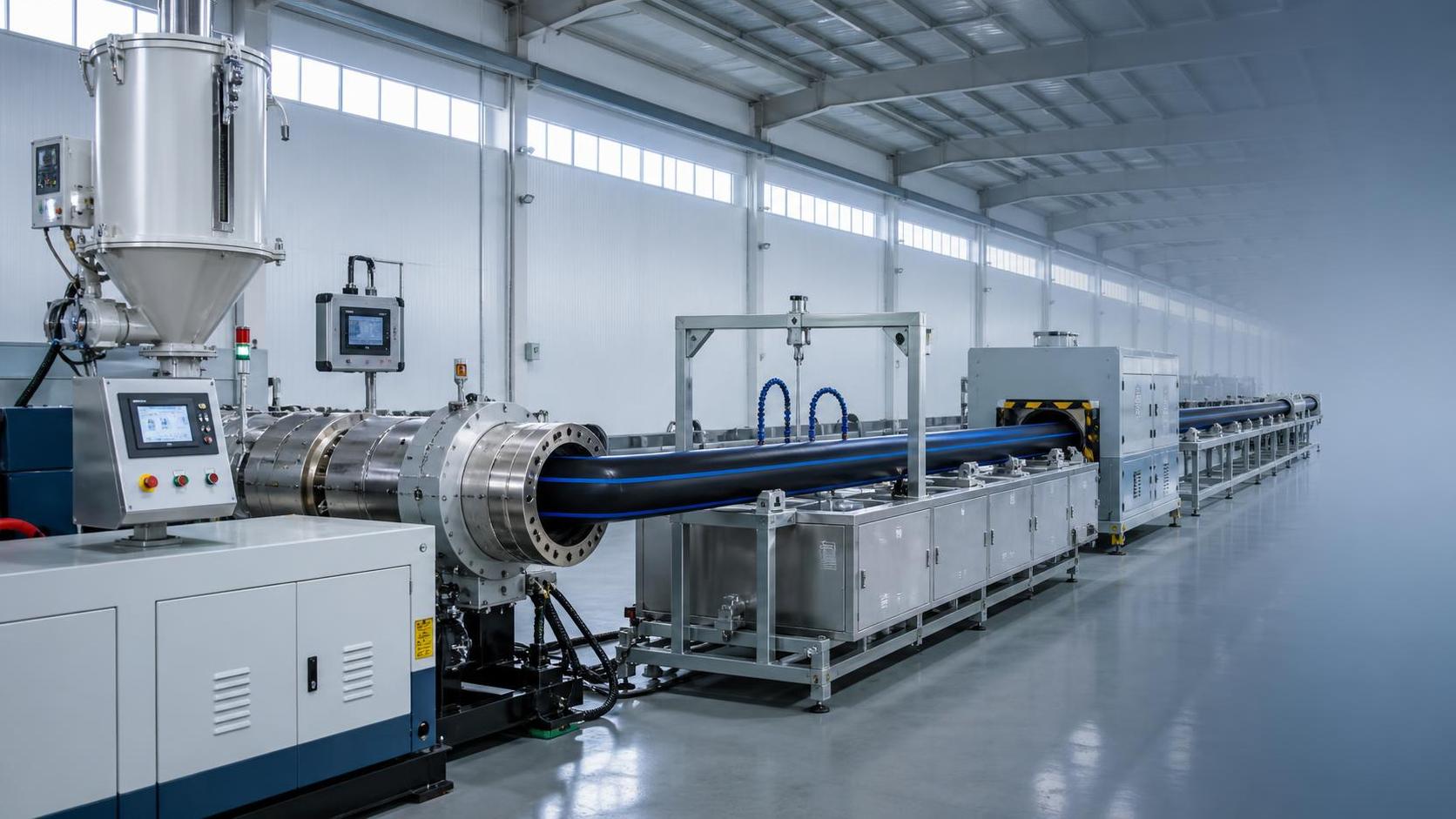
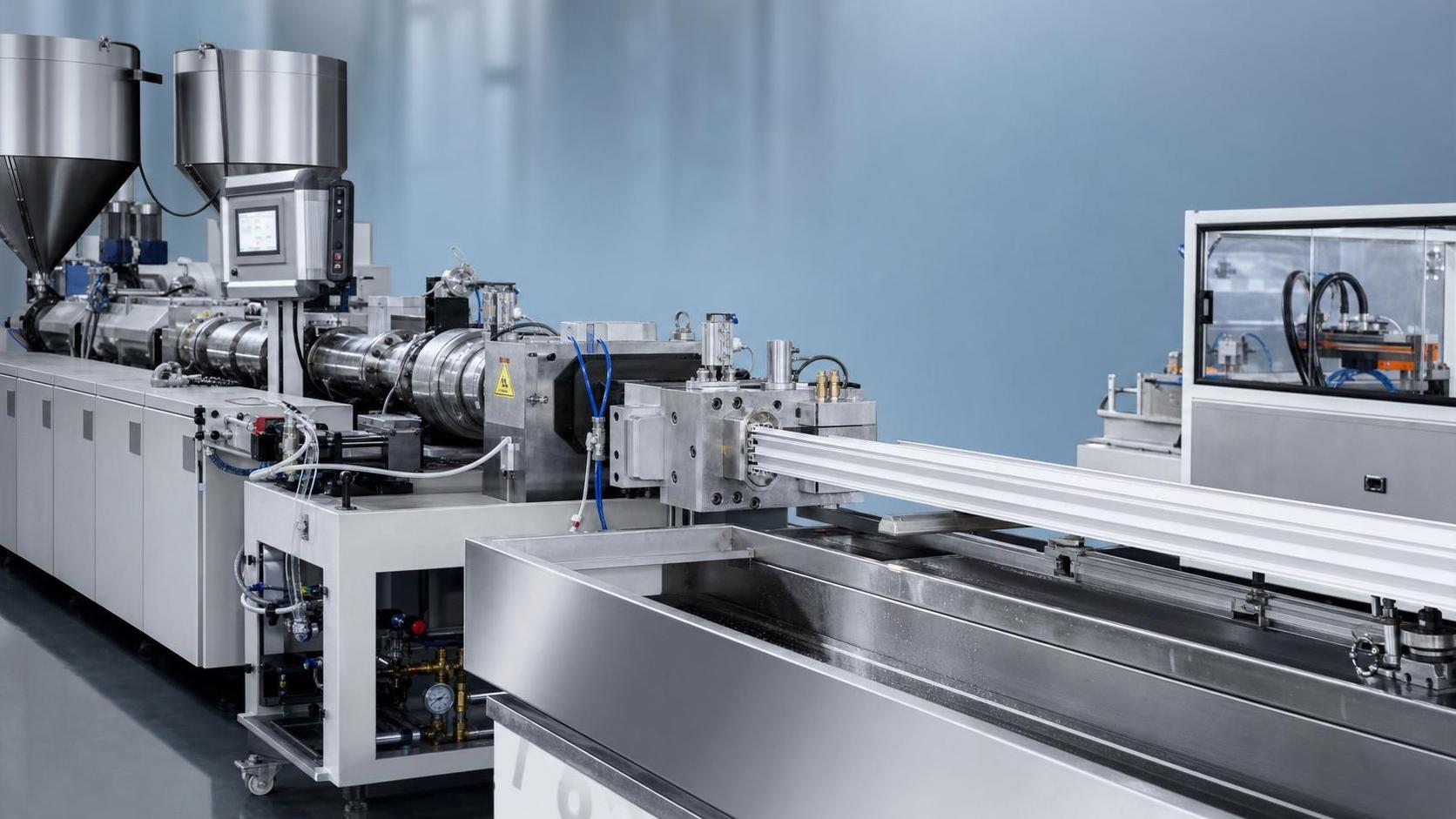
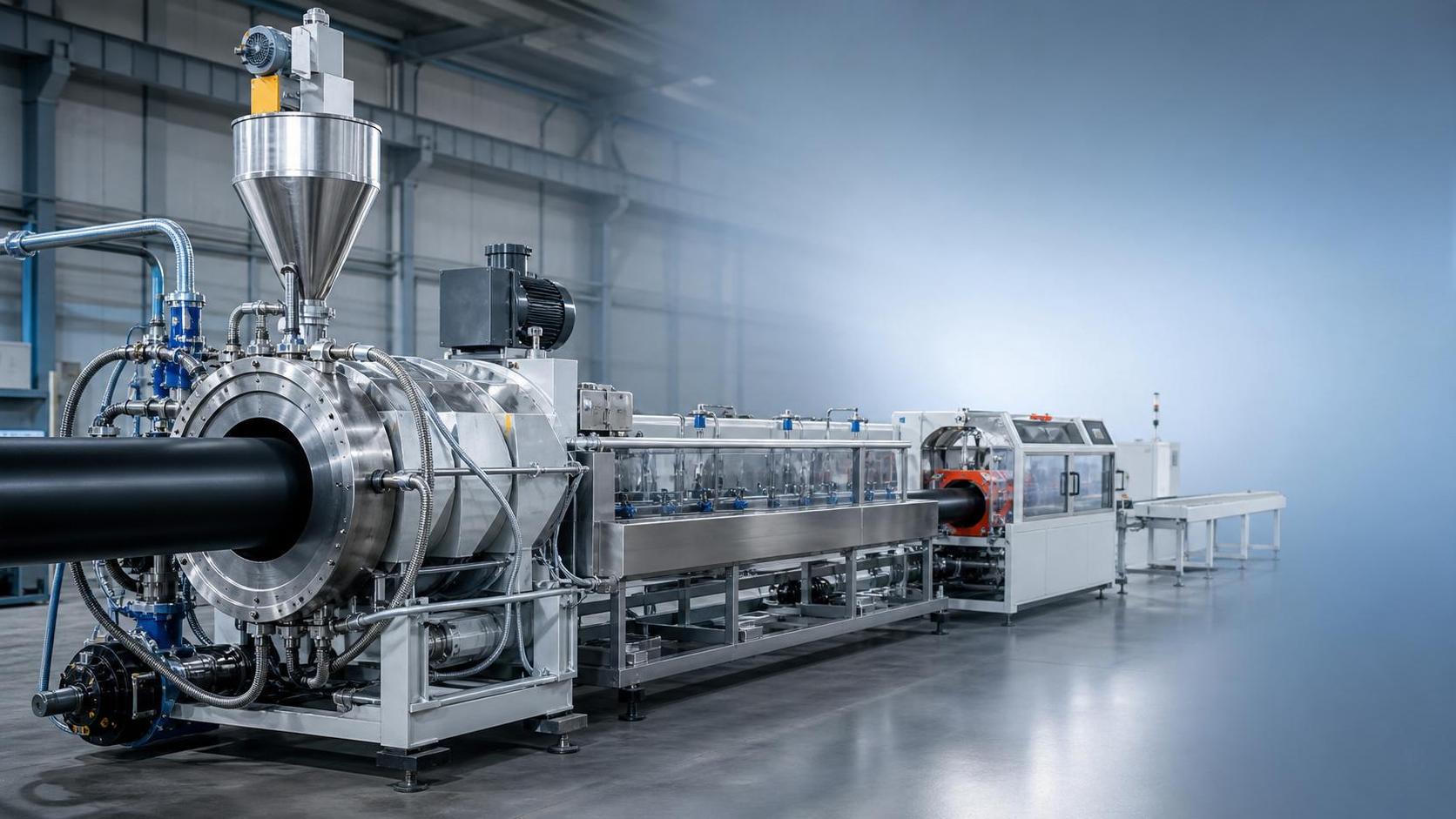
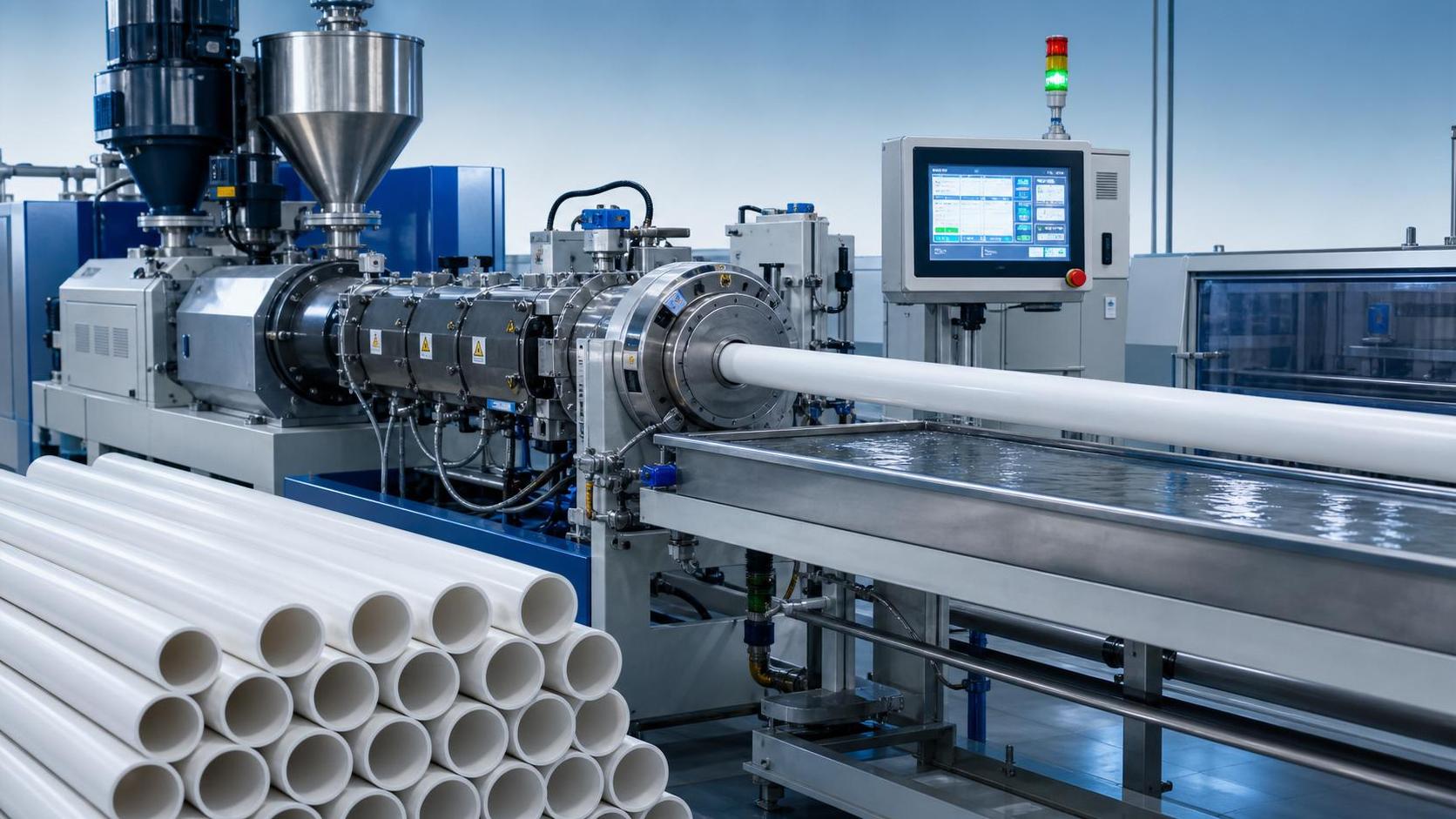
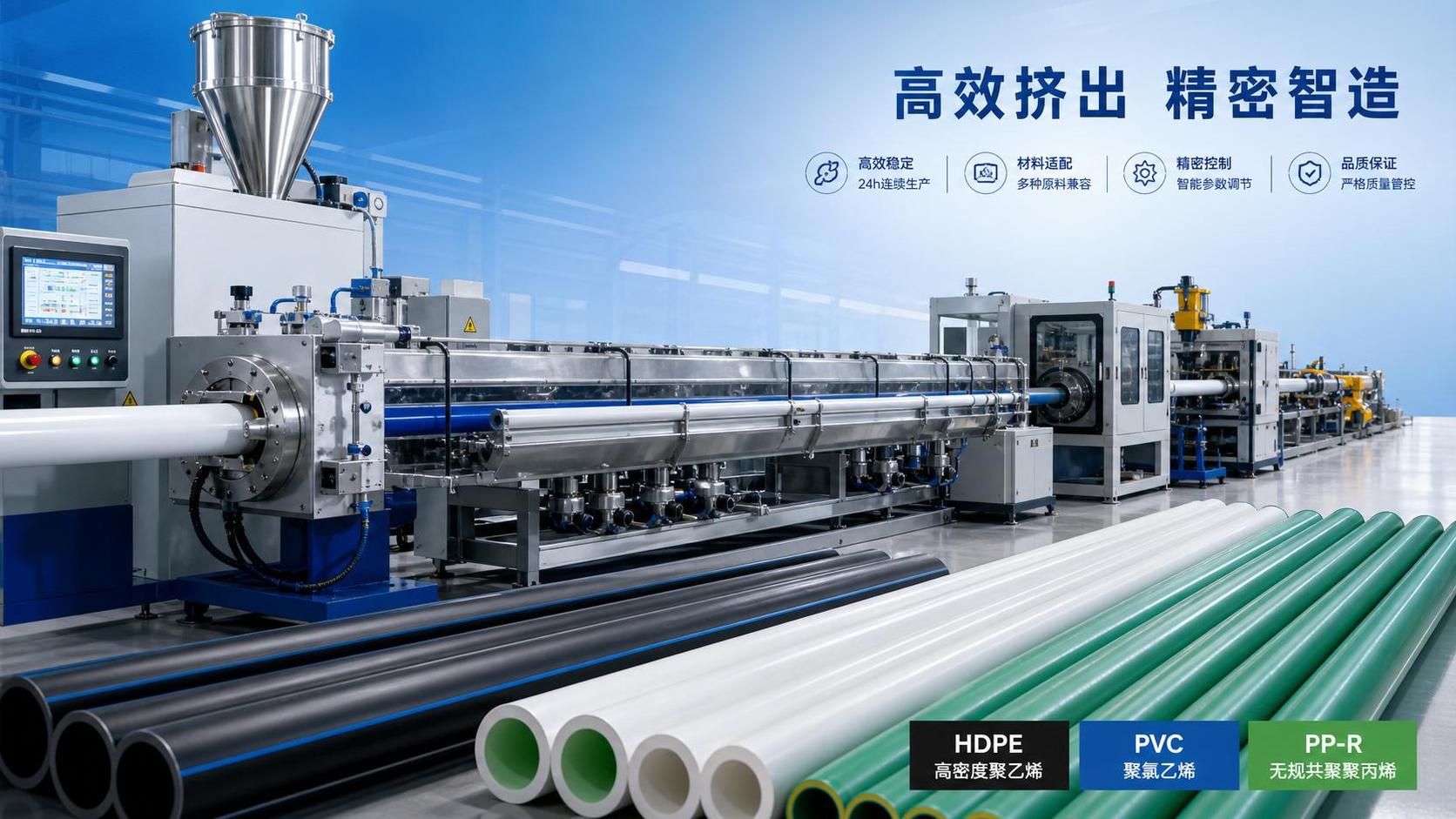
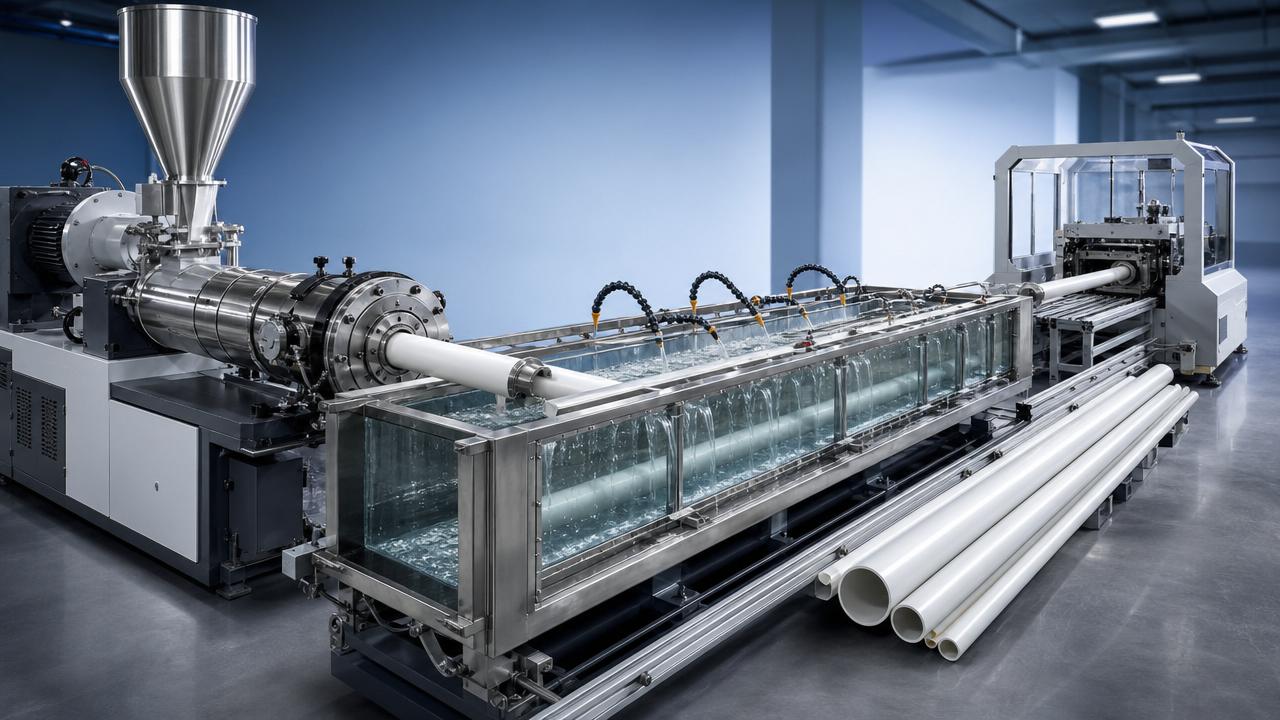
In pipe and profile extrusion, stable melt pressure is usually the first decision point. Even small fluctuations can create wall-thickness variation, sagging, surface marks, or dimensional drift.
For this scenario, screw geometry and drive consistency matter more than headline maximum output. A balanced compression ratio supports steady melting and lowers pulsation risk.
Core judgment points
- Prefer screw designs matched to resin family and filler content.
- Check gearbox rigidity and motor torque stability under continuous load.
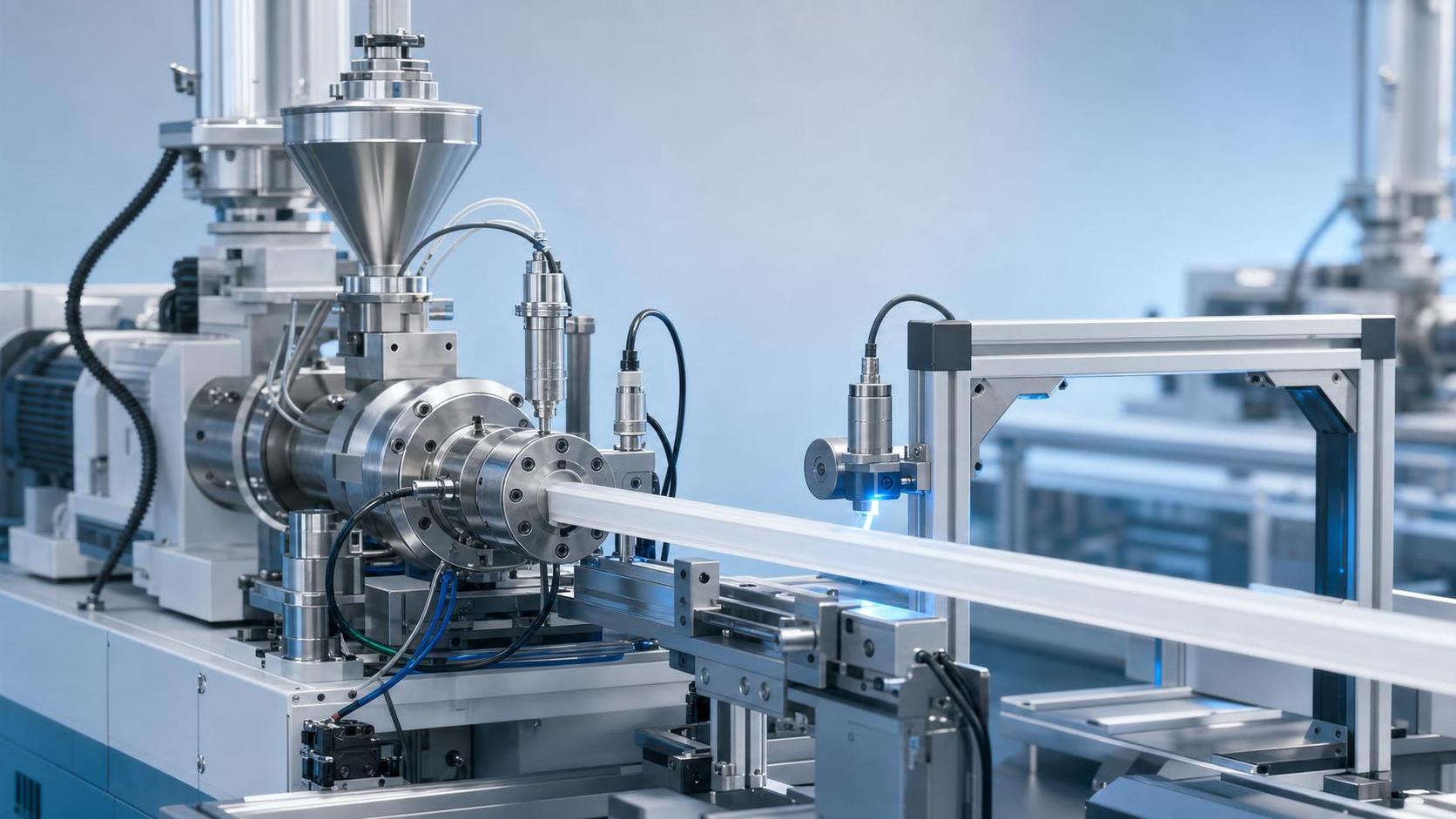
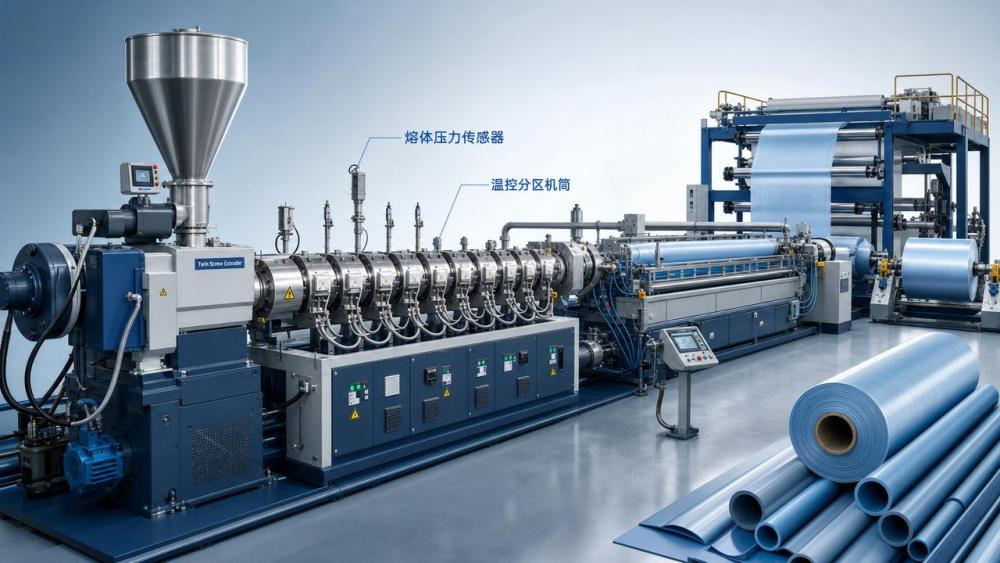
- Evaluate melt pressure sensors and closed-loop speed control.
- Review die balance and calibration system responsiveness.
In this case, the best plastic extrusion technology often includes robust gravimetric feeding, stable barrel heating, and pressure trend monitoring rather than extreme screw speed.
Scenario 2: Film and sheet production require thermal precision and uniform melt quality
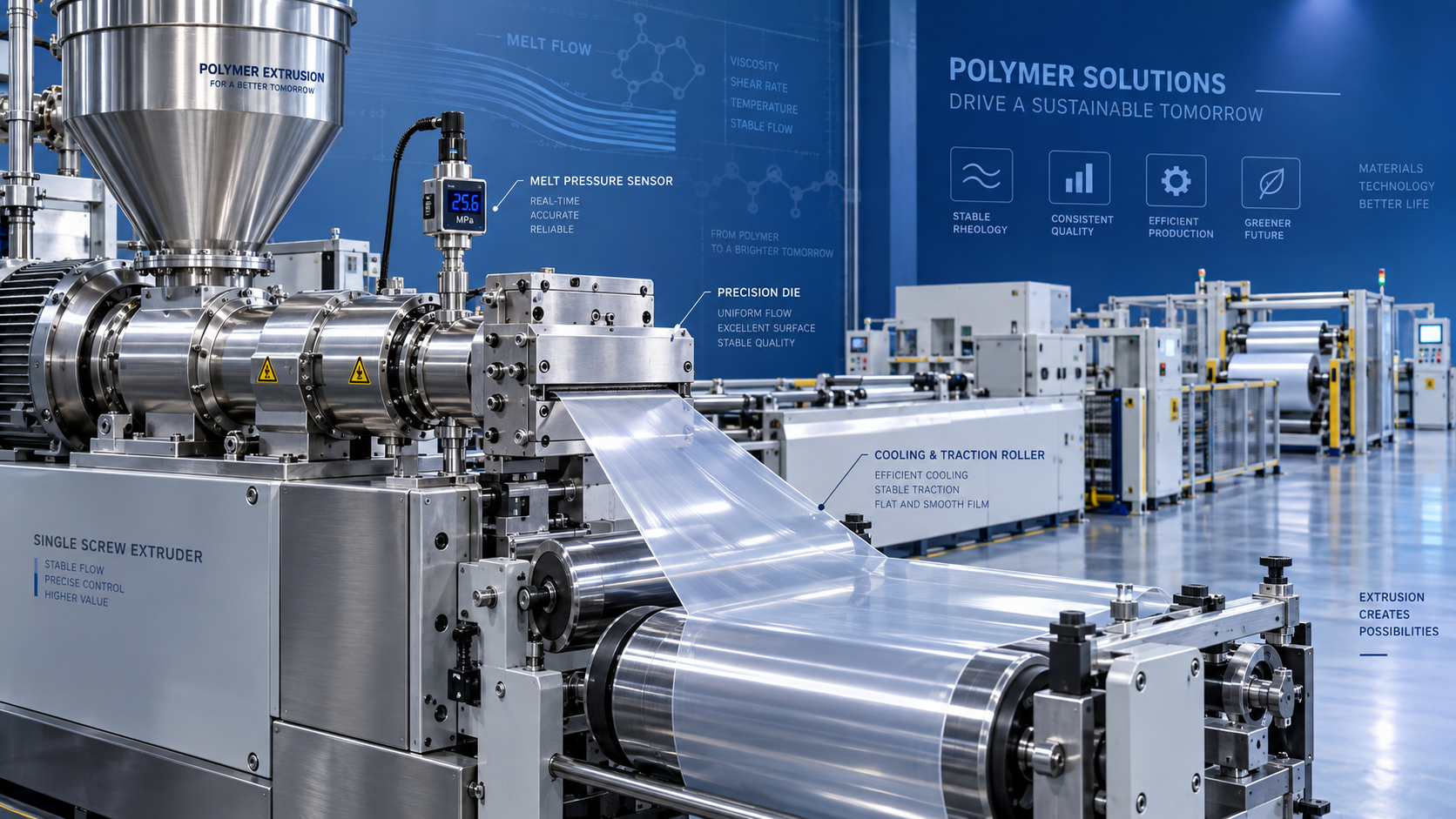
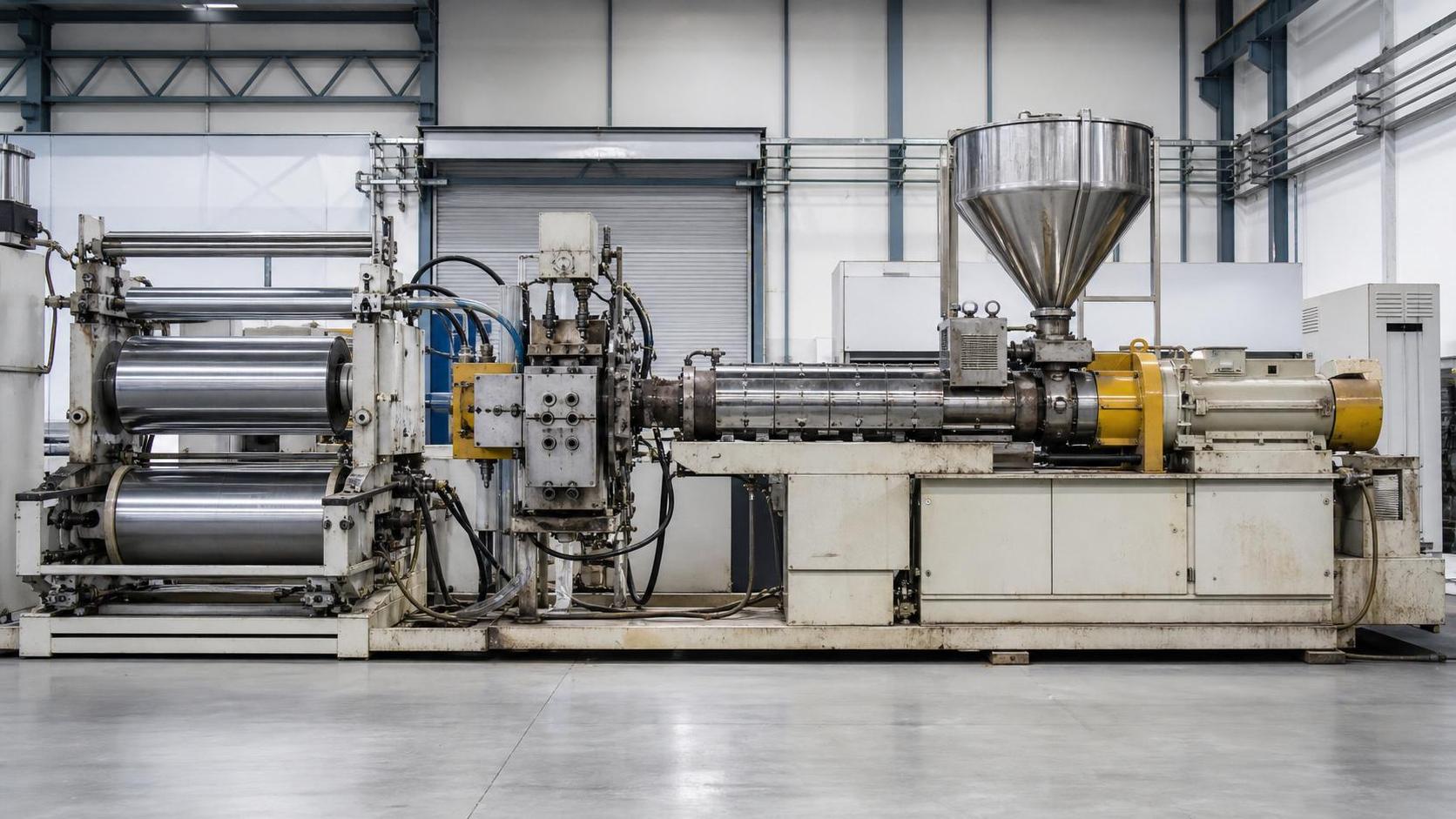
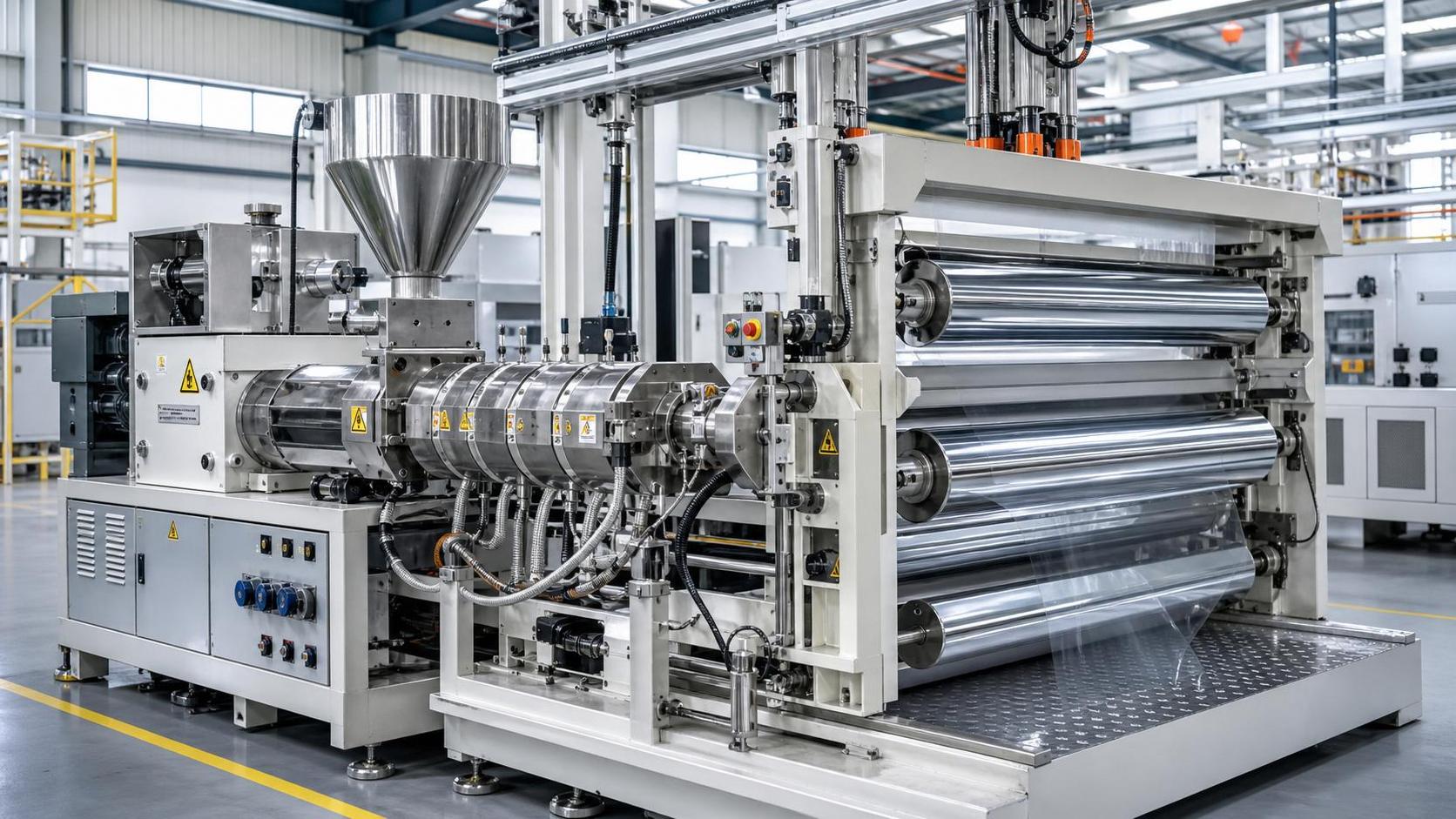
Film and sheet applications are highly sensitive to temperature variation. Uneven melt temperature can trigger thickness instability, optical defects, gels, and poor winding behavior.
Here, plastic extrusion technology should be judged by thermal control architecture. Fast-response heaters, efficient cooling, and precise zone coordination are critical to stable output.
Core judgment points
- Look for narrow temperature deviation across barrel and die zones.
- Assess screen changer design for minimal pressure disruption.
- Verify melt pump integration for output smoothing.
- Check automation links with gauging and winding systems.
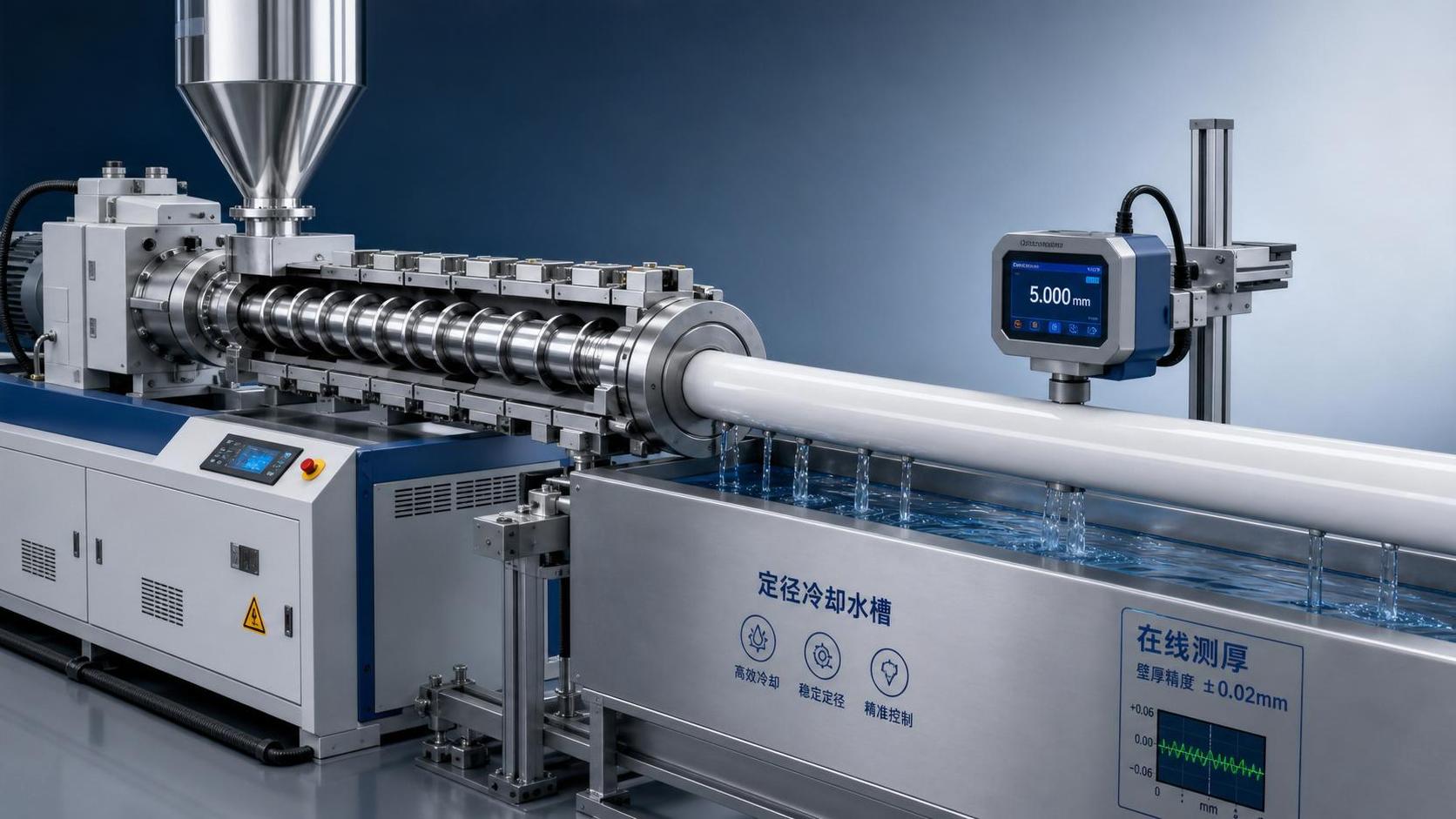
Thin-gauge production especially benefits from melt pumps and automatic thickness feedback. These choices increase repeatability and reduce operator-dependent variation across long runs.
Scenario 3: Compounding and filled materials need stronger mixing without degrading polymers
Compounding lines face a different stability challenge. Output may look stable by weight, yet material dispersion, color consistency, and additive distribution may still vary.
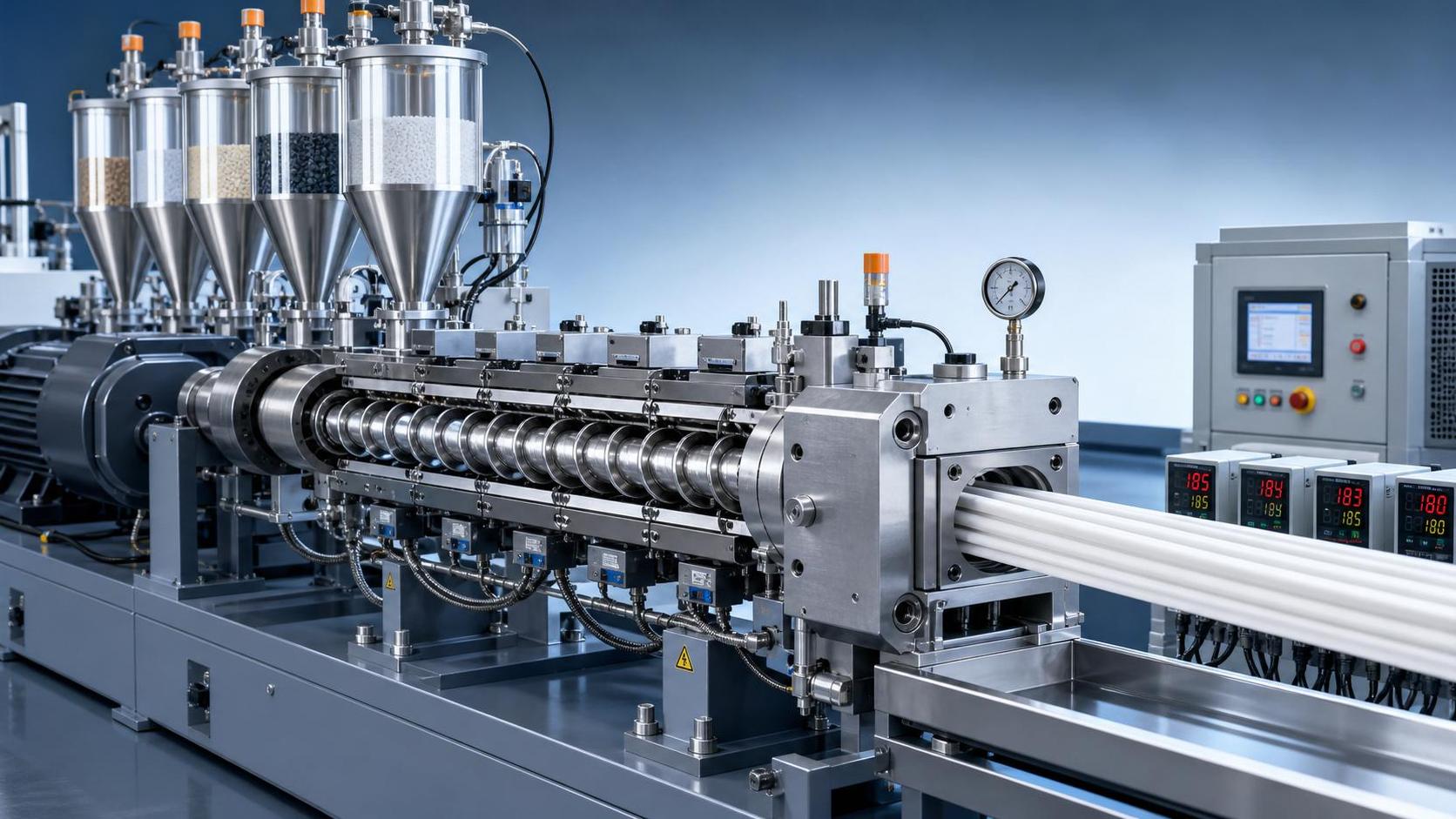
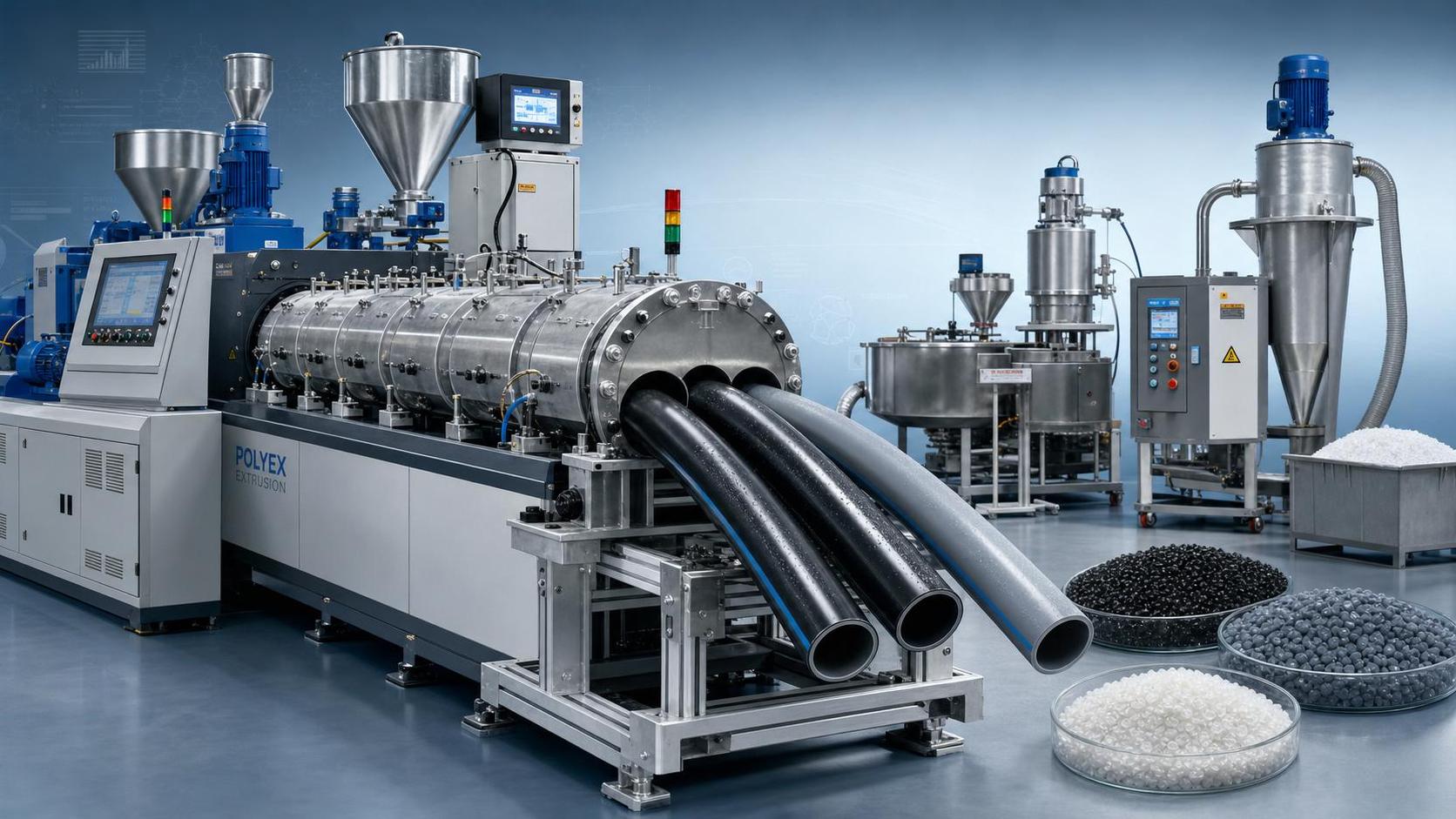
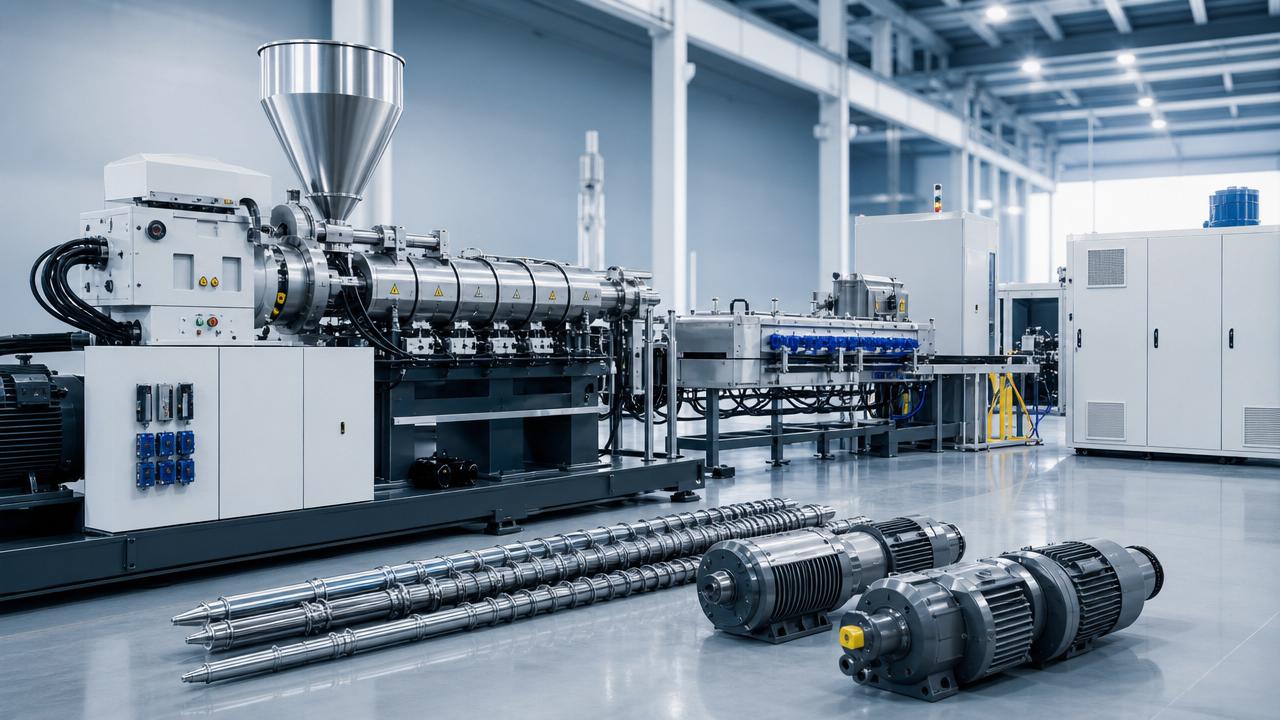
For this scenario, twin-screw plastic extrusion technology becomes especially important. The aim is controlled shear, efficient dispersive mixing, and venting performance without thermal damage.
Core judgment points
- Use modular screw elements matched to formulation complexity.
- Review feeding accuracy for powders, fibers, and liquid additives.
- Confirm vacuum venting efficiency for moisture and volatiles.
- Track melt temperature rise under different torque conditions.
When filled polymers are involved, excessive shear can reduce stability over time. Better mixing is not always better output if polymer chains degrade or color shifts appear.
Scenario 4: Recycling and reprocessing lines must handle feedstock variability
Recycling creates one of the toughest tests for plastic extrusion technology. Input quality often changes by batch, contamination level, moisture content, and bulk density.
Stable output here depends on tolerance to variation. The extrusion system should absorb feedstock inconsistency without causing severe pressure swings or unstable pellet quality.
Core judgment points
- Choose degassing and filtration systems for contamination reality.
- Prioritize feeders that maintain stable material intake.
- Assess screw design for melting mixed or inconsistent flakes.
- Check pelletizing coordination with melt flow fluctuation control.
In recycling, output stability should include pellet uniformity, odor control, and filter life. Throughput alone can mislead if screen changes become too frequent.
How scenario needs differ across major extrusion environments
Practical selection advice for matching extrusion technology to output goals
A reliable evaluation framework should connect process stability to measurable operating conditions. This avoids choosing plastic extrusion technology based only on catalog throughput or initial purchase price.
- Map the most costly instability first: scrap, downtime, energy spikes, or recipe drift.
- Review material behavior, especially MFI range, filler load, and moisture sensitivity.
- Match screw, barrel, and venting design to the real formulation mix.
- Require trend data for pressure, temperature, torque, and specific energy consumption.
- Check how automation integrates with upstream dosing and downstream handling.
- Evaluate maintenance access, screen change logic, and spare-part standardization.
Across industries, data visibility is becoming a major stability tool. Advanced plastic extrusion technology now adds value through alarms, trends, predictive maintenance, and recipe repeatability.
Common misjudgments that weaken output stability
One common mistake is prioritizing peak capacity over stable operating range. A line that only performs near ideal conditions may underdeliver in everyday production.
Another mistake is treating resin changes as minor. Different polymers, recycled content levels, and additive packages can demand a different plastic extrusion technology setup.
Temperature control is also underestimated. Many output issues blamed on operators actually begin with slow thermal response, poor zone balance, or inaccurate sensing.
Finally, some evaluations ignore downstream interactions. Even strong extrusion hardware can lose stability if cooling, haul-off, winding, or pelletizing systems are poorly synchronized.
Next-step actions for better extrusion decisions
Start with a scenario review instead of a machine-first discussion. Define product family, acceptable variation, material mix, target uptime, and expected future recipe changes.
Then compare plastic extrusion technology options using real production indicators. Focus on pressure stability, melt temperature consistency, energy per kilogram, and changeover performance.
Where process complexity is high, use intelligence-based evaluation. PFRS tracks extrusion architecture, compounding behavior, and recycling system evolution across the polymer lifecycle.
The best decision is rarely the most aggressive setup. It is the one that keeps output stable, quality repeatable, and operating economics resilient under real manufacturing conditions.
Related News
- 00
0000-00
How to Qualify a Servo Injection Molding Exporter for Global Sourcing - 00
0000-00
Polymer Processing for Extrusion: How Melt Rheology Affects Line Stability - 00
0000-00
Energy-Efficient Polymer Processing: Where Plants Can Cut kWh per Kilogram - 00
0000-00
German Extrusion Equipment Suppliers: Comparing Service, Lead Times, and Lifecycle Cost - 00
0000-00
Is an Underwater Pelletizer Worth the Added Cost for Recycled Plastics?
Weekly Insights
Stay ahead with our curated technology reports delivered every Monday.
Related News
 Extrusion Process ArchitectPolymer Processing for Extrusion: How Melt Rheology Affects Line StabilityPolymer processing for extrusion: discover how melt rheology influences pressure, output, die swell, and line stability for more consistent production.Sep 24, 2026
 Extrusion Process ArchitectHow to Evaluate German Extrusion Equipment for Stable, High-Output ProductionExtrusion equipment Germany: evaluate stable, high-output lines through melt control, feeding, tooling, energy use, maintenance, and acceptance trials.Sep 20, 2026
 Extrusion Process ArchitectHow to Size an HDPE Pipe Extrusion Line for Output, Diameter Range, and Pipe QualityHDPE pipe extrusion lines: learn how to size output, diameter range, cooling, and downstream equipment for stable, high-quality pipe production.Aug 29, 2026
 Extrusion Process ArchitectWhat Affects Output Quality in Polymer Processing Equipment Extrusion?Polymer processing equipment extrusion quality depends on material control, screw design, temperature, pressure, and die stability. Learn practical fixes to boost output, reduce defects, and improve consistency.Jul 14, 2026
 Extrusion Process ArchitectWindow Profile Extrusion Lines: Key Parameters for Output, Surface Finish, and StabilityWindow profile extrusion lines compared beyond nameplate output—learn how throughput, surface finish, and long-term stability affect scrap, quality, and production risk.Jul 13, 2026
 Extrusion Process ArchitectRecycled Polymer Applications in Pipe Extrusion: Material Limits, Performance, and Use CasesRecycled polymer applications pipe extrusion explained: discover material limits, real performance trade-offs, and the best use cases for reliable, cost-smart pipe production.Jul 12, 2026
 Extrusion Process ArchitectHow to Choose Extrusion Equipment for HDPE Pipe and Profile ProductionExtrusion equipment for HDPE selection starts with product goals. Learn how to compare extruders, dies, cooling, and controls to improve quality, cut scrap, and choose the right pipe or profile line.Jul 11, 2026
 Extrusion Process ArchitectExtrusion Systems for Pipe Selection Guide: Output, Screw Design, Cooling, and Wall ControlExtrusion systems for pipe selection made practical: compare output, screw design, cooling, and wall control to improve stability, cut scrap, and choose the right line with confidence.Jul 10, 2026
 Extrusion Process ArchitectExtrusion Equipment PLC Control: Which Functions Matter Most for Stable Line Operation?Extrusion equipment PLC control directly shapes line stability. Learn which functions matter most for steady output, fewer alarms, better quality, and smarter extrusion performance.Jul 05, 2026
 Extrusion Process ArchitectPP Sheet Extrusion Line Price Factors for Used Equipment BuyersLearn the main price factors for used PP sheet extrusion lines, from screw and die condition to controls, output, packing and commissioning risk.Jul 05, 2026
 Extrusion Process ArchitectUsed PP PE ABS PS Sheet Extruder Line Buying GuideA practical buyer guide for used PP, PE, ABS and PS sheet extruder lines, including inspection points, output checks and purchasing questions.Jul 01, 2026
 Extrusion Process ArchitectPVC Plastic Pipe Manufacturing Process Explained: Key Stages, Quality Checks, and Common DefectsPVC plastic pipe manufacturing explained clearly: explore key stages, quality checks, common defects, and practical insights to improve consistency, compliance, and pipe performance.Jun 30, 2026
 Extrusion Process ArchitectSmart Plastic Extrusion Technology: Which Sensors and Controls Improve Output Stability?Smart plastic extrusion technology starts with better sensing and control. Learn which sensors and closed-loop systems improve output stability, cut scrap, and boost ROI.Jun 27, 2026
 Extrusion Process ArchitectExtrusion Systems for Pipes: How to Choose the Right Line for Your Product RangeExtrusion systems for pipes: learn how to choose the right line for your product range, materials, output goals, compliance needs, and long-term ROI.Jun 26, 2026
 Extrusion Process ArchitectPipe and Profile Extrusion for Water Supply: Key Design Points for Stable OutputPipe and profile extrusion for water supply demands stable output, precise die design, and smart cooling control to reduce waste and boost reliability.Jun 26, 2026
 Extrusion Process ArchitectPipe Plastic Extrusion Machinery Selection Guide: Output, Diameter Range, and Cooling DesignPipe plastic extrusion machinery selection starts with output, diameter range, and cooling design. Learn how to compare line stability, flexibility, and ROI for better pipe production.Jun 16, 2026
 Extrusion Process ArchitectPlastic Extrusion Machinery Price Comparison: Which Specs Have the Biggest Budget Impact?Plastic extrusion machinery price depends most on screw design, output, energy systems, and automation. Compare specs smarter to cut hidden costs and improve ROI.Jun 15, 2026
 Extrusion Process ArchitectPolymer Rheology Basics: Which Viscosity and Shear Data Matter in Process Setup?Polymer rheology basics explained: learn which viscosity and shear data truly matter for process setup, faster startup, stable flow, better quality, and smarter machine adjustments.Jun 12, 2026
 Extrusion Process ArchitectPlastic Extrusion Technology vs Injection Molding: Which Offers Better Cost Control at Scale?Plastic extrusion technology vs injection molding: discover which process delivers better cost control at scale, with practical insights on tooling, scrap, energy, and ROI.Jun 10, 2026
 Extrusion Process ArchitectPlastic Extrusion Technology Explained: Process Steps, Materials, and Typical UsesPlastic extrusion technology explained clearly: learn process steps, key materials, common applications, and what to evaluate for efficient, scalable production.Jun 06, 2026