Why pure-electric polymer equipment is gaining on total cost




For finance approvers, the case for pure-electric polymer equipment is no longer just about sustainability—it is increasingly about total cost. As energy prices, maintenance demands, compliance pressure, and downtime risks rise, manufacturers are rethinking capital investment through a lifecycle lens. This article explains why pure-electric polymer equipment is gaining ground by delivering measurable savings, stronger process stability, and better long-term returns across modern polymer processing operations.
What pure-electric polymer equipment means in current operations
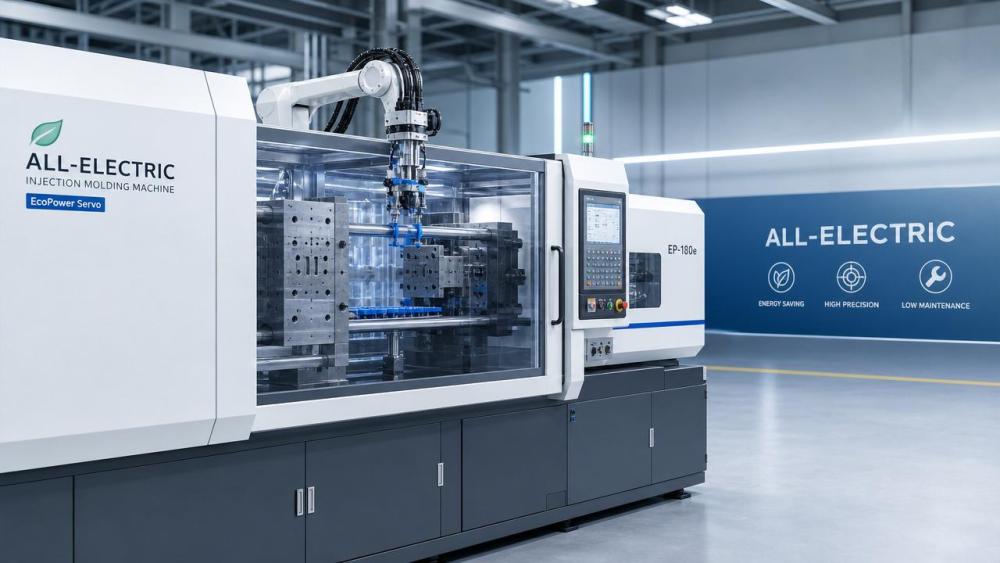
Pure-electric polymer equipment uses electric servo systems instead of hydraulic power for core machine movements. This architecture changes how force, speed, precision, and energy consumption are managed.
In polymer processing, the term most often applies to injection molding machines. However, the same cost logic increasingly influences auxiliary handling, dosing, and downstream automation.
The key distinction is not only cleaner operation. Pure-electric polymer equipment also reduces idle energy draw, fluid-related maintenance, and process variability linked to thermal drift.
That matters across the broader polymer equipment landscape tracked by PFRS. Precision molding, recycling integration, and digital control all benefit from stable, measurable machine behavior.
Why total cost has become the central buying metric
Capital price still matters, but it no longer explains long-term equipment value. Total cost now includes electricity, scrap, maintenance, floor conditions, compliance exposure, and lost output.
This shift is especially visible in high-cycle polymer operations. Small improvements per shot can create large annual savings when machines run continuously.
Pure-electric polymer equipment aligns with this lifecycle view because cost drivers become easier to track. Power use, repeatability, and maintenance intervals can be measured with greater accuracy.
The result is a stronger business case, especially where utilities are expensive, cleanroom conditions matter, or product tolerances are tight.
- Lower energy use during active and idle states
- Reduced maintenance tied to hydraulic oil and seals
- Better repeatability, lowering scrap and rework
- Cleaner production environments with less contamination risk
- Improved data visibility for digital process optimization
Cost drivers where pure-electric polymer equipment gains ground
The economics of pure-electric polymer equipment become clearer when costs are broken into practical operating categories. Several drivers consistently support its rising adoption.
Energy efficiency and load matching
Hydraulic systems often run pumps continuously, even when motion demand is low. Electric drives use power more directly, matching output to actual machine movement.
That difference cuts wasted energy. In facilities with variable production mixes, it also improves efficiency across frequent starts, stops, and recipe changes.
Maintenance reduction
Pure-electric polymer equipment removes many hydraulic components that require regular service. There is less oil management, fewer leak points, and lower risk of fluid contamination.
This reduces direct maintenance spending. It also lowers indirect losses caused by unexpected service interruptions and clean-up time.
Cycle consistency and quality cost
Consistent clamp motion, injection speed, and holding pressure improve part repeatability. For high-value parts, fewer deviations can outweigh initial equipment premiums.
When scrap falls, material efficiency improves as well. That is increasingly important during resin price volatility and recycled material blending.
Environmental and compliance costs
Facilities face growing pressure to document emissions, energy intensity, and operational cleanliness. Pure-electric polymer equipment supports these goals with lower energy consumption and cleaner machine environments.
This is valuable in packaging, medical, electronics, and export-oriented supply chains where reporting requirements are becoming stricter.
Industry signals supporting the shift
Across the polymer sector, several market signals are pushing equipment decisions toward full lifecycle performance rather than initial purchase price alone.
These signals do not mean hydraulic systems disappear. They do mean pure-electric polymer equipment is increasingly favored where measurable stability and efficiency shape profitability.
Application value across polymer processing environments
The total cost advantage of pure-electric polymer equipment varies by process, part value, and production rhythm. Some environments capture benefits faster than others.
In these settings, pure-electric polymer equipment supports not only lower operating cost, but also better process confidence. That can reshape broader line planning and capacity decisions.
How to assess the real business case
A reliable evaluation should compare lifecycle economics, not just machine quotations. Several metrics help reveal whether pure-electric polymer equipment will outperform alternatives in a given plant.
- Measure actual energy consumption by part, not by nameplate assumptions.
- Quantify scrap, regrind, and startup loss under current process conditions.
- Include maintenance labor, consumables, and downtime history.
- Estimate the value of cleaner operation in regulated environments.
- Review how digital controls support traceability and optimization.
- Model payback using realistic utilization, not ideal full-load hours.
This approach is consistent with the intelligence-led view promoted by PFRS. Equipment value should be linked to rheology control, production stability, and circular manufacturing performance.
Practical considerations before transition
Pure-electric polymer equipment is not automatically the best fit for every application. A balanced review improves investment quality and avoids oversimplified comparisons.
- Check whether clamp force, shot size, and mold demands match the electric platform.
- Verify that local service capability supports the control and drive architecture.
- Review part families that benefit most from repeatability and cleanliness.
- Assess utility quality, since electrical stability affects performance planning.
- Consider integration with automation, monitoring, and recycled material workflows.
The strongest results often come from targeted deployment first. High-cycle, high-value, or quality-sensitive programs usually provide the clearest early returns.
Next-step direction for equipment planning
Pure-electric polymer equipment is gaining on total cost because it addresses several pressures at once: energy efficiency, quality consistency, maintenance reduction, and compliance readiness.
For organizations evaluating future polymer processing assets, the most useful next step is a line-by-line cost baseline. Compare current hydraulic performance against realistic electric scenarios.
Use measured data from molding cycles, downtime logs, power consumption, and scrap records. That creates a grounded view of where pure-electric polymer equipment can deliver the fastest lifecycle advantage.
In a market shaped by advanced materials, cleaner production, and circular economy targets, pure-electric polymer equipment is moving from optional upgrade to strategic infrastructure choice.
Related News
- 00
0000-00
Smart Factory Costs for Plastics: Estimating ROI for Automation Projects - 00
0000-00
How to Evaluate a Packaging Molding Equipment Supplier for High-Volume Production - 00
0000-00
Where Recycled Plastic Innovation Delivers the Biggest Value in Packaging - 00
0000-00
How to Evaluate a Tire Curing Equipment Supplier for Capacity, Support, and Uptime - 00
0000-00
How to Size a Servo Injection Molding Press for High-Precision Parts
Weekly Insights
Stay ahead with our curated technology reports delivered every Monday.
Related News
 Ms. Elena RodriguezSmart Factory Costs for Plastics: Estimating ROI for Automation ProjectsSmart factory for plastics cost: learn how to estimate automation ROI, uncover hidden integration expenses, reduce scrap, and build a phased investment plan.Oct 10, 2026
 Ms. Elena RodriguezHow to Evaluate a Packaging Molding Equipment Supplier for High-Volume ProductionChoose a packaging molding equipment supplier with confidence. Learn how to assess throughput stability, tooling, recycled-material capability, lifecycle cost, and service support for high-volume production.Oct 09, 2026
 Ms. Elena RodriguezHow to Select Packaging Molding Equipment for High-Volume Production LinesPackaging molding equipment selection guide for high-volume lines: compare processes, throughput, materials, automation, and energy to achieve stable, cost-effective output.Oct 04, 2026
 Ms. Elena RodriguezHow to Evaluate Plastic Recycling Machinery for UAE Heat, Feedstock, and Output NeedsPlastic recycling machinery UAE buyers: evaluate heat resilience, feedstock handling, cooling, pellet quality, energy use, and lifecycle cost for reliable output.Sep 28, 2026
 Ms. Elena RodriguezGerman Extrusion Equipment Suppliers: Comparing Service, Lead Times, and Lifecycle CostExtrusion equipment Germany suppliers compared: evaluate service coverage, credible lead times, spare-parts access, and lifecycle cost to select a reliable, future-ready production partner.Sep 22, 2026
 Ms. Elena RodriguezWhat Should You Check Before Buying a Used Plastic Recycling Line?What should I check before buying a used plastic recycling line? Explore feedstock fit, wear, trials, utilities, controls, and restoration costs before you invest.Sep 26, 2026
 Ms. Elena RodriguezHow to Compare Pelletizing Lines by Energy Use per TonHow do I compare pelletizing lines by kWh per ton? Learn to measure total energy, verify saleable output, and select a cost-efficient line.Sep 23, 2026
 Ms. Elena RodriguezTyre Cutter Blade Wear: When Capacity Loss Needs Inspectionшинорез blade wear can quietly reduce tyre-cutting capacity. Learn the warning signs, inspection triggers, and maintenance actions that protect output and uptime.Sep 28, 2026
 Ms. Elena RodriguezIn-House Recycling for Factory Scrap: How to Reduce Material Waste and Disposal CostsIn house recycling for factory scrap helps manufacturers cut material waste, reduce disposal costs, and create controlled, quality-focused reuse loops.Sep 07, 2026
 Ms. Elena RodriguezHow Recyclable Packaging Manufacturing Balances Material Recovery and Production CostRecyclable packaging manufacturing: discover how smarter design, feedstock control, and process optimization reduce recovery costs while improving quality and yield.Sep 04, 2026
 Ms. Elena RodriguezHow to Evaluate a Plastic Recycling Systems Supplier for Your Processing NeedsChoose the right plastic recycling systems supplier with a practical guide to feedstock fit, output quality, total cost, testing, service, and compliance.Sep 01, 2026
 Ms. Elena RodriguezCE Marking for Plastic Processing Equipment: Documentation and Safety ChecksPlastic processing equipment CE compliance: learn the essential documentation, risk assessments, safety checks, and validation steps for reliable EU market access.Aug 30, 2026
 Ms. Elena RodriguezPlastic Packaging Compliance Standards: What Tests and Documents Matter Most?Plastic packaging compliance standards explained: learn which migration tests, mechanical checks, and audit-ready documents matter most to reduce risk and pass reviews with confidence.Aug 25, 2026
 Ms. Elena RodriguezHow to Evaluate a Plastic Waste Recycling System for Capacity, Contamination, and ROIPlastic waste recycling system evaluation made practical: compare true capacity, contamination control, and ROI to choose a line that delivers stable output and stronger returns.Aug 24, 2026
 Ms. Elena RodriguezPackaging Molding Equipment Price: What Drives Cost and How to Compare Quotes?Packaging molding equipment price varies by machine type, automation, tooling, energy use, and service scope. Learn what drives cost and how to compare quotes with confidence.Aug 21, 2026
 Ms. Elena RodriguezWhat Packaging Machinery for Plastic Containers Should You Choose for High-Volume Production?Packaging machinery for plastics containers can make or break high-volume production. Learn how to choose the right line for speed, consistency, compliance, and lower lifecycle costs.Aug 16, 2026
 Ms. Elena RodriguezWhat Circular Plastics Mean for Automotive Parts and Material SelectionCircular plastics for automotive are reshaping part selection with lower weight, better sustainability, and reliable performance. Discover how engineers balance recycled content, durability, and compliance.Aug 15, 2026
 Ms. Elena RodriguezBroiler Farming in Cage System: Selection Factors for Commercial FarmsBroiler farming in cage system selection for commercial farms: compare structure, ventilation, automation, and manure handling to improve efficiency and avoid costly mistakes.Aug 14, 2026
 Ms. Elena RodriguezHow to Implement Smart Polymer Manufacturing Without Disrupting Existing Production?Smart polymer manufacturing implementation made practical: learn how to upgrade existing production with phased digitalization, less downtime, better control, and measurable ROI.Aug 11, 2026
 Ms. Elena RodriguezHow to Evaluate a Rubber Compression Molding Supplier for Complex Part ProductionRubber compression molding supplier selection for complex parts starts with process, material, and tooling control. Learn how to compare vendors beyond price and reduce launch risk.Aug 10, 2026