How ESG in plastic manufacturing is changing buyer priorities




ESG in plastic manufacturing is rapidly changing how supplier value is measured across the global polymer equipment and materials chain.
Cost, cycle time, and output still matter, but they no longer stand alone in strategic evaluation.
Today, business decisions increasingly include carbon intensity, recycled content capability, compliance resilience, traceability, and lifecycle efficiency.
This shift is especially visible in injection molding, extrusion, blow molding, rubber processing, and waste plastic pelletizing systems.
For intelligence platforms such as PFRS, the signal is clear: ESG in plastic manufacturing now shapes commercial credibility and long-term competitiveness.
Understanding ESG in plastic manufacturing
ESG in plastic manufacturing refers to environmental, social, and governance factors embedded in polymer production and processing operations.
The environmental side covers energy use, emissions, waste, water, circularity, and material efficiency.
The social side includes worker safety, labor practices, skills development, and community impact.
Governance addresses data integrity, supplier oversight, compliance systems, ethical sourcing, and transparent reporting.
In plastics, these factors are deeply tied to machines, process design, resin selection, and end-of-life recovery pathways.
That is why ESG in plastic manufacturing is no longer a branding topic.
It is now an operational framework that influences technical choices and supply chain partnerships.
Core indicators commonly reviewed
- Electricity consumption per kilogram of output
- Scrap generation and regrind utilization rates
- Ability to process recycled or bio-based feedstocks
- Traceability of additives, resins, and packaging content
- Safety performance and preventive maintenance discipline
- Readiness for packaging and extended producer responsibility rules
Why buyer priorities are shifting now
Several market forces explain why ESG in plastic manufacturing has moved into mainstream decision criteria.
First, packaging regulation is becoming stricter across major economies.
Recycled content targets, disclosure rules, and plastic reduction mandates are pushing organizations to reassess supplier capability.
Second, energy volatility has made inefficient assets more expensive to operate.
An all-electric injection molding machine or optimized twin-screw extrusion line can materially improve unit economics.
Third, downstream brands increasingly need evidence, not assumptions, when reporting sustainability progress.
Fourth, recycled resin quality is improving, creating practical opportunities for circular material integration.
Key market signals
How ESG in plastic manufacturing influences supplier evaluation
Traditional comparison often focused on price, throughput, lead time, and maintenance support.
Now, ESG in plastic manufacturing adds a second layer of strategic screening.
A system may be technically strong, yet less attractive if it lacks energy transparency or recycled material compatibility.
Likewise, a resin or packaging partner may lose preference if governance records are weak.
Evaluation areas gaining weight
- Machine-level energy monitoring and reporting functions
- Compatibility with recycled flakes, pellets, or bio-attributed polymers
- Closed-loop scrap recovery inside molding or extrusion plants
- Documentation for food-contact, medical, or export compliance pathways
- Process stability that reduces purge waste and off-spec production
- Digital controls that support traceability and audit readiness
PFRS closely tracks these shifts because they connect commercial demand with technical performance.
In many cases, the preferred solution is not the lowest upfront cost.
It is the option that lowers compliance risk and total lifecycle impact.
Operational value across major plastic processing segments
The impact of ESG in plastic manufacturing becomes more practical when viewed by processing segment.
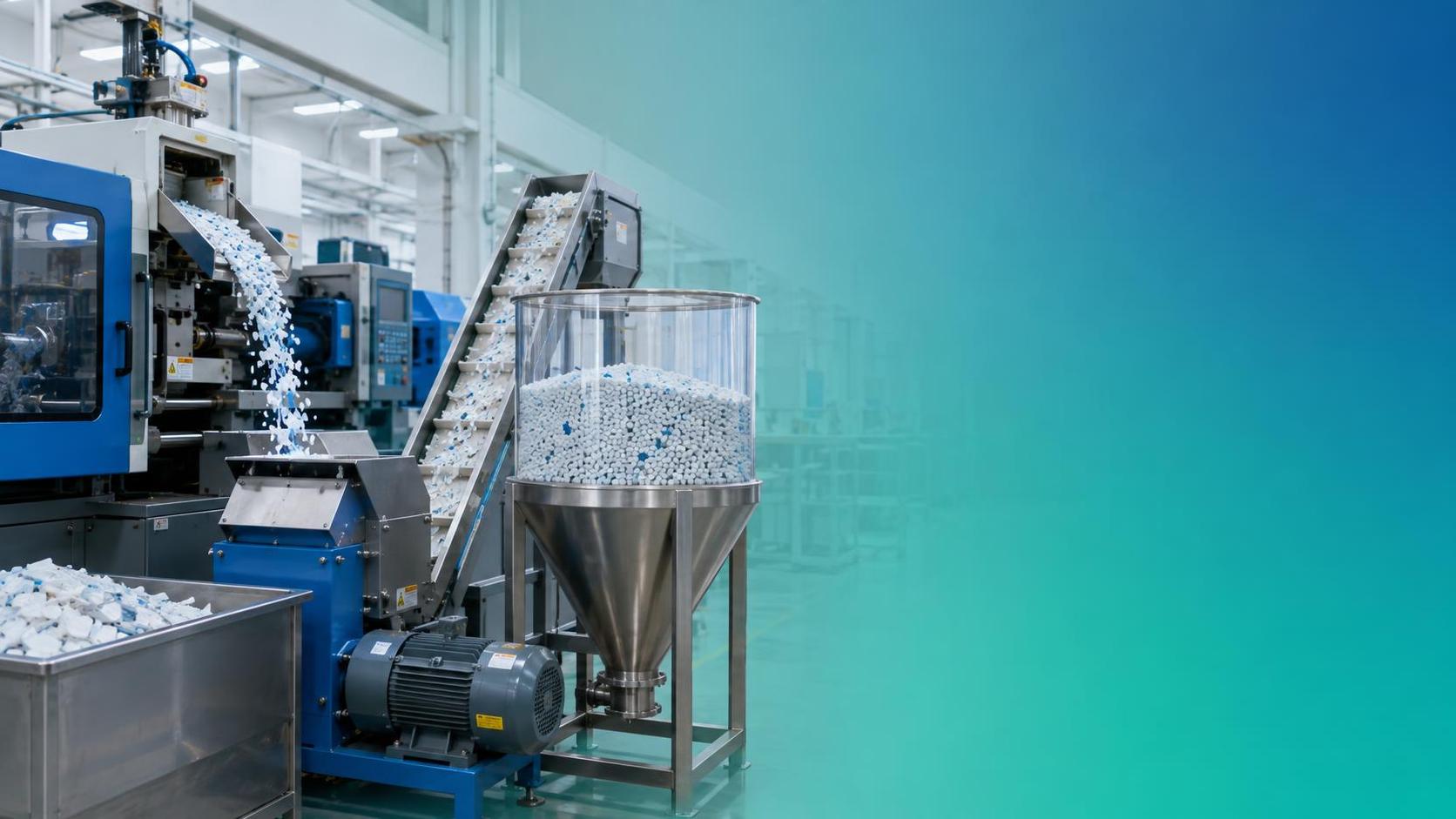
Precision injection molding
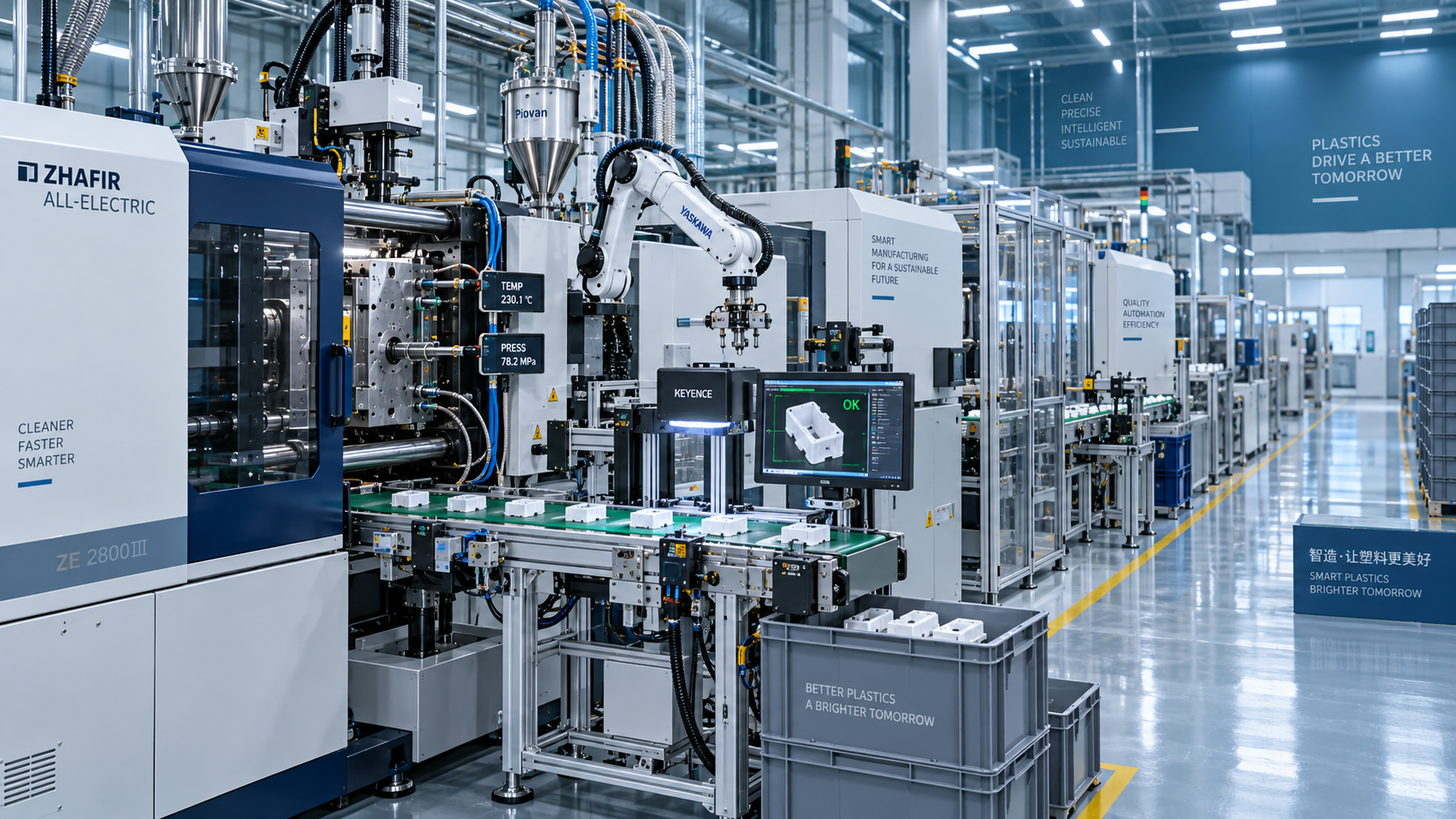
All-electric platforms reduce hydraulic losses and improve repeatability.
AI-assisted pressure and cooling optimization can cut scrap and shorten cycle times.
These gains support both profitability and ESG in plastic manufacturing goals.
Plastic extrusion
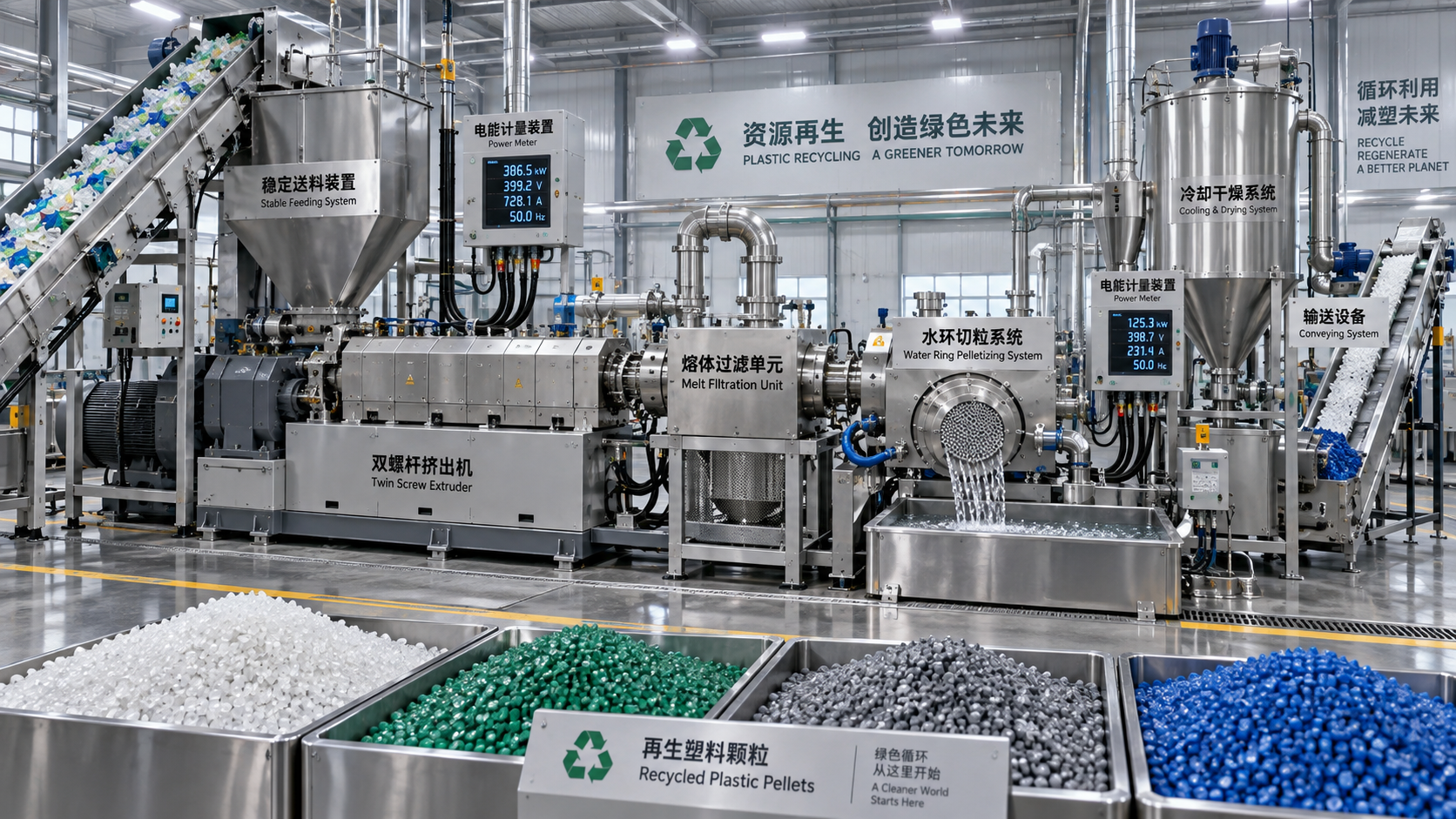
Twin-screw systems increasingly need to compound fillers, recyclates, and functional additives with stable quality.
Better screw design, melt control, and filtration improve output while reducing material losses.
Blow molding
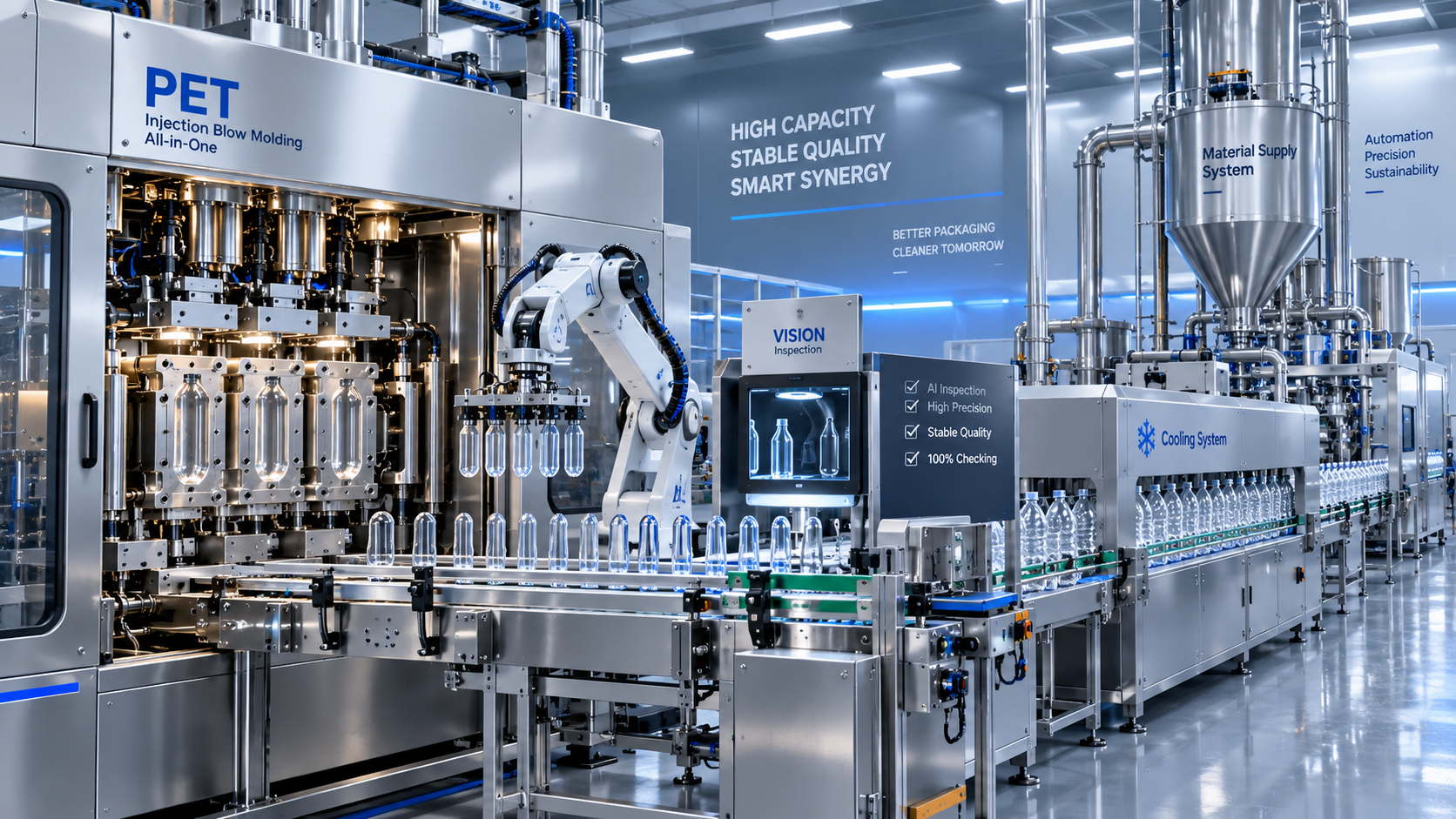
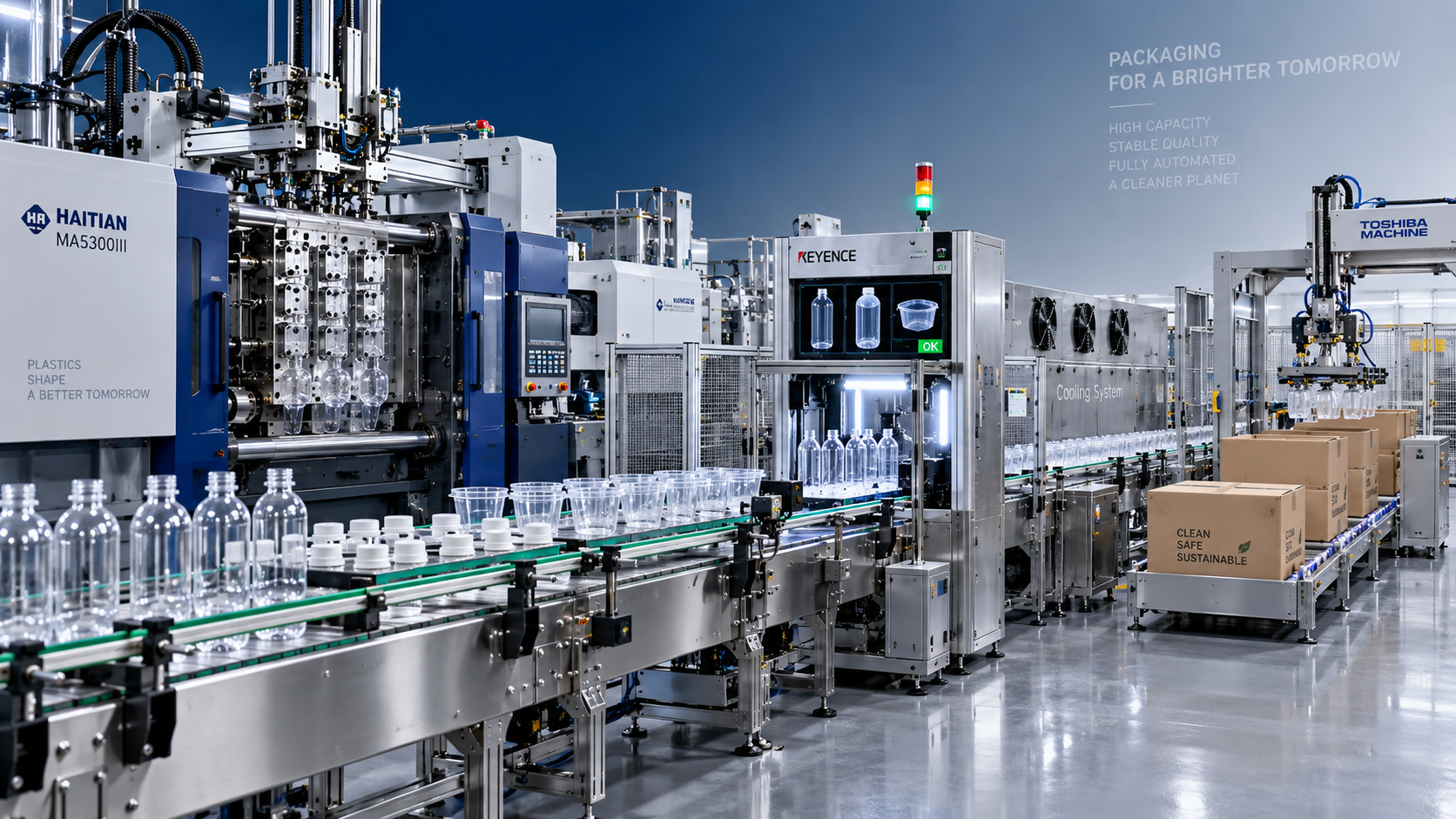
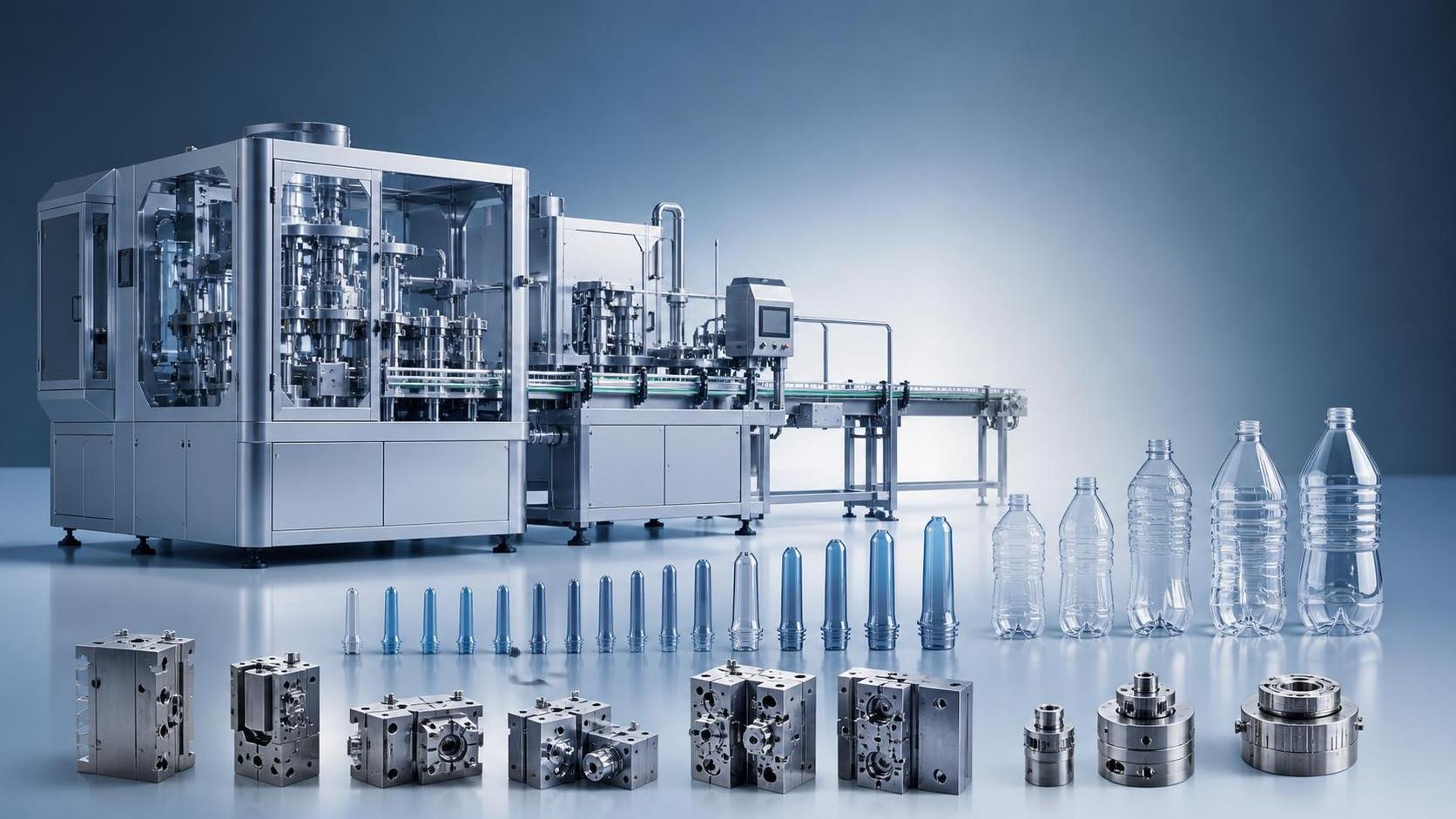
Bottle weight reduction and recycled PET integration are central themes.
High-speed systems must balance lightweighting with barrier performance and consistent wall distribution.
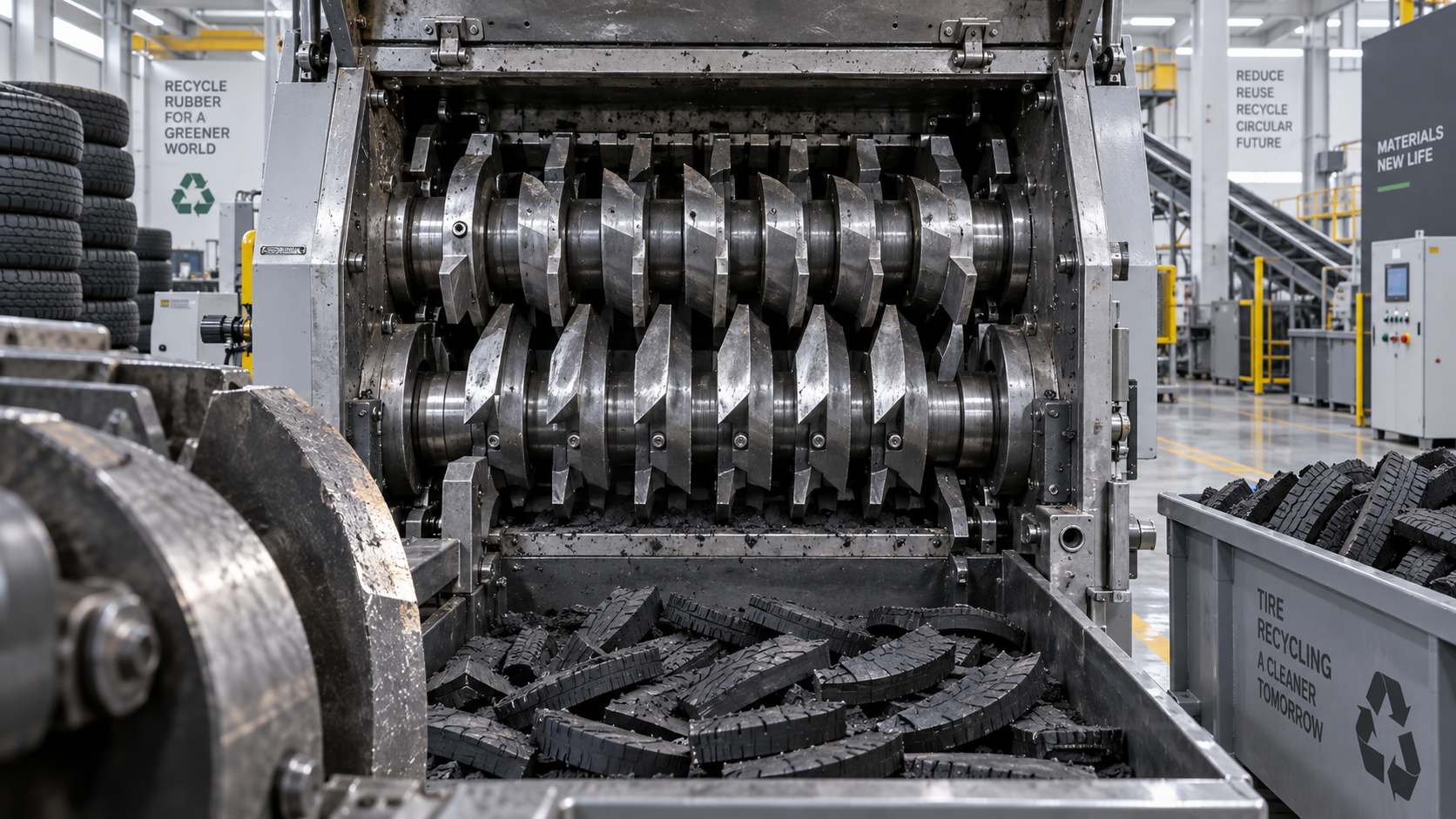
Rubber vulcanization
Energy-intensive curing makes process control vital.
Press efficiency, mold thermal management, and material yield improvement now matter more in supplier comparisons.
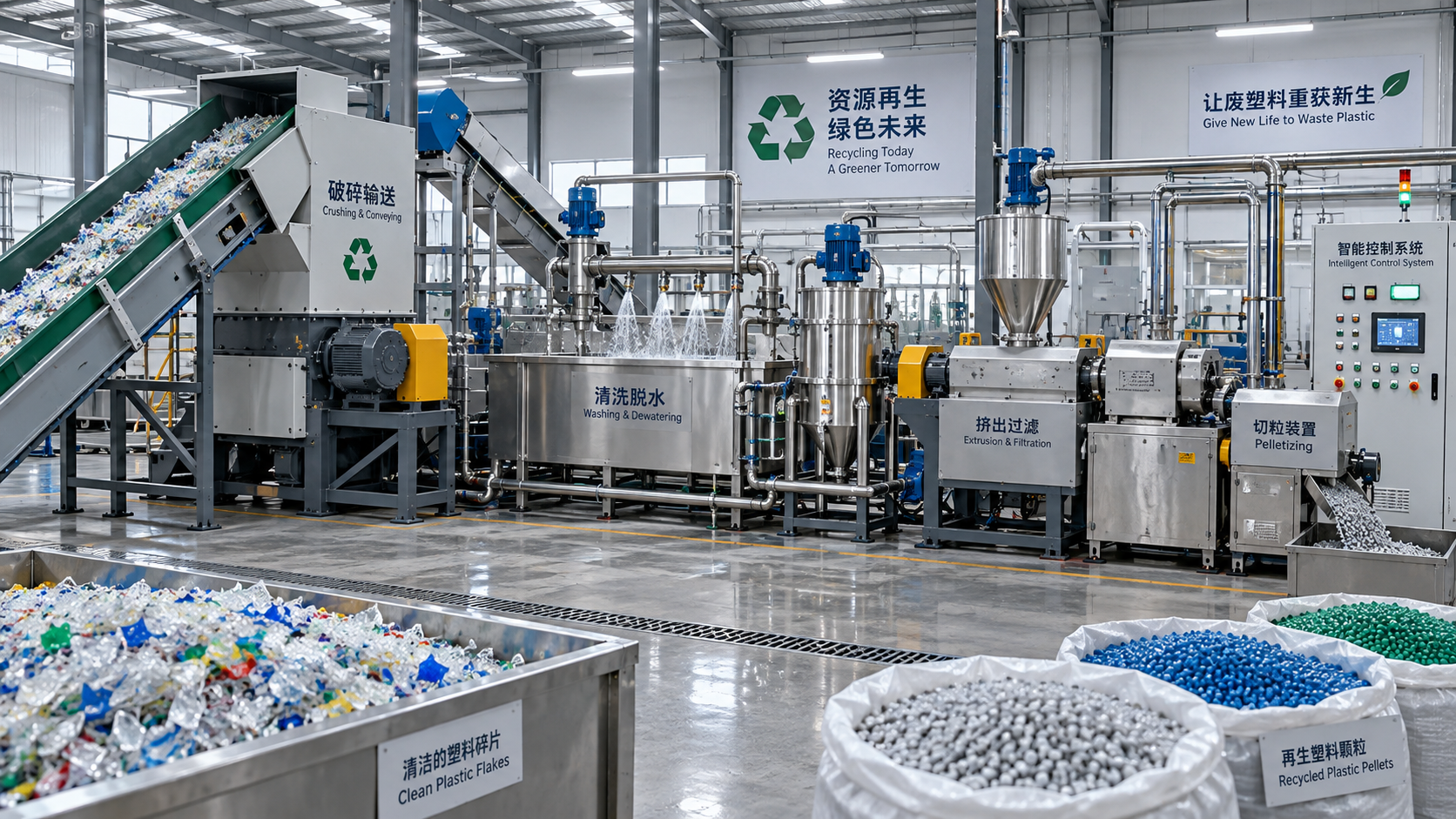
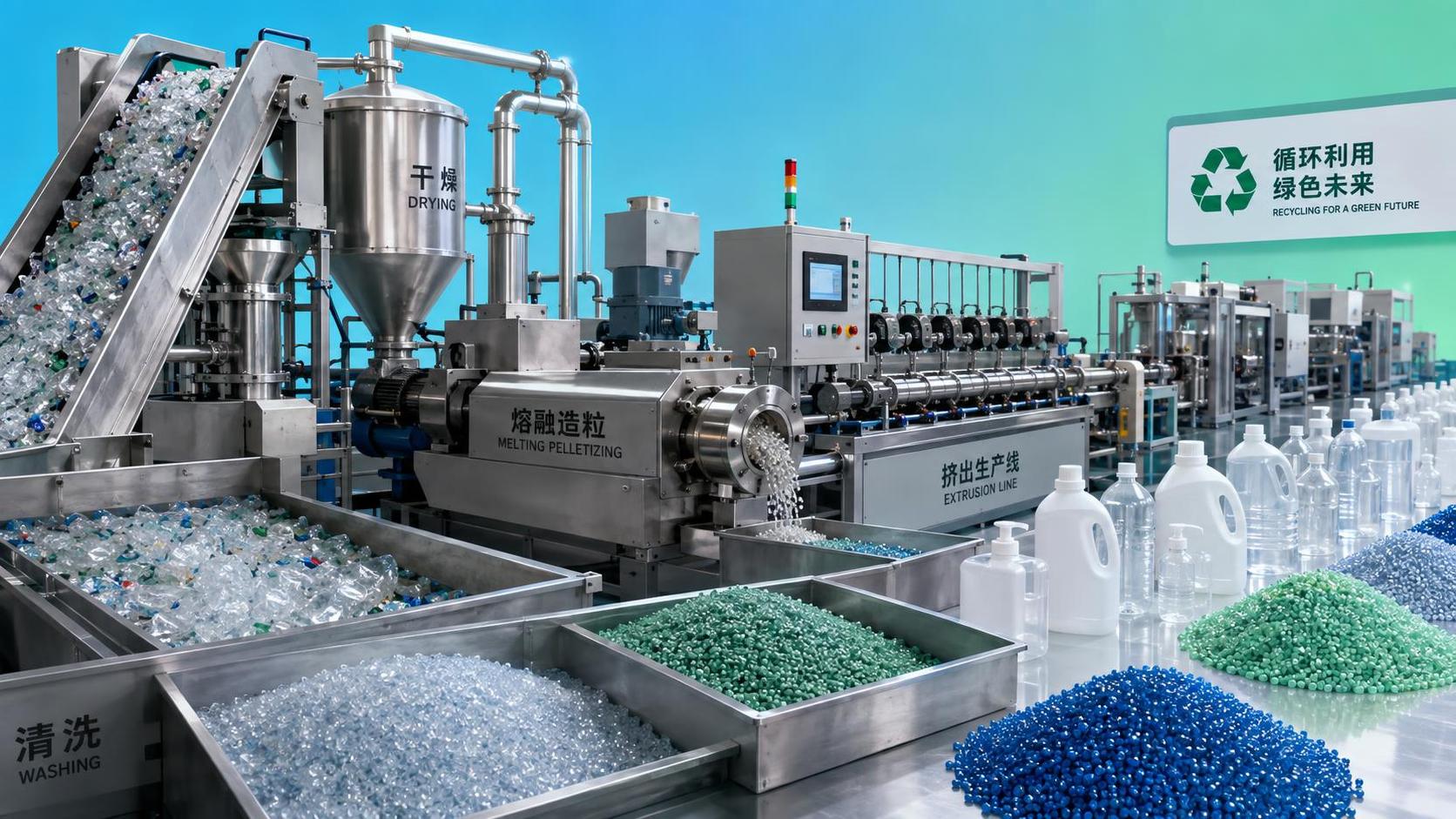
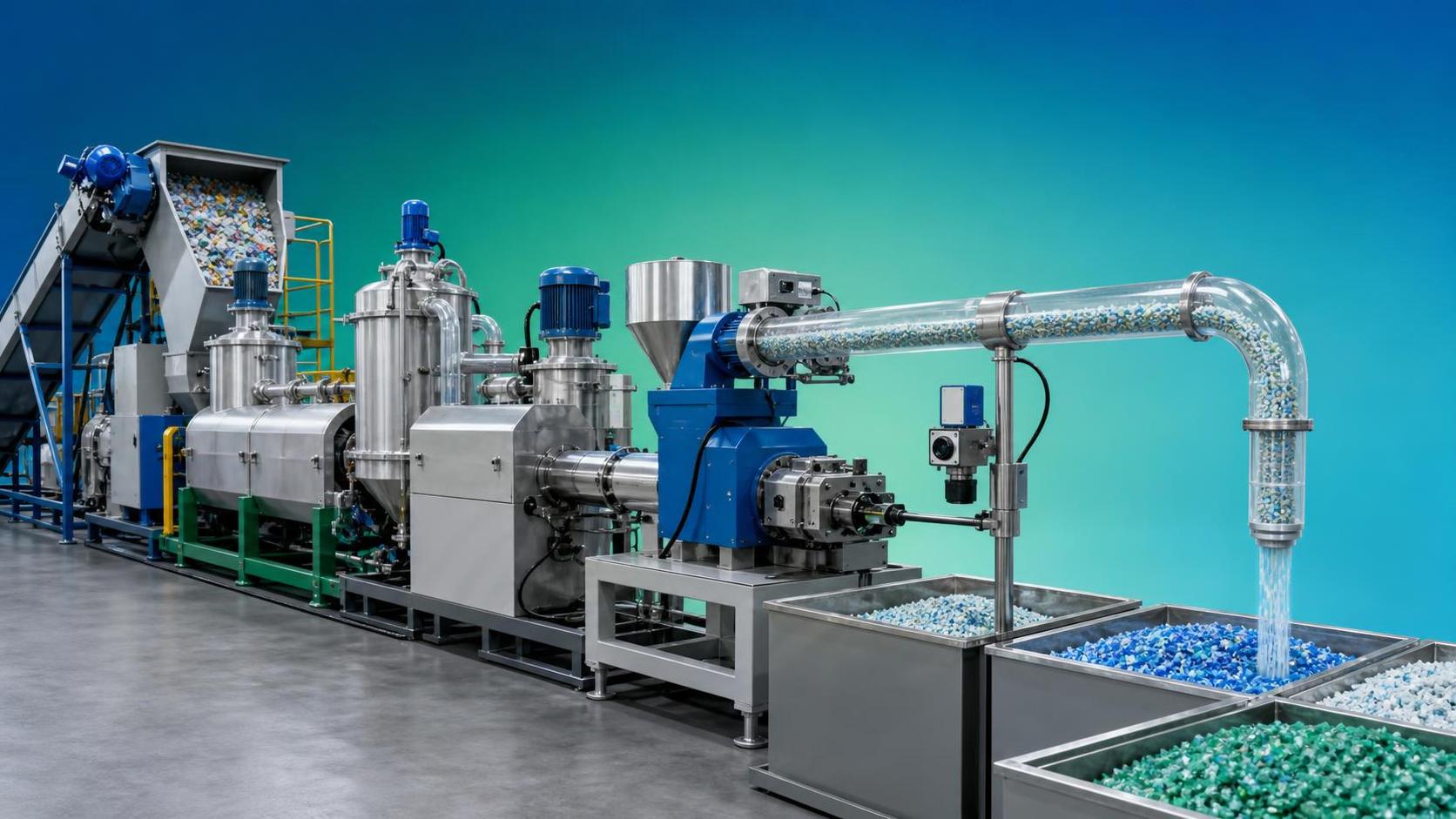
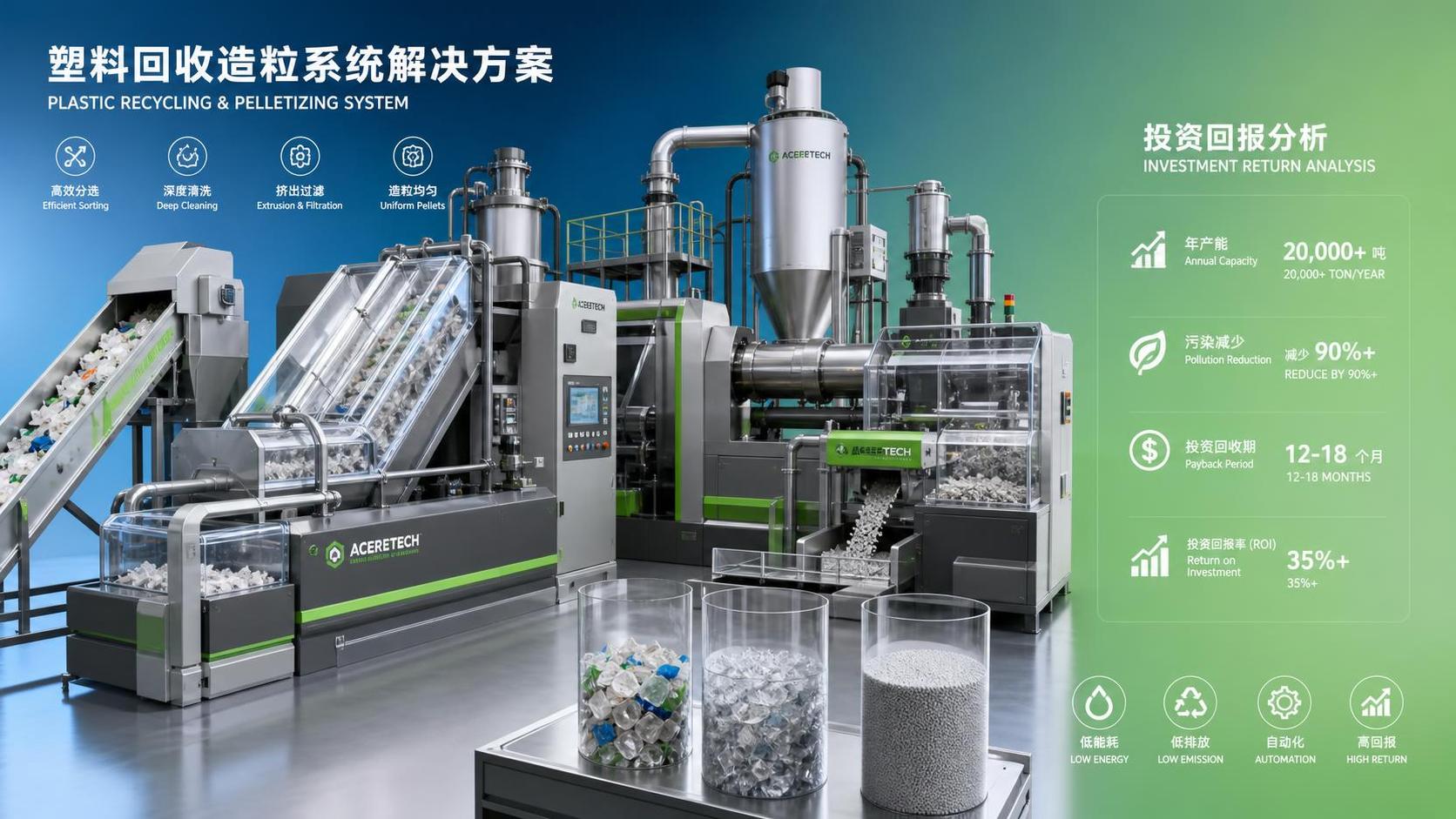
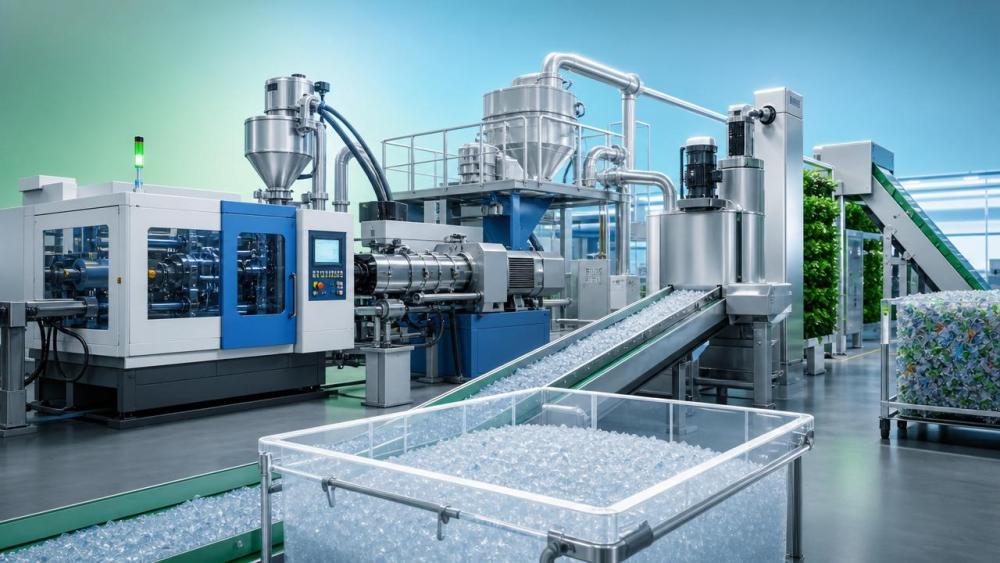
Waste plastic pelletizing
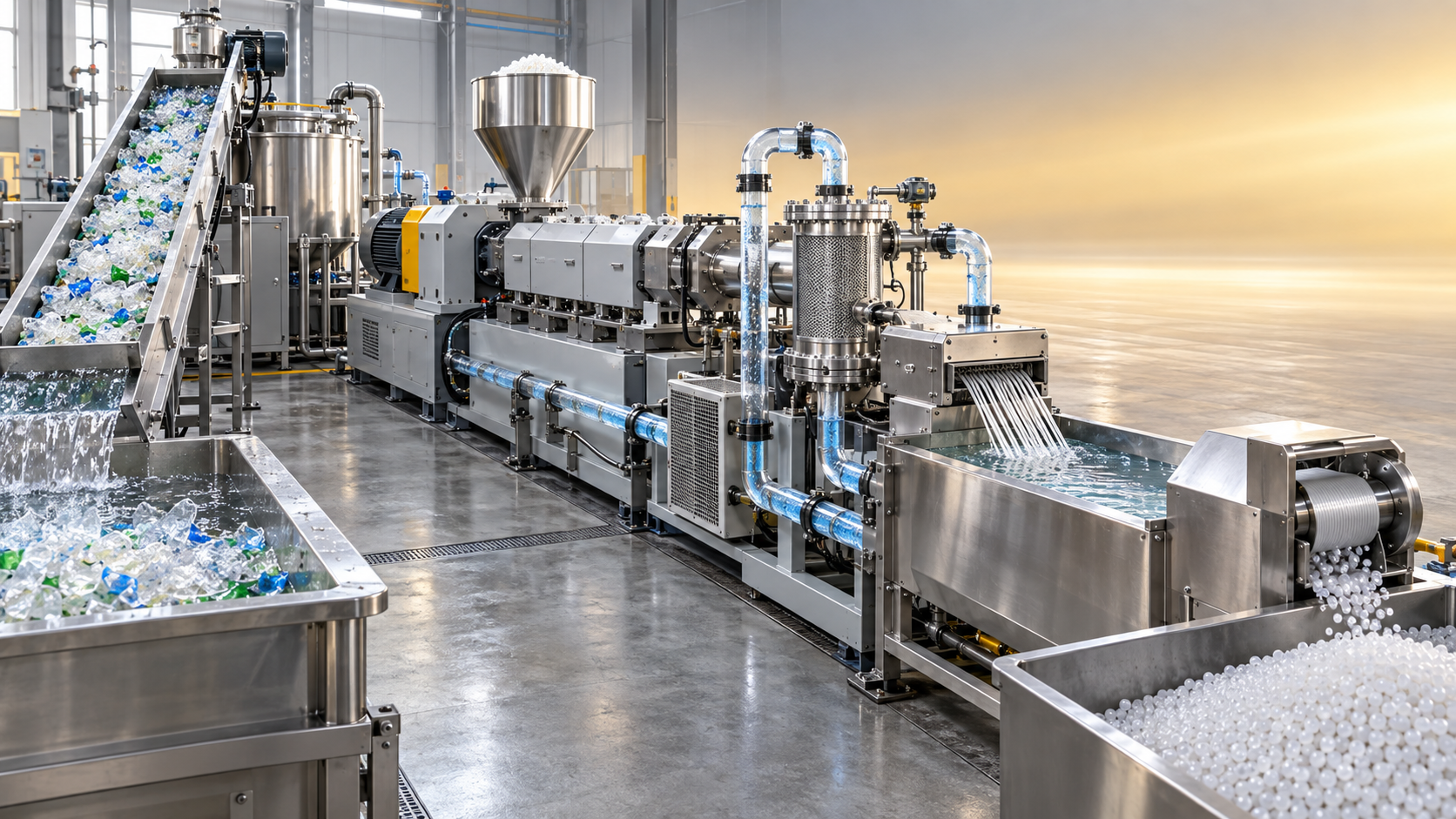
This segment is central to circularity claims.
Washing quality, degassing performance, filtration precision, and underwater pelletizing consistency strongly affect recycled resin value.
Typical decision scenarios where ESG changes outcomes
Not every decision uses the same ESG lens.
However, several recurring scenarios show how ESG in plastic manufacturing changes comparative results.
Practical guidance for stronger ESG alignment
A practical approach starts with measurable process facts rather than broad sustainability claims.
That principle is central to effective ESG in plastic manufacturing.
- Map energy use by machine, product family, and shift pattern.
- Track scrap, purge waste, and reprocessing rates with consistent definitions.
- Test recycled content integration under real processing conditions.
- Review documentation readiness for packaging, safety, and export requirements.
- Ask for machine data interfaces that support audit trails and reporting.
- Use lifecycle cost comparisons instead of only initial purchase price.
Common mistakes to avoid
- Treating ESG in plastic manufacturing as a separate reporting exercise
- Ignoring process instability when evaluating recycled material usage
- Comparing equipment without normalized energy and yield data
- Assuming compliance today guarantees compliance next year
Next-step perspective for long-term competitiveness
The commercial meaning of ESG in plastic manufacturing will continue to deepen as regulation, energy, and circularity pressures converge.
Organizations that understand machine efficiency, material recovery, and governance traceability as one system will stand on firmer ground.
For sectors linked to injection molding, extrusion, blow molding, vulcanization, and recycling, the winning path is increasingly evidence-based.
PFRS supports this path by connecting equipment intelligence, process evolution, and circular manufacturing insight into practical market understanding.
The most useful next step is simple: evaluate current assets, supplier data quality, and recycling readiness through an ESG lens grounded in operations.
That is where better decisions begin, and where durable advantage in plastic manufacturing is increasingly created.
Related News
- 00
0000-00
Smart Factory Costs for Plastics: Estimating ROI for Automation Projects - 00
0000-00
How to Evaluate a Packaging Molding Equipment Supplier for High-Volume Production - 00
0000-00
Where Recycled Plastic Innovation Delivers the Biggest Value in Packaging - 00
0000-00
How to Evaluate a Tire Curing Equipment Supplier for Capacity, Support, and Uptime - 00
0000-00
How to Size a Servo Injection Molding Press for High-Precision Parts
Weekly Insights
Stay ahead with our curated technology reports delivered every Monday.
Related News
 Ms. Elena RodriguezSmart Factory Costs for Plastics: Estimating ROI for Automation ProjectsSmart factory for plastics cost: learn how to estimate automation ROI, uncover hidden integration expenses, reduce scrap, and build a phased investment plan.Oct 10, 2026
 Ms. Elena RodriguezHow to Evaluate a Packaging Molding Equipment Supplier for High-Volume ProductionChoose a packaging molding equipment supplier with confidence. Learn how to assess throughput stability, tooling, recycled-material capability, lifecycle cost, and service support for high-volume production.Oct 09, 2026
 Ms. Elena RodriguezHow to Select Packaging Molding Equipment for High-Volume Production LinesPackaging molding equipment selection guide for high-volume lines: compare processes, throughput, materials, automation, and energy to achieve stable, cost-effective output.Oct 04, 2026
 Ms. Elena RodriguezHow to Evaluate Plastic Recycling Machinery for UAE Heat, Feedstock, and Output NeedsPlastic recycling machinery UAE buyers: evaluate heat resilience, feedstock handling, cooling, pellet quality, energy use, and lifecycle cost for reliable output.Sep 28, 2026
 Ms. Elena RodriguezGerman Extrusion Equipment Suppliers: Comparing Service, Lead Times, and Lifecycle CostExtrusion equipment Germany suppliers compared: evaluate service coverage, credible lead times, spare-parts access, and lifecycle cost to select a reliable, future-ready production partner.Sep 22, 2026
 Ms. Elena RodriguezWhat Should You Check Before Buying a Used Plastic Recycling Line?What should I check before buying a used plastic recycling line? Explore feedstock fit, wear, trials, utilities, controls, and restoration costs before you invest.Sep 26, 2026
 Ms. Elena RodriguezHow to Compare Pelletizing Lines by Energy Use per TonHow do I compare pelletizing lines by kWh per ton? Learn to measure total energy, verify saleable output, and select a cost-efficient line.Sep 23, 2026
 Ms. Elena RodriguezTyre Cutter Blade Wear: When Capacity Loss Needs Inspectionшинорез blade wear can quietly reduce tyre-cutting capacity. Learn the warning signs, inspection triggers, and maintenance actions that protect output and uptime.Sep 28, 2026
 Ms. Elena RodriguezIn-House Recycling for Factory Scrap: How to Reduce Material Waste and Disposal CostsIn house recycling for factory scrap helps manufacturers cut material waste, reduce disposal costs, and create controlled, quality-focused reuse loops.Sep 07, 2026
 Ms. Elena RodriguezHow Recyclable Packaging Manufacturing Balances Material Recovery and Production CostRecyclable packaging manufacturing: discover how smarter design, feedstock control, and process optimization reduce recovery costs while improving quality and yield.Sep 04, 2026
 Ms. Elena RodriguezHow to Evaluate a Plastic Recycling Systems Supplier for Your Processing NeedsChoose the right plastic recycling systems supplier with a practical guide to feedstock fit, output quality, total cost, testing, service, and compliance.Sep 01, 2026
 Ms. Elena RodriguezCE Marking for Plastic Processing Equipment: Documentation and Safety ChecksPlastic processing equipment CE compliance: learn the essential documentation, risk assessments, safety checks, and validation steps for reliable EU market access.Aug 30, 2026
 Ms. Elena RodriguezPlastic Packaging Compliance Standards: What Tests and Documents Matter Most?Plastic packaging compliance standards explained: learn which migration tests, mechanical checks, and audit-ready documents matter most to reduce risk and pass reviews with confidence.Aug 25, 2026
 Ms. Elena RodriguezHow to Evaluate a Plastic Waste Recycling System for Capacity, Contamination, and ROIPlastic waste recycling system evaluation made practical: compare true capacity, contamination control, and ROI to choose a line that delivers stable output and stronger returns.Aug 24, 2026
 Ms. Elena RodriguezPackaging Molding Equipment Price: What Drives Cost and How to Compare Quotes?Packaging molding equipment price varies by machine type, automation, tooling, energy use, and service scope. Learn what drives cost and how to compare quotes with confidence.Aug 21, 2026
 Ms. Elena RodriguezWhat Packaging Machinery for Plastic Containers Should You Choose for High-Volume Production?Packaging machinery for plastics containers can make or break high-volume production. Learn how to choose the right line for speed, consistency, compliance, and lower lifecycle costs.Aug 16, 2026
 Ms. Elena RodriguezWhat Circular Plastics Mean for Automotive Parts and Material SelectionCircular plastics for automotive are reshaping part selection with lower weight, better sustainability, and reliable performance. Discover how engineers balance recycled content, durability, and compliance.Aug 15, 2026
 Ms. Elena RodriguezBroiler Farming in Cage System: Selection Factors for Commercial FarmsBroiler farming in cage system selection for commercial farms: compare structure, ventilation, automation, and manure handling to improve efficiency and avoid costly mistakes.Aug 14, 2026
 Ms. Elena RodriguezHow to Implement Smart Polymer Manufacturing Without Disrupting Existing Production?Smart polymer manufacturing implementation made practical: learn how to upgrade existing production with phased digitalization, less downtime, better control, and measurable ROI.Aug 11, 2026
 Ms. Elena RodriguezHow to Evaluate a Rubber Compression Molding Supplier for Complex Part ProductionRubber compression molding supplier selection for complex parts starts with process, material, and tooling control. Learn how to compare vendors beyond price and reduce launch risk.Aug 10, 2026