Custom Plastic Injection Molding Parts Market Trends: Why Global Manufacturers Are Prioritizing Flexible, High-Precision Supply Chains




Global Manufacturing Is Increasing Demand for Custom Plastic Components
The global manufacturing industry is moving toward lighter, more precise, and more customized components. From household appliances and electrical equipment to automotive systems, medical devices, industrial machinery, furniture, building products, and agricultural equipment, plastic parts now support a wide range of product structures and functions. As buyers look for better cost control, faster development, and reliable mass production, demand for custom plastic injection molding parts;is rising across global supply chains.
Injection molding remains one of the most important production methods for plastic components because it supports high-volume manufacturing, consistent dimensions, complex shapes, material flexibility, and efficient unit cost after tooling is completed. For OEMs and product developers, this makes injection molding a practical solution for both functional and appearance parts.
The market is no longer focused only on producing simple plastic shells. Buyers now need molded parts that meet requirements for strength, heat resistance, flame retardancy, dimensional accuracy, surface finish, color consistency, corrosion resistance, weather resistance, and assembly performance. This trend is reshaping how manufacturers choose injection molding suppliers.
Why Custom Injection Molding Is Becoming More Valuable
One of the biggest drivers of market growth is product differentiation. Many manufacturers are launching new models faster than before. Appliance brands, electronics companies, machinery producers, and automotive suppliers all need plastic parts that match specific designs. Standard parts often cannot meet these requirements. Custom injection molding allows buyers to develop components according to drawings, samples, functional needs, and assembly structures.
Customization can include material selection, mold design, wall thickness, ribs, clips, screw holes, texture, color, surface treatment, tolerance control, and packaging. A plastic part may look simple from the outside, but its performance depends on many design and process details. Poor mold design or unsuitable material selection can cause warping, cracking, shrinkage, weak assembly, poor appearance, or short service life.
This is why buyers are placing more value on suppliers that can support the full development process from concept to delivery. A capable injection molding partner can help with design review, prototype development, mold making, sample testing, mass production, surface finishing, assembly, packaging, and export logistics.
Appliance Manufacturing Is a Major Growth Driver
Household appliance production is one of the strongest application areas for injection molded plastic parts. Refrigerators, washing machines, air conditioners, small appliances, televisions, kitchen equipment, and smart home products all require plastic shells, frames, panels, drawers, handles, covers, brackets, seals, control panels, and internal components.
In this market, manufacturers need plastic parts that combine appearance quality with functional durability. For example, an air conditioner enclosure must be lightweight, stable, attractive, and resistant to temperature changes. A refrigerator drawer needs transparency, impact resistance, and safe material performance. A washing machine control panel must support precise assembly and long-term use in humid environments.
As home appliance brands upgrade product design, the demand for customized plastic parts will continue to grow. Buyers want suppliers that can produce parts using materials such as ABS, PC, PP, HDPE, PVC, PET, and modified engineering plastics. They also need suppliers that can adjust production processes to achieve the best performance for each application.
Industrial and Electrical Plastic Parts Are Becoming More Specialized
Industrial and electrical applications are also creating strong demand for custom molded parts. These components may be used in electrical housings, control boxes, machine covers, protective shells, equipment panels, brackets, terminals, tool parts, and structural accessories.
Compared with ordinary consumer plastic products, industrial plastic parts often have stricter performance requirements. They may need better insulation, flame retardancy, impact resistance, dimensional stability, heat resistance, or chemical resistance. Some parts must maintain precision under repeated use or harsh operating conditions.
This is why material selection is becoming more important. ABS may be used for general strength and surface appearance. PC can provide higher impact resistance and transparency. PP is valued for chemical resistance and lightweight performance. HDPE can support toughness and durability. PVC may be selected for certain sealing or profile applications. PET can provide strength and stability in specific component designs. Additives such as flame retardants, fillers, reinforcing agents, elastomer toughening agents, and weathering agents can further improve performance.
Lightweighting Is Reshaping Component Design
Lightweighting is a major trend across many industries. In automotive manufacturing, lighter components can help improve energy efficiency. In household appliances, lightweight plastic parts can reduce shipping costs and make products easier to handle. In industrial equipment, replacing heavier materials with engineered plastics can reduce assembly weight while maintaining functional performance.
Custom injection molding supports lightweight design because plastic parts can be shaped with ribs, hollow structures, snap-fit designs, and integrated functions. Instead of using multiple metal pieces, a molded plastic component can sometimes combine several functions into one part. This reduces assembly steps and improves production efficiency.
However, lightweighting must be balanced with strength and reliability. If a part becomes too thin or uses the wrong material, it may deform or fail during use. This creates demand for suppliers with strong mold design and process knowledge.
Supply Chain Flexibility Is a Key Buyer Priority
Global buyers are increasingly focused on supply chain flexibility. Product demand can change quickly. A buyer may need prototype samples first, then small-batch production, then mass production after market confirmation. Traditional rigid manufacturing models are not always suitable for this environment.
Injection molding suppliers that can support flexible customization have an advantage. Buyers want fast communication, drawing review, prototype feedback, mold adjustment, material suggestions, and reliable production scheduling. They also want suppliers that can export to multiple markets and support packaging requirements.
This is especially important for companies developing new products. If the supplier can help solve problems early, the buyer can reduce delays and avoid costly redesigns. In custom plastic parts manufacturing, engineering communication often matters as much as machine capacity.
Mold Development Remains the Foundation of Product Quality
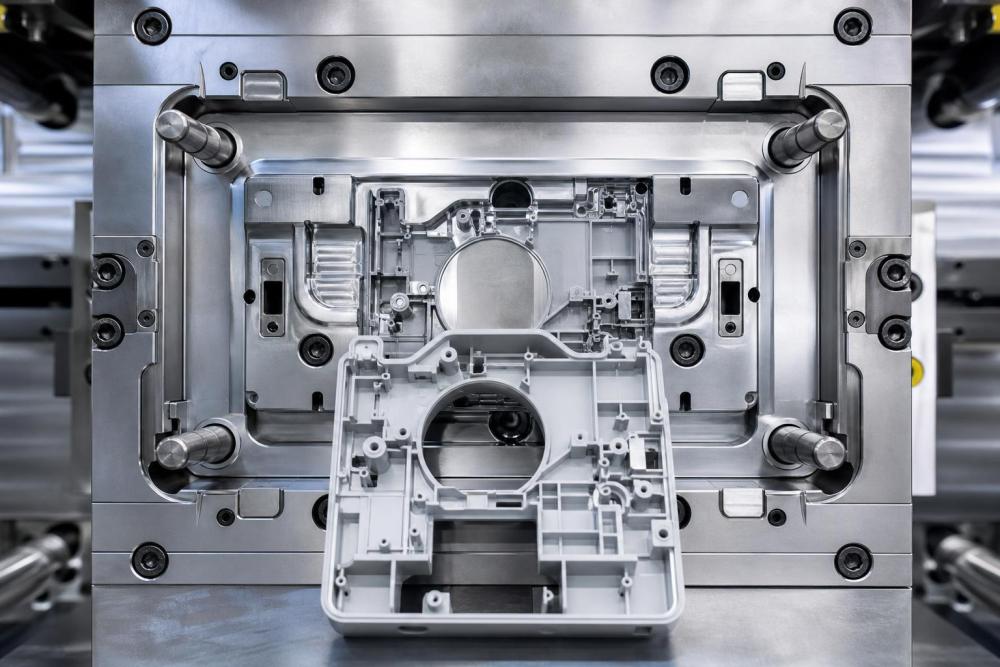
The mold is the foundation of injection molding quality. A good mold supports stable production, accurate dimensions, smooth surface quality, efficient cycle time, and long service life. A poor mold can lead to flashing, sink marks, warping, short shots, inconsistent dimensions, or high scrap rates.
For custom plastic injection molding parts, mold design must consider gate position, cooling system, parting line, ejection method, shrinkage rate, material behavior, wall thickness, and surface requirements. These details influence both product quality and production efficiency.
Buyers are becoming more aware of mold quality because it affects total project cost. A low-cost mold may seem attractive at first, but if it produces unstable parts or requires frequent repair, the final cost can be higher. A reliable supplier should be able to support mold design, mold making, testing, and optimization before mass production.
Sustainability and Material Efficiency Are Influencing Procurement
Sustainability is becoming a more visible factor in plastic parts procurement. Many buyers are asking how to reduce waste, improve material efficiency, and select more environmentally responsible materials where possible. While plastic remains essential in many industries, the market is moving toward more controlled and efficient use.
Injection molding can support material efficiency when molds are well-designed and production parameters are stable. Lower scrap rates, optimized cycle times, recyclable packaging, and appropriate material selection can all contribute to more sustainable production.
Some buyers also request recycled materials, bio-based plastics, or specific compliance documentation. Others focus on reducing part weight or improving product life so components do not fail prematurely. Sustainability is not only about material origin; it is also about durability, efficiency, and responsible manufacturing.
Global Buyers Are Looking for Full-Chain Manufacturing Support
International buyers often need more than simple molding services. They may need assistance from conceptualization to prototype, in-house mold design, material testing, surface treatment, assembly, packaging, and logistics. A full-chain supplier can simplify procurement and reduce coordination risks.
This is particularly valuable for customers in home appliances, industrial equipment, automotive accessories, and electrical products. These buyers may manage multiple components across one product line. Working with a supplier that understands plastic shells, enclosures, panels, frames, bases, and functional parts can reduce development time.
Export experience is also important. Buyers need clear communication, proper packaging, reliable shipping, and documentation support. A supplier that has shipped to multiple countries can better support international projects and reduce uncertainty.
Market Outlook for Custom Plastic Injection Molding Parts
The market outlook for custom plastic injection molding parts remains positive. Demand will continue to come from home appliance upgrades, industrial automation, electrical equipment, automotive lightweighting, medical device production, agricultural tools, building products, and consumer goods.
Several trends will shape future growth. First, buyers will continue to demand more customized products. Second, material performance requirements will become more specific. Third, suppliers with mold development and engineering support will become more valuable. Fourth, global buyers will prefer flexible partners that can handle both small-batch development and mass production. Fifth, sustainability and material efficiency will influence purchasing decisions more often.
The market will also become more competitive. Suppliers that only provide basic molding may face price pressure. Suppliers that provide design support, material expertise, precision manufacturing, and full-process service will be better positioned.
Conclusion: Custom Plastic Injection Molding Parts Are Becoming Strategic Manufacturing Inputs
Custom plastic injection molding parts are no longer just low-cost components. They are strategic inputs that affect product design, performance, assembly efficiency, durability, and brand competitiveness. As manufacturers seek lighter, more functional, and more customized products, injection molding suppliers are becoming important partners in product development.
For buyers, the best supplier is one that can understand the application, recommend suitable materials, develop reliable molds, maintain stable production, and support global delivery. For suppliers, the opportunity lies in offering flexible customization, advanced injection molding capability, strong quality control, and responsive engineering communication.
As global manufacturing continues to evolve, custom plastic injection molding parts will remain essential to the production of modern appliances, industrial equipment, automotive systems, and everyday products.
Related News
- 00
0000-00
How to Qualify a Servo Injection Molding Exporter for Global Sourcing - 00
0000-00
Polymer Processing for Extrusion: How Melt Rheology Affects Line Stability - 00
0000-00
Energy-Efficient Polymer Processing: Where Plants Can Cut kWh per Kilogram - 00
0000-00
German Extrusion Equipment Suppliers: Comparing Service, Lead Times, and Lifecycle Cost - 00
0000-00
Is an Underwater Pelletizer Worth the Added Cost for Recycled Plastics?
Tags
Weekly Insights
Stay ahead with our curated technology reports delivered every Monday.
Related News
 Ms. Elena RodriguezGerman Extrusion Equipment Suppliers: Comparing Service, Lead Times, and Lifecycle CostExtrusion equipment Germany suppliers compared: evaluate service coverage, credible lead times, spare-parts access, and lifecycle cost to select a reliable, future-ready production partner.Sep 22, 2026
 Ms. Elena RodriguezHow to Compare Pelletizing Lines by Energy Use per TonHow do I compare pelletizing lines by kWh per ton? Learn to measure total energy, verify saleable output, and select a cost-efficient line.Sep 23, 2026
 Ms. Elena RodriguezIn-House Recycling for Factory Scrap: How to Reduce Material Waste and Disposal CostsIn house recycling for factory scrap helps manufacturers cut material waste, reduce disposal costs, and create controlled, quality-focused reuse loops.Sep 07, 2026
 Ms. Elena RodriguezHow Recyclable Packaging Manufacturing Balances Material Recovery and Production CostRecyclable packaging manufacturing: discover how smarter design, feedstock control, and process optimization reduce recovery costs while improving quality and yield.Sep 04, 2026
 Ms. Elena RodriguezHow to Evaluate a Plastic Recycling Systems Supplier for Your Processing NeedsChoose the right plastic recycling systems supplier with a practical guide to feedstock fit, output quality, total cost, testing, service, and compliance.Sep 01, 2026
 Ms. Elena RodriguezCE Marking for Plastic Processing Equipment: Documentation and Safety ChecksPlastic processing equipment CE compliance: learn the essential documentation, risk assessments, safety checks, and validation steps for reliable EU market access.Aug 30, 2026
 Ms. Elena RodriguezPlastic Packaging Compliance Standards: What Tests and Documents Matter Most?Plastic packaging compliance standards explained: learn which migration tests, mechanical checks, and audit-ready documents matter most to reduce risk and pass reviews with confidence.Aug 25, 2026
 Ms. Elena RodriguezHow to Evaluate a Plastic Waste Recycling System for Capacity, Contamination, and ROIPlastic waste recycling system evaluation made practical: compare true capacity, contamination control, and ROI to choose a line that delivers stable output and stronger returns.Aug 24, 2026
 Ms. Elena RodriguezPackaging Molding Equipment Price: What Drives Cost and How to Compare Quotes?Packaging molding equipment price varies by machine type, automation, tooling, energy use, and service scope. Learn what drives cost and how to compare quotes with confidence.Aug 21, 2026
 Ms. Elena RodriguezWhat Packaging Machinery for Plastic Containers Should You Choose for High-Volume Production?Packaging machinery for plastics containers can make or break high-volume production. Learn how to choose the right line for speed, consistency, compliance, and lower lifecycle costs.Aug 16, 2026
 Ms. Elena RodriguezWhat Circular Plastics Mean for Automotive Parts and Material SelectionCircular plastics for automotive are reshaping part selection with lower weight, better sustainability, and reliable performance. Discover how engineers balance recycled content, durability, and compliance.Aug 15, 2026
 Ms. Elena RodriguezBroiler Farming in Cage System: Selection Factors for Commercial FarmsBroiler farming in cage system selection for commercial farms: compare structure, ventilation, automation, and manure handling to improve efficiency and avoid costly mistakes.Aug 14, 2026
 Ms. Elena RodriguezHow to Implement Smart Polymer Manufacturing Without Disrupting Existing Production?Smart polymer manufacturing implementation made practical: learn how to upgrade existing production with phased digitalization, less downtime, better control, and measurable ROI.Aug 11, 2026
 Ms. Elena RodriguezHow to Evaluate a Rubber Compression Molding Supplier for Complex Part ProductionRubber compression molding supplier selection for complex parts starts with process, material, and tooling control. Learn how to compare vendors beyond price and reduce launch risk.Aug 10, 2026
 Ms. Elena RodriguezPackaging Compliance in Canada: Key Labeling and EPR Rules Importers Must KnowPackaging compliance Canada explained for importers: learn bilingual labeling, environmental claims, and provincial EPR rules to reduce risk, avoid costly errors, and stay market-ready.Aug 03, 2026
 Ms. Elena RodriguezWhy Circular Plastics Economy Traceability Matters for Recycled Content ComplianceCircular plastics economy traceability is essential for proving recycled content compliance across sourcing, processing, and reporting. Learn how strong evidence reduces audit risk.Aug 02, 2026
 Ms. Elena RodriguezRecycled Plastic Compliance: Key Standards, Testing Requirements, and DocumentationRecycled plastic compliance explained: key standards, testing requirements, supplier documents, and food-contact risks to help you avoid approval delays and costly compliance mistakes.Aug 01, 2026
 Ms. Elena RodriguezHow to Evaluate an Extrusion Machinery Manufacturer for Quality, Support, and ROIExtrusion machinery manufacturer selection affects quality, uptime, and ROI. Learn how to compare process fit, output claims, service, compliance, and long-term operating costs.Jul 29, 2026
 Ms. Elena RodriguezHow to Evaluate Food Grade Recycled Pellets for Safe Packaging ApplicationsFood grade recycled pellets for safe packaging demand more than a label. Learn how to assess feedstock, process validation, pellet quality, and compliance before approval.Jul 28, 2026
 Ms. Elena RodriguezHow to Evaluate a Rubber Vulcanization Supplier for Quality, Capacity, and Lead TimeRubber vulcanization supplier selection made easier: learn how to assess quality systems, true production capacity, and lead time reliability to reduce sourcing risk and improve supply performance.Jul 25, 2026