Why high-performance elastomers fail sooner than expected




High-performance elastomers are specified for heat, pressure, oil, steam, and aggressive chemicals. Yet early failure remains common. In many cases, the real weakness is not the polymer family itself, but the full path from compounding to molding, curing, storage, and end-use loading.
For systems tied to injection molding, extrusion, vulcanization, packaging, automotive, medical, and recycling equipment, the service life of high-performance elastomers depends on controlled crosslink chemistry, thermal history, geometry, and media compatibility. A checklist-based review makes failure risks visible before they become leaks, cracks, compression set, or unplanned downtime.
Why a checklist matters when high-performance elastomers fail
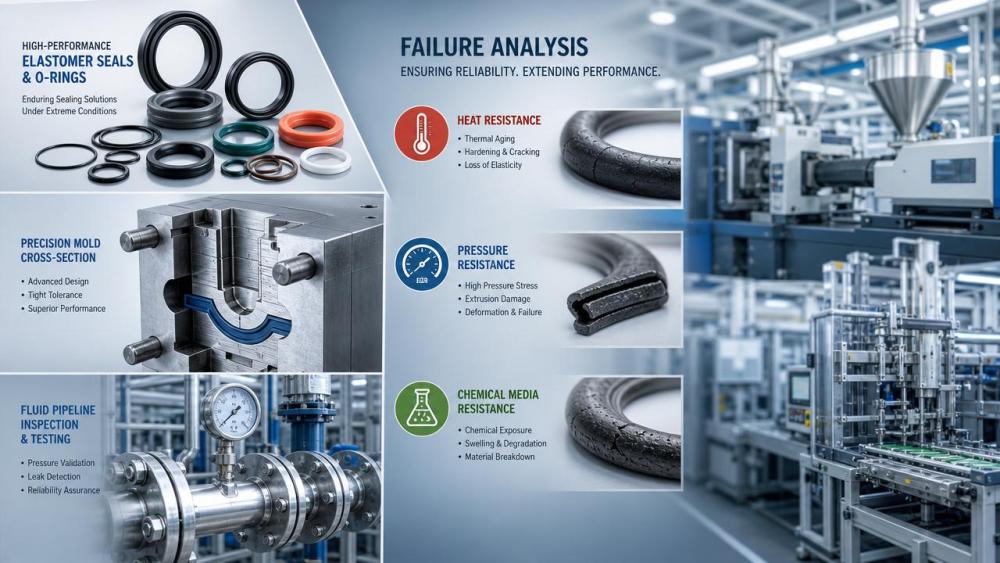
Failure analysis often starts too late, after a seal hardens, a hose blisters, or a roller loses resilience. By then, several variables have already interacted. A structured checklist helps isolate whether the root cause is formulation, process drift, installation error, or an application mismatch.
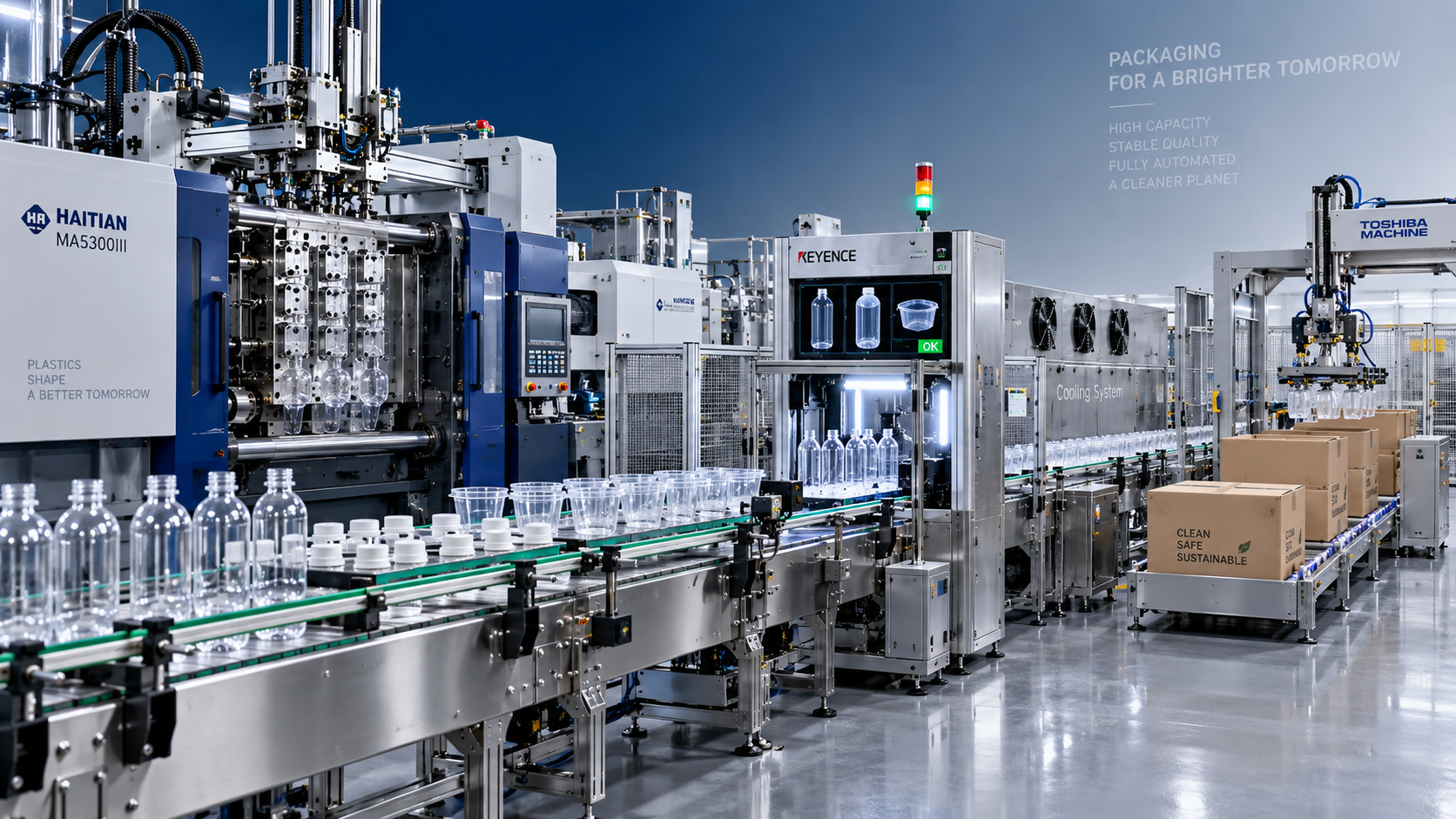
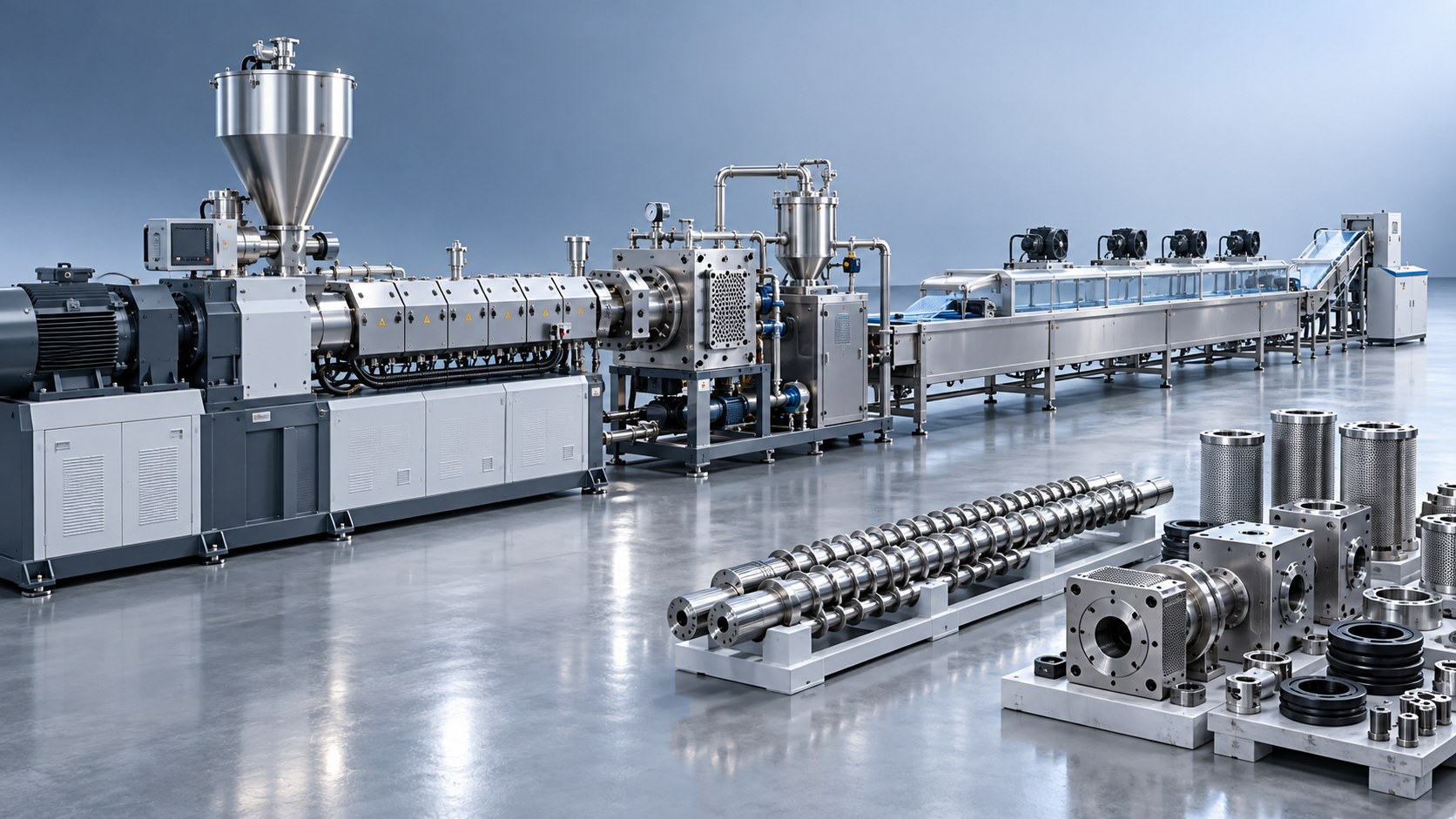
This matters across the broader polymer industry. Elastomer parts operate beside extruder barrels, blow molding lines, hot runners, hydraulic systems, pelletizing units, and chemical wash stages. Even premium FKM, HNBR, EPDM, silicone, or FFKM grades can fail early if one hidden condition pushes them beyond their real operating window.
Core checklist: how to evaluate high-performance elastomers before failure starts
Use the following checks in sequence. Each item targets a common gap behind premature failure of high-performance elastomers in industrial service.
- Verify the actual media, not the assumed media. Trace cleaning agents, plasticizers, steam cycles, additives, and recycled contaminants that can attack high-performance elastomers unexpectedly.
- Measure peak temperature and dwell time. Short thermal spikes near gates, hot plates, screw zones, or curing stations may age elastomers faster than average line temperature suggests.
- Check crosslink density against the application. Under-cured parts soften and swell, while over-cured parts embrittle, lose elongation, and crack under dynamic compression or flexing.
- Review compression set data under real assembly strain. A compound that passes lab testing may still relax early if groove design or bolt load is excessive.
- Inspect thermal history during molding and post-cure. Repeated reheating, slow cooling, or uneven mold temperature can create local property shifts within the same batch.
- Compare hardness with functional stress. Harder is not always safer. Excessive Shore hardness may increase sealing force but raise crack initiation at corners and knit lines.
- Audit surface finish and flash removal. Rough metal contact surfaces, trimming damage, or micro-notches often trigger tearing in high-performance elastomers under vibration.
- Map pressure cycling frequency. Dynamic pulses in pumps, extruders, and pneumatic circuits accelerate fatigue differently from steady-state pressure exposure.
- Confirm material storage conditions. UV, ozone, humidity, and shelf aging can degrade high-performance elastomers before installation, especially in lightly controlled warehouses.
- Validate dimensional tolerances after cure shrinkage. Small deviations in seal cross-section, lip angle, or wall thickness can cause leakage and localized overstress.
- Test against mixed chemical environments. Water, oil, detergent, and heat together can produce failure modes that single-fluid compatibility charts do not predict.
- Document failure morphology. Swelling, glazing, cracks, blistering, softening, and permanent flattening each point toward distinct causes and shorten troubleshooting time.
Where high-performance elastomers lose life in different applications
Injection molding and hot-runner environments
In injection molding systems, seals and valve components often face short but severe thermal loads. Startup and shutdown cycles are especially damaging. Temperature overshoot, trapped volatiles, and aggressive purging compounds can harden or blister high-performance elastomers faster than continuous production does.
Another hidden issue is installation stress. If grooves are too tight, the elastomer starts its life already over-compressed. Add mold temperature fluctuations and hydraulic pulses, and service life drops even when the material grade appears technically correct.
Extrusion, pelletizing, and recycling lines
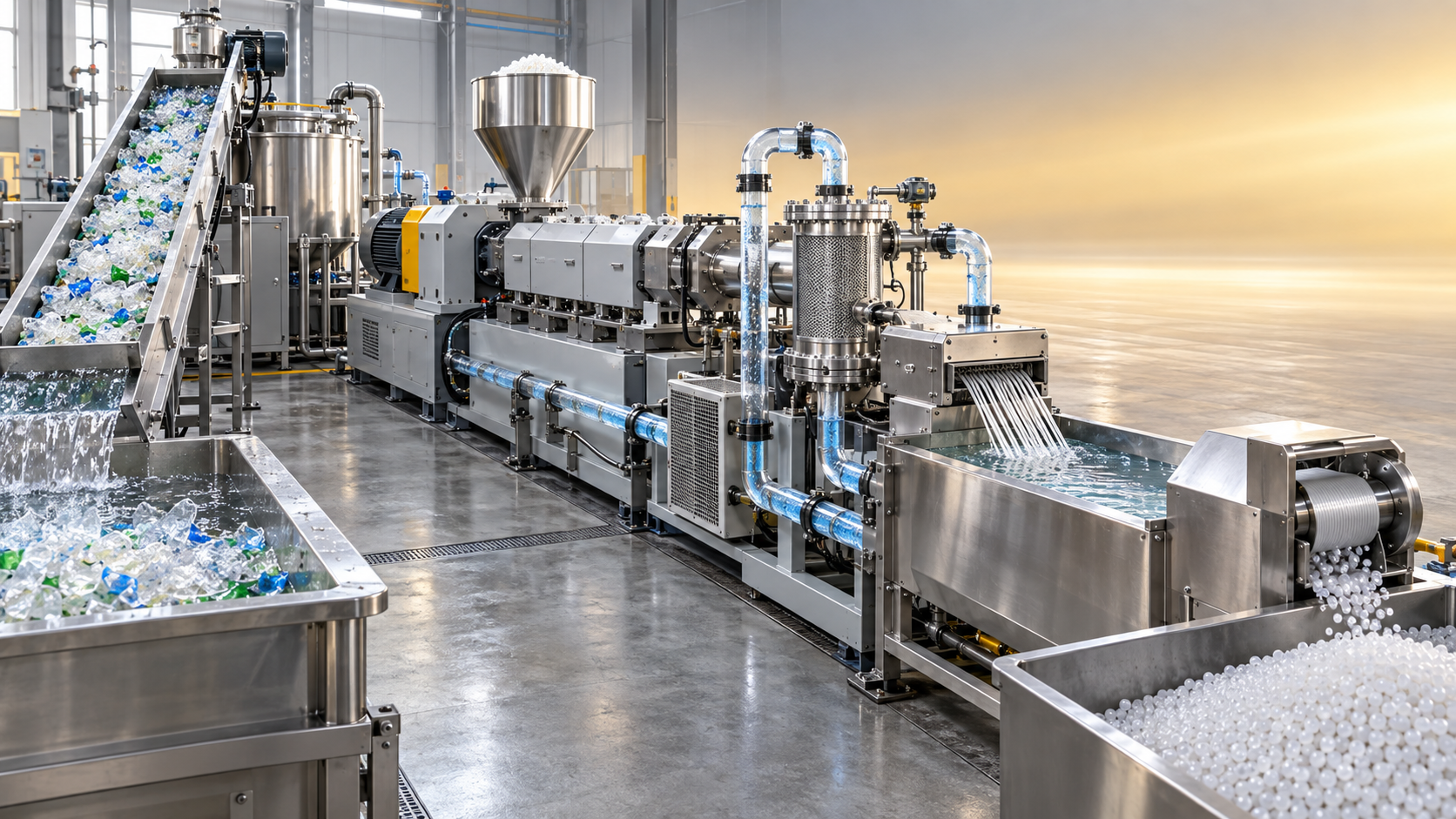
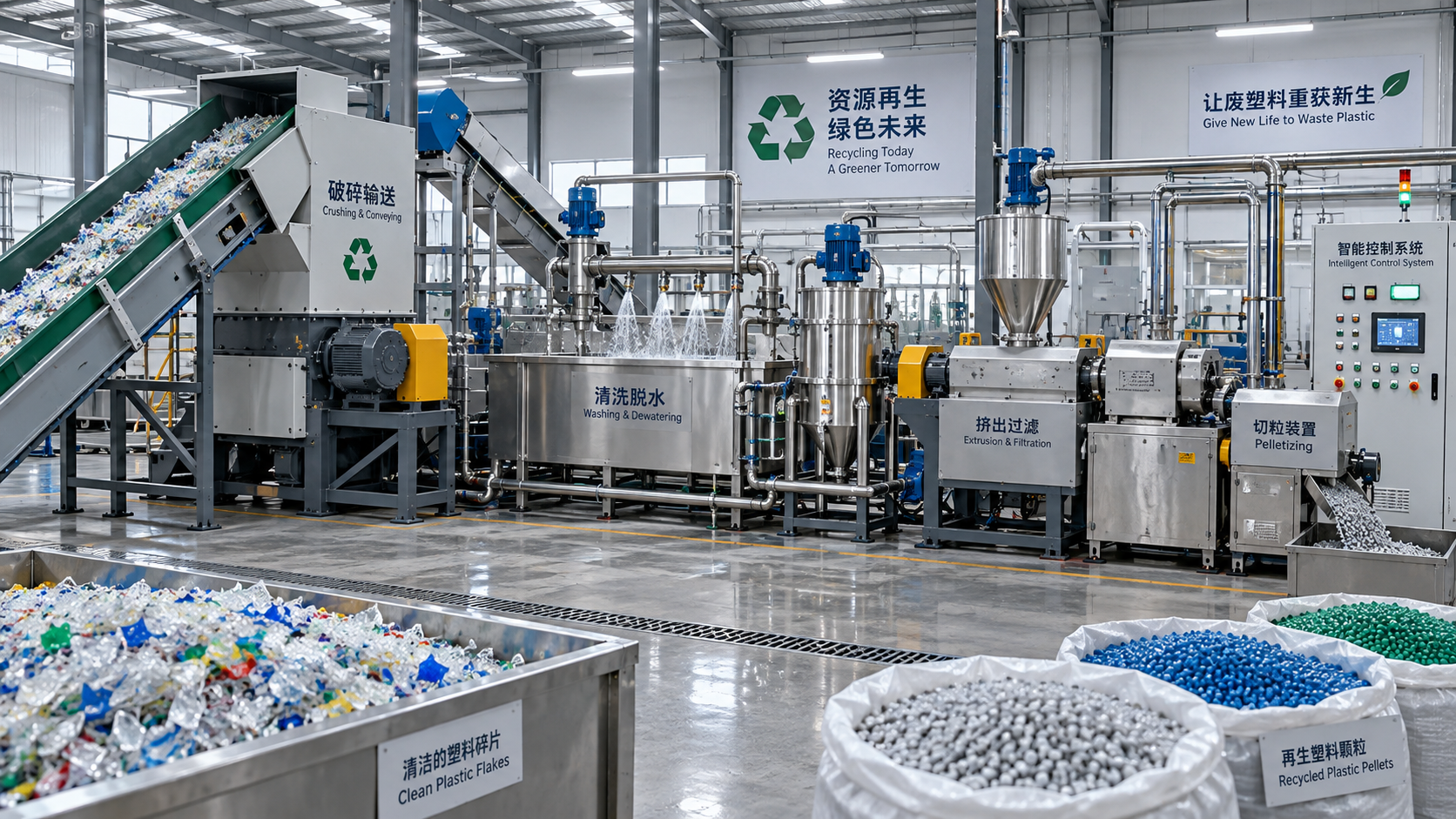
Extrusion and recycling operations expose high-performance elastomers to abrasive fines, degraded polymer byproducts, and unstable chemistry. Recycled streams can carry acids, detergents, inks, and trace metals. Compatibility tables based on virgin resin environments may therefore mislead.
Mechanical rhythm also matters. Pelletizing lines create repetitive vibration and wet-heat cycling. Over time, these conditions drive fatigue, swelling, and seal relaxation. Small leaks then raise contamination risk and energy loss across the whole system.
Rubber vulcanization, blow molding, and packaging equipment
In vulcanizing and blow molding equipment, high-performance elastomers often sit near heated platens, compressed air, lubricants, and cleaning chemicals. Ozone and oxygen exposure can further accelerate surface cracking if compound stabilization is weak.
Packaging systems add another variable: sanitation. Frequent washdown with caustic or oxidizing agents can age seals faster than production contact media. A compound chosen for oil resistance may still fail when daily cleaning chemistry dominates total exposure time.
Commonly overlooked reasons high-performance elastomers fail sooner than expected
One common mistake is relying on generic temperature ratings. Maximum catalog temperature rarely reflects continuous exposure under strain, in mixed media, or during pressure cycling.
Another is treating all compounds within one polymer family as equal. Two FKM or EPDM grades may behave very differently because fillers, cure systems, and post-cure conditions are not the same.
Surface chemistry is also missed. Metal treatments, residual machining oil, adhesive traces, or cleaning residue can change friction, swelling, and sealing performance.
Design transitions create hidden damage. Sharp corners, thin lips, and asymmetric compression zones concentrate stress. High-performance elastomers then fail from geometry, not from poor chemistry.
Batch variation deserves attention as well. If mixing quality, scorch safety, or cure uniformity drifts, the installed part may no longer match validation data from earlier lots.
Practical execution steps to improve elastomer life
- Create an application profile listing actual temperature peaks, pressure cycles, assembly strain, media mix, sanitation chemicals, and downtime conditions.
- Request compound-specific data, including compression set, volume swell, tensile retention, and post-aging hardness shift under relevant test conditions.
- Run small controlled trials with dimensional checks before and after exposure. Measure leakage, swelling, hardness, and visual damage at defined intervals.
- Inspect hardware fit, groove geometry, surface finish, and installation tools to remove mechanical causes that shorten the life of high-performance elastomers.
- Build failure records with photos and timing data. Trend recurring modes by location, batch, and process state to separate random events from systemic issues.
Summary and next actions
High-performance elastomers fail sooner than expected when material selection is isolated from process reality. Temperature peaks, cure quality, compression set, mixed chemicals, stress concentration, and storage history all shape service life.
The most effective approach is disciplined verification. Start with the checklist, compare real exposure against compound data, and inspect both part geometry and process conditions. In polymer processing, packaging, vulcanization, and recycling systems, this method reduces avoidable failure and supports more stable equipment performance.
When evaluating high-performance elastomers, the right next step is not simply upgrading to a more expensive grade. It is closing the gap between specification, processing history, and real operating stress.
Related News
- 00
0000-00
Tire Manufacturing Equipment: Choosing Curing Presses by Tire Size and Output - 00
0000-00
What Drives Underwater Pelletizing System Cost in High-Throughput Compounding? - 00
0000-00
Medical Molding for Lab Consumables: Choosing Processes for Low-Particle Parts - 00
0000-00
Smart Factory Costs for Plastics: Estimating ROI for Automation Projects - 00
0000-00
How to Evaluate a Packaging Molding Equipment Supplier for High-Volume Production
Weekly Insights
Stay ahead with our curated technology reports delivered every Monday.
Related News
 Ms. Elena RodriguezSmart Factory Costs for Plastics: Estimating ROI for Automation ProjectsSmart factory for plastics cost: learn how to estimate automation ROI, uncover hidden integration expenses, reduce scrap, and build a phased investment plan.Oct 10, 2026
 Ms. Elena RodriguezHow to Evaluate a Packaging Molding Equipment Supplier for High-Volume ProductionChoose a packaging molding equipment supplier with confidence. Learn how to assess throughput stability, tooling, recycled-material capability, lifecycle cost, and service support for high-volume production.Oct 09, 2026
 Ms. Elena RodriguezHow to Select Packaging Molding Equipment for High-Volume Production LinesPackaging molding equipment selection guide for high-volume lines: compare processes, throughput, materials, automation, and energy to achieve stable, cost-effective output.Oct 04, 2026
 Ms. Elena RodriguezHow to Evaluate Plastic Recycling Machinery for UAE Heat, Feedstock, and Output NeedsPlastic recycling machinery UAE buyers: evaluate heat resilience, feedstock handling, cooling, pellet quality, energy use, and lifecycle cost for reliable output.Sep 28, 2026
 Ms. Elena RodriguezGerman Extrusion Equipment Suppliers: Comparing Service, Lead Times, and Lifecycle CostExtrusion equipment Germany suppliers compared: evaluate service coverage, credible lead times, spare-parts access, and lifecycle cost to select a reliable, future-ready production partner.Sep 22, 2026
 Ms. Elena RodriguezWhat Should You Check Before Buying a Used Plastic Recycling Line?What should I check before buying a used plastic recycling line? Explore feedstock fit, wear, trials, utilities, controls, and restoration costs before you invest.Sep 26, 2026
 Ms. Elena RodriguezHow to Compare Pelletizing Lines by Energy Use per TonHow do I compare pelletizing lines by kWh per ton? Learn to measure total energy, verify saleable output, and select a cost-efficient line.Sep 23, 2026
 Ms. Elena RodriguezTyre Cutter Blade Wear: When Capacity Loss Needs Inspectionшинорез blade wear can quietly reduce tyre-cutting capacity. Learn the warning signs, inspection triggers, and maintenance actions that protect output and uptime.Sep 28, 2026
 Ms. Elena RodriguezIn-House Recycling for Factory Scrap: How to Reduce Material Waste and Disposal CostsIn house recycling for factory scrap helps manufacturers cut material waste, reduce disposal costs, and create controlled, quality-focused reuse loops.Sep 07, 2026
 Ms. Elena RodriguezHow Recyclable Packaging Manufacturing Balances Material Recovery and Production CostRecyclable packaging manufacturing: discover how smarter design, feedstock control, and process optimization reduce recovery costs while improving quality and yield.Sep 04, 2026
 Ms. Elena RodriguezHow to Evaluate a Plastic Recycling Systems Supplier for Your Processing NeedsChoose the right plastic recycling systems supplier with a practical guide to feedstock fit, output quality, total cost, testing, service, and compliance.Sep 01, 2026
 Ms. Elena RodriguezCE Marking for Plastic Processing Equipment: Documentation and Safety ChecksPlastic processing equipment CE compliance: learn the essential documentation, risk assessments, safety checks, and validation steps for reliable EU market access.Aug 30, 2026
 Ms. Elena RodriguezPlastic Packaging Compliance Standards: What Tests and Documents Matter Most?Plastic packaging compliance standards explained: learn which migration tests, mechanical checks, and audit-ready documents matter most to reduce risk and pass reviews with confidence.Aug 25, 2026
 Ms. Elena RodriguezHow to Evaluate a Plastic Waste Recycling System for Capacity, Contamination, and ROIPlastic waste recycling system evaluation made practical: compare true capacity, contamination control, and ROI to choose a line that delivers stable output and stronger returns.Aug 24, 2026
 Ms. Elena RodriguezPackaging Molding Equipment Price: What Drives Cost and How to Compare Quotes?Packaging molding equipment price varies by machine type, automation, tooling, energy use, and service scope. Learn what drives cost and how to compare quotes with confidence.Aug 21, 2026
 Ms. Elena RodriguezWhat Packaging Machinery for Plastic Containers Should You Choose for High-Volume Production?Packaging machinery for plastics containers can make or break high-volume production. Learn how to choose the right line for speed, consistency, compliance, and lower lifecycle costs.Aug 16, 2026
 Ms. Elena RodriguezWhat Circular Plastics Mean for Automotive Parts and Material SelectionCircular plastics for automotive are reshaping part selection with lower weight, better sustainability, and reliable performance. Discover how engineers balance recycled content, durability, and compliance.Aug 15, 2026
 Ms. Elena RodriguezBroiler Farming in Cage System: Selection Factors for Commercial FarmsBroiler farming in cage system selection for commercial farms: compare structure, ventilation, automation, and manure handling to improve efficiency and avoid costly mistakes.Aug 14, 2026
 Ms. Elena RodriguezHow to Implement Smart Polymer Manufacturing Without Disrupting Existing Production?Smart polymer manufacturing implementation made practical: learn how to upgrade existing production with phased digitalization, less downtime, better control, and measurable ROI.Aug 11, 2026
 Ms. Elena RodriguezHow to Evaluate a Rubber Compression Molding Supplier for Complex Part ProductionRubber compression molding supplier selection for complex parts starts with process, material, and tooling control. Learn how to compare vendors beyond price and reduce launch risk.Aug 10, 2026