What the polymer material lifecycle reveals about hidden costs




What does the polymer material lifecycle really cost beyond resin prices and machine tags? For financial decision-makers, hidden expenses often emerge in energy use, scrap rates, compliance risk, maintenance, and end-of-life recovery. By examining the polymer material lifecycle from molding to recycling, businesses can uncover where profit leaks occur and where smarter equipment and process choices create long-term returns.
In polymer processing, the purchase price of a machine is often only the first visible line item. Over a 5–10 year operating window, total ownership cost can be shaped more by electricity consumption, material loss, downtime frequency, labor intensity, and regulatory adaptation than by initial capital expenditure alone.
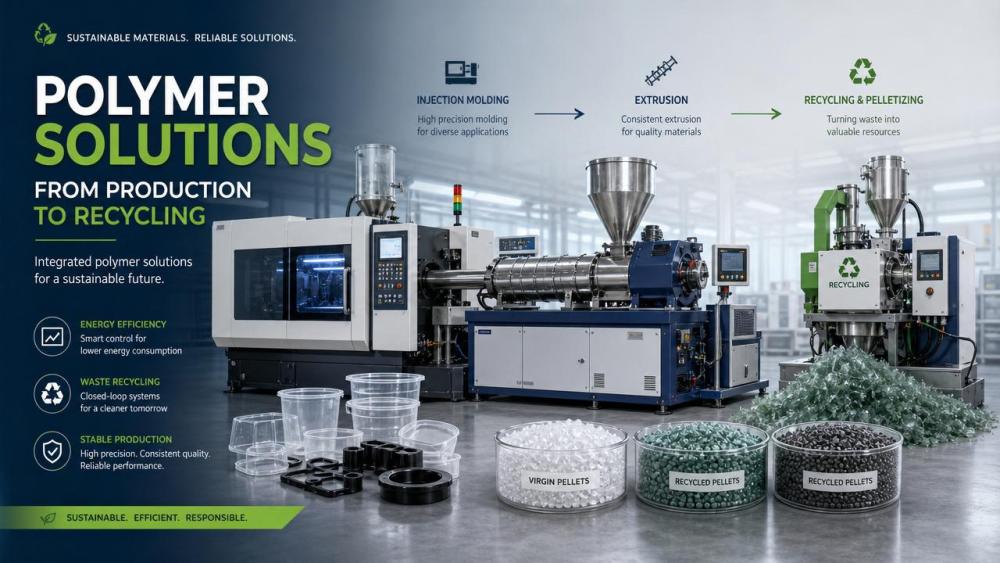
For finance approvers evaluating injection molding, extrusion, blow molding, vulcanization, or recycling assets, the polymer material lifecycle offers a practical lens. It links process efficiency, product quality, compliance resilience, and circular recovery into one decision framework that supports margin protection and more predictable payback.
Why the polymer material lifecycle matters to capital approval
A lifecycle view helps finance teams move beyond isolated budget comparisons. A lower-price line may look attractive on day 1, yet create 8% higher scrap, 12% more maintenance stoppages, or 15% greater energy demand over 36 months. Those hidden costs directly affect EBITDA, cash flow timing, and internal rate of return.
This is especially true in polymer conversion, where resin volatility, energy tariffs, and packaging compliance can change faster than standard depreciation schedules. Whether the asset is an all-electric injection molding machine or a waste plastic pelletizing system, lifecycle economics determine whether the equipment supports long-term competitiveness or becomes a recurring cost center.
The five cost layers often missed in early-stage budgeting
When reviewing a polymer material lifecycle project, finance teams usually benefit from separating hidden cost exposure into five layers rather than one blended estimate. This reduces under-budgeting and improves vendor comparison quality.
- Energy consumption across heating, cooling, drive systems, and auxiliary equipment
- Material yield losses from startup scrap, purge waste, off-spec parts, and contamination
- Maintenance and downtime costs, including spare parts, technician hours, and missed output
- Compliance costs tied to recycled content, food-contact packaging, emissions, and traceability
- End-of-life value recovery through regrinding, re-pelletizing, or in-house recycling loops
Where each process typically leaks profit
Injection molding often loses value through hold-pressure inconsistency, overclamping, and cooling inefficiency. Extrusion can suffer from poor screw matching, unstable melt pressure, and excess startup purge. Blow molding faces bottle weight variation and compressed air inefficiency. Vulcanization adds hidden cycle-time and mold-heating costs. Recycling lines can lose margin through inadequate washing, melt filtration failure, and fluctuating pellet quality.
The table below shows how hidden costs can appear at different stages of the polymer material lifecycle and why finance teams should quantify them before approval.
The main takeaway is simple: hidden cost drivers are distributed across the full polymer material lifecycle, not concentrated in one machine quotation. Finance teams that price each layer separately are better positioned to compare offers on a true total-cost basis.
How processing equipment changes lifecycle economics
Equipment choice has a direct effect on the cost structure of the polymer material lifecycle. In many projects, the highest return does not come from maximum output speed alone, but from stable process windows, lower changeover waste, improved traceability, and reduced operator intervention across 2 or 3 shifts.
Injection molding: precision lowers waste faster than price cuts
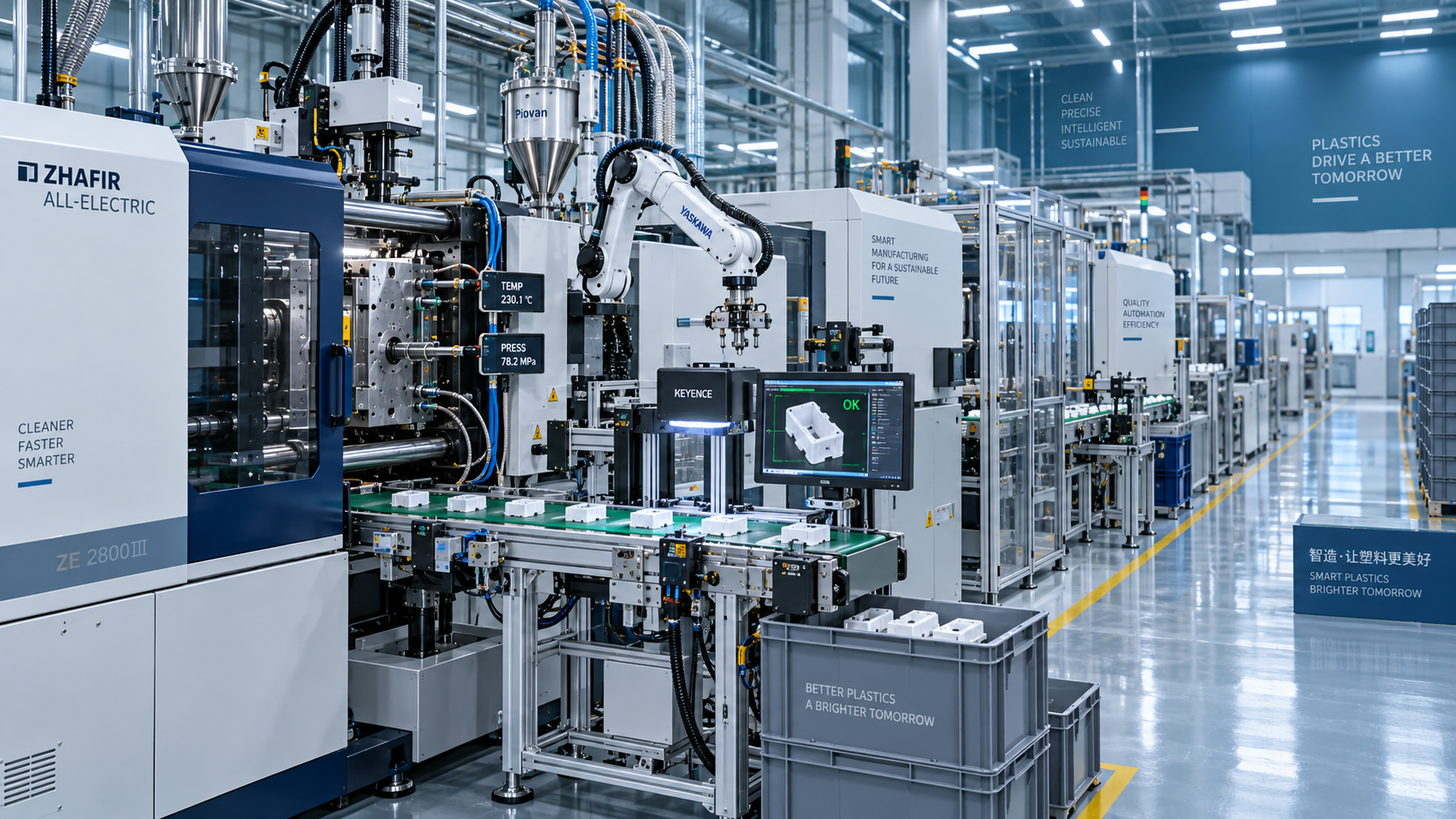
For injection molding, all-electric or high-response servo systems can reduce cycle variability and improve repeatability in parts that require tight tolerance bands such as ±0.02 mm to ±0.10 mm. That matters financially because every unstable cavity fill or pressure deviation increases short shots, flash, sink marks, and sorting labor.
In many plants, a 1% reduction in reject rate may outperform a modest resin price discount over a full year. Where high-cavity packaging, medical disposables, or optical applications are involved, better process control frequently shortens the payback period to 18–36 months.
Extrusion: continuous operation makes energy and uptime decisive
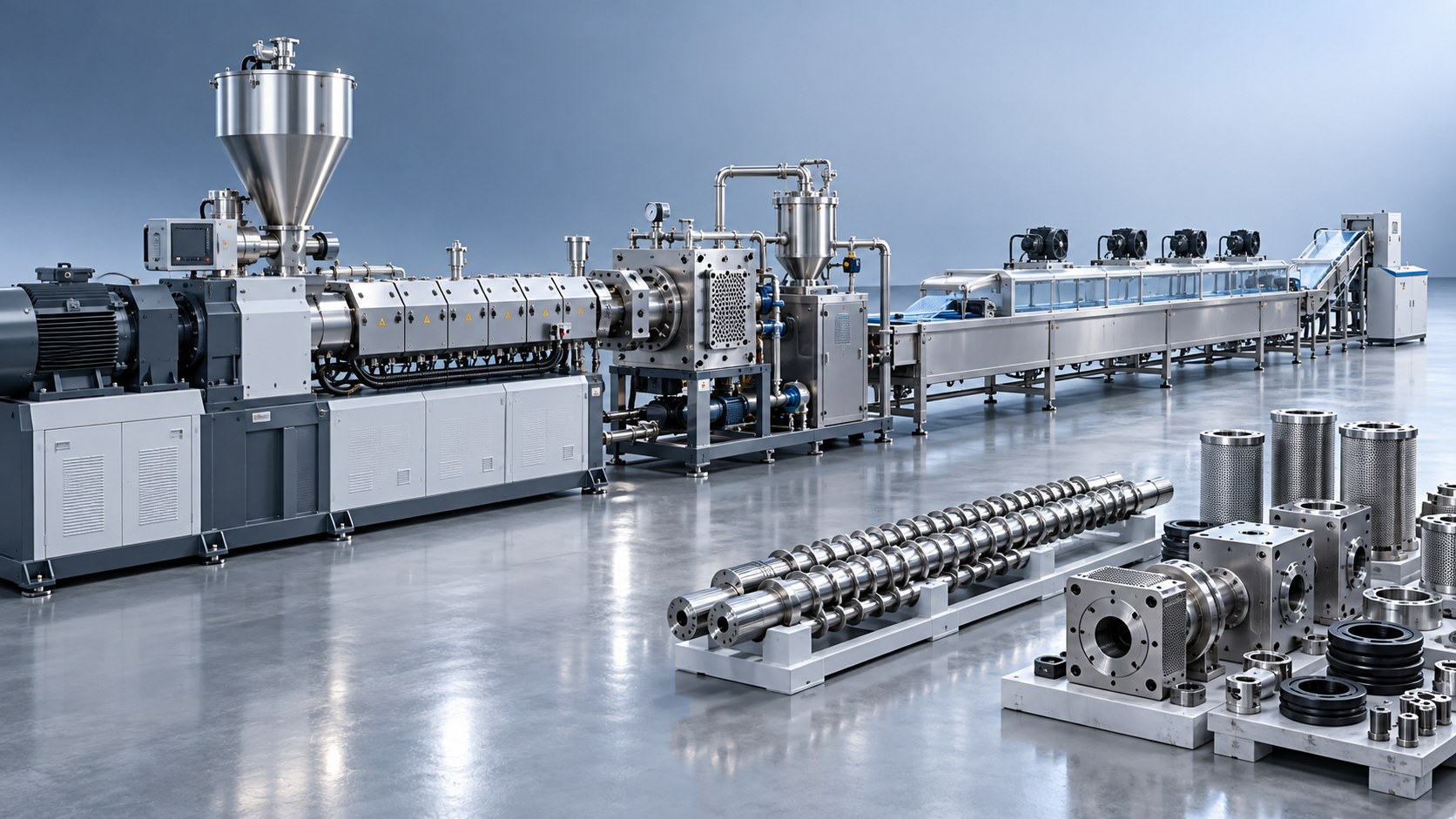
Extrusion lines run continuously, so small inefficiencies accumulate quickly. Twin-screw configuration, barrel temperature zoning, vacuum stability, and die design all influence output per kWh. A line that saves even 5% in specific energy consumption can generate material annual savings when operating 6,000–8,000 hours per year.
Extrusion economics also depend on startup and shutdown discipline. If each material change generates 50–150 kg of purge waste, plants with frequent SKU switching may see higher lifecycle cost than lower-mix operations, even with identical nameplate capacity.
Blow molding and vulcanization: utility intensity often hides in plain sight
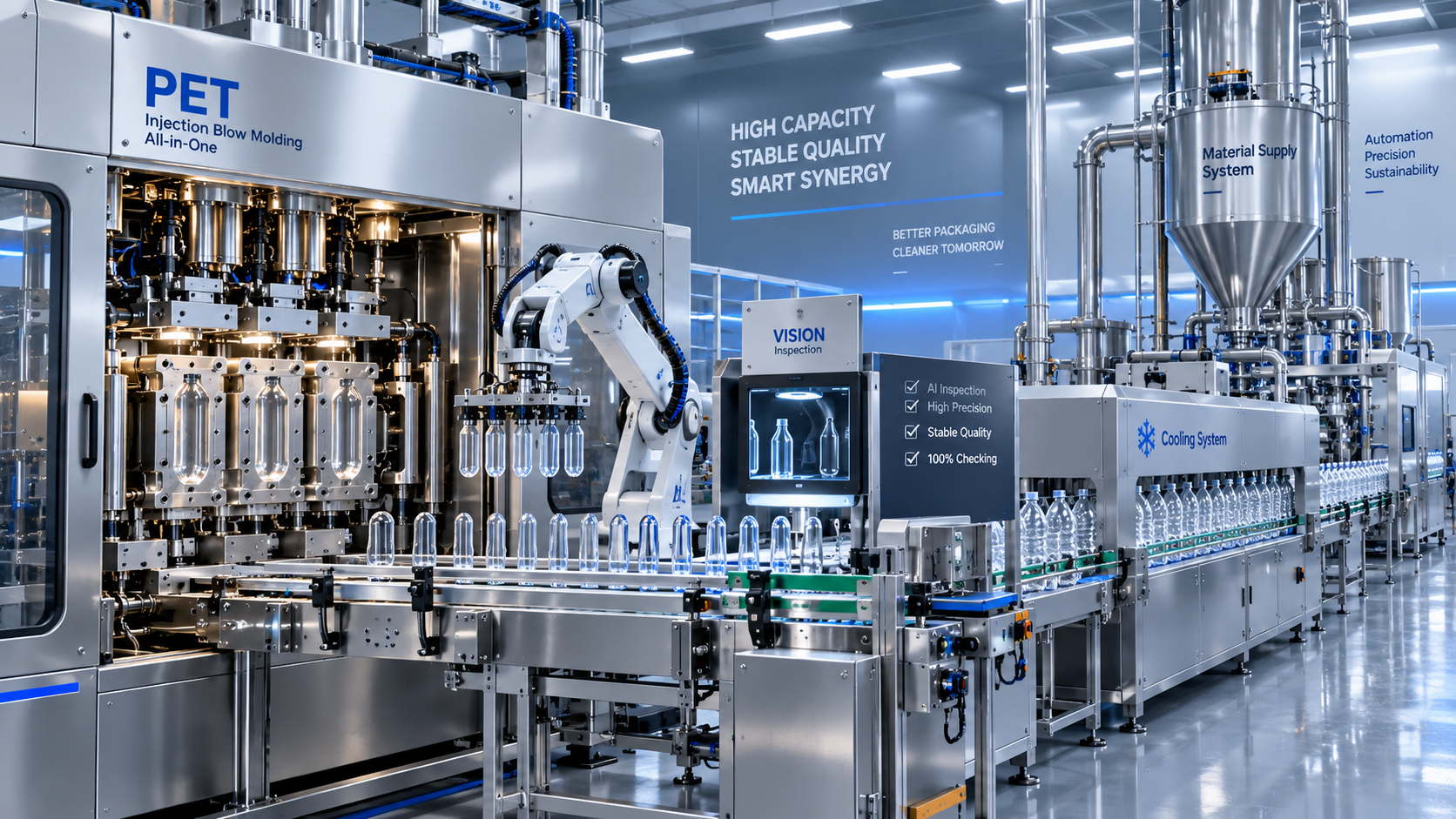
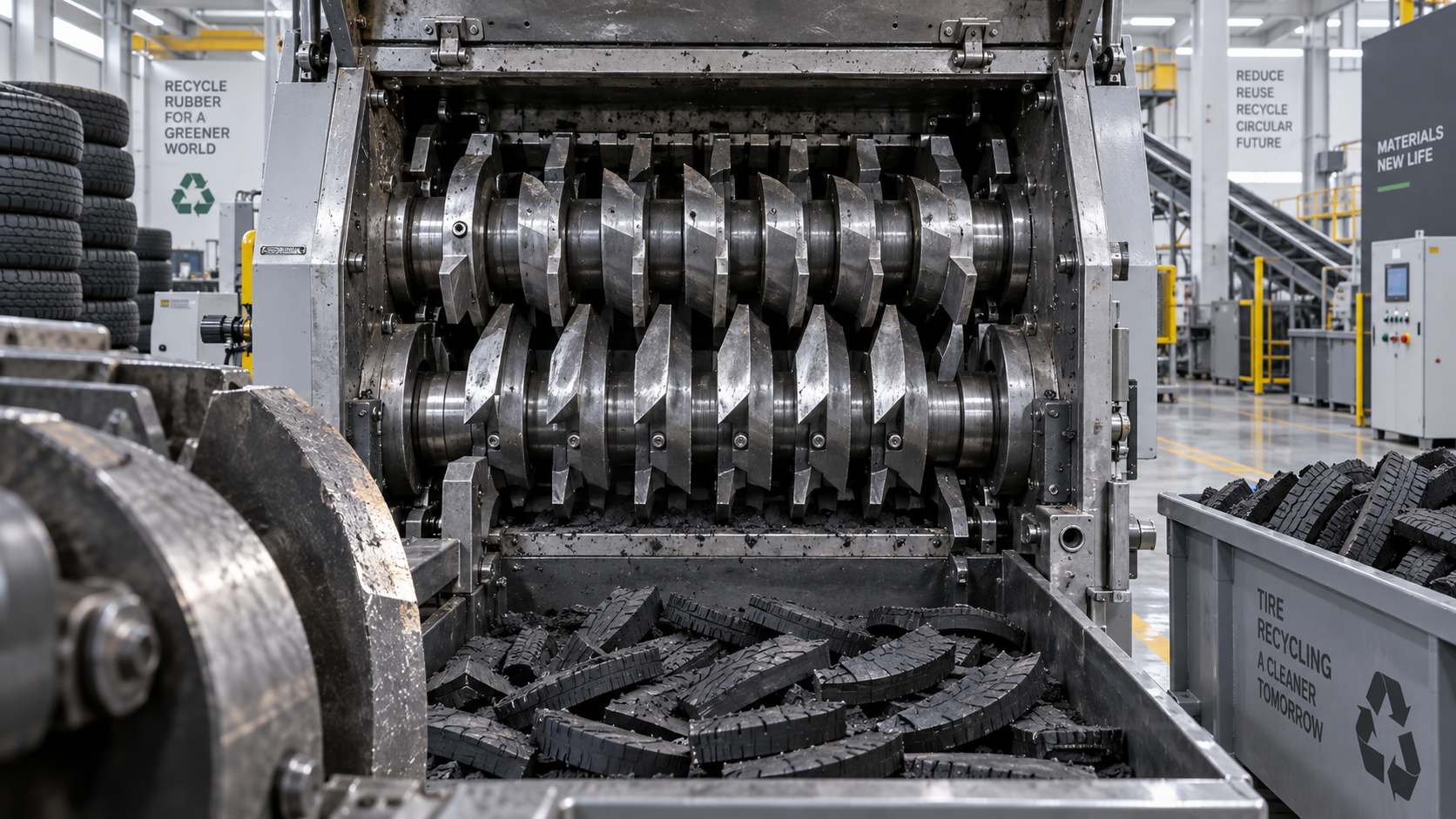
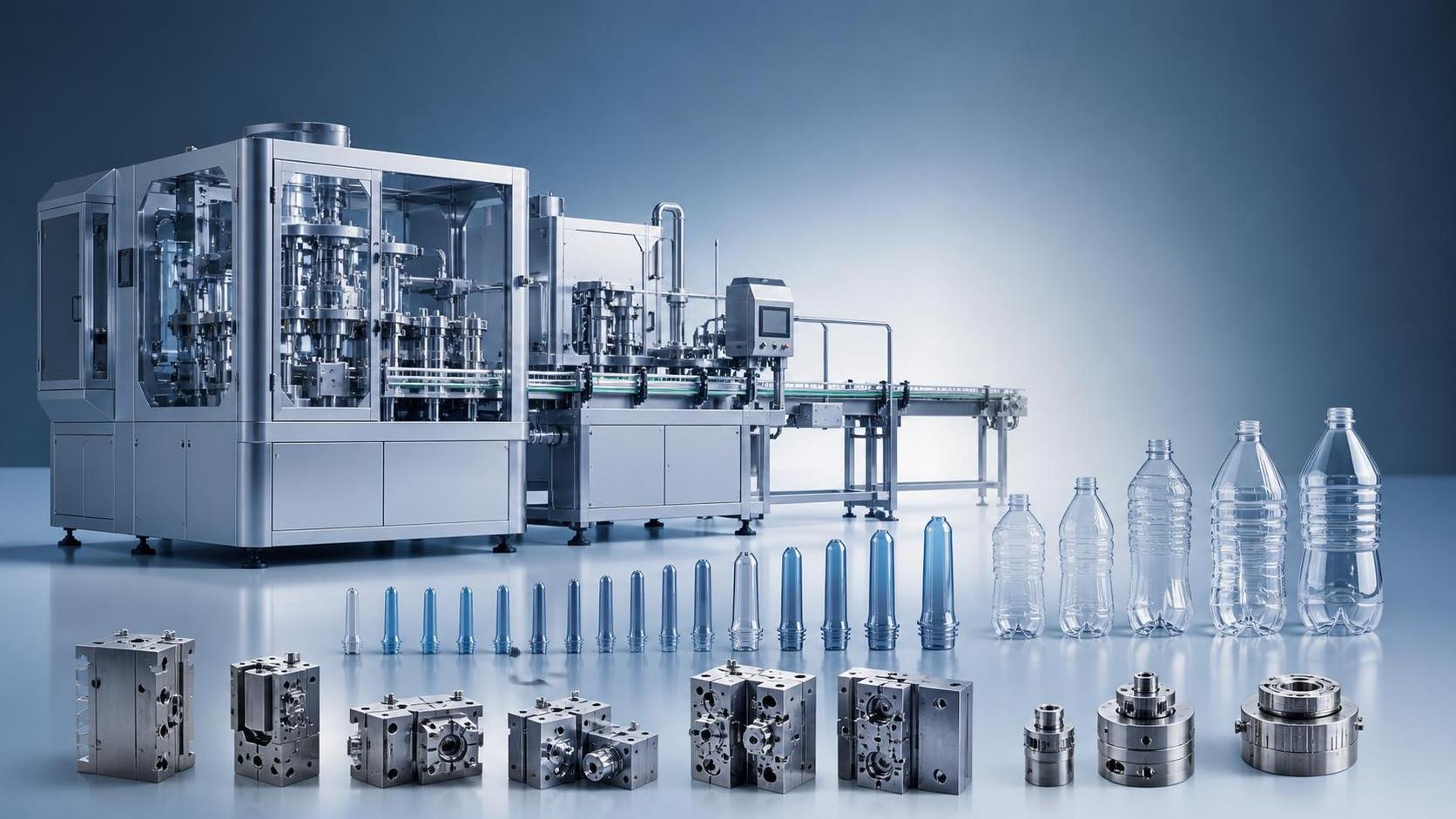
In blow molding, compressed air is a major hidden cost. Bottle lightweighting programs may improve resin efficiency but can also increase sensitivity to preform heating balance and burst loss if process control is weak. In vulcanization, mold temperature stability, press force, and cure time consistency directly affect throughput and defect rates.
For finance teams, these are not only production details. They determine unit economics, maintenance intervals, and the level of safety inventory required to protect customer service levels.
Recycling systems: recovery quality defines end-of-life value
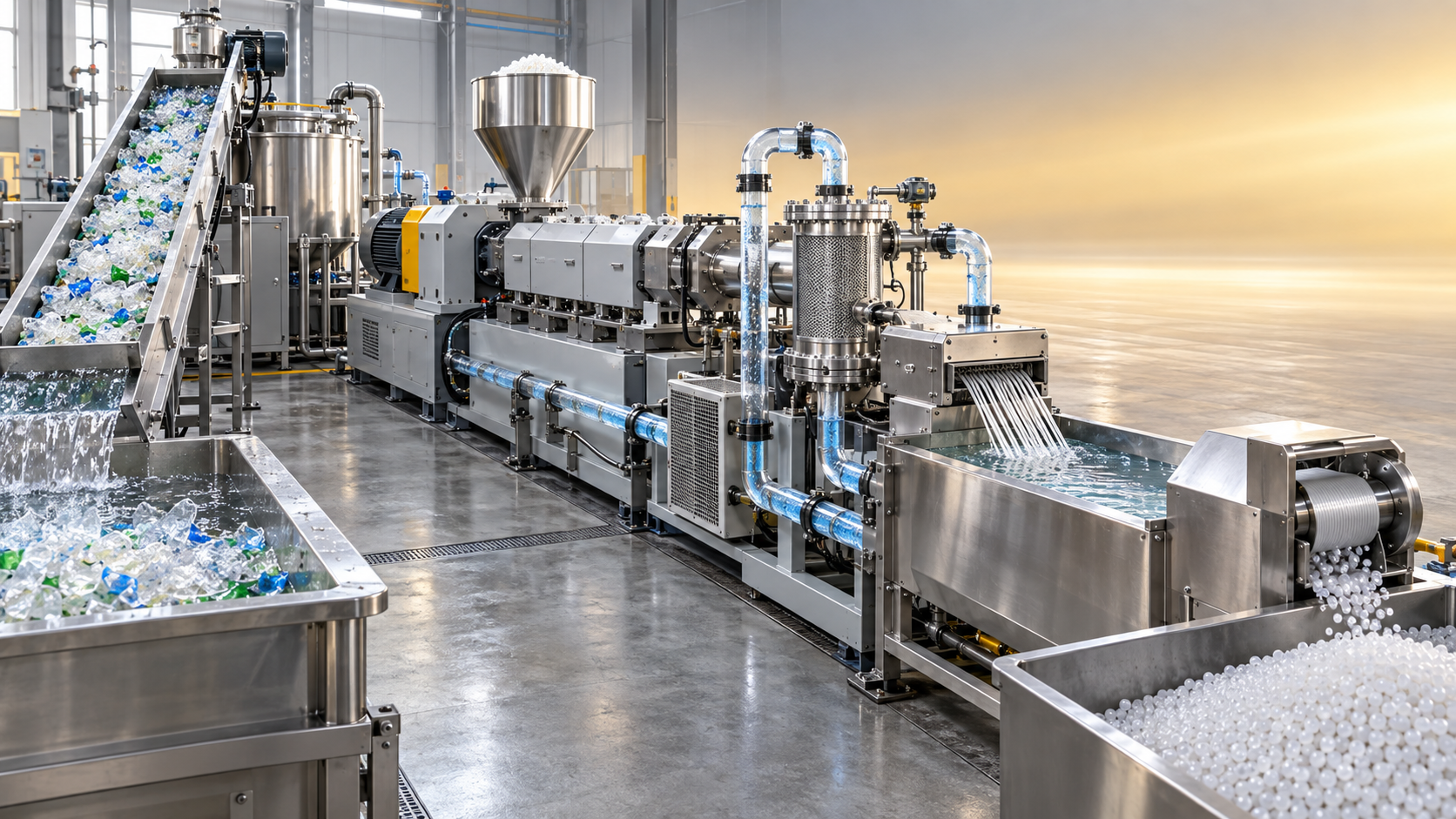
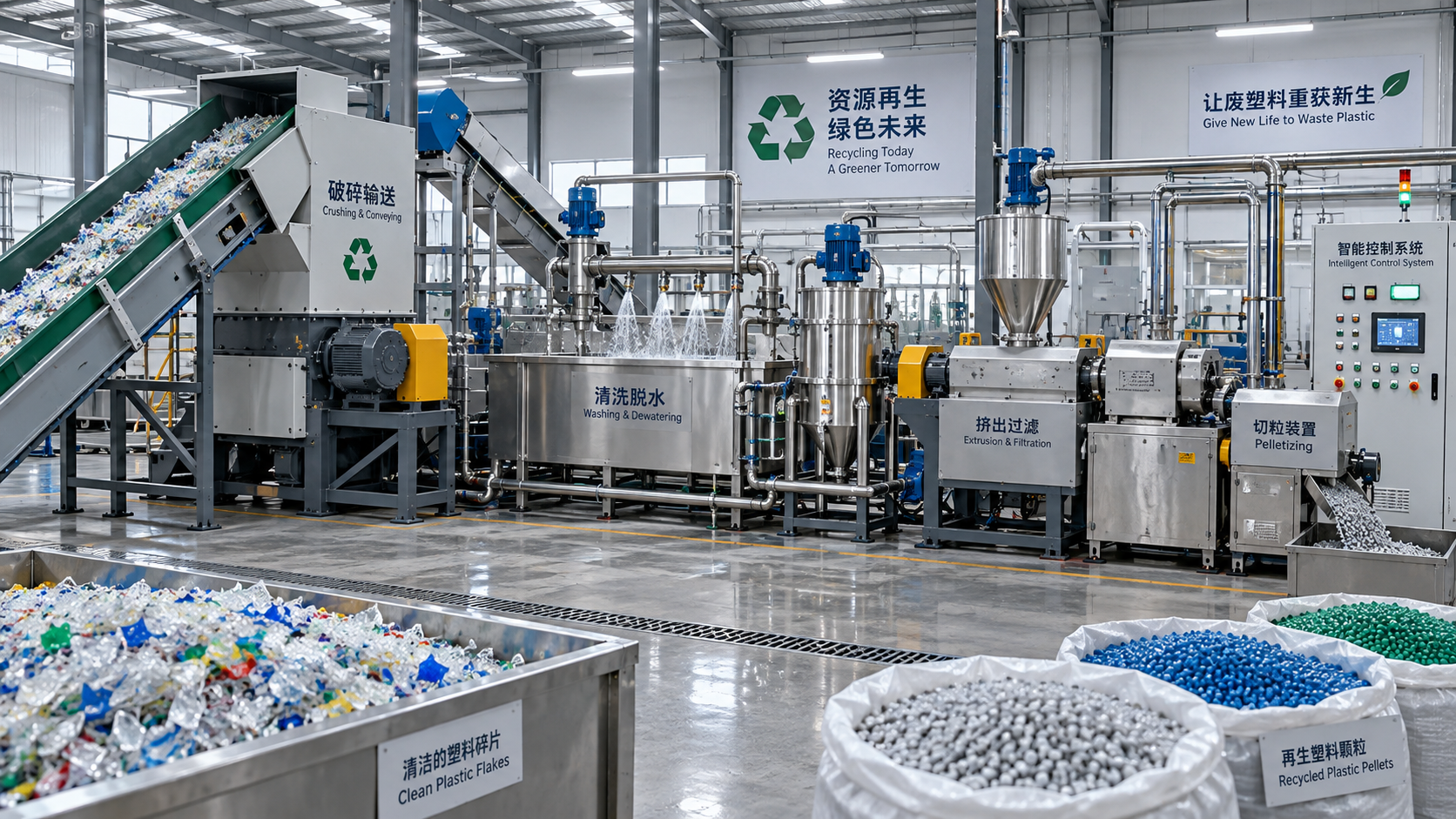
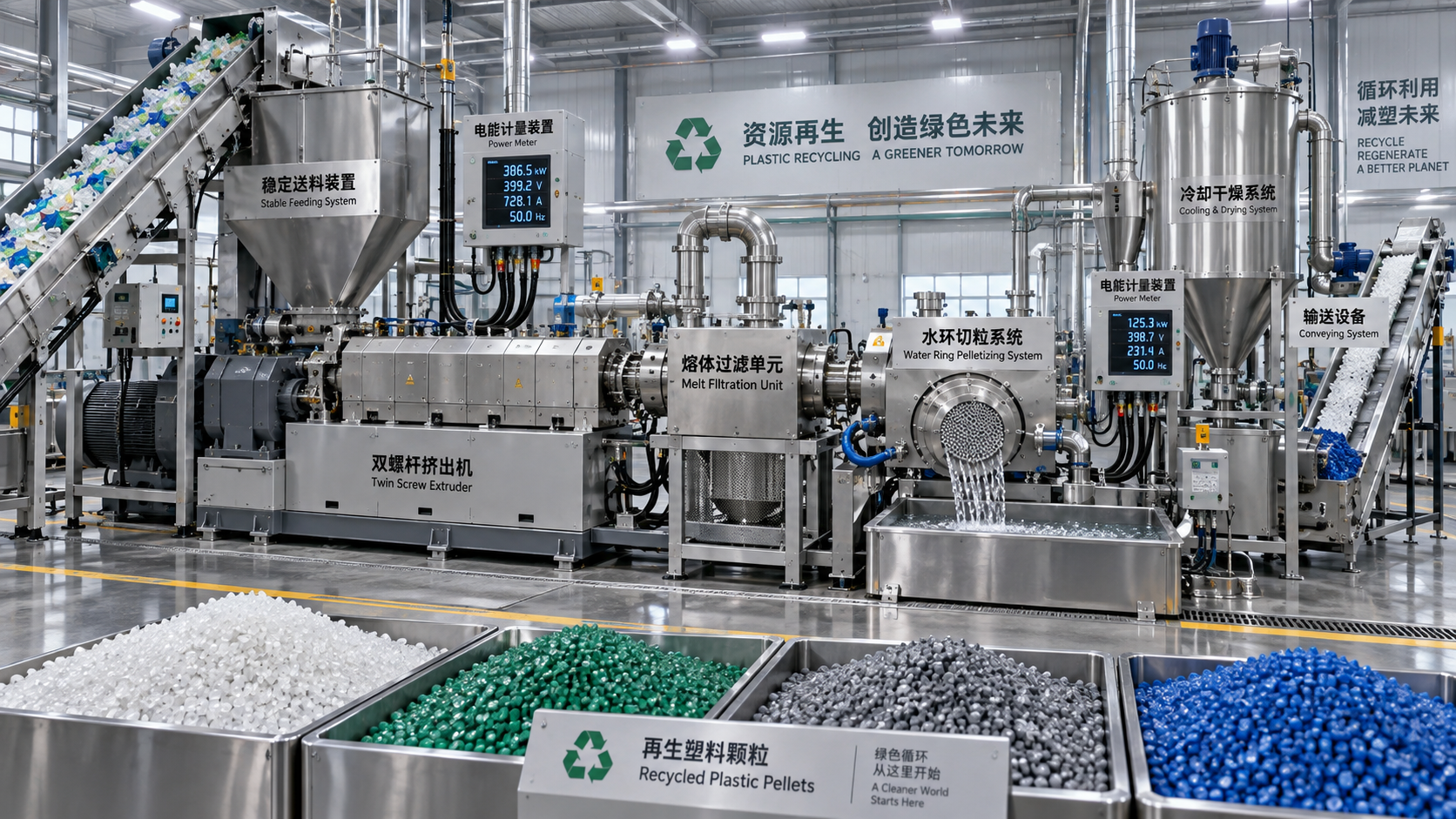
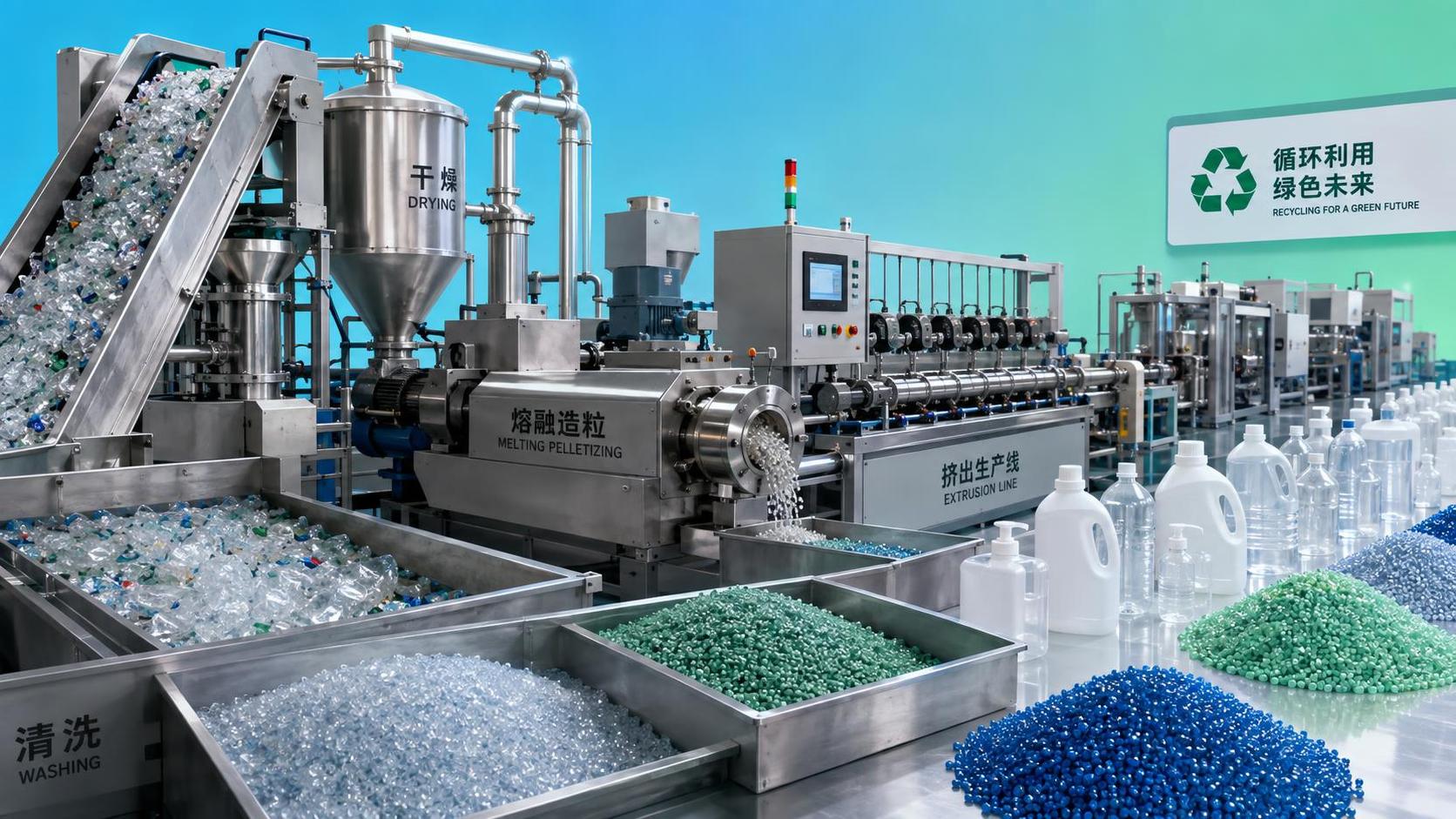
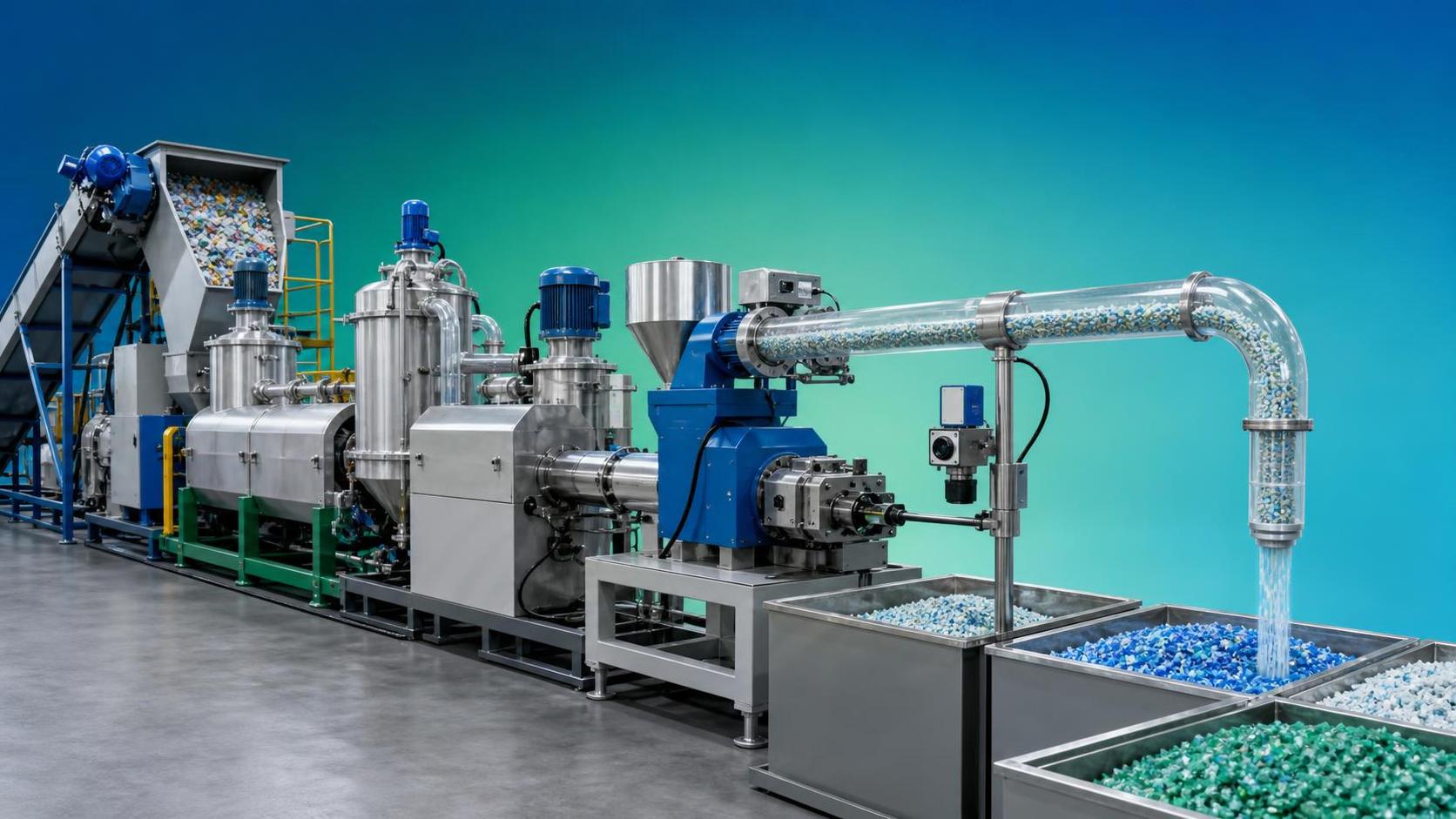
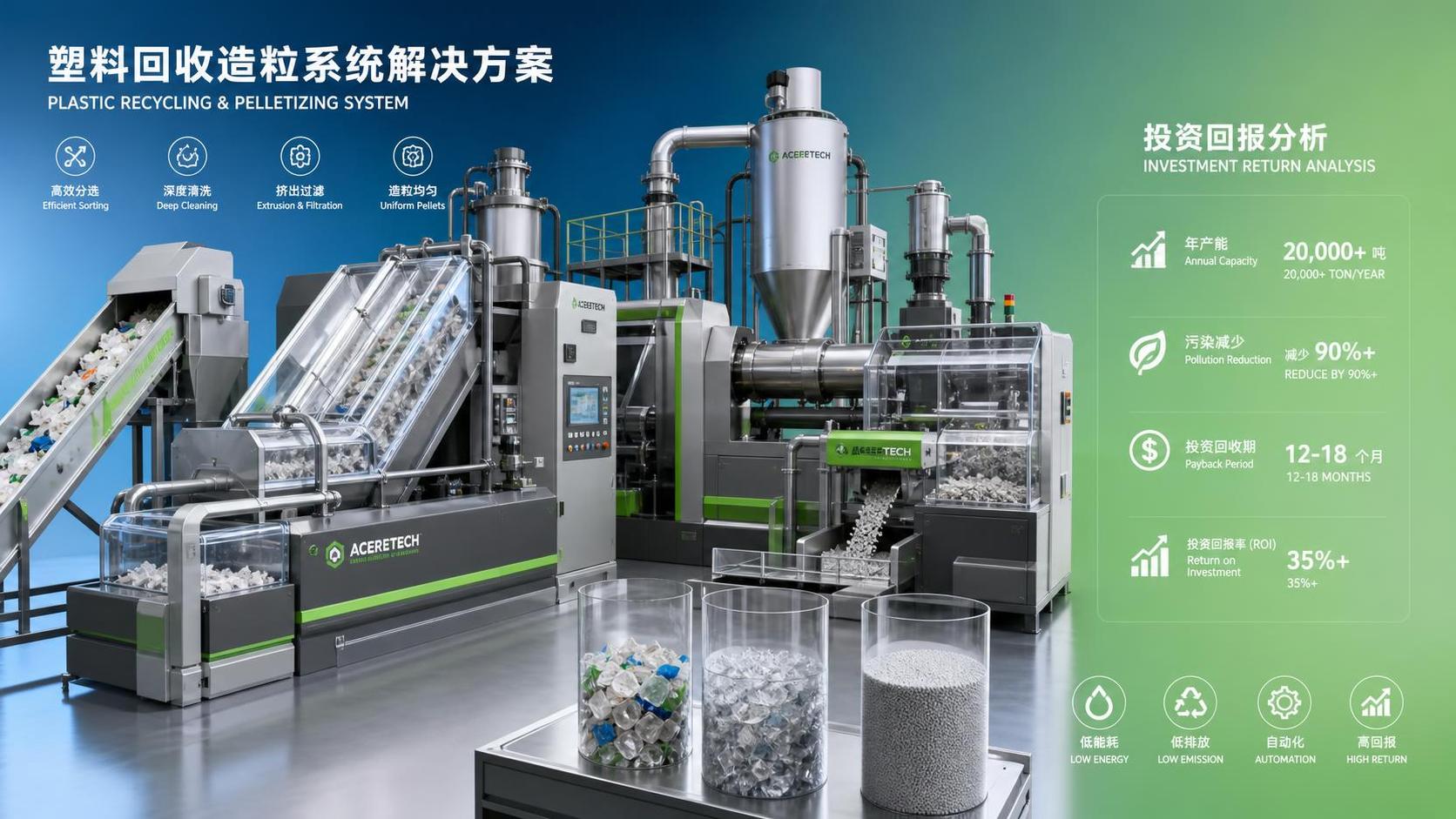
Waste plastic pelletizing machines are increasingly central to the polymer material lifecycle because end-of-life recovery now affects both cost and compliance strategy. Washing quality, contamination removal, melt filtration, and pellet consistency decide whether reclaim can be reused in-house at 10%, 30%, or higher ratios depending on application limits.
If recycled pellets are unstable, the business pays twice: once in recovery cost and again in downstream defects. If pellet quality is consistent, companies can reduce dependence on virgin resin exposure and support packaging sustainability commitments with stronger financial logic.
The comparison below helps illustrate how equipment decisions affect the polymer material lifecycle beyond initial capex.
For capital approval, the best equipment is not simply the fastest or cheapest. It is the option that produces the most stable lifecycle economics under the actual resin mix, labor profile, compliance burden, and production schedule of the buyer.
A finance-first framework for evaluating hidden lifecycle costs
A useful approval framework should convert process complexity into 4 or 5 measurable business questions. This allows plant, engineering, procurement, and finance teams to align before supplier negotiation begins.
1. Measure cost per qualified output, not cost per machine
Base calculations on qualified kilograms, bottles, parts, or finished units. Include startup waste, changeover loss, regrind limitations, utility load, and inspection labor. This often reveals that two machines with similar capex can differ by 7%–20% in effective production cost.
2. Model maintenance at operating-hour level
Ask for preventive maintenance intervals in hours, not vague annual promises. A screw and barrel service cycle at 8,000 hours is very different from one at 4,500 hours. The same applies to filters, seals, heaters, pumps, and clamping components.
3. Price compliance adaptation before it becomes urgent
The polymer material lifecycle increasingly includes recycled content mandates, traceability requirements, and packaging restrictions. If a line cannot adapt to higher recycled input, better melt filtration, or process data capture, future retrofits can cost far more than specifying the capability upfront.
4. Assign residual value to in-house recovery potential
In-house recycling is no longer only an environmental project. For many converters, it is a working-capital tool and a hedge against resin price swings. Even reclaiming 15%–25% of internal waste streams can materially improve the economics of the polymer material lifecycle if quality is maintained.
Common approval mistakes to avoid
- Comparing quotes without aligning throughput basis, scrap assumptions, and utility scope
- Ignoring auxiliary systems such as chillers, dryers, compressors, and dosing units
- Using ideal cycle time instead of stable commercial cycle time across full shifts
- Leaving compliance, traceability, and recyclability outside the investment model
- Assuming recycled material value without testing contamination and melt consistency limits
How intelligence-led decision support reduces risk
For finance approvers, the challenge is rarely a lack of vendor claims. The challenge is converting technical variables into decision-grade evidence. This is where market intelligence, process analysis, and lifecycle benchmarking become commercially valuable.
A platform focused on polymer forming and recycling systems can help buyers compare process routes, identify hidden operating exposures, and understand where digital controls, servo technologies, CFD-informed extrusion design, or advanced filtration will likely affect cash performance over 24, 36, or 60 months.
What finance teams should request before approval
- A clear total-cost-of-ownership model covering energy, maintenance, labor, scrap, and recovery value
- Operating assumptions tied to the target resin family, throughput range, and quality threshold
- A defined acceptance plan with 3 or more measurable criteria such as output, defect rate, and kWh
- A service and spare-parts response framework for the first 12–24 months
- A roadmap for recycled material integration or end-of-life recovery if relevant to the application
The polymer material lifecycle reveals that hidden costs are rarely random. They are usually the result of process mismatch, incomplete budgeting, or underestimating the long-term value of precision, efficiency, and recoverability. For financial decision-makers, the strongest investments are those that control scrap, energy, downtime, compliance exposure, and recovery economics as one connected system.
PFRS supports this decision process by connecting insight across injection molding, extrusion, blow molding, vulcanization, and waste plastic pelletizing. If you are reviewing new capital projects, recycled-content upgrades, or in-house recovery options, contact us to get a more grounded view of lifecycle cost drivers, compare equipment paths, and explore a solution tailored to your production and financial targets.
Related News
- 00
0000-00
Smart Factory Costs for Plastics: Estimating ROI for Automation Projects - 00
0000-00
How to Evaluate a Packaging Molding Equipment Supplier for High-Volume Production - 00
0000-00
Where Recycled Plastic Innovation Delivers the Biggest Value in Packaging - 00
0000-00
How to Evaluate a Tire Curing Equipment Supplier for Capacity, Support, and Uptime - 00
0000-00
How to Size a Servo Injection Molding Press for High-Precision Parts
Weekly Insights
Stay ahead with our curated technology reports delivered every Monday.
Related News
 Ms. Elena RodriguezSmart Factory Costs for Plastics: Estimating ROI for Automation ProjectsSmart factory for plastics cost: learn how to estimate automation ROI, uncover hidden integration expenses, reduce scrap, and build a phased investment plan.Oct 10, 2026
 Ms. Elena RodriguezHow to Evaluate a Packaging Molding Equipment Supplier for High-Volume ProductionChoose a packaging molding equipment supplier with confidence. Learn how to assess throughput stability, tooling, recycled-material capability, lifecycle cost, and service support for high-volume production.Oct 09, 2026
 Ms. Elena RodriguezHow to Select Packaging Molding Equipment for High-Volume Production LinesPackaging molding equipment selection guide for high-volume lines: compare processes, throughput, materials, automation, and energy to achieve stable, cost-effective output.Oct 04, 2026
 Ms. Elena RodriguezHow to Evaluate Plastic Recycling Machinery for UAE Heat, Feedstock, and Output NeedsPlastic recycling machinery UAE buyers: evaluate heat resilience, feedstock handling, cooling, pellet quality, energy use, and lifecycle cost for reliable output.Sep 28, 2026
 Ms. Elena RodriguezGerman Extrusion Equipment Suppliers: Comparing Service, Lead Times, and Lifecycle CostExtrusion equipment Germany suppliers compared: evaluate service coverage, credible lead times, spare-parts access, and lifecycle cost to select a reliable, future-ready production partner.Sep 22, 2026
 Ms. Elena RodriguezWhat Should You Check Before Buying a Used Plastic Recycling Line?What should I check before buying a used plastic recycling line? Explore feedstock fit, wear, trials, utilities, controls, and restoration costs before you invest.Sep 26, 2026
 Ms. Elena RodriguezHow to Compare Pelletizing Lines by Energy Use per TonHow do I compare pelletizing lines by kWh per ton? Learn to measure total energy, verify saleable output, and select a cost-efficient line.Sep 23, 2026
 Ms. Elena RodriguezTyre Cutter Blade Wear: When Capacity Loss Needs Inspectionшинорез blade wear can quietly reduce tyre-cutting capacity. Learn the warning signs, inspection triggers, and maintenance actions that protect output and uptime.Sep 28, 2026
 Ms. Elena RodriguezIn-House Recycling for Factory Scrap: How to Reduce Material Waste and Disposal CostsIn house recycling for factory scrap helps manufacturers cut material waste, reduce disposal costs, and create controlled, quality-focused reuse loops.Sep 07, 2026
 Ms. Elena RodriguezHow Recyclable Packaging Manufacturing Balances Material Recovery and Production CostRecyclable packaging manufacturing: discover how smarter design, feedstock control, and process optimization reduce recovery costs while improving quality and yield.Sep 04, 2026
 Ms. Elena RodriguezHow to Evaluate a Plastic Recycling Systems Supplier for Your Processing NeedsChoose the right plastic recycling systems supplier with a practical guide to feedstock fit, output quality, total cost, testing, service, and compliance.Sep 01, 2026
 Ms. Elena RodriguezCE Marking for Plastic Processing Equipment: Documentation and Safety ChecksPlastic processing equipment CE compliance: learn the essential documentation, risk assessments, safety checks, and validation steps for reliable EU market access.Aug 30, 2026
 Ms. Elena RodriguezPlastic Packaging Compliance Standards: What Tests and Documents Matter Most?Plastic packaging compliance standards explained: learn which migration tests, mechanical checks, and audit-ready documents matter most to reduce risk and pass reviews with confidence.Aug 25, 2026
 Ms. Elena RodriguezHow to Evaluate a Plastic Waste Recycling System for Capacity, Contamination, and ROIPlastic waste recycling system evaluation made practical: compare true capacity, contamination control, and ROI to choose a line that delivers stable output and stronger returns.Aug 24, 2026
 Ms. Elena RodriguezPackaging Molding Equipment Price: What Drives Cost and How to Compare Quotes?Packaging molding equipment price varies by machine type, automation, tooling, energy use, and service scope. Learn what drives cost and how to compare quotes with confidence.Aug 21, 2026
 Ms. Elena RodriguezWhat Packaging Machinery for Plastic Containers Should You Choose for High-Volume Production?Packaging machinery for plastics containers can make or break high-volume production. Learn how to choose the right line for speed, consistency, compliance, and lower lifecycle costs.Aug 16, 2026
 Ms. Elena RodriguezWhat Circular Plastics Mean for Automotive Parts and Material SelectionCircular plastics for automotive are reshaping part selection with lower weight, better sustainability, and reliable performance. Discover how engineers balance recycled content, durability, and compliance.Aug 15, 2026
 Ms. Elena RodriguezBroiler Farming in Cage System: Selection Factors for Commercial FarmsBroiler farming in cage system selection for commercial farms: compare structure, ventilation, automation, and manure handling to improve efficiency and avoid costly mistakes.Aug 14, 2026
 Ms. Elena RodriguezHow to Implement Smart Polymer Manufacturing Without Disrupting Existing Production?Smart polymer manufacturing implementation made practical: learn how to upgrade existing production with phased digitalization, less downtime, better control, and measurable ROI.Aug 11, 2026
 Ms. Elena RodriguezHow to Evaluate a Rubber Compression Molding Supplier for Complex Part ProductionRubber compression molding supplier selection for complex parts starts with process, material, and tooling control. Learn how to compare vendors beyond price and reduce launch risk.Aug 10, 2026