Why circular plastics solutions now shape sourcing decisions




For procurement teams, circular plastics solutions are no longer a sustainability add-on—they are a sourcing priority shaped by cost volatility, compliance pressure, and supply chain resilience.
As packaging rules tighten and recycled material demand rises, buyers must assess equipment, processing efficiency, and recovery capability as one connected system.
That shift is changing how suppliers are screened, how capital projects are justified, and how long-term competitiveness is protected across industries.
What do circular plastics solutions actually include today?
Circular plastics solutions cover far more than recycled resin purchasing. They connect design, processing, reuse, recovery, and data visibility across the full polymer lifecycle.

In practical sourcing terms, they usually include five linked capabilities that influence total material performance and supply security.
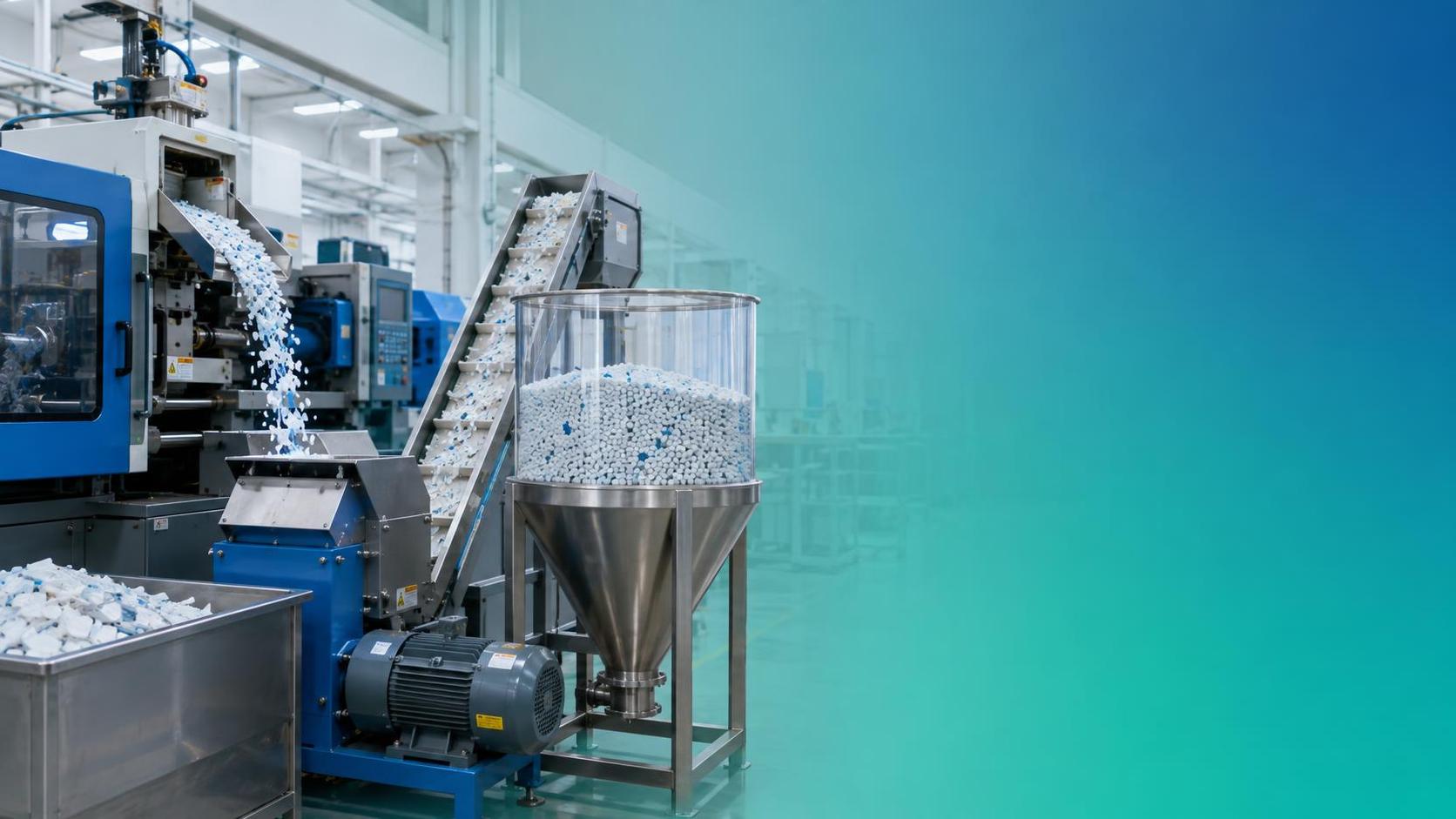
- Precision molding systems that reduce scrap and improve dimensional consistency.
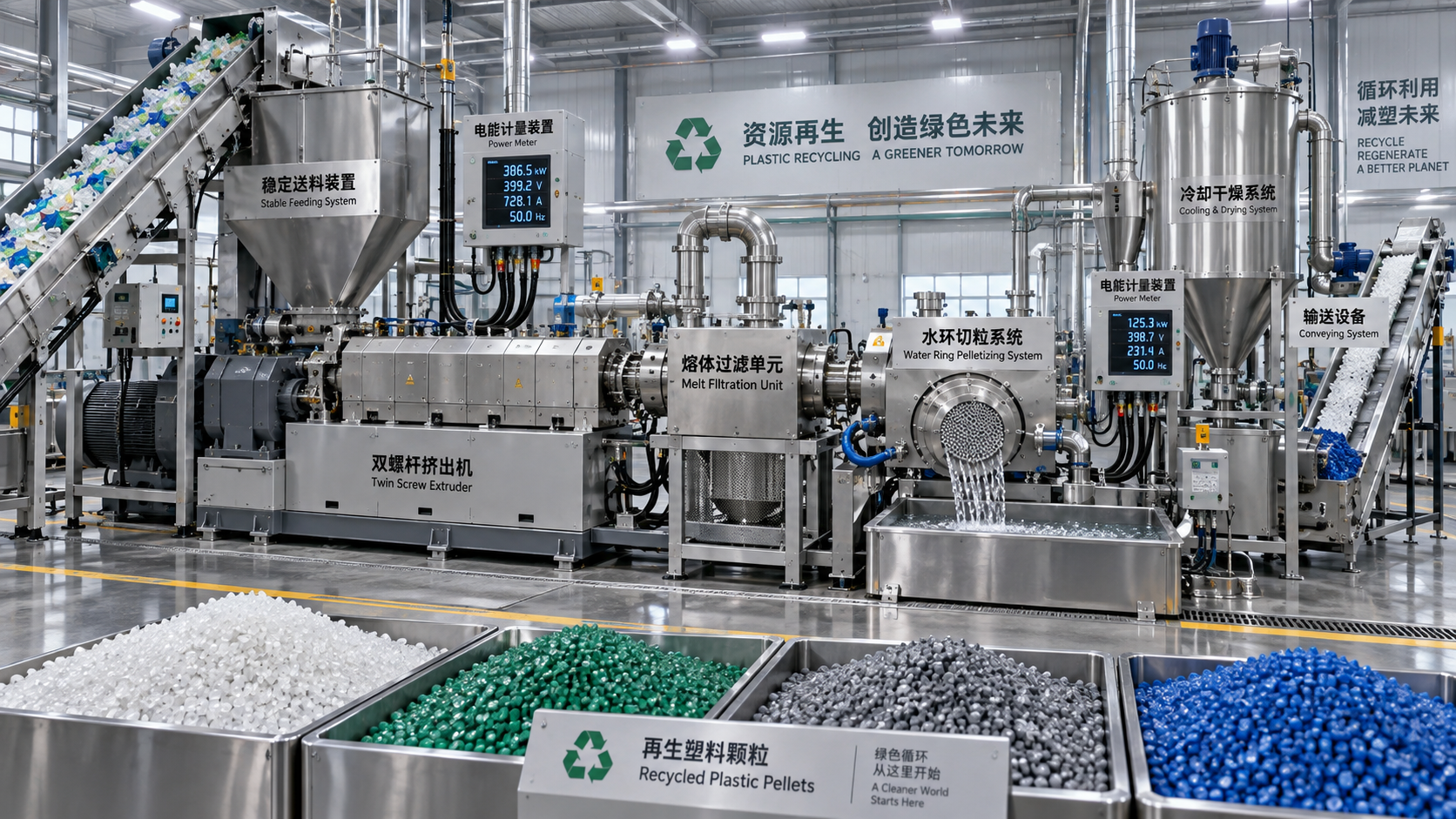
- Extrusion platforms that handle recycled blends without unstable output.
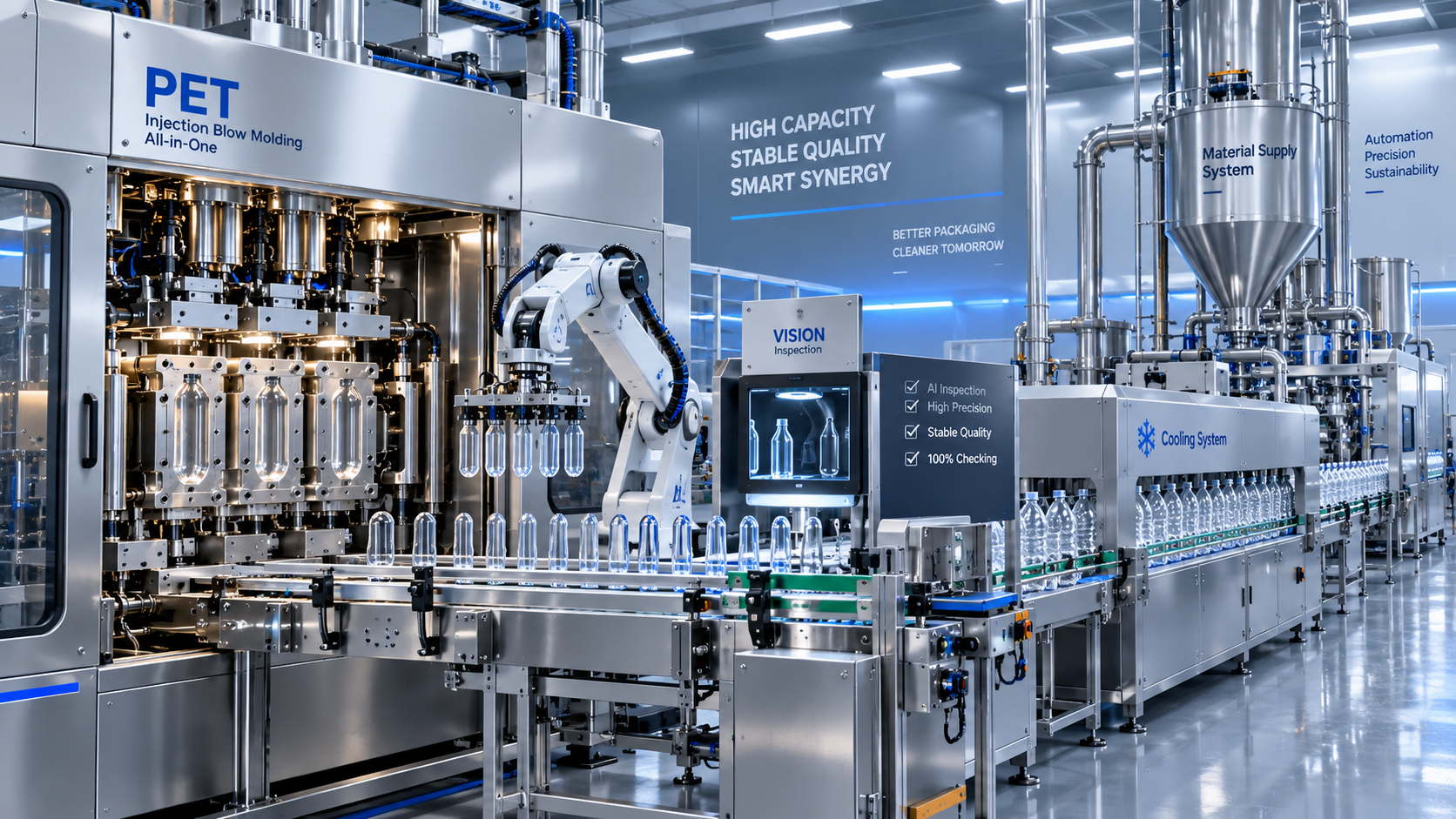
- Blow molding lines that support lightweight, compliant packaging.
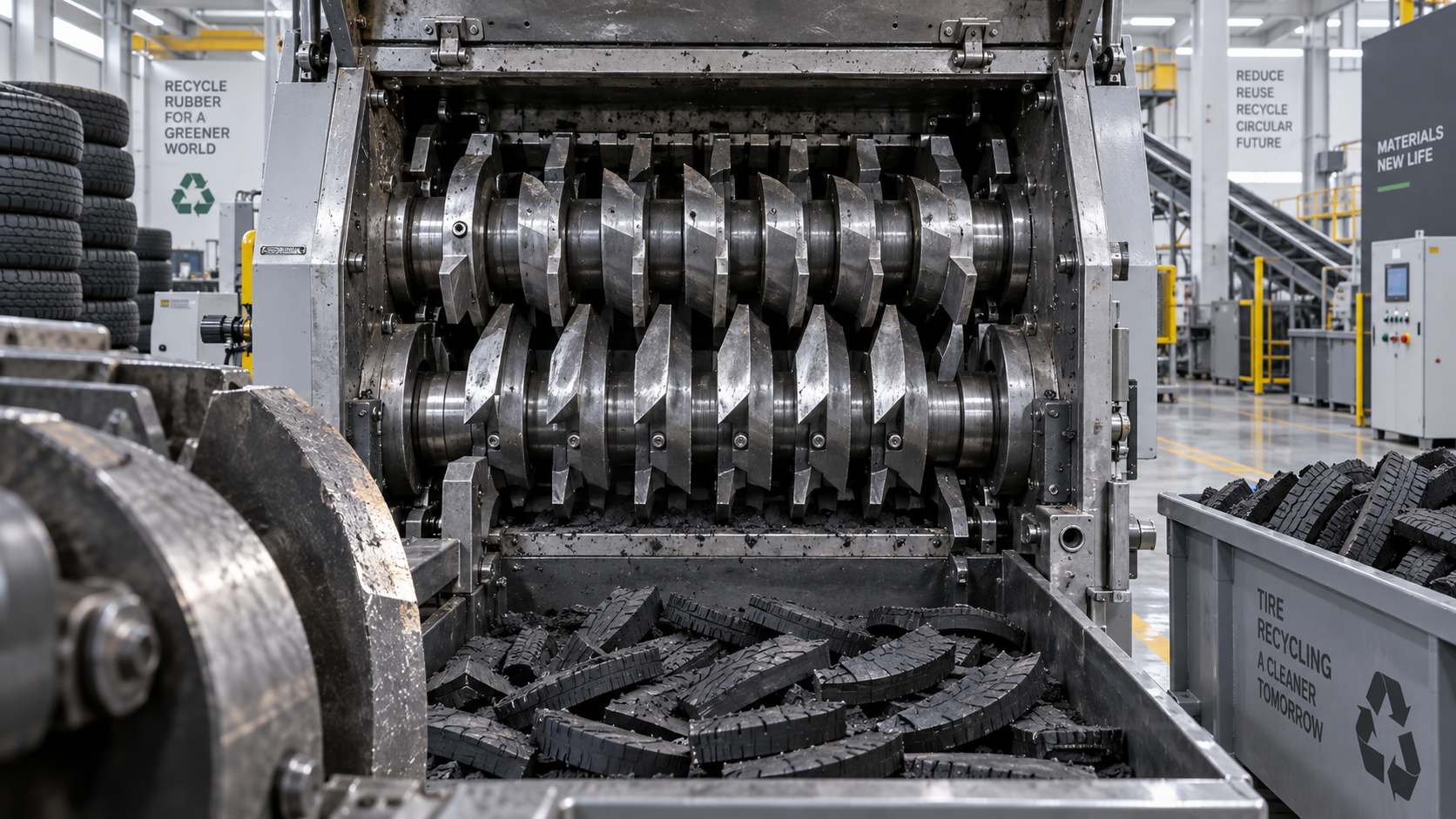
- Rubber and elastomer systems that extend service life and reduce replacement waste.
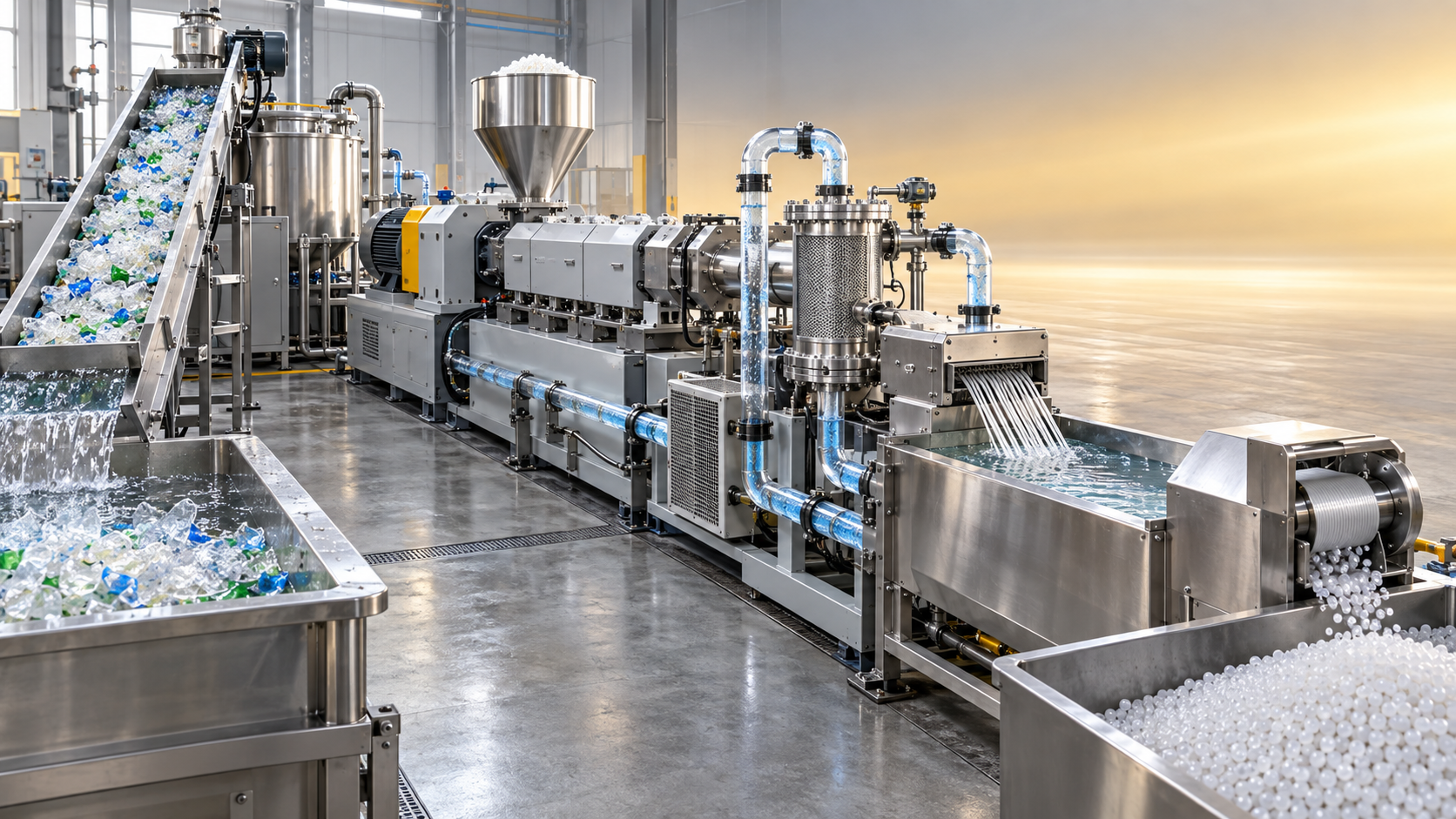
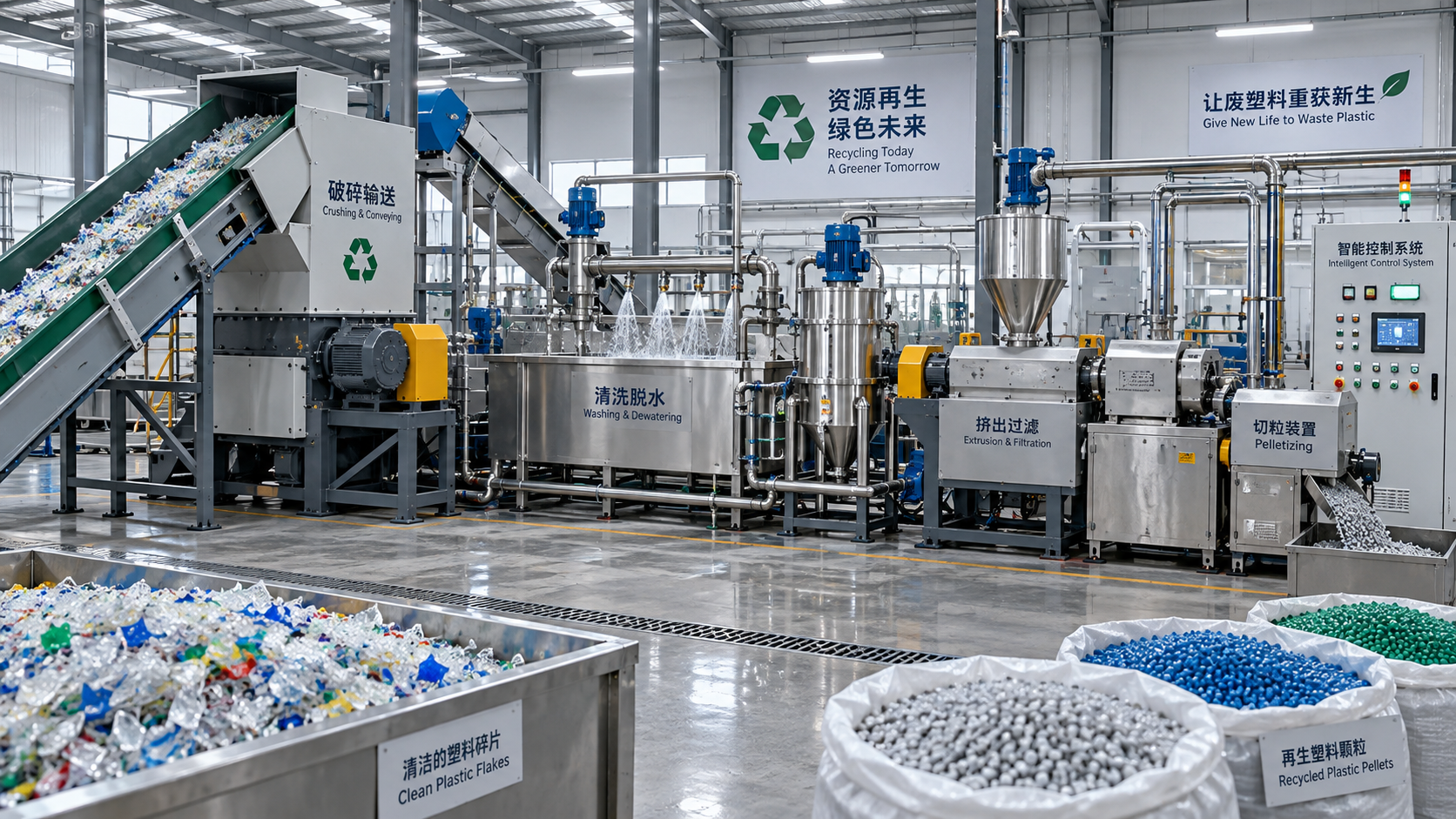
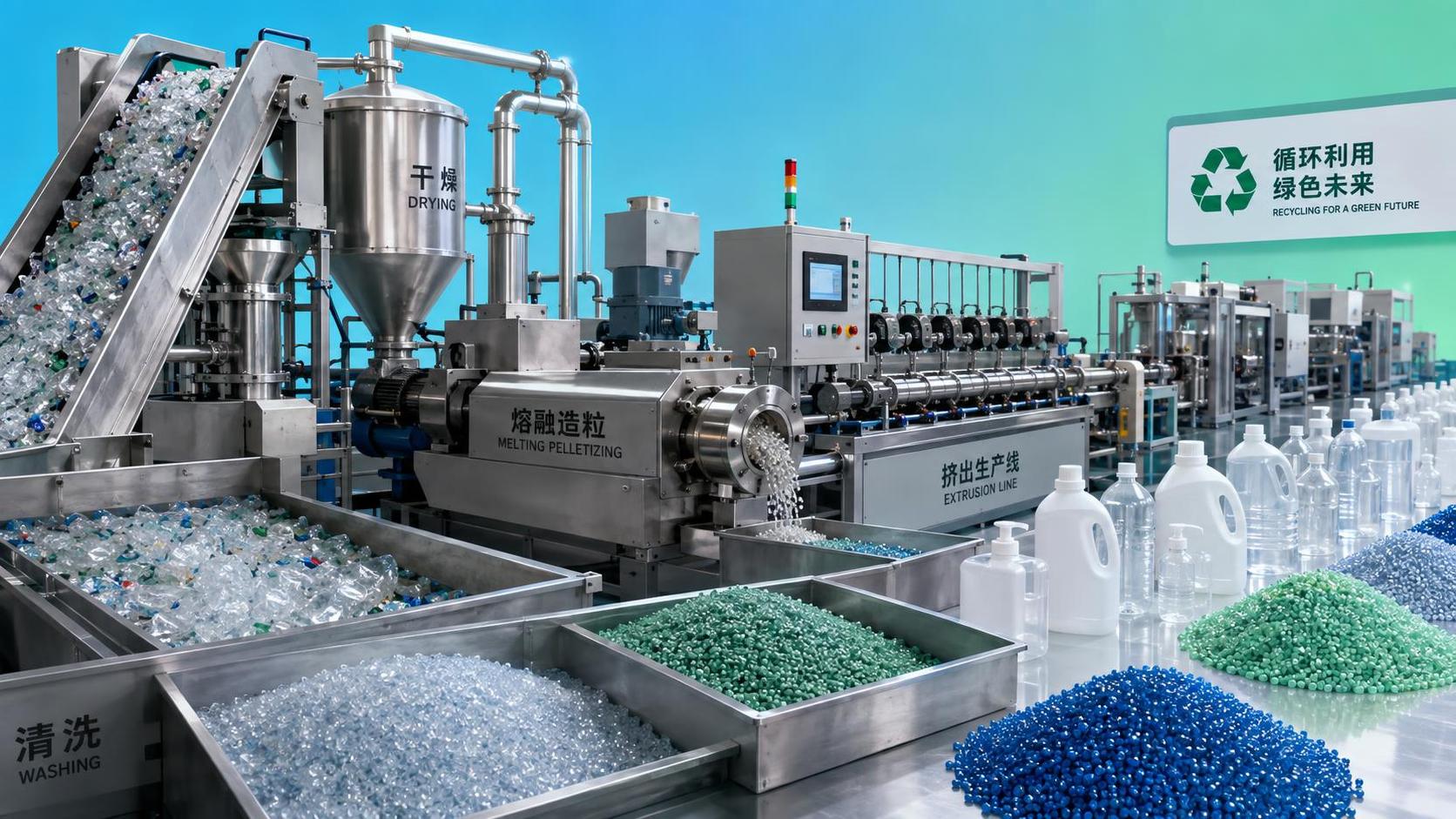
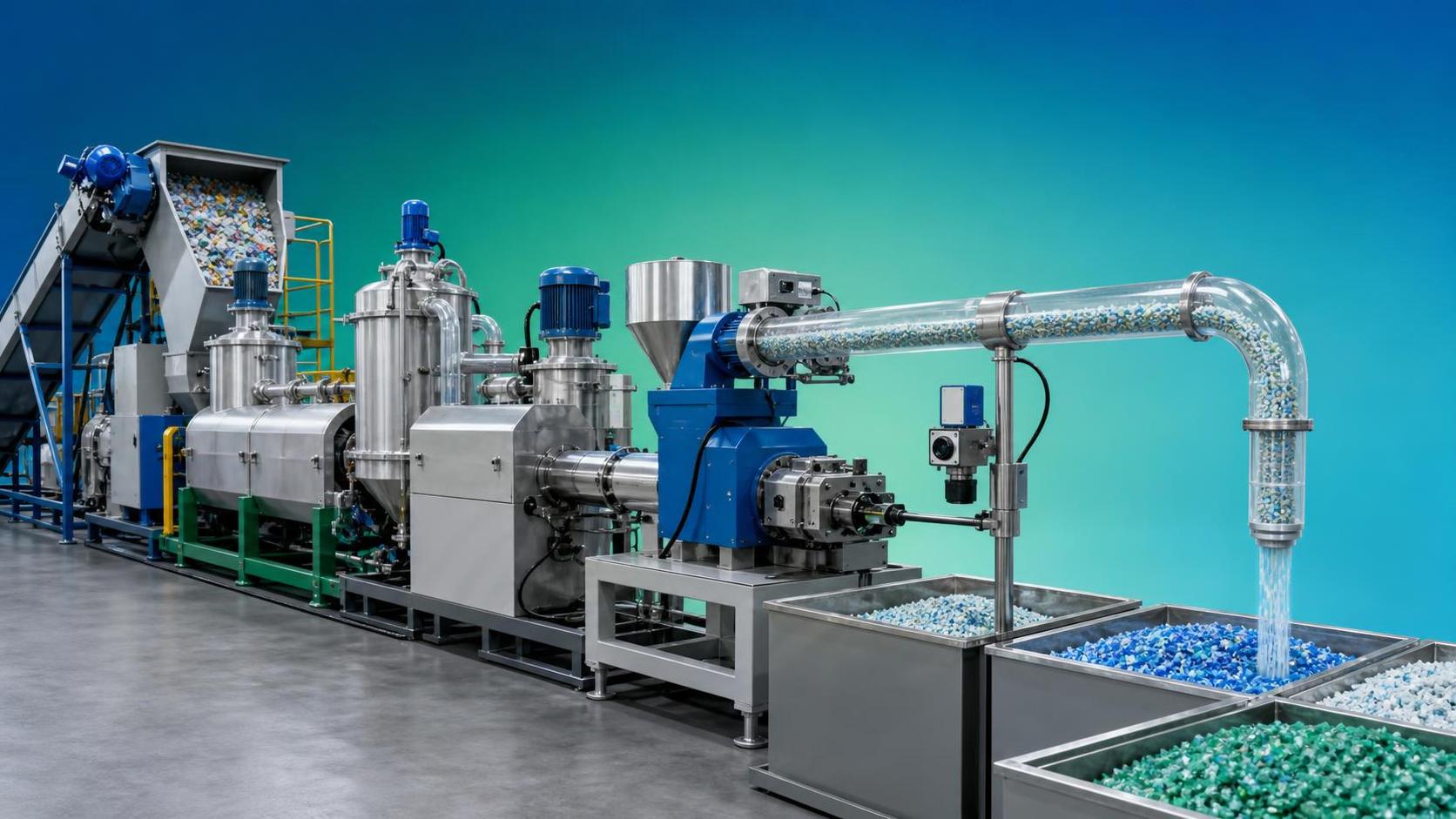
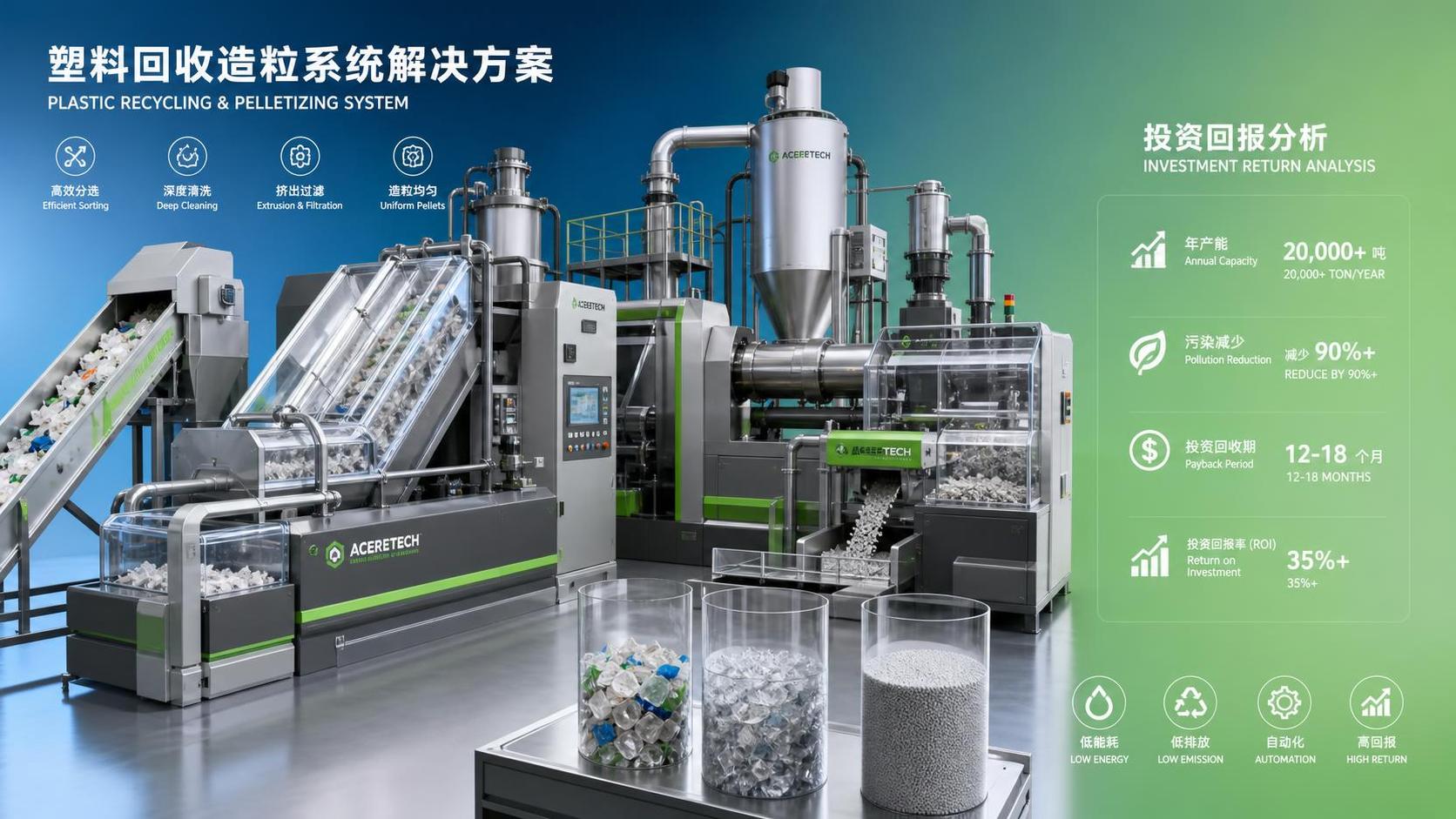
- Waste plastic pelletizing lines that convert post-use material into reusable feedstock.
The strongest circular plastics solutions also include filtration, washing, dosing, traceability, and digital monitoring across each stage.
This systems view matters because recycled input quality alone never guarantees stable production or compliant output.
PFRS tracks this intersection closely, linking polymer rheology, molding precision, extrusion behavior, and recovery economics into one decision framework.
Why are circular plastics solutions now shaping sourcing decisions more directly?
Three forces are pushing circular plastics solutions into the center of sourcing strategy: regulation, volatility, and resilience.
1. Compliance pressure is becoming operational pressure
Global packaging rules are moving from broad targets to specific content, traceability, and recyclability requirements.
That means equipment and suppliers must support repeatable recycled-content processing, cleaner melt quality, and auditable material flows.
2. Virgin resin volatility changes cost models
Feedstock prices can shift quickly with energy markets, logistics disruptions, and regional supply constraints.
Circular plastics solutions create optionality by allowing broader material sourcing, internal scrap recovery, and partial independence from virgin resin swings.
3. Resilience now includes material recovery
Supply resilience is no longer only about backup vendors. It also depends on how much value can be retained from waste streams.
When a line can reclaim trim, regrind, flakes, or washed post-consumer material efficiently, production risk falls.
This is why circular plastics solutions increasingly influence supplier scorecards, investment approvals, and technical due diligence.
Which applications feel the impact of circular plastics solutions most strongly?
The effect is broad, but several application areas face sharper pressure because output quality and compliance expectations are rising together.
Packaging and FMCG
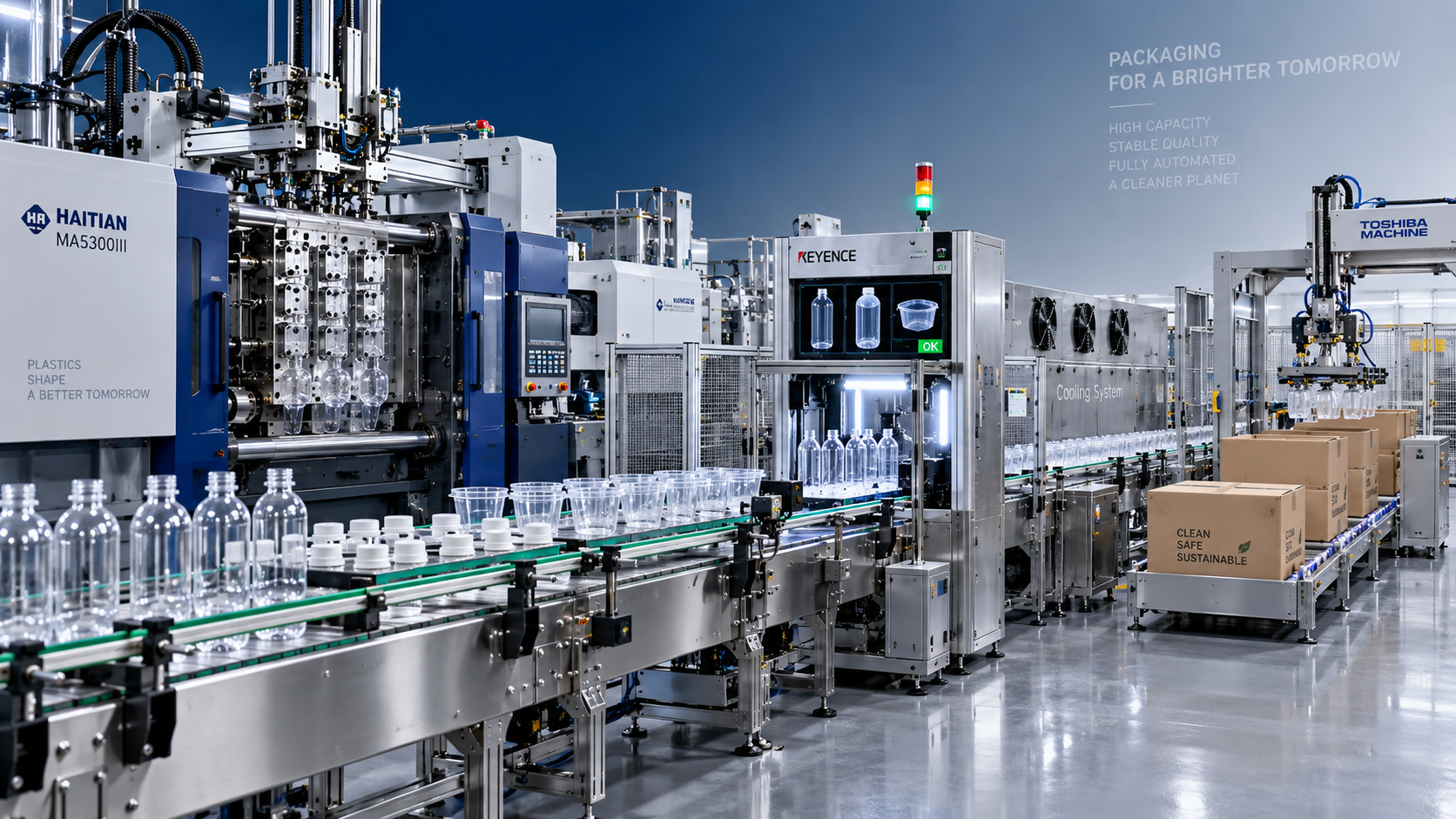
Bottle, cap, film, and rigid packaging lines must balance lightweighting, recycled content, clarity, barrier performance, and labeling compatibility.
Here, circular plastics solutions often decide whether growth plans remain credible under new packaging laws.
Medical and personal care
These sectors require tighter process control, cleaner handling, and strong traceability. Recovered material use may be selective, but waste reduction is critical.
Automotive and industrial components
Durability, dimensional precision, and mechanical consistency matter more than marketing claims. Circular plastics solutions must perform under tough conversion conditions.
Agriculture, pipe, and infrastructure
Large-volume extrusion applications gain from stable compounding, contamination control, and efficient use of secondary materials.
Across these sectors, modern sourcing decisions increasingly favor platforms that combine productivity with material circularity.
How should circular plastics solutions be evaluated during supplier selection?
A useful evaluation model looks beyond brochure claims and focuses on process evidence, output stability, and lifecycle economics.
The following table summarizes common sourcing questions and the signals worth checking.
In addition, ask for trial data on recycled-content runs, not only virgin-material benchmarks.
For extrusion and pelletizing lines, contamination tolerance and filtration consistency deserve special attention.
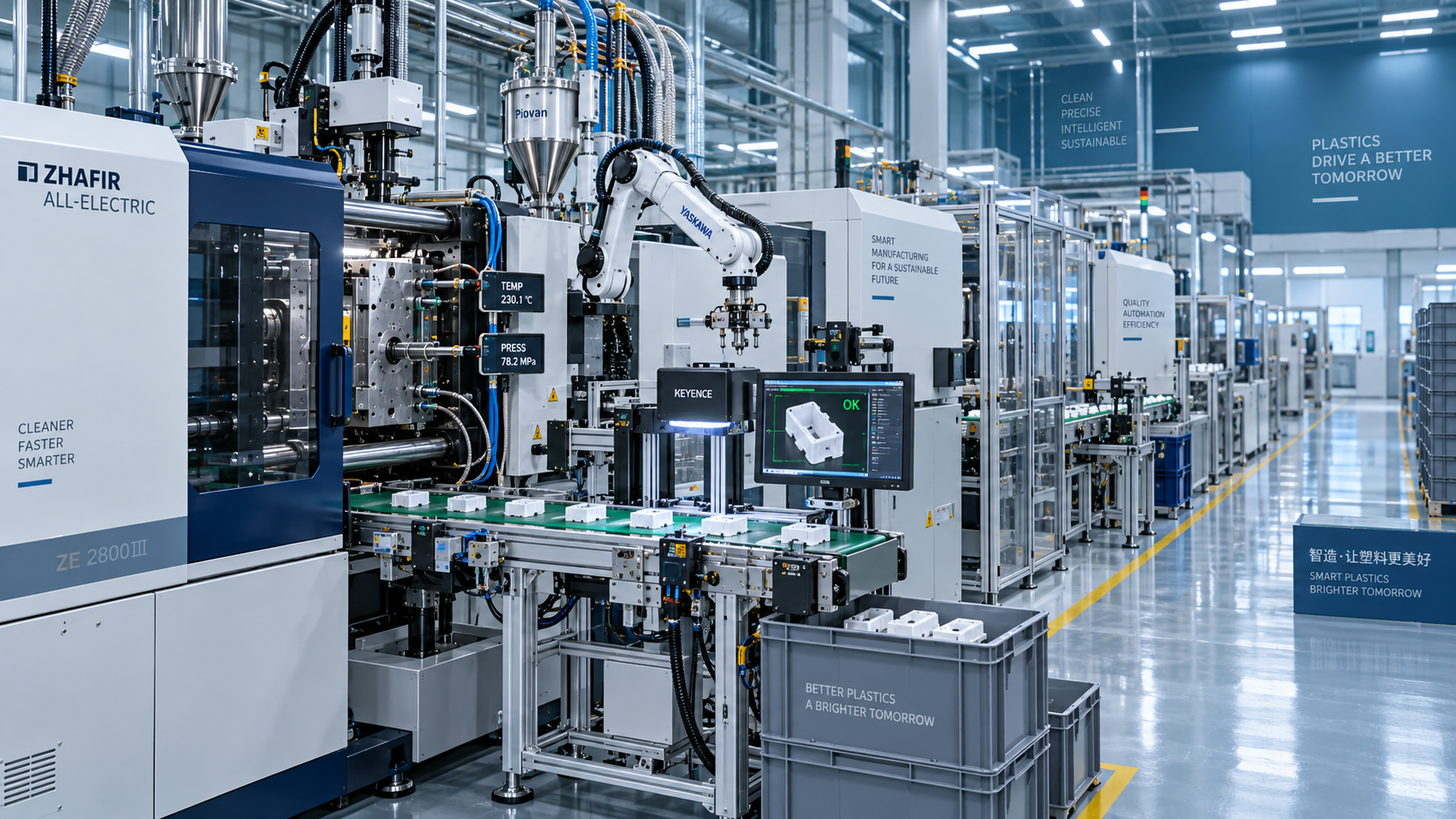
For injection molding, verify pressure curve control, repeatability, and scrap performance with reprocessed resin blends.
What are the most common risks and misconceptions around circular plastics solutions?
The biggest mistake is treating circular plastics solutions as a single product purchase instead of a process capability.
- Assuming recycled content automatically lowers costs in every market.
- Ignoring washing, sorting, and filtration limits before scaling output.
- Comparing machines only by throughput, not by yield or energy use.
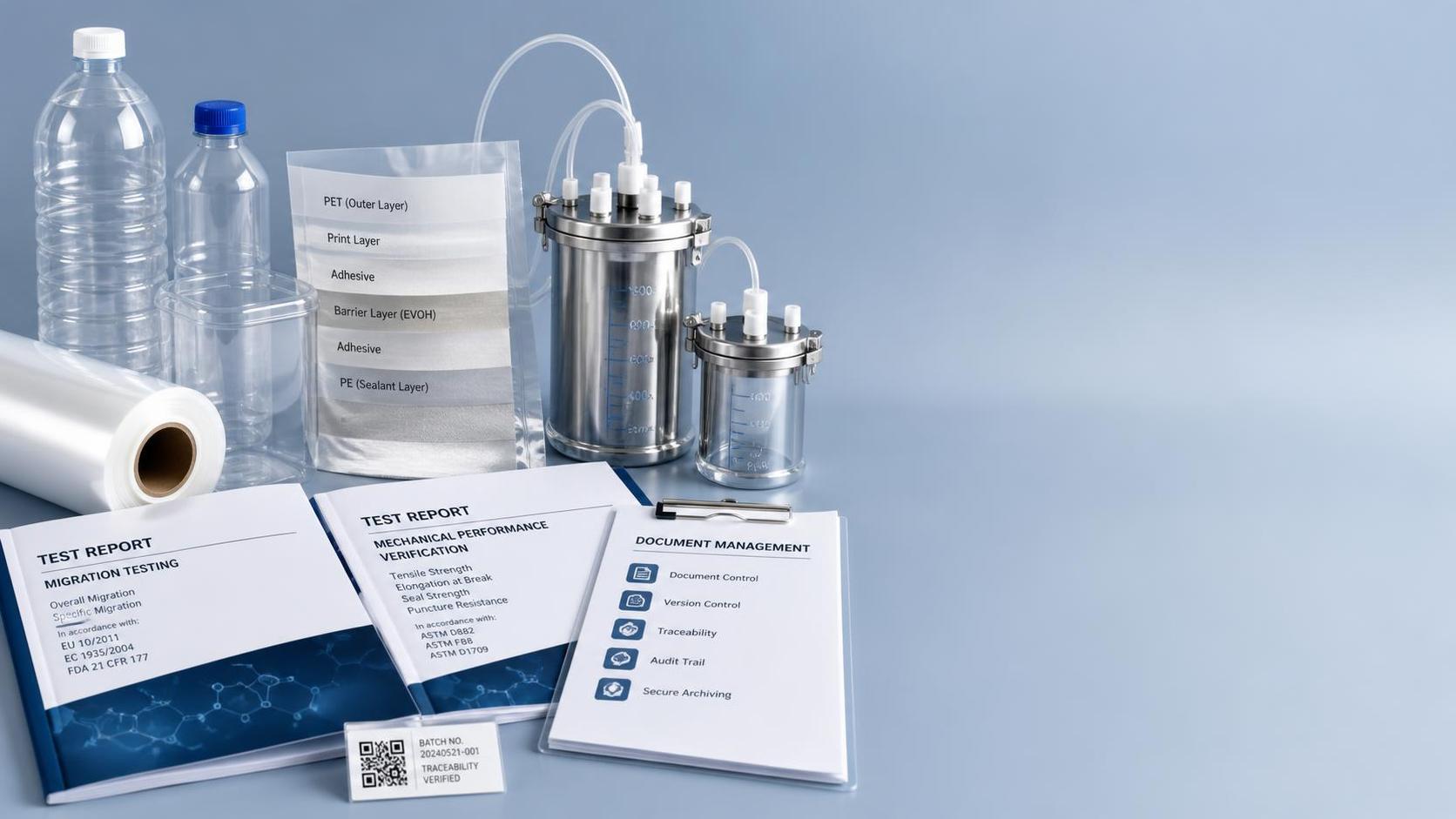
- Overlooking regulatory documentation and customer audit requirements.
- Expecting one line setup to suit every polymer family and contamination profile.
Another misconception is that recovery equipment alone creates circularity. In reality, weak upstream process control can destroy downstream recycling value.
That is why PFRS emphasizes connected intelligence across molding, extrusion, blow molding, vulcanization, and pelletizing technologies.
Circular plastics solutions work best when design, conversion, and recovery choices reinforce each other from the start.
How do cost, timeline, and implementation affect investment confidence?
Investment confidence rises when circular plastics solutions are evaluated through total value, not headline price.
Cost factors to compare
- Material savings from scrap reduction and internal recovery
- Energy consumption across full operating shifts
- Labor intensity for cleaning, sorting, and changeovers
- Maintenance frequency and spare-part access
- Revenue protection through compliance readiness
Timeline questions to ask
Check commissioning lead time, trial support, operator training, and data integration requirements before approval.
A faster launch can still fail if recycled input qualification is delayed or process recipes are poorly documented.
Implementation priorities
Start with material mapping, waste-stream characterization, and product-level quality thresholds.
Then match equipment capability to actual polymer behavior, not generic sustainability targets.
This reduces commissioning surprises and improves trust in circular plastics solutions over time.
What should be the next practical step?
A strong next step is to audit current material losses, compliance exposure, and recycled-content feasibility across each product family.
From there, build a shortlist using technical evidence from molding, extrusion, blow molding, or pelletizing trials tied to real operating conditions.
Circular plastics solutions now shape sourcing decisions because they affect cost control, regulatory readiness, and supply continuity at once.
The most future-ready choices connect precision processing with efficient recovery and verified performance data.
PFRS supports that approach by linking equipment intelligence, process insight, and circular economy analysis into clearer sourcing decisions.
Review suppliers through the lens of circular plastics solutions now, and the next investment cycle will be easier to defend.
Related News
- 00
0000-00
Smart Factory Costs for Plastics: Estimating ROI for Automation Projects - 00
0000-00
How to Evaluate a Packaging Molding Equipment Supplier for High-Volume Production - 00
0000-00
Where Recycled Plastic Innovation Delivers the Biggest Value in Packaging - 00
0000-00
How to Evaluate a Tire Curing Equipment Supplier for Capacity, Support, and Uptime - 00
0000-00
How to Size a Servo Injection Molding Press for High-Precision Parts
Weekly Insights
Stay ahead with our curated technology reports delivered every Monday.
Related News
 Ms. Elena RodriguezSmart Factory Costs for Plastics: Estimating ROI for Automation ProjectsSmart factory for plastics cost: learn how to estimate automation ROI, uncover hidden integration expenses, reduce scrap, and build a phased investment plan.Oct 10, 2026
 Ms. Elena RodriguezHow to Evaluate a Packaging Molding Equipment Supplier for High-Volume ProductionChoose a packaging molding equipment supplier with confidence. Learn how to assess throughput stability, tooling, recycled-material capability, lifecycle cost, and service support for high-volume production.Oct 09, 2026
 Ms. Elena RodriguezHow to Select Packaging Molding Equipment for High-Volume Production LinesPackaging molding equipment selection guide for high-volume lines: compare processes, throughput, materials, automation, and energy to achieve stable, cost-effective output.Oct 04, 2026
 Ms. Elena RodriguezHow to Evaluate Plastic Recycling Machinery for UAE Heat, Feedstock, and Output NeedsPlastic recycling machinery UAE buyers: evaluate heat resilience, feedstock handling, cooling, pellet quality, energy use, and lifecycle cost for reliable output.Sep 28, 2026
 Ms. Elena RodriguezGerman Extrusion Equipment Suppliers: Comparing Service, Lead Times, and Lifecycle CostExtrusion equipment Germany suppliers compared: evaluate service coverage, credible lead times, spare-parts access, and lifecycle cost to select a reliable, future-ready production partner.Sep 22, 2026
 Ms. Elena RodriguezWhat Should You Check Before Buying a Used Plastic Recycling Line?What should I check before buying a used plastic recycling line? Explore feedstock fit, wear, trials, utilities, controls, and restoration costs before you invest.Sep 26, 2026
 Ms. Elena RodriguezHow to Compare Pelletizing Lines by Energy Use per TonHow do I compare pelletizing lines by kWh per ton? Learn to measure total energy, verify saleable output, and select a cost-efficient line.Sep 23, 2026
 Ms. Elena RodriguezTyre Cutter Blade Wear: When Capacity Loss Needs Inspectionшинорез blade wear can quietly reduce tyre-cutting capacity. Learn the warning signs, inspection triggers, and maintenance actions that protect output and uptime.Sep 28, 2026
 Ms. Elena RodriguezIn-House Recycling for Factory Scrap: How to Reduce Material Waste and Disposal CostsIn house recycling for factory scrap helps manufacturers cut material waste, reduce disposal costs, and create controlled, quality-focused reuse loops.Sep 07, 2026
 Ms. Elena RodriguezHow Recyclable Packaging Manufacturing Balances Material Recovery and Production CostRecyclable packaging manufacturing: discover how smarter design, feedstock control, and process optimization reduce recovery costs while improving quality and yield.Sep 04, 2026
 Ms. Elena RodriguezHow to Evaluate a Plastic Recycling Systems Supplier for Your Processing NeedsChoose the right plastic recycling systems supplier with a practical guide to feedstock fit, output quality, total cost, testing, service, and compliance.Sep 01, 2026
 Ms. Elena RodriguezCE Marking for Plastic Processing Equipment: Documentation and Safety ChecksPlastic processing equipment CE compliance: learn the essential documentation, risk assessments, safety checks, and validation steps for reliable EU market access.Aug 30, 2026
 Ms. Elena RodriguezPlastic Packaging Compliance Standards: What Tests and Documents Matter Most?Plastic packaging compliance standards explained: learn which migration tests, mechanical checks, and audit-ready documents matter most to reduce risk and pass reviews with confidence.Aug 25, 2026
 Ms. Elena RodriguezHow to Evaluate a Plastic Waste Recycling System for Capacity, Contamination, and ROIPlastic waste recycling system evaluation made practical: compare true capacity, contamination control, and ROI to choose a line that delivers stable output and stronger returns.Aug 24, 2026
 Ms. Elena RodriguezPackaging Molding Equipment Price: What Drives Cost and How to Compare Quotes?Packaging molding equipment price varies by machine type, automation, tooling, energy use, and service scope. Learn what drives cost and how to compare quotes with confidence.Aug 21, 2026
 Ms. Elena RodriguezWhat Packaging Machinery for Plastic Containers Should You Choose for High-Volume Production?Packaging machinery for plastics containers can make or break high-volume production. Learn how to choose the right line for speed, consistency, compliance, and lower lifecycle costs.Aug 16, 2026
 Ms. Elena RodriguezWhat Circular Plastics Mean for Automotive Parts and Material SelectionCircular plastics for automotive are reshaping part selection with lower weight, better sustainability, and reliable performance. Discover how engineers balance recycled content, durability, and compliance.Aug 15, 2026
 Ms. Elena RodriguezBroiler Farming in Cage System: Selection Factors for Commercial FarmsBroiler farming in cage system selection for commercial farms: compare structure, ventilation, automation, and manure handling to improve efficiency and avoid costly mistakes.Aug 14, 2026
 Ms. Elena RodriguezHow to Implement Smart Polymer Manufacturing Without Disrupting Existing Production?Smart polymer manufacturing implementation made practical: learn how to upgrade existing production with phased digitalization, less downtime, better control, and measurable ROI.Aug 11, 2026
 Ms. Elena RodriguezHow to Evaluate a Rubber Compression Molding Supplier for Complex Part ProductionRubber compression molding supplier selection for complex parts starts with process, material, and tooling control. Learn how to compare vendors beyond price and reduce launch risk.Aug 10, 2026