How to compare polymer processing equipment for ROI




Choosing polymer processing equipment is both an engineering decision and a financial one. ROI depends on throughput, energy intensity, labor demand, quality stability, maintenance burden, compliance exposure, and asset life.
A sound comparison method helps separate low upfront cost from true long-term value. This article explains how to compare polymer processing equipment across injection molding, extrusion, blow molding, vulcanizing, and recycling systems.
Core framework for comparing polymer processing equipment

The most useful ROI framework starts with total cost of ownership. Purchase price matters, but it rarely predicts economic performance over five to ten years.
When reviewing polymer processing equipment, compare six measurable dimensions. These dimensions apply across most material forming and recycling lines.
- Capital cost, installation cost, and utility connection cost
- Throughput, cycle time, and output consistency
- Energy use per kilogram or per finished part
- Scrap rate, startup loss, and material yield
- Maintenance frequency, spare parts cost, and downtime risk
- Compliance, traceability, and residual resale value
A machine with a higher price can still deliver stronger ROI. That happens when it cuts rejects, stabilizes output, and lowers energy cost over years of operation.
A practical ROI formula
Use a simple model first. Then refine it with process data from trials, supplier testing, and historical production records.
ROI = annual net gain ÷ total project investment.
Annual net gain should include labor savings, scrap reduction, energy savings, incremental sales from higher capacity, and avoided compliance or disposal costs.
Key industry signals affecting equipment ROI
Across the broader industrial market, polymer processing equipment is being evaluated under stricter efficiency and sustainability standards. This shifts ROI calculations beyond pure production volume.
These signals are especially relevant for comprehensive industrial operations. Equipment decisions increasingly affect both operating margin and environmental reporting.
How to compare major categories of polymer processing equipment
Different equipment types create value in different ways. Direct comparison works best when each category is measured against its dominant economic drivers.
Injection molding systems
For injection molding, cycle time and repeatability drive ROI. Small reductions in cooling time or reject rate can transform annual output economics.
- Compare clamp force utilization and shot consistency
- Review energy use of hydraulic, hybrid, and all-electric models
- Check pressure control, cavity balance support, and process data logging
- Estimate mold changeover time and setup repeatability
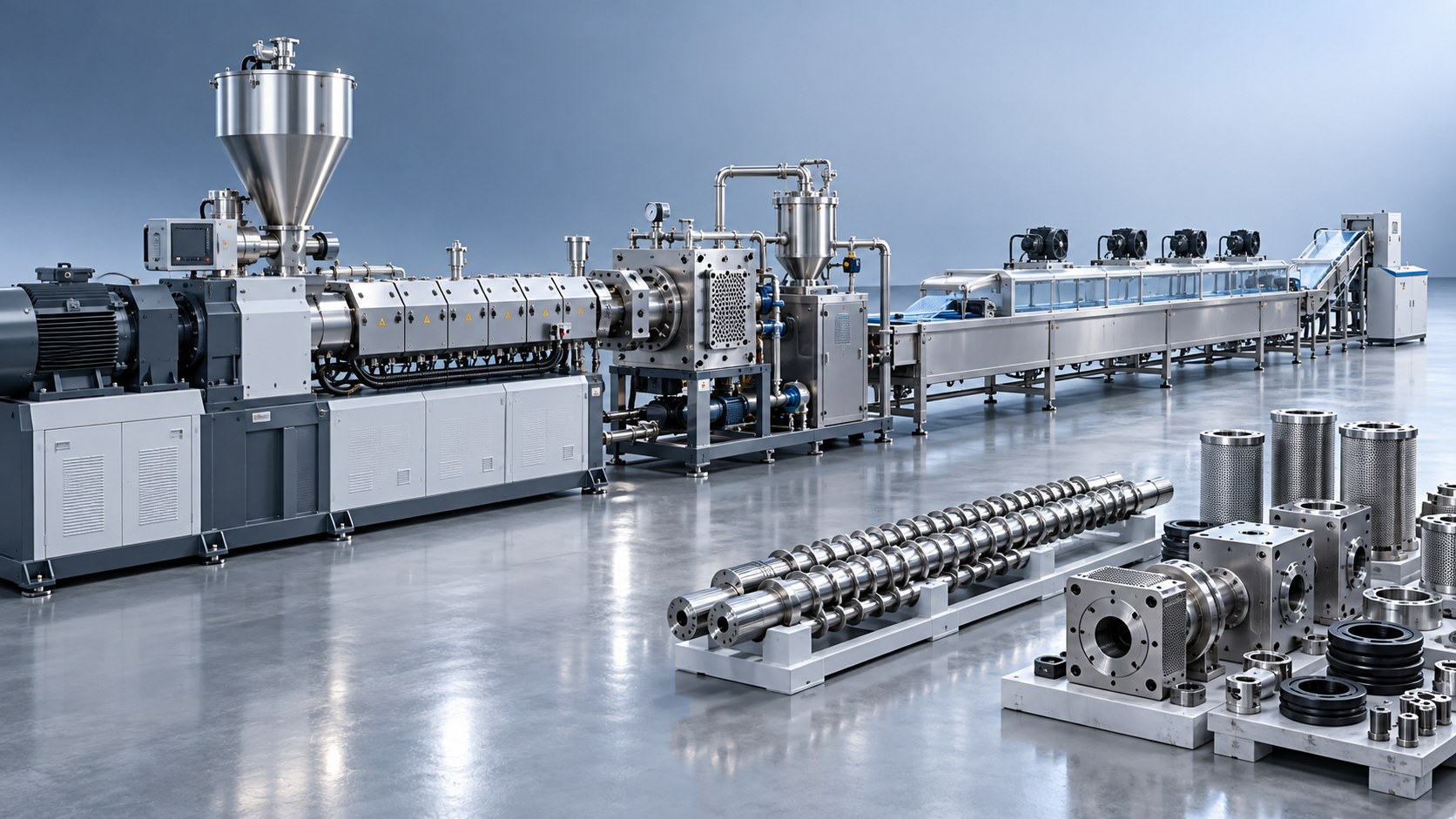
Extrusion lines
Extrusion ROI usually depends on kilograms per hour, recipe flexibility, and stable melt quality. Screw design and temperature management often determine long-term competitiveness.
- Measure specific output relative to motor load
- Compare mixing performance for filled or recycled compounds
- Review downtime during color or material change
- Assess dimensional stability of film, sheet, pipe, or profile output
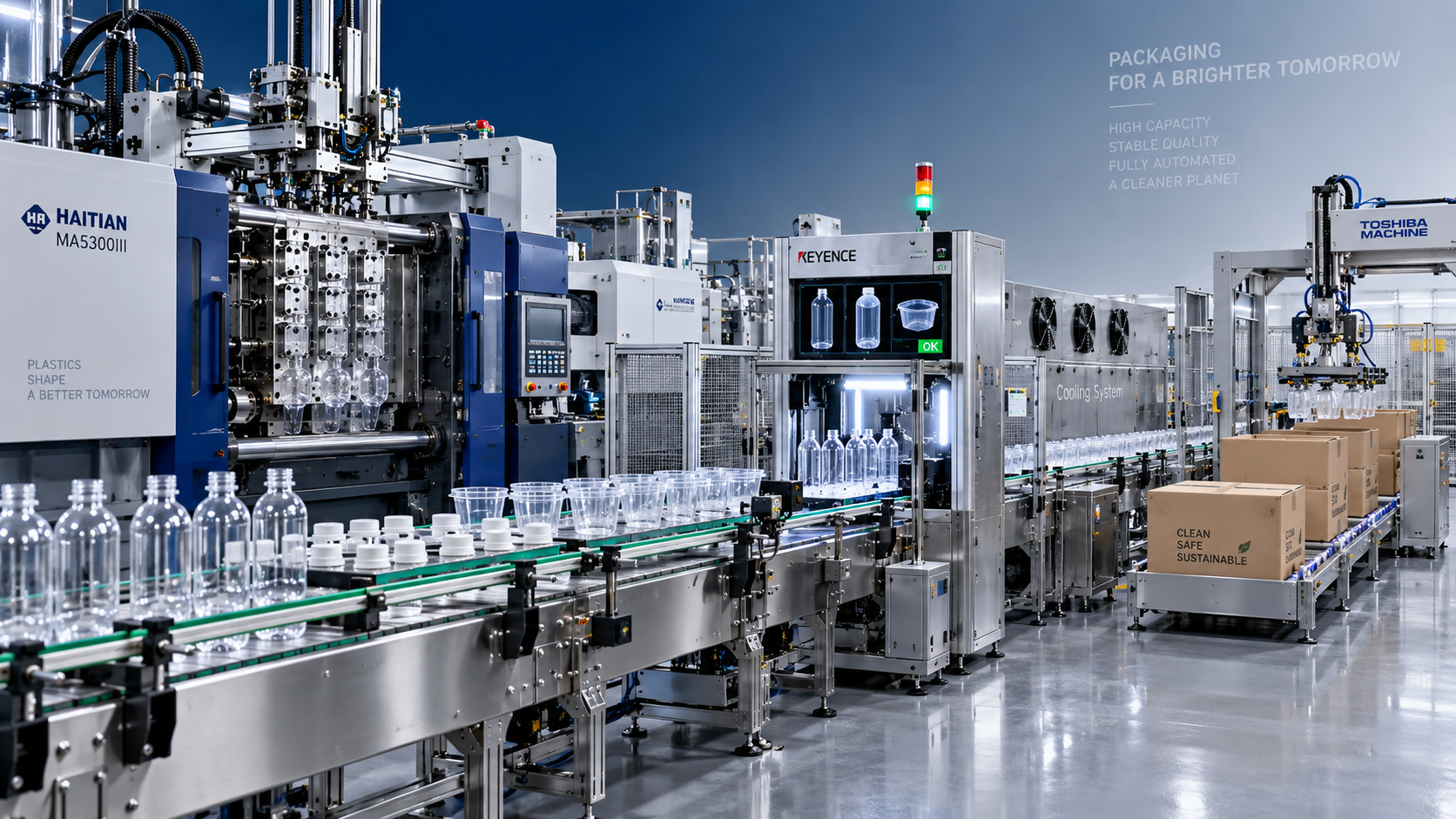
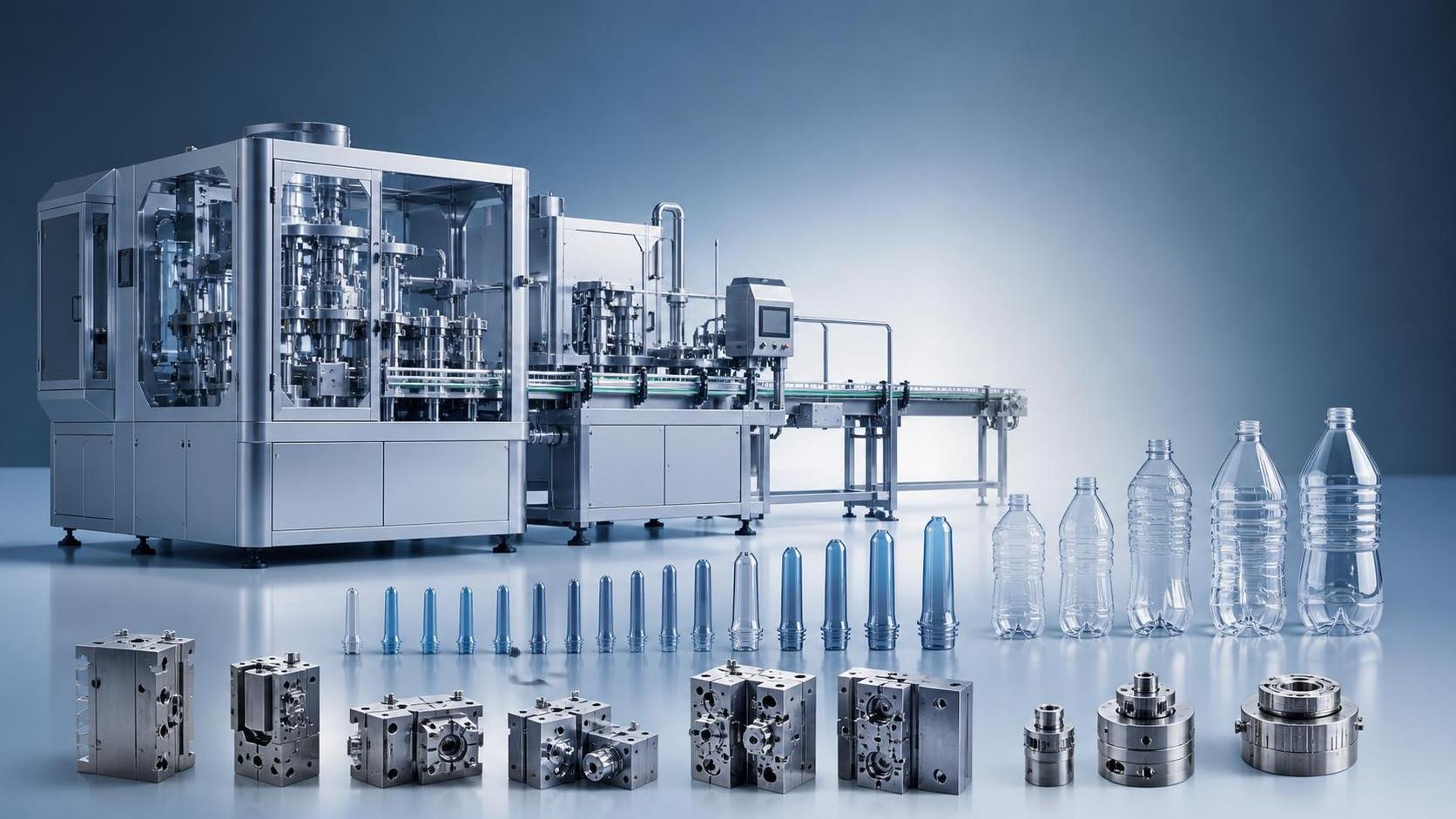
Blow molding equipment
Blow molding returns are shaped by bottle weight control, line speed, and quality losses. In packaging applications, minor resin savings can compound quickly.
- Track bottles per hour at target reject rates
- Evaluate wall thickness distribution and lightweighting potential
- Check air recovery systems and utility demand
- Review compatibility with recycled PET or other recycled inputs
Rubber vulcanizing systems
For vulcanizing equipment, ROI comes from cure consistency, press availability, and defect prevention. Thermal uniformity directly affects scrap, rework, and product performance.
- Compare heating accuracy and pressure stability
- Estimate platen wear and maintenance intervals
- Review safety systems and process traceability
- Assess automation for loading, unloading, and cure monitoring
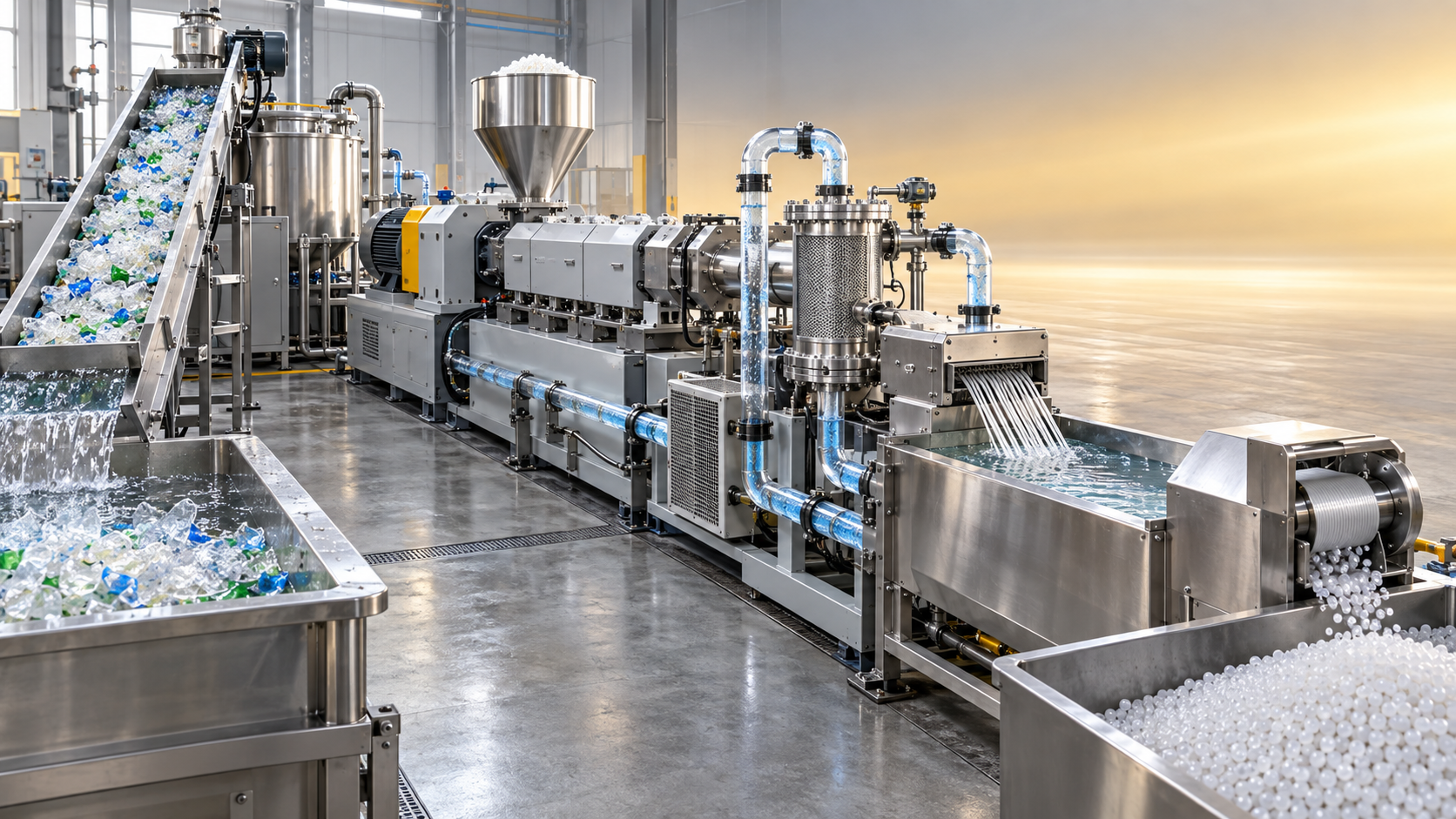
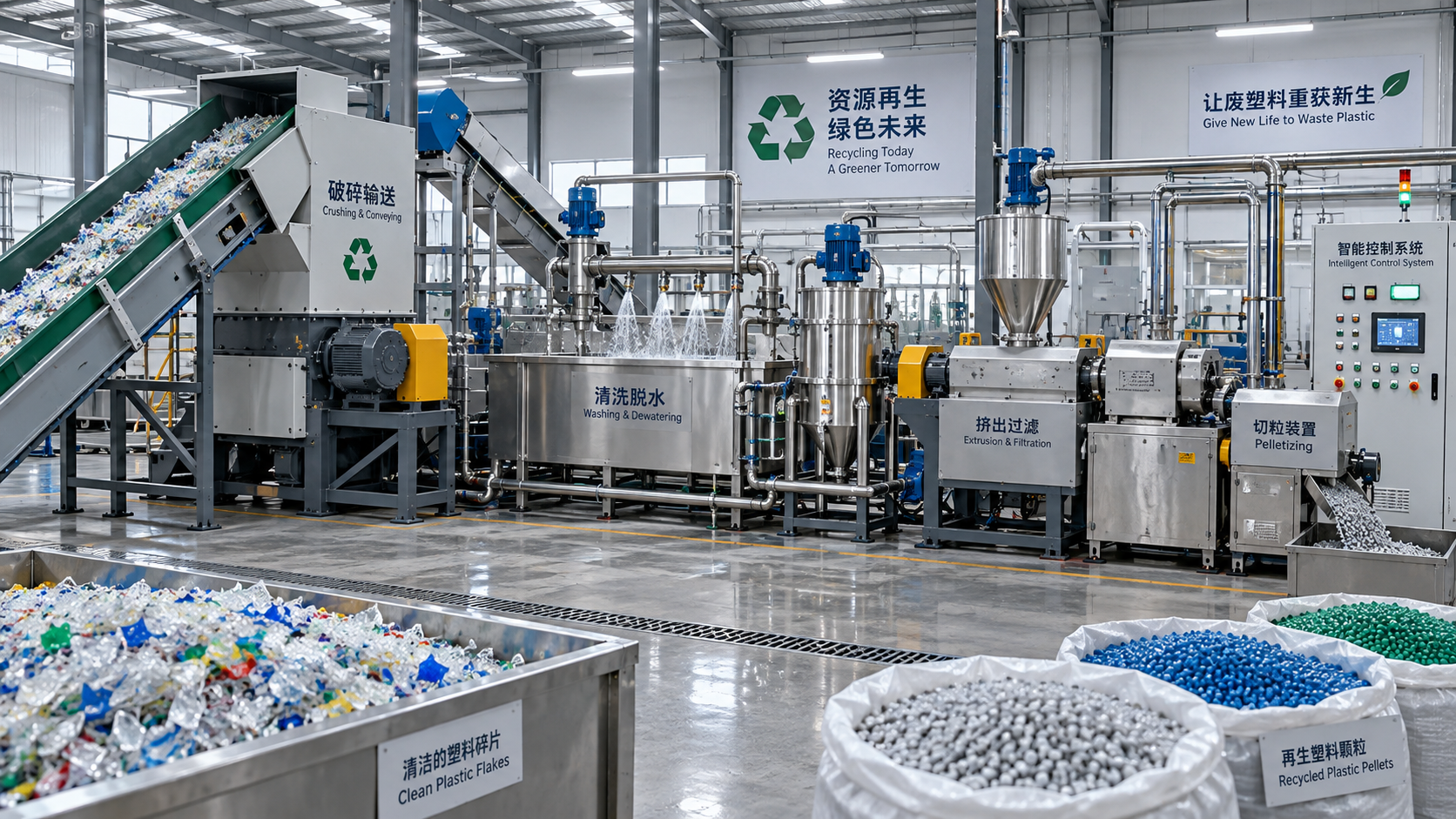
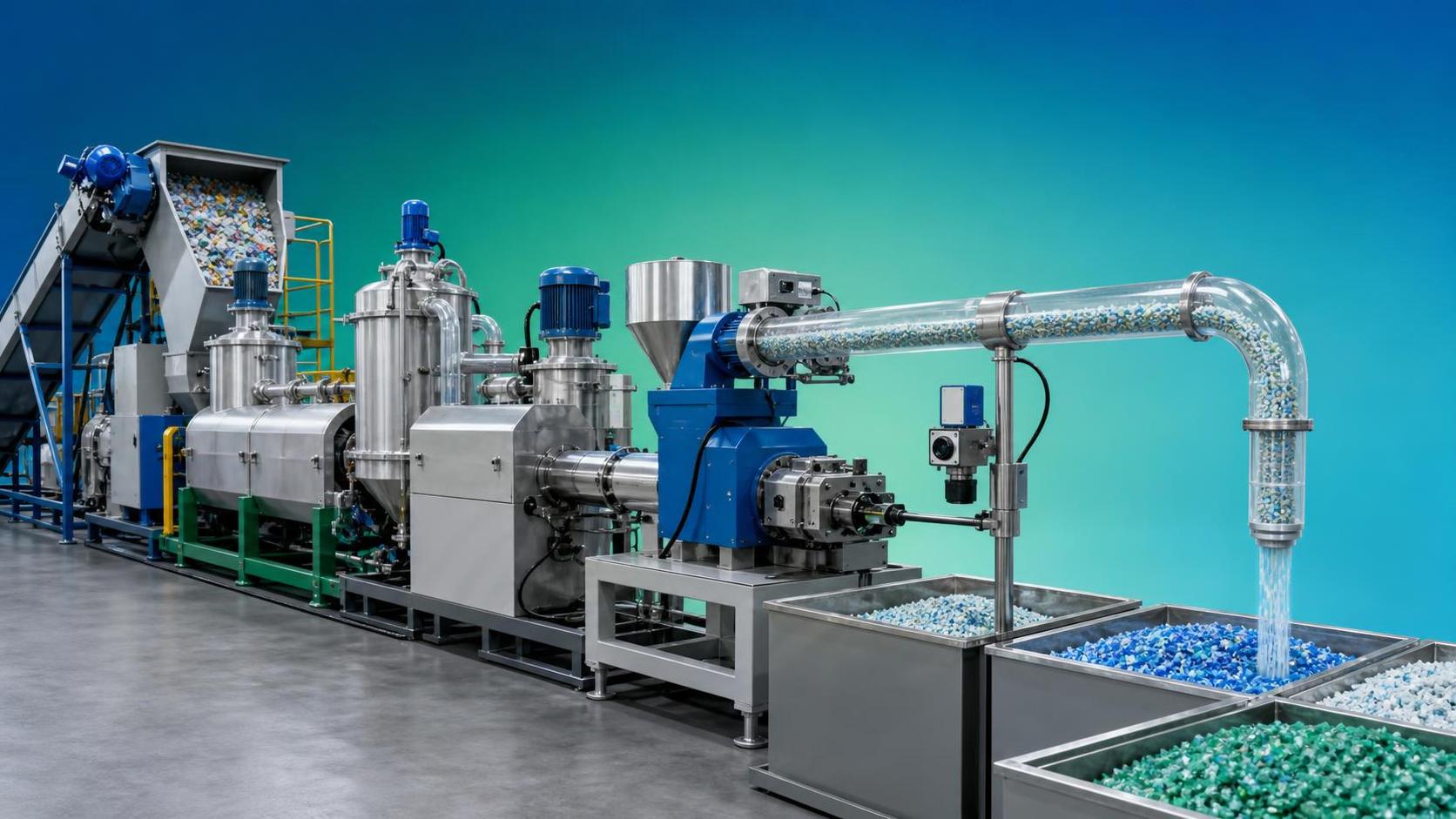
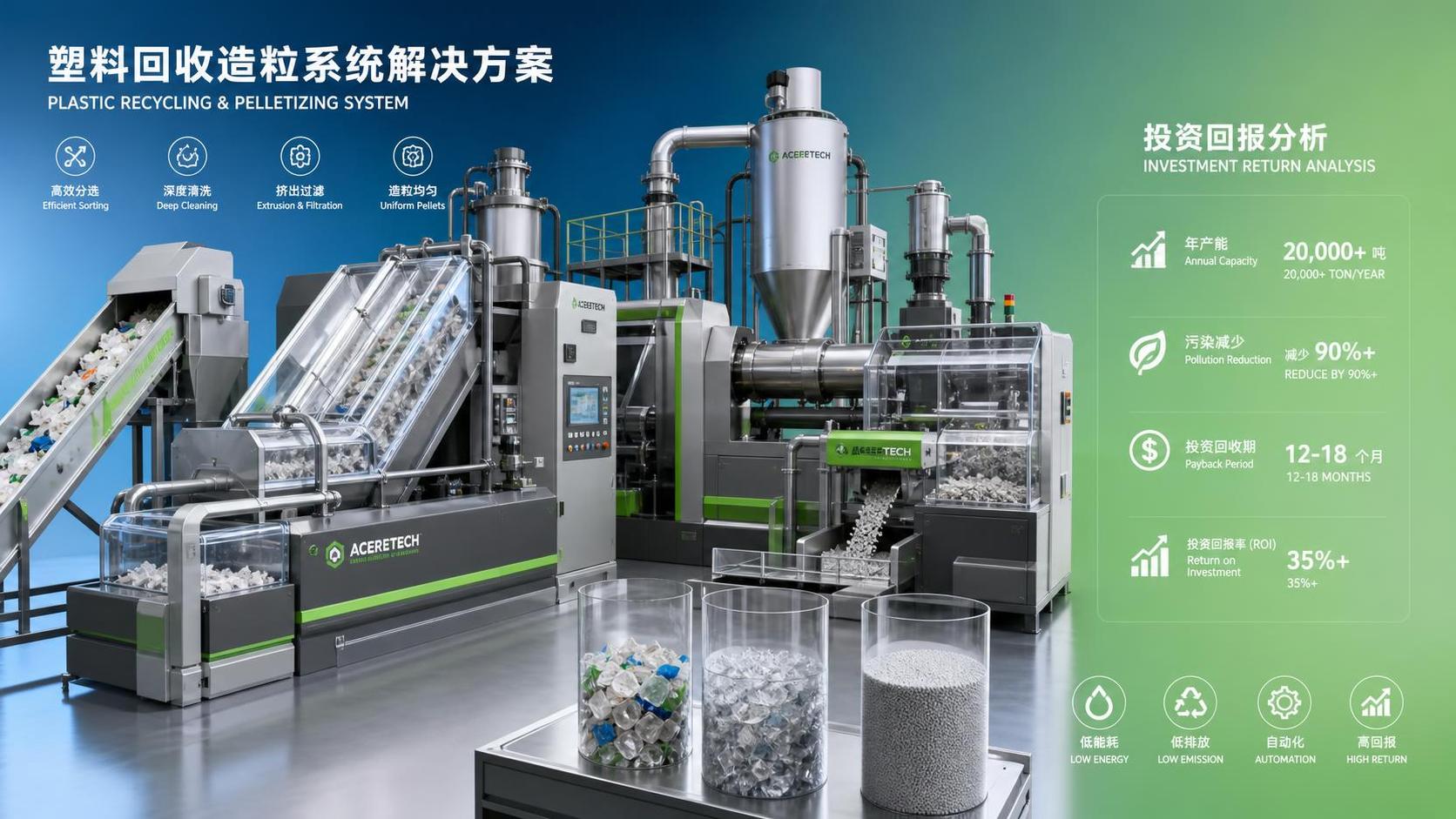
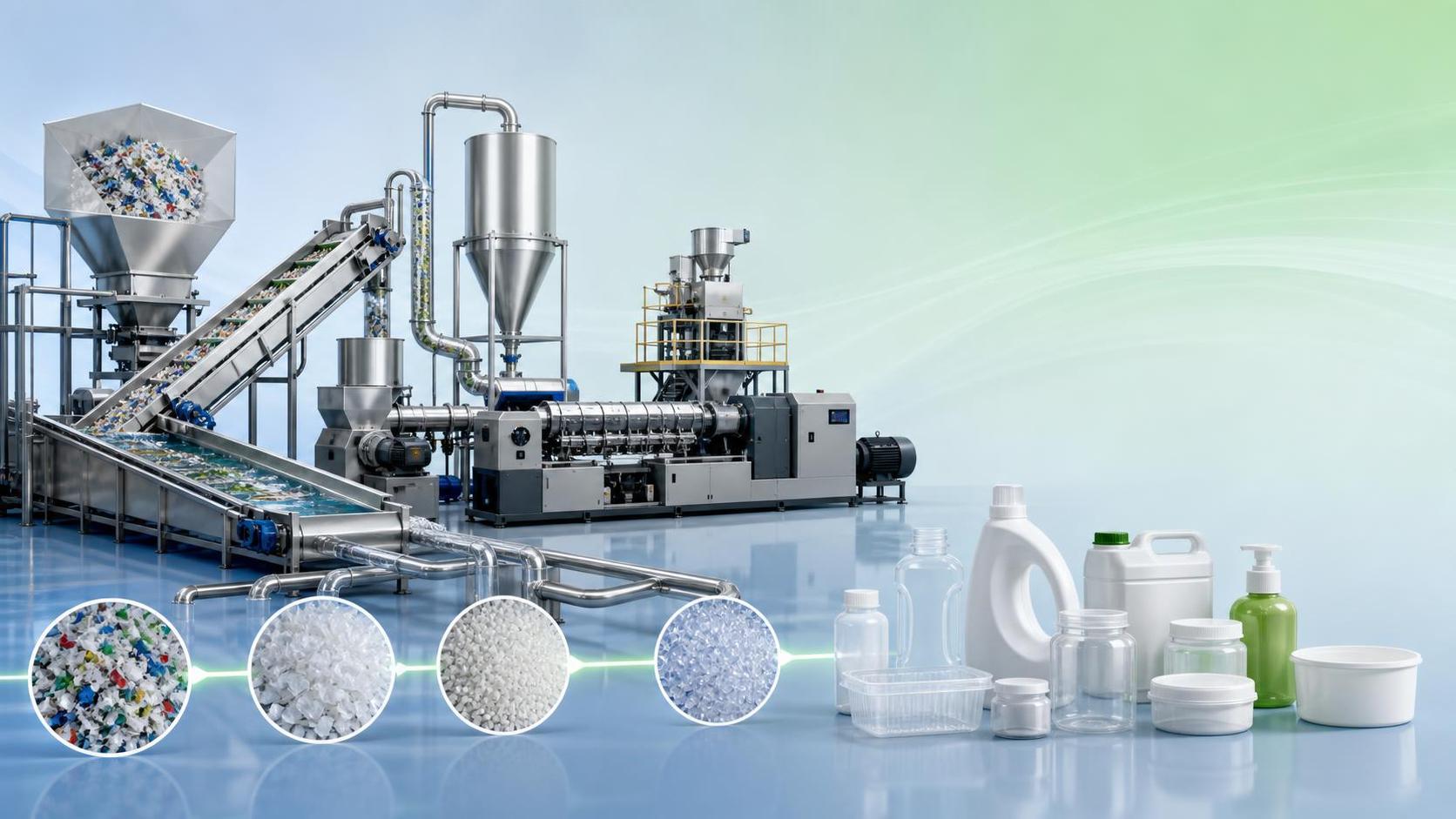
Waste plastic pelletizing lines
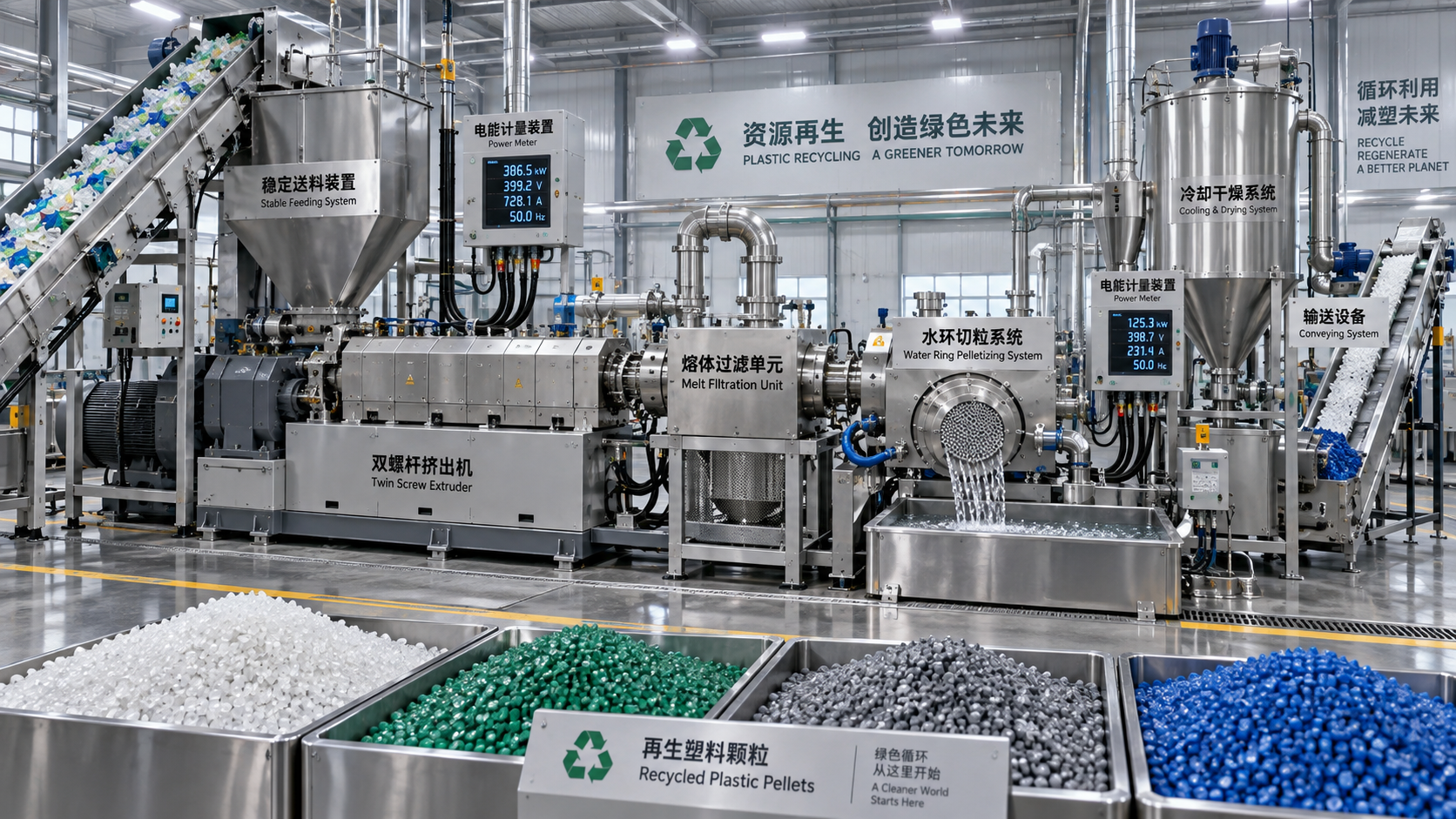
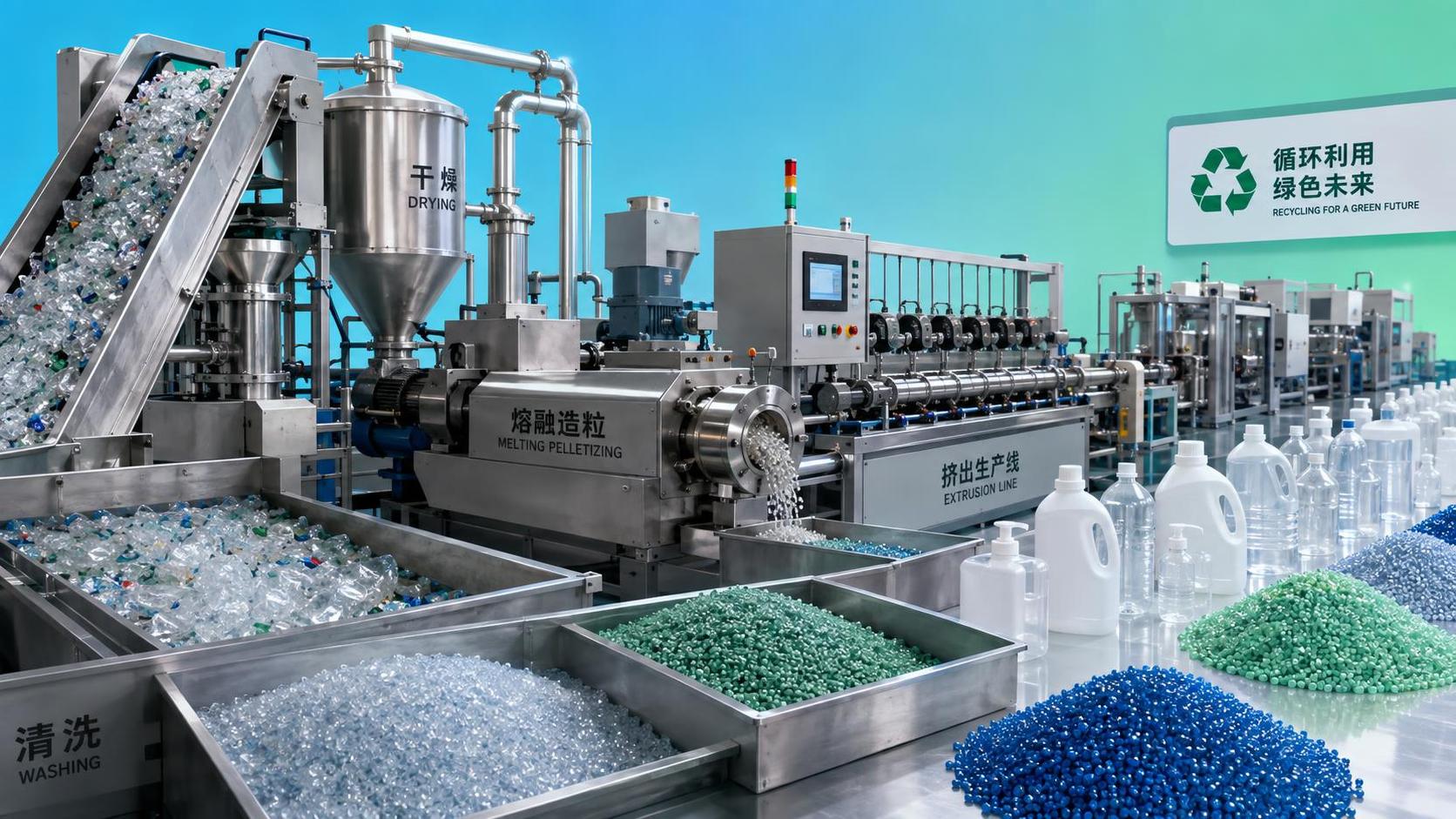
Recycling equipment should be judged on yield, contamination handling, pellet consistency, and wash-to-pellet energy use. Disposal avoidance can materially improve ROI.
- Compare washing efficiency and moisture control
- Review filtration fineness and melt pressure stability
- Track pellet quality, bulk density, and downstream usability
- Include value of in-house recycled resin substitution
Business value drivers behind polymer processing equipment selection
The best polymer processing equipment improves more than one financial lever. It should strengthen output, efficiency, quality, and strategic flexibility at the same time.
Common value drivers include:
- Higher usable output from faster, more stable production
- Lower conversion cost through reduced electricity and labor
- Less waste from tighter process control and faster startup
- Better compliance readiness for packaging and recycled content rules
- Improved resilience against resin and utility price volatility
In many projects, scrap reduction is underestimated. A one-point improvement in material yield may outperform a modest cycle time gain, especially with engineered or recycled polymers.
Typical comparison scenarios and decision criteria
Use scenario-based evaluation when comparing polymer processing equipment. It keeps the analysis tied to actual business conditions rather than generic brochure claims.
Practical evaluation steps before final investment
A disciplined review process reduces the risk of overestimating ROI. It also makes supplier proposals easier to compare on equal terms.
1. Normalize the data
Request performance figures in the same units. Compare kilowatt-hours per kilogram, output per hour, reject percentage, and planned maintenance hours per month.
2. Test with real materials
Factory acceptance tests should use actual resin grades, recycled content levels, additives, and target product tolerances whenever possible.
3. Include hidden project costs
Do not ignore chillers, compressors, material handling, foundations, exhaust systems, and software integration. These can materially change project economics.
4. Evaluate digital support
Modern polymer processing equipment should provide useful data. Remote diagnostics, alarm history, trend charts, and recipe management improve uptime and control.
5. Model best and worst cases
Create a base case, upside case, and downside case. Include slower ramp-up, higher scrap, delayed service, and fluctuating energy prices.
Closing perspective and next-step approach
Comparing polymer processing equipment for ROI requires a full-lifecycle view. The right choice balances production economics, material performance, compliance readiness, and operational resilience.
Start with a comparison sheet covering capital cost, output, energy, scrap, maintenance, and resale value. Then validate each assumption with trials and supplier evidence.
If several options appear close, prioritize the polymer processing equipment that delivers stable quality with lower operating risk. Over time, predictable performance usually creates the strongest ROI.
For complex projects, combine equipment analysis with process intelligence, recycled material strategy, and compliance planning. That approach turns equipment selection into a durable competitive advantage.
Related News
- 00
0000-00
How to Evaluate a Tire Curing Equipment Supplier for Capacity, Support, and Uptime - 00
0000-00
How to Size a Servo Injection Molding Press for High-Precision Parts - 00
0000-00
How High-Speed Precision Injection Molding Controls Part Tolerances at Scale - 00
0000-00
How to Select Packaging Molding Equipment for High-Volume Production Lines - 00
0000-00
How to Evaluate Plastic Pelletizing Machine Suppliers for Output, Support, and Risk
Weekly Insights
Stay ahead with our curated technology reports delivered every Monday.
Related News
 Ms. Elena RodriguezHow to Select Packaging Molding Equipment for High-Volume Production LinesPackaging molding equipment selection guide for high-volume lines: compare processes, throughput, materials, automation, and energy to achieve stable, cost-effective output.Oct 04, 2026
 Ms. Elena RodriguezHow to Evaluate Plastic Recycling Machinery for UAE Heat, Feedstock, and Output NeedsPlastic recycling machinery UAE buyers: evaluate heat resilience, feedstock handling, cooling, pellet quality, energy use, and lifecycle cost for reliable output.Sep 28, 2026
 Ms. Elena RodriguezGerman Extrusion Equipment Suppliers: Comparing Service, Lead Times, and Lifecycle CostExtrusion equipment Germany suppliers compared: evaluate service coverage, credible lead times, spare-parts access, and lifecycle cost to select a reliable, future-ready production partner.Sep 22, 2026
 Ms. Elena RodriguezWhat Should You Check Before Buying a Used Plastic Recycling Line?What should I check before buying a used plastic recycling line? Explore feedstock fit, wear, trials, utilities, controls, and restoration costs before you invest.Sep 26, 2026
 Ms. Elena RodriguezHow to Compare Pelletizing Lines by Energy Use per TonHow do I compare pelletizing lines by kWh per ton? Learn to measure total energy, verify saleable output, and select a cost-efficient line.Sep 23, 2026
 Ms. Elena RodriguezTyre Cutter Blade Wear: When Capacity Loss Needs Inspectionшинорез blade wear can quietly reduce tyre-cutting capacity. Learn the warning signs, inspection triggers, and maintenance actions that protect output and uptime.Sep 28, 2026
 Ms. Elena RodriguezIn-House Recycling for Factory Scrap: How to Reduce Material Waste and Disposal CostsIn house recycling for factory scrap helps manufacturers cut material waste, reduce disposal costs, and create controlled, quality-focused reuse loops.Sep 07, 2026
 Ms. Elena RodriguezHow Recyclable Packaging Manufacturing Balances Material Recovery and Production CostRecyclable packaging manufacturing: discover how smarter design, feedstock control, and process optimization reduce recovery costs while improving quality and yield.Sep 04, 2026
 Ms. Elena RodriguezHow to Evaluate a Plastic Recycling Systems Supplier for Your Processing NeedsChoose the right plastic recycling systems supplier with a practical guide to feedstock fit, output quality, total cost, testing, service, and compliance.Sep 01, 2026
 Ms. Elena RodriguezCE Marking for Plastic Processing Equipment: Documentation and Safety ChecksPlastic processing equipment CE compliance: learn the essential documentation, risk assessments, safety checks, and validation steps for reliable EU market access.Aug 30, 2026
 Ms. Elena RodriguezPlastic Packaging Compliance Standards: What Tests and Documents Matter Most?Plastic packaging compliance standards explained: learn which migration tests, mechanical checks, and audit-ready documents matter most to reduce risk and pass reviews with confidence.Aug 25, 2026
 Ms. Elena RodriguezHow to Evaluate a Plastic Waste Recycling System for Capacity, Contamination, and ROIPlastic waste recycling system evaluation made practical: compare true capacity, contamination control, and ROI to choose a line that delivers stable output and stronger returns.Aug 24, 2026
 Ms. Elena RodriguezPackaging Molding Equipment Price: What Drives Cost and How to Compare Quotes?Packaging molding equipment price varies by machine type, automation, tooling, energy use, and service scope. Learn what drives cost and how to compare quotes with confidence.Aug 21, 2026
 Ms. Elena RodriguezWhat Packaging Machinery for Plastic Containers Should You Choose for High-Volume Production?Packaging machinery for plastics containers can make or break high-volume production. Learn how to choose the right line for speed, consistency, compliance, and lower lifecycle costs.Aug 16, 2026
 Ms. Elena RodriguezWhat Circular Plastics Mean for Automotive Parts and Material SelectionCircular plastics for automotive are reshaping part selection with lower weight, better sustainability, and reliable performance. Discover how engineers balance recycled content, durability, and compliance.Aug 15, 2026
 Ms. Elena RodriguezBroiler Farming in Cage System: Selection Factors for Commercial FarmsBroiler farming in cage system selection for commercial farms: compare structure, ventilation, automation, and manure handling to improve efficiency and avoid costly mistakes.Aug 14, 2026
 Ms. Elena RodriguezHow to Implement Smart Polymer Manufacturing Without Disrupting Existing Production?Smart polymer manufacturing implementation made practical: learn how to upgrade existing production with phased digitalization, less downtime, better control, and measurable ROI.Aug 11, 2026
 Ms. Elena RodriguezHow to Evaluate a Rubber Compression Molding Supplier for Complex Part ProductionRubber compression molding supplier selection for complex parts starts with process, material, and tooling control. Learn how to compare vendors beyond price and reduce launch risk.Aug 10, 2026
 Ms. Elena RodriguezPackaging Compliance in Canada: Key Labeling and EPR Rules Importers Must KnowPackaging compliance Canada explained for importers: learn bilingual labeling, environmental claims, and provincial EPR rules to reduce risk, avoid costly errors, and stay market-ready.Aug 03, 2026
 Ms. Elena RodriguezWhy Circular Plastics Economy Traceability Matters for Recycled Content ComplianceCircular plastics economy traceability is essential for proving recycled content compliance across sourcing, processing, and reporting. Learn how strong evidence reduces audit risk.Aug 02, 2026