When should polymer processing equipment be upgraded?




Knowing when to upgrade polymer processing equipment can determine whether a plant stays competitive or falls behind in quality, efficiency, and compliance. For procurement teams, the decision is no longer based only on machine age; it also depends on energy consumption, maintenance costs, process stability, material versatility, automation readiness, and evolving sustainability requirements. This article outlines the key signals that indicate an upgrade is necessary and helps buyers evaluate investment timing with a clear focus on long-term production value.
Why upgrade timing matters more than machine age
Many plants keep older machines running because the asset is fully depreciated. That can look financially safe, but hidden losses often exceed the apparent savings.
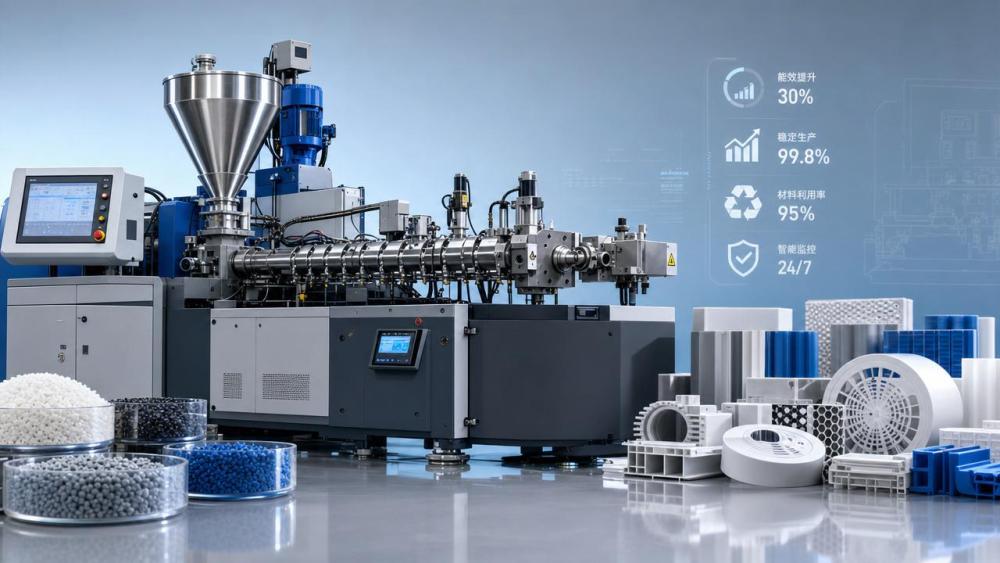
Modern polymer processing equipment is expected to deliver stable melt quality, repeatable pressure control, lower energy use, and traceable production data across diverse materials.
For procurement teams, the key question is not “Is the machine still running?” It is “Can it still support quality, compliance, margin, and future production demand?”
The most common upgrade triggers
- Energy cost per kilogram rises while output, cycle time, or extrusion throughput remains unchanged.
- Scrap rates increase because of unstable plasticizing, poor temperature control, or inconsistent clamping and pressure response.
- Spare parts become difficult to source, leading to longer downtime and emergency purchasing at premium prices.
- Customers request recycled content, lighter packaging, tighter tolerances, or documentation that the current system cannot support.
- The equipment cannot connect with MES, energy monitoring, recipe management, or quality traceability systems.
These signals matter across injection molding, extrusion, blow molding, rubber vulcanization, and waste plastic pelletizing. Each process has different risks, but the purchasing logic is similar.
Operational signs that polymer processing equipment is limiting production
The clearest upgrade case appears when polymer processing equipment becomes a bottleneck rather than a productive asset. Procurement should verify this using measurable plant data.
A single symptom may not justify replacement. A pattern of unstable output, rising maintenance, and poor energy performance usually indicates that an upgrade review is overdue.
The table below summarizes common warning signs by equipment type and explains how buyers can interpret them during supplier discussions.
A practical evaluation should connect each symptom to cost. Scrap, downtime, rework, energy waste, and delayed deliveries create a stronger business case than equipment age alone.
Cost signals procurement teams should not ignore
An old line can seem cheaper because capital expenditure is avoided. However, polymer processing equipment often creates cost leakage through maintenance, electricity, labor, and quality loss.
Buyers should compare the cost of keeping existing assets against the total value of an upgraded machine or integrated production line.
Cost categories to include in the upgrade calculation
- Direct energy consumption per kilogram, per molded part, or per thousand bottles produced.
- Preventive maintenance cost, emergency repair frequency, and availability of critical spare parts.
- Labor time for setup, manual adjustment, inspection, cleaning, and documentation.
- Material loss from start-up waste, unstable melt, contaminated recycled feedstock, or failed curing cycles.
- Lost revenue from capacity limits, delivery delays, and inability to quote higher-value applications.
The following comparison helps clarify when repair, retrofit, or replacement is the more reasonable path for polymer processing equipment procurement.
The lowest purchase price rarely delivers the lowest lifecycle cost. Procurement should request energy data, maintenance assumptions, commissioning support, and realistic production conditions.
How material changes affect upgrade decisions
Material strategy is a major reason to reassess polymer processing equipment. Plants now process recycled resins, bio-based polymers, filled compounds, high-barrier materials, and lightweight packaging grades.
Older machines may run standard virgin resin acceptably, yet struggle when viscosity, moisture sensitivity, contamination, or additive loading changes.
Material-related upgrade indicators
- Recycled plastic causes frequent filter blockage, black specks, gels, odor issues, or inconsistent pellet shape.
- High-filled compounds accelerate screw and barrel wear, reducing output and increasing melt temperature variation.
- Medical, optical, or precision components require tighter molding tolerance than the current injection unit can repeat.
- Packaging customers demand lightweight containers, but the blow molding system cannot control wall thickness reliably.
- Rubber products require more consistent vulcanization curves to meet durability and sealing performance expectations.
PFRS follows these shifts through polymer rheology analysis, extrusion process observation, and circular plastics intelligence, helping buyers understand which equipment features are genuinely necessary.
Technical parameters buyers should verify before approving an upgrade
A successful purchase begins with accurate process requirements. Procurement teams should avoid asking only for a machine quote; they should define measurable production targets first.
For polymer processing equipment, the right parameter set depends on process type, product geometry, material behavior, downstream integration, and compliance requirements.
The table below provides a practical checklist for technical specification meetings with internal engineers and external suppliers.
Parameter clarity protects both buyer and supplier. It also makes quotations easier to compare because each proposal responds to the same operating assumptions.
Compliance, sustainability, and digital readiness as upgrade drivers
Regulatory and customer expectations increasingly influence polymer processing equipment decisions. Packaging, automotive, medical, construction, and recycling buyers all face stricter documentation demands.
An upgrade may be justified when older equipment cannot provide consistent records for energy use, recycled content processing, product quality, or production traceability.
Common compliance areas to review
- Machine safety requirements, guarding, emergency stop systems, and operator access conditions.
- Electrical and control system conformity for the destination market, including commonly referenced CE or UL-related expectations where applicable.
- Food-contact or medical production traceability needs when packaging, caps, syringes, or clean components are involved.
- ESG reporting and carbon reduction targets that require energy monitoring and lower material waste.
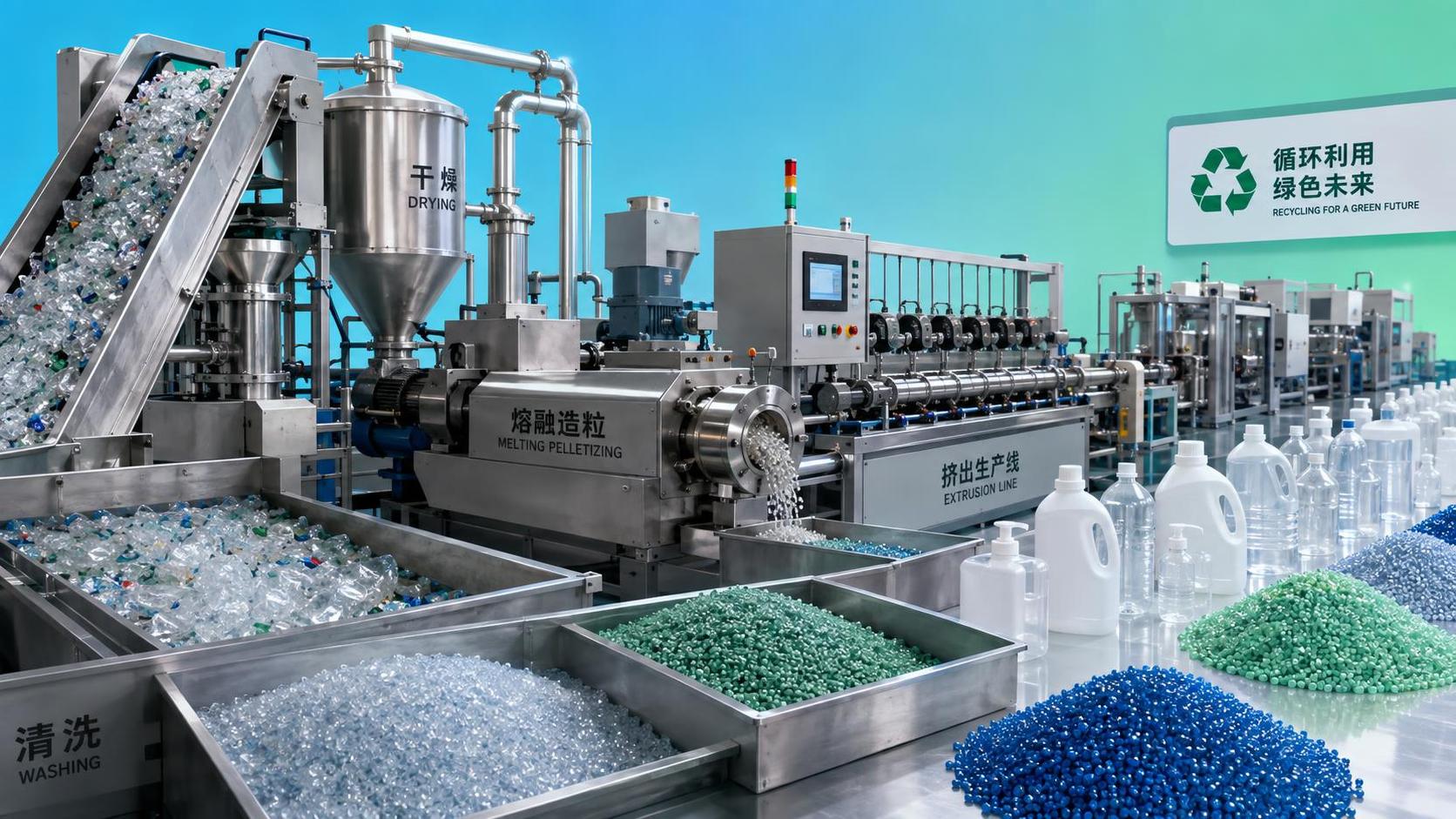
- Recycling quality requirements for rPET, rPE, and rPP pellet output, including filtration, odor control, and contamination management.
PFRS interprets these developments through the lens of green packaging, advanced materials, and resource recovery, giving procurement teams a broader view than machine price alone.
A practical procurement framework for upgrade decisions
Procurement teams often face pressure from production, finance, maintenance, and management at the same time. A structured decision process reduces internal disagreement.
The goal is to convert technical problems into commercial evidence, then match polymer processing equipment options with measurable plant priorities.
Recommended decision sequence
- Collect baseline data for output, energy, scrap, downtime, maintenance cost, and customer complaints over a meaningful period.
- Identify whether the main issue comes from machine condition, process design, material change, operator practice, or downstream bottlenecks.
- Define target performance, including throughput, tolerance, pellet quality, cycle time, automation level, and documentation requirements.
- Compare repair, retrofit, and replacement using lifecycle cost, not only initial quotation.
- Request supplier confirmation on utilities, commissioning scope, spare parts, training, acceptance criteria, and delivery schedule.
This framework is especially useful when plants operate mixed equipment fleets, such as injection molding cells, extrusion lines, vulcanizing presses, and pelletizing systems under one procurement budget.
FAQ: common questions before upgrading polymer processing equipment
The following questions reflect typical concerns from buyers who need to justify equipment investment while controlling budget and delivery risk.
How old should equipment be before replacement is considered?
There is no universal replacement age. A well-maintained machine may remain useful, while a younger machine may be unsuitable after material or customer requirements change.
Procurement should focus on repeatability, energy cost, uptime, spare parts availability, safety status, and whether the machine supports future product strategy.
Is a retrofit enough, or should we buy new polymer processing equipment?
A retrofit can be effective when the mechanical platform is stable and the main weakness is control, drive efficiency, or data connectivity.
New equipment is usually more appropriate when mechanical wear, energy waste, process instability, compliance gaps, and capacity limits appear together.
What information should buyers prepare before requesting a quotation?
Prepare product drawings, resin data, recycled content targets, current output, defect records, site utilities, automation requirements, and expected acceptance tests.
For pelletizing, extrusion, or blow molding lines, also provide upstream washing, drying, feeding, mold, cooling, and packaging details where relevant.
How can procurement avoid over-specification?
Over-specification happens when buyers choose maximum capacity or unnecessary automation without checking real production constraints.
Use actual demand forecasts, product mix, operator skill level, utility limits, and downstream speed to define an appropriate specification range.
Why choose PFRS for upgrade intelligence and procurement support
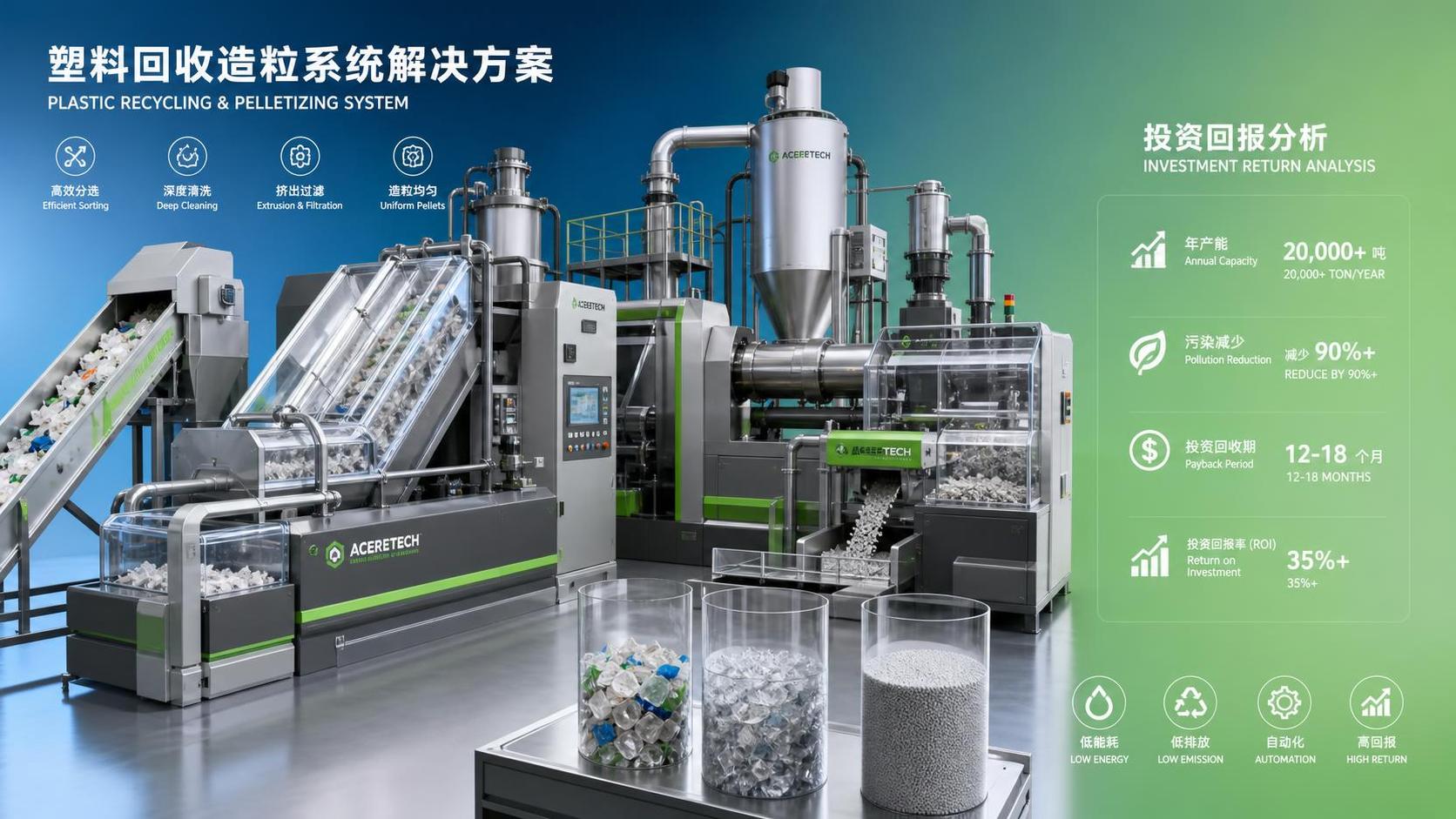
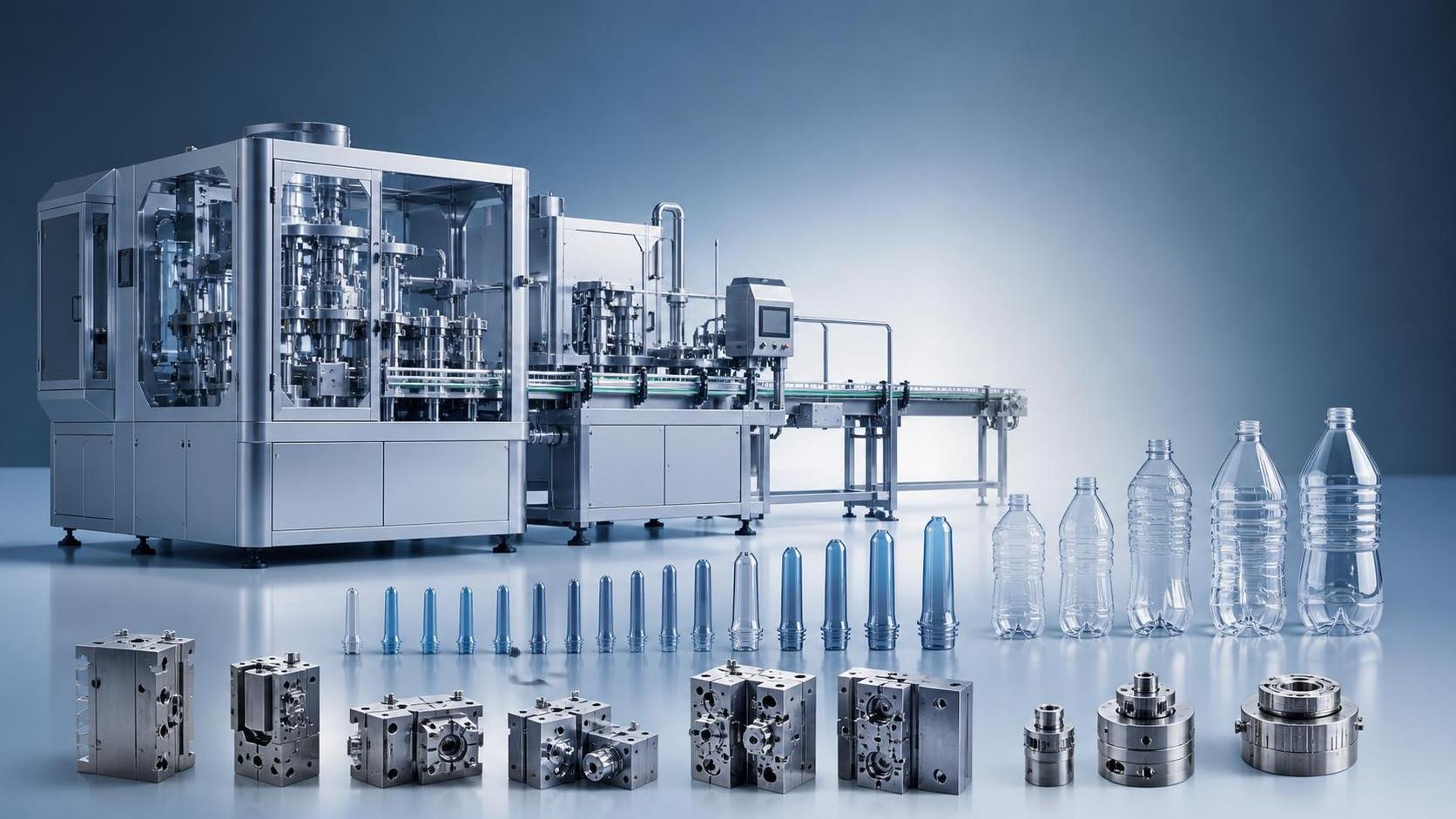
PFRS focuses on the complete lifecycle of polymer processing equipment, from precision injection molding and high-efficiency extrusion to rubber vulcanization and waste plastic pelletizing.
Our Strategic Intelligence Center connects polymer molding science, extrusion process architecture, and circular plastics insight to help procurement teams make better investment decisions.
What you can consult with us
- Parameter confirmation for injection molding machines, extruders, blow molding systems, vulcanizing machines, and pelletizing lines.
- Upgrade timing analysis based on energy use, material change, scrap rate, automation needs, and maintenance history.
- Product selection support when comparing repair, retrofit, full replacement, or in-house recycling line investment.
- Discussion of delivery cycle, commissioning scope, sample trials, certification expectations, and quotation communication.
If your plant is evaluating polymer processing equipment upgrades, PFRS can help clarify the technical and commercial evidence before the purchase decision is made.
Contact our intelligence team to discuss your process conditions, target materials, compliance requirements, delivery schedule, and supplier comparison priorities.
Related News
- 00
0000-00
What Drives Underwater Pelletizing System Cost in High-Throughput Compounding? - 00
0000-00
Medical Molding for Lab Consumables: Choosing Processes for Low-Particle Parts - 00
0000-00
Smart Factory Costs for Plastics: Estimating ROI for Automation Projects - 00
0000-00
How to Evaluate a Packaging Molding Equipment Supplier for High-Volume Production - 00
0000-00
Where Recycled Plastic Innovation Delivers the Biggest Value in Packaging
Weekly Insights
Stay ahead with our curated technology reports delivered every Monday.
Related News
 Ms. Elena RodriguezSmart Factory Costs for Plastics: Estimating ROI for Automation ProjectsSmart factory for plastics cost: learn how to estimate automation ROI, uncover hidden integration expenses, reduce scrap, and build a phased investment plan.Oct 10, 2026
 Ms. Elena RodriguezHow to Evaluate a Packaging Molding Equipment Supplier for High-Volume ProductionChoose a packaging molding equipment supplier with confidence. Learn how to assess throughput stability, tooling, recycled-material capability, lifecycle cost, and service support for high-volume production.Oct 09, 2026
 Ms. Elena RodriguezHow to Select Packaging Molding Equipment for High-Volume Production LinesPackaging molding equipment selection guide for high-volume lines: compare processes, throughput, materials, automation, and energy to achieve stable, cost-effective output.Oct 04, 2026
 Ms. Elena RodriguezHow to Evaluate Plastic Recycling Machinery for UAE Heat, Feedstock, and Output NeedsPlastic recycling machinery UAE buyers: evaluate heat resilience, feedstock handling, cooling, pellet quality, energy use, and lifecycle cost for reliable output.Sep 28, 2026
 Ms. Elena RodriguezGerman Extrusion Equipment Suppliers: Comparing Service, Lead Times, and Lifecycle CostExtrusion equipment Germany suppliers compared: evaluate service coverage, credible lead times, spare-parts access, and lifecycle cost to select a reliable, future-ready production partner.Sep 22, 2026
 Ms. Elena RodriguezWhat Should You Check Before Buying a Used Plastic Recycling Line?What should I check before buying a used plastic recycling line? Explore feedstock fit, wear, trials, utilities, controls, and restoration costs before you invest.Sep 26, 2026
 Ms. Elena RodriguezHow to Compare Pelletizing Lines by Energy Use per TonHow do I compare pelletizing lines by kWh per ton? Learn to measure total energy, verify saleable output, and select a cost-efficient line.Sep 23, 2026
 Ms. Elena RodriguezTyre Cutter Blade Wear: When Capacity Loss Needs Inspectionшинорез blade wear can quietly reduce tyre-cutting capacity. Learn the warning signs, inspection triggers, and maintenance actions that protect output and uptime.Sep 28, 2026
 Ms. Elena RodriguezIn-House Recycling for Factory Scrap: How to Reduce Material Waste and Disposal CostsIn house recycling for factory scrap helps manufacturers cut material waste, reduce disposal costs, and create controlled, quality-focused reuse loops.Sep 07, 2026
 Ms. Elena RodriguezHow Recyclable Packaging Manufacturing Balances Material Recovery and Production CostRecyclable packaging manufacturing: discover how smarter design, feedstock control, and process optimization reduce recovery costs while improving quality and yield.Sep 04, 2026
 Ms. Elena RodriguezHow to Evaluate a Plastic Recycling Systems Supplier for Your Processing NeedsChoose the right plastic recycling systems supplier with a practical guide to feedstock fit, output quality, total cost, testing, service, and compliance.Sep 01, 2026
 Ms. Elena RodriguezCE Marking for Plastic Processing Equipment: Documentation and Safety ChecksPlastic processing equipment CE compliance: learn the essential documentation, risk assessments, safety checks, and validation steps for reliable EU market access.Aug 30, 2026
 Ms. Elena RodriguezPlastic Packaging Compliance Standards: What Tests and Documents Matter Most?Plastic packaging compliance standards explained: learn which migration tests, mechanical checks, and audit-ready documents matter most to reduce risk and pass reviews with confidence.Aug 25, 2026
 Ms. Elena RodriguezHow to Evaluate a Plastic Waste Recycling System for Capacity, Contamination, and ROIPlastic waste recycling system evaluation made practical: compare true capacity, contamination control, and ROI to choose a line that delivers stable output and stronger returns.Aug 24, 2026
 Ms. Elena RodriguezPackaging Molding Equipment Price: What Drives Cost and How to Compare Quotes?Packaging molding equipment price varies by machine type, automation, tooling, energy use, and service scope. Learn what drives cost and how to compare quotes with confidence.Aug 21, 2026
 Ms. Elena RodriguezWhat Packaging Machinery for Plastic Containers Should You Choose for High-Volume Production?Packaging machinery for plastics containers can make or break high-volume production. Learn how to choose the right line for speed, consistency, compliance, and lower lifecycle costs.Aug 16, 2026
 Ms. Elena RodriguezWhat Circular Plastics Mean for Automotive Parts and Material SelectionCircular plastics for automotive are reshaping part selection with lower weight, better sustainability, and reliable performance. Discover how engineers balance recycled content, durability, and compliance.Aug 15, 2026
 Ms. Elena RodriguezBroiler Farming in Cage System: Selection Factors for Commercial FarmsBroiler farming in cage system selection for commercial farms: compare structure, ventilation, automation, and manure handling to improve efficiency and avoid costly mistakes.Aug 14, 2026
 Ms. Elena RodriguezHow to Implement Smart Polymer Manufacturing Without Disrupting Existing Production?Smart polymer manufacturing implementation made practical: learn how to upgrade existing production with phased digitalization, less downtime, better control, and measurable ROI.Aug 11, 2026
 Ms. Elena RodriguezHow to Evaluate a Rubber Compression Molding Supplier for Complex Part ProductionRubber compression molding supplier selection for complex parts starts with process, material, and tooling control. Learn how to compare vendors beyond price and reduce launch risk.Aug 10, 2026