How fragile is the virgin resin supply chain in 2026?




In 2026, the virgin resin supply chain looks increasingly exposed to geopolitical shocks, energy volatility, feedstock concentration, and tightening packaging regulations. For business evaluators, understanding where supply fragility intersects with pricing, compliance, and recycling substitution is no longer optional. This article examines the key pressure points, market signals, and strategic implications shaping resin availability, sourcing resilience, and procurement risk across global polymer value chains.
Why is the virgin resin supply chain more fragile in 2026?

The virgin resin supply chain is not collapsing, but it is becoming structurally less forgiving. Small disruptions now travel faster across procurement, production planning, freight, and compliance review. For business evaluators, that means the cost of underestimating supply fragility has risen.
In 2026, the core issue is concentration. Many polymers still depend on limited clusters of upstream crackers, refinery-linked feedstocks, port infrastructure, and region-specific energy systems. When one of these nodes is stressed, buyers feel the impact through lead time extensions, contract renegotiation, or downgraded service priority.
The virgin resin supply chain is also being squeezed by policy. Packaging rules, recycled content mandates, plastic taxes, extended producer responsibility schemes, and product traceability requirements are changing resin demand patterns. Procurement teams are no longer evaluating only price and volume; they are also judging regulatory survivability.
- Feedstock dependence on oil, gas, and naphtha links resin pricing to broader energy and geopolitical volatility.
- Regional production concentration creates bottlenecks when outages, sanctions, weather events, or logistics disruptions hit major supply hubs.
- Brand owner sustainability targets are accelerating substitution from virgin grades to recycled or mass-balance alternatives in selected applications.
- Converters increasingly need technical flexibility because molding, extrusion, and blow molding lines must process changing material mixes without unacceptable scrap rates.
From the PFRS perspective, this fragility matters because polymer equipment performance and material sourcing are now tightly connected. Injection molding, extrusion, blow molding, and pelletizing decisions can no longer be separated from resin availability, melt consistency, filtration demands, and packaging compliance pathways.
What changed versus earlier market cycles?
Earlier disruptions were often temporary and isolated. In 2026, the virgin resin supply chain faces overlapping risks. Energy shocks can coincide with shipping delays. Regulatory changes can arrive while converters are already coping with specification shifts. Buyers must therefore evaluate resilience, not just short-term price relief.
Which pressure points should business evaluators monitor first?
A useful way to assess the virgin resin supply chain is to break fragility into operational checkpoints. The table below highlights the pressure points that most directly affect sourcing continuity, cost exposure, and conversion stability.
This framework helps evaluators move beyond broad market headlines. A resin supplier with a competitive quote may still represent elevated supply risk if it depends on a narrow feedstock base, a single export corridor, or weak compliance documentation for packaging applications.
How these risks affect different polymer processing operations
The virgin resin supply chain does not affect all converters equally. PFRS tracks how sourcing shifts create different processing burdens across equipment categories, especially when material substitution is considered under time pressure.
- Precision injection molding is sensitive to viscosity stability, shrinkage behavior, moisture control, and color consistency, especially in medical, electronics, and optical parts.
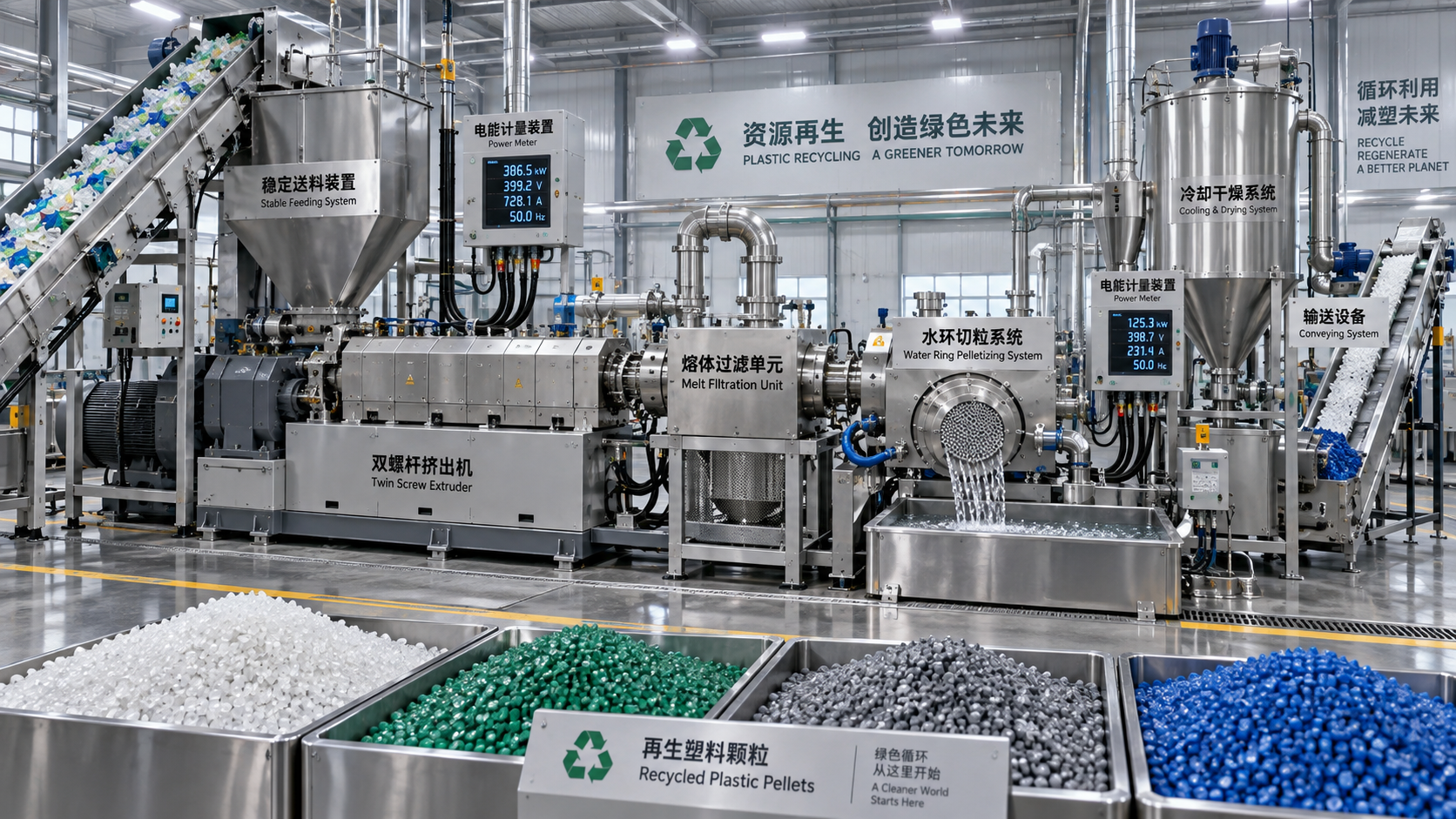
- Twin-screw extrusion requires close control over compounding windows when virgin resin is partially replaced by recycled content or additive-rich blends.
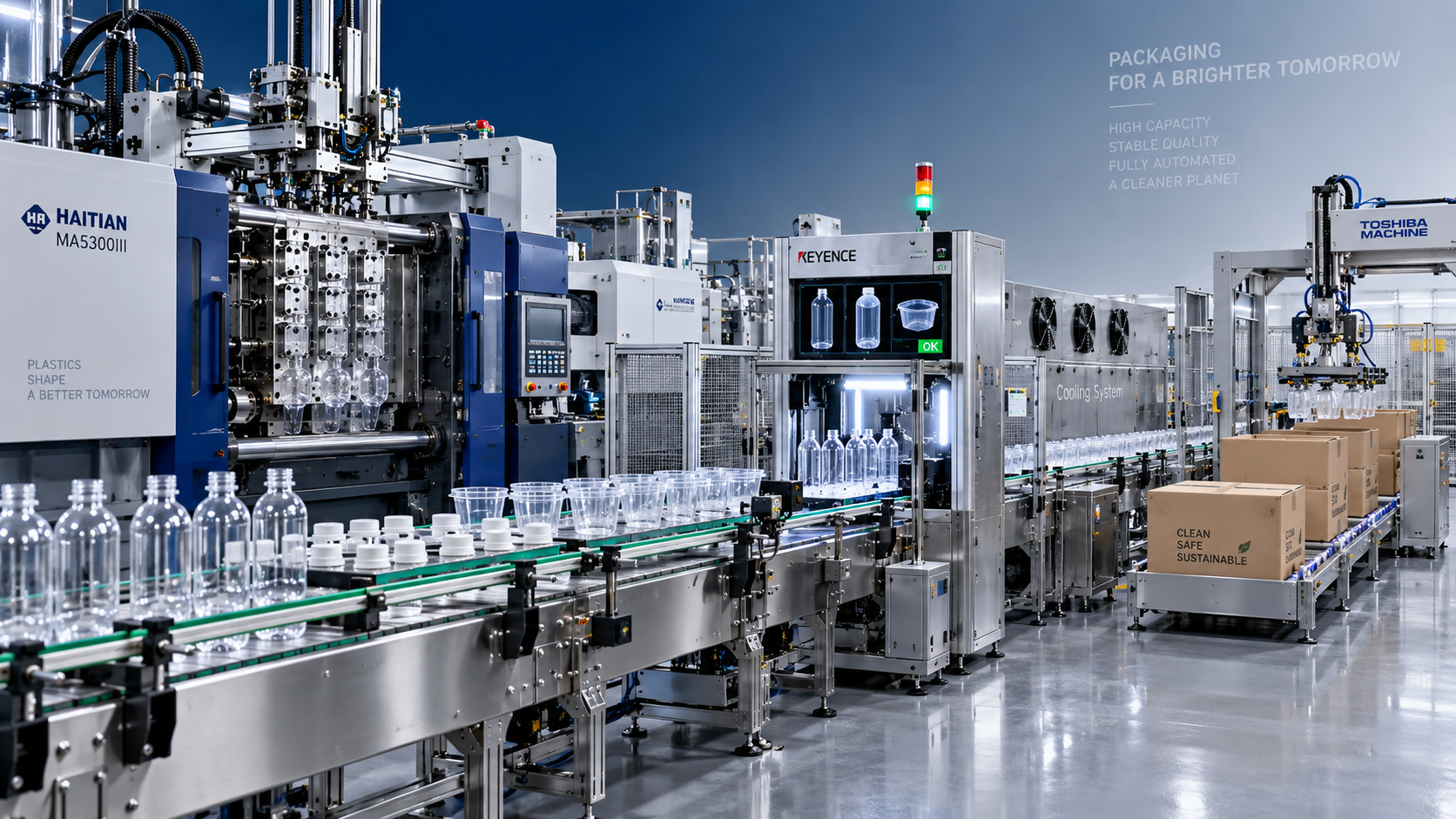
- Blow molding lines face productivity risk if substitute resin grades alter melt strength, bottle clarity, or top-load performance.
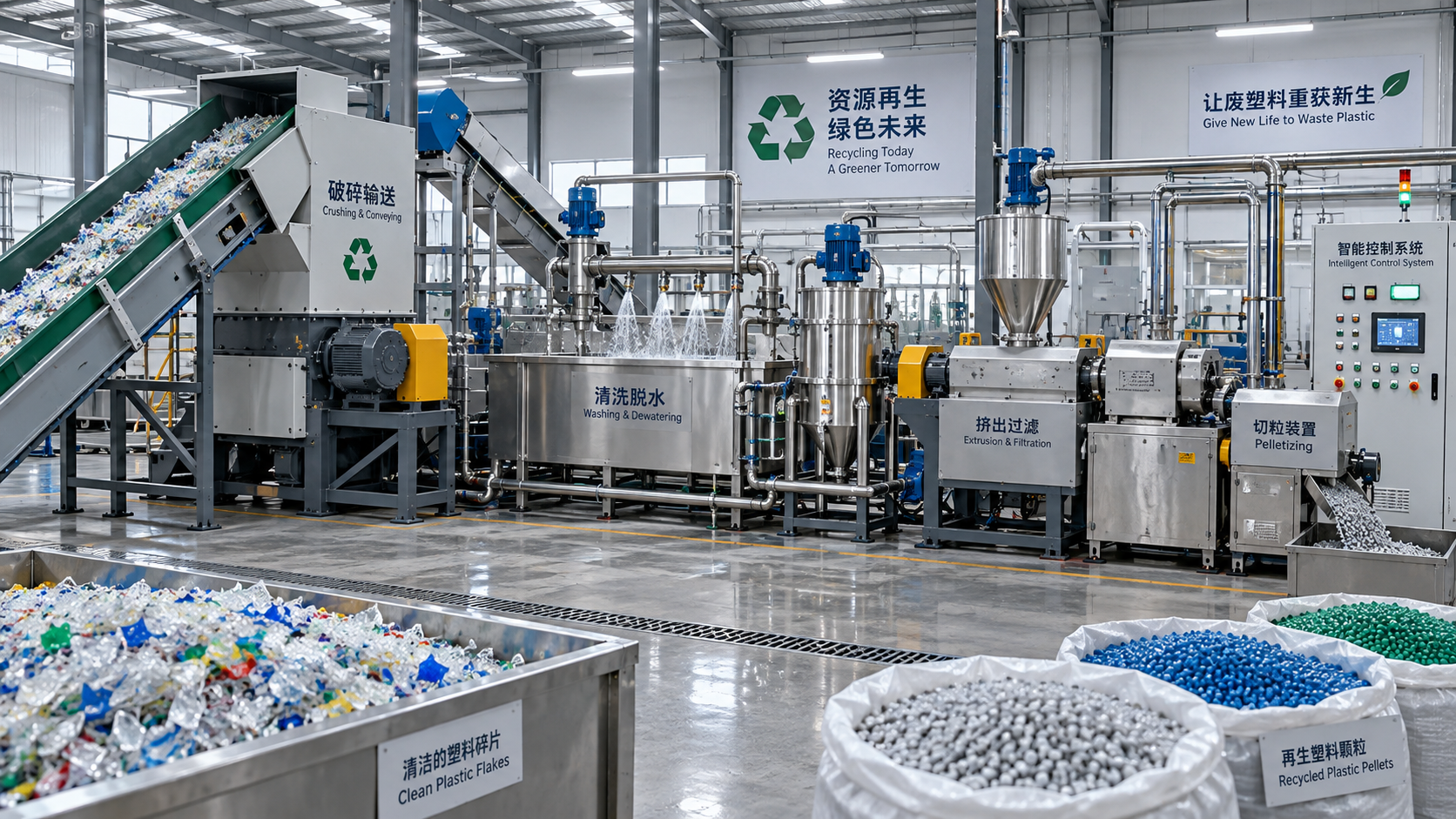
- Waste plastic pelletizing systems become strategically valuable when in-house recovery helps offset virgin resin supply chain exposure.
Virgin resin versus recycled and hybrid sourcing: what is the practical comparison?
For business evaluators, the key question is not whether virgin resin will disappear. It is whether a single-source virgin strategy remains acceptable in applications where compliance, cost swings, and customer ESG demands are increasing. The comparison below supports that judgment.
The practical takeaway is clear: virgin resin still matters, but resilience increasingly comes from optionality. PFRS sees more buyers evaluating not only resin suppliers, but also the processing equipment and filtration systems needed to widen usable material windows.
Where substitution works, and where it fails
Substitution is most feasible in less critical packaging, transport packaging, housewares, and some extruded products. It is harder in transparent containers, precision medical components, optical parts, and applications requiring narrowly controlled mechanical or migration performance.
That is why the virgin resin supply chain remains a board-level concern. Even companies committed to circularity often need virgin material for property stabilization, color control, seal integrity, or regulatory assurance.
What procurement signals indicate rising supply risk?
Business evaluators need early-warning indicators, not just quarterly price reports. The virgin resin supply chain usually reveals stress through patterns that appear before a full shortage is visible in production plants.
Early-warning checklist
- Repeated changes in supplier validity periods, especially when quotes shrink from monthly to weekly windows.
- Longer lead times for common grades without a matching demand surge in your end market.
- Growing use of allocation language, shipment prioritization, or substitute-grade offers.
- Inconsistent lot documentation for food contact, recycled content declarations, or traceability statements.
- Higher freight surcharges or unexpected warehouse transfer costs embedded into resin offers.
These signals matter because they affect not just landed cost, but scheduling confidence. When the virgin resin supply chain weakens, procurement teams often spend more time firefighting and less time qualifying strategic alternatives.
How to score suppliers more realistically
A low price is not enough. Evaluators should score resin suppliers across continuity, technical fit, compliance transparency, logistics flexibility, and substitution readiness. This is especially important when downstream equipment is sensitive to melt flow variation or contamination risk.
- Continuity: multi-site production, safety stock, and regional warehousing.
- Technical fit: consistency in MFI, density, moisture behavior, additive package, and processing window.
- Compliance: food-contact declarations, packaging documentation, and traceability support where relevant.
- Recovery options: ability to integrate regrind, recycled pellets, or certified circular alternatives when needed.
How should companies respond: sourcing, equipment, or process redesign?
The best response to virgin resin supply chain fragility is rarely a single action. In most cases, resilience comes from a coordinated plan involving procurement, process engineering, quality, and capital equipment strategy.
PFRS is well positioned in this conversation because resin risk is inseparable from polymer processing reality. A company cannot broaden sourcing options if its machinery cannot hold tolerances with alternative materials, or if filtration and degassing are inadequate for recycled streams.
A practical decision path for business evaluators
The table below turns virgin resin supply chain analysis into an action-oriented framework. It helps determine whether the right response is supplier diversification, process adaptation, or investment in circular capability.
This is where equipment intelligence becomes commercially important. PFRS tracks how all-electric injection systems, high-response extrusion platforms, advanced melt filtration, and underwater pelletizing technologies can reduce the penalty of moving away from a virgin-only model.
Implementation priorities
- Qualify at least one secondary resin source for critical grades before an emergency occurs.
- Map each product family by substitution tolerance, distinguishing cosmetic, mechanical, and regulated requirements.
- Review machine capability for moisture control, mixing, degassing, filtration, and pressure stability under alternative feedstocks.
- Align procurement contracts with technical trial plans so sourcing decisions are supported by process evidence.
What are the most common misconceptions about the virgin resin supply chain?
“If prices are soft, supply risk is low.”
Not necessarily. Temporary price softness can coexist with structural fragility. Oversupply in one region may hide dependence on a few upstream assets, while compliance restrictions continue to narrow usable grade options in packaging and technical applications.
“Recycled resin can replace virgin material everywhere.”
That is unrealistic. Many applications still require virgin material for clarity, consistency, odor control, migration compliance, impact performance, or process stability. The smarter strategy is targeted substitution backed by equipment readiness and QC discipline.
“Procurement can solve the issue without engineering involvement.”
In 2026, that approach is too narrow. The virgin resin supply chain affects screw design, temperature profile management, residence time, holding pressure behavior, filtration efficiency, and scrap recovery economics. Procurement needs close coordination with process and quality teams.
FAQ: what do business evaluators ask most often?
How can we tell if our virgin resin supply chain exposure is too high?
Start with concentration risk. If a critical grade depends on one supplier, one region, or one regulatory pathway, exposure is high. Add logistics dependence and process inflexibility, and the risk becomes strategic rather than routine.
Which applications should remain virgin-first?
Virgin-first strategies usually remain appropriate where validated performance is tightly regulated or visually critical, such as medical components, optical parts, certain food-contact packaging, and precision engineering products. Even there, backup sourcing plans are essential.
When does in-house recycling make financial sense?
It becomes attractive when internal scrap volumes are stable, quality sorting is manageable, and the recovered material can be reintroduced into suitable applications without excessive requalification cost. Pelletizing, washing, filtration, and process control must be assessed together.
What should we ask resin suppliers in 2026 contract reviews?
Ask about production footprint, alternative plants, inventory strategy, lot traceability, documentation support, grade-change protocols, and how the supplier handles disruptions. Also ask whether substitute grades have been pre-tested for your process window.
Why choose us for virgin resin supply chain evaluation and polymer processing insight?
PFRS connects resin market turbulence with real manufacturing consequences. That matters because the virgin resin supply chain cannot be evaluated in isolation from injection molding precision, extrusion rheology, blow molding productivity, vulcanization demands, and recycling system capability.
Our intelligence approach is useful for business evaluators who need more than price commentary. We help frame decisions around material risk, equipment adaptability, compliance pressure, and circular transition feasibility across the polymer lifecycle.
- Parameter confirmation for resin-processing compatibility, including viscosity sensitivity, filtration requirements, and melt handling limits.
- Product selection guidance for injection molding, extrusion, blow molding, or pelletizing systems that must handle wider material variability.
- Delivery cycle discussion tied to equipment sourcing, qualification timing, and procurement planning windows.
- Custom solution review for in-house recycling lines, process upgrades, and hybrid virgin-recycled material strategies.
- Certification and documentation support guidance for packaging compliance, traceability needs, and customer audit preparation.
- Quotation communication structured around technical constraints, not just headline capex or resin price assumptions.
If your team is reviewing virgin resin supply chain exposure for 2026, contact us with your material type, processing method, annual volume range, compliance target, and current sourcing pain points. PFRS can help you compare sourcing options, identify process bottlenecks, and clarify where equipment or recycling investments may reduce long-term procurement risk.
Related News
- 00
0000-00
What Drives Underwater Pelletizing System Cost in High-Throughput Compounding? - 00
0000-00
Medical Molding for Lab Consumables: Choosing Processes for Low-Particle Parts - 00
0000-00
Smart Factory Costs for Plastics: Estimating ROI for Automation Projects - 00
0000-00
How to Evaluate a Packaging Molding Equipment Supplier for High-Volume Production - 00
0000-00
Where Recycled Plastic Innovation Delivers the Biggest Value in Packaging
Weekly Insights
Stay ahead with our curated technology reports delivered every Monday.
Related News
 Ms. Elena RodriguezSmart Factory Costs for Plastics: Estimating ROI for Automation ProjectsSmart factory for plastics cost: learn how to estimate automation ROI, uncover hidden integration expenses, reduce scrap, and build a phased investment plan.Oct 10, 2026
 Ms. Elena RodriguezHow to Evaluate a Packaging Molding Equipment Supplier for High-Volume ProductionChoose a packaging molding equipment supplier with confidence. Learn how to assess throughput stability, tooling, recycled-material capability, lifecycle cost, and service support for high-volume production.Oct 09, 2026
 Ms. Elena RodriguezHow to Select Packaging Molding Equipment for High-Volume Production LinesPackaging molding equipment selection guide for high-volume lines: compare processes, throughput, materials, automation, and energy to achieve stable, cost-effective output.Oct 04, 2026
 Ms. Elena RodriguezHow to Evaluate Plastic Recycling Machinery for UAE Heat, Feedstock, and Output NeedsPlastic recycling machinery UAE buyers: evaluate heat resilience, feedstock handling, cooling, pellet quality, energy use, and lifecycle cost for reliable output.Sep 28, 2026
 Ms. Elena RodriguezGerman Extrusion Equipment Suppliers: Comparing Service, Lead Times, and Lifecycle CostExtrusion equipment Germany suppliers compared: evaluate service coverage, credible lead times, spare-parts access, and lifecycle cost to select a reliable, future-ready production partner.Sep 22, 2026
 Ms. Elena RodriguezWhat Should You Check Before Buying a Used Plastic Recycling Line?What should I check before buying a used plastic recycling line? Explore feedstock fit, wear, trials, utilities, controls, and restoration costs before you invest.Sep 26, 2026
 Ms. Elena RodriguezHow to Compare Pelletizing Lines by Energy Use per TonHow do I compare pelletizing lines by kWh per ton? Learn to measure total energy, verify saleable output, and select a cost-efficient line.Sep 23, 2026
 Ms. Elena RodriguezTyre Cutter Blade Wear: When Capacity Loss Needs Inspectionшинорез blade wear can quietly reduce tyre-cutting capacity. Learn the warning signs, inspection triggers, and maintenance actions that protect output and uptime.Sep 28, 2026
 Ms. Elena RodriguezIn-House Recycling for Factory Scrap: How to Reduce Material Waste and Disposal CostsIn house recycling for factory scrap helps manufacturers cut material waste, reduce disposal costs, and create controlled, quality-focused reuse loops.Sep 07, 2026
 Ms. Elena RodriguezHow Recyclable Packaging Manufacturing Balances Material Recovery and Production CostRecyclable packaging manufacturing: discover how smarter design, feedstock control, and process optimization reduce recovery costs while improving quality and yield.Sep 04, 2026
 Ms. Elena RodriguezHow to Evaluate a Plastic Recycling Systems Supplier for Your Processing NeedsChoose the right plastic recycling systems supplier with a practical guide to feedstock fit, output quality, total cost, testing, service, and compliance.Sep 01, 2026
 Ms. Elena RodriguezCE Marking for Plastic Processing Equipment: Documentation and Safety ChecksPlastic processing equipment CE compliance: learn the essential documentation, risk assessments, safety checks, and validation steps for reliable EU market access.Aug 30, 2026
 Ms. Elena RodriguezPlastic Packaging Compliance Standards: What Tests and Documents Matter Most?Plastic packaging compliance standards explained: learn which migration tests, mechanical checks, and audit-ready documents matter most to reduce risk and pass reviews with confidence.Aug 25, 2026
 Ms. Elena RodriguezHow to Evaluate a Plastic Waste Recycling System for Capacity, Contamination, and ROIPlastic waste recycling system evaluation made practical: compare true capacity, contamination control, and ROI to choose a line that delivers stable output and stronger returns.Aug 24, 2026
 Ms. Elena RodriguezPackaging Molding Equipment Price: What Drives Cost and How to Compare Quotes?Packaging molding equipment price varies by machine type, automation, tooling, energy use, and service scope. Learn what drives cost and how to compare quotes with confidence.Aug 21, 2026
 Ms. Elena RodriguezWhat Packaging Machinery for Plastic Containers Should You Choose for High-Volume Production?Packaging machinery for plastics containers can make or break high-volume production. Learn how to choose the right line for speed, consistency, compliance, and lower lifecycle costs.Aug 16, 2026
 Ms. Elena RodriguezWhat Circular Plastics Mean for Automotive Parts and Material SelectionCircular plastics for automotive are reshaping part selection with lower weight, better sustainability, and reliable performance. Discover how engineers balance recycled content, durability, and compliance.Aug 15, 2026
 Ms. Elena RodriguezBroiler Farming in Cage System: Selection Factors for Commercial FarmsBroiler farming in cage system selection for commercial farms: compare structure, ventilation, automation, and manure handling to improve efficiency and avoid costly mistakes.Aug 14, 2026
 Ms. Elena RodriguezHow to Implement Smart Polymer Manufacturing Without Disrupting Existing Production?Smart polymer manufacturing implementation made practical: learn how to upgrade existing production with phased digitalization, less downtime, better control, and measurable ROI.Aug 11, 2026
 Ms. Elena RodriguezHow to Evaluate a Rubber Compression Molding Supplier for Complex Part ProductionRubber compression molding supplier selection for complex parts starts with process, material, and tooling control. Learn how to compare vendors beyond price and reduce launch risk.Aug 10, 2026