Can the virgin resin supply chain stay reliable in 2026?




Can the virgin resin supply chain stay reliable in 2026?
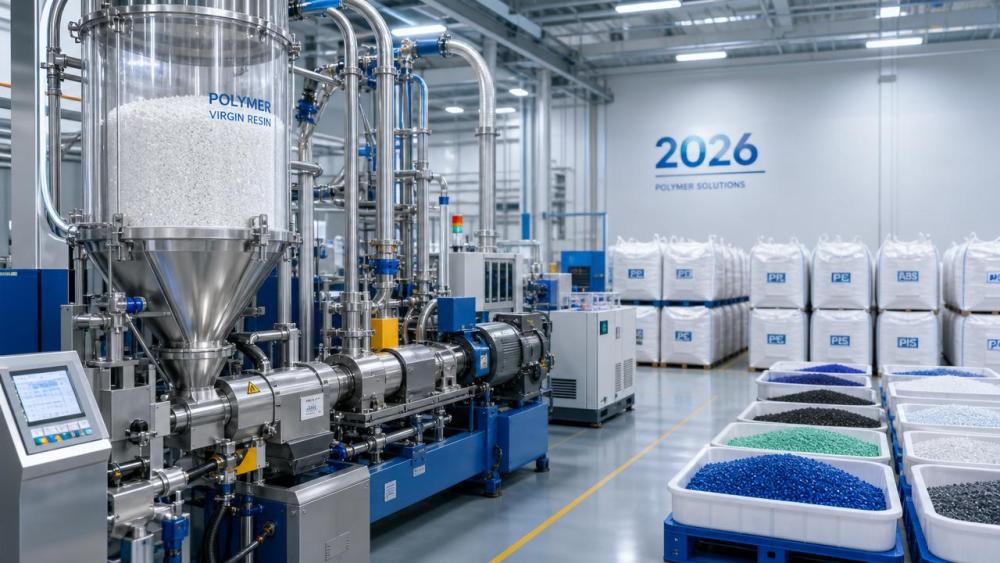
As manufacturers plan capacity, pricing, and procurement strategies for 2026, the reliability of the virgin resin supply chain is becoming a board-level concern.
Feedstock volatility, geopolitical friction, tighter packaging rules, and rising demand for recycled alternatives are reshaping how polymer processors evaluate risk.
For business assessment teams, understanding these shifts is essential for protecting margins, qualifying machinery investments, and building resilient material strategies.
The issue reaches injection molding, extrusion, blow molding, rubber processing, and waste plastic pelletizing operations.
Why 2026 Makes the Virgin Resin Supply Chain a Scenario-Based Risk
The virgin resin supply chain is no longer evaluated only by annual contract price or supplier location.
Reliability now depends on crude derivatives, natural gas liquids, refinery utilization, logistics corridors, and regulatory pressure on plastic packaging.
In 2026, the same resin shortage may affect sectors differently because processing windows, quality tolerance, and substitution options vary.
A medical component line may prioritize certified resin continuity, while a film extrusion line may focus on stable melt flow.
A bottle producer may need fast-grade switching, while a recycler may benefit from rising demand for blended materials.
Therefore, the virgin resin supply chain should be judged through application scenarios, not through one broad market forecast.
Scenario 1: Precision Injection Molding Needs Resin Consistency First
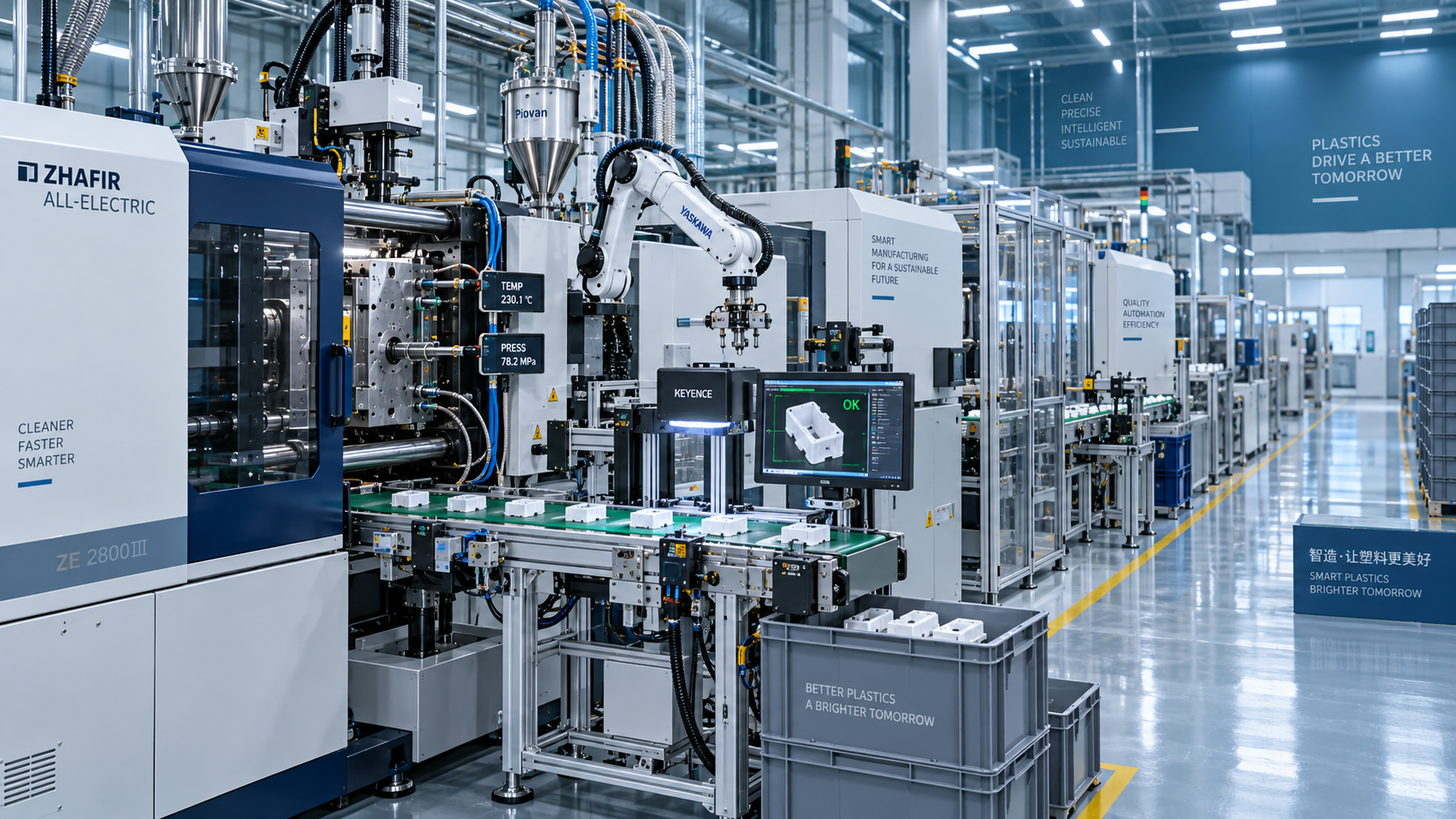
Precision injection molding depends on repeatable viscosity, low contamination, and narrow batch variation.
For optical parts, medical devices, connectors, and automotive components, small resin shifts can disrupt dimensional tolerance.
Here, virgin resin supply chain reliability is measured by certification stability and batch traceability.
Price volatility matters, but unplanned requalification can create larger losses than resin cost increases.
The core judgment is whether approved grades can remain available across multiple production regions.
All-electric machines, servo control, and AI holding-pressure optimization help absorb limited material variation.
However, equipment control cannot fully compensate for unstable polymer chemistry or inconsistent additives.
Scenario 2: Extrusion Lines Feel Supply Risk Through Throughput Loss
Extrusion plants convert supply uncertainty into output risk faster than many batch processes.
Pipe, sheet, profile, cable, and agricultural film lines often run continuously for long production campaigns.
When the virgin resin supply chain becomes unstable, the impact appears as downtime, scrap, die buildup, and customer delivery delays.
Twin-screw compounding can increase flexibility by blending additives, fillers, and recycled content more precisely.
Yet substitution must be tested against torque, shear heating, pressure stability, and final mechanical performance.
The most useful scenario test is not only resin availability, but how quickly recipes can be validated.
A reliable virgin resin supply chain supports predictable melt behavior, which protects extrusion energy efficiency and product certification.
Scenario 3: Blow Molding Faces Packaging Compliance Pressure
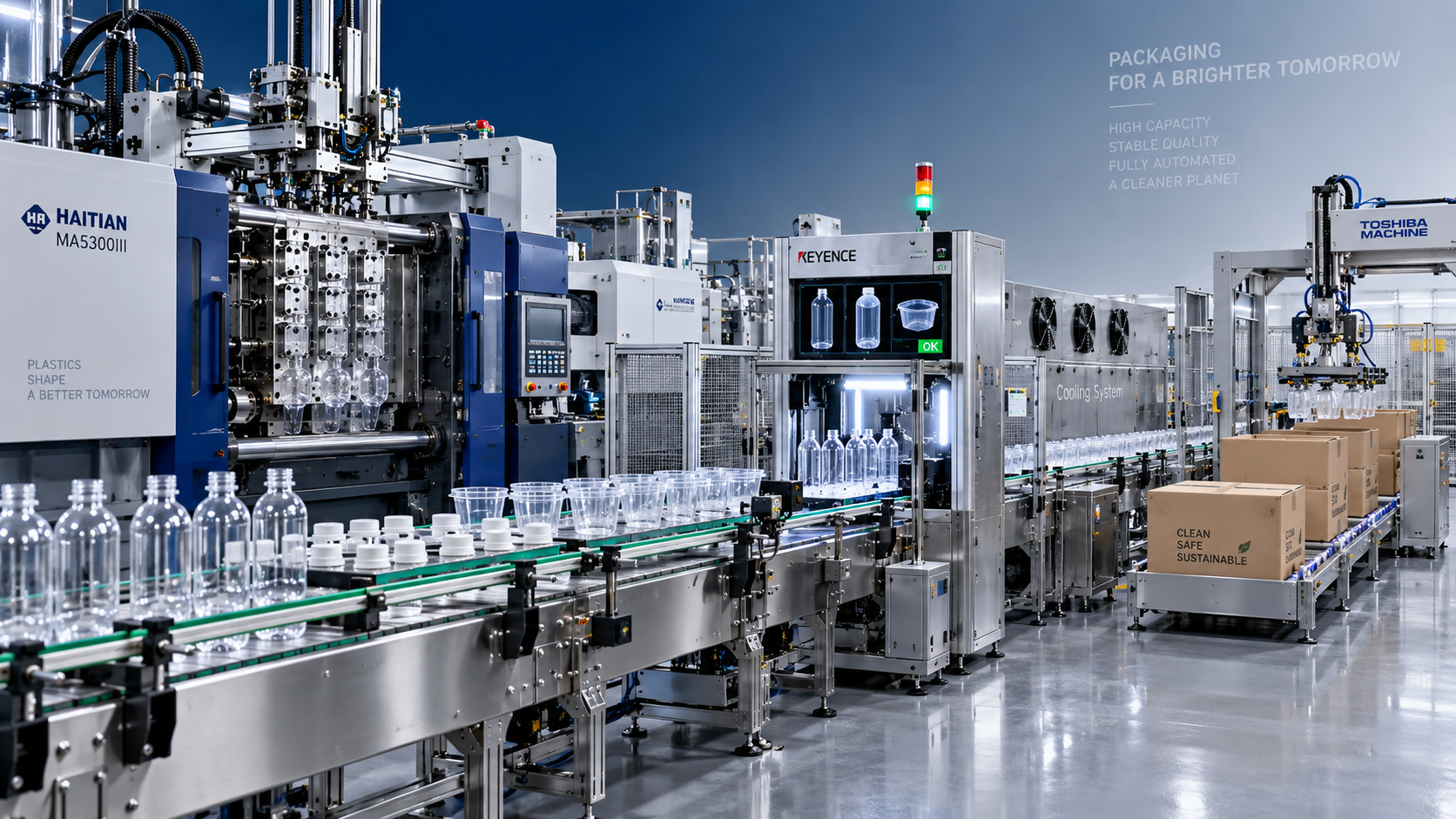
Blow molding is closely tied to beverage, cosmetics, household chemical, and medical packaging demand.
These markets are exposed to recycled-content mandates, lightweighting goals, and brand-level carbon commitments.
The virgin resin supply chain remains critical because food-contact compliance and clarity requirements are difficult to replace completely.
However, 2026 planning must assume that virgin PET, HDPE, and PP will compete with rPET and rPE demand.
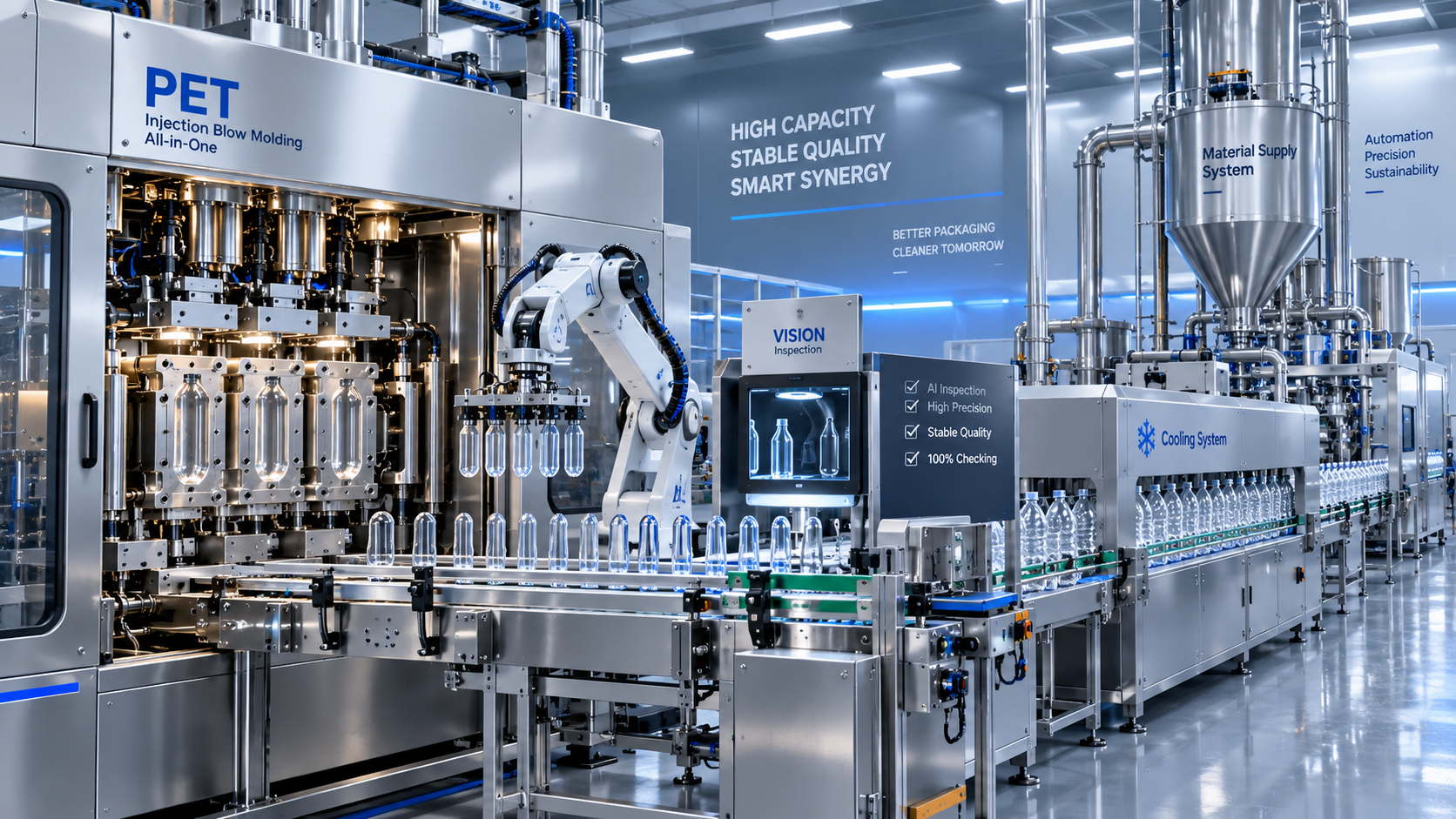
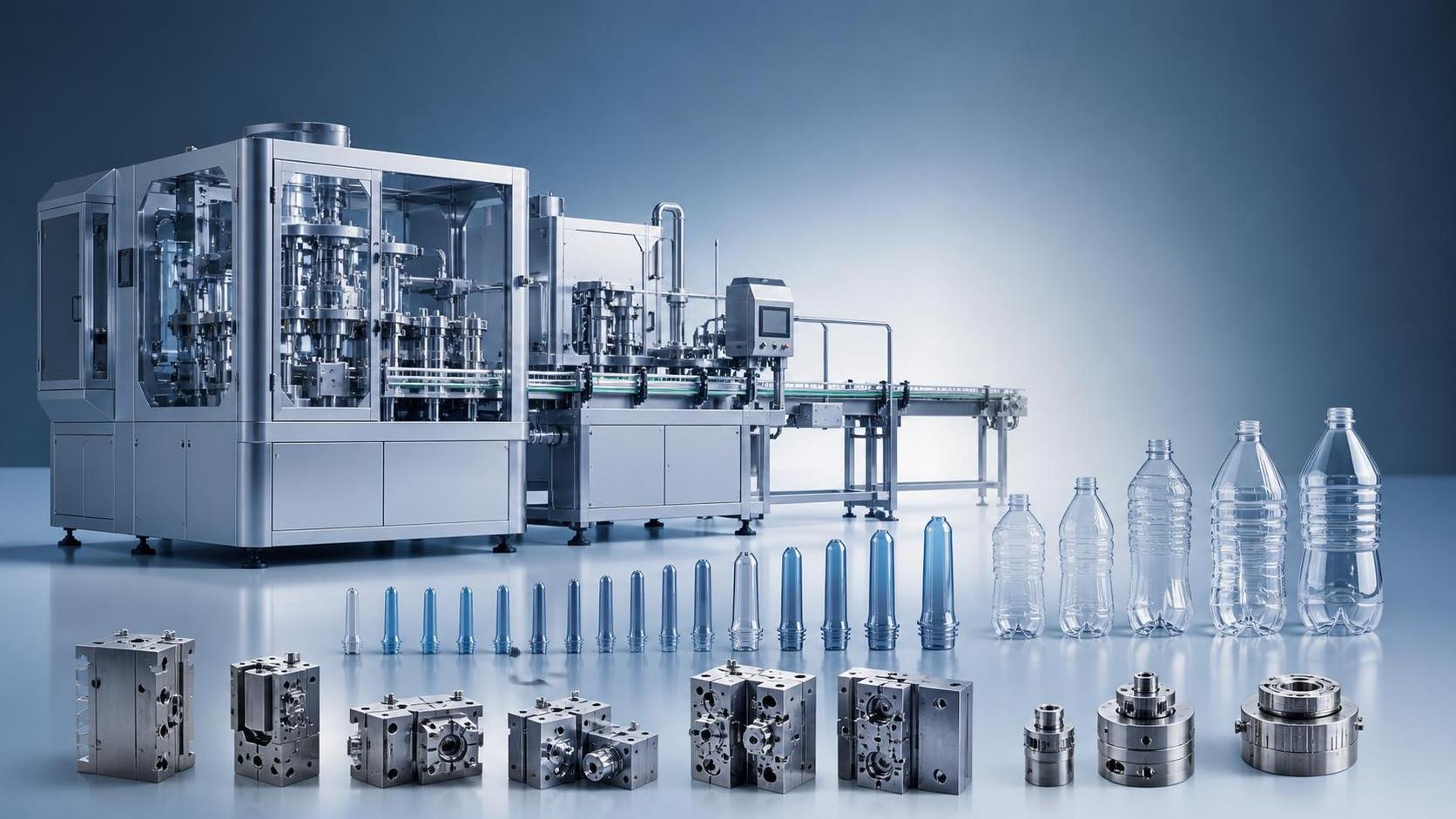
High-speed stretch blow molding lines need stable preform quality, IV control, and predictable reheating behavior.
A fragile virgin resin supply chain can force frequent parameter resets and higher rejection rates.
The strongest response is material strategy plus machine flexibility, not either factor alone.
Scenario 4: Rubber and Elastomer Processing Needs Specialty Feedstock Visibility
Rubber vulcanization relies on elastomers, fillers, oils, accelerators, and curing systems with specialized sourcing patterns.
Although not always discussed as plastics, these materials face similar upstream and logistics exposure.
For tires, seals, hoses, and vibration-control parts, supply reliability is linked to performance certification.
A disruption in the virgin resin supply chain can also tighten substitute elastomer markets.
Vulcanizing equipment must maintain temperature, pressure, and cycle stability when compound adjustments occur.
The decision point is whether material alternates can pass fatigue, compression set, and aging requirements.
In this scenario, supplier diversity should include compound expertise, not only purchase contracts.
Scenario 5: Recycling Lines Become a Strategic Hedge
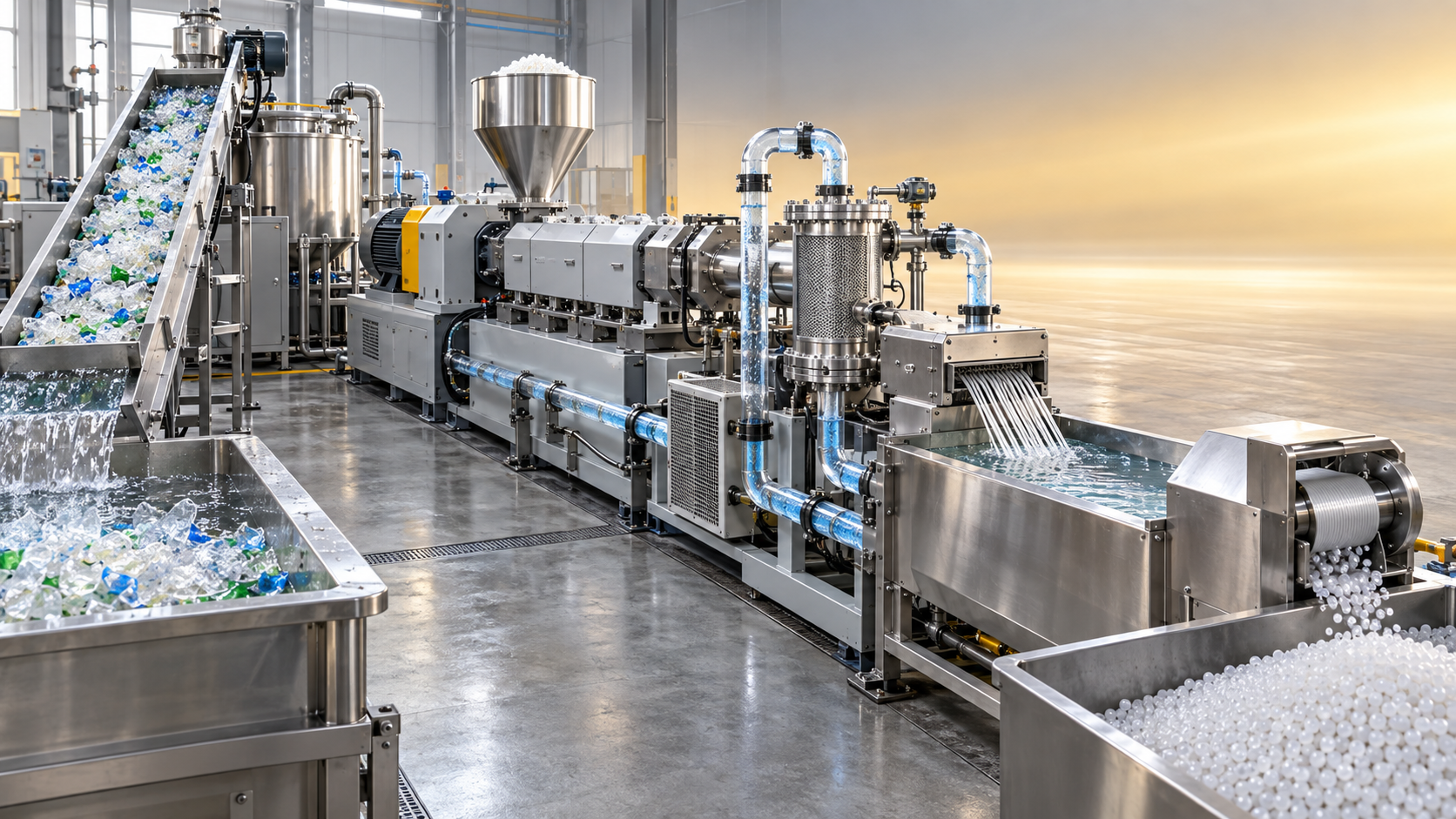
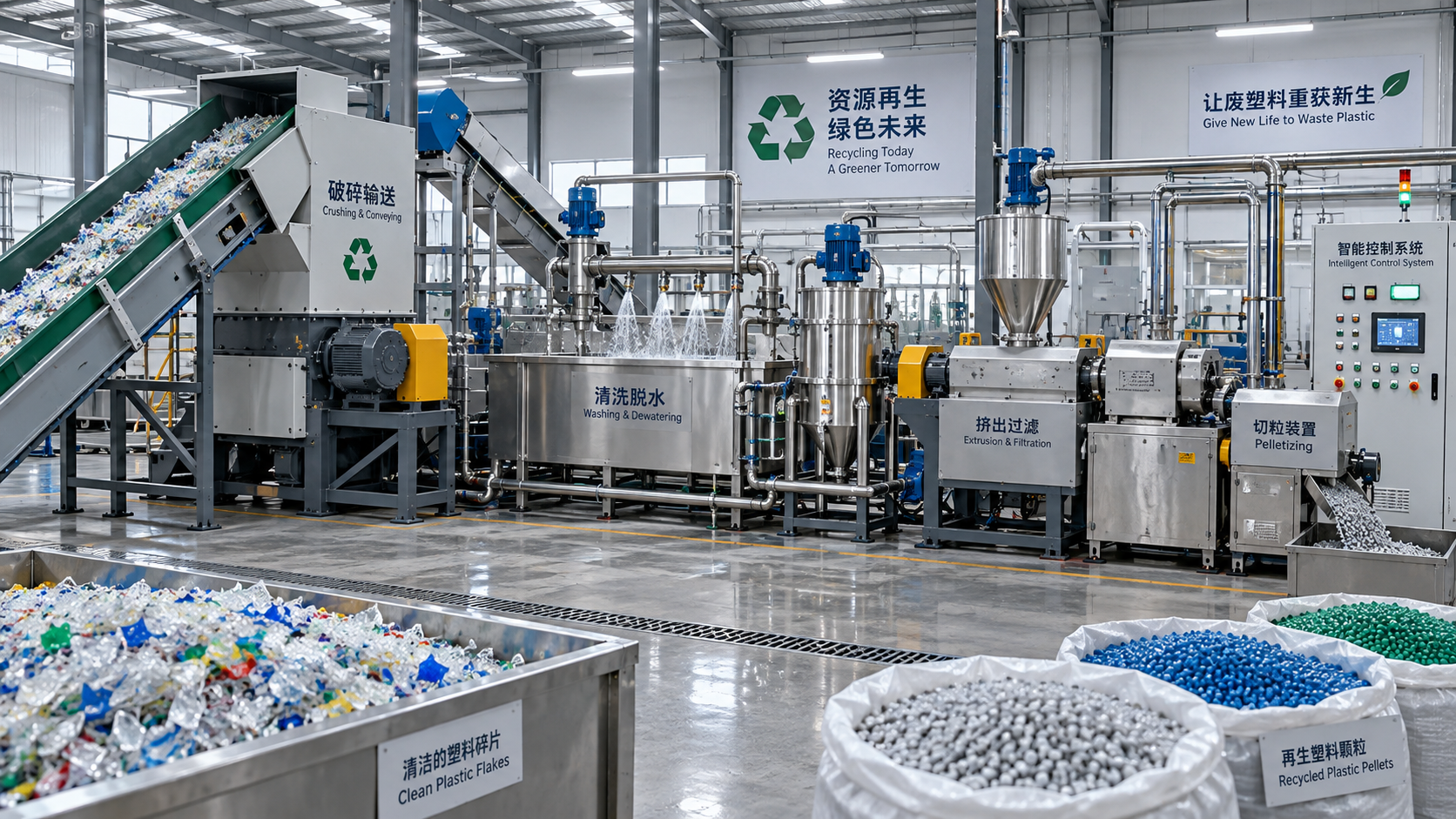
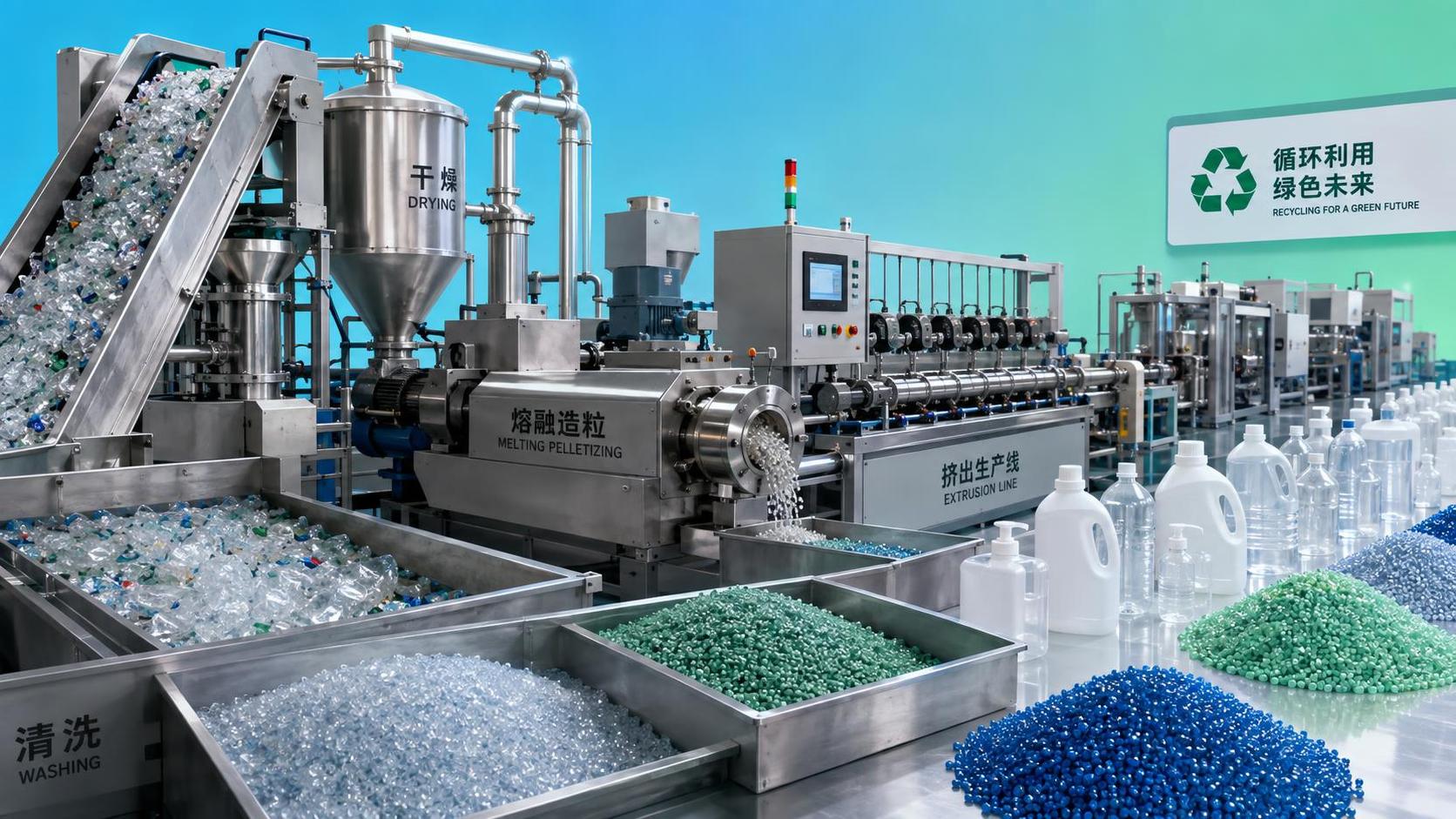
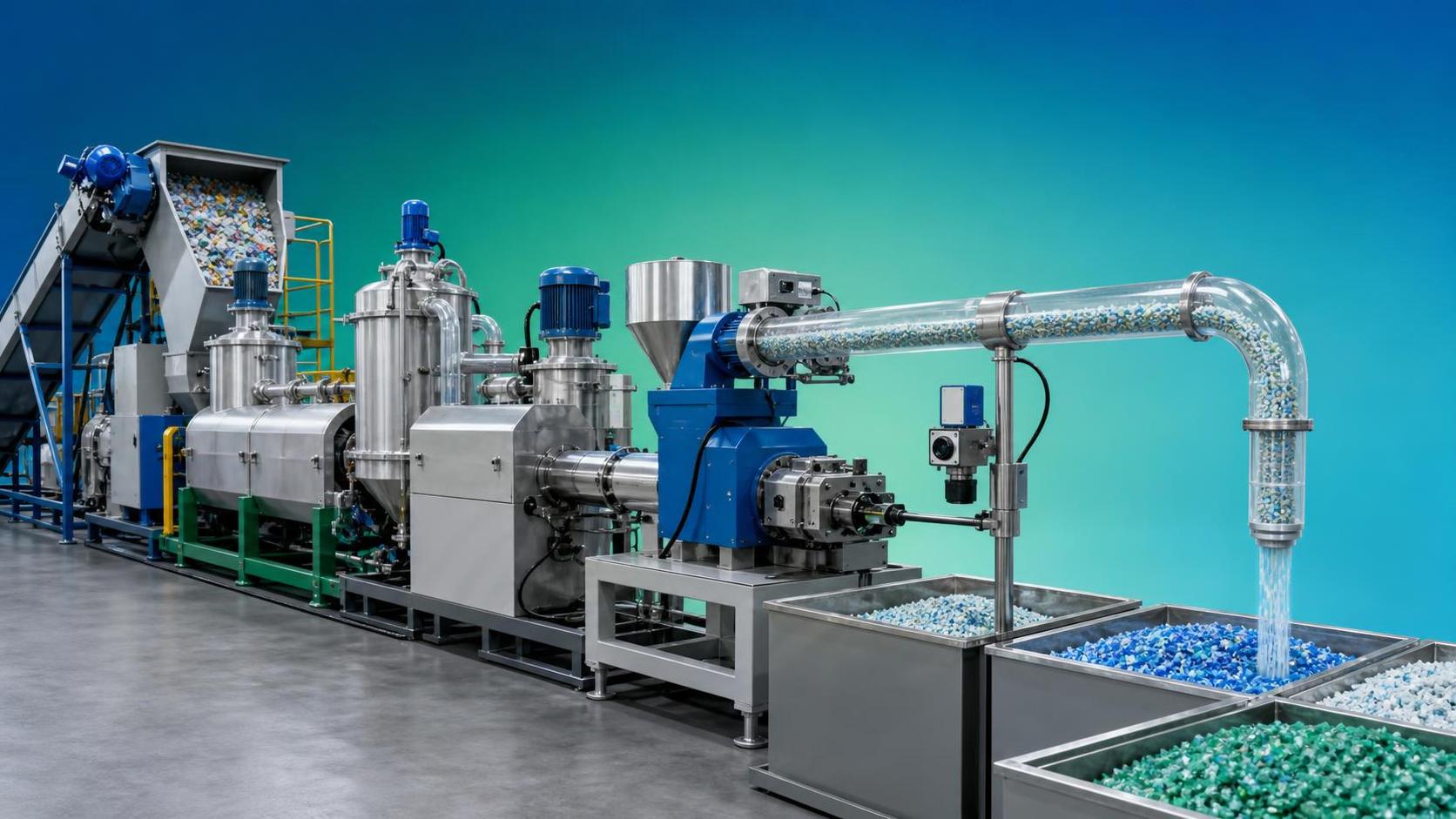
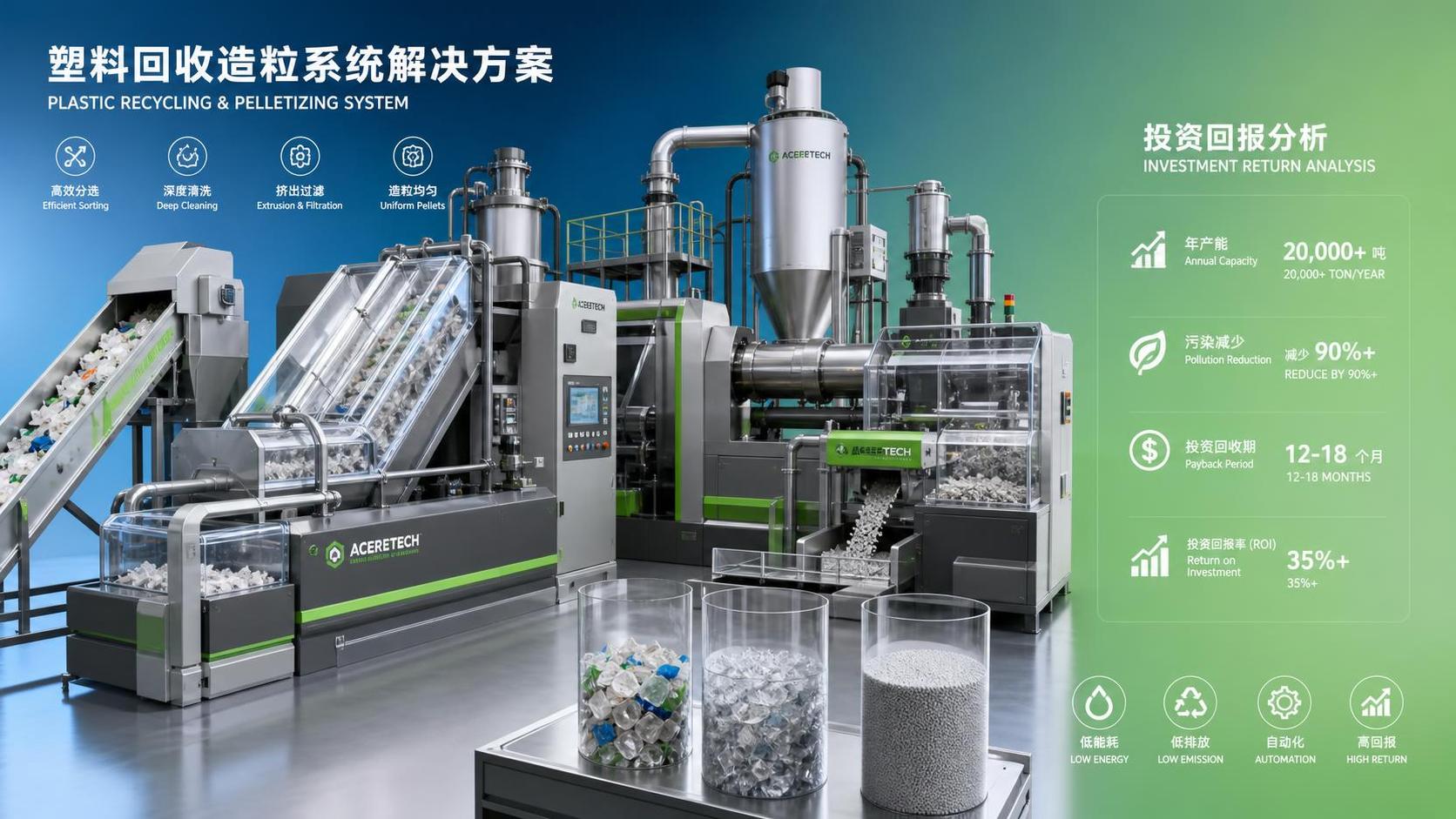
Waste plastic pelletizing systems are moving from compliance tools to supply-chain stabilizers.
When the virgin resin supply chain becomes volatile, recycled pellets can reduce exposure for selected applications.
This is especially relevant for packaging, construction products, logistics goods, and non-food-contact molded parts.
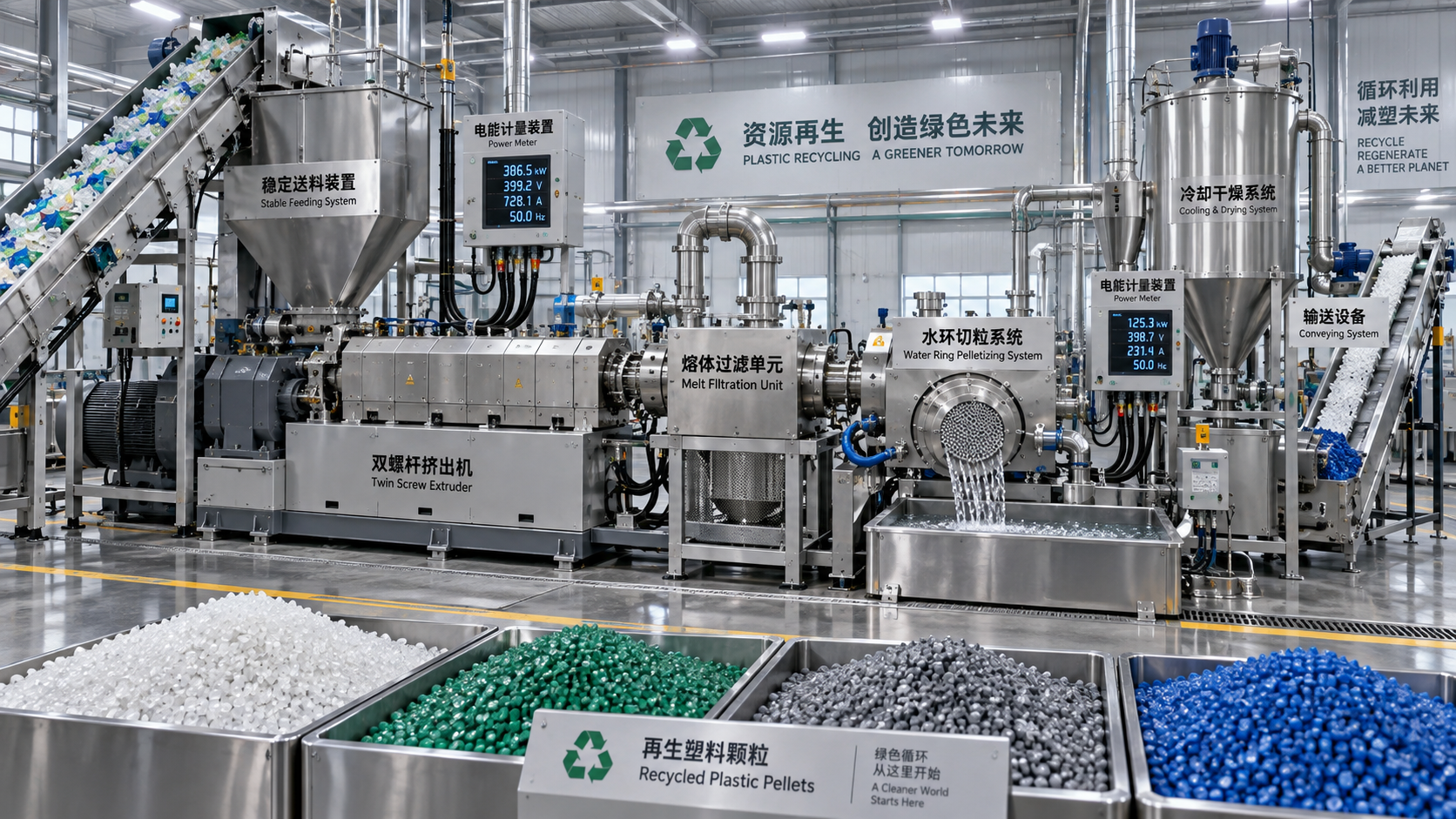
The hedge is only effective when washing, filtration, degassing, and pelletizing technology meet quality targets.
Nano-level melt filtration, odor reduction, and online viscosity monitoring improve recycled-material usability.
Still, recycled resin cannot automatically replace virgin grades in regulated or high-precision applications.
The practical goal is a controlled blend portfolio that reduces dependence on the virgin resin supply chain.
How Demand Differences Appear Across Processing Scenarios
The table shows why one procurement answer cannot fit every polymer-processing operation.
Each process converts virgin resin supply chain disruption into a different operational cost.
Scenario Adaptation Actions for 2026 Planning
- Map critical resin grades by machine, mold, die, product family, and certification requirement.
- Build dual-source options for high-volume grades and protected-source plans for regulated materials.
- Test recycled-content blends before shortages force emergency substitutions.
- Use process data to define acceptable melt flow, moisture, IV, ash, and contamination limits.
- Evaluate machinery upgrades that improve material tolerance, energy efficiency, and rapid changeover capability.
These actions strengthen resilience without assuming that the virgin resin supply chain will fail.
They also prevent overreaction, where excessive safety stock ties up capital and masks technical weaknesses.
The best strategy combines supplier intelligence, machine capability, and material qualification discipline.
Common Misjudgments When Assessing Reliability
One common mistake is treating low spot prices as proof of stable supply.
A cheap resin market can still hide freight congestion, plant outages, or geopolitical restrictions.
Another mistake is assuming recycled resin always reduces risk.
Recycled pellets require quality control, feedstock availability, and processing compatibility before they become a dependable substitute.
A third mistake is separating machinery investment from material strategy.
Modern injection molding, extrusion, blow molding, vulcanization, and pelletizing systems influence how much material variation can be absorbed.
Ignoring this connection weakens any forecast of virgin resin supply chain reliability.
What PFRS Will Watch Most Closely
PFRS tracks polymer processing through machinery, materials, and circular-economy intelligence.
For 2026, the most important signals include feedstock spreads, resin capacity changes, packaging legislation, and recycling-grade availability.
Equally important are technical indicators from processing floors.
These include screw torque, melt pressure variation, molding reject rates, drying performance, filtration load, and energy consumption.
Together, these signals reveal whether the virgin resin supply chain is merely expensive or genuinely unreliable.
The answer for 2026 is conditional.
The virgin resin supply chain can stay reliable for prepared operations with validated alternatives and flexible equipment.
It will feel unreliable where single-source dependence, rigid specifications, and weak process data remain unresolved.
Action Guide: Build a Material Resilience Plan Now
A practical next step is a resin-risk workshop across material, process, compliance, and equipment data.
Rank every critical product by substitution difficulty, customer approval burden, and machine sensitivity.
Then compare supplier exposure with internal capabilities such as drying, dosing, filtration, compounding, and pelletizing.
This creates a clear map for reducing dependence on the virgin resin supply chain without sacrificing quality.
PFRS continues to connect polymer rheology, smart machinery, and circular material strategy.
The goal is simple: keep production stable, protect margins, and close the ecological loop with technical confidence.
Related News
- 00
0000-00
Tire Manufacturing Equipment: Choosing Curing Presses by Tire Size and Output - 00
0000-00
What Drives Underwater Pelletizing System Cost in High-Throughput Compounding? - 00
0000-00
Medical Molding for Lab Consumables: Choosing Processes for Low-Particle Parts - 00
0000-00
Smart Factory Costs for Plastics: Estimating ROI for Automation Projects - 00
0000-00
How to Evaluate a Packaging Molding Equipment Supplier for High-Volume Production
Weekly Insights
Stay ahead with our curated technology reports delivered every Monday.
Related News
 Ms. Elena RodriguezSmart Factory Costs for Plastics: Estimating ROI for Automation ProjectsSmart factory for plastics cost: learn how to estimate automation ROI, uncover hidden integration expenses, reduce scrap, and build a phased investment plan.Oct 10, 2026
 Ms. Elena RodriguezHow to Evaluate a Packaging Molding Equipment Supplier for High-Volume ProductionChoose a packaging molding equipment supplier with confidence. Learn how to assess throughput stability, tooling, recycled-material capability, lifecycle cost, and service support for high-volume production.Oct 09, 2026
 Ms. Elena RodriguezHow to Select Packaging Molding Equipment for High-Volume Production LinesPackaging molding equipment selection guide for high-volume lines: compare processes, throughput, materials, automation, and energy to achieve stable, cost-effective output.Oct 04, 2026
 Ms. Elena RodriguezHow to Evaluate Plastic Recycling Machinery for UAE Heat, Feedstock, and Output NeedsPlastic recycling machinery UAE buyers: evaluate heat resilience, feedstock handling, cooling, pellet quality, energy use, and lifecycle cost for reliable output.Sep 28, 2026
 Ms. Elena RodriguezGerman Extrusion Equipment Suppliers: Comparing Service, Lead Times, and Lifecycle CostExtrusion equipment Germany suppliers compared: evaluate service coverage, credible lead times, spare-parts access, and lifecycle cost to select a reliable, future-ready production partner.Sep 22, 2026
 Ms. Elena RodriguezWhat Should You Check Before Buying a Used Plastic Recycling Line?What should I check before buying a used plastic recycling line? Explore feedstock fit, wear, trials, utilities, controls, and restoration costs before you invest.Sep 26, 2026
 Ms. Elena RodriguezHow to Compare Pelletizing Lines by Energy Use per TonHow do I compare pelletizing lines by kWh per ton? Learn to measure total energy, verify saleable output, and select a cost-efficient line.Sep 23, 2026
 Ms. Elena RodriguezTyre Cutter Blade Wear: When Capacity Loss Needs Inspectionшинорез blade wear can quietly reduce tyre-cutting capacity. Learn the warning signs, inspection triggers, and maintenance actions that protect output and uptime.Sep 28, 2026
 Ms. Elena RodriguezIn-House Recycling for Factory Scrap: How to Reduce Material Waste and Disposal CostsIn house recycling for factory scrap helps manufacturers cut material waste, reduce disposal costs, and create controlled, quality-focused reuse loops.Sep 07, 2026
 Ms. Elena RodriguezHow Recyclable Packaging Manufacturing Balances Material Recovery and Production CostRecyclable packaging manufacturing: discover how smarter design, feedstock control, and process optimization reduce recovery costs while improving quality and yield.Sep 04, 2026
 Ms. Elena RodriguezHow to Evaluate a Plastic Recycling Systems Supplier for Your Processing NeedsChoose the right plastic recycling systems supplier with a practical guide to feedstock fit, output quality, total cost, testing, service, and compliance.Sep 01, 2026
 Ms. Elena RodriguezCE Marking for Plastic Processing Equipment: Documentation and Safety ChecksPlastic processing equipment CE compliance: learn the essential documentation, risk assessments, safety checks, and validation steps for reliable EU market access.Aug 30, 2026
 Ms. Elena RodriguezPlastic Packaging Compliance Standards: What Tests and Documents Matter Most?Plastic packaging compliance standards explained: learn which migration tests, mechanical checks, and audit-ready documents matter most to reduce risk and pass reviews with confidence.Aug 25, 2026
 Ms. Elena RodriguezHow to Evaluate a Plastic Waste Recycling System for Capacity, Contamination, and ROIPlastic waste recycling system evaluation made practical: compare true capacity, contamination control, and ROI to choose a line that delivers stable output and stronger returns.Aug 24, 2026
 Ms. Elena RodriguezPackaging Molding Equipment Price: What Drives Cost and How to Compare Quotes?Packaging molding equipment price varies by machine type, automation, tooling, energy use, and service scope. Learn what drives cost and how to compare quotes with confidence.Aug 21, 2026
 Ms. Elena RodriguezWhat Packaging Machinery for Plastic Containers Should You Choose for High-Volume Production?Packaging machinery for plastics containers can make or break high-volume production. Learn how to choose the right line for speed, consistency, compliance, and lower lifecycle costs.Aug 16, 2026
 Ms. Elena RodriguezWhat Circular Plastics Mean for Automotive Parts and Material SelectionCircular plastics for automotive are reshaping part selection with lower weight, better sustainability, and reliable performance. Discover how engineers balance recycled content, durability, and compliance.Aug 15, 2026
 Ms. Elena RodriguezBroiler Farming in Cage System: Selection Factors for Commercial FarmsBroiler farming in cage system selection for commercial farms: compare structure, ventilation, automation, and manure handling to improve efficiency and avoid costly mistakes.Aug 14, 2026
 Ms. Elena RodriguezHow to Implement Smart Polymer Manufacturing Without Disrupting Existing Production?Smart polymer manufacturing implementation made practical: learn how to upgrade existing production with phased digitalization, less downtime, better control, and measurable ROI.Aug 11, 2026
 Ms. Elena RodriguezHow to Evaluate a Rubber Compression Molding Supplier for Complex Part ProductionRubber compression molding supplier selection for complex parts starts with process, material, and tooling control. Learn how to compare vendors beyond price and reduce launch risk.Aug 10, 2026