When do high-performance elastomers justify the cost?




For procurement teams, the decision to specify high-performance elastomers is rarely about material price alone. It depends on lifecycle risk, downtime exposure, compliance demands, and whether standard rubber compounds can survive heat, chemicals, pressure, or repeated deformation. In polymer processing, sealing, molding, and recycling equipment, the wrong elastomer can trigger leaks, rejects, maintenance delays, or warranty claims. This article examines when the higher upfront cost is justified—and how buyers can evaluate performance, reliability, and total cost of ownership before approving the upgrade.
When does the upgrade become a business decision, not a material preference?

High-performance elastomers justify the cost when failure consequences are more expensive than the compound premium. Procurement should therefore evaluate the complete operating system.
In injection molding, extrusion, blow molding, vulcanization, and plastic recycling equipment, elastomeric parts often sit at critical interfaces. They seal pressure, isolate vibration, resist heat, and protect material purity.
A low-cost seal may appear acceptable during purchasing review. Yet one unplanned shutdown can erase savings through lost production, cleaning labor, scrap, and emergency freight.
Procurement signals that the premium is justified
- The equipment operates near continuous thermal, pressure, or chemical limits, leaving little safety margin for general-purpose elastomers.
- Downtime affects downstream packaging, medical, automotive, or food-contact production schedules with strict delivery commitments.
- The part is difficult to access, meaning replacement requires mold opening, screw removal, line shutdown, or extended cleaning.
- Compliance exposure is significant, including traceability, extractables, recyclate purity, or customer warranty obligations.
PFRS views this decision through polymer equipment intelligence. The question is not whether high-performance elastomers are expensive, but whether they reduce operational uncertainty.
Which operating conditions expose standard rubber limitations?
Standard elastomers can work well in moderate service. Problems begin when heat, aggressive additives, abrasive contamination, and dynamic movement occur together.
In polymer processing, these combined loads are common. Twin-screw extruders generate shear heat, vulcanizing presses impose pressure, and recycling lines introduce unknown chemical residues.
The table below helps buyers connect common production conditions with the likely justification for high-performance elastomers in equipment-critical positions.
This comparison shows why material price alone is misleading. High-performance elastomers create value when they protect uptime, dimensional stability, and process cleanliness.
How should buyers compare elastomer families before approval?
Procurement teams do not need to become polymer chemists. They do, however, need a structured way to compare service limits and trade-offs.
Common choices include NBR, EPDM, silicone, FKM, HNBR, FFKM, and specialty polyurethane. Each family solves different problems and introduces different cost implications.
Use the following comparison as an early screening tool before requesting supplier datasheets, test reports, or equipment-specific recommendations for high-performance elastomers.
The right choice depends on environment, movement, geometry, and replacement cost. High-performance elastomers should be specified where their advantage is measurable.
Where are high-performance elastomers most valuable in polymer equipment?
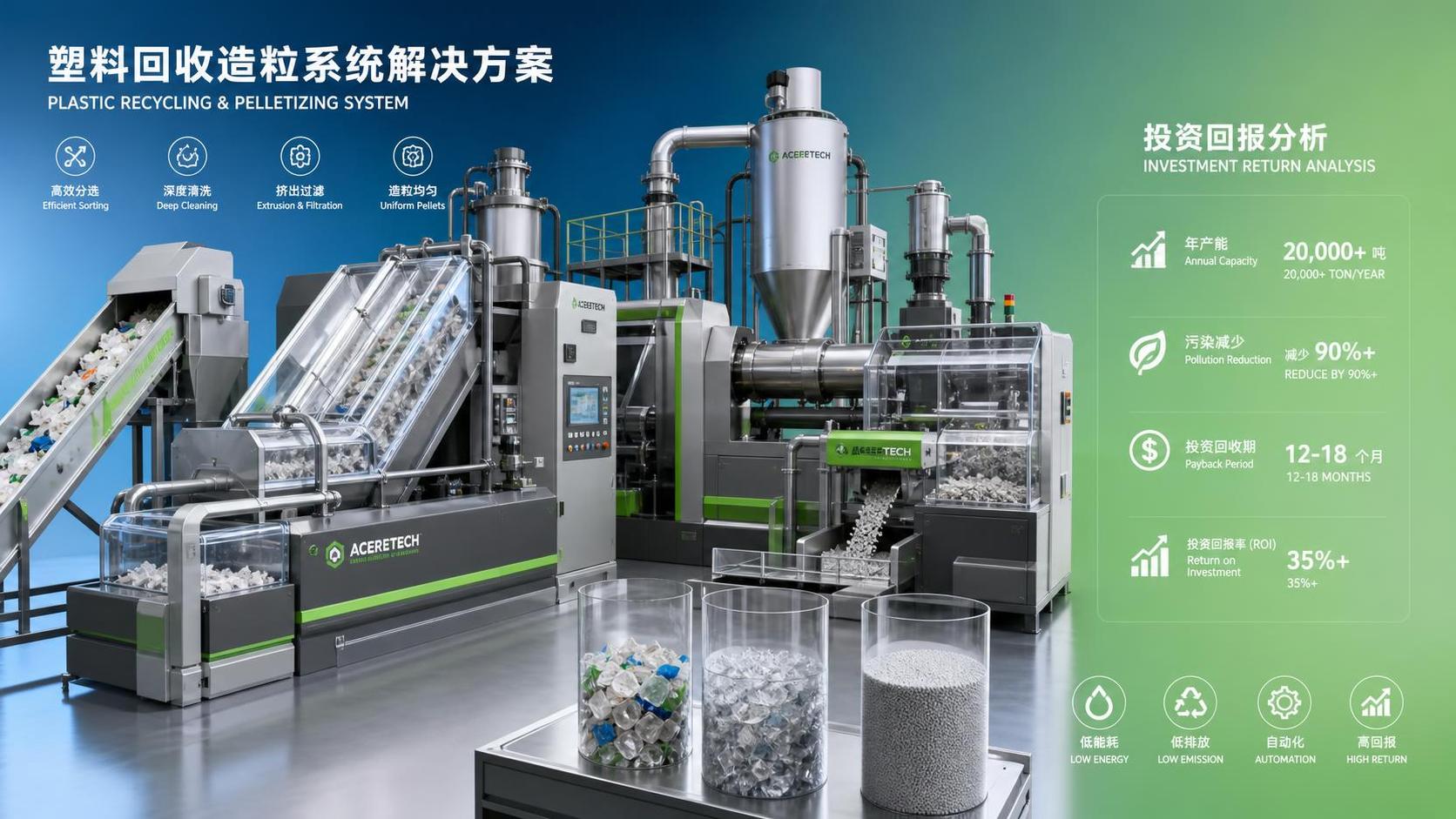
PFRS tracks polymer machinery across the material lifecycle, from precision molding to waste plastic pelletizing. Each stage creates different elastomer demands.
Injection molding machines
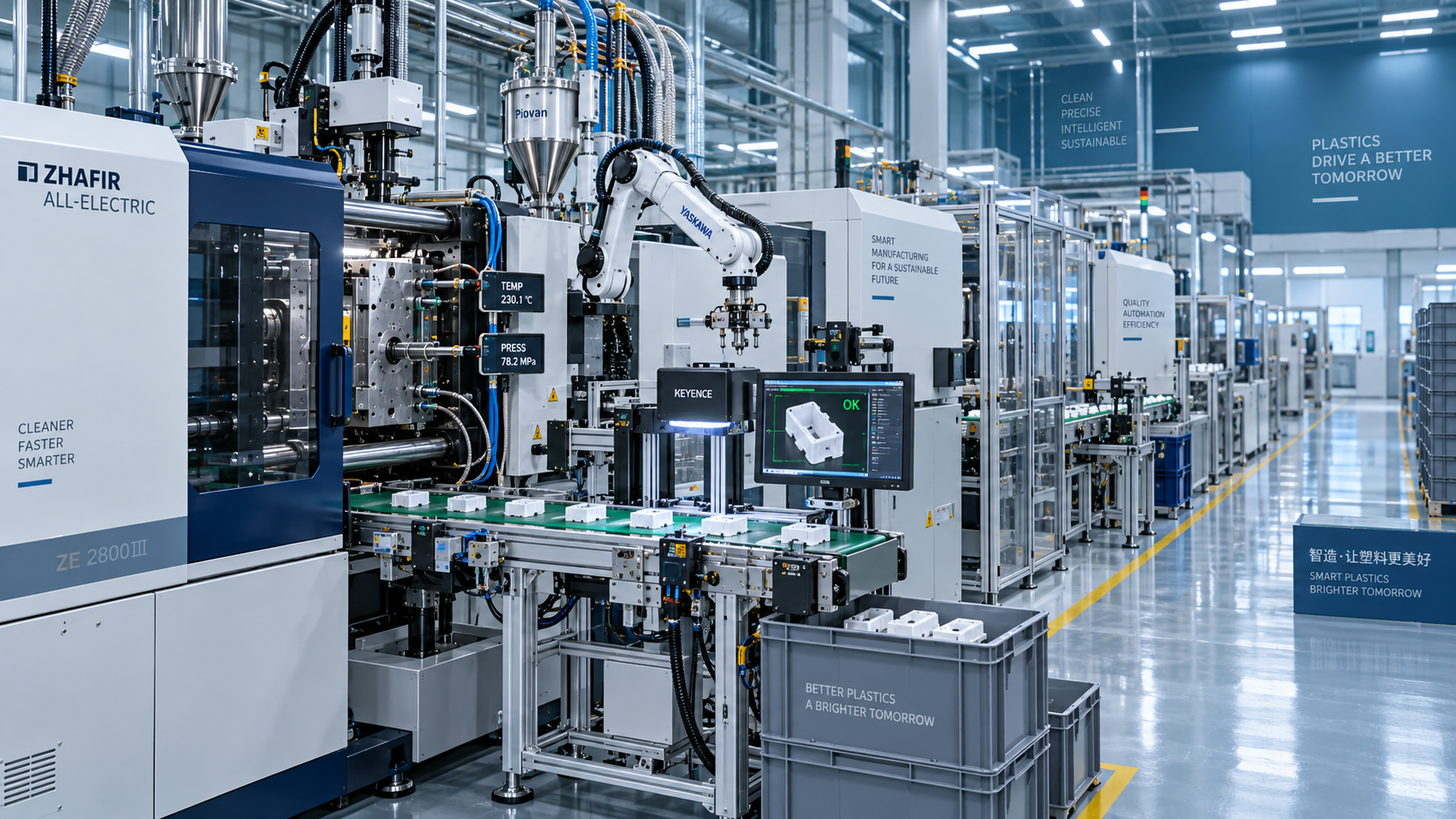
All-electric and high-response servo systems depend on repeatable pressure control. Seals exposed to heat, oil, and fast cycling can influence stability and rejects.
High-performance elastomers may be justified in hot runner interfaces, hydraulic auxiliary units, and components linked to micron-level molding tolerances.
Extrusion and compounding lines
Twin-screw extrusion combines shear, pressure, fillers, pigments, and process heat. Elastomer failure near sealing points can lead to leakage or material instability.
Buyers should prioritize high-performance elastomers where additive packages, plasticizers, or corrosive residues contact sealing surfaces during long production runs.
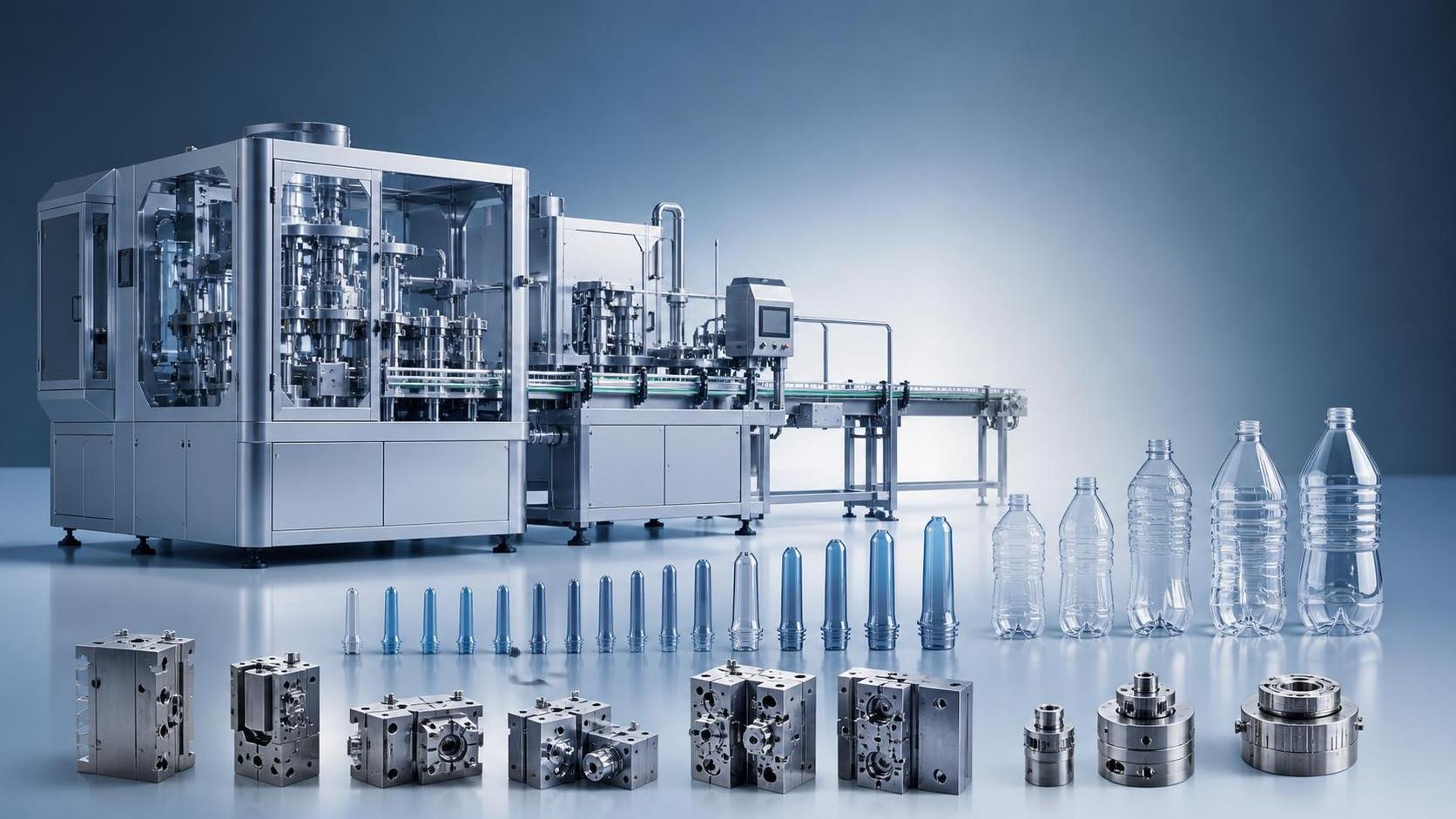
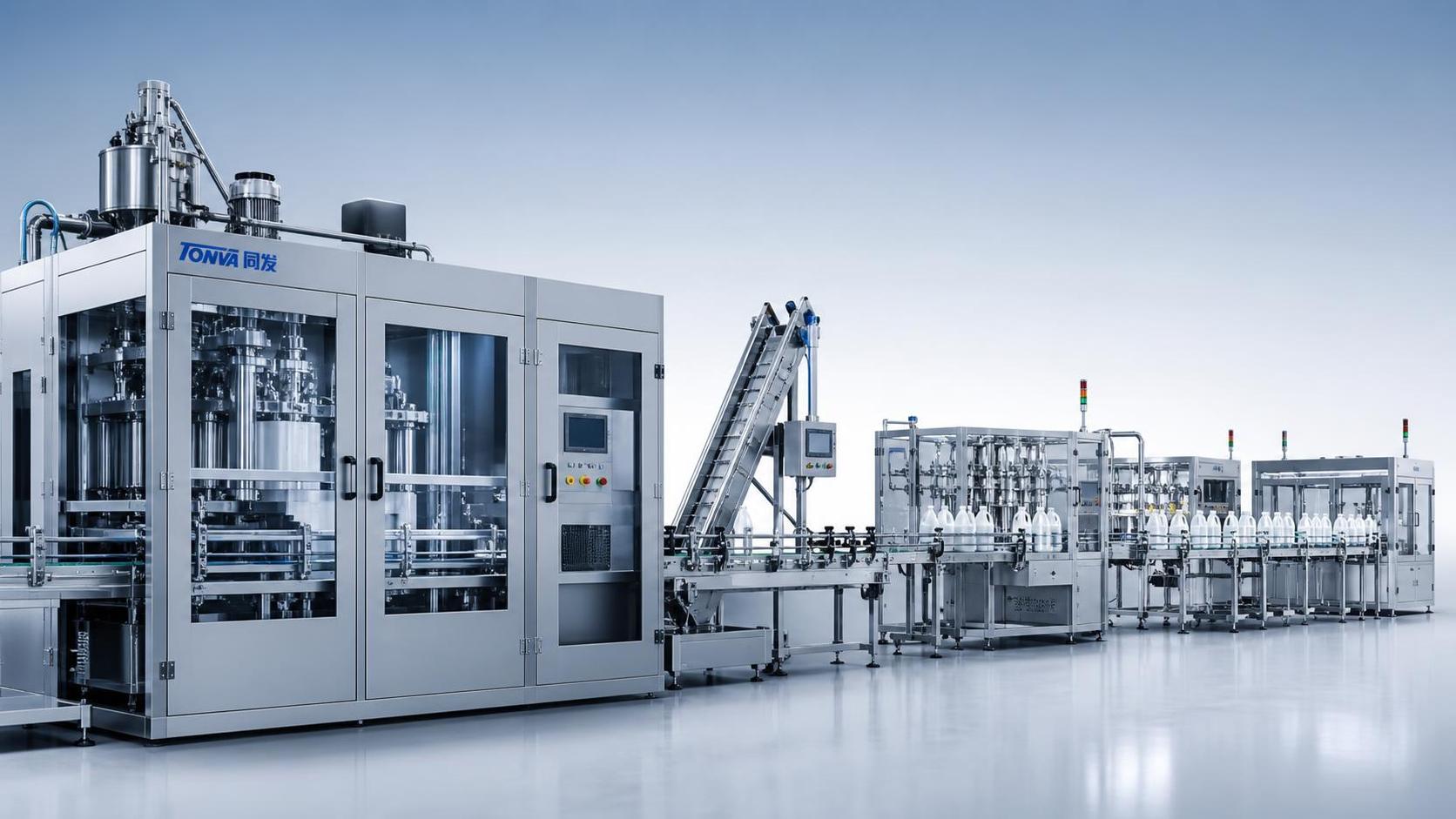
Blow molding and packaging systems
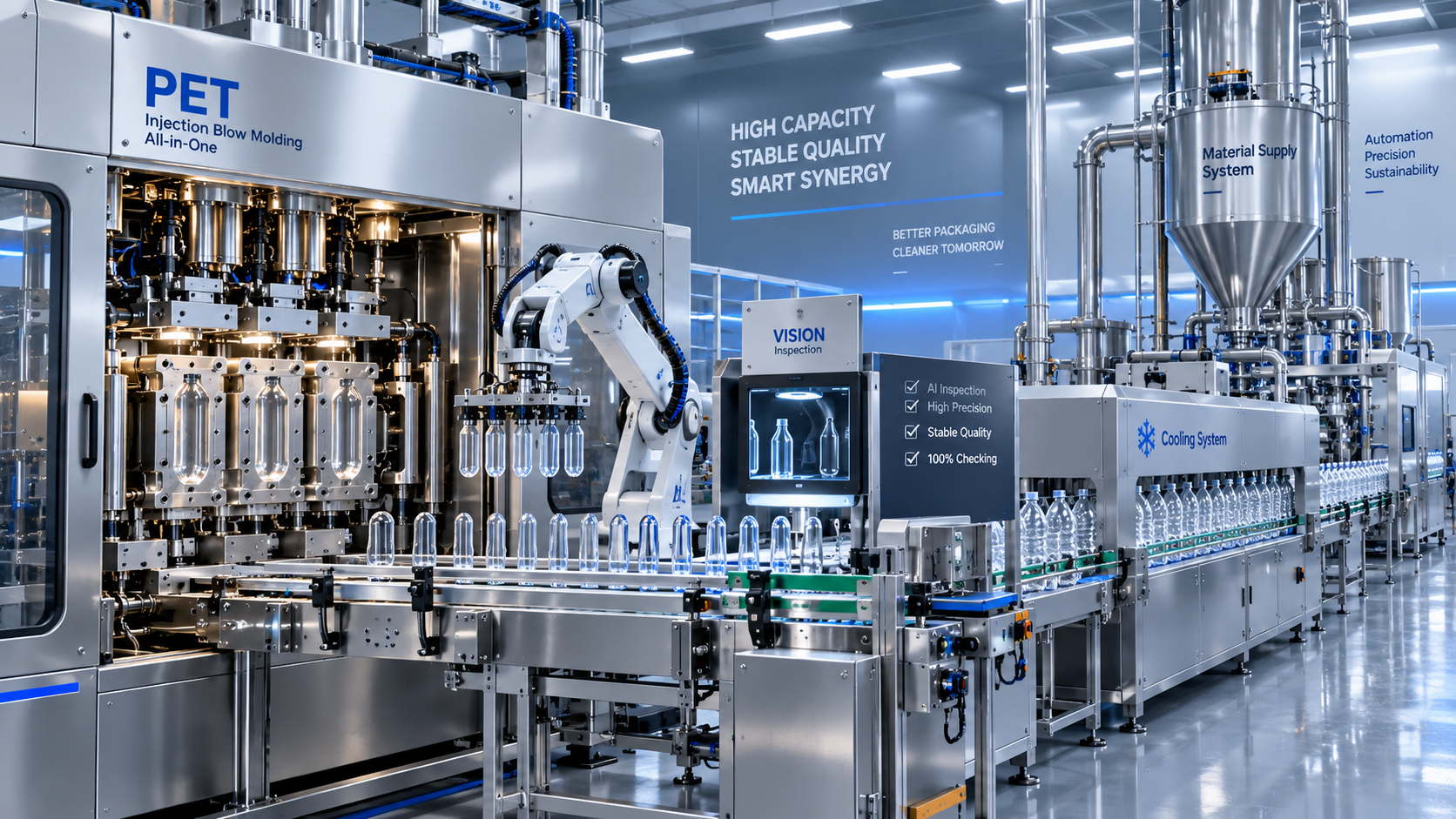
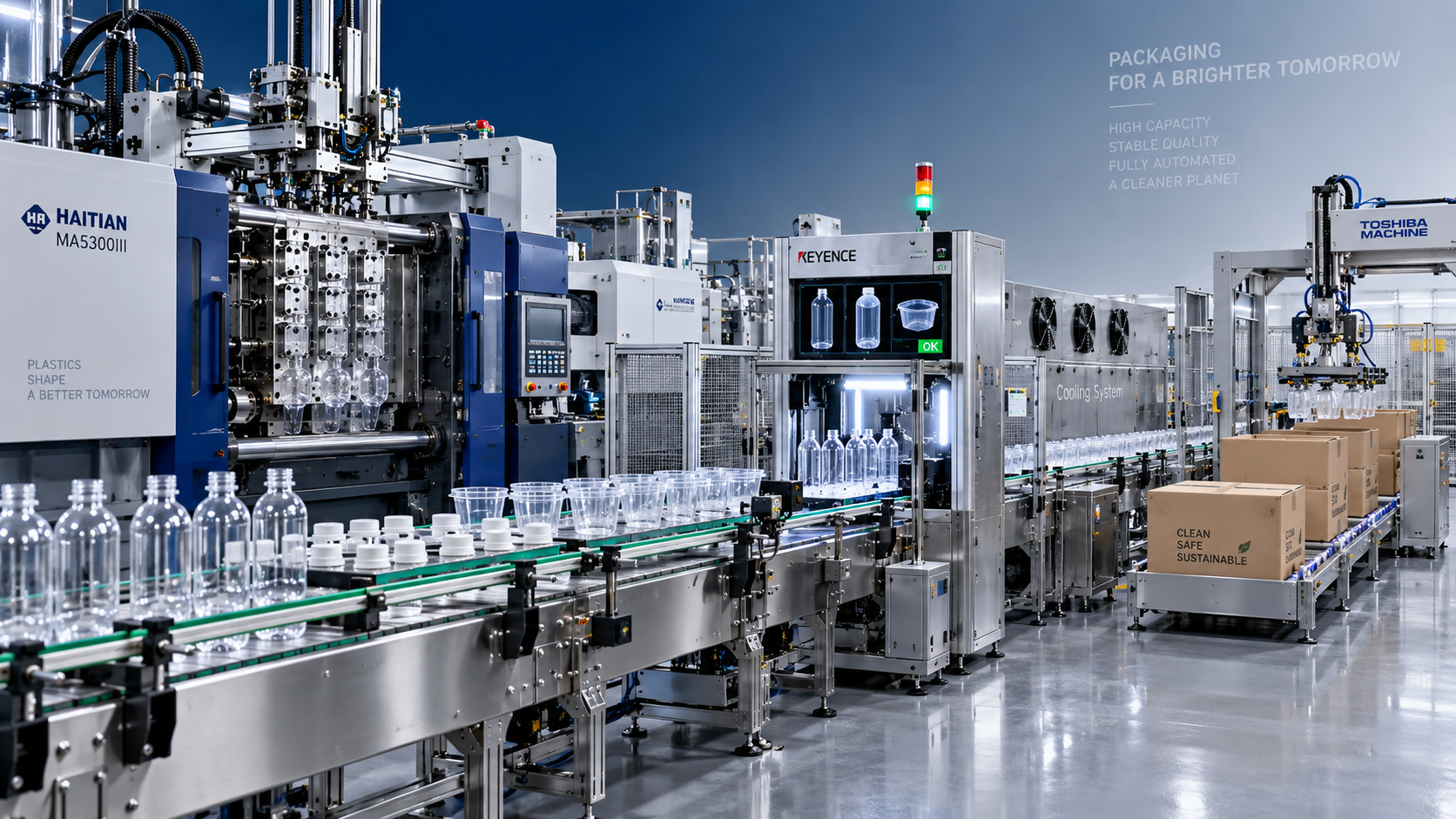
High-speed bottle production magnifies small component failures. A valve seal issue can interrupt thousands of units per hour and disrupt FMCG schedules.
For medical, cosmetics, and beverage packaging, buyers should also consider cleanability, odor transfer, and applicable food-contact or regulatory expectations.
Rubber vulcanizing and recycling equipment
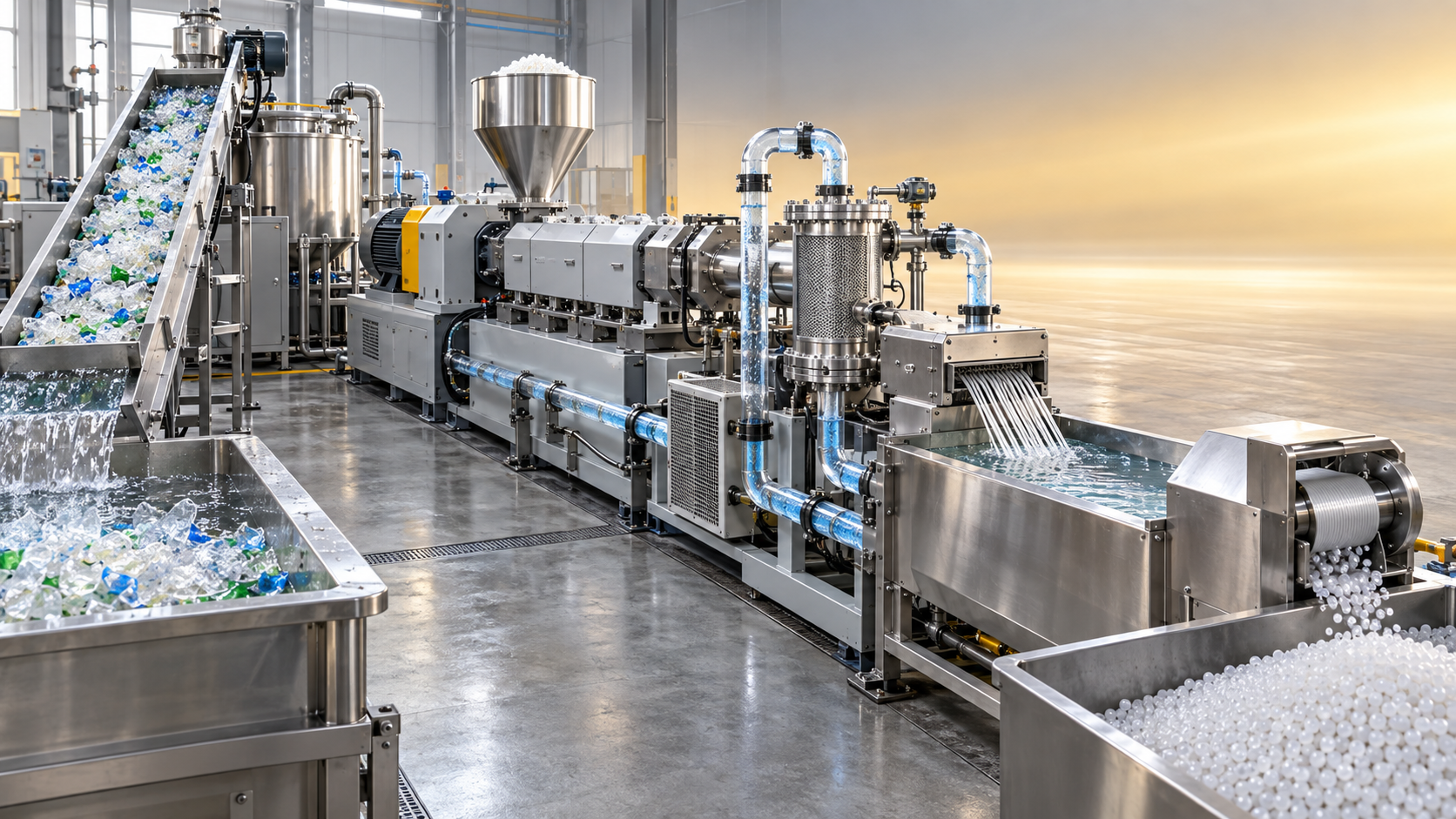
Vulcanizing equipment creates high-temperature, high-pressure conditions that punish weak compounds. Recycling systems add contamination uncertainty and abrasive particles.
In these zones, high-performance elastomers can support stable sealing, fewer emergency interventions, and better continuity for circular material processing.
What total cost model should procurement use?
A fair cost comparison must include acquisition price, service life, failure impact, inventory burden, inspection time, and production loss. Unit price is only one variable.
For critical spares, procurement should ask maintenance and production teams to estimate downtime value per hour and the labor required for each replacement.
The following table converts the purchasing discussion into a practical total cost of ownership view for high-performance elastomers.
If the upgraded part prevents one major failure event, the business case may be clear. High-performance elastomers are most defensible in high-consequence locations.
What specifications should be included in an RFQ?
An RFQ that only states size and hardness invites misalignment. Procurement should capture service conditions and acceptance expectations before comparing quotations.
Relevant specifications may include temperature range, contact media, pressure, motion type, compression set, abrasion exposure, regulatory needs, and target replacement interval.
RFQ checklist for high-performance elastomers
- Define normal and peak temperature, because brief excursions can damage compounds that look acceptable under average conditions.
- List all contact media, including lubricants, plasticizers, cleaning agents, monomers, additives, recycled material residues, and process water.
- Clarify whether the part is static, reciprocating, rotating, vibrating, or compressed for long periods.
- Request suitable documentation, such as material datasheets, traceability practices, and relevant food-contact or application compliance statements where needed.
- Ask suppliers to state lead time, tooling needs, minimum order quantity, shelf-life guidance, and recommended storage conditions.
This structured RFQ helps separate true engineering alternatives from low-price substitutions. It also makes quotations easier to compare across suppliers.
Which compliance and documentation issues affect purchasing risk?
High-performance elastomers may be used in regulated or customer-audited environments. Documentation can become as important as mechanical performance.
Buyers should avoid assuming that a material family automatically meets a standard. Formulation, colorants, fillers, curing chemistry, and processing controls can affect suitability.
The table below summarizes common documentation topics procurement may need when specifying high-performance elastomers for polymer processing assets.
Strong documentation does not replace validation. It reduces ambiguity, supports audits, and protects buyers when production conditions become difficult.
What common mistakes lead to overspending or underperformance?
Some buyers overuse high-performance elastomers in noncritical locations. Others reject them too quickly because the initial price looks uncomfortable.
Mistake 1: Treating hardness as the main specification
Hardness matters, but it does not predict chemical resistance, compression set, thermal aging, or dynamic fatigue. A complete service profile is necessary.
Mistake 2: Replacing like-for-like after repeated failures
If a seal fails repeatedly, reordering the same compound only shifts cost into maintenance. Failure analysis should precede the next purchase order.
Mistake 3: Ignoring installation and storage
Even premium materials can fail early when stored improperly, cut during assembly, stretched beyond design limits, or installed on damaged metal surfaces.
- Check groove dimensions, surface finish, lubrication compatibility, and installation tooling before blaming the material.
- Separate emergency substitutions from validated specifications to avoid uncontrolled variation in critical equipment.
- Use maintenance feedback to update preferred material lists and reduce recurring purchasing disputes.
FAQ: procurement questions about high-performance elastomers
Are high-performance elastomers always worth the premium?
No. They are most worthwhile in critical, hot, chemical, high-cycle, or hard-to-access positions. For low-risk static seals, standard compounds may be sufficient.
How can procurement validate the choice before full rollout?
Start with a controlled trial on representative equipment. Track service hours, leakage, dimensional change, maintenance time, scrap, and operator observations.
What lead-time questions should buyers ask?
Ask whether the part is standard, custom-molded, machined, or tool-dependent. Confirm material availability, sample timing, production lead time, and emergency stock options.
Can one upgraded elastomer solve all sealing issues?
Usually not. Geometry, mating surfaces, pressure spikes, installation quality, and media compatibility all matter. High-performance elastomers work best within a validated design.
Why choose PFRS for elastomer and equipment purchasing intelligence?
PFRS connects material behavior with real polymer equipment conditions. Our perspective covers molding, extrusion, blow molding, vulcanization, and recycling systems.
For procurement teams, this matters because high-performance elastomers cannot be judged in isolation. They must fit process temperature, rheology, maintenance strategy, and compliance exposure.
You can consult PFRS for parameter confirmation, material comparison, supplier RFQ preparation, lifecycle cost review, delivery risk assessment, and documentation requirements.
If your team is evaluating high-performance elastomers for injection molding, extrusion, vulcanizing, blow molding, or recycling equipment, request a structured selection review.
Bring operating conditions, failure history, drawings, target service intervals, and certification needs. PFRS can help turn a difficult material choice into a defensible purchasing decision.
Related News
- 00
0000-00
Tire Manufacturing Equipment: Choosing Curing Presses by Tire Size and Output - 00
0000-00
What Drives Underwater Pelletizing System Cost in High-Throughput Compounding? - 00
0000-00
Medical Molding for Lab Consumables: Choosing Processes for Low-Particle Parts - 00
0000-00
Smart Factory Costs for Plastics: Estimating ROI for Automation Projects - 00
0000-00
How to Evaluate a Packaging Molding Equipment Supplier for High-Volume Production
Weekly Insights
Stay ahead with our curated technology reports delivered every Monday.
Related News
 Ms. Elena RodriguezSmart Factory Costs for Plastics: Estimating ROI for Automation ProjectsSmart factory for plastics cost: learn how to estimate automation ROI, uncover hidden integration expenses, reduce scrap, and build a phased investment plan.Oct 10, 2026
 Ms. Elena RodriguezHow to Evaluate a Packaging Molding Equipment Supplier for High-Volume ProductionChoose a packaging molding equipment supplier with confidence. Learn how to assess throughput stability, tooling, recycled-material capability, lifecycle cost, and service support for high-volume production.Oct 09, 2026
 Ms. Elena RodriguezHow to Select Packaging Molding Equipment for High-Volume Production LinesPackaging molding equipment selection guide for high-volume lines: compare processes, throughput, materials, automation, and energy to achieve stable, cost-effective output.Oct 04, 2026
 Ms. Elena RodriguezHow to Evaluate Plastic Recycling Machinery for UAE Heat, Feedstock, and Output NeedsPlastic recycling machinery UAE buyers: evaluate heat resilience, feedstock handling, cooling, pellet quality, energy use, and lifecycle cost for reliable output.Sep 28, 2026
 Ms. Elena RodriguezGerman Extrusion Equipment Suppliers: Comparing Service, Lead Times, and Lifecycle CostExtrusion equipment Germany suppliers compared: evaluate service coverage, credible lead times, spare-parts access, and lifecycle cost to select a reliable, future-ready production partner.Sep 22, 2026
 Ms. Elena RodriguezWhat Should You Check Before Buying a Used Plastic Recycling Line?What should I check before buying a used plastic recycling line? Explore feedstock fit, wear, trials, utilities, controls, and restoration costs before you invest.Sep 26, 2026
 Ms. Elena RodriguezHow to Compare Pelletizing Lines by Energy Use per TonHow do I compare pelletizing lines by kWh per ton? Learn to measure total energy, verify saleable output, and select a cost-efficient line.Sep 23, 2026
 Ms. Elena RodriguezTyre Cutter Blade Wear: When Capacity Loss Needs Inspectionшинорез blade wear can quietly reduce tyre-cutting capacity. Learn the warning signs, inspection triggers, and maintenance actions that protect output and uptime.Sep 28, 2026
 Ms. Elena RodriguezIn-House Recycling for Factory Scrap: How to Reduce Material Waste and Disposal CostsIn house recycling for factory scrap helps manufacturers cut material waste, reduce disposal costs, and create controlled, quality-focused reuse loops.Sep 07, 2026
 Ms. Elena RodriguezHow Recyclable Packaging Manufacturing Balances Material Recovery and Production CostRecyclable packaging manufacturing: discover how smarter design, feedstock control, and process optimization reduce recovery costs while improving quality and yield.Sep 04, 2026
 Ms. Elena RodriguezHow to Evaluate a Plastic Recycling Systems Supplier for Your Processing NeedsChoose the right plastic recycling systems supplier with a practical guide to feedstock fit, output quality, total cost, testing, service, and compliance.Sep 01, 2026
 Ms. Elena RodriguezCE Marking for Plastic Processing Equipment: Documentation and Safety ChecksPlastic processing equipment CE compliance: learn the essential documentation, risk assessments, safety checks, and validation steps for reliable EU market access.Aug 30, 2026
 Ms. Elena RodriguezPlastic Packaging Compliance Standards: What Tests and Documents Matter Most?Plastic packaging compliance standards explained: learn which migration tests, mechanical checks, and audit-ready documents matter most to reduce risk and pass reviews with confidence.Aug 25, 2026
 Ms. Elena RodriguezHow to Evaluate a Plastic Waste Recycling System for Capacity, Contamination, and ROIPlastic waste recycling system evaluation made practical: compare true capacity, contamination control, and ROI to choose a line that delivers stable output and stronger returns.Aug 24, 2026
 Ms. Elena RodriguezPackaging Molding Equipment Price: What Drives Cost and How to Compare Quotes?Packaging molding equipment price varies by machine type, automation, tooling, energy use, and service scope. Learn what drives cost and how to compare quotes with confidence.Aug 21, 2026
 Ms. Elena RodriguezWhat Packaging Machinery for Plastic Containers Should You Choose for High-Volume Production?Packaging machinery for plastics containers can make or break high-volume production. Learn how to choose the right line for speed, consistency, compliance, and lower lifecycle costs.Aug 16, 2026
 Ms. Elena RodriguezWhat Circular Plastics Mean for Automotive Parts and Material SelectionCircular plastics for automotive are reshaping part selection with lower weight, better sustainability, and reliable performance. Discover how engineers balance recycled content, durability, and compliance.Aug 15, 2026
 Ms. Elena RodriguezBroiler Farming in Cage System: Selection Factors for Commercial FarmsBroiler farming in cage system selection for commercial farms: compare structure, ventilation, automation, and manure handling to improve efficiency and avoid costly mistakes.Aug 14, 2026
 Ms. Elena RodriguezHow to Implement Smart Polymer Manufacturing Without Disrupting Existing Production?Smart polymer manufacturing implementation made practical: learn how to upgrade existing production with phased digitalization, less downtime, better control, and measurable ROI.Aug 11, 2026
 Ms. Elena RodriguezHow to Evaluate a Rubber Compression Molding Supplier for Complex Part ProductionRubber compression molding supplier selection for complex parts starts with process, material, and tooling control. Learn how to compare vendors beyond price and reduce launch risk.Aug 10, 2026