When are high-performance elastomers worth the cost?




For procurement teams, choosing high-performance elastomers is rarely just a materials decision—it is a lifecycle cost calculation.
These advanced compounds can command higher upfront prices, but in demanding applications involving heat, chemicals, pressure, abrasion, or strict compliance, they may reduce failures, downtime, maintenance, and replacement frequency.
This article examines when high-performance elastomers are worth the cost, helping buyers evaluate total value, processing compatibility, supplier reliability, and long-term operational risk across modern polymer forming and recycling systems.
The practical answer: buy performance when failure costs more than material savings
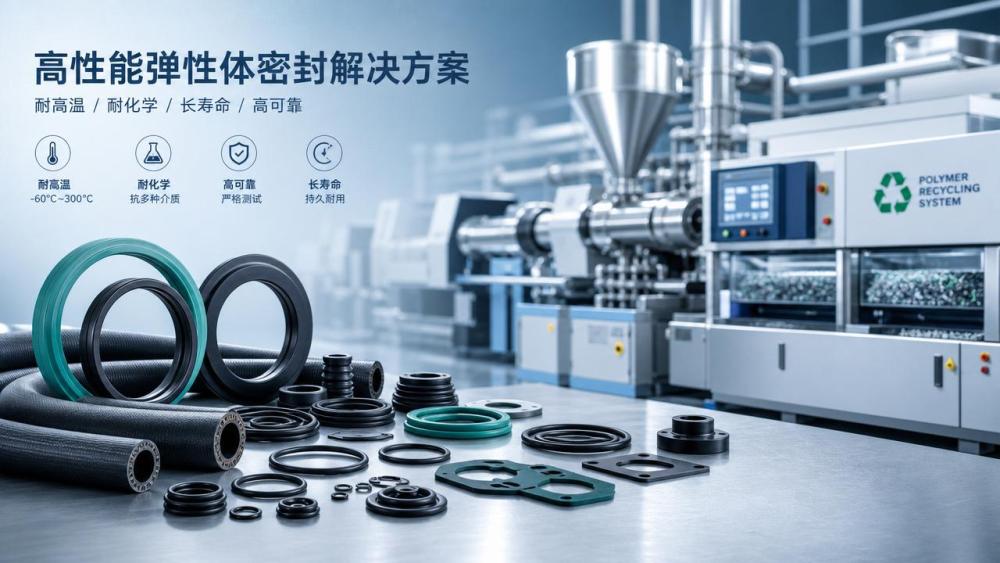
Procurement teams searching for high-performance elastomers usually want a clear purchasing rule, not a chemistry lecture or generic material comparison.
The simplest rule is this: premium elastomers are worth the cost when the cost of failure exceeds the price difference.
That failure cost may include unplanned downtime, emergency maintenance, product rejection, warranty claims, safety exposure, regulatory penalties, or customer delivery disruption.
In polymer processing equipment, elastomer components often look small on a bill of materials, but they protect critical production continuity.
Seals, gaskets, hoses, diaphragms, rollers, belts, and vibration components may determine whether a molding, extrusion, vulcanization, or pelletizing line stays stable.
If a low-cost elastomer fails inside a hot melt area, chemical washing circuit, hydraulic system, or vacuum section, the replacement part is not the real cost.
The real cost is stopped output, technician labor, scrap material, cleaning time, delayed shipments, and possible damage to higher-value mechanical assemblies.
For buyers, the central question is not whether high-performance elastomers are expensive, but whether lower-grade alternatives are silently more expensive.
Where high-performance elastomers usually justify the premium
Premium elastomers make the strongest business case in applications where heat, aggressive media, pressure cycling, or contamination risk are unavoidable.
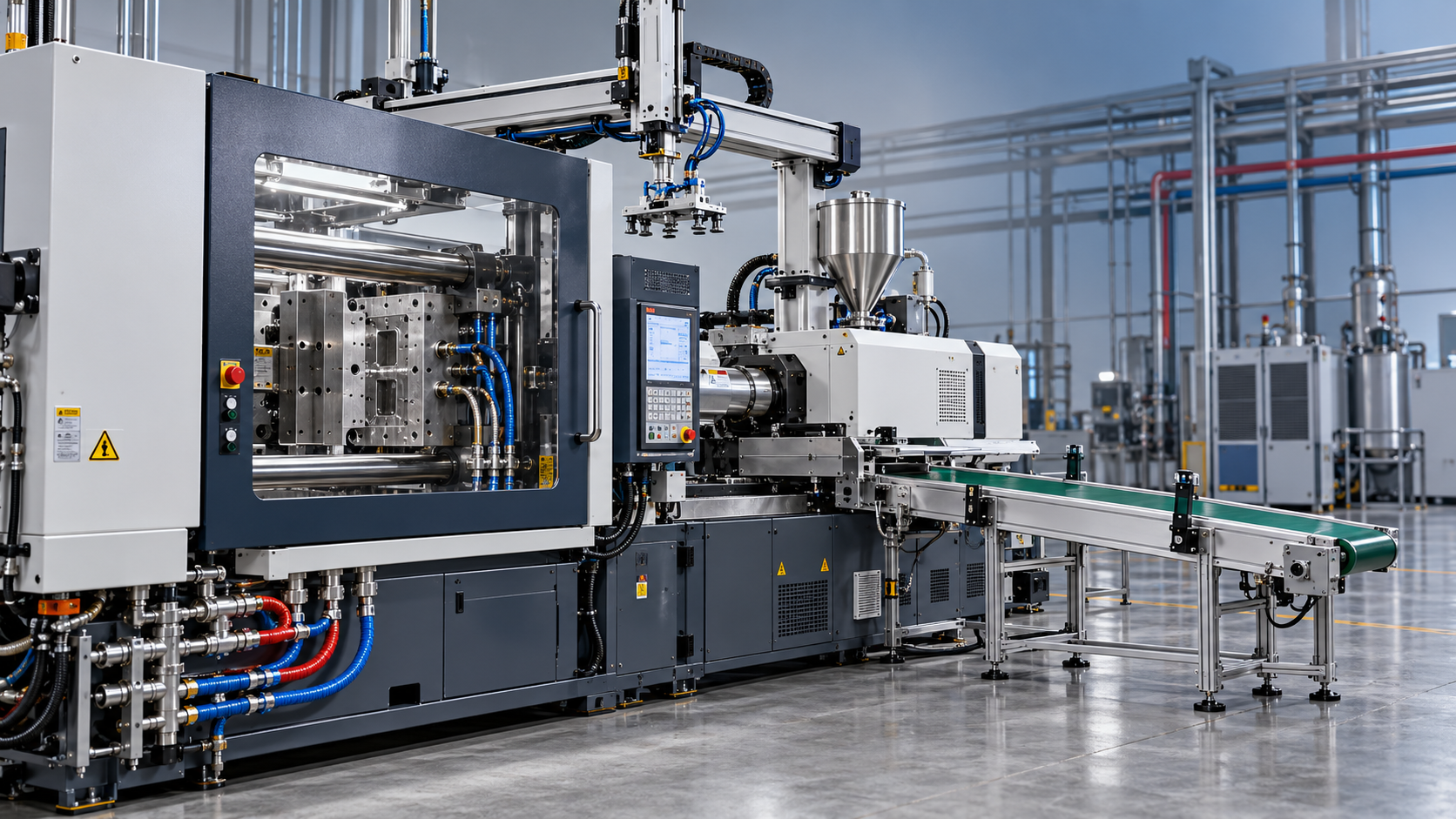
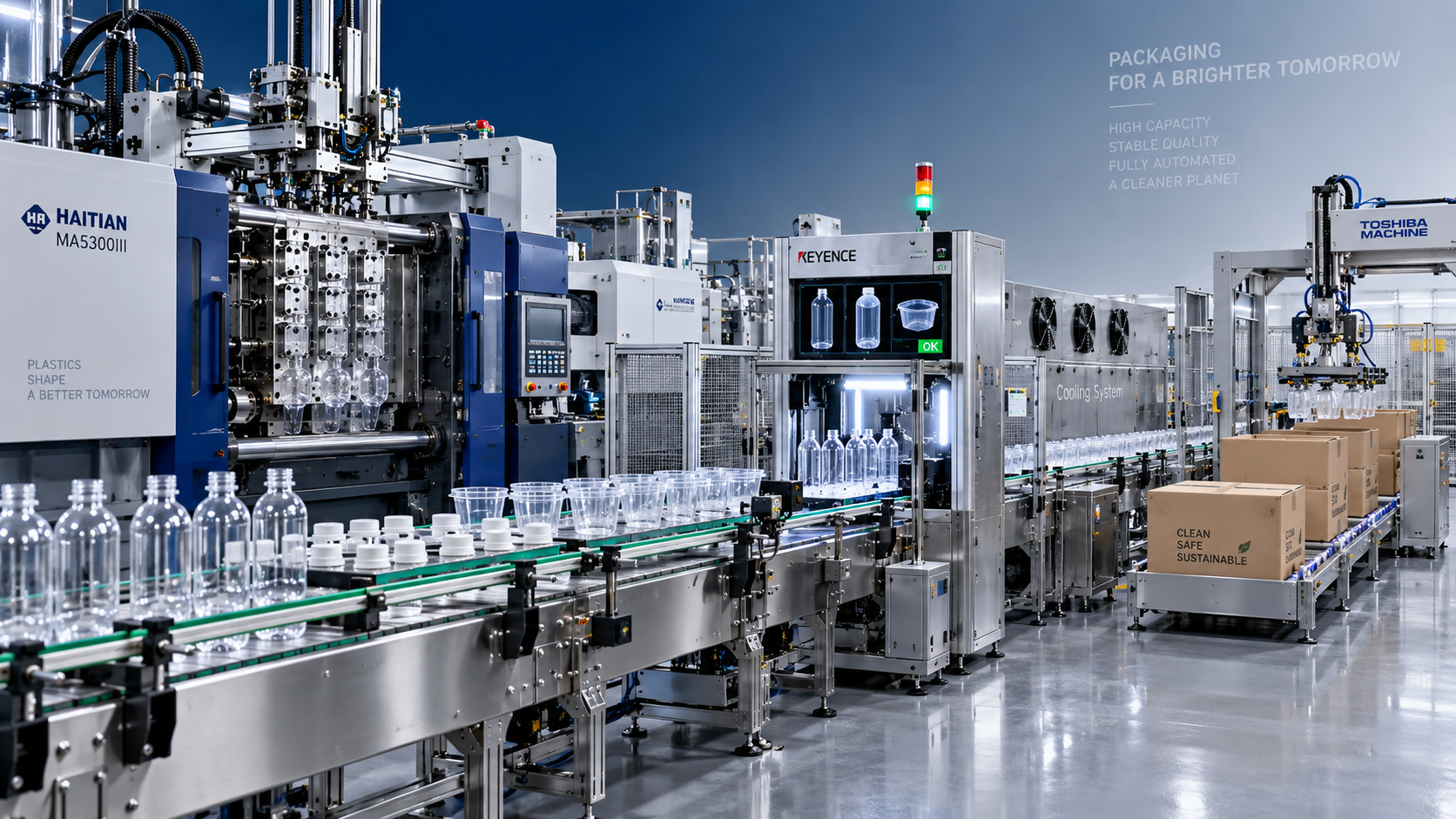
In injection molding systems, they may be needed around hydraulic seals, hot runner support areas, cooling circuits, and chemical-resistant auxiliary equipment.
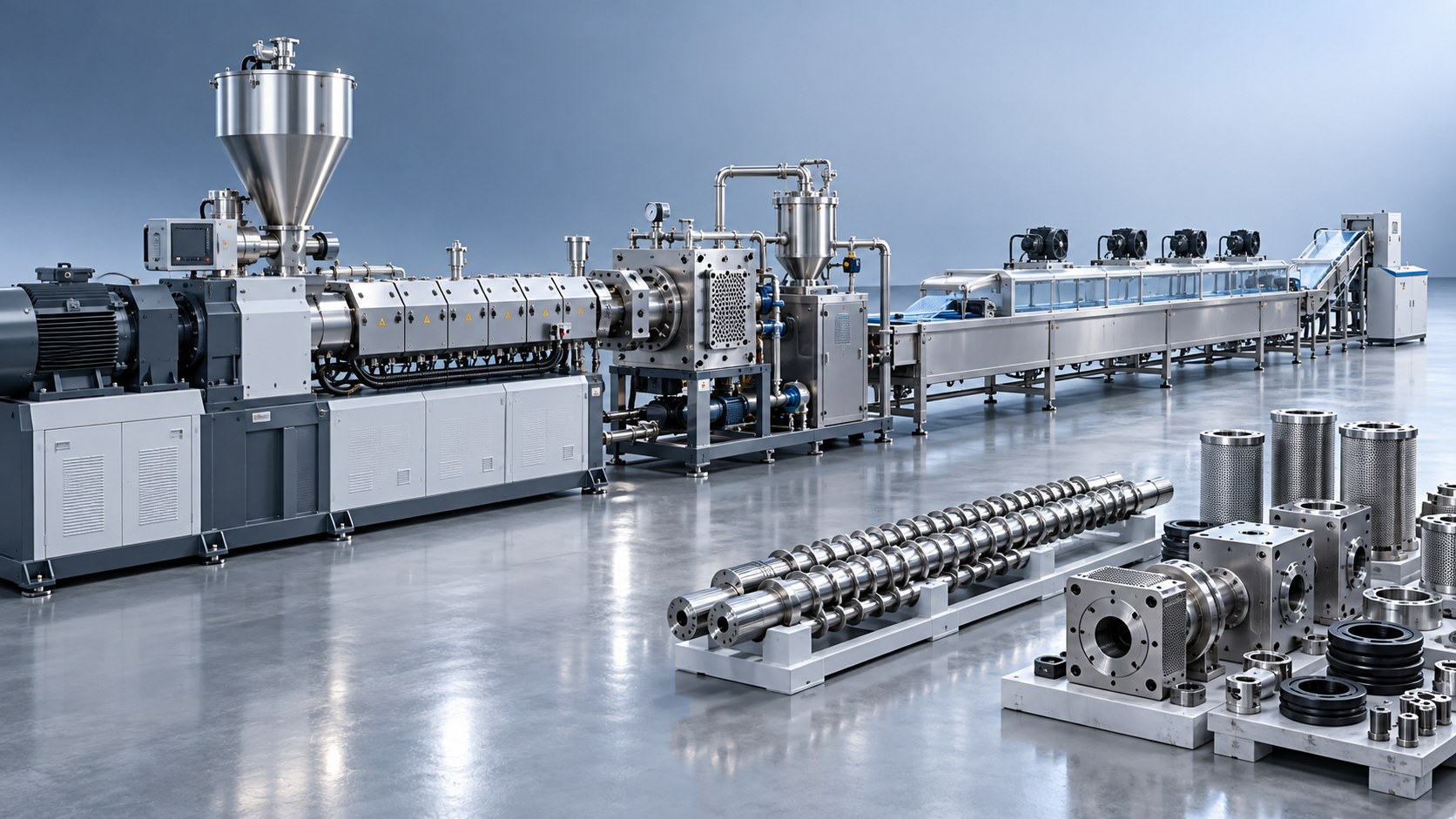
In extrusion lines, elastomers can face continuous heat, plasticizers, lubricants, cleaning agents, pressure fluctuation, and abrasive filled compounds.
In rubber vulcanizing equipment, parts must tolerate elevated temperatures, compression set, steam, oils, and repeated press cycles without losing sealing force.
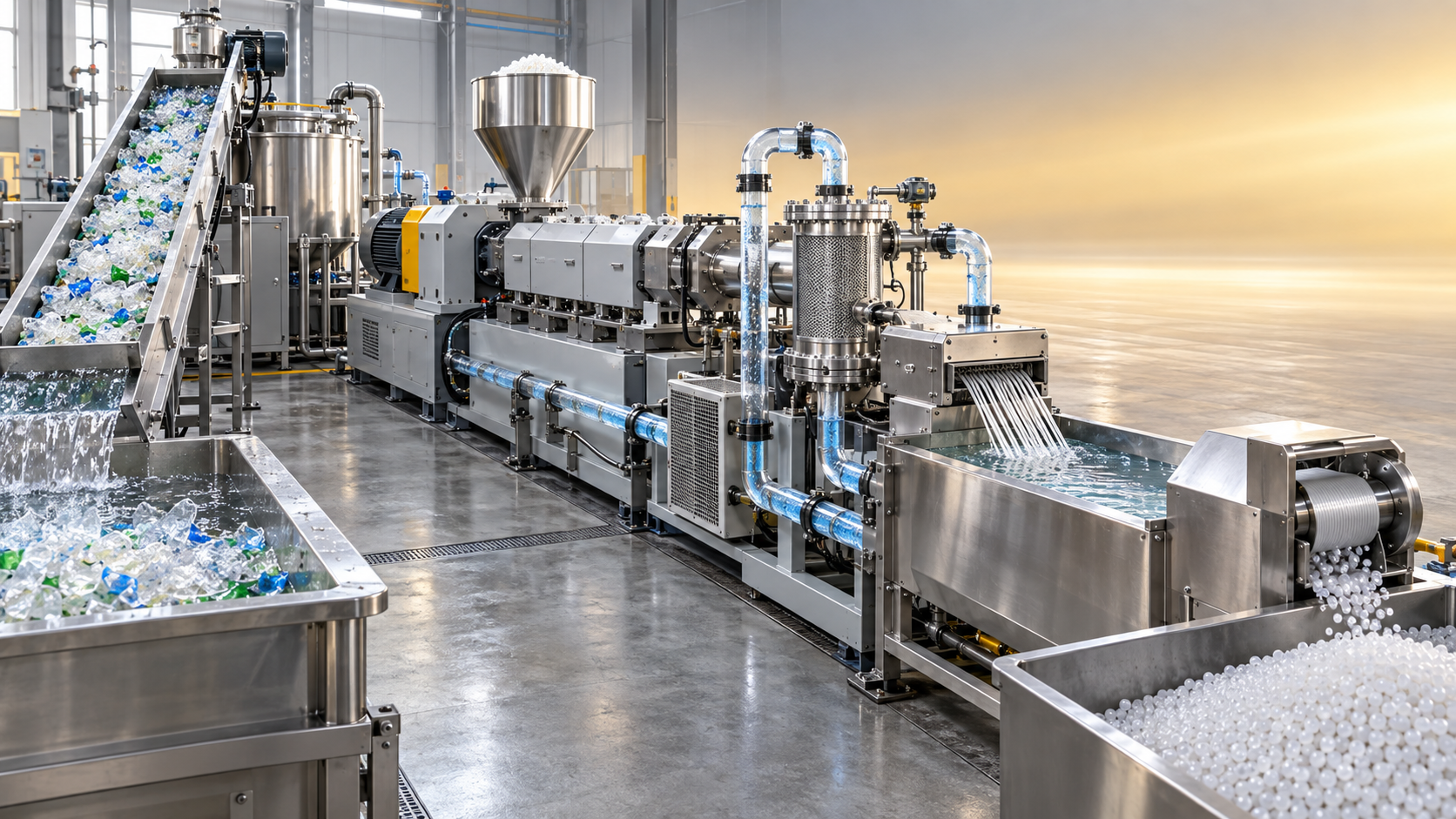
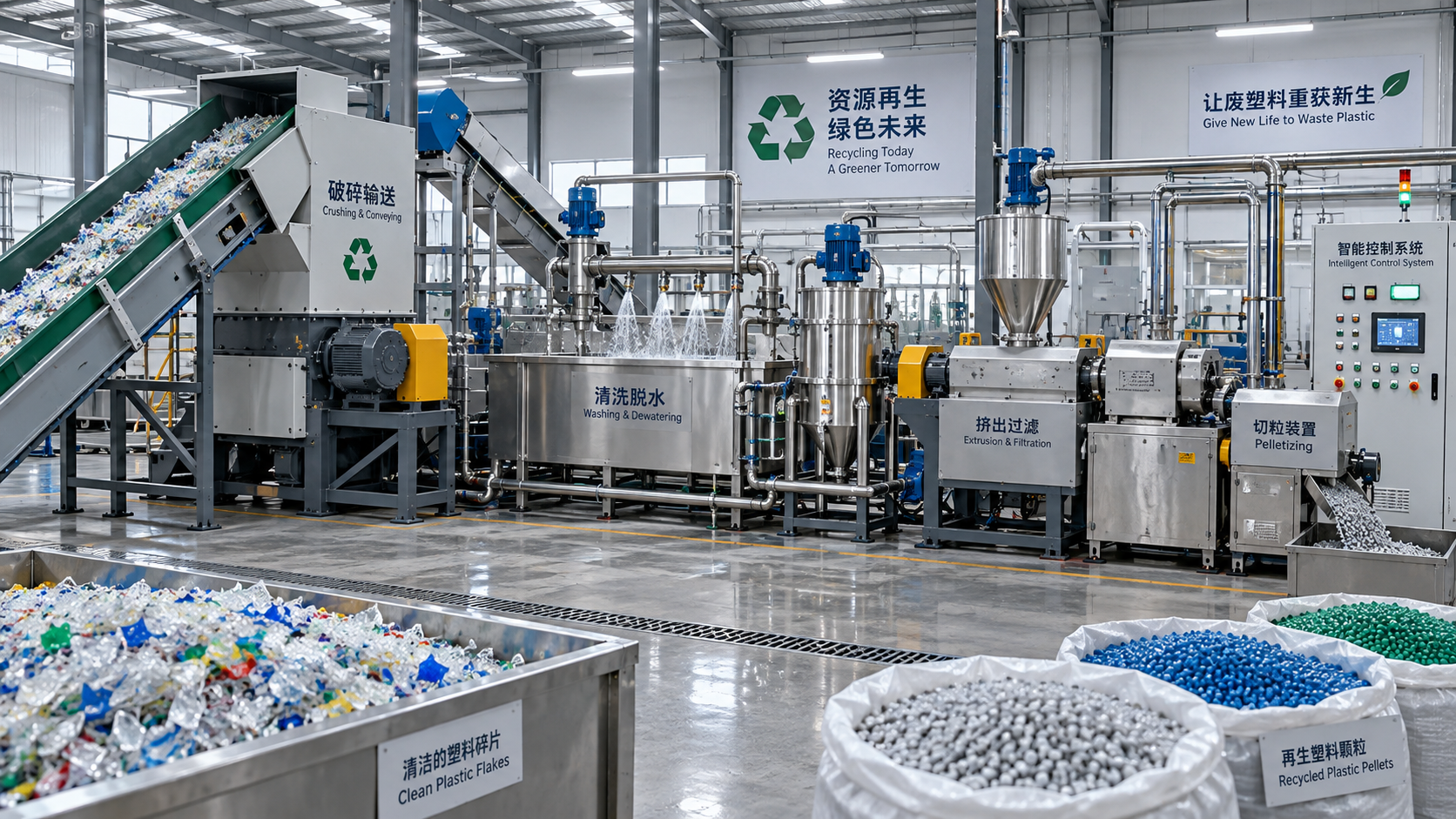
In waste plastic washing and pelletizing systems, elastomers may contact caustic cleaners, recycled contamination, hot water, melt filtration zones, and rotating equipment.
When operating conditions combine several stresses at once, standard materials often degrade faster than their individual datasheet ratings suggest.
For example, a seal may tolerate heat in clean air, but fail quickly when heat combines with oil, pressure, and dynamic movement.
High-performance elastomers such as FKM, FFKM, HNBR, EPDM, VMQ, FVMQ, and specialty polyurethane grades exist for these combined stress environments.
The premium is easier to justify when the component is difficult to access, safety-critical, or located inside a continuous production process.
When the premium may not be necessary
High-performance elastomers are not automatically the best choice for every equipment purchase, maintenance program, or spare parts inventory.
If the application is low temperature, low pressure, chemically mild, and easy to access, a standard elastomer may provide excellent value.
Examples include non-critical covers, simple dust seals, low-duty vibration pads, or components used in clean, controlled indoor environments.
Premium materials can also be wasteful when equipment design, installation error, or surface finish is the actual cause of failure.
If seals are cut during installation, overloaded by misalignment, or exposed to incorrect groove dimensions, better material may only delay failure.
Before upgrading, buyers should confirm whether the current problem is material incompatibility, poor design, wrong hardness, supplier inconsistency, or maintenance practice.
A disciplined procurement approach avoids two mistakes: overbuying exotic compounds and underestimating risk in genuinely demanding service conditions.
The best decision often comes from matching the elastomer to the duty cycle, not simply choosing the highest-grade material available.
How buyers should calculate total cost, not unit price
For procurement, the strongest evaluation method is total cost of ownership rather than purchase price per gasket, seal, hose, or molded component.
A useful calculation begins with annual consumption, expected service life, downtime cost per hour, replacement labor, scrap risk, and inventory burden.
If a standard seal costs less but must be replaced four times more often, the unit price advantage may disappear quickly.
The calculation becomes even clearer when replacement requires line shutdown, mold disassembly, extruder cooling, press opening, or cleaning of contaminated material.
Buyers should also consider the cost of uncertainty, especially when failure timing is unpredictable and disrupts production planning.
Consistent performance may justify a higher price because it allows maintenance teams to schedule replacement during planned service windows.
In high-output packaging, automotive, medical, or recycling operations, predictable uptime often has greater financial value than small component savings.
Procurement teams should ask suppliers for service-life references, not only catalog values, especially for similar temperatures, media, and mechanical loads.
The best quote is not the cheapest line item; it is the most credible cost-risk proposal for the application.
Material selection factors that matter most in real purchasing
Datasheets are useful, but procurement decisions should focus on properties that directly affect the operating risk of the equipment.
Temperature resistance is usually the first filter, including continuous service temperature, short-term peaks, and thermal cycling behavior.
Chemical compatibility is equally important, especially with oils, fuels, plasticizers, solvents, acids, alkalis, steam, cooling fluids, and cleaning chemicals.
Compression set determines whether a seal maintains force after being squeezed for long periods under heat and pressure.
Abrasion resistance matters for moving contact, recycled plastic contamination, filled compounds, granulate handling, and dynamic sealing environments.
Tear strength and fatigue resistance become important in diaphragms, bellows, rollers, hoses, and parts exposed to repeated flexing.
Hardness should match the groove design, pressure level, sealing surface, and assembly method, not merely a previous purchasing specification.
Compliance may be critical for food packaging, medical devices, potable water, automotive standards, flame requirements, or export market regulations.
Buyers should request material traceability, batch consistency, test certificates, and clearly defined standards when compliance or warranty risk is significant.
Processing compatibility can decide whether the upgrade succeeds
A high-performance elastomer must be compatible not only with the application, but also with manufacturing and equipment realities.
Some compounds are harder to mold, require tighter process control, or need specific curing systems to achieve reliable final properties.
For molded components, buyers should confirm tolerances, shrinkage behavior, part geometry limits, flash control, and post-curing requirements.
For extruded profiles or hoses, dimensional stability, surface quality, compound consistency, and curing uniformity can affect installation and long-term sealing.
For vulcanized rubber parts, press parameters, mold design, and crosslinking control determine whether laboratory material performance appears in production.
Procurement should involve engineering, maintenance, quality, and the equipment supplier before approving a material change in critical systems.
This is especially important when elastomers interface with precision injection molding machines, twin-screw extruders, blow molding lines, or pelletizing systems.
A technically strong supplier should explain how the compound behaves during forming, curing, finishing, storage, and service.
If the supplier only sells a material name without processing knowledge, procurement risk remains high despite the premium label.
Supplier reliability is part of the material performance
High-performance elastomers are worth the cost only when the supplier can deliver consistent quality, documentation, and application support.
Buyers should evaluate whether the supplier controls formulation, mixing, testing, molding, extrusion, curing, inspection, and packaging with repeatable discipline.
Lot-to-lot variation can create hidden risk, especially when components are used in automated production lines or regulated downstream products.
Procurement teams should ask about raw material sourcing, change notification policies, shelf-life management, and contingency plans for supply disruptions.
For strategic components, dual sourcing may be useful, but only if both suppliers meet the same tested performance specification.
A low-cost backup supplier can create false security if its compound, cure system, or dimensional control differs from the approved source.
Buyers should also examine technical responsiveness, because urgent application support may matter when equipment is down or failure analysis is needed.
The right supplier helps interpret failure surfaces, recommend design adjustments, and distinguish chemical attack from thermal aging or mechanical overload.
In demanding operations, supplier competence becomes part of uptime protection, not merely an administrative purchasing preference.
Application examples: where the business case becomes obvious
In a high-temperature extrusion line, a cheaper seal that hardens and cracks may cause leakage, contamination, and repeated shutdowns.
Upgrading to a suitable high-performance elastomer can extend service intervals and stabilize output, especially with aggressive additives or filled compounds.
In a recycling washing system, ordinary rubber may swell or degrade when exposed to alkaline cleaners, oils, and mixed waste residues.
A chemically resistant elastomer can reduce leakage, maintenance frequency, and the risk of unplanned water or chemical handling incidents.
In rubber vulcanizing equipment, compression set resistance can be more important than initial material strength or low purchase price.
If a gasket loses sealing force under heat and pressure, press efficiency, product consistency, and operator safety may all suffer.
In medical or food packaging production, compliance and contamination risk may justify premium elastomers even when mechanical demands appear moderate.
Here, the cost of rejection, recall, audit failure, or customer qualification loss can far exceed the component cost.
These examples show why high-performance elastomers should be evaluated through operational exposure, not by material price alone.
Questions procurement should ask before approving the purchase
Before approving high-performance elastomers, buyers should clarify the exact operating temperature range, including peaks, cleaning cycles, and startup conditions.
They should identify all contact media, including process materials, lubricants, coolants, cleaning agents, recycled contaminants, and occasional accidental exposures.
Mechanical conditions should be specified clearly, including static sealing, dynamic movement, pressure cycling, abrasion, compression, vibration, and installation constraints.
Buyers should ask what failure mode the upgrade is intended to solve, because different failure modes require different material responses.
Swelling, cracking, hardening, softening, extrusion, tearing, flattening, and surface wear point toward different root causes and solutions.
They should request evidence from comparable applications, accelerated testing, or field trials where the service environment closely matches their own.
Procurement should also define acceptance criteria, such as service life target, dimensional tolerance, certificates, packaging, labeling, and change control.
Finally, buyers should decide whether the component is critical enough to require trial installation before full fleet conversion.
A controlled pilot reduces risk and creates internal evidence for future purchasing decisions across similar equipment assets.
A balanced decision framework for procurement teams
High-performance elastomers are worth serious consideration when the application scores high in heat, chemistry, pressure, motion, compliance, or downtime impact.
They deserve priority when the component is hard to replace, affects safety, protects product purity, or supports continuous production schedules.
They may be unnecessary when exposure is mild, replacement is simple, and historical performance from standard elastomers is already reliable.
The best procurement decision combines engineering data, lifecycle economics, supplier validation, and practical maintenance experience from the production floor.
Instead of asking whether premium elastomers are expensive, buyers should ask what level of operational risk they are purchasing.
In many polymer forming and recycling systems, the right elastomer is a small component with a large influence on reliability.
For PFRS readers, this decision fits a broader trend toward precision, energy efficiency, digitalized maintenance, and circular material responsibility.
Modern manufacturing cannot afford weak links in sealing, conveying, forming, or recovery systems when productivity and compliance are tightly connected.
High-performance elastomers become worth the cost when they convert uncertainty into predictable service life and measurable operating stability.
Conclusion: pay for performance when it protects value
The value of high-performance elastomers is not found in the material name alone, but in the problems they prevent.
They are worth the cost when they reduce downtime, extend maintenance intervals, improve compliance confidence, and protect expensive polymer processing assets.
They are not worth overpaying for when the application is simple, the risk is low, and standard materials perform consistently.
Procurement teams should base decisions on total cost of ownership, proven compatibility, supplier reliability, and the operational consequences of failure.
When that analysis shows that failure is expensive, high-performance elastomers are not a luxury purchase; they are a practical risk-control investment.
Related News
- 00
0000-00
Injection Molding System Costs: Machine, Molds, Automation, and Installation - 00
0000-00
Truck Tire Manufacturing Equipment: Sizing Curing Presses for Target Output - 00
0000-00
How Single-Use Plastic Bans Shift Demand for Packaging Materials - 00
0000-00
PET Pelletizing Equipment: Strand vs. Underwater Systems for Recycled PET - 00
0000-00
Tire Manufacturing Equipment: Choosing Curing Presses by Tire Size and Output
Weekly Insights
Stay ahead with our curated technology reports delivered every Monday.
Related News
 Ms. Elena RodriguezInjection Molding System Costs: Machine, Molds, Automation, and InstallationCompare injection molding systems price proposals with confidence. Uncover machine, mold, automation, and installation costs to avoid hidden expenses and choose a production-ready cell.Oct 17, 2026
 Ms. Elena RodriguezSmart Factory Costs for Plastics: Estimating ROI for Automation ProjectsSmart factory for plastics cost: learn how to estimate automation ROI, uncover hidden integration expenses, reduce scrap, and build a phased investment plan.Oct 10, 2026
 Ms. Elena RodriguezHow to Evaluate a Packaging Molding Equipment Supplier for High-Volume ProductionChoose a packaging molding equipment supplier with confidence. Learn how to assess throughput stability, tooling, recycled-material capability, lifecycle cost, and service support for high-volume production.Oct 09, 2026
 Ms. Elena RodriguezProcurement Records to Request Before Buying a Used Tyre ShredderUsed tyre shredder for sale? Request maintenance, operating, safety, and parts records to reduce risk, verify condition, and buy with confidence.Oct 16, 2026
 Ms. Elena RodriguezHow to Select Packaging Molding Equipment for High-Volume Production LinesPackaging molding equipment selection guide for high-volume lines: compare processes, throughput, materials, automation, and energy to achieve stable, cost-effective output.Oct 04, 2026
 Ms. Elena RodriguezHow to Evaluate Plastic Recycling Machinery for UAE Heat, Feedstock, and Output NeedsPlastic recycling machinery UAE buyers: evaluate heat resilience, feedstock handling, cooling, pellet quality, energy use, and lifecycle cost for reliable output.Sep 28, 2026
 Ms. Elena RodriguezGerman Extrusion Equipment Suppliers: Comparing Service, Lead Times, and Lifecycle CostExtrusion equipment Germany suppliers compared: evaluate service coverage, credible lead times, spare-parts access, and lifecycle cost to select a reliable, future-ready production partner.Sep 22, 2026
 Ms. Elena RodriguezWhat Should You Check Before Buying a Used Plastic Recycling Line?What should I check before buying a used plastic recycling line? Explore feedstock fit, wear, trials, utilities, controls, and restoration costs before you invest.Sep 26, 2026
 Ms. Elena RodriguezHow to Compare Pelletizing Lines by Energy Use per TonHow do I compare pelletizing lines by kWh per ton? Learn to measure total energy, verify saleable output, and select a cost-efficient line.Sep 23, 2026
 Ms. Elena RodriguezTyre Cutter Blade Wear: When Capacity Loss Needs Inspectionшинорез blade wear can quietly reduce tyre-cutting capacity. Learn the warning signs, inspection triggers, and maintenance actions that protect output and uptime.Sep 28, 2026
 Ms. Elena RodriguezIn-House Recycling for Factory Scrap: How to Reduce Material Waste and Disposal CostsIn house recycling for factory scrap helps manufacturers cut material waste, reduce disposal costs, and create controlled, quality-focused reuse loops.Sep 07, 2026
 Ms. Elena RodriguezHow Recyclable Packaging Manufacturing Balances Material Recovery and Production CostRecyclable packaging manufacturing: discover how smarter design, feedstock control, and process optimization reduce recovery costs while improving quality and yield.Sep 04, 2026
 Ms. Elena RodriguezHow to Evaluate a Plastic Recycling Systems Supplier for Your Processing NeedsChoose the right plastic recycling systems supplier with a practical guide to feedstock fit, output quality, total cost, testing, service, and compliance.Sep 01, 2026
 Ms. Elena RodriguezCE Marking for Plastic Processing Equipment: Documentation and Safety ChecksPlastic processing equipment CE compliance: learn the essential documentation, risk assessments, safety checks, and validation steps for reliable EU market access.Aug 30, 2026
 Ms. Elena RodriguezPlastic Packaging Compliance Standards: What Tests and Documents Matter Most?Plastic packaging compliance standards explained: learn which migration tests, mechanical checks, and audit-ready documents matter most to reduce risk and pass reviews with confidence.Aug 25, 2026
 Ms. Elena RodriguezHow to Evaluate a Plastic Waste Recycling System for Capacity, Contamination, and ROIPlastic waste recycling system evaluation made practical: compare true capacity, contamination control, and ROI to choose a line that delivers stable output and stronger returns.Aug 24, 2026
 Ms. Elena RodriguezPackaging Molding Equipment Price: What Drives Cost and How to Compare Quotes?Packaging molding equipment price varies by machine type, automation, tooling, energy use, and service scope. Learn what drives cost and how to compare quotes with confidence.Aug 21, 2026
 Ms. Elena RodriguezWhat Packaging Machinery for Plastic Containers Should You Choose for High-Volume Production?Packaging machinery for plastics containers can make or break high-volume production. Learn how to choose the right line for speed, consistency, compliance, and lower lifecycle costs.Aug 16, 2026
 Ms. Elena RodriguezWhat Circular Plastics Mean for Automotive Parts and Material SelectionCircular plastics for automotive are reshaping part selection with lower weight, better sustainability, and reliable performance. Discover how engineers balance recycled content, durability, and compliance.Aug 15, 2026
 Ms. Elena RodriguezBroiler Farming in Cage System: Selection Factors for Commercial FarmsBroiler farming in cage system selection for commercial farms: compare structure, ventilation, automation, and manure handling to improve efficiency and avoid costly mistakes.Aug 14, 2026