How polymer forming systems affect part quality and cost




For business decision-makers, polymer forming systems directly influence product consistency, production efficiency, compliance, and long-term profitability. From injection molding and extrusion to blow molding, vulcanization, and recycling, the right system setup can reduce defects, control energy use, and improve material performance. Understanding how polymer forming systems affect part quality and cost is essential for building a competitive, resilient, and future-ready manufacturing strategy.
When leaders search for how polymer forming systems affect part quality and cost, they usually want a practical answer: which equipment and process choices improve margins, reduce risk, and support reliable scale-up.
The short answer is clear. Polymer forming systems shape part quality through control of heat, pressure, shear, cooling, and material flow. They shape cost through scrap rate, cycle time, energy use, maintenance, labor intensity, and compliance performance.
That means the best decision is rarely about buying the fastest machine or the cheapest line. It is about matching forming technology, process stability, material behavior, and downstream requirements to business goals.
Why polymer forming systems matter far beyond the machine purchase price
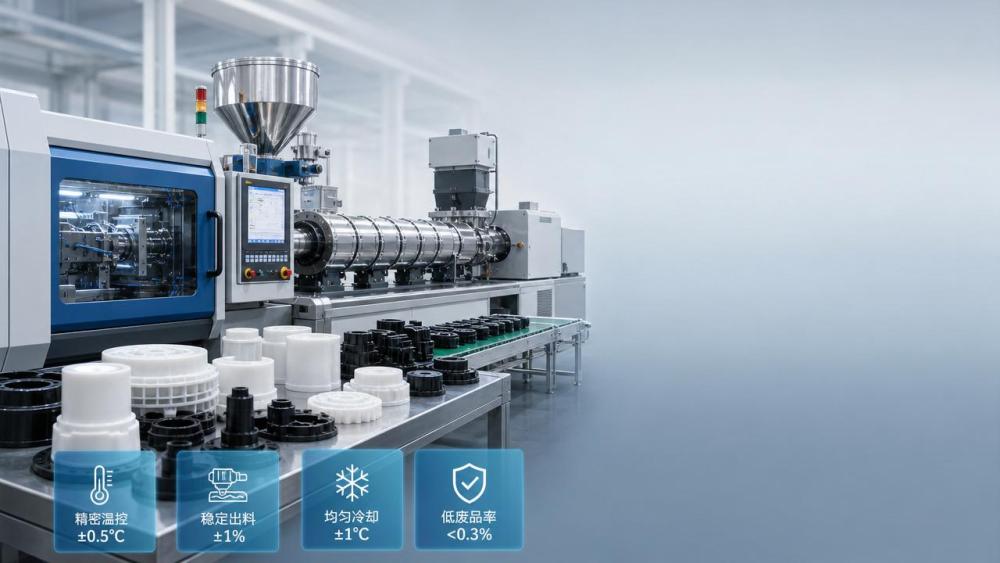
For executives, the biggest mistake is treating polymer equipment as a capital item only. In reality, polymer forming systems affect the full economics of manufacturing from launch speed to warranty exposure.
A well-selected system can improve dimensional consistency, reduce resin loss, shorten changeovers, and support traceability. A poorly matched system can lock a factory into chronic defects, high utility bills, and unstable output.
In many operations, the lifetime cost gap between two systems is much larger than the initial purchase gap. Energy efficiency, uptime, tooling compatibility, and process repeatability often determine real return on investment.
This is especially important in regulated or brand-sensitive markets such as medical, food packaging, automotive, and consumer goods. There, part failure is not only a production issue but also a revenue, reputation, and compliance issue.
What decision-makers care about most when evaluating forming systems
Most business leaders are not asking for a lesson in polymer science. They want to know how equipment decisions affect yield, throughput, customer acceptance, and total cost per qualified part.
The first concern is part quality consistency. A system that can hit specification once is not enough. What matters is whether it can hold tolerance, appearance, and mechanical performance across long runs.
The second concern is cost structure. This includes direct costs such as resin, energy, labor, and maintenance, plus indirect costs such as scrap handling, line stoppages, delayed shipments, and customer complaints.
The third concern is flexibility. Companies increasingly need to run multiple materials, support short product cycles, and respond to sustainability pressure, including recycled content and packaging compliance requirements.
The fourth concern is risk. If a system cannot manage material variation, temperature sensitivity, or downstream integration, operating teams may face repeated instability that erodes margins month after month.
How polymer forming systems directly influence part quality
Part quality is fundamentally created by process control. Polymer forming systems determine how uniformly material is melted, mixed, conveyed, shaped, cooled, and solidified before the part reaches the customer.
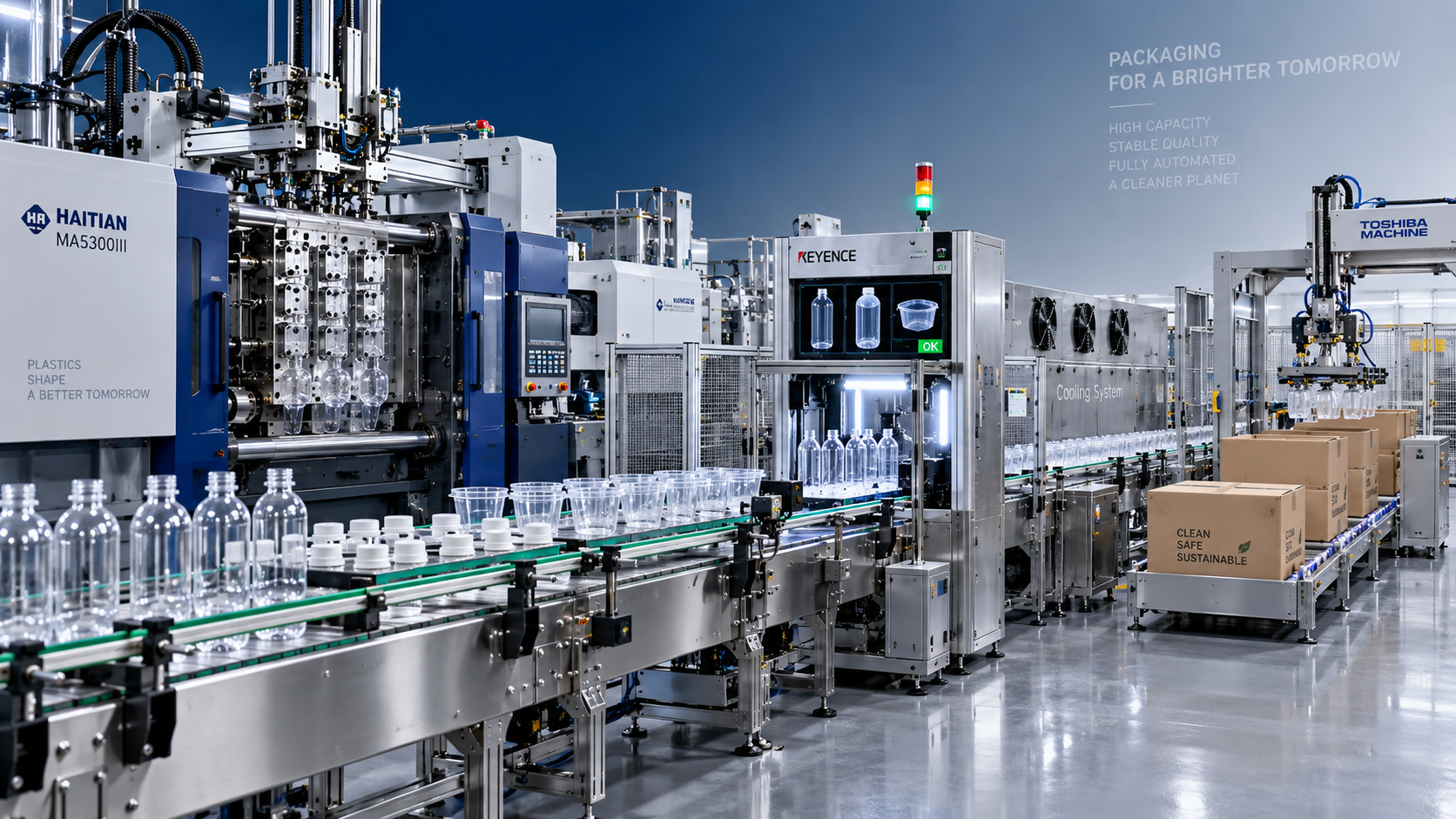
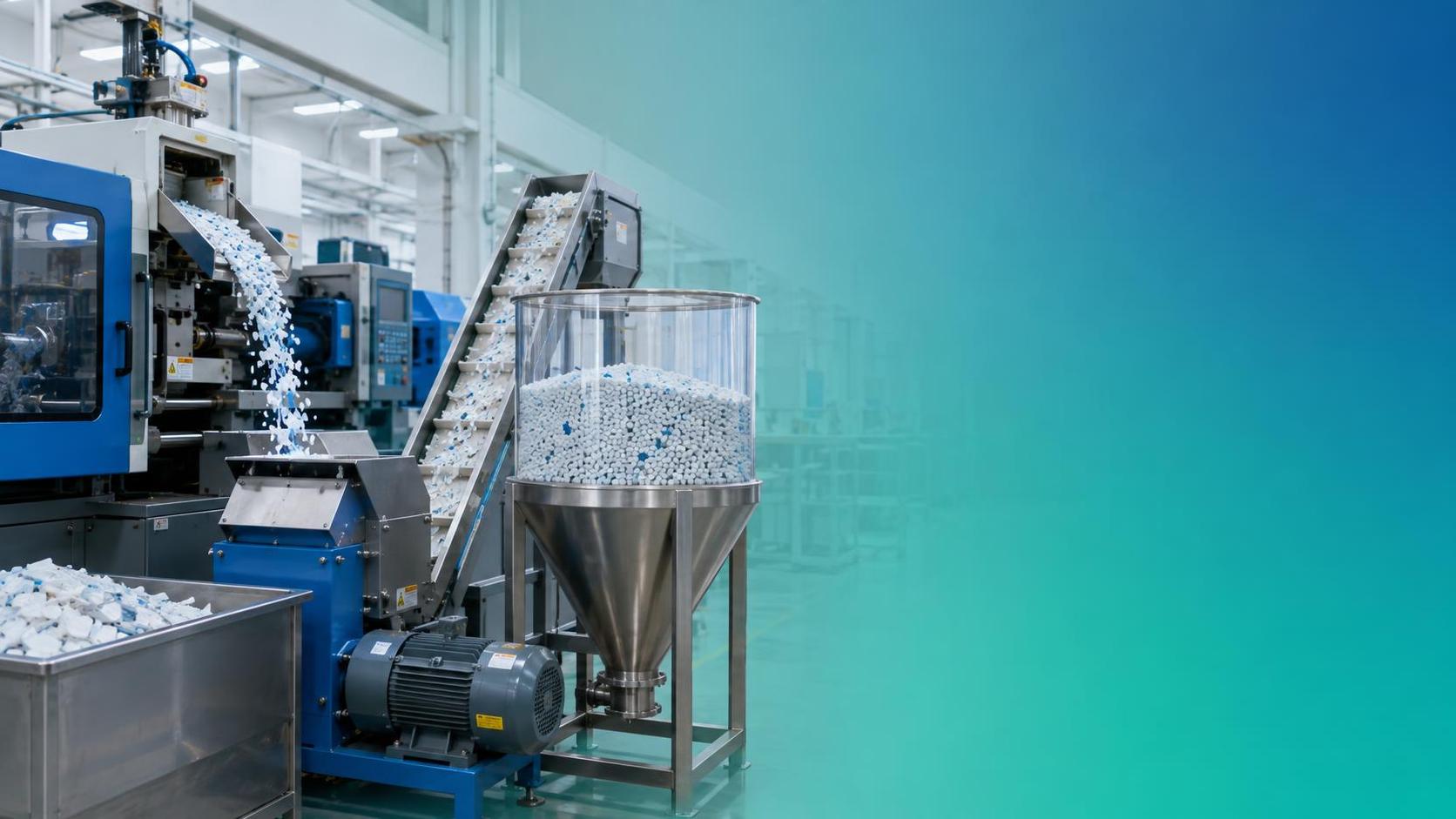
In injection molding, machine response, screw design, clamping precision, and holding pressure control affect warpage, sink marks, flash, weld lines, and dimensional variation. Small process instability often becomes visible quality loss.
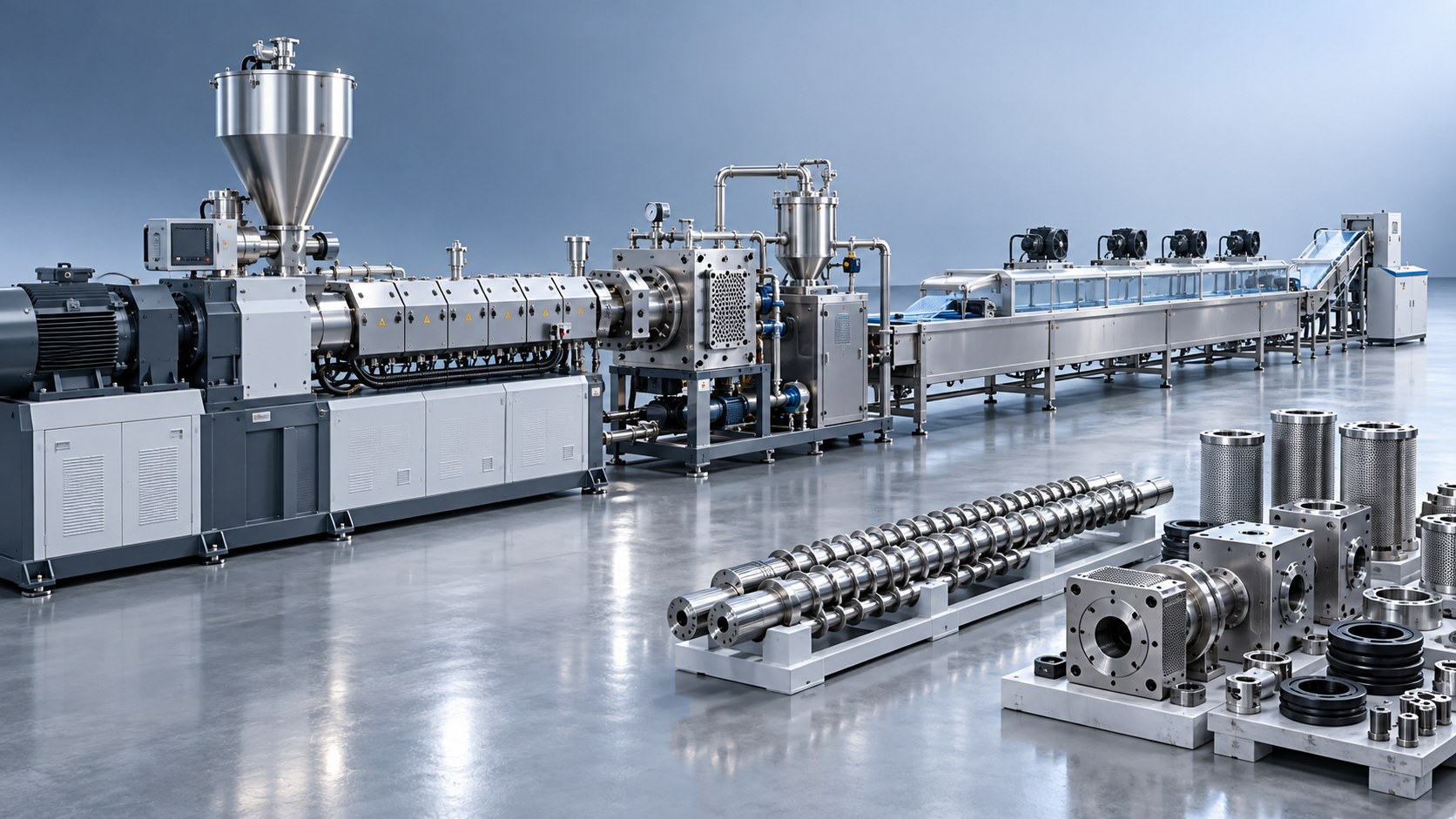
In extrusion, screw configuration, die design, barrel temperature control, and haul-off stability influence wall thickness, surface finish, dispersion quality, and continuous output consistency. Poor melt homogeneity creates variation that multiplies downstream.
In blow molding, parison control and stretching behavior are critical. If the system cannot maintain stable material distribution, bottles and containers may show uneven thickness, weak zones, or poor top-load performance.
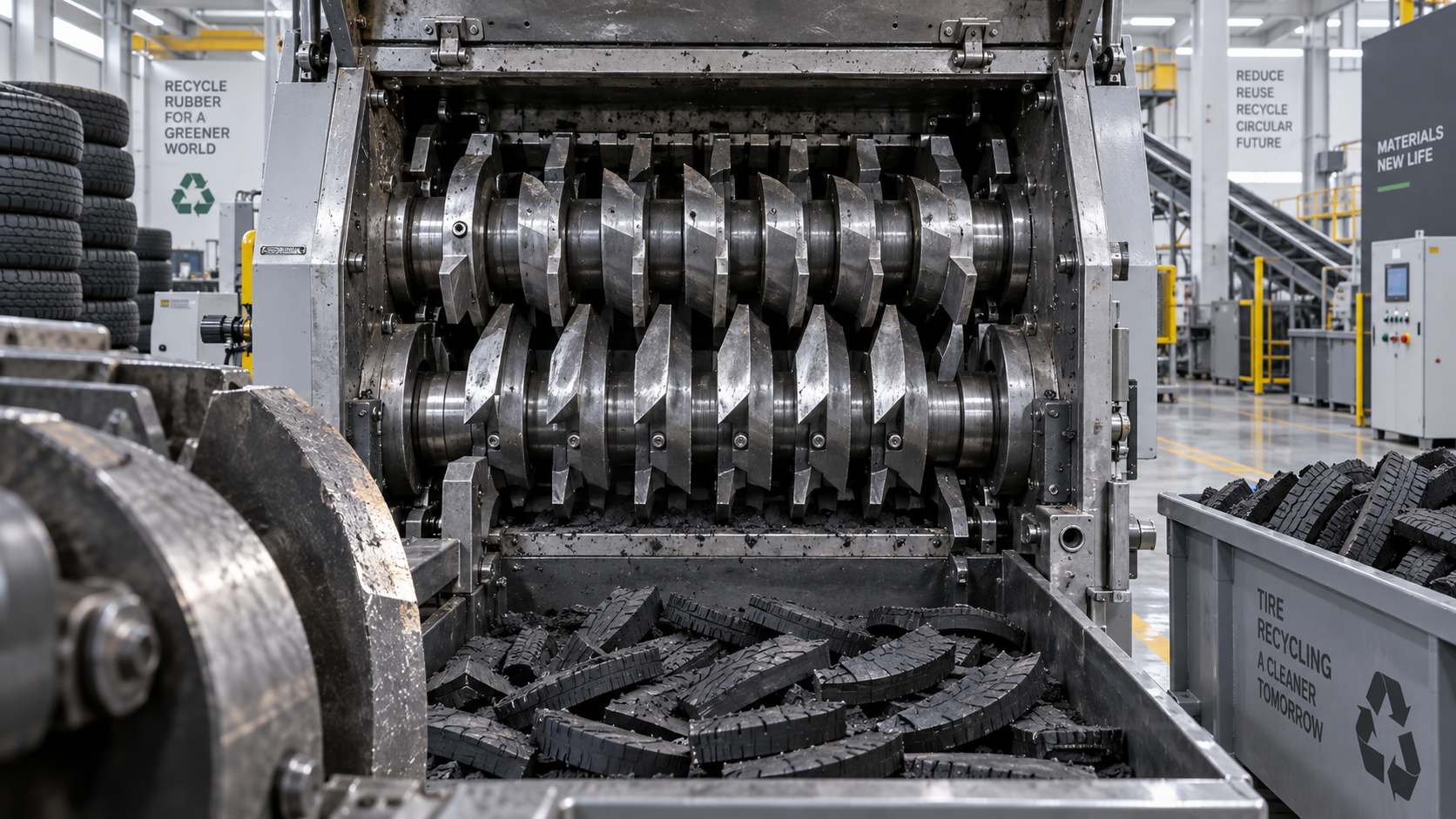
In rubber vulcanization, mold temperature uniformity and pressure distribution directly affect cross-linking quality. Under-cured or unevenly cured parts can fail in service, particularly in tires, seals, and industrial elastomer applications.
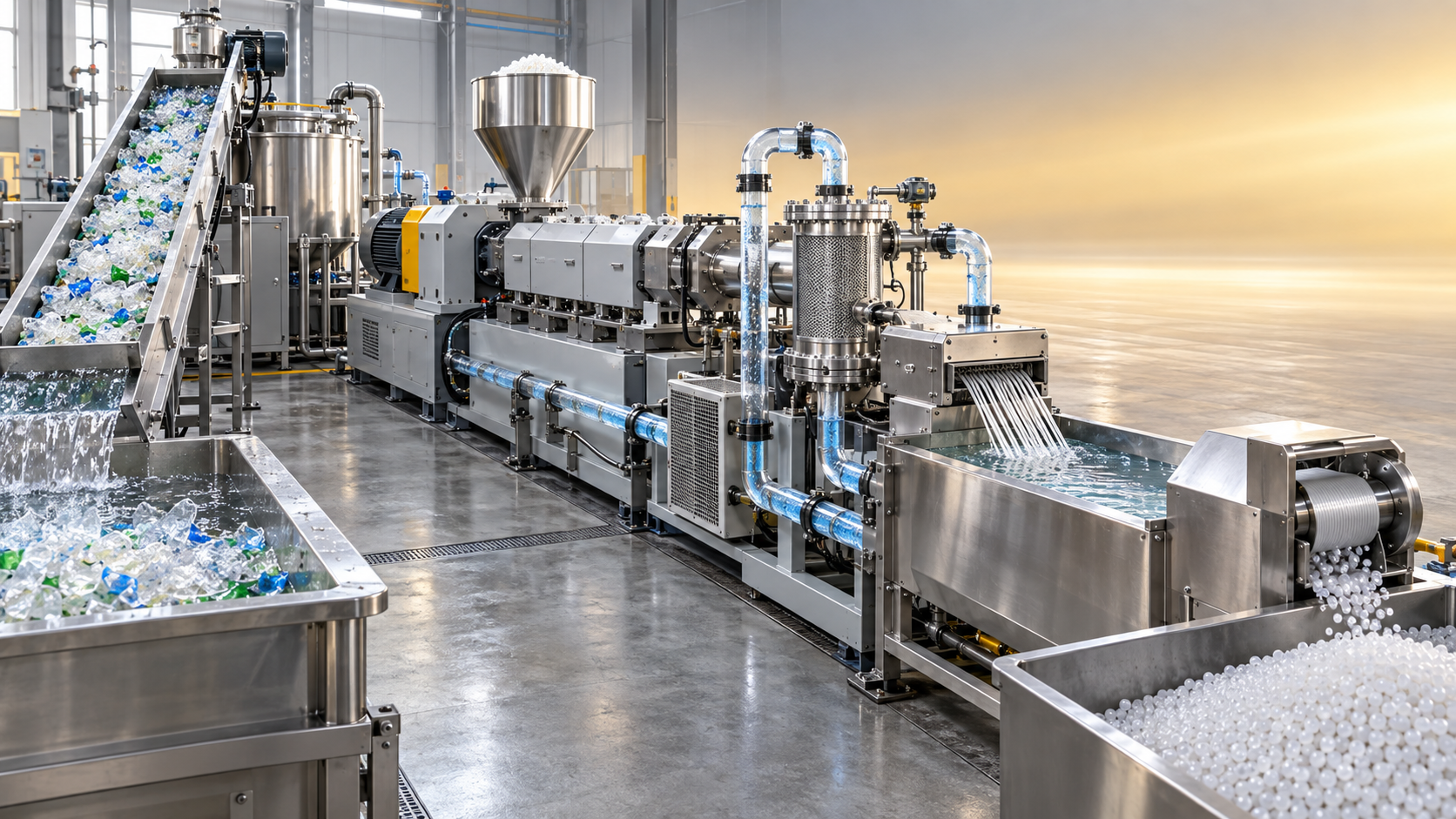
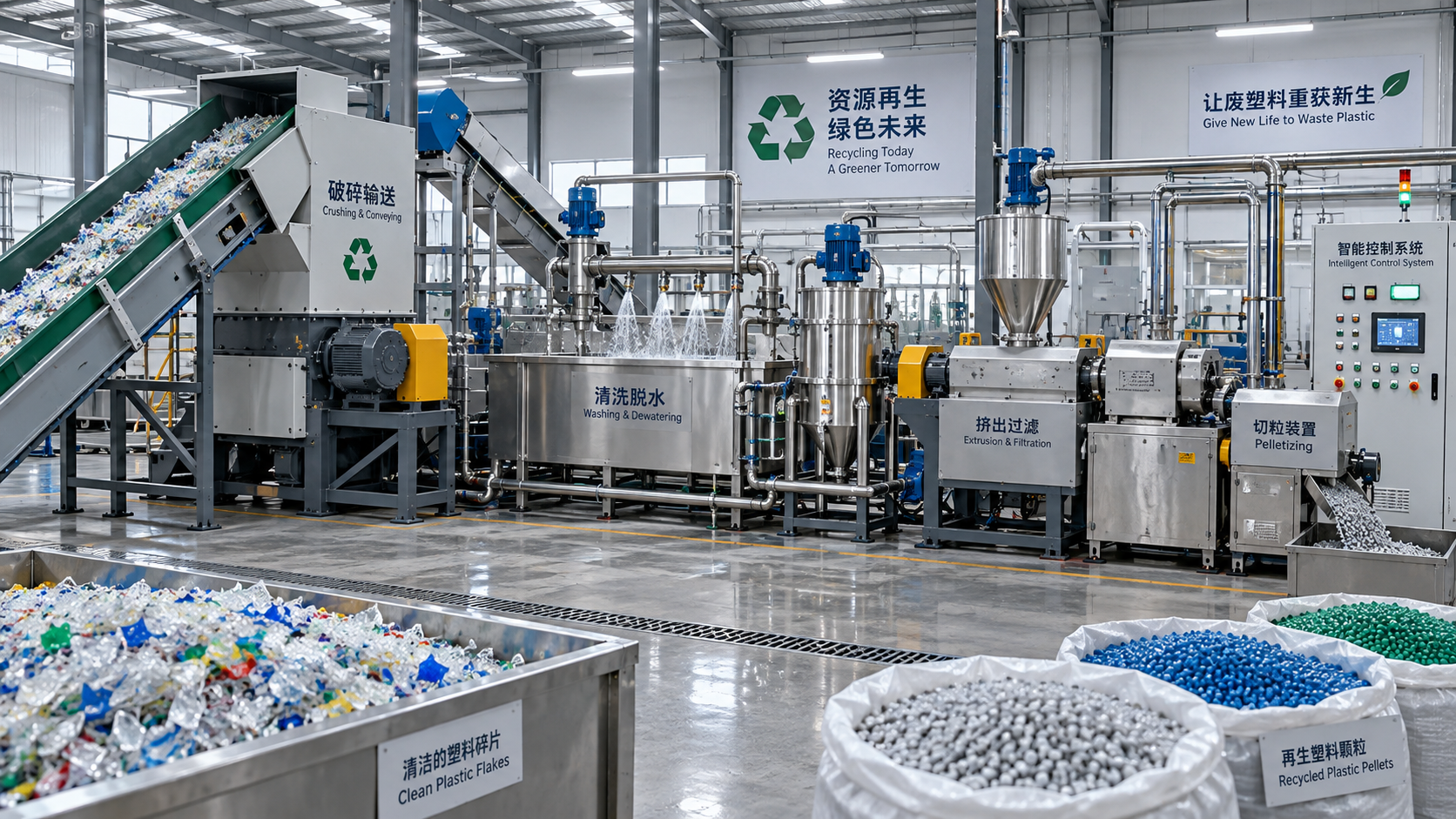
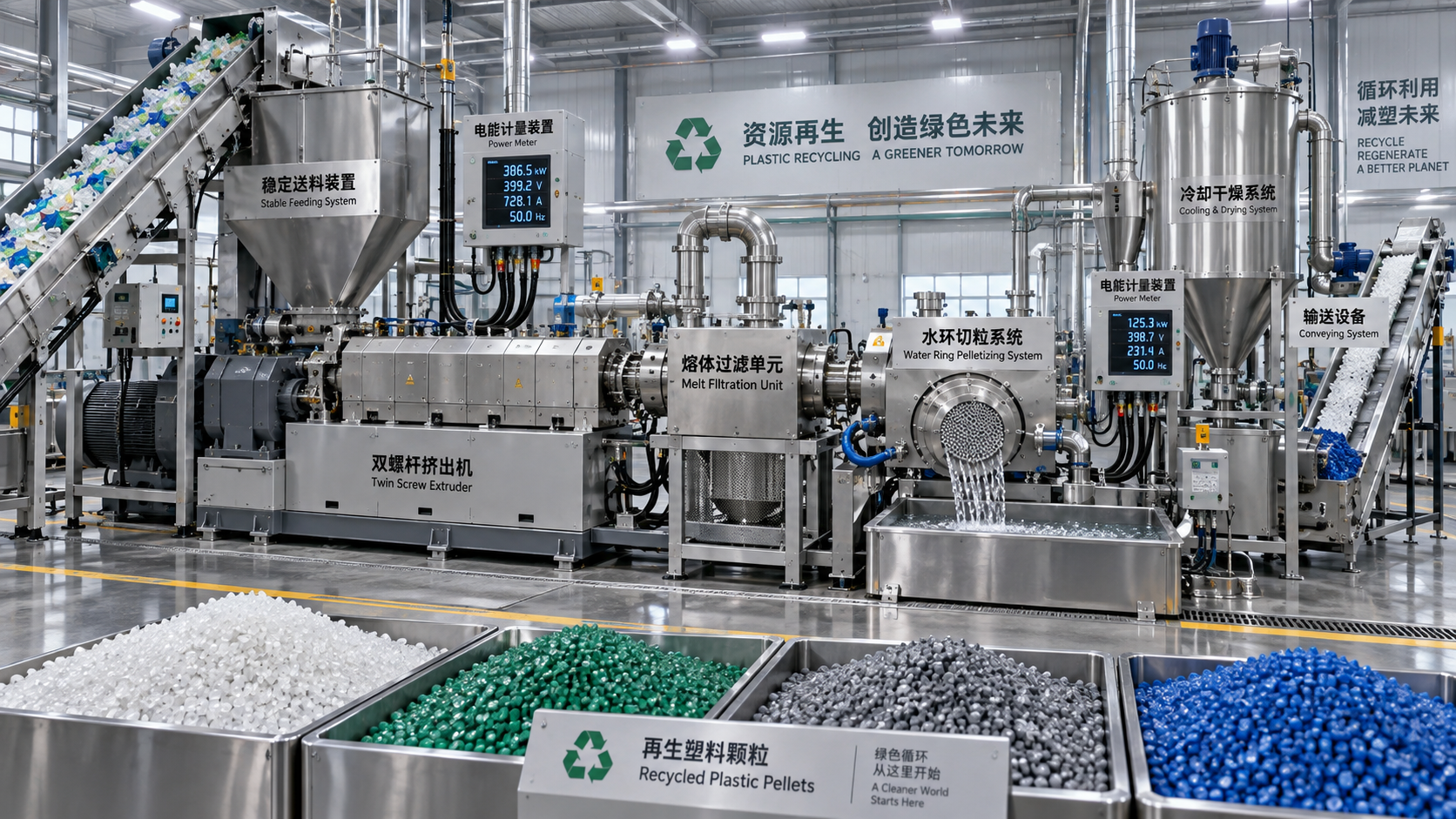
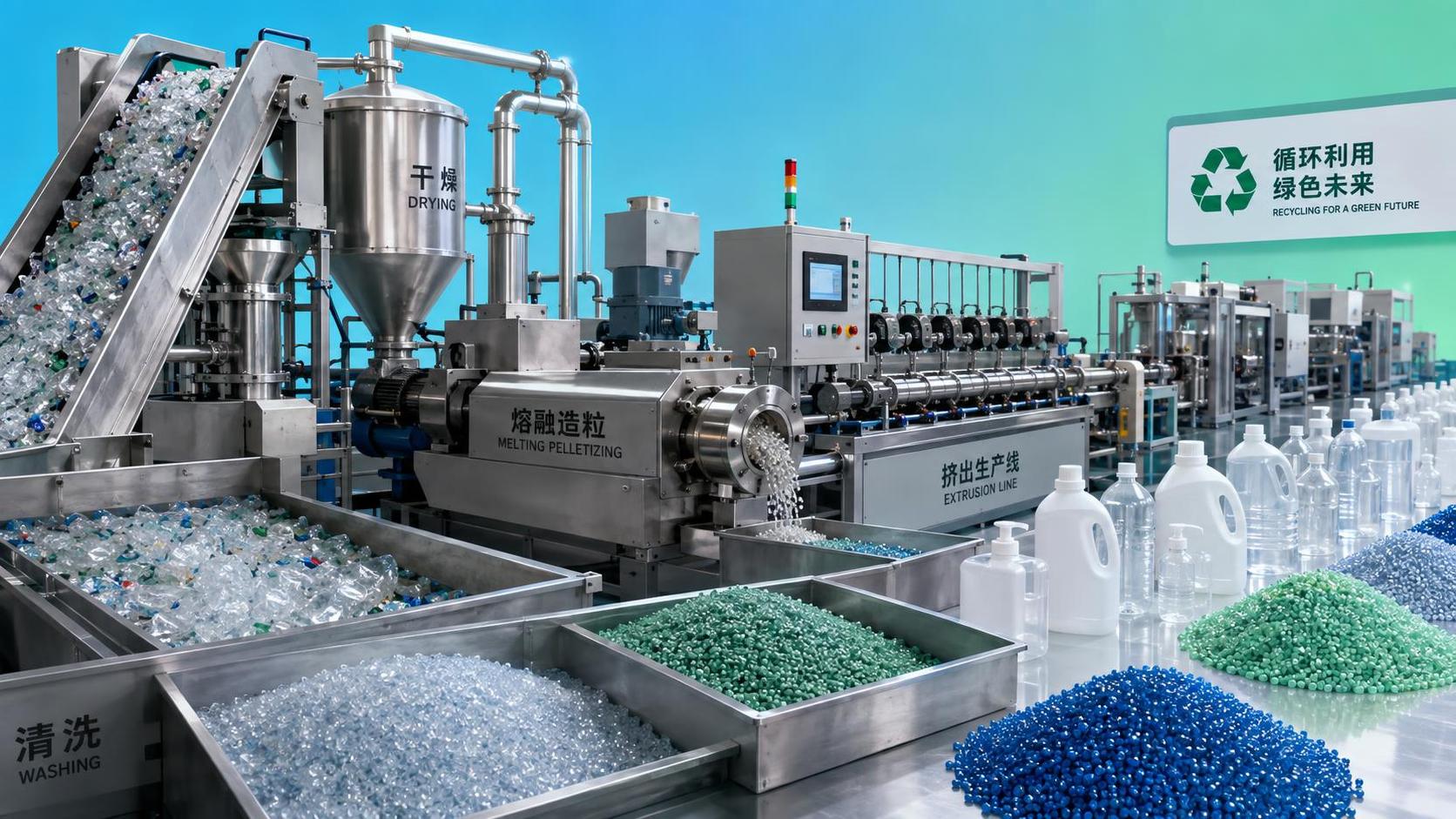
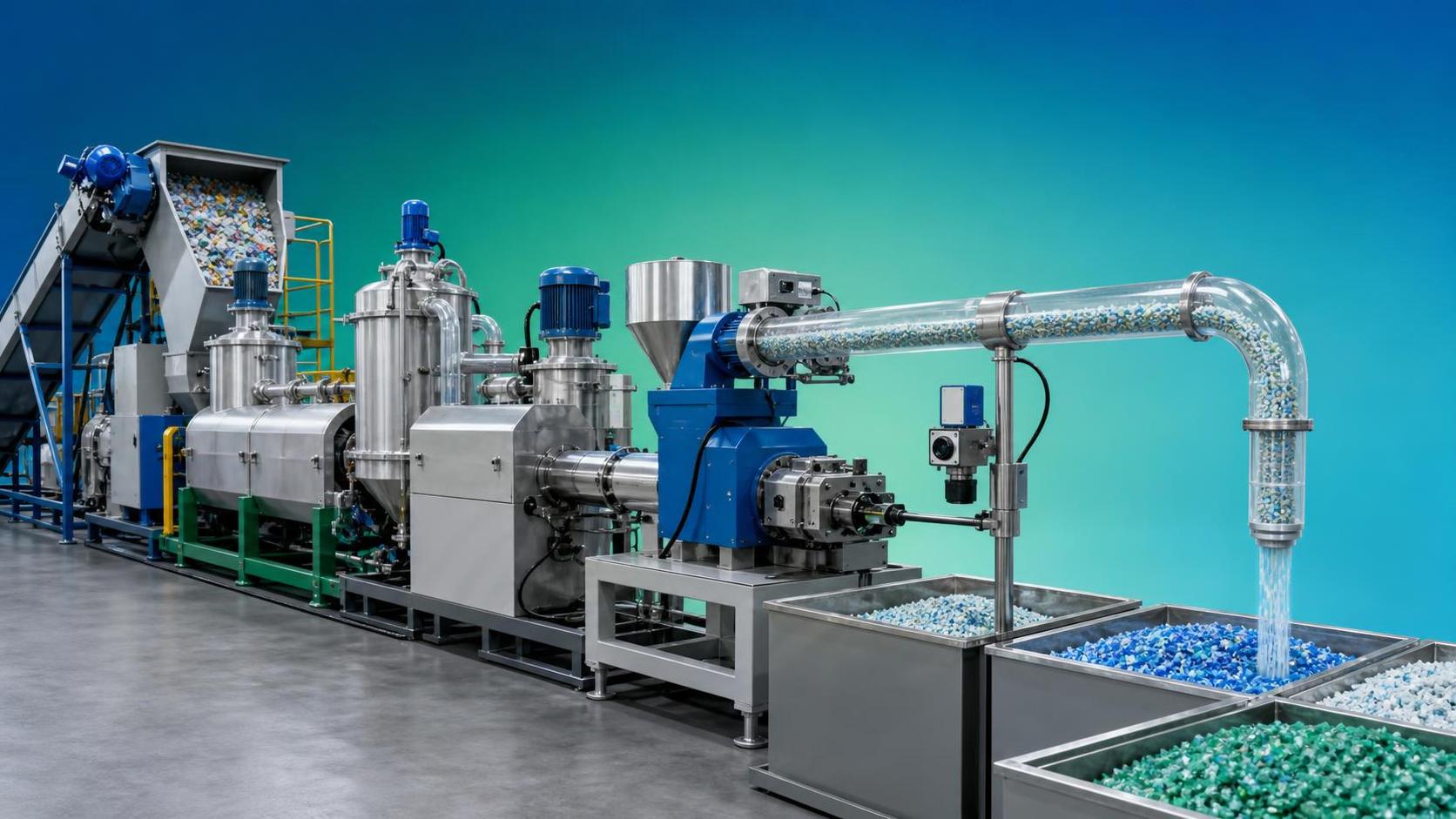
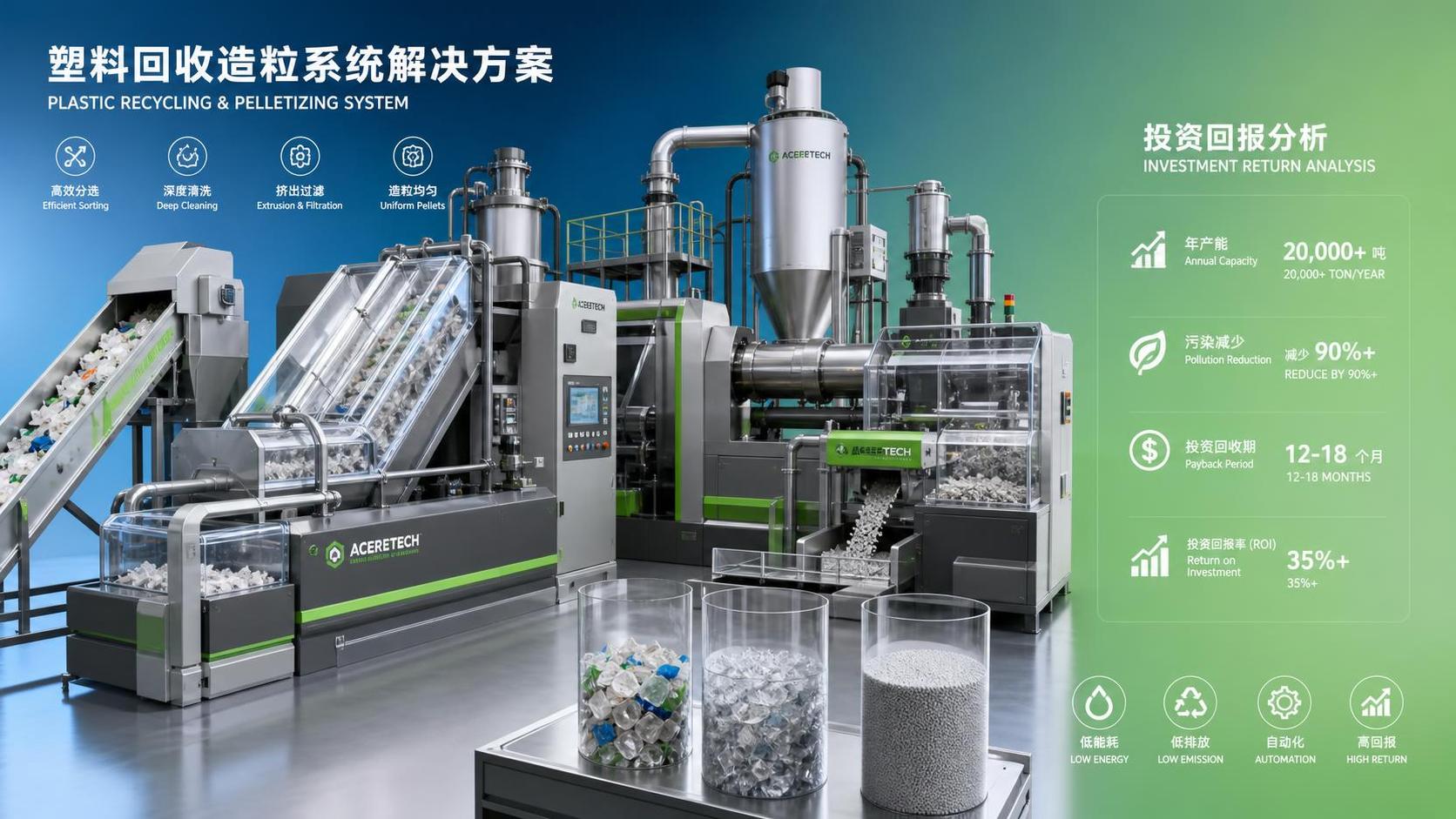
In recycling and pelletizing, melt filtration, degassing, and pellet uniformity influence whether recycled material can perform reliably in new production. Poor recovery systems create contamination risk and quality inconsistency in later forming steps.
The cost drivers hidden inside polymer forming systems
Many costs linked to polymer forming systems are not obvious during procurement. The most important are often hidden in daily operation, where small inefficiencies repeat thousands of times per shift.
Scrap is one of the largest hidden costs. When systems generate unstable melt conditions, poor filling, or inconsistent cooling, defects rise quickly. Scrap wastes material, machine time, labor, and often packaging or secondary processing costs.
Cycle time is another major lever. Faster output is valuable only if part quality remains stable. A machine that runs slightly slower but with higher first-pass yield may outperform a nominally faster system in total weekly profit.
Energy consumption matters more each year, especially in regions with volatile electricity prices or carbon reporting requirements. All-electric and servo-driven systems often provide measurable savings compared with older hydraulic platforms.
Maintenance also changes the cost equation. Systems with better diagnostics, cleaner drive architecture, and easier access to wear parts can reduce unplanned downtime. That improves both labor productivity and delivery reliability.
Tooling wear, auxiliary integration, and start-up losses must also be considered. A forming line that is hard to stabilize after material changes or tool swaps can consume far more operating budget than expected.
Why material behavior and machine capability must be matched
Not every polymer behaves the same way under heat and shear. Viscosity, moisture sensitivity, filler loading, and thermal stability all affect how a resin responds inside polymer forming systems.
Decision-makers often underestimate this point when comparing suppliers. A system that performs well with standard virgin resin may struggle when running recycled content, engineering polymers, or highly filled compounds.
For example, thin-wall packaging needs rapid, repeatable flow behavior and tight cooling control. Optical parts require exceptional melt cleanliness and low process variation. Recycled plastics need strong filtration and stable degassing capability.
The key question is not whether a system is advanced in general. It is whether its screw design, drive control, temperature management, and automation are appropriate for the actual material portfolio and product mix.
That is why trial data, rheology understanding, and process validation matter so much. Good suppliers do not simply quote tonnage or throughput. They demonstrate performance under realistic production conditions.
How the right system improves compliance and business resilience
Modern polymer manufacturing is increasingly shaped by sustainability demands, packaging regulations, traceability expectations, and customer audits. Equipment capability now affects compliance as much as production output.
Polymer forming systems with better control over waste, energy, emissions, and recycled material incorporation can help companies respond to tightening environmental requirements without sacrificing productivity.
This is particularly relevant in packaging, where design-for-recycling, lightweighting, and post-consumer resin targets are becoming strategic priorities. Forming systems must support stable processing despite narrower operating windows.
Digital monitoring also strengthens resilience. When systems provide reliable data on temperature profiles, pressure curves, cycle variation, and machine health, manufacturers can detect drift earlier and reduce quality surprises.
For decision-makers, this means equipment selection is increasingly tied to future readiness. The line must not only meet current production needs but also adapt to material shifts, customer demands, and regulatory evolution.
How to evaluate polymer forming systems without getting lost in technical detail
Executives need a framework that converts technical features into business outcomes. The most useful approach is to compare options through quality impact, cost impact, flexibility, and strategic risk.
Start with the required quality level. What tolerances, mechanical properties, cosmetic standards, and compliance needs must the system deliver consistently? This defines the minimum acceptable process control capability.
Next, assess cost per good part, not cost per hour or machine price alone. Include expected scrap, startup loss, labor needs, utility use, maintenance frequency, and likely downtime in the financial model.
Then evaluate material and product flexibility. Can the system run future resins, recycled content, or new geometries without major reinvestment? Flexibility often has high strategic value in uncertain markets.
Finally, test supplier credibility. Look for application knowledge, process development support, service response, digital diagnostics, and reference cases in similar industries. Strong support can materially improve long-term operating performance.
Questions every buyer should ask before investing
Before selecting a new line, leaders should ask a few disciplined questions. These often reveal more than a long list of generic specifications.
How does this system affect first-pass yield in our actual product family? What is the expected cycle time at required quality standards? How sensitive is performance to material variation or recycled content?
What are the real energy and maintenance benchmarks under comparable operating conditions? How quickly can the line recover after a changeover, restart, or process upset? What process data will be available for continuous improvement?
It is also wise to ask what failure modes are most common and how they are prevented. This shifts the discussion from ideal performance to operational reality, which is where cost and quality outcomes are decided.
Strategic takeaway: better polymer forming systems create better economics
In competitive manufacturing, polymer forming systems are not just production assets. They are quality engines, cost structures, compliance enablers, and strategic tools for resilience.
The systems that create the most value are those that align machine capability with polymer behavior, product requirements, sustainability goals, and business growth plans. Precision and efficiency work best when they are designed together.
For business decision-makers, the practical lesson is simple. If you want lower cost per qualified part, fewer quality surprises, and stronger future readiness, evaluate polymer forming systems through total operating impact, not purchase price alone.
That perspective leads to better capital decisions, more stable output, and stronger margins over time. In today’s market, the companies that understand this connection are the ones most likely to scale profitably and compete with confidence.
Related News
- 00
0000-00
How to Size a Servo Injection Molding Press for High-Precision Parts - 00
0000-00
How High-Speed Precision Injection Molding Controls Part Tolerances at Scale - 00
0000-00
How to Select Packaging Molding Equipment for High-Volume Production Lines - 00
0000-00
How to Evaluate Plastic Pelletizing Machine Suppliers for Output, Support, and Risk - 00
0000-00
How to Select a Plastic Pipe Manufacturing System for Output, Resin, and Pipe Range
Weekly Insights
Stay ahead with our curated technology reports delivered every Monday.
Related News
 Ms. Elena RodriguezHow to Select Packaging Molding Equipment for High-Volume Production LinesPackaging molding equipment selection guide for high-volume lines: compare processes, throughput, materials, automation, and energy to achieve stable, cost-effective output.Oct 04, 2026
 Ms. Elena RodriguezHow to Evaluate Plastic Recycling Machinery for UAE Heat, Feedstock, and Output NeedsPlastic recycling machinery UAE buyers: evaluate heat resilience, feedstock handling, cooling, pellet quality, energy use, and lifecycle cost for reliable output.Sep 28, 2026
 Ms. Elena RodriguezGerman Extrusion Equipment Suppliers: Comparing Service, Lead Times, and Lifecycle CostExtrusion equipment Germany suppliers compared: evaluate service coverage, credible lead times, spare-parts access, and lifecycle cost to select a reliable, future-ready production partner.Sep 22, 2026
 Ms. Elena RodriguezWhat Should You Check Before Buying a Used Plastic Recycling Line?What should I check before buying a used plastic recycling line? Explore feedstock fit, wear, trials, utilities, controls, and restoration costs before you invest.Sep 26, 2026
 Ms. Elena RodriguezHow to Compare Pelletizing Lines by Energy Use per TonHow do I compare pelletizing lines by kWh per ton? Learn to measure total energy, verify saleable output, and select a cost-efficient line.Sep 23, 2026
 Ms. Elena RodriguezTyre Cutter Blade Wear: When Capacity Loss Needs Inspectionшинорез blade wear can quietly reduce tyre-cutting capacity. Learn the warning signs, inspection triggers, and maintenance actions that protect output and uptime.Sep 28, 2026
 Ms. Elena RodriguezIn-House Recycling for Factory Scrap: How to Reduce Material Waste and Disposal CostsIn house recycling for factory scrap helps manufacturers cut material waste, reduce disposal costs, and create controlled, quality-focused reuse loops.Sep 07, 2026
 Ms. Elena RodriguezHow Recyclable Packaging Manufacturing Balances Material Recovery and Production CostRecyclable packaging manufacturing: discover how smarter design, feedstock control, and process optimization reduce recovery costs while improving quality and yield.Sep 04, 2026
 Ms. Elena RodriguezHow to Evaluate a Plastic Recycling Systems Supplier for Your Processing NeedsChoose the right plastic recycling systems supplier with a practical guide to feedstock fit, output quality, total cost, testing, service, and compliance.Sep 01, 2026
 Ms. Elena RodriguezCE Marking for Plastic Processing Equipment: Documentation and Safety ChecksPlastic processing equipment CE compliance: learn the essential documentation, risk assessments, safety checks, and validation steps for reliable EU market access.Aug 30, 2026
 Ms. Elena RodriguezPlastic Packaging Compliance Standards: What Tests and Documents Matter Most?Plastic packaging compliance standards explained: learn which migration tests, mechanical checks, and audit-ready documents matter most to reduce risk and pass reviews with confidence.Aug 25, 2026
 Ms. Elena RodriguezHow to Evaluate a Plastic Waste Recycling System for Capacity, Contamination, and ROIPlastic waste recycling system evaluation made practical: compare true capacity, contamination control, and ROI to choose a line that delivers stable output and stronger returns.Aug 24, 2026
 Ms. Elena RodriguezPackaging Molding Equipment Price: What Drives Cost and How to Compare Quotes?Packaging molding equipment price varies by machine type, automation, tooling, energy use, and service scope. Learn what drives cost and how to compare quotes with confidence.Aug 21, 2026
 Ms. Elena RodriguezWhat Packaging Machinery for Plastic Containers Should You Choose for High-Volume Production?Packaging machinery for plastics containers can make or break high-volume production. Learn how to choose the right line for speed, consistency, compliance, and lower lifecycle costs.Aug 16, 2026
 Ms. Elena RodriguezWhat Circular Plastics Mean for Automotive Parts and Material SelectionCircular plastics for automotive are reshaping part selection with lower weight, better sustainability, and reliable performance. Discover how engineers balance recycled content, durability, and compliance.Aug 15, 2026
 Ms. Elena RodriguezBroiler Farming in Cage System: Selection Factors for Commercial FarmsBroiler farming in cage system selection for commercial farms: compare structure, ventilation, automation, and manure handling to improve efficiency and avoid costly mistakes.Aug 14, 2026
 Ms. Elena RodriguezHow to Implement Smart Polymer Manufacturing Without Disrupting Existing Production?Smart polymer manufacturing implementation made practical: learn how to upgrade existing production with phased digitalization, less downtime, better control, and measurable ROI.Aug 11, 2026
 Ms. Elena RodriguezHow to Evaluate a Rubber Compression Molding Supplier for Complex Part ProductionRubber compression molding supplier selection for complex parts starts with process, material, and tooling control. Learn how to compare vendors beyond price and reduce launch risk.Aug 10, 2026
 Ms. Elena RodriguezPackaging Compliance in Canada: Key Labeling and EPR Rules Importers Must KnowPackaging compliance Canada explained for importers: learn bilingual labeling, environmental claims, and provincial EPR rules to reduce risk, avoid costly errors, and stay market-ready.Aug 03, 2026
 Ms. Elena RodriguezWhy Circular Plastics Economy Traceability Matters for Recycled Content ComplianceCircular plastics economy traceability is essential for proving recycled content compliance across sourcing, processing, and reporting. Learn how strong evidence reduces audit risk.Aug 02, 2026