Green Packaging Materials: Comparing Cost, Barrier Performance, and Recyclability




Choosing green packaging materials is no longer a sustainability checkbox. It is a cost, compliance, performance, and supply-chain decision.
From bio-based films to rPET, molded fiber, and compostable polymers, every option brings trade-offs in protection, processing, availability, and end-of-life value.
This guide compares green packaging materials through practical scenarios, helping balance environmental targets with barrier performance, machinery compatibility, and total landed cost.
When Green Packaging Materials Become a Scenario Decision
The same package can succeed in dry snacks and fail in chilled meat. The difference is not branding, but exposure conditions.
Green packaging materials must match moisture, oxygen, grease, aroma, light, heat, and mechanical stress requirements.
They also need to fit forming, extrusion, sealing, filling, palletizing, and recycling systems without hidden efficiency losses.
A low-carbon material with poor sealing can increase rejects. A recyclable structure with weak barrier may shorten shelf life.
The best green packaging materials are selected by scenario, not by single claims such as “bio-based” or “compostable.”
Scenario 1: Dry Food and Low-Moisture Consumer Goods
Dry food, powders, tea, cereals, and many personal-care refills need moderate moisture control and strong shelf presentation.
For these uses, recyclable mono-PE, mono-PP, paper-based laminates, and rPET trays are common green packaging materials.
Cost is usually favorable when existing extrusion, thermoforming, or sealing equipment can process the selected structure.
Barrier performance depends on coating, film gauge, and sealing accuracy. Paper formats may need water-based barrier coatings.
A practical choice often favors recyclable mono-material films when flexible packaging lines already run polyolefin structures.
Scenario 2: High-Barrier Food, Meat, Dairy, and Coffee
High-barrier applications expose the limits of many green packaging materials. Oxygen, aroma, fat, and moisture protection become critical.
Coffee, cheese, pet food, meat, and ready meals usually require stronger oxygen transmission rate control.
EVOH-based recyclable structures, metallized mono-material films, and advanced coated films are often compared in this scenario.
Compostable polymers can work for selected products, but heat resistance, seal strength, and shelf-life testing are essential.
The main risk is replacing multilayer legacy packaging without validating product stability across distribution and storage conditions.
Here, green packaging materials should be evaluated by lifecycle loss, not only material carbon footprint.
Scenario 3: Beverage Bottles, Jars, and Rigid Containers
Rigid packaging often has clearer recycling pathways than complex flexible packaging, especially when PET, HDPE, or PP formats dominate.
rPET bottles and trays are mature green packaging materials for beverages, foodservice, cosmetics, and household products.
Cost depends heavily on recycled resin quality, local supply, food-grade certification, and sorting infrastructure.
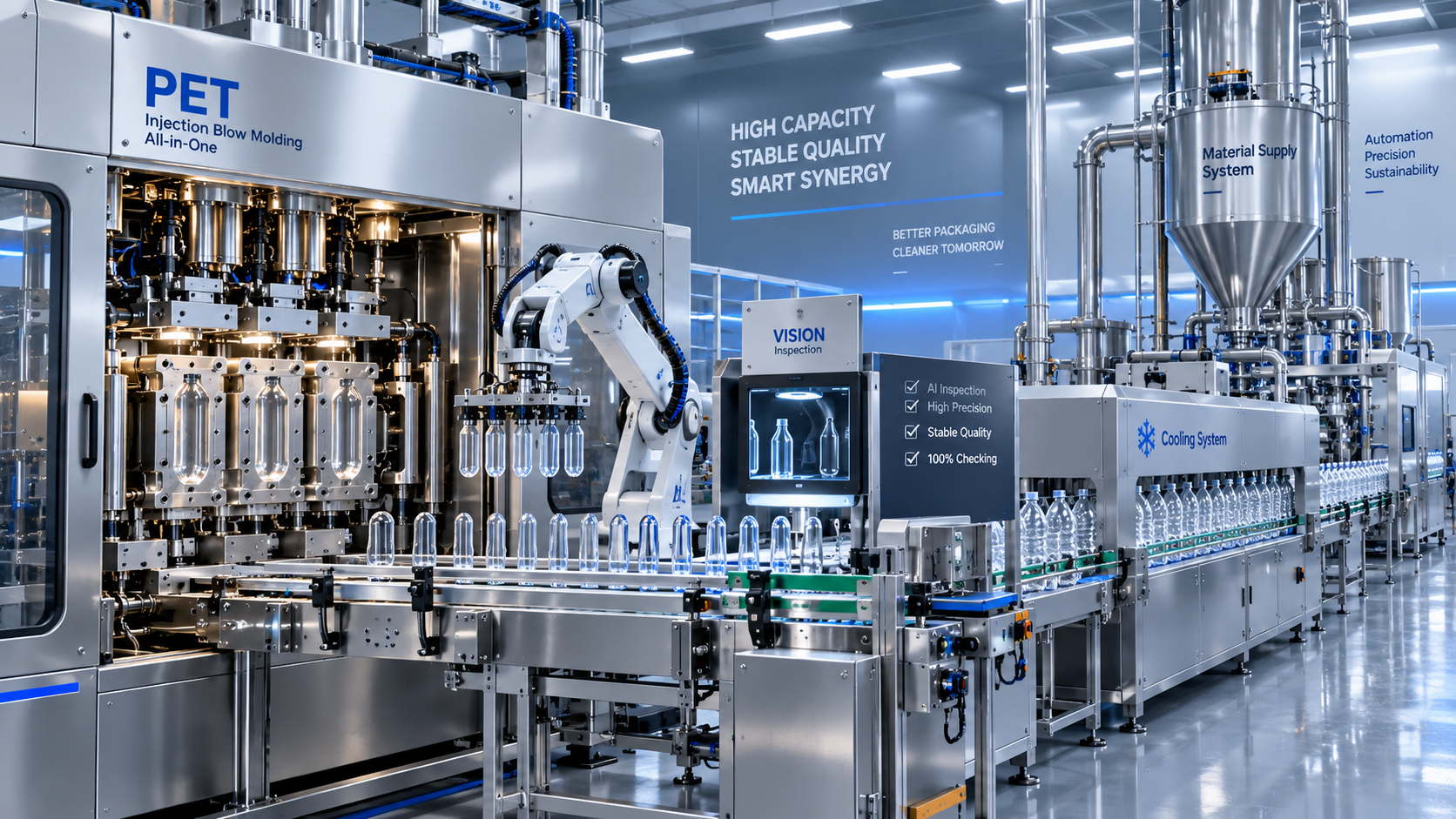
Blow molding and injection molding equipment must handle viscosity variation, contamination limits, and color control.
A strong option is lightweight rPET combined with design-for-recycling labels, closures, and additives.
For opaque bottles, HDPE and PP remain practical green packaging materials when recycled content and recyclability are optimized together.
Scenario 4: E-Commerce, Transit Protection, and Industrial Shipping
E-commerce packaging faces compression, vibration, drops, moisture exposure, and return logistics.
Molded fiber, corrugated paper, recycled PE mailers, and reusable transport packaging are common green packaging materials here.
Barrier performance is less about oxygen and more about puncture resistance, cushioning, waterproofing, and dimensional stability.
The cost calculation should include damage rates, warehouse space, automation speed, and reverse logistics handling.
Molded fiber can reduce plastic use, but tooling, drying energy, and humidity performance require careful validation.
Recycled poly mailers can be efficient green packaging materials when collection and film recycling channels are available.
Scenario 5: Medical, Hygiene, and Sensitive Product Packaging
Medical, hygiene, and sterile products require stricter control than standard retail packaging.
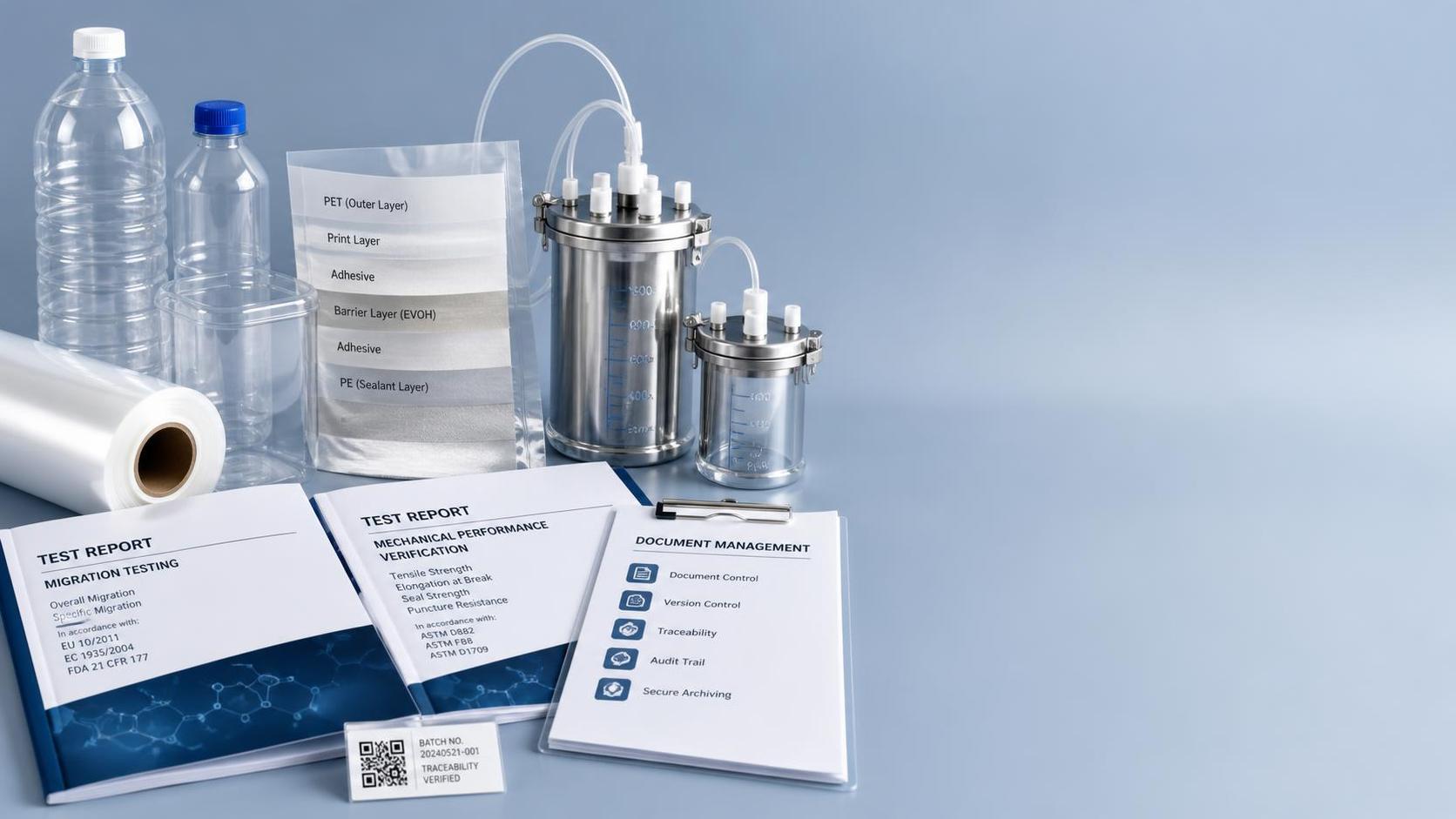
Green packaging materials must meet safety, traceability, cleanliness, and regulatory requirements before sustainability claims matter.
Recyclable rigid plastics, medical-grade paper, Tyvek alternatives, and selected mono-material pouches can be assessed.
However, recycled content may be restricted in direct-contact or sterile barrier applications.
The best route is often packaging redesign, gauge optimization, and recyclable secondary packaging first.
For this scenario, green packaging materials must protect compliance status as carefully as they protect the product.
Comparing Cost, Barrier Performance, and Recyclability by Material
No single material wins every category. Green packaging materials should be compared using weighted priorities by application.
Different Scenarios Create Different Material Priorities
A clear requirement map prevents over-engineering. It also avoids selecting green packaging materials that cannot survive real use.
- For dry goods, prioritize sealing, moisture control, machinability, and shelf appearance.
- For high-barrier food, prioritize oxygen control, aroma retention, and validated shelf life.
- For beverages, prioritize recycled content, bottle strength, clarity, and recycling stream acceptance.
- For e-commerce, prioritize damage reduction, cushioning, storage efficiency, and return compatibility.
- For regulated goods, prioritize compliance, documentation, clean processing, and controlled material history.
This scenario-first method makes green packaging materials easier to compare across functional and commercial requirements.
Machinery Compatibility Can Decide the Real Cost
Material price is only one part of total landed cost. Processing behavior often decides the final economics.
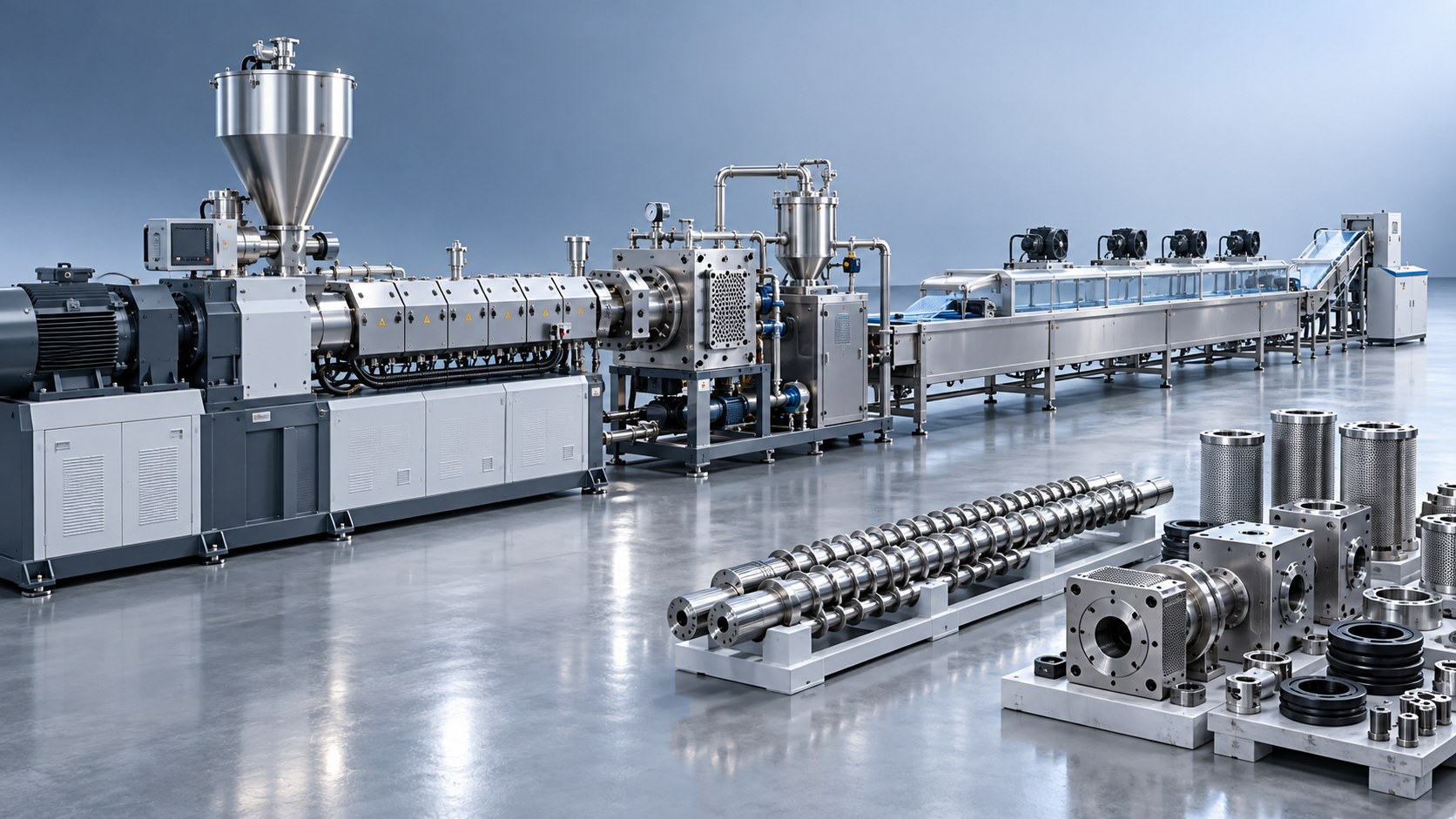
Extrusion lines may need screw adjustments, temperature optimization, filtration upgrades, or coating process changes.
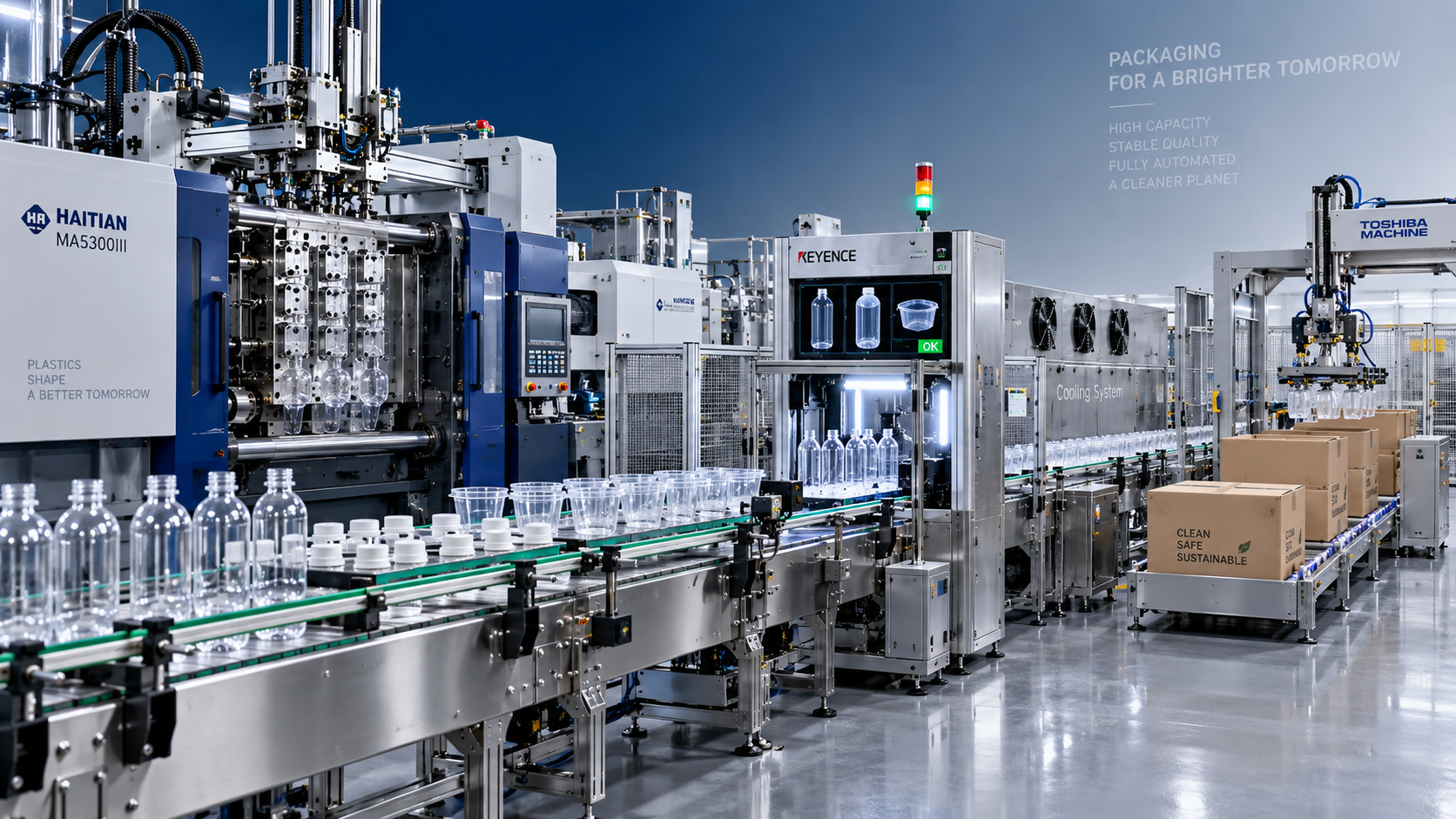
Injection molding may require new drying controls, melt stability checks, and mold venting adjustments.
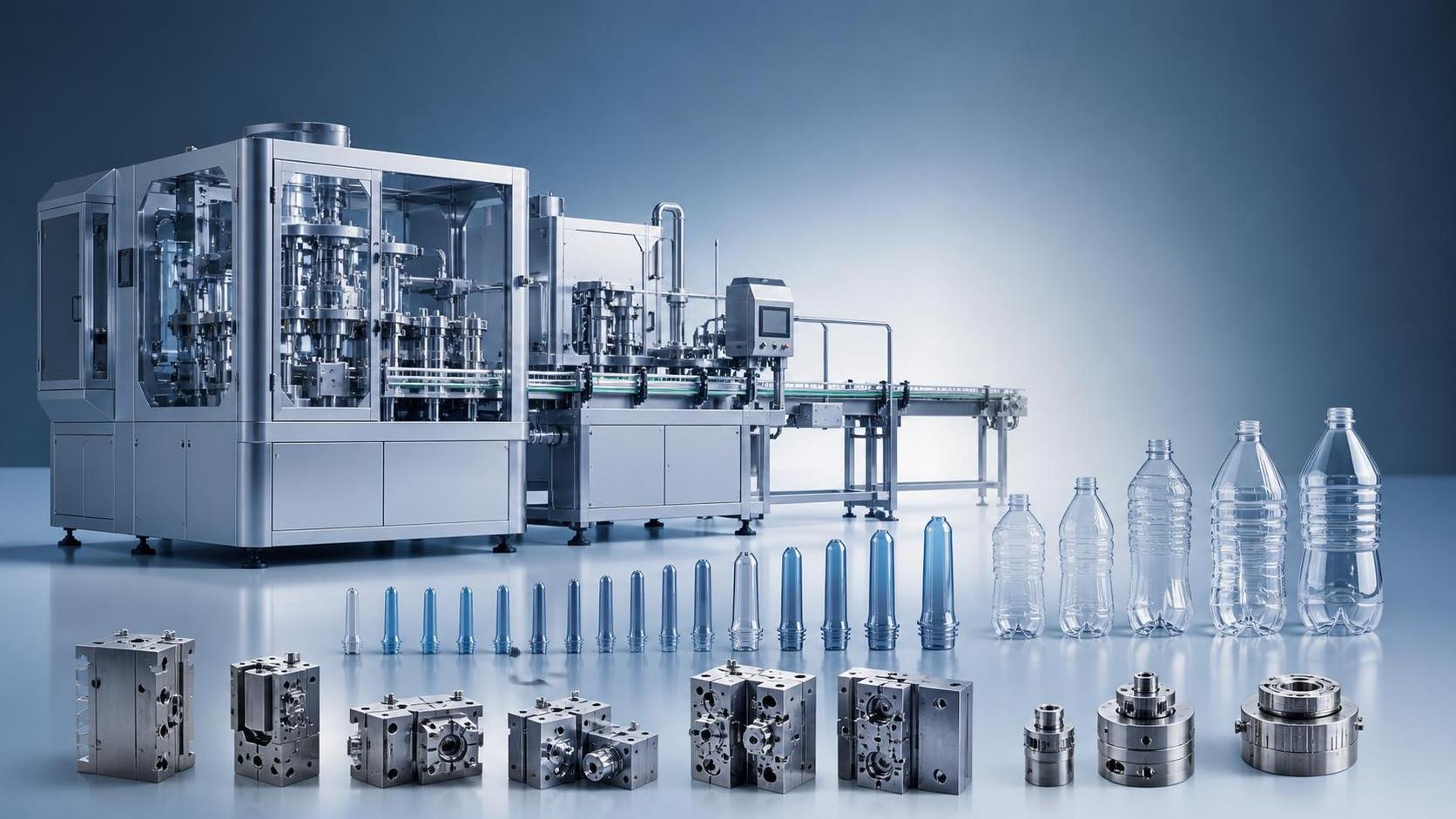
Blow molding with rPET needs stable preform quality, viscosity control, and reliable stretch performance.
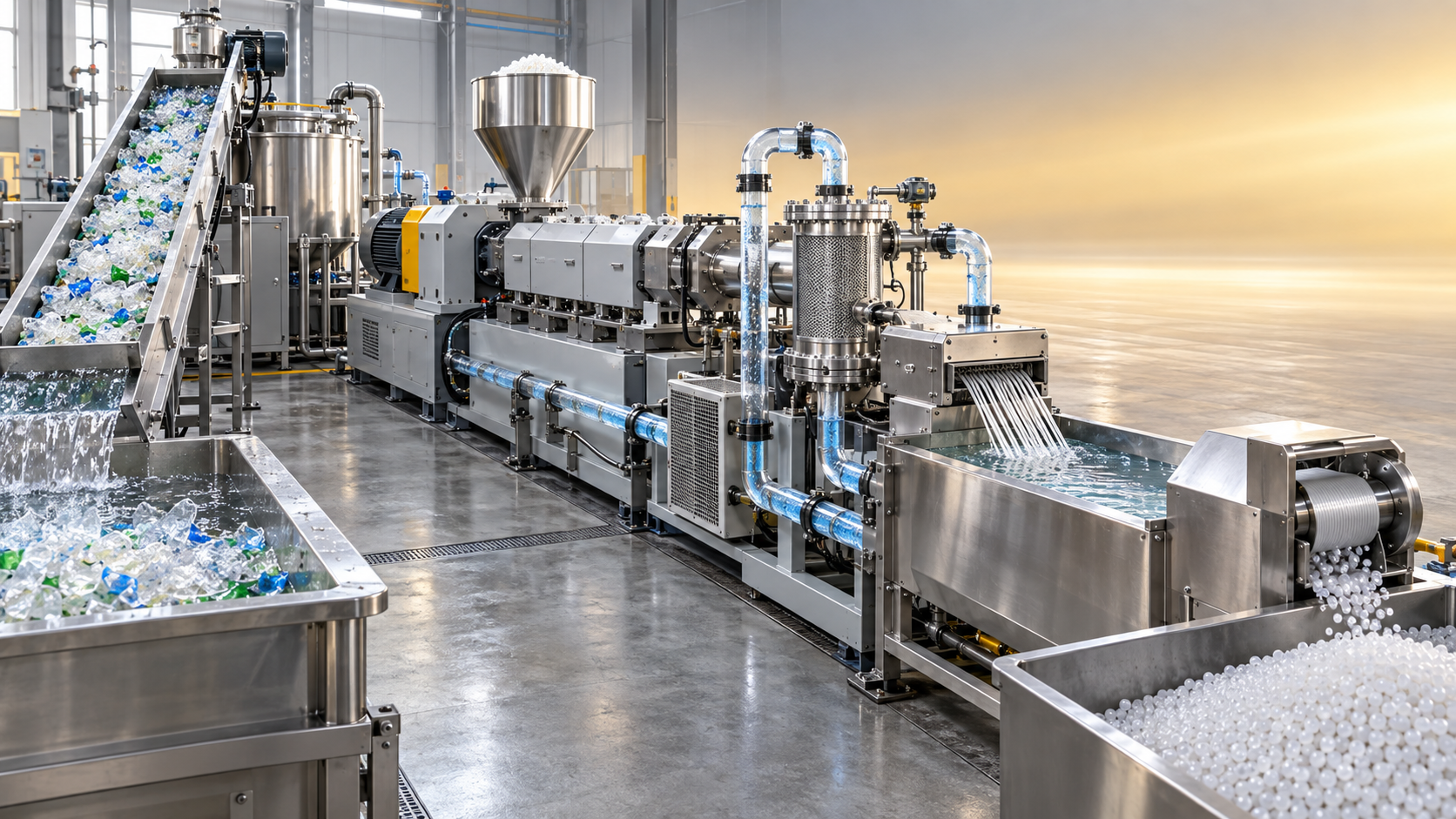
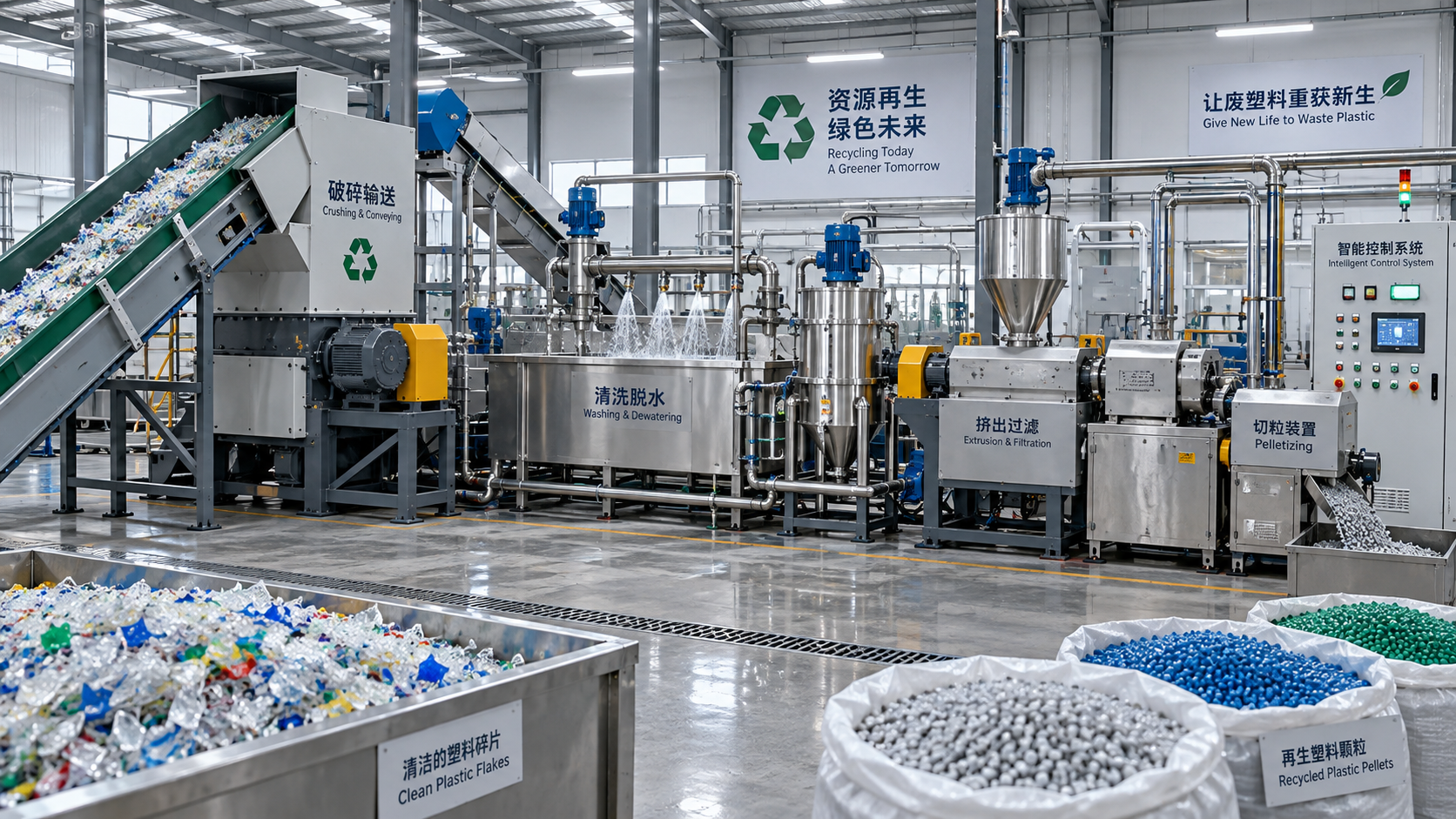
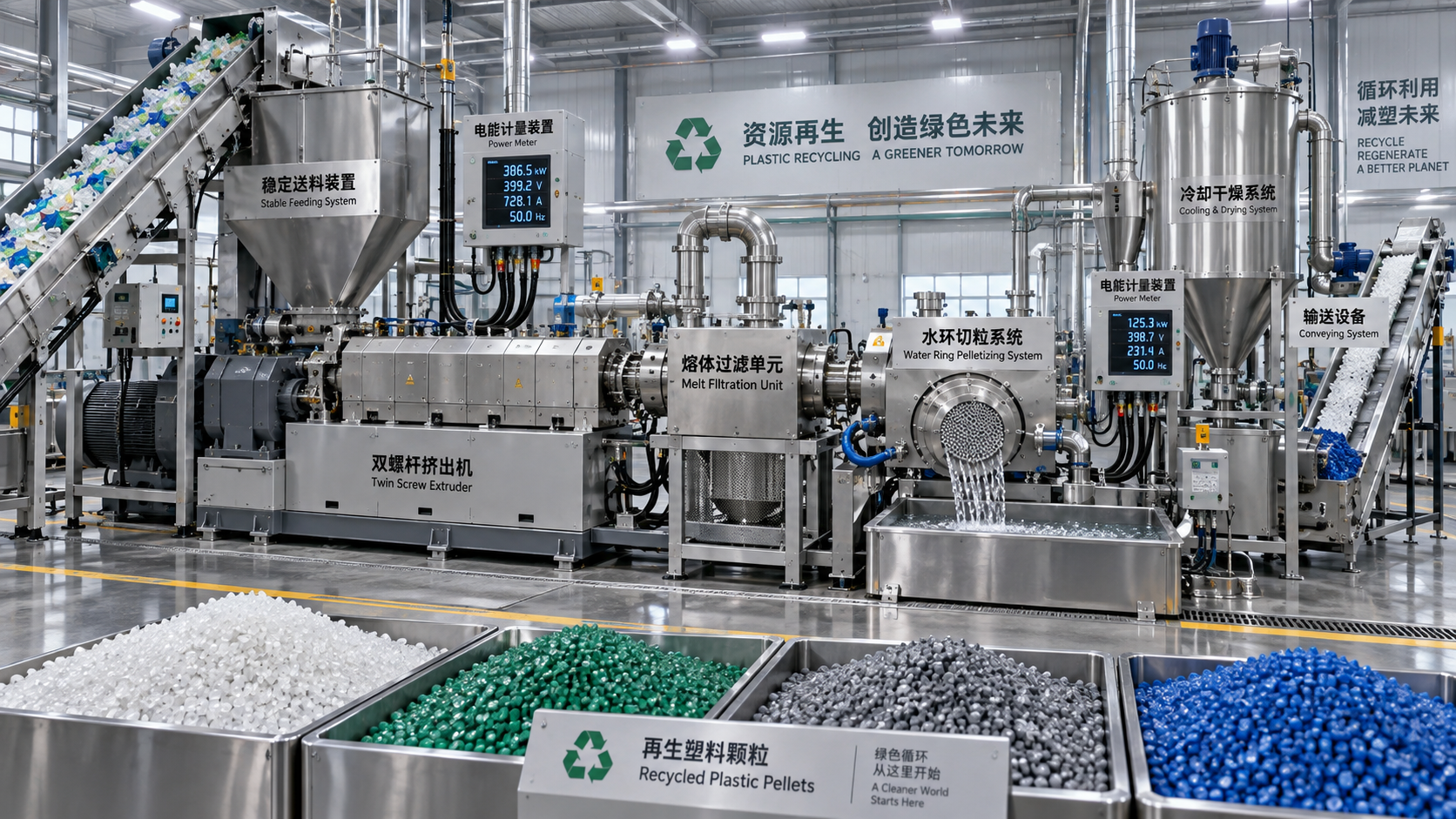
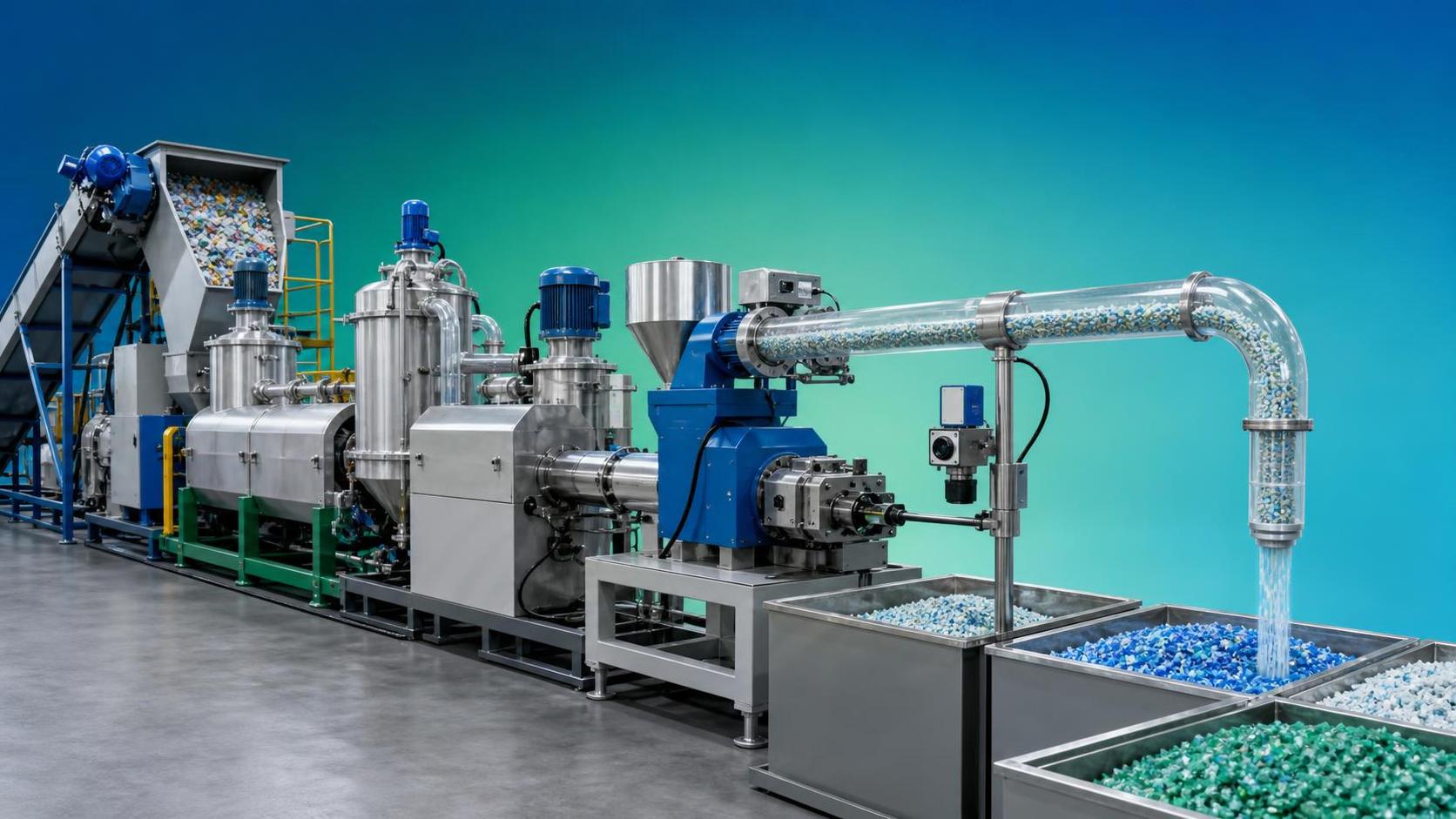
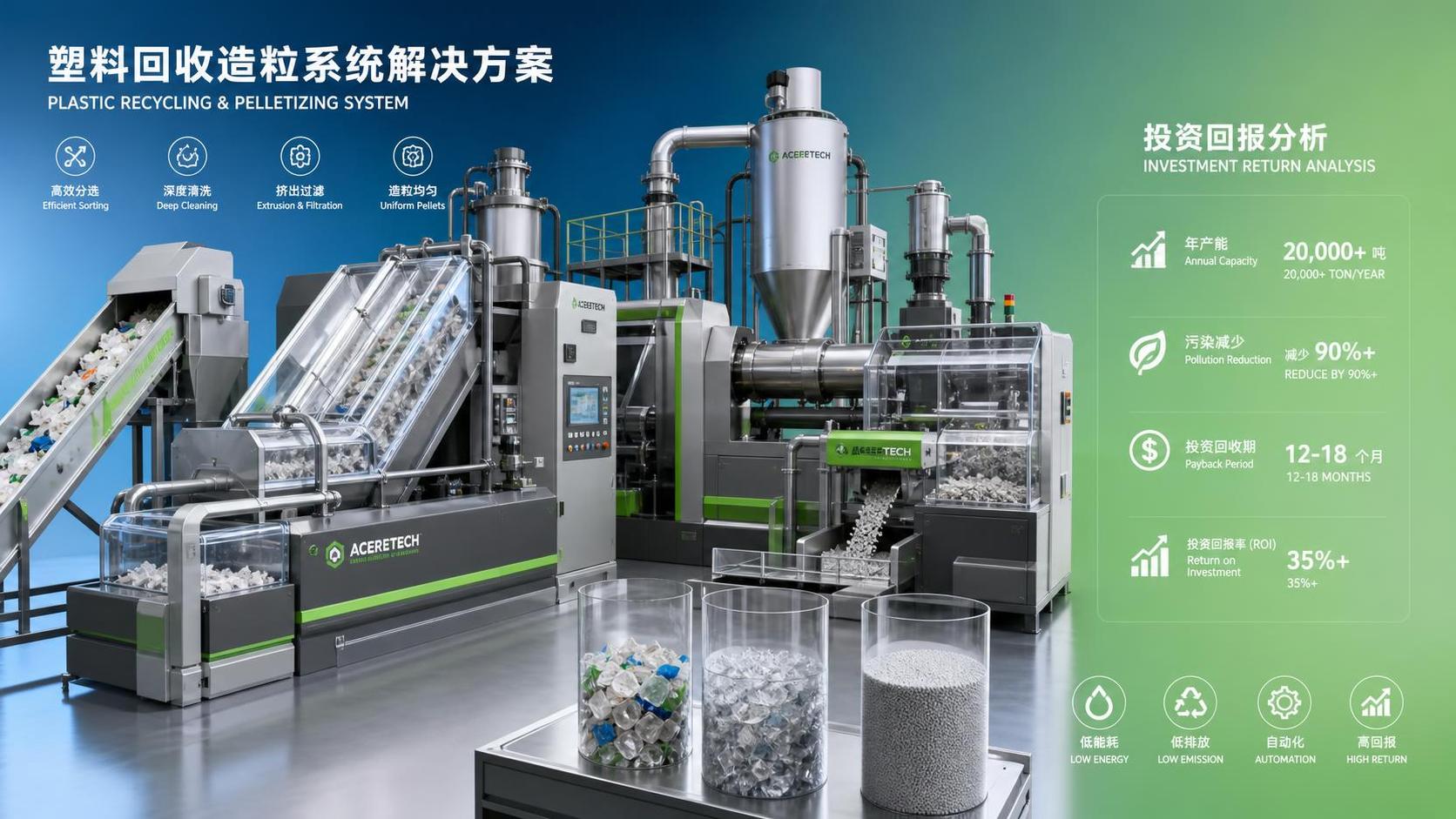
Waste plastic pelletizing quality also affects whether recycled resin can become premium green packaging materials.
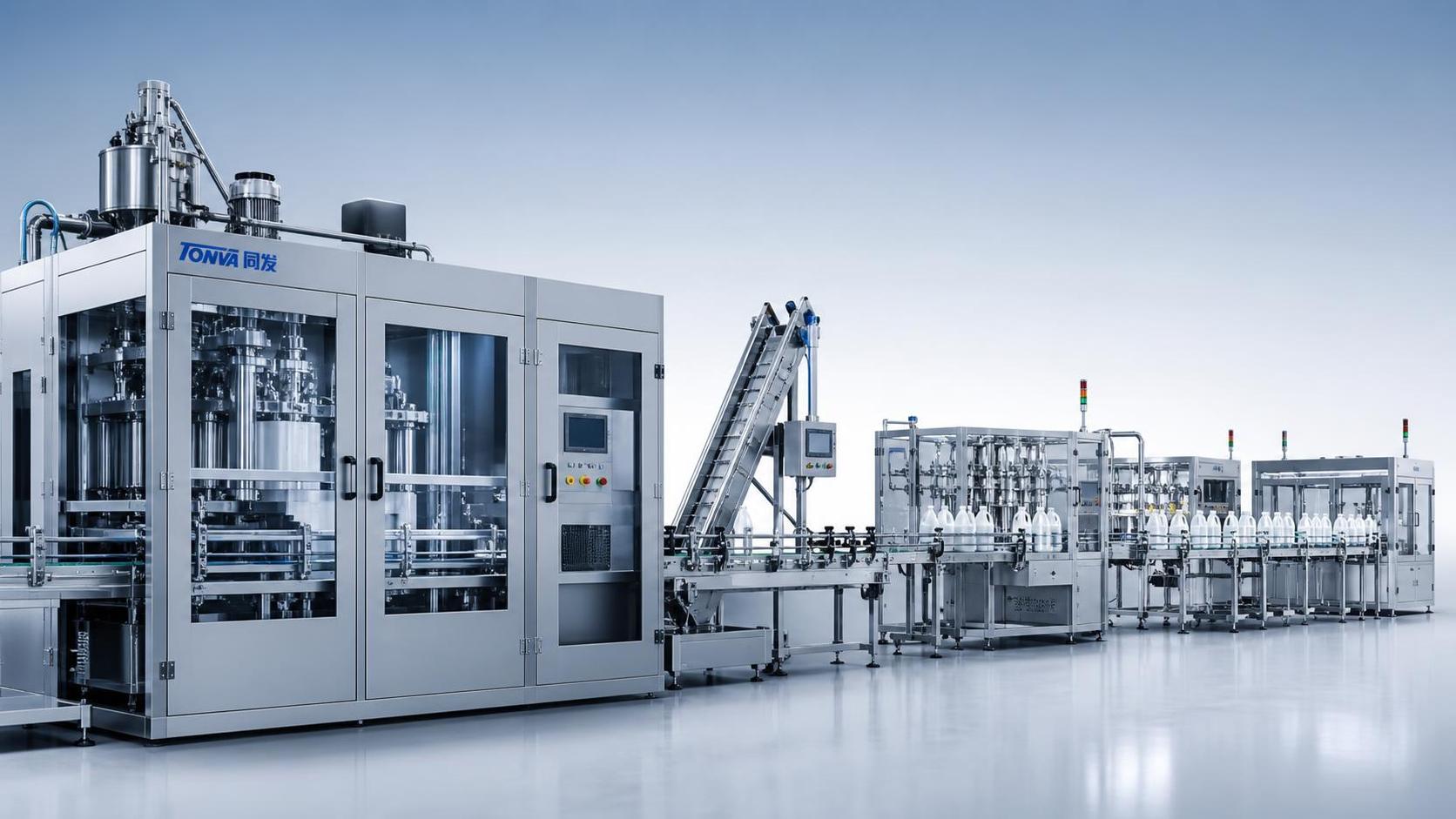
When machinery efficiency drops, a cheaper material can become expensive through downtime, scrap, and missed throughput.
Scenario Adaptation Suggestions for Practical Selection
The following steps create a practical pathway from sustainability ambition to validated packaging performance.
- Define the product’s critical failure mode before selecting green packaging materials.
- Set measurable barrier targets, including moisture, oxygen, grease, light, and aroma requirements.
- Confirm sealing temperature, line speed, forming window, and filling equipment compatibility.
- Check local recycling, composting, or reuse infrastructure before making end-of-life claims.
- Calculate total cost, including scrap, logistics, storage, damage, labeling, and compliance testing.
- Run shelf-life, transport, and consumer-use trials before full conversion.
Green packaging materials work best when sustainability, engineering, and circularity targets are tested together.
Common Misjudgments That Weaken Green Packaging Projects
One common mistake is assuming compostable always means lower environmental impact.
Without industrial composting access, compostable green packaging materials may enter landfill or contaminate recycling streams.
Another mistake is ignoring coating compatibility. Paper-based packaging can lose recyclability if coatings block fiber recovery.
A third mistake is reducing film thickness without testing puncture resistance, seal integrity, and pallet stability.
Recycled content also needs careful control. Odor, gels, color shift, and contamination can affect premium applications.
The strongest green packaging materials strategy avoids symbolic changes and focuses on measurable system performance.
Where PFRS Intelligence Supports Better Material Decisions
PFRS follows the machinery and material systems behind modern green packaging materials.
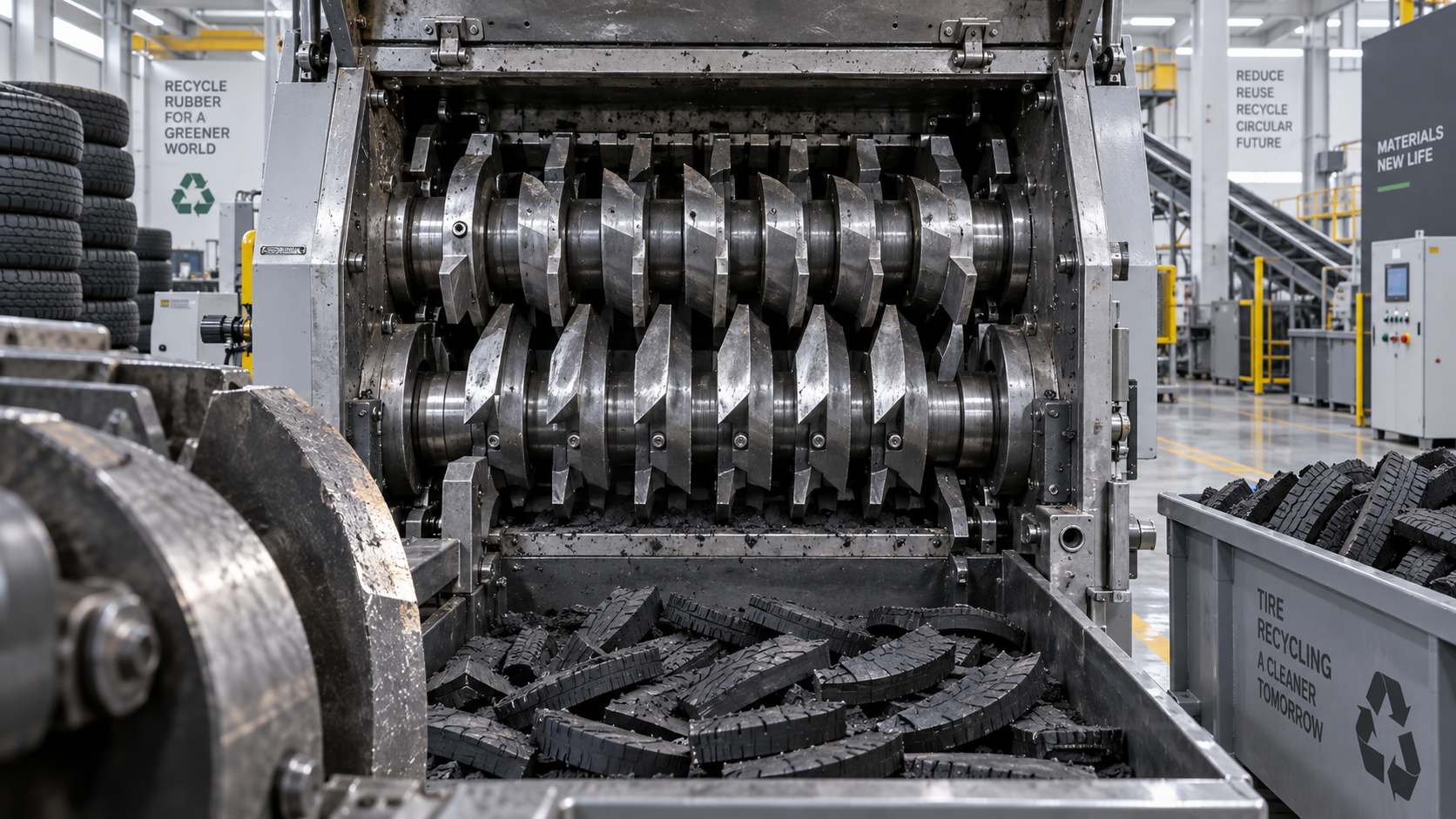
Its focus covers precision injection molding, efficient extrusion, blow molding, rubber vulcanization, and waste plastic pelletizing systems.
This perspective connects polymer rheology, thermodynamic processing, recycling quality, and packaging compliance pressures.
For recyclable mono-material structures, extrusion process stability and additive dispersion are central to performance.
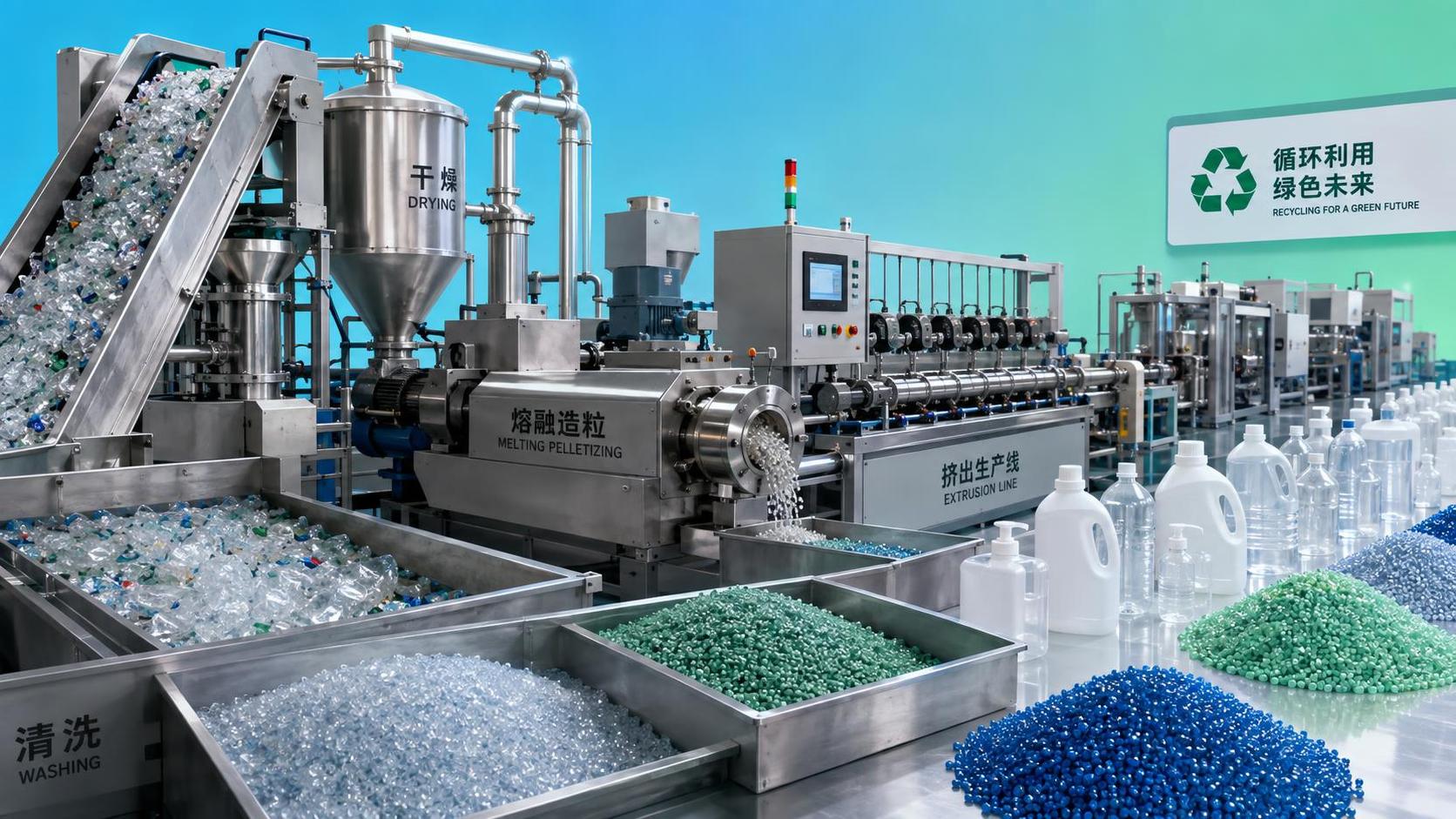
For rPET and rPE applications, washing, melt filtration, pelletizing, and contamination control decide material value.
For high-speed bottle systems, blow molding consistency determines whether green packaging materials meet industrial productivity targets.
Action Guide: Turning Comparison into Implementation
Start with one product family where failure risks, material use, and sustainability impact are clearly measurable.
Build a shortlist of green packaging materials based on scenario needs, not generic environmental labels.
Request processing data, barrier data, recycling guidance, and certification evidence from material and equipment partners.
Run controlled trials on real machinery, including forming, filling, sealing, transport, and end-of-life assessment.
Then compare total cost against performance, compliance, and circularity outcomes.
The right green packaging materials are not simply cheaper, stronger, or greener. They are fit for the exact operating scenario.
By linking material selection with polymer processing intelligence, sustainable packaging can protect products, margins, and recycling value together.
Related News
- 00
0000-00
Injection Molding System Costs: Machine, Molds, Automation, and Installation - 00
0000-00
Truck Tire Manufacturing Equipment: Sizing Curing Presses for Target Output - 00
0000-00
How Single-Use Plastic Bans Shift Demand for Packaging Materials - 00
0000-00
PET Pelletizing Equipment: Strand vs. Underwater Systems for Recycled PET - 00
0000-00
Tire Manufacturing Equipment: Choosing Curing Presses by Tire Size and Output
Weekly Insights
Stay ahead with our curated technology reports delivered every Monday.
Related News
 Ms. Elena RodriguezInjection Molding System Costs: Machine, Molds, Automation, and InstallationCompare injection molding systems price proposals with confidence. Uncover machine, mold, automation, and installation costs to avoid hidden expenses and choose a production-ready cell.Oct 17, 2026
 Ms. Elena RodriguezSmart Factory Costs for Plastics: Estimating ROI for Automation ProjectsSmart factory for plastics cost: learn how to estimate automation ROI, uncover hidden integration expenses, reduce scrap, and build a phased investment plan.Oct 10, 2026
 Ms. Elena RodriguezHow to Evaluate a Packaging Molding Equipment Supplier for High-Volume ProductionChoose a packaging molding equipment supplier with confidence. Learn how to assess throughput stability, tooling, recycled-material capability, lifecycle cost, and service support for high-volume production.Oct 09, 2026
 Ms. Elena RodriguezProcurement Records to Request Before Buying a Used Tyre ShredderUsed tyre shredder for sale? Request maintenance, operating, safety, and parts records to reduce risk, verify condition, and buy with confidence.Oct 16, 2026
 Ms. Elena RodriguezHow to Select Packaging Molding Equipment for High-Volume Production LinesPackaging molding equipment selection guide for high-volume lines: compare processes, throughput, materials, automation, and energy to achieve stable, cost-effective output.Oct 04, 2026
 Ms. Elena RodriguezHow to Evaluate Plastic Recycling Machinery for UAE Heat, Feedstock, and Output NeedsPlastic recycling machinery UAE buyers: evaluate heat resilience, feedstock handling, cooling, pellet quality, energy use, and lifecycle cost for reliable output.Sep 28, 2026
 Ms. Elena RodriguezGerman Extrusion Equipment Suppliers: Comparing Service, Lead Times, and Lifecycle CostExtrusion equipment Germany suppliers compared: evaluate service coverage, credible lead times, spare-parts access, and lifecycle cost to select a reliable, future-ready production partner.Sep 22, 2026
 Ms. Elena RodriguezWhat Should You Check Before Buying a Used Plastic Recycling Line?What should I check before buying a used plastic recycling line? Explore feedstock fit, wear, trials, utilities, controls, and restoration costs before you invest.Sep 26, 2026
 Ms. Elena RodriguezHow to Compare Pelletizing Lines by Energy Use per TonHow do I compare pelletizing lines by kWh per ton? Learn to measure total energy, verify saleable output, and select a cost-efficient line.Sep 23, 2026
 Ms. Elena RodriguezTyre Cutter Blade Wear: When Capacity Loss Needs Inspectionшинорез blade wear can quietly reduce tyre-cutting capacity. Learn the warning signs, inspection triggers, and maintenance actions that protect output and uptime.Sep 28, 2026
 Ms. Elena RodriguezIn-House Recycling for Factory Scrap: How to Reduce Material Waste and Disposal CostsIn house recycling for factory scrap helps manufacturers cut material waste, reduce disposal costs, and create controlled, quality-focused reuse loops.Sep 07, 2026
 Ms. Elena RodriguezHow Recyclable Packaging Manufacturing Balances Material Recovery and Production CostRecyclable packaging manufacturing: discover how smarter design, feedstock control, and process optimization reduce recovery costs while improving quality and yield.Sep 04, 2026
 Ms. Elena RodriguezHow to Evaluate a Plastic Recycling Systems Supplier for Your Processing NeedsChoose the right plastic recycling systems supplier with a practical guide to feedstock fit, output quality, total cost, testing, service, and compliance.Sep 01, 2026
 Ms. Elena RodriguezCE Marking for Plastic Processing Equipment: Documentation and Safety ChecksPlastic processing equipment CE compliance: learn the essential documentation, risk assessments, safety checks, and validation steps for reliable EU market access.Aug 30, 2026
 Ms. Elena RodriguezPlastic Packaging Compliance Standards: What Tests and Documents Matter Most?Plastic packaging compliance standards explained: learn which migration tests, mechanical checks, and audit-ready documents matter most to reduce risk and pass reviews with confidence.Aug 25, 2026
 Ms. Elena RodriguezHow to Evaluate a Plastic Waste Recycling System for Capacity, Contamination, and ROIPlastic waste recycling system evaluation made practical: compare true capacity, contamination control, and ROI to choose a line that delivers stable output and stronger returns.Aug 24, 2026
 Ms. Elena RodriguezPackaging Molding Equipment Price: What Drives Cost and How to Compare Quotes?Packaging molding equipment price varies by machine type, automation, tooling, energy use, and service scope. Learn what drives cost and how to compare quotes with confidence.Aug 21, 2026
 Ms. Elena RodriguezWhat Packaging Machinery for Plastic Containers Should You Choose for High-Volume Production?Packaging machinery for plastics containers can make or break high-volume production. Learn how to choose the right line for speed, consistency, compliance, and lower lifecycle costs.Aug 16, 2026
 Ms. Elena RodriguezWhat Circular Plastics Mean for Automotive Parts and Material SelectionCircular plastics for automotive are reshaping part selection with lower weight, better sustainability, and reliable performance. Discover how engineers balance recycled content, durability, and compliance.Aug 15, 2026
 Ms. Elena RodriguezBroiler Farming in Cage System: Selection Factors for Commercial FarmsBroiler farming in cage system selection for commercial farms: compare structure, ventilation, automation, and manure handling to improve efficiency and avoid costly mistakes.Aug 14, 2026