What to check in thermodynamic reactions in polymers




Before changing heat zones, screw speed, or mold pressure, it is essential to know what to check in thermodynamic reactions in polymers. In polymer processing, heat does not only melt material. It also changes viscosity, drives crystallization, accelerates oxidation, and can trigger cross-linking or chain scission. A small thermal mismatch may lead to gels, burn marks, weak weld lines, poor surface finish, unstable throughput, or wasted energy.
For systems covering injection molding, extrusion, blow molding, vulcanization, and plastic recycling, thermodynamic control is a practical production issue rather than a laboratory topic. This article explains what to check in thermodynamic reactions in polymers, using a clear checklist that helps improve stability, product quality, and process efficiency.
Why a checklist matters for thermodynamic reactions in polymers
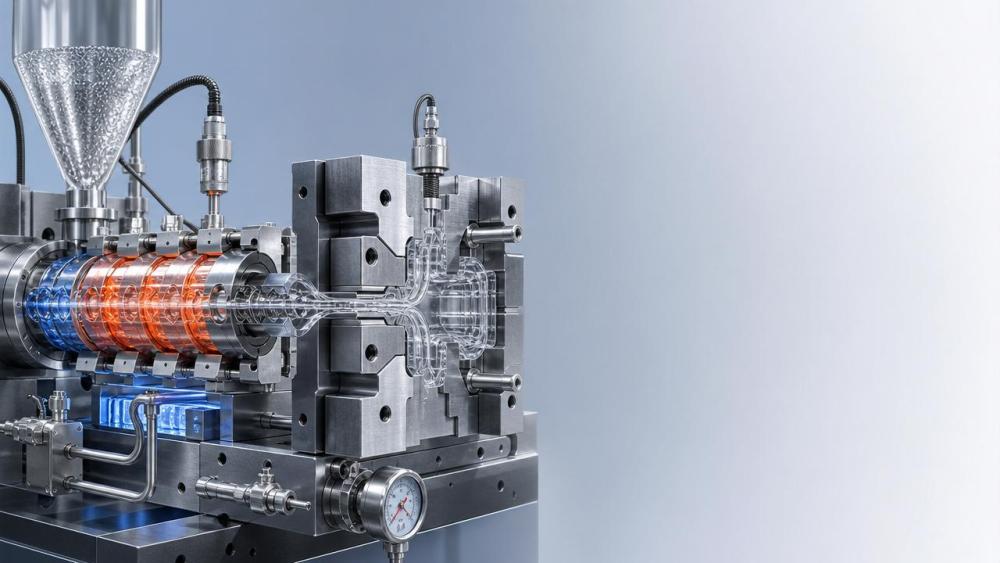
Thermodynamic reactions in polymers involve heat transfer, pressure response, phase transition, residence time, and chemical change. These variables interact quickly inside barrels, dies, molds, and reactors. Without a checklist, troubleshooting often becomes reactive and inconsistent.
A structured review reduces guesswork. It helps verify whether the issue comes from material condition, machine settings, heat history, cooling balance, or reaction kinetics. It also supports better decisions when processing virgin resin, filled compounds, elastomers, or recycled flakes.
Core checklist: what to check in thermodynamic reactions in polymers
- Check actual melt temperature, not only barrel setpoints. Shear heating can raise melt temperature far above displayed values, especially in high-speed extrusion and thin-wall injection molding.
- Verify temperature uniformity across zones. Large differences between hopper, compression, metering, nozzle, die, or mold sections often create unstable thermodynamic reactions in polymers.
- Measure residence time inside the barrel or screw. Excessive hold time increases oxidation, yellowing, molecular breakdown, and unwanted side reactions in heat-sensitive materials.
- Review moisture content before processing. Water can hydrolyze PET, PA, TPU, and other resins, changing viscosity and damaging mechanical performance during thermal exposure.
- Observe torque, back pressure, and energy draw. Sudden shifts often indicate changing viscosity, poor mixing, local overheating, or reaction instability within the polymer melt.
- Inspect venting and gas release behavior. Volatiles, trapped air, and degradation fumes can disrupt heat transfer and create voids, silver streaks, bubbles, or surface defects.
- Track cooling rate after shaping. Crystallization, shrinkage, warpage, and residual stress depend on how fast the polymer loses heat in molds, calibration tools, or downstream rollers.
- Confirm additive stability under processing temperatures. Colorants, stabilizers, flame retardants, foaming agents, and recycled content may alter thermodynamic reactions in polymers unexpectedly.
- Compare inlet and outlet temperatures of heating and cooling media. Poor thermal exchange often causes hidden quality drift long before dimensional defects become visible.
- Check pressure profile together with temperature profile. In polymers, flow behavior is pressure-sensitive, and thermal reactions become harder to control when pressure fluctuations are ignored.
Key indicators that reveal reaction stability
Melt behavior and viscosity response
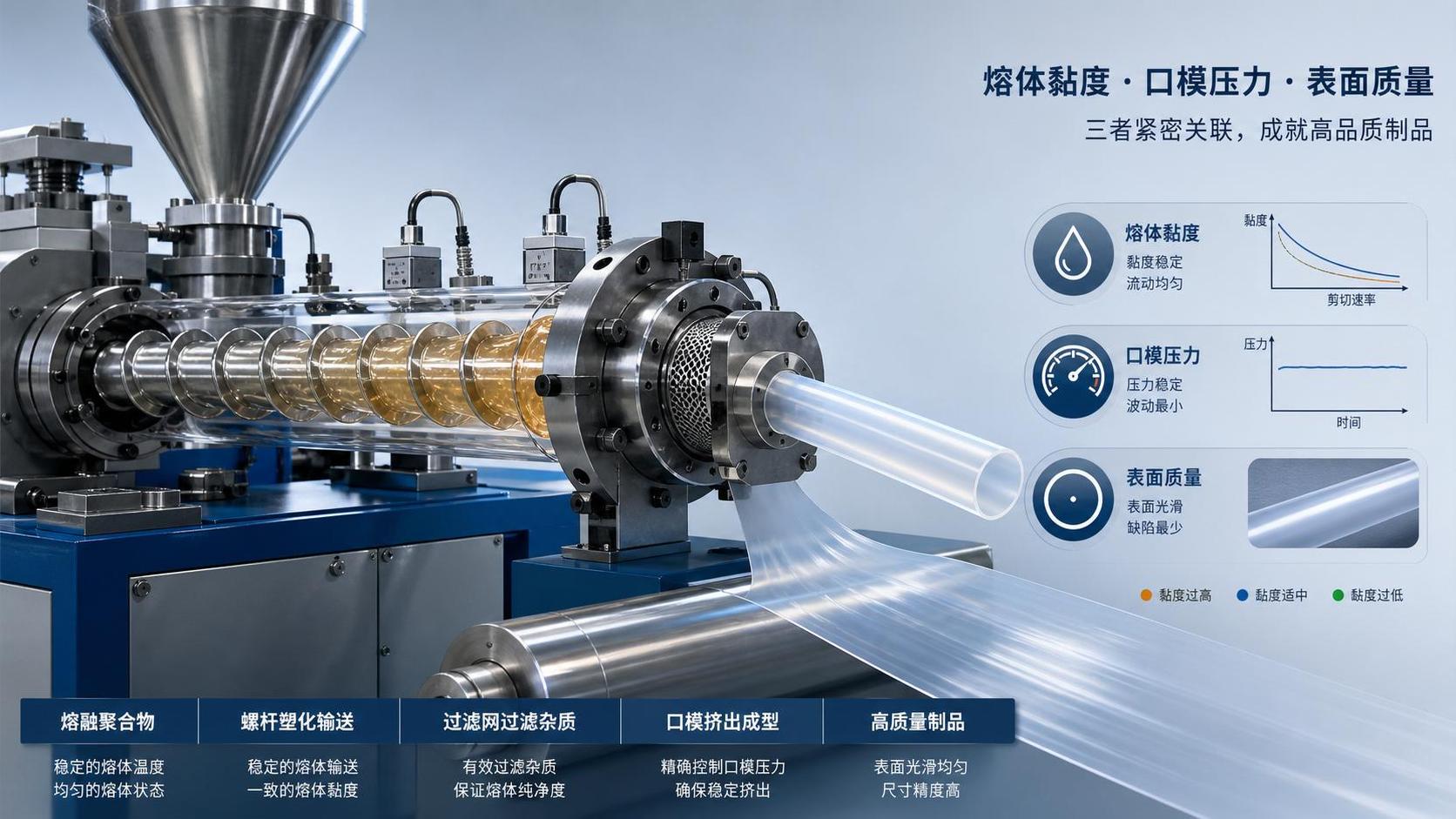
Stable thermodynamic reactions in polymers usually produce repeatable viscosity behavior. When melt pressure rises while output falls, the cause may be gel formation, uneven plastication, or moisture-driven degradation. If pressure drops too easily, chain scission or overheating may be reducing molecular weight.
A practical check is to compare melt temperature, screw load, and cycle consistency over several runs. A stable process shows narrow variation. Wide swings suggest thermal imbalance rather than only mechanical wear.
Appearance, odor, and color shift
Surface gloss, black specks, haze, yellowing, and unusual odor are often early warnings. They may indicate oxidation, additive breakdown, contamination, or dead spots where polymer stays too long.
When checking thermodynamic reactions in polymers, visual evidence should be linked to data. A color shift with stable pressure may point to oxidation. A color shift with pressure spikes may point to burning or poor flow.
Application-specific checks across polymer processing
Injection molding
In injection molding, check melt cushion stability, nozzle temperature, mold temperature balance, and holding pressure decay. Thermodynamic reactions in polymers become unstable when the gate freezes too early or the melt front cools unevenly.
Thin-wall parts, optical components, and medical parts require tighter thermal control. Even slight overheating may cause flash, birefringence, or polymer degradation that weakens precision performance.
Extrusion and blow molding
In extrusion, monitor die temperature, melt homogeneity, head pressure, and cooling line stability. Thermodynamic reactions in polymers strongly affect swell, thickness variation, and surface smoothness.
For blow molding, parison temperature distribution is critical. If one area cools faster, wall thickness becomes uneven and drop resistance declines. Regrind content can further complicate thermal response.
Rubber vulcanization
Vulcanization adds a chemical curing dimension. Check mold temperature accuracy, cure time, heat penetration, and cross-linking uniformity. Under-cure reduces strength, while over-cure causes brittleness and wasted energy.
Because rubber reactions are irreversible, small sensor errors matter more. Compare cure curves with actual press conditions instead of relying only on nominal settings.
Plastic recycling and pelletizing
Recycling lines face mixed feedstock, contamination, and variable moisture. Check washing quality, degassing efficiency, melt filtration pressure, and pellet temperature. Thermodynamic reactions in polymers are less predictable when feed variability is high.
Repeated heat history also lowers polymer stability. If recycled pellets show odor, discoloration, or brittle performance, review drying, venting, and residence time before changing formulation.
Commonly missed items and risk alerts
- Ignoring sensor drift can mislead the whole process. A heater or thermocouple reading correctly on screen may still differ from the true melt condition.
- Assuming all recycled content behaves like virgin resin often causes poor control. Previous thermal exposure changes viscosity and oxidation sensitivity.
- Overlooking screw and barrel wear can hide thermal problems. Worn components increase slip, dead zones, and inconsistent shear heating.
- Focusing only on peak temperature misses time-dependent damage. Moderate temperature combined with long residence time can still trigger severe degradation.
- Neglecting cooling water quality reduces heat transfer efficiency. Scale buildup and poor flow control distort thermodynamic reactions in polymers downstream.
Practical execution steps for daily process control
Start with a baseline sheet for each material grade. Record drying condition, melt temperature, pressure trend, cycle time, cooling temperature, and visual quality. This makes thermodynamic reactions in polymers easier to compare over time.
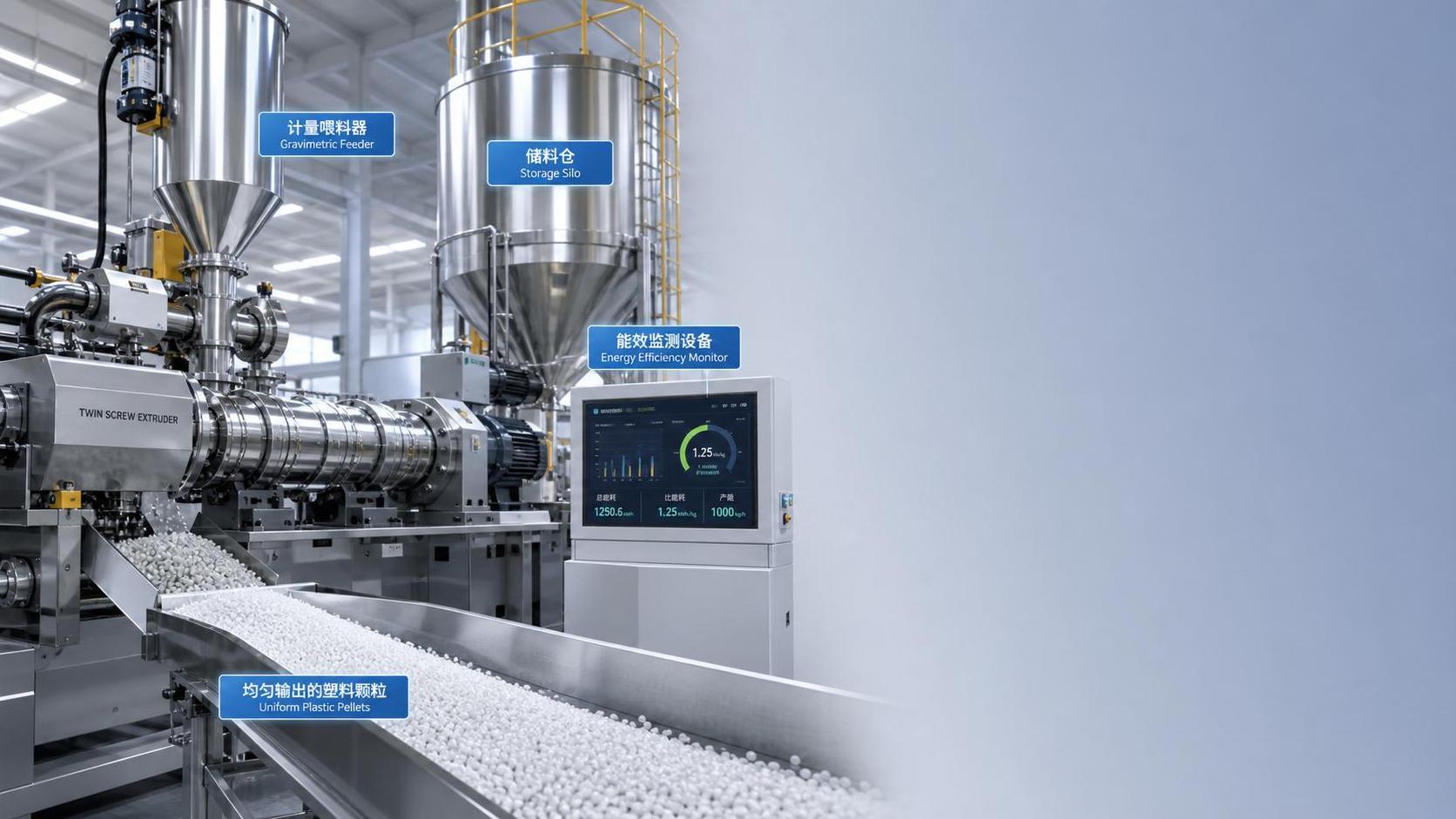
Use direct measurement where possible. Melt probes, infrared checks, pressure sensors, and energy monitoring often reveal issues hidden by controller setpoints alone.
Change one variable at a time. If screw speed, zone temperature, and back pressure are changed together, the source of thermal instability becomes difficult to identify.
Pair machine data with material data. Moisture level, MFI or MFR trend, ash content, and contamination level often explain why thermodynamic reactions in polymers change between batches.
Review energy efficiency together with quality. A process that reaches target output but uses excessive heating or cooling may still have poor thermal balance and hidden degradation risk.
Conclusion and next action
Knowing what to check in thermodynamic reactions in polymers helps prevent defects before they become scrap, downtime, or customer complaints. The most reliable approach is systematic: verify melt temperature, residence time, moisture, pressure, venting, additive stability, and cooling behavior together.
For better polymer processing results, build a routine checklist for every machine and material combination. Then validate it with real melt data, not just setpoints. That step turns thermodynamic reactions in polymers from a hidden risk into a controlled production advantage.
Related News
- 00
0000-00
How High-Speed Precision Injection Molding Controls Part Tolerances at Scale - 00
0000-00
How to Select Packaging Molding Equipment for High-Volume Production Lines - 00
0000-00
How to Evaluate Plastic Pelletizing Machine Suppliers for Output, Support, and Risk - 00
0000-00
How to Select a Plastic Pipe Manufacturing System for Output, Resin, and Pipe Range - 00
0000-00
How to Specify Injection Molding Equipment for High-Volume Closure Production
Weekly Insights
Stay ahead with our curated technology reports delivered every Monday.
Related News
 Extrusion Process ArchitectHow to Evaluate Plastic Pelletizing Machine Suppliers for Output, Support, and RiskPlastic pelletizing machines supplier evaluation guide: compare real output, operating costs, technical support, acceptance testing, and project risks before you invest.Oct 03, 2026
 Extrusion Process ArchitectWhich Contaminants Shorten Screw and Barrel Life in Recycling Extruders?Which contaminants damage screw and barrel life in recycling extruders? Discover how grit, glass, metals, PVC, and fillers accelerate wear—and how to protect your line.Sep 24, 2026
 Extrusion Process ArchitectHow to Evaluate a Plastic Compounding Equipment Supplier for Output, Quality, and SupportEvaluate a plastic compounding equipment supplier for reliable output, consistent quality, lifecycle value, and responsive technical support. Explore key RFQ questions now.Aug 28, 2026
 Extrusion Process ArchitectHow to Evaluate a Polymer Compounding Supplier for Custom Material NeedsPolymer compounding supplier selection impacts cost, quality, compliance, and supply stability. Learn how to evaluate the right partner for custom material needs and reduce sourcing risk.Aug 23, 2026
 Extrusion Process ArchitectHow to Evaluate Twin Screw Compounding Extruders in Japan for Material and Output NeedsTwin screw compounding extruders Japan guide: learn how to compare torque, screw design, venting, feeding, and output stability to choose the right system for your material and production goals.Jul 26, 2026
 Extrusion Process ArchitectPolymer Compounding Machine Selection: Screw Design, Throughput, and Material CompatibilityPolymer compounding machine selection starts with screw design, real throughput, and material compatibility. Learn how to reduce scrap, improve pellet quality, and choose a line that performs reliably.Jul 14, 2026
![]() Extrusion Process ArchitectTwin-Screw Extrusion CE Requirements Explained: What Machine Buyers Should VerifyTwin-screw extrusion CE requirements explained: learn what buyers must verify, from risk assessment and guarding to documents and line integration, before approving a machine.Jul 07, 2026
Extrusion Process ArchitectTwin-Screw Extrusion CE Requirements Explained: What Machine Buyers Should VerifyTwin-screw extrusion CE requirements explained: learn what buyers must verify, from risk assessment and guarding to documents and line integration, before approving a machine.Jul 07, 2026 Extrusion Process ArchitectHow to Choose Polymer Compounding Equipment for High-Filler CompoundsPolymer compounding equipment for filler compounds: learn how to compare twin-screw lines, feeding, wear resistance, and throughput stability to choose the right system with confidence.Jul 02, 2026
 Extrusion Process ArchitectEnergy-Efficient Polymer Processing for Compounding: Which Parameters Matter Most?Energy-efficient polymer processing for compounding starts with the right balance of screw design, melt temperature, throughput, torque, and residence time. Learn how to cut energy costs while protecting quality.Jul 02, 2026
 Extrusion Process ArchitectHow to Evaluate High-Torque Twin-Screw Compounders for Demanding Polymer CompoundingPolymer compounding high torque explained: learn how to evaluate twin-screw compounders for filler-heavy, recycled, and demanding formulations with better melt quality, stability, and ROI.Jul 02, 2026
 Extrusion Process ArchitectPolymer Compounding Extruder vs Single-Screw Systems: Which Fits Filled Materials Better?Polymer compounding extruder vs single-screw systems: discover which handles filled materials better, improves dispersion, controls wear, and delivers more stable output.Jul 01, 2026
 Extrusion Process ArchitectHow to Size a Side Feeder for Twin-Screw Compounding Without Causing Feed InstabilitySide feeder twin-screw compounding sizing guide: learn how to match feeder capacity, bulk density, screw fill, and venting to prevent feed instability and improve dosing accuracy.Jul 01, 2026
 Extrusion Process ArchitectPolymer Compounding Technology Explained: Process Steps, Material Inputs, and LimitsPolymer compounding technology explained clearly: explore process steps, material inputs, and operating limits to improve quality, control costs, and support smarter, sustainable manufacturing.Jun 29, 2026
 Extrusion Process ArchitectHigh Output Plastic Compounding Equipment: Which Throughput and Torque Matter Most?High output plastic compounding equipment: learn whether throughput or torque matters more for quality, flexibility, and ROI when processing recycled, filled, or high-volume compounds.Jun 28, 2026
 Extrusion Process ArchitectPolymer Compounding Supplier Checklist: How to Compare Material and Process CapabilityPolymer compounding supplier checklist: compare material expertise, process capability, quality control, and scale-up reliability to choose a partner that delivers consistent results.Jun 28, 2026
 Extrusion Process ArchitectPolymer Rheology in Extrusion: How Melt Viscosity Affects Die Pressure and Surface FinishPolymer rheology shapes extrusion performance by controlling melt viscosity, die pressure, and surface finish. Learn how to reduce defects, stabilize output, and improve process efficiency.Jun 27, 2026
 Extrusion Process ArchitectTwin-Screw Compounding Price Breakdown: What Drives Cost per Line and per kg Output?Twin-screw compounding price explained: compare cost per line and per kg output, uncover hidden capex and operating cost drivers, and make a smarter ROI-focused buying decision.Jun 24, 2026
 Extrusion Process ArchitectPlastic Compounding Cost Explained: How Throughput, Fillers, and Energy Change Total CostPlastic compounding cost explained: learn how throughput, fillers, energy use, scrap, and maintenance shape true cost per sellable kilogram—and make smarter sourcing decisions.Jun 23, 2026
 Extrusion Process ArchitectHow to Choose a Plastic Compounding Machine: Key Screw, Throughput, and Material FactorsPlastic compounding machine selection starts with screw design, stable throughput, and material behavior. Learn how to compare options for better quality, lower waste, and stronger ROI.Jun 22, 2026
 Extrusion Process ArchitectWhat Drives Polymer Compounding Cost? A Practical Breakdown of Materials, Energy, and ThroughputPolymer compounding cost explained in practical terms: see how materials, energy, scrap, and throughput shape real margins—and where to cut cost without hurting quality.Jun 21, 2026