What plastic extrusion technology improves output stability




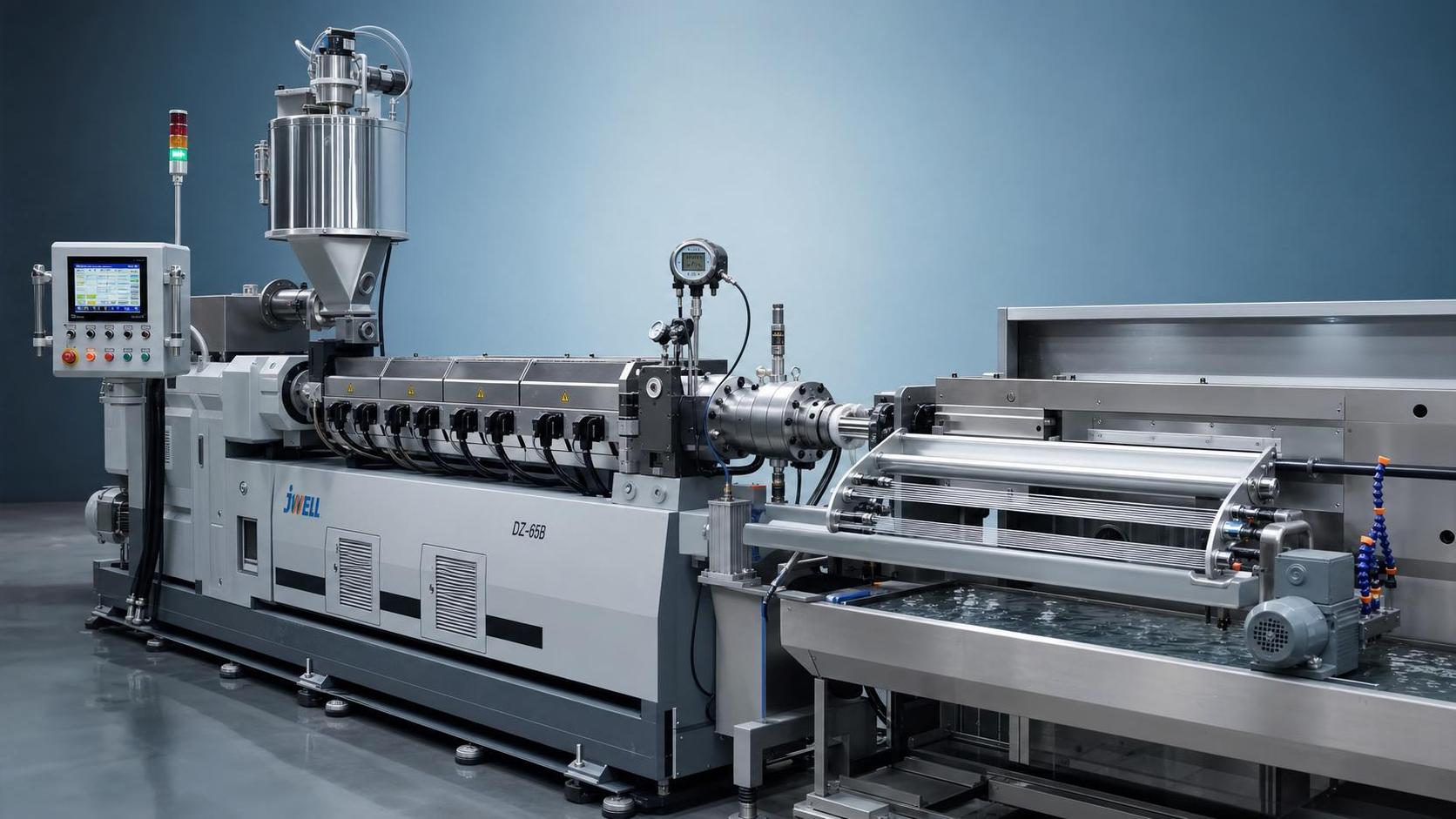
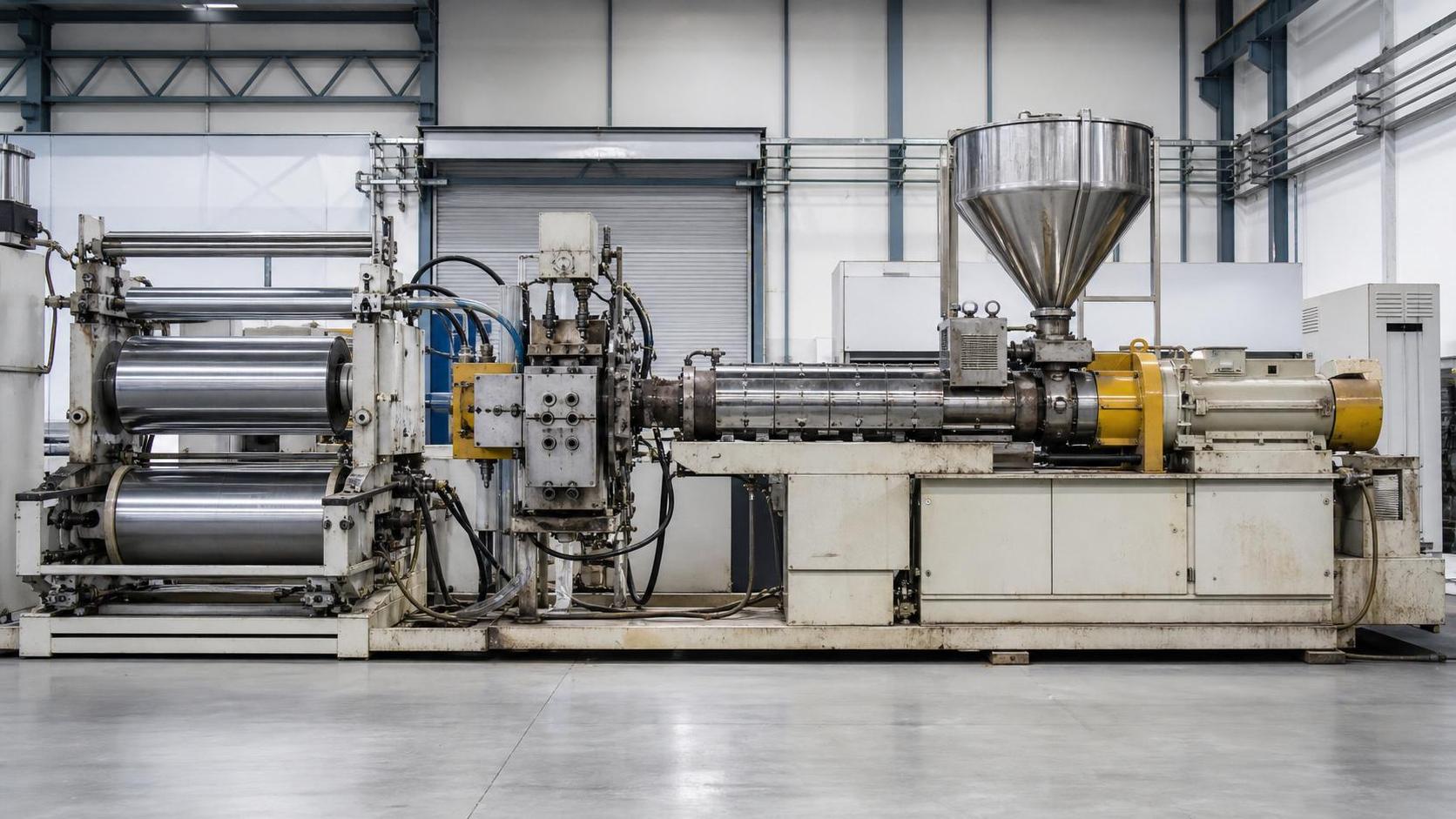
For technical evaluators, choosing the right plastic extrusion technology is central to stable output, controlled melt behavior, and predictable product quality. In modern polymer processing, output stability is not created by one machine feature alone. It comes from how screw geometry, barrel temperature zoning, drive precision, vacuum control, filtration, and automation work together under real production conditions.
Across packaging, pipe, sheet, compounding, and recycling, the most effective plastic extrusion technology reduces output fluctuation, limits melt temperature drift, and protects dimensional consistency. Stable extrusion also improves energy use, lowers scrap, and supports compliance demands tied to recycled content and tighter material specifications.
Why a checklist is necessary for output stability
Extrusion lines often appear stable during short trials, then lose consistency during long runs, material changes, or higher throughput targets. A checklist helps verify whether the selected plastic extrusion technology can hold pressure, temperature, and feed uniformity over time, not just during commissioning.
This matters in a broad industrial context. Resin grades shift, recycled material quality varies, and downstream tolerances become stricter. Without structured evaluation, decisions may overemphasize nameplate capacity while missing the technical details that actually improve output stability.
Core checklist: plastic extrusion technology that improves stable output
- Choose screw designs matched to resin rheology, filler loading, and output target to maintain uniform melting, consistent pressure build-up, and lower risk of surging.
- Verify multi-zone barrel heating and responsive cooling to control melt temperature tightly across startup, speed changes, and long continuous production cycles.
- Use gravimetric feeding systems to stabilize material input, especially when processing blends, masterbatch, regrind, or recycled flakes with variable bulk density.
- Check drive system precision, including servo or vector-controlled motors, to keep screw speed stable under changing torque demand and viscosity fluctuation.
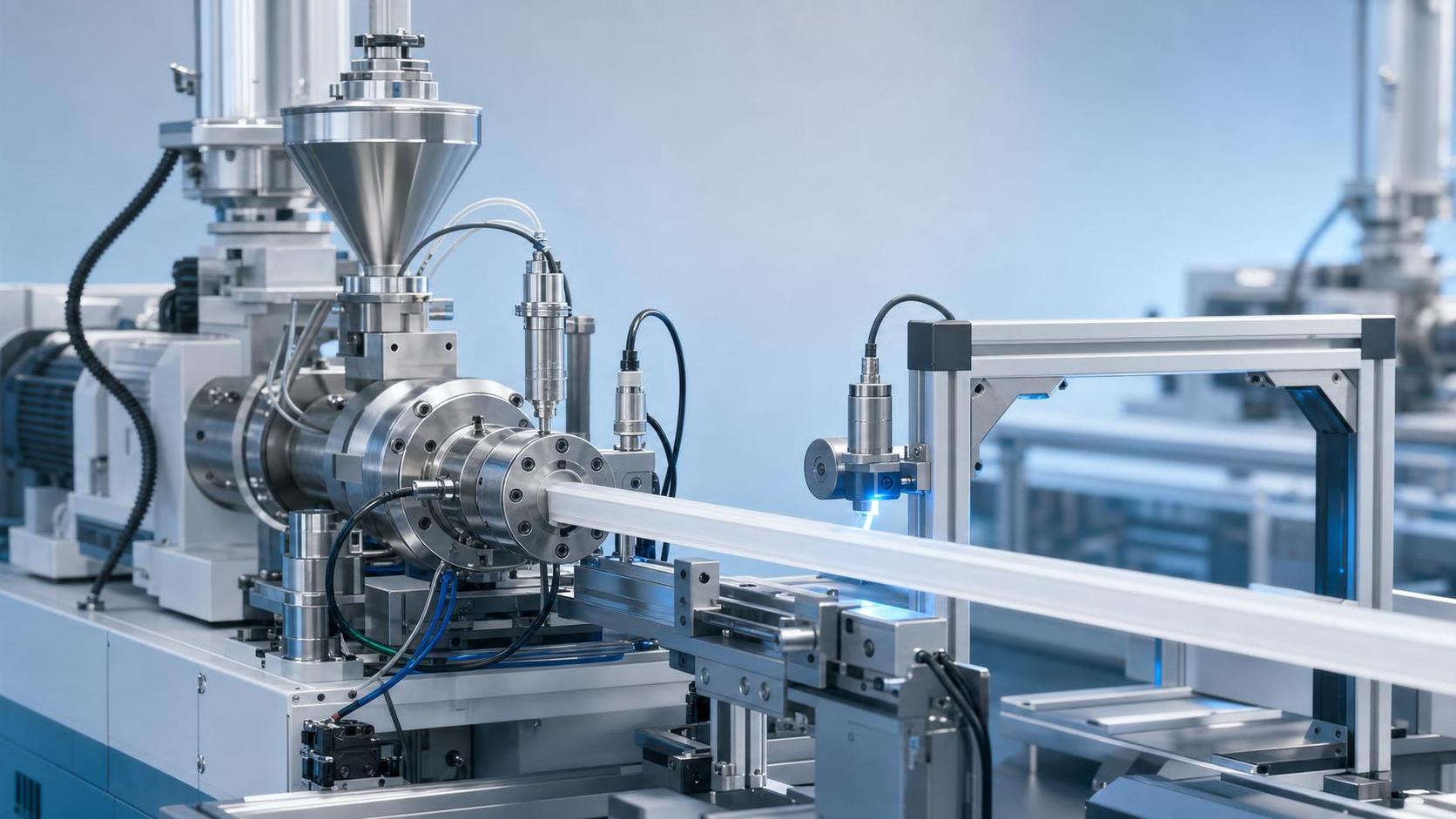
- Install melt pressure and melt temperature sensors near the die to detect instability early and support closed-loop process correction.
- Select effective venting or vacuum degassing when moisture, volatiles, or trapped air may create bubbles, output noise, or poor downstream appearance.
- Evaluate screen changers and melt filtration for pressure consistency, contaminant removal, and uninterrupted operation during recycled or filled material processing.
- Confirm die design uniformity so the selected plastic extrusion technology delivers even melt distribution and avoids thickness variation across the product width.
- Integrate intelligent controls with recipe storage, alarm logic, and trend monitoring to reduce operator variability and shorten process recovery time.
- Review energy management features, because stable thermal balance and efficient motor loading often indicate stronger real-world process consistency.
1. Screw and barrel architecture sets the baseline
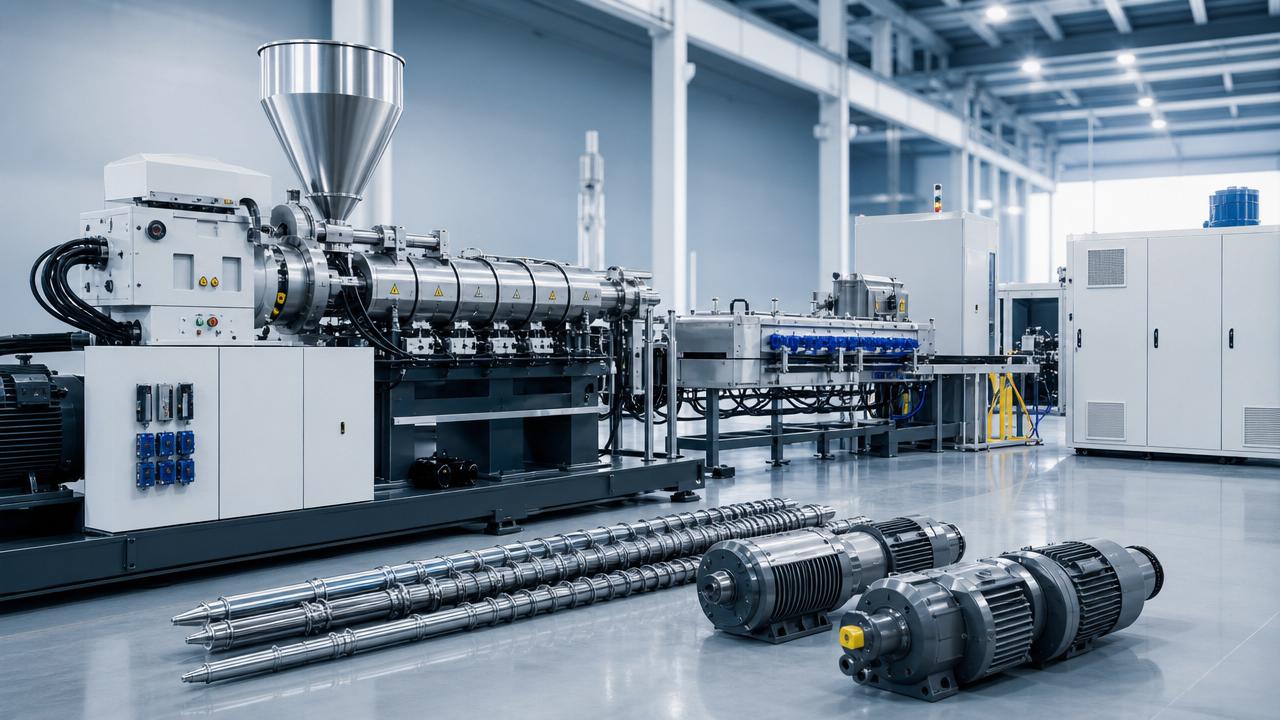
Among all forms of plastic extrusion technology, screw geometry has the strongest influence on stable output. Feed section depth, compression ratio, mixing elements, and metering length directly affect melting rate and pressure uniformity.
Single-screw systems remain effective for many profile, pipe, and film lines. Twin-screw platforms are often better when compounding, devolatilization, or additive dispersion is critical. The correct selection depends on resin sensitivity, filler percentage, and required output window.
2. Thermal control determines melt consistency
Stable output is impossible without stable melt temperature. Advanced plastic extrusion technology uses segmented heating, efficient barrel cooling, and fast PID control to manage thermal drift during line acceleration or ambient changes.
For heat-sensitive polymers, a narrow processing window is critical. Excessive shear heating can change viscosity, discolor material, or increase gel formation. Better thermal control therefore improves both throughput consistency and finished product reliability.
3. Feeding and dosing must be measured, not assumed
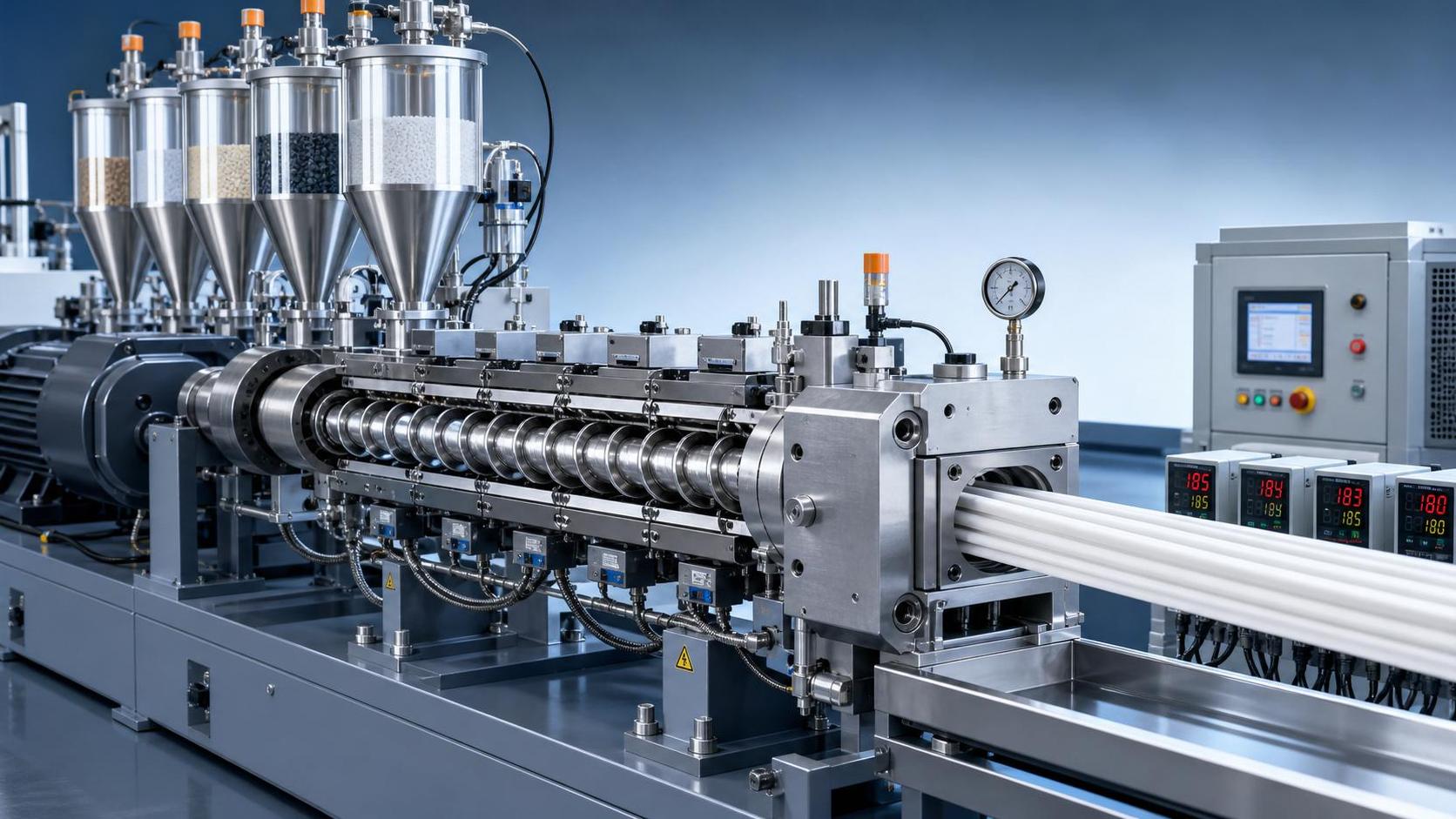
Many output problems begin upstream. If feed mass fluctuates, the best extruder cannot deliver constant production. Gravimetric loss-in-weight feeders are a practical upgrade in plastic extrusion technology, especially for multilayer products, compounds, and recycled blends.
Consistent dosing is equally important when adding color, mineral filler, impact modifier, or stabilizer packages. Stable formulation supports stable viscosity, which then supports stable pressure and dimensional control.
4. Sensors and automation turn data into stability
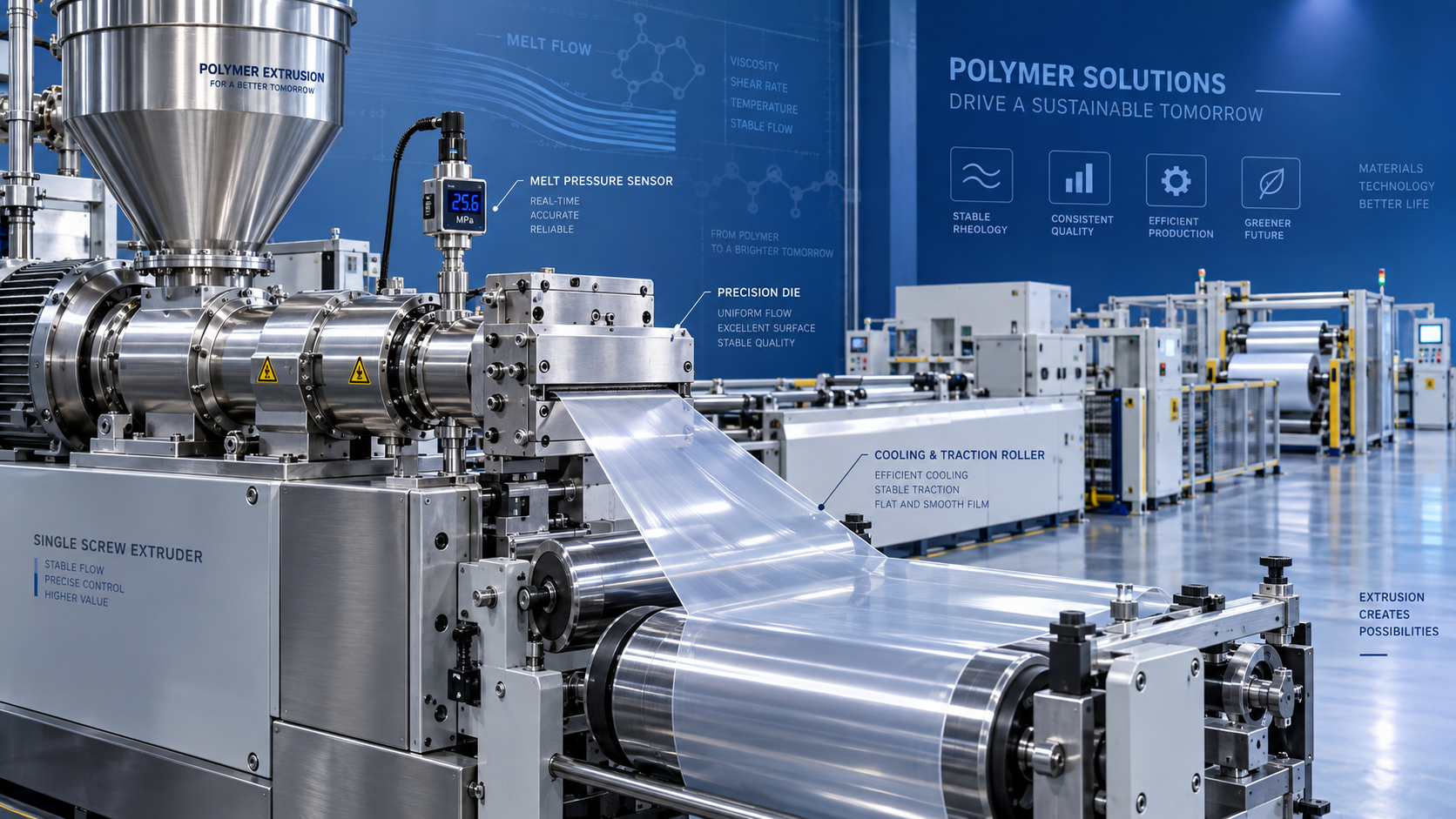
Modern plastic extrusion technology improves output stability by moving from reactive operation to predictive correction. Real-time pressure, temperature, torque, vacuum, and motor load signals reveal small deviations before defects become visible.
Trend screens, recipe recall, and alarm thresholds also standardize operation across shifts. In plants handling multiple SKUs, this digital consistency often creates a larger stability gain than a simple capacity upgrade.
Application notes by production scenario
Pipe and profile extrusion
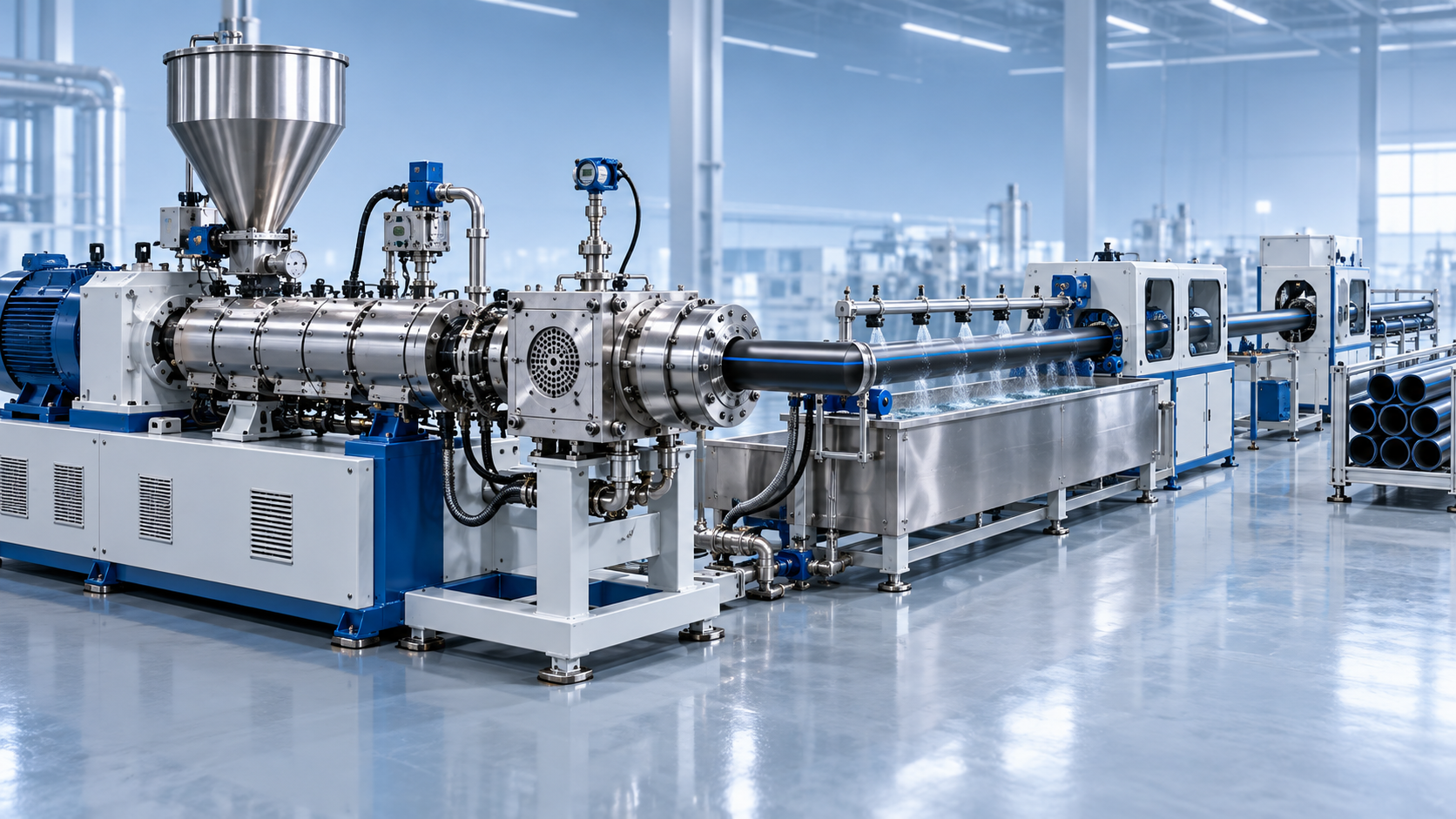
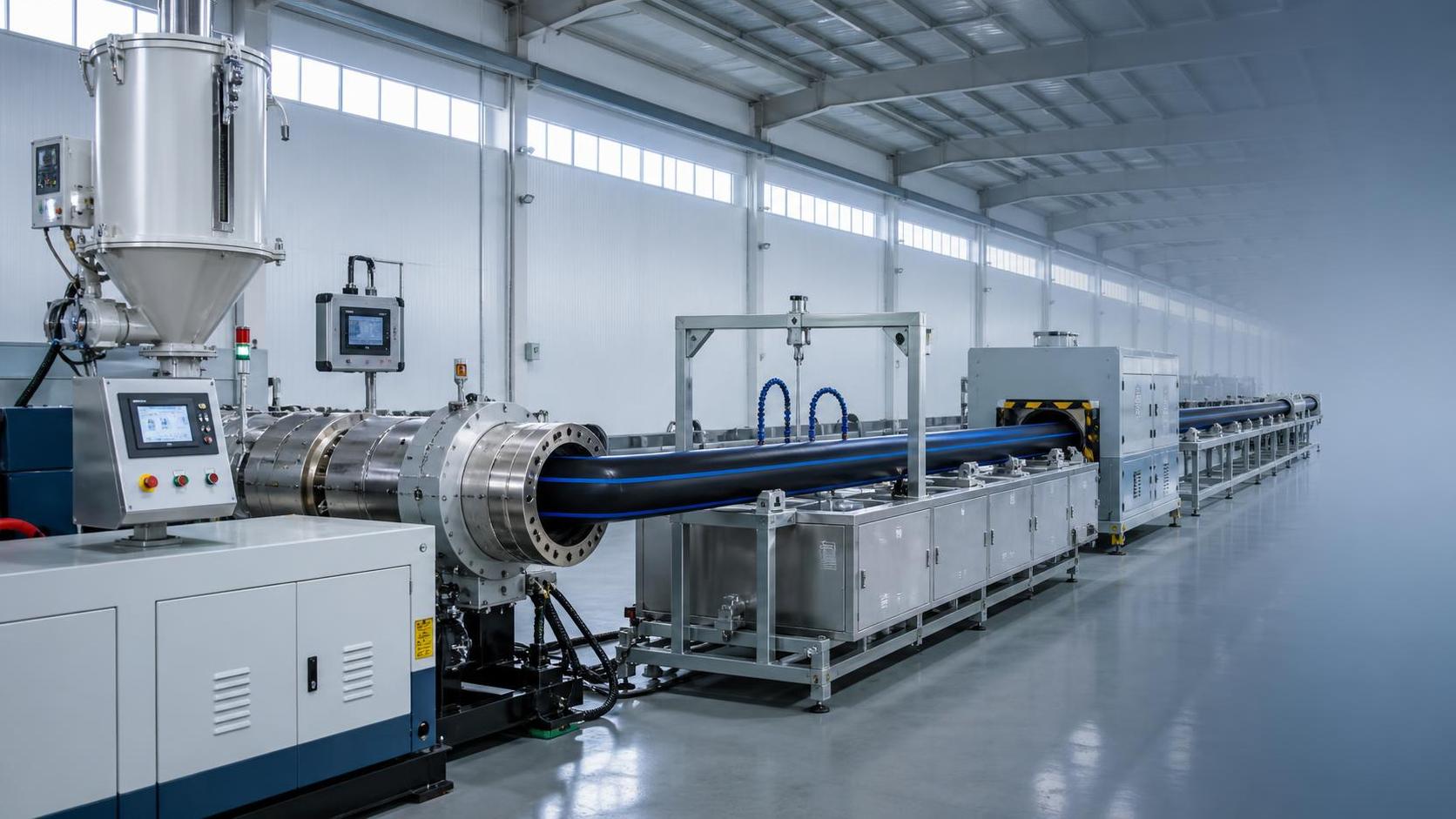
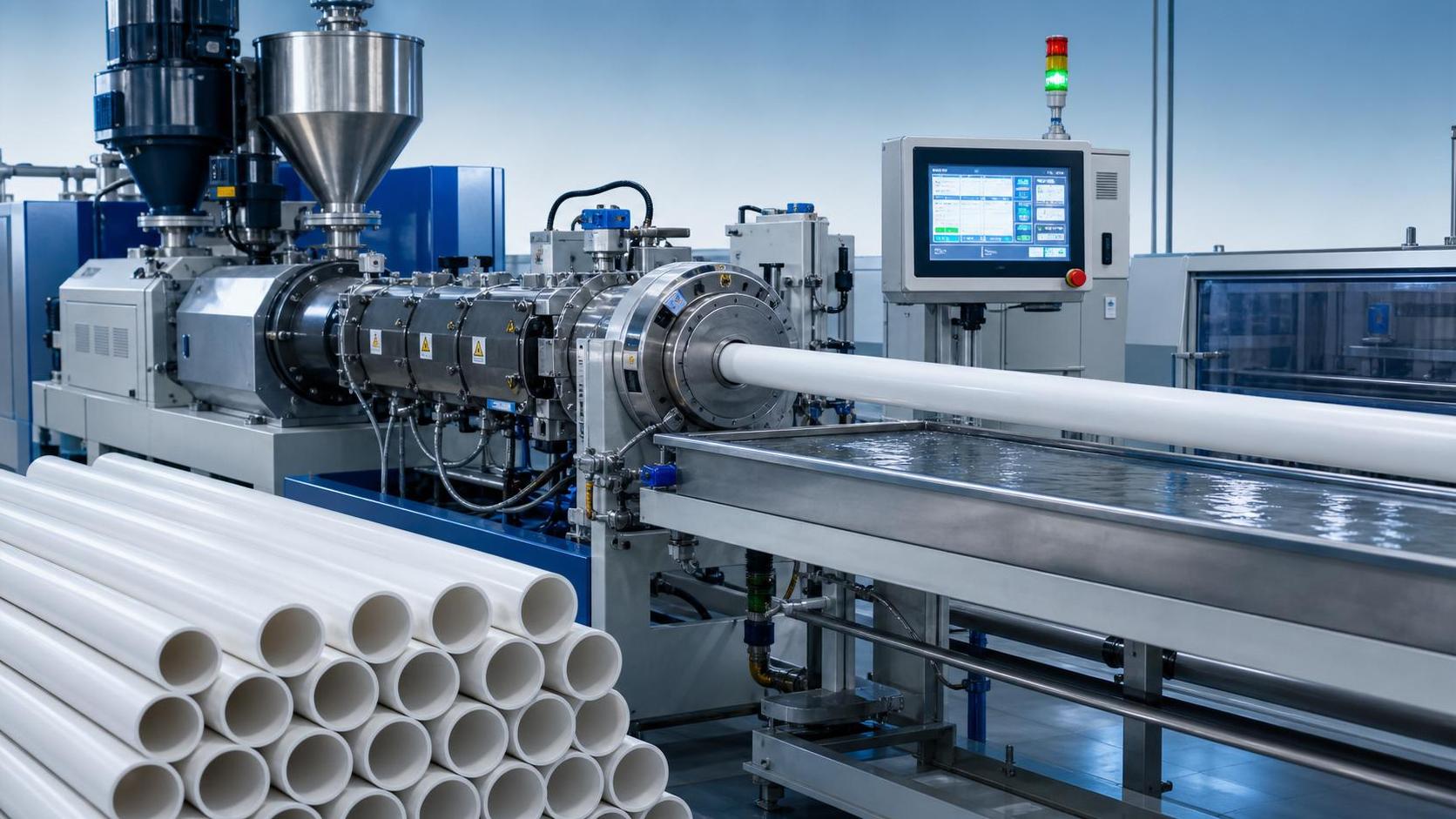
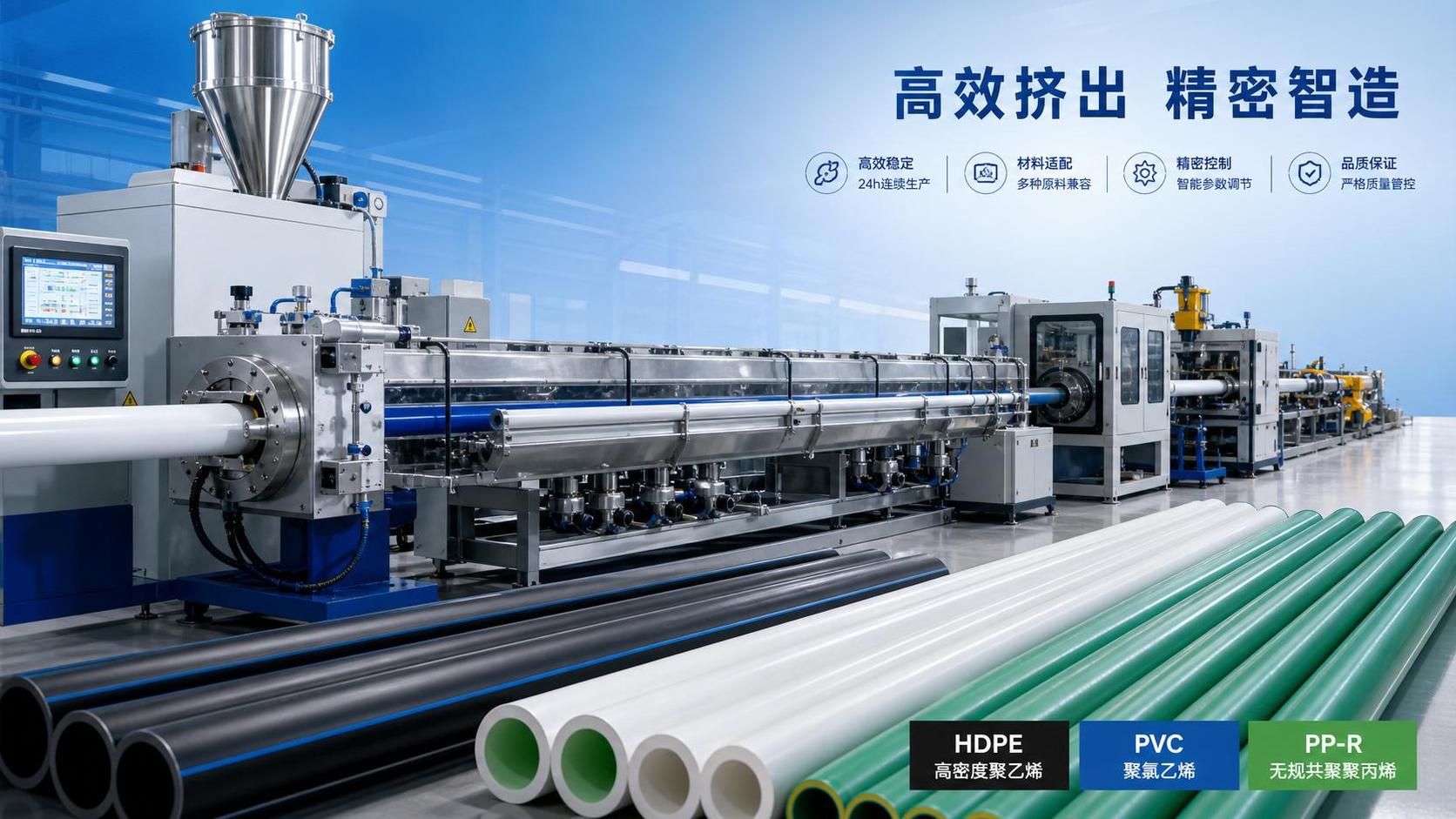
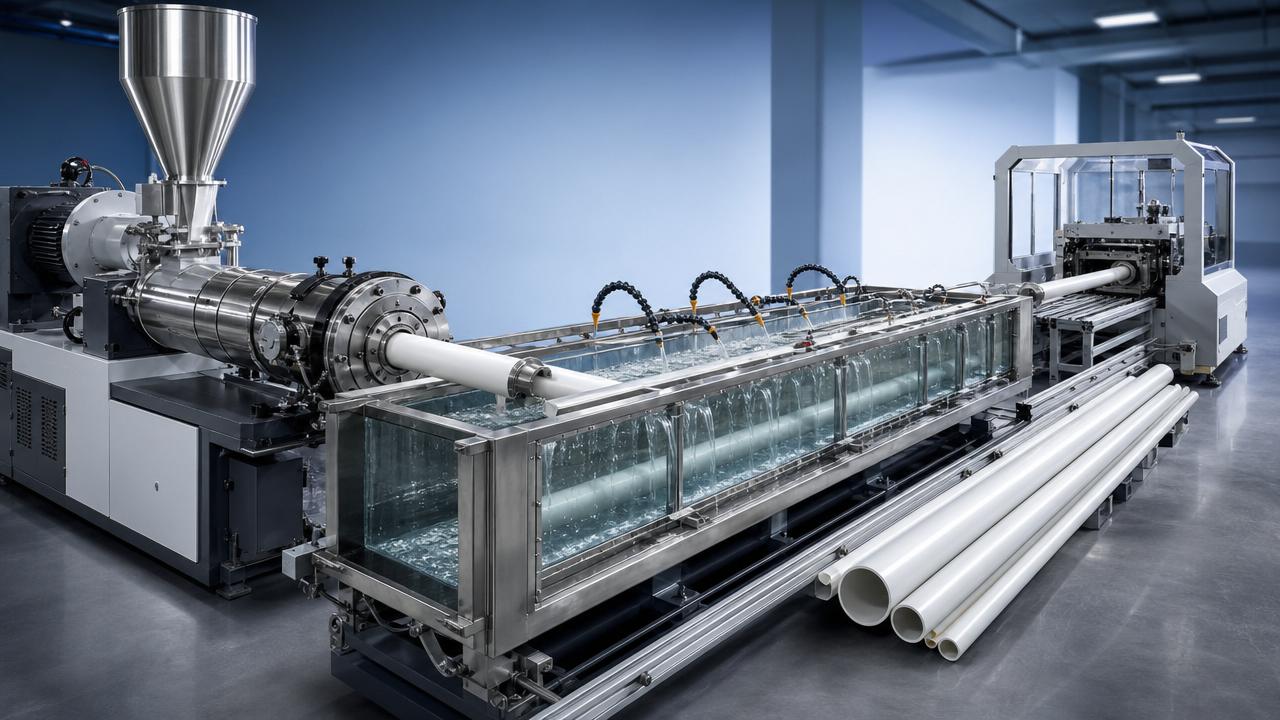
In pipe and profile lines, stable output depends heavily on pressure continuity and die balance. The preferred plastic extrusion technology usually combines a stable metering section, accurate haul-off synchronization, and die heating consistency.
Even small melt fluctuations can create ovality, wall thickness variation, or profile warpage. Long production runs make sensor quality and closed-loop speed control particularly important.
Film and sheet extrusion
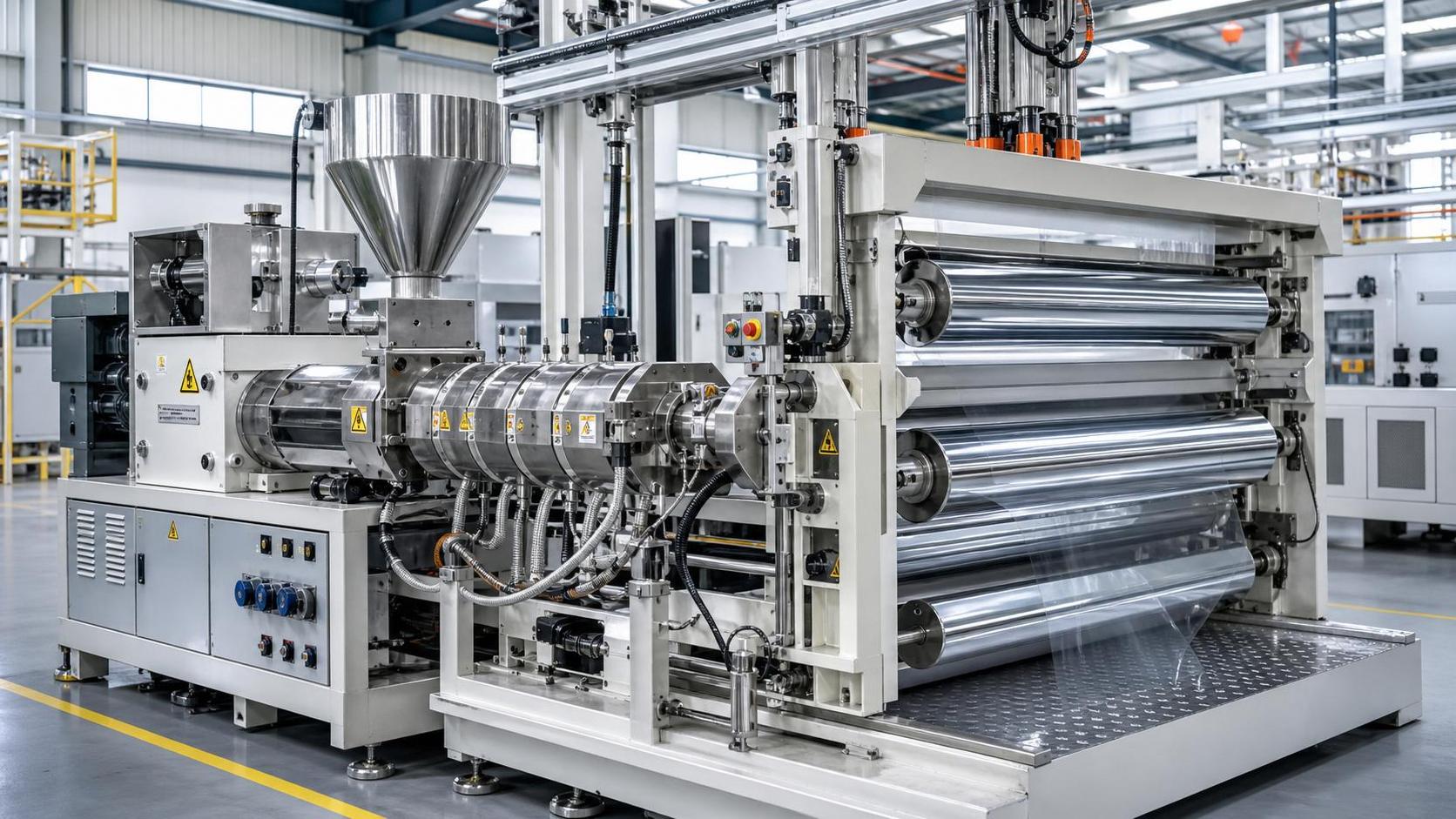
For film and sheet, output stability is closely tied to melt homogeneity and die lip uniformity. Here, plastic extrusion technology must minimize gauge variation, streaks, and thermal history differences across the width.
Automatic die bolt adjustment, melt pumps, and high-accuracy gravimetric blending can significantly improve consistency. These tools matter even more when downgauging or increasing recycled content.
Compounding and recycling
Compounding and recycling place the highest demands on adaptable plastic extrusion technology. Material input is less uniform, contamination risk is higher, and devolatilization may be essential.
Twin-screw mixing sections, vacuum venting, robust filtration, and smart feeder coordination help stabilize output despite changing flake quality, moisture, or additive loading. This is where process design often matters more than top-line capacity figures.
Commonly overlooked risks
Ignoring residence time: Higher screw speed may raise output temporarily but can reduce melting uniformity or overheat sensitive polymers if screw design is not matched.
Underestimating recycled feed variability: Stable operation with virgin resin does not guarantee stable performance with PCR, regrind, or mixed-density input streams.
Choosing weak filtration: Inadequate screen changing or contaminated melts can cause pressure spikes, die lines, and unplanned stoppages, even when the base extruder is well designed.
Neglecting downstream coordination: Extrusion stability also depends on calibration, cooling, nip control, pelletizing, or winding systems being synchronized with actual melt delivery.
Relying only on trial output: A short acceptance run may hide drift that appears after several hours, material lot changes, or ambient temperature shifts.
Practical execution steps
- Map the target resin family, recycled content range, and additive package before comparing machine platforms.
- Request trend data for melt pressure, melt temperature, amperage, and output over extended production time.
- Test the same line at low, nominal, and peak throughput to reveal process window width.
- Compare feeder accuracy, degassing performance, and screen changer continuity under realistic material conditions.
- Review control logic, alarm response, and recipe repeatability, not just mechanical specifications.
- Audit downstream synchronization because stable extrusion output loses value if take-off or forming systems are unstable.
Conclusion and next action
The plastic extrusion technology that improves output stability is rarely defined by one headline feature. It is the result of matched screw design, accurate feeding, responsive thermal control, reliable filtration, and intelligent automation working as one process system.
A practical next step is to evaluate every candidate line against a stability checklist, using extended-run data instead of nameplate assumptions. When the selected plastic extrusion technology can hold melt quality and output under real material variation, it delivers stronger efficiency, lower waste, and more dependable long-term value.
Related News
- 00
0000-00
How to Evaluate Plastic Recycling Machinery for UAE Heat, Feedstock, and Output Needs - 00
0000-00
How to Evaluate a PET Bottle Recycling System Supplier for Reliable rPET Output - 00
0000-00
How to Select Rubber Processing Equipment for High-Precision Automotive Seals - 00
0000-00
How to Qualify a Servo Injection Molding Exporter for Global Sourcing - 00
0000-00
Polymer Processing for Extrusion: How Melt Rheology Affects Line Stability
Weekly Insights
Stay ahead with our curated technology reports delivered every Monday.
Related News
 Extrusion Process ArchitectPolymer Processing for Extrusion: How Melt Rheology Affects Line StabilityPolymer processing for extrusion: discover how melt rheology influences pressure, output, die swell, and line stability for more consistent production.Sep 24, 2026
 Extrusion Process ArchitectHow to Evaluate German Extrusion Equipment for Stable, High-Output ProductionExtrusion equipment Germany: evaluate stable, high-output lines through melt control, feeding, tooling, energy use, maintenance, and acceptance trials.Sep 20, 2026
 Extrusion Process ArchitectHow to Size an HDPE Pipe Extrusion Line for Output, Diameter Range, and Pipe QualityHDPE pipe extrusion lines: learn how to size output, diameter range, cooling, and downstream equipment for stable, high-quality pipe production.Aug 29, 2026
 Extrusion Process ArchitectWhat Affects Output Quality in Polymer Processing Equipment Extrusion?Polymer processing equipment extrusion quality depends on material control, screw design, temperature, pressure, and die stability. Learn practical fixes to boost output, reduce defects, and improve consistency.Jul 14, 2026
 Extrusion Process ArchitectWindow Profile Extrusion Lines: Key Parameters for Output, Surface Finish, and StabilityWindow profile extrusion lines compared beyond nameplate output—learn how throughput, surface finish, and long-term stability affect scrap, quality, and production risk.Jul 13, 2026
 Extrusion Process ArchitectRecycled Polymer Applications in Pipe Extrusion: Material Limits, Performance, and Use CasesRecycled polymer applications pipe extrusion explained: discover material limits, real performance trade-offs, and the best use cases for reliable, cost-smart pipe production.Jul 12, 2026
 Extrusion Process ArchitectHow to Choose Extrusion Equipment for HDPE Pipe and Profile ProductionExtrusion equipment for HDPE selection starts with product goals. Learn how to compare extruders, dies, cooling, and controls to improve quality, cut scrap, and choose the right pipe or profile line.Jul 11, 2026
 Extrusion Process ArchitectExtrusion Systems for Pipe Selection Guide: Output, Screw Design, Cooling, and Wall ControlExtrusion systems for pipe selection made practical: compare output, screw design, cooling, and wall control to improve stability, cut scrap, and choose the right line with confidence.Jul 10, 2026
 Extrusion Process ArchitectExtrusion Equipment PLC Control: Which Functions Matter Most for Stable Line Operation?Extrusion equipment PLC control directly shapes line stability. Learn which functions matter most for steady output, fewer alarms, better quality, and smarter extrusion performance.Jul 05, 2026
 Extrusion Process ArchitectPP Sheet Extrusion Line Price Factors for Used Equipment BuyersLearn the main price factors for used PP sheet extrusion lines, from screw and die condition to controls, output, packing and commissioning risk.Jul 05, 2026
 Extrusion Process ArchitectUsed PP PE ABS PS Sheet Extruder Line Buying GuideA practical buyer guide for used PP, PE, ABS and PS sheet extruder lines, including inspection points, output checks and purchasing questions.Jul 01, 2026
 Extrusion Process ArchitectPVC Plastic Pipe Manufacturing Process Explained: Key Stages, Quality Checks, and Common DefectsPVC plastic pipe manufacturing explained clearly: explore key stages, quality checks, common defects, and practical insights to improve consistency, compliance, and pipe performance.Jun 30, 2026
 Extrusion Process ArchitectSmart Plastic Extrusion Technology: Which Sensors and Controls Improve Output Stability?Smart plastic extrusion technology starts with better sensing and control. Learn which sensors and closed-loop systems improve output stability, cut scrap, and boost ROI.Jun 27, 2026
 Extrusion Process ArchitectExtrusion Systems for Pipes: How to Choose the Right Line for Your Product RangeExtrusion systems for pipes: learn how to choose the right line for your product range, materials, output goals, compliance needs, and long-term ROI.Jun 26, 2026
 Extrusion Process ArchitectPipe and Profile Extrusion for Water Supply: Key Design Points for Stable OutputPipe and profile extrusion for water supply demands stable output, precise die design, and smart cooling control to reduce waste and boost reliability.Jun 26, 2026
 Extrusion Process ArchitectPipe Plastic Extrusion Machinery Selection Guide: Output, Diameter Range, and Cooling DesignPipe plastic extrusion machinery selection starts with output, diameter range, and cooling design. Learn how to compare line stability, flexibility, and ROI for better pipe production.Jun 16, 2026
 Extrusion Process ArchitectPlastic Extrusion Machinery Price Comparison: Which Specs Have the Biggest Budget Impact?Plastic extrusion machinery price depends most on screw design, output, energy systems, and automation. Compare specs smarter to cut hidden costs and improve ROI.Jun 15, 2026
 Extrusion Process ArchitectPolymer Rheology Basics: Which Viscosity and Shear Data Matter in Process Setup?Polymer rheology basics explained: learn which viscosity and shear data truly matter for process setup, faster startup, stable flow, better quality, and smarter machine adjustments.Jun 12, 2026
 Extrusion Process ArchitectPlastic Extrusion Technology vs Injection Molding: Which Offers Better Cost Control at Scale?Plastic extrusion technology vs injection molding: discover which process delivers better cost control at scale, with practical insights on tooling, scrap, energy, and ROI.Jun 10, 2026
 Extrusion Process ArchitectPlastic Extrusion Technology Explained: Process Steps, Materials, and Typical UsesPlastic extrusion technology explained clearly: learn process steps, key materials, common applications, and what to evaluate for efficient, scalable production.Jun 06, 2026