Used PP PE ABS PS Sheet Extruder Line Buying Guide




Byline: Editorial Desk, PFRS Industrial Equipment Review
Review Note: Prepared as a practical procurement guide for buyers comparing used plastic sheet extrusion equipment.
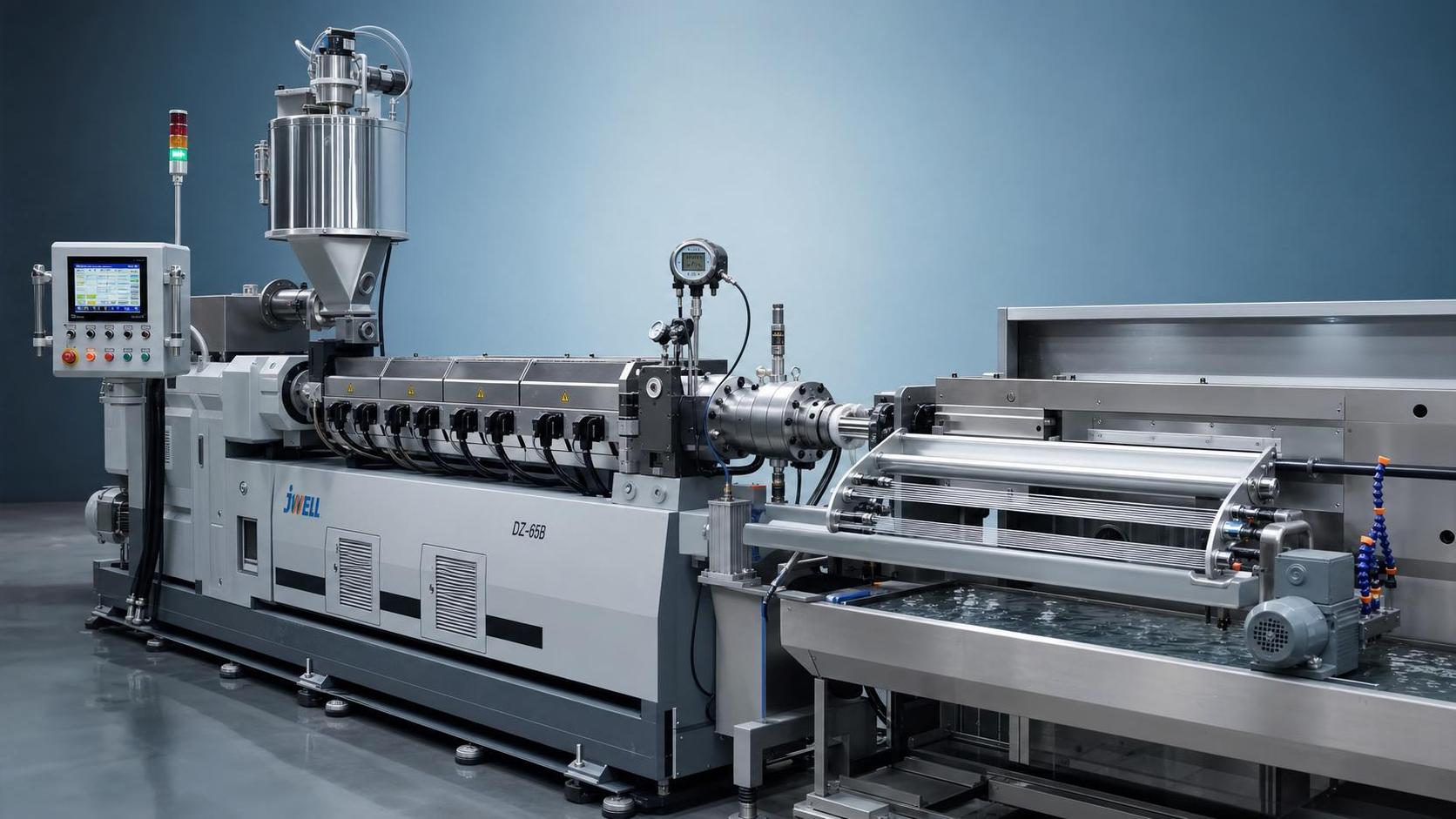
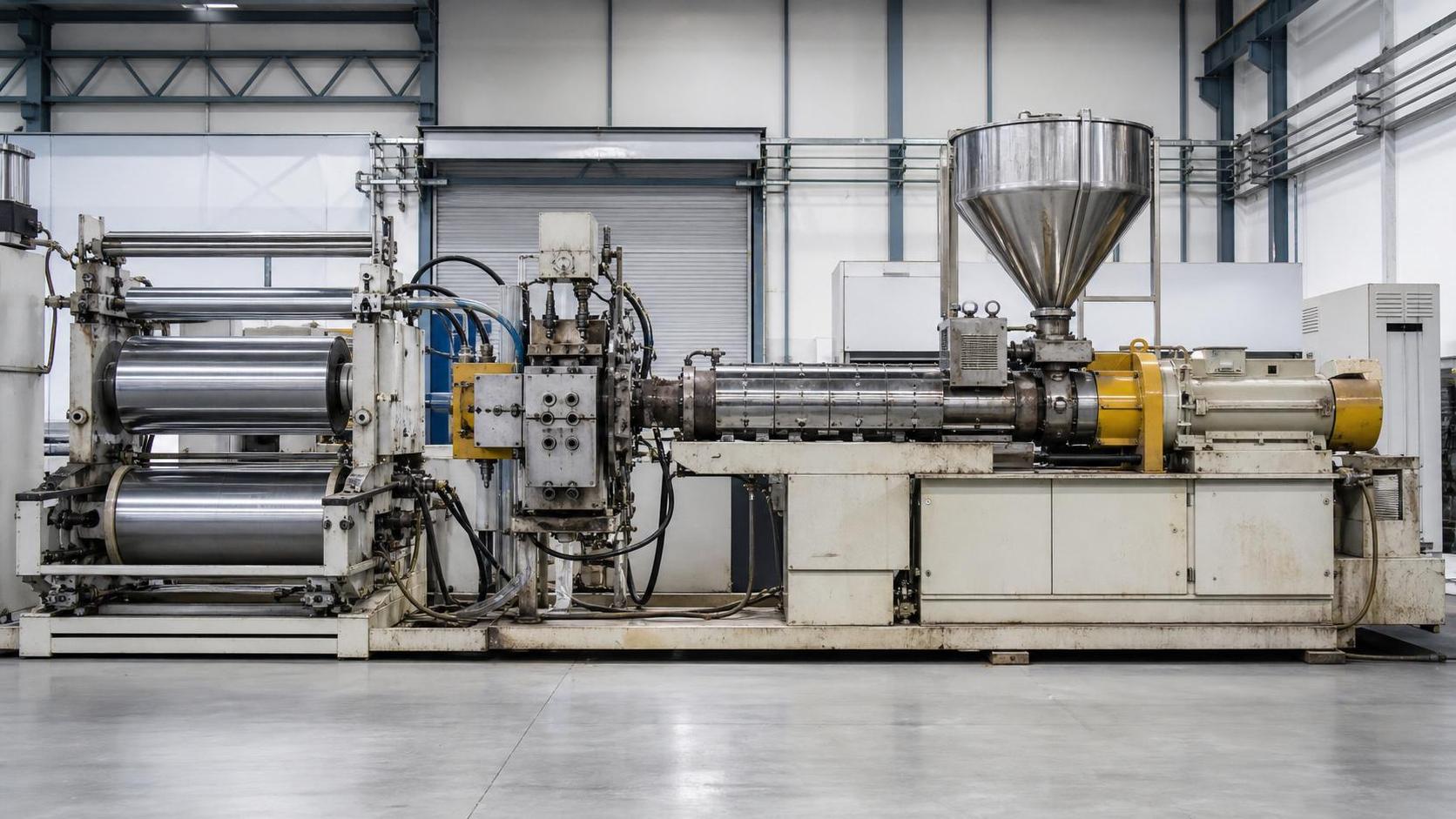
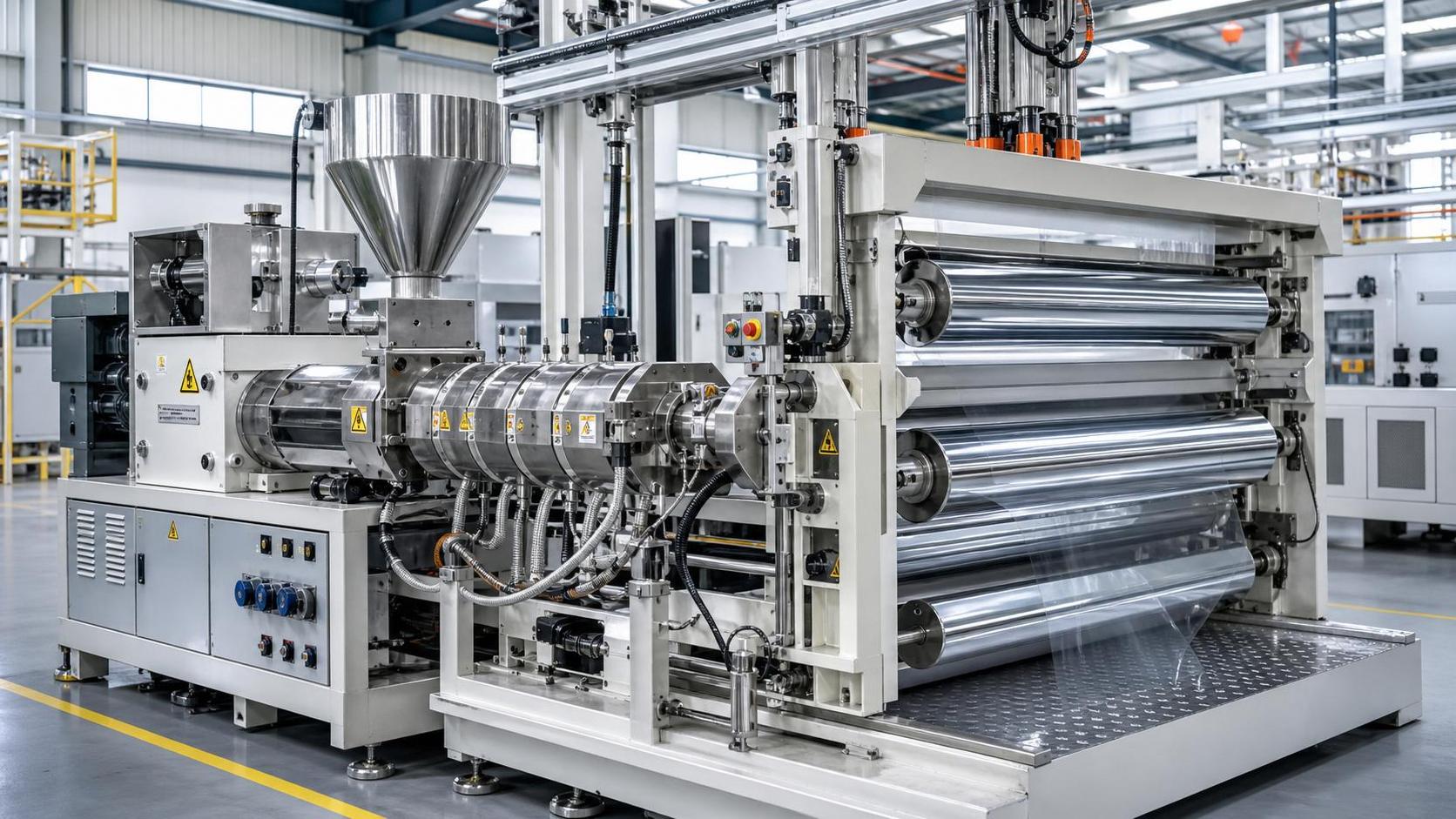
Buying a used sheet extrusion line is not only a price decision. A line that looks affordable on the quotation sheet can become expensive if the screw is worn, the die lip is damaged, the cooling section cannot hold flatness, or the electrical system is too difficult to service in the buyer's plant. For processors working with PP, PE, ABS, PS, HDPE and similar materials, the best purchase is usually the line that can be verified against a specific product plan before money changes hands.
This guide focuses on the practical checks that matter when evaluating a used PP PE ABS PS sheet extruder line. It is written for plant owners, sourcing teams, equipment dealers and engineering managers who need to compare second-hand machinery with rebuilt or partially refurbished options. It does not assume that every used line is poor, and it does not assume that every rebuilt machine is ready for production. The useful question is narrower: can this exact line make the sheet you need, at the thickness, width, output and surface quality your customer expects?
For buyers who are currently reviewing an hdpe t-grip sheet extrusion line for sale, the same discipline applies. T-grip sheet and other structured plastic sheet products place extra pressure on die condition, forming consistency, cooling control and downstream pulling accuracy. A low headline price is useful only after those details are checked.
Start With the Product, Not the Machine
A common mistake is to start with the machine list: extruder diameter, motor power, die width, calendar size, haul-off, cutter and winder. Those details matter, but they should be tested against the intended product. A buyer making thin PP packaging sheet has different risks from a buyer making thick PE board, ABS refrigerator liner sheet, PS foam-related feedstock, or HDPE T-grip geomembrane sheet. The machine may be technically complete and still be unsuitable for the target product.
Before inspecting equipment, define the product window in writing. Include resin type, recycled-content ratio, sheet width, thickness range, surface requirement, embossed or smooth finish, edge trim tolerance, expected output per hour, and downstream process. This product window becomes the filter for every conversation with the seller. If the seller cannot connect the line configuration to your product range, the buyer should treat the line as an uncertain asset rather than a ready production solution.
Material behavior also changes the purchase logic. PP requires stable temperature control and good melt homogeneity. PE and HDPE can demand higher torque depending on grade and thickness. ABS often makes screw wear, barrel wear and surface defects more visible. PS sheet production is sensitive to temperature control, cooling and brittleness. A used line that performed well on one material may need screw, die, heater, drive or control adjustments before it performs well on another.
Core Components to Inspect
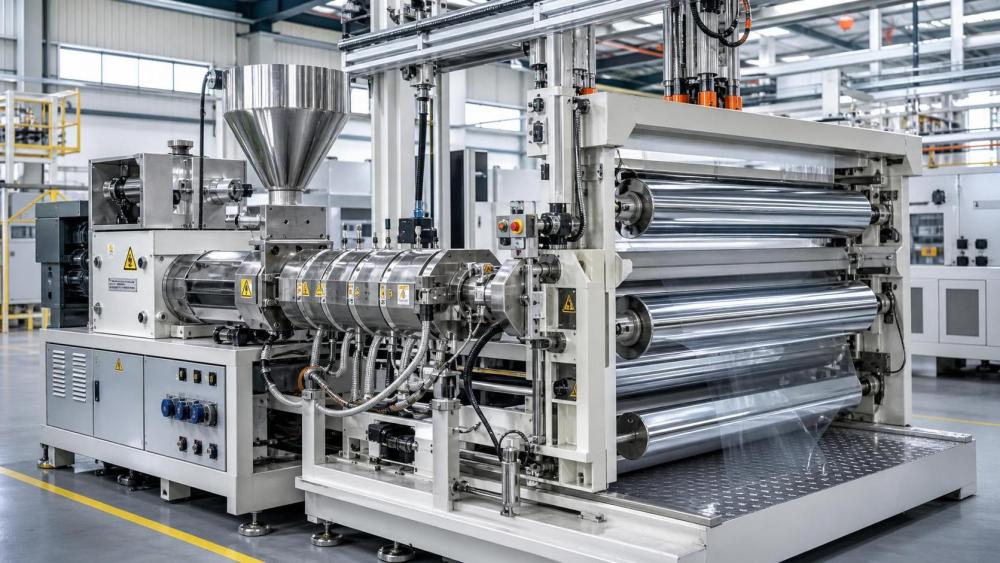
The extruder is the heart of the line, but the downstream equipment often decides whether the sheet is sellable. Buyers should inspect the full chain from feeding to stacking. A clean painted frame does not prove that the line can hold thickness tolerance. The best evidence is a combination of mechanical inspection, electrical review, available maintenance history and, when possible, a trial run using a material close to the buyer's own formula.
Questions Buyers Should Ask Before Quotation
A useful quotation should do more than list the machine name and price. It should clarify what is included, what has been tested, what needs replacement, and what support is available. Buyers should ask whether the line is sold as-is, refurbished, rebuilt, dismantled from a running plant, or reassembled for inspection. Each condition has a different risk profile.
Ask for the original application and operating history. A line used for clean virgin material may have different wear from one used with high filler content or heavy recycled feed. Ask whether the screw and barrel have measurement records. Ask whether the die has been opened, cleaned or repaired. Ask whether the cooling rolls have visible surface marks. Ask for electrical photos that show component brands and cabinet condition, not only the outside panel.
For export buyers, packing and reinstallation deserve attention. A used line can be damaged during poor dismantling, careless loading or long storage. Marking cables, protecting die surfaces, fixing movable parts and documenting disassembly steps can reduce later confusion. A supplier who can provide dismantling photos, packing lists and layout references gives the buyer a better basis for installation planning.
How to Judge Output Claims
Output claims should be treated as estimates until the buyer knows material, thickness and width. A seller may quote a maximum output that was achieved under a different product condition. For example, a line that runs well at moderate thickness may not reach the same output on thick HDPE sheet or high-impact ABS sheet. Buyers should request the conditions behind any output figure: resin, melt temperature, sheet thickness, width, line speed and downstream cooling capacity.
It is also important to separate extruder capacity from saleable sheet capacity. The extruder may push enough material, but the cooling section, pulling system or cutter may limit usable production. If the cooling rolls cannot remove heat evenly, the sheet may warp after cutting. If the haul-off cannot maintain stable speed, thickness variation can increase. If the cutter is inaccurate, downstream stacking and packaging may become inefficient.
When trial production is possible, buyers should observe startup time, melt pressure stability, sheet edge behavior, surface consistency, noise and operator adjustments. A short video is helpful, but a structured test report is better. If the seller cannot run the exact material, the buyer should at least ask for a transparent explanation of what was tested and what remains unverified.
Used, Rebuilt or Fully Refurbished?
The words used, rebuilt and refurbished are often used loosely. A used machine may simply be cleaned and sold in its current condition. A rebuilt line may include replacement of key mechanical parts, new controls or re-machined components. A refurbished line may sit somewhere between those two conditions. Buyers should not rely on the label alone. They should ask for a scope of work.
A credible rebuild scope may include screw and barrel measurement, gearbox service, heater replacement, rewiring, inverter upgrades, die cleaning, roll polishing, bearing replacement and safety checks. The buyer should confirm whether these items are completed, recommended or merely available at extra cost. This distinction protects the budget. A low machine price plus many required repairs may exceed the cost of a better-prepared line.
There is nothing wrong with buying an as-is used line when the buyer has a capable engineering team. In that case, the buyer may prefer to pay less and rebuild locally. But a buyer without local extrusion maintenance support may need more pre-shipment work from the supplier. The right choice depends on the buyer's technical resources, production deadline and tolerance for commissioning risk.
Procurement Checklist
- Define sheet material, thickness range, width and expected output before requesting quotes.
- Ask for screw and barrel condition, not only extruder model and motor power.
- Check die width, die lip condition and whether the die suits the intended product.
- Review cooling roll surface, temperature control and downstream pulling stability.
- Confirm PLC, inverter and electrical component brands for spare parts planning.
- Request photos or video of the line before dismantling, during test and before packing.
- Separate included repairs from optional repairs in the commercial offer.
- Confirm packing, loading, installation drawings and cable marking responsibilities.
- Budget for molds, die adjustment, local wiring, spare heaters and startup consumables.
- Do not judge a line by price alone; judge the total cost to reach stable production.
Common Buying Risks
One risk is buying a line that is too narrow or too light for the intended sheet. Another is assuming that a line used for one resin can switch to another without mechanical changes. Buyers also underestimate electrical modernization. An old but mechanically sound line may still require new controls if spare parts are unavailable or if local safety requirements differ from the original installation.
Storage condition is another concern. A line stored outdoors or in a damp warehouse can develop corrosion on screws, rolls, chains and electrical terminals. Even if the machine was running before storage, idle time can create new problems. Buyers should ask when the line last ran and whether rotating parts were protected. Long storage is not always a deal breaker, but it changes the inspection depth.
Documentation can also affect commissioning. A used line without drawings, wiring diagrams or layout references may take longer to install. If documentation is missing, the buyer should request detailed photos, cable tags and a marked layout before shipment. The more complex the line, the more valuable this preparation becomes.
When a Used Line Makes Sense
A used PP PE ABS PS sheet extruder line can make sense when the buyer has a defined product range, enough technical support and a realistic budget for inspection, shipment, installation and startup. It can be especially attractive for buyers expanding capacity, entering a new sheet product, replacing a damaged line, or testing a market before investing in new equipment.
The purchase is less suitable when the buyer needs immediate certified production, very tight tolerance without time for adjustment, or a turnkey guarantee that the seller cannot support. In those cases, a new line or a heavily rebuilt line with a documented acceptance process may be more appropriate. The buyer should align the equipment condition with the business risk.
The strongest used-equipment deals are transparent. The seller explains what the line has done, what it can likely do, what is untested and what needs work. The buyer then decides with open eyes. That is a better foundation than a vague promise of high output or a low price without inspection details.
FAQ
Can one used sheet extrusion line process PP, PE, ABS and PS?
Sometimes, but not automatically. The screw design, barrel condition, die, temperature control and downstream cooling must suit the material range. Buyers should confirm the intended resin and product before assuming multi-material capability.
Is a trial run necessary before buying?
A trial run is strongly recommended when the line is assembled and power is available. If a trial is not possible, buyers should request detailed inspection records, photos, videos and a clear list of unverified items.
What is the most expensive hidden risk?
Screw and barrel wear, die damage and obsolete electrical controls are common cost drivers. Shipping damage and poor dismantling can also create expensive delays after arrival.
Should buyers choose the lowest price?
The lowest price may be attractive, but it should be compared with repair cost, missing parts, control upgrades, installation support and expected startup time. Total cost to stable production is the better comparison.
How should buyers evaluate HDPE T-grip sheet equipment?
They should pay close attention to die condition, forming consistency, cooling control, pulling accuracy and product geometry. A general sheet line may need specific tooling or adjustment for structured T-grip sheet production.
Final Buying Advice
A used sheet extrusion line can be a practical investment when the buyer treats procurement as an engineering review, not a simple machine purchase. Define the target sheet, inspect the full line, verify output claims and separate included repairs from optional work. If the supplier can answer technical questions clearly and provide evidence, the buyer has a stronger basis for negotiation. If the answers remain vague, the safer move is to pause and ask for more proof before committing capital.
Related News
- 00
0000-00
How to Specify a Medical Molding Machine for Cleanroom Device Production - 00
0000-00
Plastic Extrusion Technology for Films: Process Controls That Improve Gauge Uniformity - 00
0000-00
How to Evaluate Plastic Recycling Machinery for UAE Heat, Feedstock, and Output Needs - 00
0000-00
How to Evaluate a PET Bottle Recycling System Supplier for Reliable rPET Output - 00
0000-00
How to Select Rubber Processing Equipment for High-Precision Automotive Seals
Tags
Weekly Insights
Stay ahead with our curated technology reports delivered every Monday.
Related News
 Extrusion Process ArchitectPolymer Processing for Extrusion: How Melt Rheology Affects Line StabilityPolymer processing for extrusion: discover how melt rheology influences pressure, output, die swell, and line stability for more consistent production.Sep 24, 2026
 Extrusion Process ArchitectHow to Evaluate German Extrusion Equipment for Stable, High-Output ProductionExtrusion equipment Germany: evaluate stable, high-output lines through melt control, feeding, tooling, energy use, maintenance, and acceptance trials.Sep 20, 2026
 Extrusion Process ArchitectHow to Size an HDPE Pipe Extrusion Line for Output, Diameter Range, and Pipe QualityHDPE pipe extrusion lines: learn how to size output, diameter range, cooling, and downstream equipment for stable, high-quality pipe production.Aug 29, 2026
 Extrusion Process ArchitectWhat Affects Output Quality in Polymer Processing Equipment Extrusion?Polymer processing equipment extrusion quality depends on material control, screw design, temperature, pressure, and die stability. Learn practical fixes to boost output, reduce defects, and improve consistency.Jul 14, 2026
 Extrusion Process ArchitectWindow Profile Extrusion Lines: Key Parameters for Output, Surface Finish, and StabilityWindow profile extrusion lines compared beyond nameplate output—learn how throughput, surface finish, and long-term stability affect scrap, quality, and production risk.Jul 13, 2026
 Extrusion Process ArchitectRecycled Polymer Applications in Pipe Extrusion: Material Limits, Performance, and Use CasesRecycled polymer applications pipe extrusion explained: discover material limits, real performance trade-offs, and the best use cases for reliable, cost-smart pipe production.Jul 12, 2026
 Extrusion Process ArchitectHow to Choose Extrusion Equipment for HDPE Pipe and Profile ProductionExtrusion equipment for HDPE selection starts with product goals. Learn how to compare extruders, dies, cooling, and controls to improve quality, cut scrap, and choose the right pipe or profile line.Jul 11, 2026
 Extrusion Process ArchitectExtrusion Systems for Pipe Selection Guide: Output, Screw Design, Cooling, and Wall ControlExtrusion systems for pipe selection made practical: compare output, screw design, cooling, and wall control to improve stability, cut scrap, and choose the right line with confidence.Jul 10, 2026
 Extrusion Process ArchitectExtrusion Equipment PLC Control: Which Functions Matter Most for Stable Line Operation?Extrusion equipment PLC control directly shapes line stability. Learn which functions matter most for steady output, fewer alarms, better quality, and smarter extrusion performance.Jul 05, 2026
 Extrusion Process ArchitectPP Sheet Extrusion Line Price Factors for Used Equipment BuyersLearn the main price factors for used PP sheet extrusion lines, from screw and die condition to controls, output, packing and commissioning risk.Jul 05, 2026
 Extrusion Process ArchitectUsed PP PE ABS PS Sheet Extruder Line Buying GuideA practical buyer guide for used PP, PE, ABS and PS sheet extruder lines, including inspection points, output checks and purchasing questions.Jul 01, 2026
 Extrusion Process ArchitectPVC Plastic Pipe Manufacturing Process Explained: Key Stages, Quality Checks, and Common DefectsPVC plastic pipe manufacturing explained clearly: explore key stages, quality checks, common defects, and practical insights to improve consistency, compliance, and pipe performance.Jun 30, 2026
 Extrusion Process ArchitectSmart Plastic Extrusion Technology: Which Sensors and Controls Improve Output Stability?Smart plastic extrusion technology starts with better sensing and control. Learn which sensors and closed-loop systems improve output stability, cut scrap, and boost ROI.Jun 27, 2026
 Extrusion Process ArchitectExtrusion Systems for Pipes: How to Choose the Right Line for Your Product RangeExtrusion systems for pipes: learn how to choose the right line for your product range, materials, output goals, compliance needs, and long-term ROI.Jun 26, 2026
 Extrusion Process ArchitectPipe and Profile Extrusion for Water Supply: Key Design Points for Stable OutputPipe and profile extrusion for water supply demands stable output, precise die design, and smart cooling control to reduce waste and boost reliability.Jun 26, 2026
 Extrusion Process ArchitectPipe Plastic Extrusion Machinery Selection Guide: Output, Diameter Range, and Cooling DesignPipe plastic extrusion machinery selection starts with output, diameter range, and cooling design. Learn how to compare line stability, flexibility, and ROI for better pipe production.Jun 16, 2026
 Extrusion Process ArchitectPlastic Extrusion Machinery Price Comparison: Which Specs Have the Biggest Budget Impact?Plastic extrusion machinery price depends most on screw design, output, energy systems, and automation. Compare specs smarter to cut hidden costs and improve ROI.Jun 15, 2026
 Extrusion Process ArchitectPolymer Rheology Basics: Which Viscosity and Shear Data Matter in Process Setup?Polymer rheology basics explained: learn which viscosity and shear data truly matter for process setup, faster startup, stable flow, better quality, and smarter machine adjustments.Jun 12, 2026
 Extrusion Process ArchitectPlastic Extrusion Technology vs Injection Molding: Which Offers Better Cost Control at Scale?Plastic extrusion technology vs injection molding: discover which process delivers better cost control at scale, with practical insights on tooling, scrap, energy, and ROI.Jun 10, 2026
 Extrusion Process ArchitectPlastic Extrusion Technology Explained: Process Steps, Materials, and Typical UsesPlastic extrusion technology explained clearly: learn process steps, key materials, common applications, and what to evaluate for efficient, scalable production.Jun 06, 2026