Green Packaging Materials Explained: How to Compare Barrier, Cost, and Recyclability




Selecting green packaging materials is no longer a simple sustainability choice for procurement teams—it is a performance, cost, and compliance decision. From moisture and oxygen barrier needs to total landed cost and end-of-life recyclability, buyers must compare multiple factors before sourcing at scale. This guide explains how to evaluate green packaging materials with greater confidence, helping procurement professionals balance product protection, regulatory demands, and long-term value.
For industrial buyers, the challenge is rarely a lack of options. It is the difficulty of comparing paper-based structures, mono-material plastics, bioplastics, molded fiber, and recycled-content formats against the same operational checklist. A pouch that improves recyclability may reduce oxygen barrier. A recyclable tray may increase sealing temperature or slow line speed by 5% to 12%.
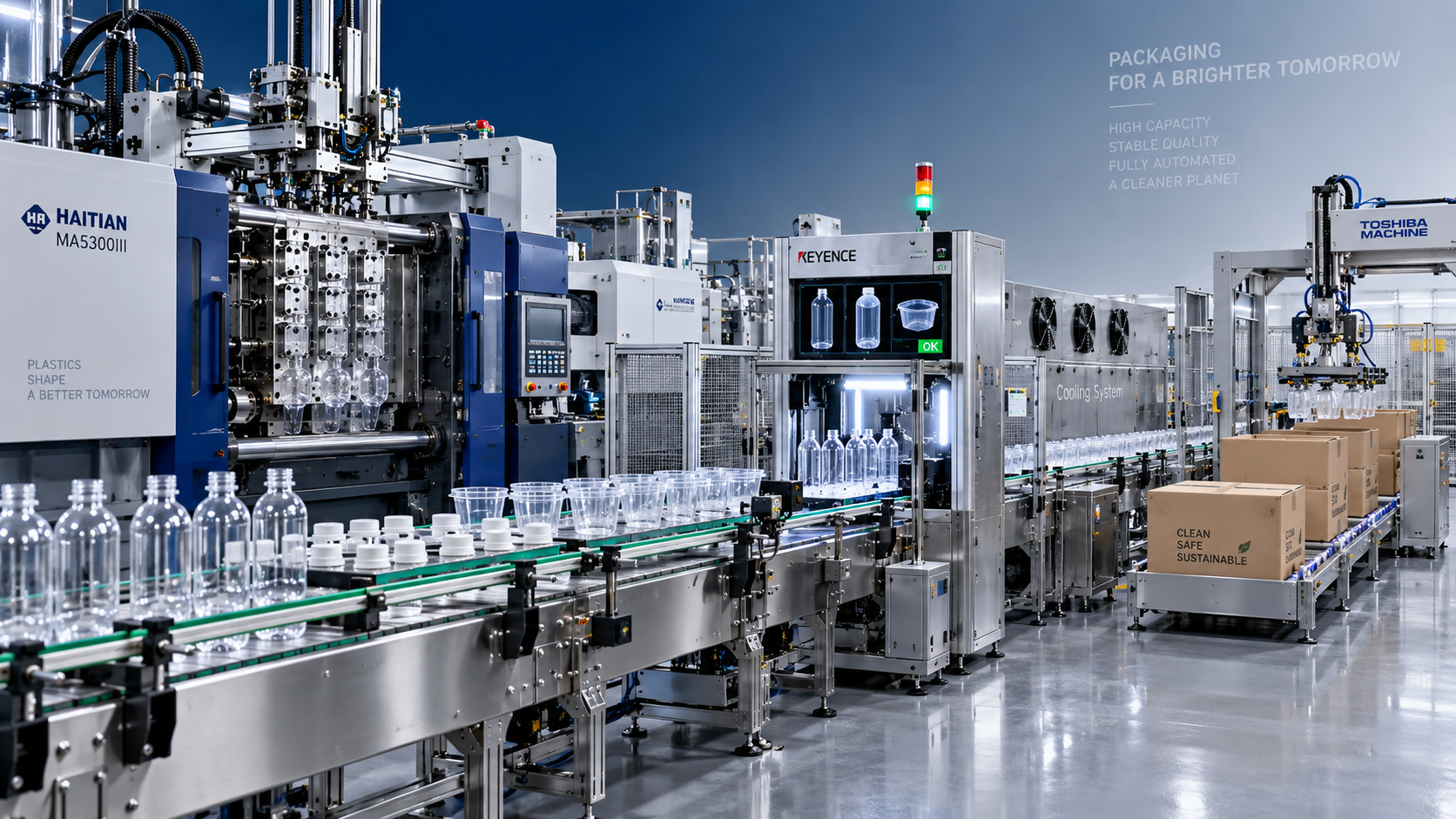
That is why procurement decisions around green packaging materials now require closer coordination with packaging engineers, converters, machine suppliers, and recycling stakeholders. For buyers working across extrusion, blow molding, injection molding, and recycling-driven supply chains, material selection is directly tied to machine compatibility, scrap rates, compliance risk, and future cost stability.
Why Green Packaging Materials Must Be Evaluated Beyond Sustainability Claims
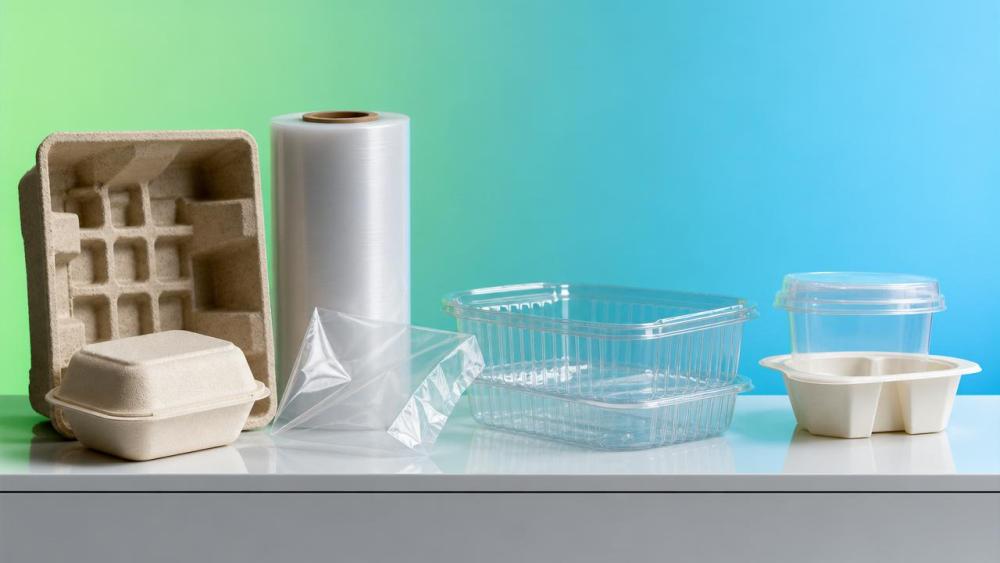
In procurement, a “green” claim is only useful when it can be translated into measurable performance. Most packaging decisions should be reviewed through at least 4 lenses: barrier, processability, total cost, and end-of-life pathway. If one of these fails, the commercial result often fails as well.
For example, a material may contain 30% to 80% recycled content and still perform well in rigid bottle applications. Yet the same recycled-content approach may be less suitable for highly sensitive food, pharmaceutical, or moisture-critical formats unless additional layers, coatings, or tie materials are introduced.
The three procurement pressures shaping material choice
- Product protection requirements, especially oxygen, moisture, grease, aroma, and light barriers.
- Cost pressure across resin price volatility, freight, MOQ, scrap, and line efficiency.
- Compliance and recovery pressure, including local recycling acceptance, plastic restriction rules, and labeling requirements.
Why machine compatibility matters earlier than many buyers expect
Green packaging materials do not perform in isolation. They run through extruders, thermoformers, injection systems, blow molding lines, sealers, and recycling equipment. A substrate with narrow processing windows may require sealing temperatures 10°C to 25°C higher than legacy films, or it may reduce output on existing lines if cooling, stretching, or melt strength is insufficient.
For procurement teams, this means the packaging quote should never be reviewed without line data. PFRS closely tracks how polymer rheology, screw design, melt filtration, and downstream handling affect real packaging economics. The right material is not just recyclable on paper; it must also run consistently at commercial scale.
Typical questions buyers should ask suppliers before RFQ approval
- What is the target shelf-life under standard storage conditions?
- What barrier metrics are available for oxygen and water vapor?
- Can the material run on current equipment without major retrofits?
- What is the realistic scrap rate during startup and changeover?
- Is the pack recyclable in the destination market, not just technically recyclable?
How to Compare Barrier Performance in Green Packaging Materials
Barrier performance is often the first filter because it protects product value. Procurement teams should define whether the application is low, medium, or high sensitivity. Dry goods may tolerate moderate moisture transfer, while coffee, medical disposables, sauces, or oxygen-sensitive snacks often require much tighter protection windows.
A useful starting point is to compare materials against 5 barrier dimensions: oxygen, water vapor, grease, aroma, and light. In many projects, one or two of these dominate the buying decision. Over-specifying all five can push costs up unnecessarily, especially when a simpler mono-material design could meet the commercial target.
Common green packaging material options and barrier trade-offs
The table below helps buyers compare typical packaging routes used across consumer goods, industrial parts, and packaged products. Values are relative screening indicators rather than laboratory certifications, but they are useful in early sourcing and supplier discussions.
The key takeaway is that no material wins every category. Mono-material structures support recycling goals, but some applications still need coatings or design changes to preserve shelf life. Paper-based formats improve renewable content perception, yet they may introduce barrier inconsistency or sealing complexity if the converting process is not tightly controlled.
Barrier evaluation checklist for procurement teams
1. Define the minimum acceptable shelf-life
Ask the brand owner or internal product team whether the target is 30 days, 6 months, or 12 months. A green packaging material that shortens shelf-life by 20% can erase sustainability gains through product waste, returns, or markdowns.
2. Match barrier to distribution conditions
Export packaging may face 2 to 6 weeks of transit, plus warehouse dwell time. High humidity, temperature swings, and container compression can change real-world results. Barrier validation should reflect actual logistics, not only lab conditions.
3. Review sealing and forming windows
Some green packaging materials appear equivalent on paper but behave differently on packaging lines. Narrow heat-seal windows, poor puncture resistance, or unstable forming behavior can increase rejects during the first 3 to 5 production runs.
How to Compare Total Cost Without Missing Hidden Packaging Expenses
Unit price is only one part of the equation. Smart procurement evaluates total landed cost across 6 cost buckets: material price, freight, line efficiency, scrap, compliance, and end-of-life impact. In many sourcing reviews, a material that is 8% cheaper per kilogram becomes more expensive after slower output or higher spoilage is included.
This is especially important for buyers sourcing films, bottles, trays, closures, and flexible formats made through extrusion, injection molding, or blow molding. A resin or structure that requires tooling changes, sealing jaw modification, or additional drying steps can add meaningful conversion cost before the first saleable pack is shipped.
A practical cost comparison framework
Use the following framework to compare green packaging materials across commercial and operational factors, not just purchase price. This is especially useful during supplier shortlist reviews and annual packaging tenders.
The biggest hidden cost is often poor line performance. If a new structure cuts output from 180 packs per minute to 155, or increases startup waste from 2% to 6%, the total annual cost can shift quickly. Buyers should request production-trial data in addition to technical datasheets and sustainability claims.
Questions to include in your commercial RFQ
- What is the standard lead time: 2 weeks, 4 weeks, or 8 weeks?
- What is the MOQ by gauge, size, or color variant?
- Is there a price premium for certified recycled content or specialty coating?
- What scrap percentage should be expected during line qualification?
- Can offcuts or rejected packs be reprocessed internally or externally?
How to Assess Recyclability in Real Markets, Not Just in Theory
Recyclability is one of the most misunderstood areas in green packaging materials. Technical recyclability, design-for-recycling, and actual collection acceptance are not the same thing. A pack may be recyclable in a pilot stream but not accepted by municipal systems in its target region. Procurement should therefore evaluate recyclability in 3 layers: design, infrastructure, and contamination risk.
In practice, mono-material PE, PP, and PET structures often have stronger recovery potential than complex multi-layer combinations, but this depends on label size, adhesive choice, barrier layer thickness, color, closure design, and residue after use. A package with excellent barrier but poor sortability may struggle to meet circularity goals.
What buyers should verify before approving a recyclable claim
Collection pathway
Ask whether the material is collected in the destination market at scale. A recyclable claim has less value if fewer than a meaningful share of local systems actually sort that format. This is particularly relevant for compostables, black plastics, and certain coated papers.
Sorting compatibility
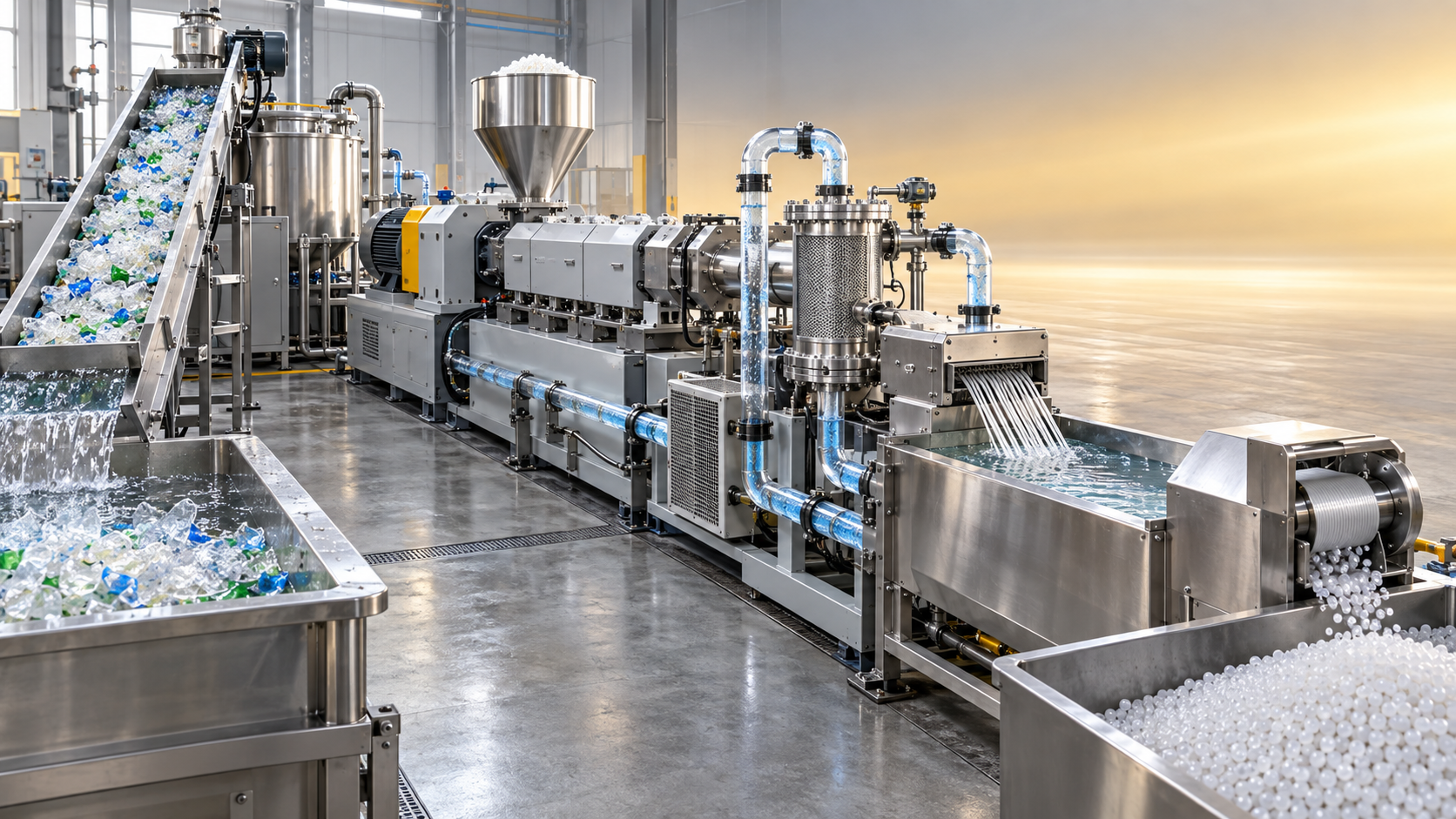
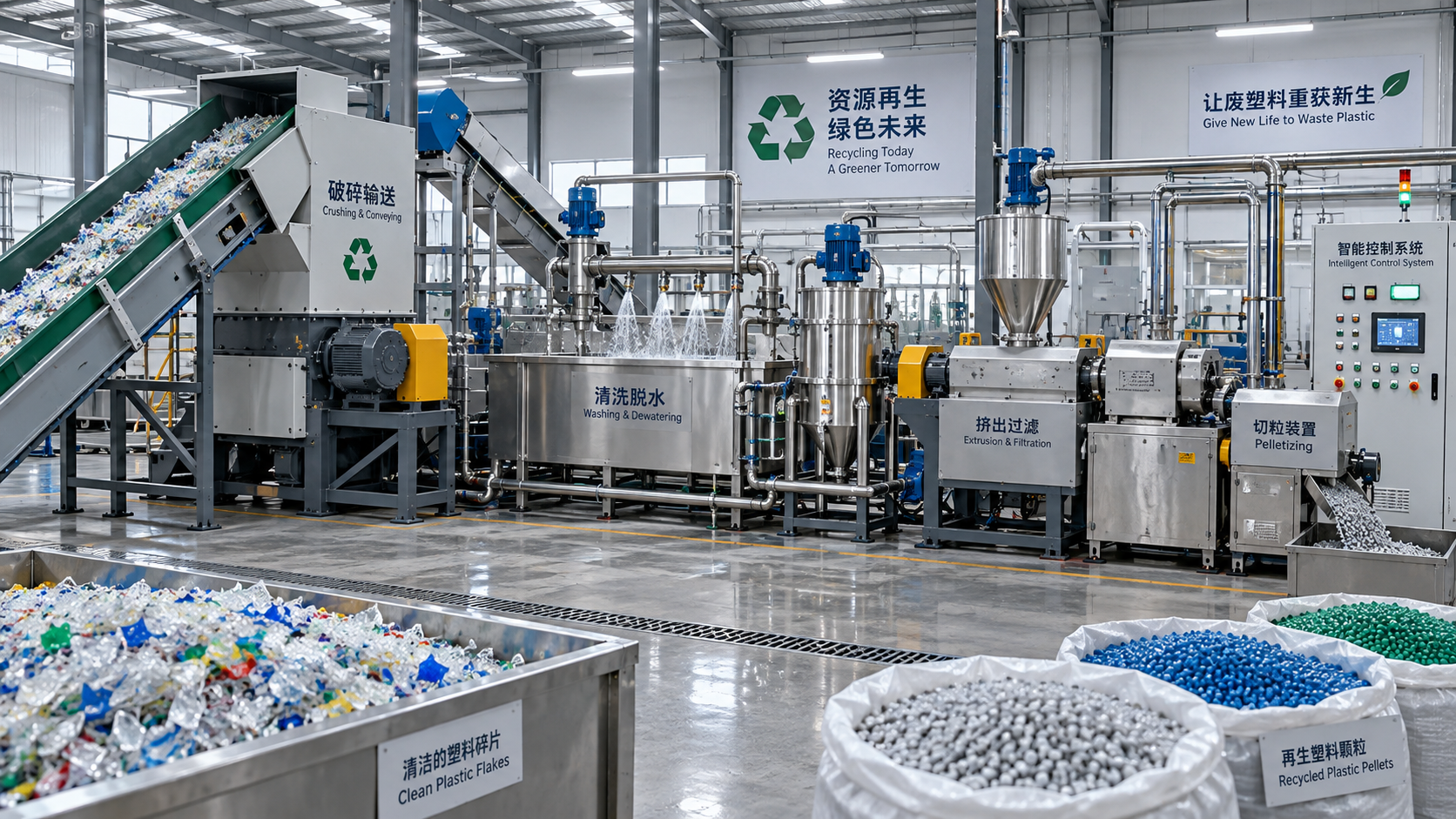
Near-infrared sorting, density separation, washing stability, and label removal all influence recovery. For buyers managing large-volume packaging, even small design details can affect downstream yield. This is where PFRS insights on waste plastic pelletizing, melt filtration, and recycled flake quality become commercially relevant.
Recycled output quality
A format that can be collected but produces low-value recyclate may face weaker market pull. Buyers should understand whether the post-consumer output becomes food-grade rPET, lower-grade regrind, or mixed flakes with limited reuse options. End-of-life value increasingly affects long-term sourcing strategy.
Common recyclability mistakes in sourcing projects
- Approving a material based only on a generic sustainability brochure.
- Ignoring inks, adhesives, caps, valves, or labels that disrupt recycling streams.
- Assuming compostable and recyclable claims can be used interchangeably.
- Overlooking regional differences across Europe, North America, Asia, or export markets.
A Procurement Workflow for Selecting Green Packaging Materials With Lower Risk
The safest sourcing process is staged. Rather than choosing green packaging materials from a sustainability lens first, procurement should build a 5-step review that aligns packaging performance with manufacturing reality. This is particularly valuable when the packaging will be produced through extrusion, blow molding, or thermoforming systems with fixed operating windows.
Step-by-step material selection process
Step 1: Define the non-negotiables
Set target shelf-life, fill conditions, temperature range, drop resistance, and compliance needs. Limit the list to 5 to 7 must-have criteria so suppliers can propose realistic structures instead of generic “eco” alternatives.
Step 2: Screen machine and process compatibility
Check whether the material can run on current lines with acceptable melt behavior, sealing speed, wall thickness control, and cooling time. Ask for trial data from similar applications wherever possible.
Step 3: Compare full commercial cost
Include material price, downtime risk, waste, freight, tooling adjustment, and inventory exposure. A 3-year view is often more useful than a single-quarter price comparison when recycled-content supply is volatile.
Step 4: Validate recyclability or recovery route
Confirm how the package will be collected, sorted, and reprocessed in the target market. If the claim depends on industrial composting or specialized collection, make sure the route is available where the product is sold.
Step 5: Run pilot and scale-up review
Pilot at a practical volume, not only laboratory samples. For many operations, 1 to 3 commercial trial runs reveal the real issues: sealing stability, bottle top-load, tray warpage, print scuffing, and reclaimability of startup scrap.
Where PFRS intelligence adds value to procurement decisions
PFRS connects material selection with the processing and recovery technologies behind it. For buyers, this matters because packaging performance is shaped by extrusion compounding, injection precision, blow molding consistency, and the quality of recycling systems that convert waste into usable pellets or flakes. Better decisions come from understanding the entire polymer lifecycle, not just the package surface.
Final Buying Advice for Procurement Teams
The best green packaging materials are not automatically the newest, the cheapest, or the most heavily marketed. They are the materials that protect the product, fit the line, meet compliance expectations, and move credibly toward circularity. For most buyers, the winning choice comes from balancing 3 variables at once: barrier performance, total cost, and realistic recyclability.
If your team is reviewing mono-material films, paper-based alternatives, rPET structures, or other sustainable packaging formats, build the decision around measurable packaging data and process compatibility. That approach reduces sourcing risk, supports long-term ESG goals, and protects operational continuity.
PFRS helps procurement professionals connect material claims with manufacturing and recycling realities across polymer processing systems. To discuss specific packaging applications, compare technology routes, or get a more tailored evaluation framework, contact us today to explore practical green packaging solutions and sourcing guidance.
Related News
- 00
0000-00
Choosing High-Speed All-Electric Injection Molding Machines for Thin-Wall Parts - 00
0000-00
Injection Molding System Costs: Machine, Molds, Automation, and Installation - 00
0000-00
Truck Tire Manufacturing Equipment: Sizing Curing Presses for Target Output - 00
0000-00
How Single-Use Plastic Bans Shift Demand for Packaging Materials - 00
0000-00
PET Pelletizing Equipment: Strand vs. Underwater Systems for Recycled PET
Weekly Insights
Stay ahead with our curated technology reports delivered every Monday.
Related News
 Ms. Elena RodriguezInjection Molding System Costs: Machine, Molds, Automation, and InstallationCompare injection molding systems price proposals with confidence. Uncover machine, mold, automation, and installation costs to avoid hidden expenses and choose a production-ready cell.Oct 17, 2026
 Ms. Elena RodriguezSmart Factory Costs for Plastics: Estimating ROI for Automation ProjectsSmart factory for plastics cost: learn how to estimate automation ROI, uncover hidden integration expenses, reduce scrap, and build a phased investment plan.Oct 10, 2026
 Ms. Elena RodriguezHow to Evaluate a Packaging Molding Equipment Supplier for High-Volume ProductionChoose a packaging molding equipment supplier with confidence. Learn how to assess throughput stability, tooling, recycled-material capability, lifecycle cost, and service support for high-volume production.Oct 09, 2026
 Ms. Elena RodriguezProcurement Records to Request Before Buying a Used Tyre ShredderUsed tyre shredder for sale? Request maintenance, operating, safety, and parts records to reduce risk, verify condition, and buy with confidence.Oct 16, 2026
 Ms. Elena RodriguezHow to Select Packaging Molding Equipment for High-Volume Production LinesPackaging molding equipment selection guide for high-volume lines: compare processes, throughput, materials, automation, and energy to achieve stable, cost-effective output.Oct 04, 2026
 Ms. Elena RodriguezHow to Evaluate Plastic Recycling Machinery for UAE Heat, Feedstock, and Output NeedsPlastic recycling machinery UAE buyers: evaluate heat resilience, feedstock handling, cooling, pellet quality, energy use, and lifecycle cost for reliable output.Sep 28, 2026
 Ms. Elena RodriguezGerman Extrusion Equipment Suppliers: Comparing Service, Lead Times, and Lifecycle CostExtrusion equipment Germany suppliers compared: evaluate service coverage, credible lead times, spare-parts access, and lifecycle cost to select a reliable, future-ready production partner.Sep 22, 2026
 Ms. Elena RodriguezWhat Should You Check Before Buying a Used Plastic Recycling Line?What should I check before buying a used plastic recycling line? Explore feedstock fit, wear, trials, utilities, controls, and restoration costs before you invest.Sep 26, 2026
 Ms. Elena RodriguezHow to Compare Pelletizing Lines by Energy Use per TonHow do I compare pelletizing lines by kWh per ton? Learn to measure total energy, verify saleable output, and select a cost-efficient line.Sep 23, 2026
 Ms. Elena RodriguezTyre Cutter Blade Wear: When Capacity Loss Needs Inspectionшинорез blade wear can quietly reduce tyre-cutting capacity. Learn the warning signs, inspection triggers, and maintenance actions that protect output and uptime.Sep 28, 2026
 Ms. Elena RodriguezIn-House Recycling for Factory Scrap: How to Reduce Material Waste and Disposal CostsIn house recycling for factory scrap helps manufacturers cut material waste, reduce disposal costs, and create controlled, quality-focused reuse loops.Sep 07, 2026
 Ms. Elena RodriguezHow Recyclable Packaging Manufacturing Balances Material Recovery and Production CostRecyclable packaging manufacturing: discover how smarter design, feedstock control, and process optimization reduce recovery costs while improving quality and yield.Sep 04, 2026
 Ms. Elena RodriguezHow to Evaluate a Plastic Recycling Systems Supplier for Your Processing NeedsChoose the right plastic recycling systems supplier with a practical guide to feedstock fit, output quality, total cost, testing, service, and compliance.Sep 01, 2026
 Ms. Elena RodriguezCE Marking for Plastic Processing Equipment: Documentation and Safety ChecksPlastic processing equipment CE compliance: learn the essential documentation, risk assessments, safety checks, and validation steps for reliable EU market access.Aug 30, 2026
 Ms. Elena RodriguezPlastic Packaging Compliance Standards: What Tests and Documents Matter Most?Plastic packaging compliance standards explained: learn which migration tests, mechanical checks, and audit-ready documents matter most to reduce risk and pass reviews with confidence.Aug 25, 2026
 Ms. Elena RodriguezHow to Evaluate a Plastic Waste Recycling System for Capacity, Contamination, and ROIPlastic waste recycling system evaluation made practical: compare true capacity, contamination control, and ROI to choose a line that delivers stable output and stronger returns.Aug 24, 2026
 Ms. Elena RodriguezPackaging Molding Equipment Price: What Drives Cost and How to Compare Quotes?Packaging molding equipment price varies by machine type, automation, tooling, energy use, and service scope. Learn what drives cost and how to compare quotes with confidence.Aug 21, 2026
 Ms. Elena RodriguezWhat Packaging Machinery for Plastic Containers Should You Choose for High-Volume Production?Packaging machinery for plastics containers can make or break high-volume production. Learn how to choose the right line for speed, consistency, compliance, and lower lifecycle costs.Aug 16, 2026
 Ms. Elena RodriguezWhat Circular Plastics Mean for Automotive Parts and Material SelectionCircular plastics for automotive are reshaping part selection with lower weight, better sustainability, and reliable performance. Discover how engineers balance recycled content, durability, and compliance.Aug 15, 2026
 Ms. Elena RodriguezBroiler Farming in Cage System: Selection Factors for Commercial FarmsBroiler farming in cage system selection for commercial farms: compare structure, ventilation, automation, and manure handling to improve efficiency and avoid costly mistakes.Aug 14, 2026