Advanced Polymer Molding Explained: Processes, Materials, and Best-Fit Applications




Advanced polymer molding has become a practical lens for understanding how modern products are shaped, scaled, and improved. It connects precision manufacturing with material science, process control, packaging compliance, and circular economy goals.
That matters because the same polymer can behave very differently under shear, pressure, heat, and cooling. A useful evaluation, therefore, is not only about the part design, but also about the forming route, resin choice, energy demand, and end-of-life potential.
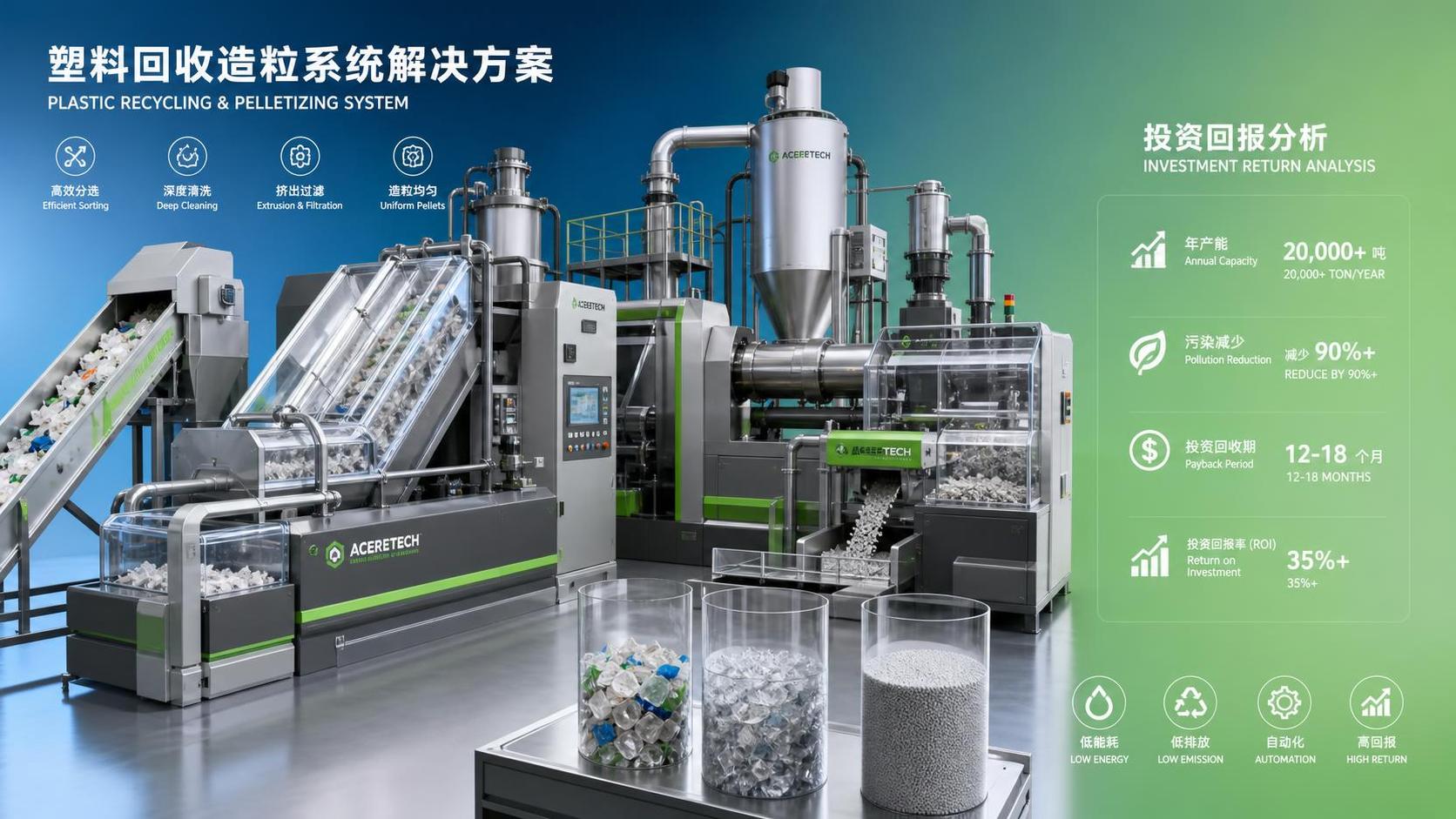
Across sectors, this is exactly where market intelligence becomes valuable. Platforms such as PFRS track injection molding, extrusion, blow molding, vulcanization, and recycling systems as one connected material lifecycle rather than isolated machine categories.
Why Advanced Polymer Molding Deserves Closer Attention
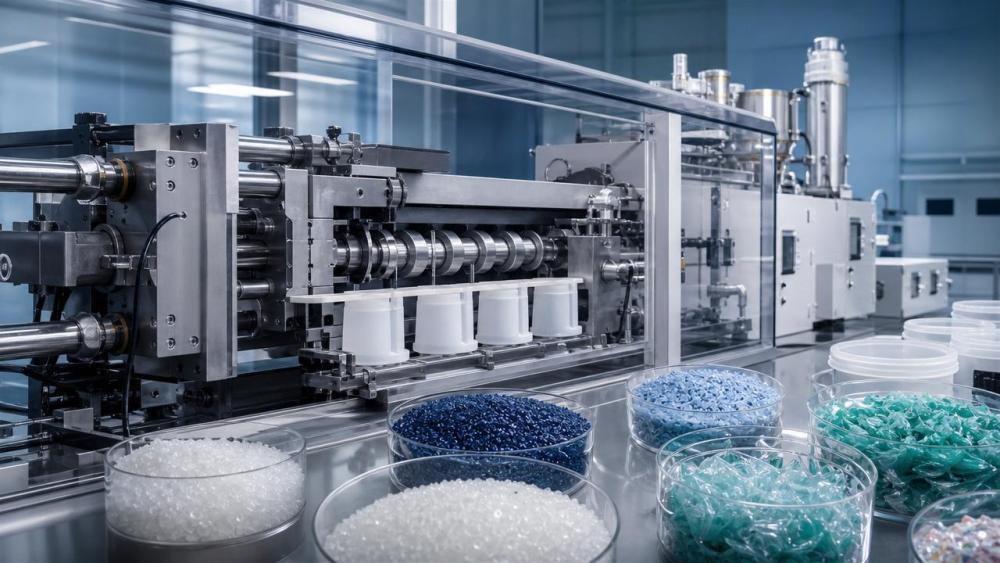
At a basic level, advanced polymer molding refers to high-control forming methods used to convert polymers into consistent, application-ready parts. The word “advanced” signals more than automation. It points to tighter tolerances, smarter monitoring, better material utilization, and stronger alignment with downstream performance.
In current manufacturing conditions, three pressures keep this topic relevant. One is product complexity. Another is cost and energy efficiency. The third is regulatory pressure around recyclability, food contact, medical traceability, and packaging waste reduction.
As a result, advanced polymer molding is no longer discussed only in technical departments. It now affects sourcing logic, plant strategy, sustainability reporting, and decisions about whether virgin, filled, or recycled resins can realistically meet performance targets.
Core Processes and What They Are Best At
Different forming methods solve different production problems. Comparing them through the final use case is often more useful than comparing machine names alone.
Injection molding for precise discrete parts
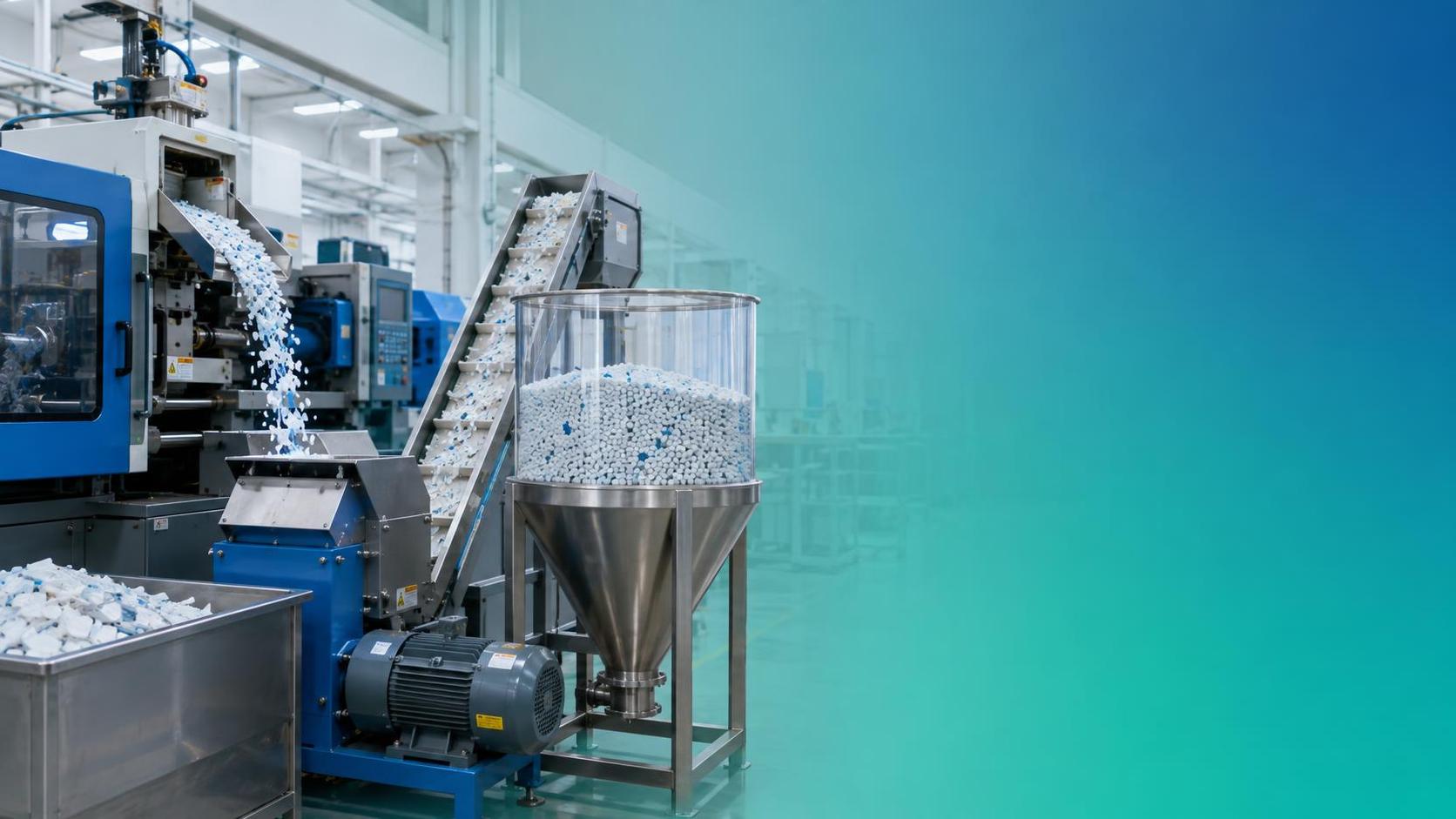
Injection molding is central to advanced polymer molding when repeatability matters most. Molten resin is injected into a mold cavity, held under pressure, cooled, and ejected as a finished part.
This process suits medical components, connectors, appliance housings, optical elements, and automotive interiors. All-electric and servo-driven systems make it easier to control holding pressure, shot consistency, and micro-scale dimensional stability.
Extrusion for continuous output
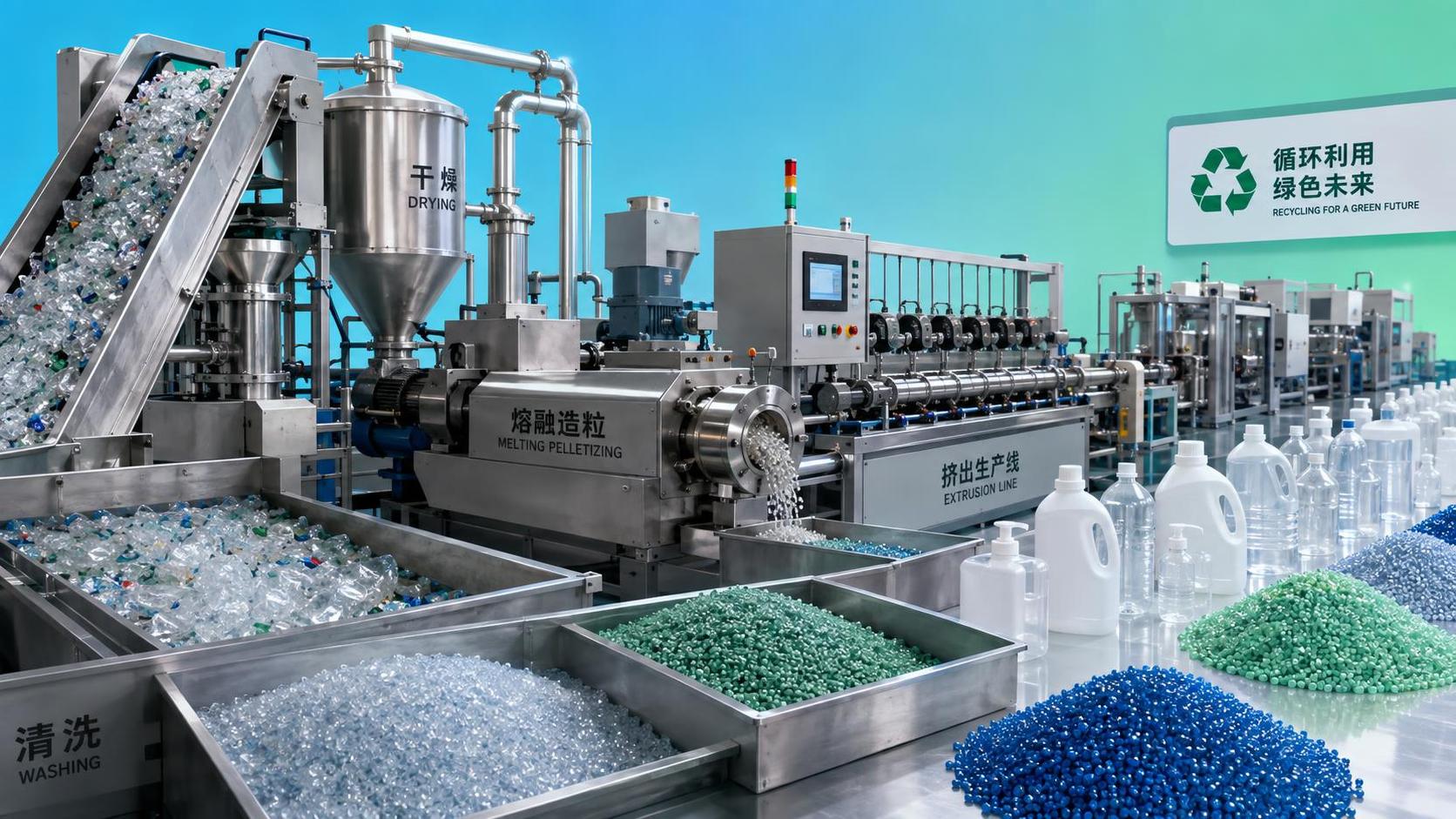
Extrusion is usually the better fit when the product is continuous rather than discrete. Pipe, sheet, film, profile, wire coating, and compounded pellets all depend on stable melt flow through a die.
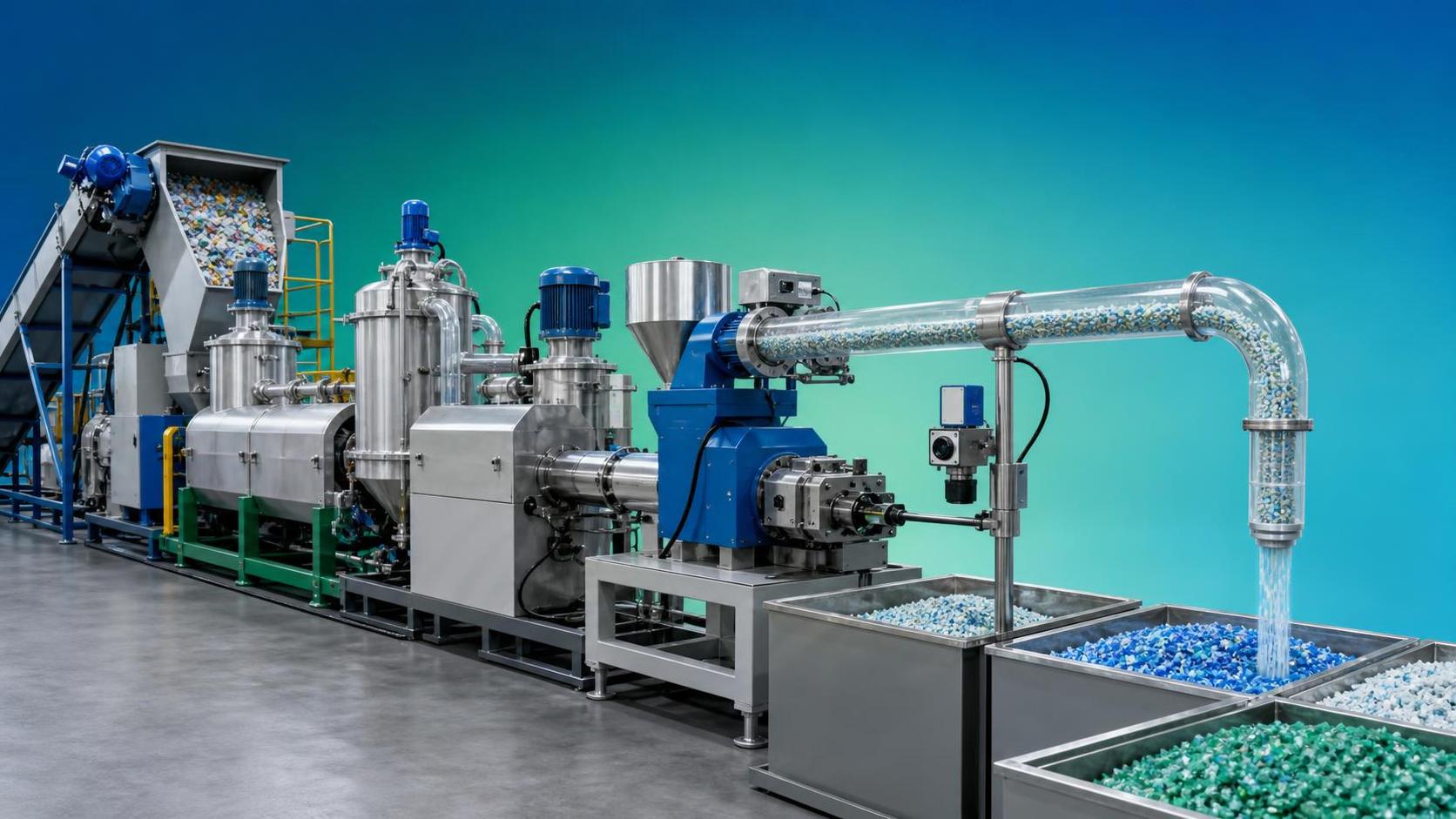
Twin-screw systems are especially relevant where additives, fillers, pigments, or recycled content must be dispersed evenly. In practice, that makes extrusion a key branch of advanced polymer molding for both commodity and engineered formulations.
Blow molding for hollow packaging and containers
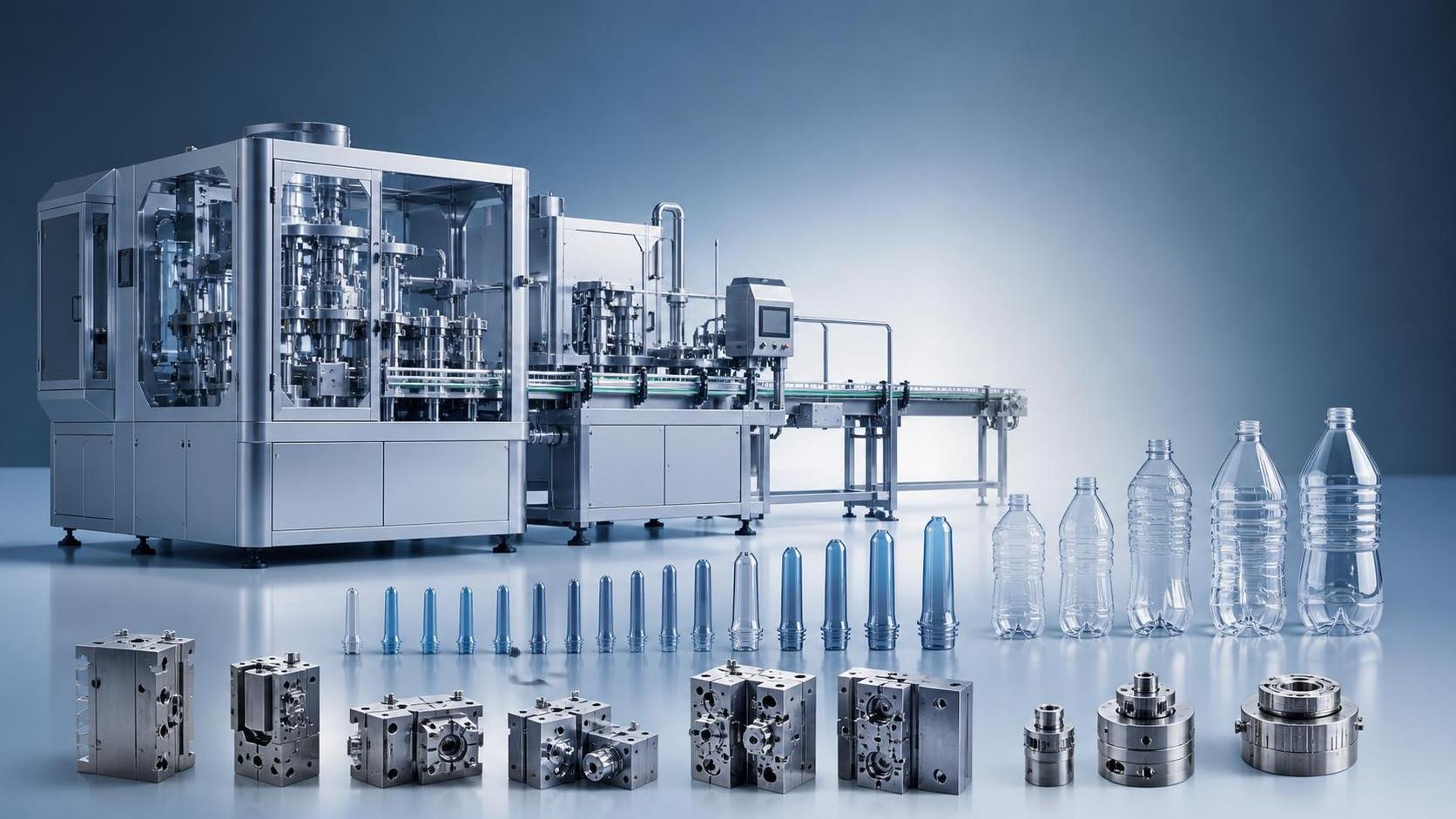
Blow molding forms hollow products by expanding a hot polymer tube or preform inside a mold. It is closely tied to beverage, personal care, pharmaceutical, and household packaging lines.
Where output speed, wall distribution, and bottle weight reduction are priorities, advanced polymer molding often includes stretch blow technologies and more accurate thermal conditioning before expansion.
Vulcanization for elastomer performance
Rubber molding and vulcanization differ from thermoplastic processing because cross-linking creates irreversible structure. Tires, seals, vibration isolators, and industrial gaskets depend on that chemical transformation.
Here, advanced polymer molding is less about simple shaping and more about curing balance, mold pressure, thermal uniformity, and the final mechanical resilience of the elastomer.
Material Behavior Often Decides Process Success
A process can look suitable on paper and still fail in operation if resin behavior is misunderstood. Polymers are non-Newtonian, so viscosity changes under shear and temperature. That affects filling, mixing, die swell, shrinkage, and surface quality.
Crystalline and amorphous polymers also respond differently during cooling. Semi-crystalline materials may offer stronger chemical resistance or stiffness, but often need tighter thermal control. Amorphous grades may provide better transparency and dimensional predictability.
Filled compounds introduce another layer. Glass fiber, mineral filler, flame retardants, and impact modifiers change flow patterns and tool wear. Recycled content can further shift melt stability, odor, contamination sensitivity, and filtration needs.
This is one reason PFRS places value on polymer rheology, CFD analysis in extrusion, and AI-assisted molding optimization. Those tools help translate material behavior into machine settings that are commercially realistic.
Where Advanced Polymer Molding Creates Business Value
The value of advanced polymer molding is easiest to see when process choice is linked to commercial outcomes rather than technical labels alone.
This broader view explains why advanced polymer molding increasingly overlaps with digital monitoring, in-house recycling, and packaging redesign. The machine matters, but the surrounding system matters just as much.
Typical Applications Across the Polymer Lifecycle
In practical terms, advanced polymer molding supports several very different product environments.
- Medical and laboratory products need dimensional accuracy, clean processing, and dependable resin traceability.
- Automotive parts require impact strength, thermal resistance, lightweighting, and often multi-material integration.
- Consumer packaging depends on cycle speed, wall control, visual quality, and growing recycled-content compatibility.
- Infrastructure products such as pipe and sheet rely on continuous output, compound homogeneity, and long service life.
- Rubber seals and dynamic components need controlled vulcanization to achieve resilience under stress and temperature swings.
The strongest projects usually begin with the end-use environment. Once service temperature, load, regulation, appearance, and recovery pathway are clear, the right advanced polymer molding route becomes easier to identify.
What to Check Before Comparing Equipment or Lines
A common mistake is to compare equipment only by tonnage, screw size, or rated throughput. Those figures matter, but they rarely explain total suitability on their own.
A more reliable review includes the interaction between material, part geometry, tolerance range, maintenance burden, and waste handling.
Useful decision signals
- Check whether the polymer grade is stable under the required thermal history.
- Look at scrap generation and whether regrind or recycled feedstock can return safely.
- Review energy intensity, especially where pure-electric systems may outperform hydraulic setups.
- Assess process windows, not only target settings, because narrow windows raise operational risk.
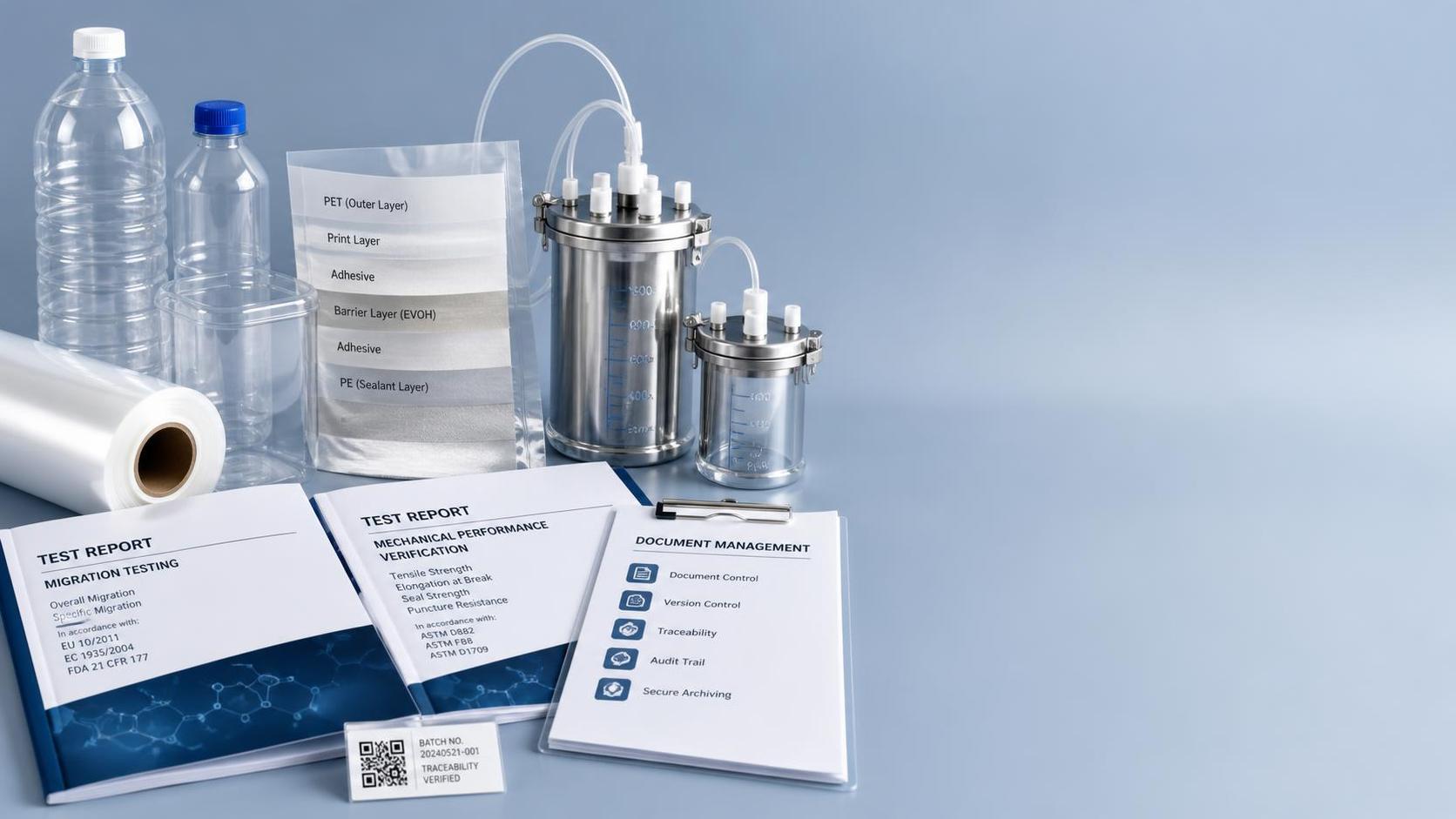
- Confirm compliance exposure for food contact, medical use, or extended producer responsibility rules.
This is also where intelligence platforms add value. Tracking resin volatility, plastic bans, filtration technology, and ESG-driven recycling demand can change a project’s preferred molding path faster than machine brochures suggest.
A Practical Way to Move Forward
Advanced polymer molding is best understood as a decision framework, not just a processing topic. It links shaping technology with product function, compliance pressure, and the economics of material use over time.
The next step is usually to map one target application against four factors: geometry, resin behavior, throughput requirement, and recovery strategy. That simple comparison often reveals whether injection, extrusion, blow molding, vulcanization, or recycling integration deserves closer study.
For deeper evaluation, it helps to monitor the same signals followed by PFRS: rheology data, equipment control capability, recycled-content feasibility, and policy shifts affecting packaging and materials. That creates a stronger basis for judging where advanced polymer molding can deliver long-term fit, not just short-term output.
Related News
- 00
0000-00
How Closed-Loop Recycling Turns Post-Consumer Plastic into Reliable Feedstock - 00
0000-00
How to Size a Tire Curing Press Machine for Capacity, Mold Type, and Cycle Time - 00
0000-00
Selecting Plastic Recycling Systems for Mixed Packaging Waste: Key Process Criteria - 00
0000-00
When Does Structural Foam Molding Make Sense for Large, Stiff Parts? - 00
0000-00
How to Evaluate a Vacuum Compression Molding Factory for High-Consistency Rubber Parts
Weekly Insights
Stay ahead with our curated technology reports delivered every Monday.
Related News
 Ms. Elena RodriguezIn-House Recycling for Factory Scrap: How to Reduce Material Waste and Disposal CostsIn house recycling for factory scrap helps manufacturers cut material waste, reduce disposal costs, and create controlled, quality-focused reuse loops.Sep 07, 2026
 Ms. Elena RodriguezHow Recyclable Packaging Manufacturing Balances Material Recovery and Production CostRecyclable packaging manufacturing: discover how smarter design, feedstock control, and process optimization reduce recovery costs while improving quality and yield.Sep 04, 2026
 Ms. Elena RodriguezHow to Evaluate a Plastic Recycling Systems Supplier for Your Processing NeedsChoose the right plastic recycling systems supplier with a practical guide to feedstock fit, output quality, total cost, testing, service, and compliance.Sep 01, 2026
 Ms. Elena RodriguezCE Marking for Plastic Processing Equipment: Documentation and Safety ChecksPlastic processing equipment CE compliance: learn the essential documentation, risk assessments, safety checks, and validation steps for reliable EU market access.Aug 30, 2026
 Ms. Elena RodriguezPlastic Packaging Compliance Standards: What Tests and Documents Matter Most?Plastic packaging compliance standards explained: learn which migration tests, mechanical checks, and audit-ready documents matter most to reduce risk and pass reviews with confidence.Aug 25, 2026
 Ms. Elena RodriguezHow to Evaluate a Plastic Waste Recycling System for Capacity, Contamination, and ROIPlastic waste recycling system evaluation made practical: compare true capacity, contamination control, and ROI to choose a line that delivers stable output and stronger returns.Aug 24, 2026
 Ms. Elena RodriguezPackaging Molding Equipment Price: What Drives Cost and How to Compare Quotes?Packaging molding equipment price varies by machine type, automation, tooling, energy use, and service scope. Learn what drives cost and how to compare quotes with confidence.Aug 21, 2026
 Ms. Elena RodriguezWhat Packaging Machinery for Plastic Containers Should You Choose for High-Volume Production?Packaging machinery for plastics containers can make or break high-volume production. Learn how to choose the right line for speed, consistency, compliance, and lower lifecycle costs.Aug 16, 2026
 Ms. Elena RodriguezWhat Circular Plastics Mean for Automotive Parts and Material SelectionCircular plastics for automotive are reshaping part selection with lower weight, better sustainability, and reliable performance. Discover how engineers balance recycled content, durability, and compliance.Aug 15, 2026
 Ms. Elena RodriguezBroiler Farming in Cage System: Selection Factors for Commercial FarmsBroiler farming in cage system selection for commercial farms: compare structure, ventilation, automation, and manure handling to improve efficiency and avoid costly mistakes.Aug 14, 2026
 Ms. Elena RodriguezHow to Implement Smart Polymer Manufacturing Without Disrupting Existing Production?Smart polymer manufacturing implementation made practical: learn how to upgrade existing production with phased digitalization, less downtime, better control, and measurable ROI.Aug 11, 2026
 Ms. Elena RodriguezHow to Evaluate a Rubber Compression Molding Supplier for Complex Part ProductionRubber compression molding supplier selection for complex parts starts with process, material, and tooling control. Learn how to compare vendors beyond price and reduce launch risk.Aug 10, 2026
 Ms. Elena RodriguezPackaging Compliance in Canada: Key Labeling and EPR Rules Importers Must KnowPackaging compliance Canada explained for importers: learn bilingual labeling, environmental claims, and provincial EPR rules to reduce risk, avoid costly errors, and stay market-ready.Aug 03, 2026
 Ms. Elena RodriguezWhy Circular Plastics Economy Traceability Matters for Recycled Content ComplianceCircular plastics economy traceability is essential for proving recycled content compliance across sourcing, processing, and reporting. Learn how strong evidence reduces audit risk.Aug 02, 2026
 Ms. Elena RodriguezRecycled Plastic Compliance: Key Standards, Testing Requirements, and DocumentationRecycled plastic compliance explained: key standards, testing requirements, supplier documents, and food-contact risks to help you avoid approval delays and costly compliance mistakes.Aug 01, 2026
 Ms. Elena RodriguezHow to Evaluate an Extrusion Machinery Manufacturer for Quality, Support, and ROIExtrusion machinery manufacturer selection affects quality, uptime, and ROI. Learn how to compare process fit, output claims, service, compliance, and long-term operating costs.Jul 29, 2026
 Ms. Elena RodriguezHow to Evaluate Food Grade Recycled Pellets for Safe Packaging ApplicationsFood grade recycled pellets for safe packaging demand more than a label. Learn how to assess feedstock, process validation, pellet quality, and compliance before approval.Jul 28, 2026
 Ms. Elena RodriguezHow to Evaluate a Rubber Vulcanization Supplier for Quality, Capacity, and Lead TimeRubber vulcanization supplier selection made easier: learn how to assess quality systems, true production capacity, and lead time reliability to reduce sourcing risk and improve supply performance.Jul 25, 2026
 Ms. Elena RodriguezPlastic Waste Recycling Price: What Drives Costs and How Buyers Should Compare QuotesPlastic waste recycling price explained: compare quotes by yield, energy use, pellet quality, and compliance costs to find the best long-term recycling value.Jul 20, 2026
 Ms. Elena RodriguezHow to Plan a Smart Factory for Plastics Packaging: Key Systems, Data, and ROISmart factory for plastics packaging planning starts with the right systems, data architecture, compliance, recycling, and ROI model. Learn the key steps to build a scalable, future-ready plant.Jul 19, 2026