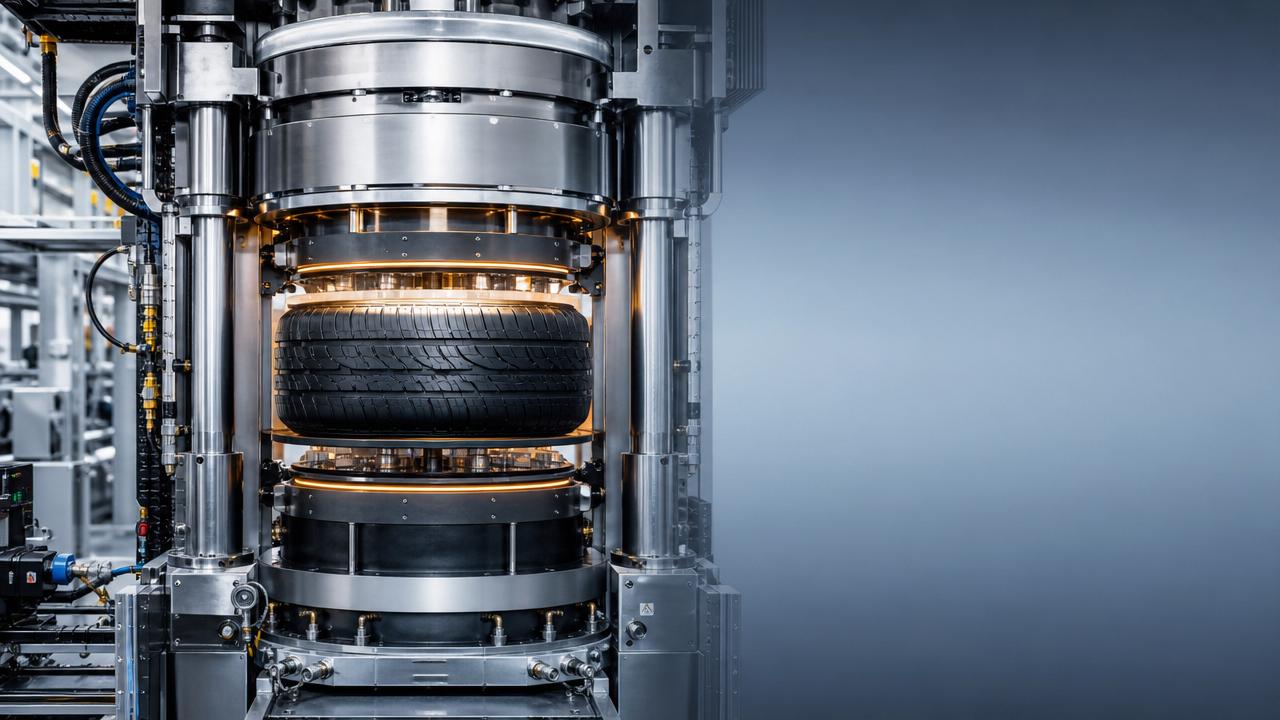
Why elastomer cross-linking changes cure consistency




In rubber vulcanization, small shifts in elastomer cross-linking can turn a stable cure profile into a source of batch variation, scrap, or safety risk. For quality control and safety teams, understanding how cross-link density, cure temperature, compound dispersion, and press conditions interact is essential to maintaining predictable hardness, tensile strength, compression set, and service reliability. This article explains why cross-linking chemistry directly affects cure consistency—and how tighter process intelligence can help prevent defects before they reach production scale.
Why elastomer cross-linking is the real control point in rubber curing
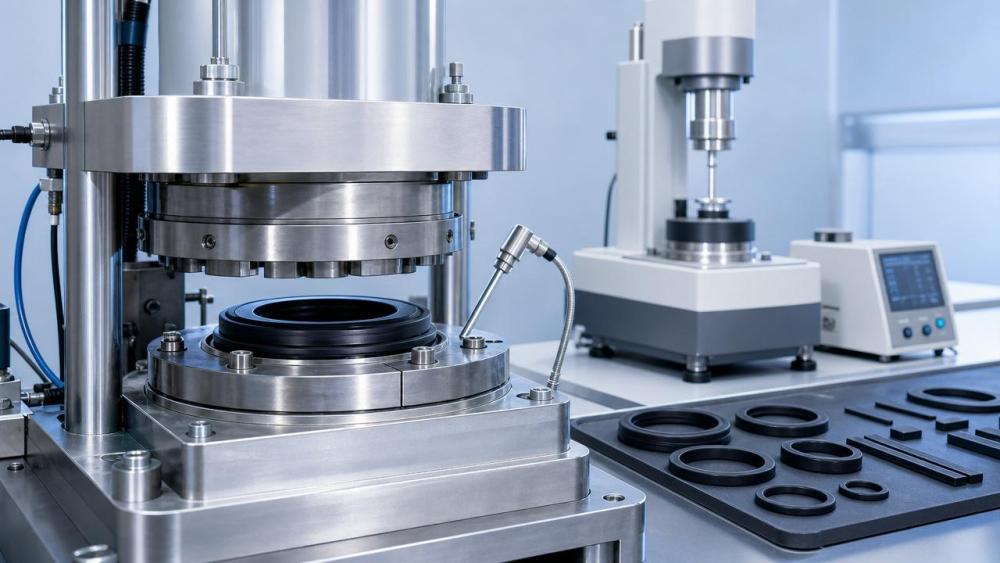
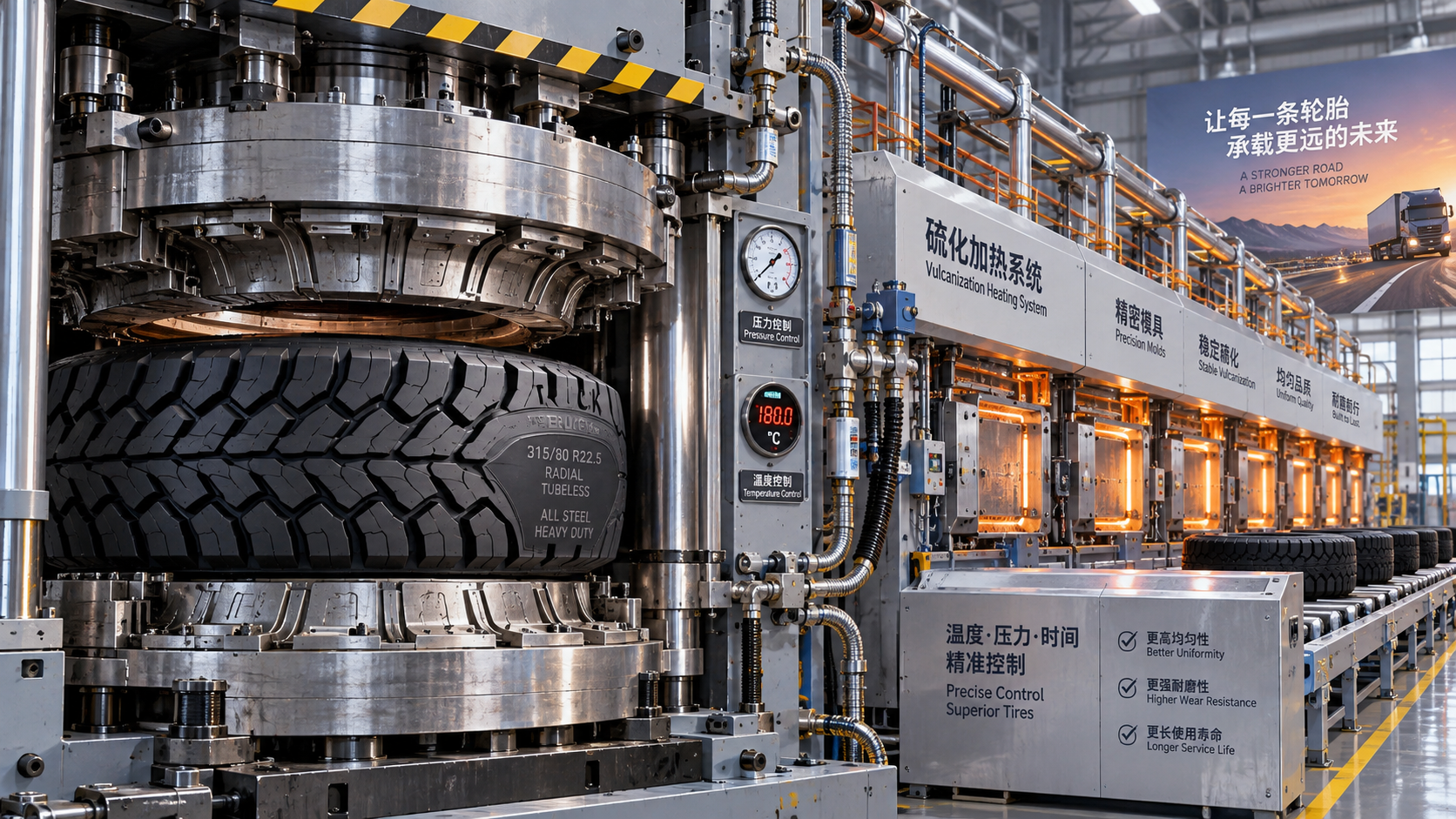
Rubber curing is not only a heating operation. It is a controlled chemical transformation where polymer chains form bridges that determine elasticity, strength, heat resistance, and aging behavior.
Elastomer cross-linking changes cure consistency because the network forms progressively, unevenly, and sometimes irreversibly. Once a region is under-cured or over-cured, later inspection may identify the defect but cannot easily reverse it.
For quality control teams, the issue appears as hardness drift, tensile scatter, poor compression set, blistering, mold fouling, or unexpected rework. For safety managers, it may become seal leakage, tire component failure, or thermal degradation risk.
The practical question is simple: can the plant prove that every part has received the same chemical cure, not just the same press time?
- Cross-link density controls stiffness, elongation, resilience, swelling resistance, and permanent deformation under load.
- Cure rate depends on temperature history, compound formulation, accelerator activity, sulfur level, peroxide system, and filler dispersion.
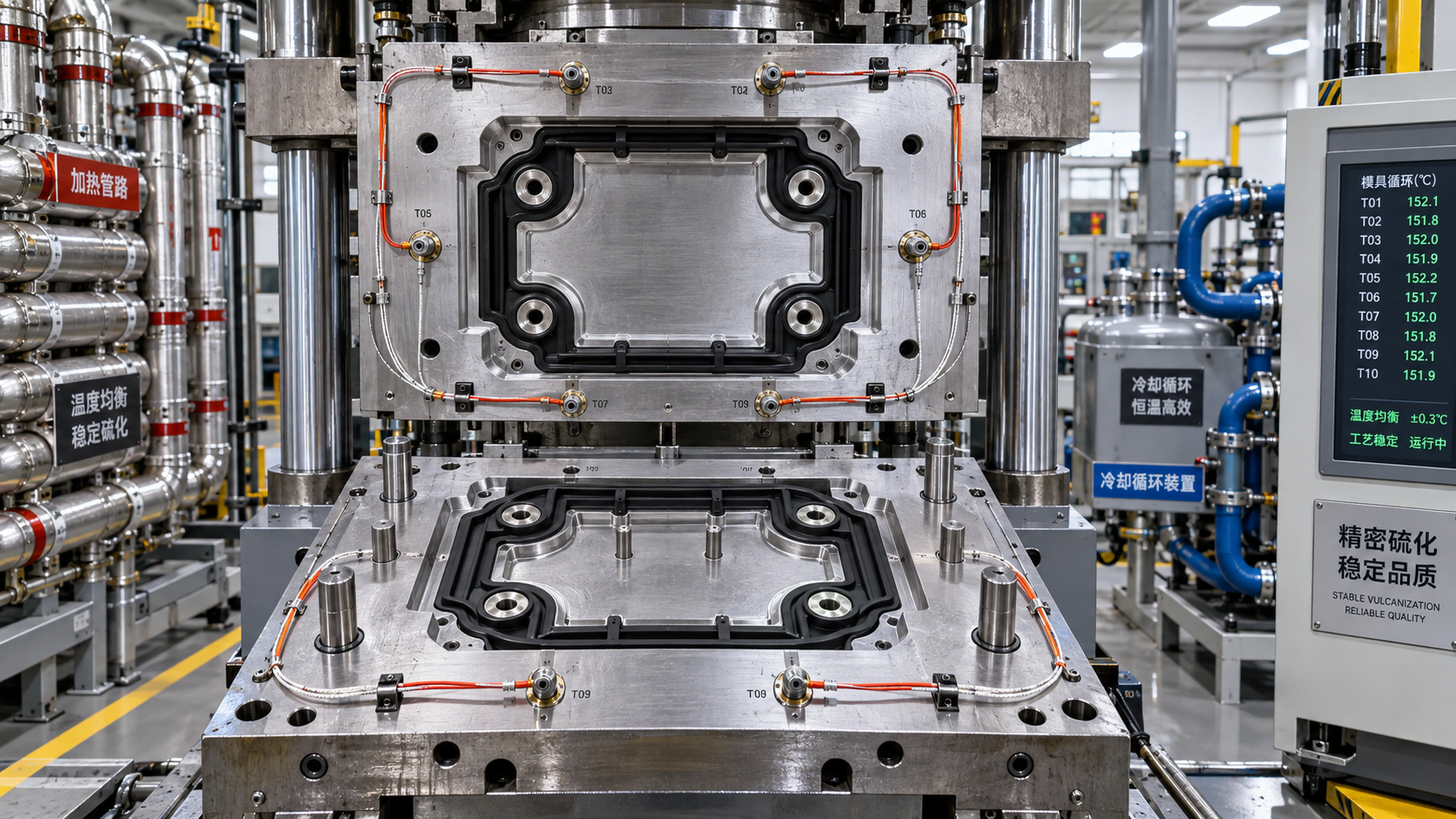
- Press repeatability matters because mold temperature, cavity pressure, platen alignment, and venting influence the final network.
- Batch stability requires measurement from mixing through vulcanization, not only final product inspection.
What actually changes during cross-link formation?
Before cure, rubber compounds behave as viscous, deformable materials. During elastomer cross-linking, the molecular chains become connected into a three-dimensional network, increasing torque in rheometer testing.
If cross-links are too sparse, the part may feel soft, swell excessively, or lose sealing force. If they are too dense, the part may become brittle, shrink unpredictably, or crack under dynamic loading.
Which variables most often disturb cure consistency?
In production, elastomer cross-linking is affected by both chemistry and machinery. A stable formulation can still fail when mixing energy, storage time, or vulcanizing machine conditions drift.
The following table helps quality and safety teams connect process variables with visible defects and measurable indicators before issues reach shipment.
This comparison shows why final hardness alone is insufficient. Two parts may reach similar hardness but have different cross-link structures, aging resistance, and safety margins.
Temperature is often the hidden multiplier
A few degrees can change cure speed significantly. In thick rubber goods, the surface may reach target cure earlier while the core lags, creating inconsistent elastomer cross-linking through the section.
Quality teams should avoid judging cure only by nominal set temperature. The real question is whether the thermal path inside the rubber matches the validated cure window.
How cure consistency affects QC release, safety risk, and scrap cost
In high-volume rubber molding, cure variation quickly becomes a commercial problem. Scrap consumes compound, press time, labor, and inspection capacity while delaying delivery.
For safety-critical components, inconsistent elastomer cross-linking can also create latent failures. A seal may pass dimensional checks, then lose force after heat aging or compression cycling.
QC teams should watch these early-warning signals
- Rheometer maximum torque drifting upward or downward between batches using the same specification.
- Scorch time shortening after compound storage, especially when ambient temperature rises.
- Hardness passing inspection while tensile strength, elongation, or compression set trends deteriorate.
- Different cavities showing repeatable deviation, suggesting machine or mold thermal imbalance.
- Defects increasing after a material supplier change, recycled content adjustment, or additive substitution.
Safety managers should treat these signs as process instability, not isolated cosmetic defects. The risk is highest when parts serve sealing, vibration isolation, electrical insulation, or transportation functions.
Which test data should be used to judge cross-linking stability?
A reliable cure control plan combines rheology, mechanical testing, dimensional data, and machine records. Each method sees a different layer of elastomer cross-linking behavior.
The table below gives a practical test matrix for factories seeking stronger release criteria and better communication between production, QC, procurement, and safety teams.
The strongest programs do not rely on one number. They compare cure curves with press data, then confirm whether performance tests remain inside the expected process window.
Useful standards and documentation references
Common rubber testing references may include ISO, ASTM, or customer-specific methods for hardness, tensile properties, compression set, heat aging, and rheometer testing.
The priority is not simply naming a standard. Plants must define sampling frequency, acceptance limits, calibration status, traceability, and reaction rules when elastomer cross-linking indicators move.
How to select vulcanizing equipment and process intelligence for stable curing
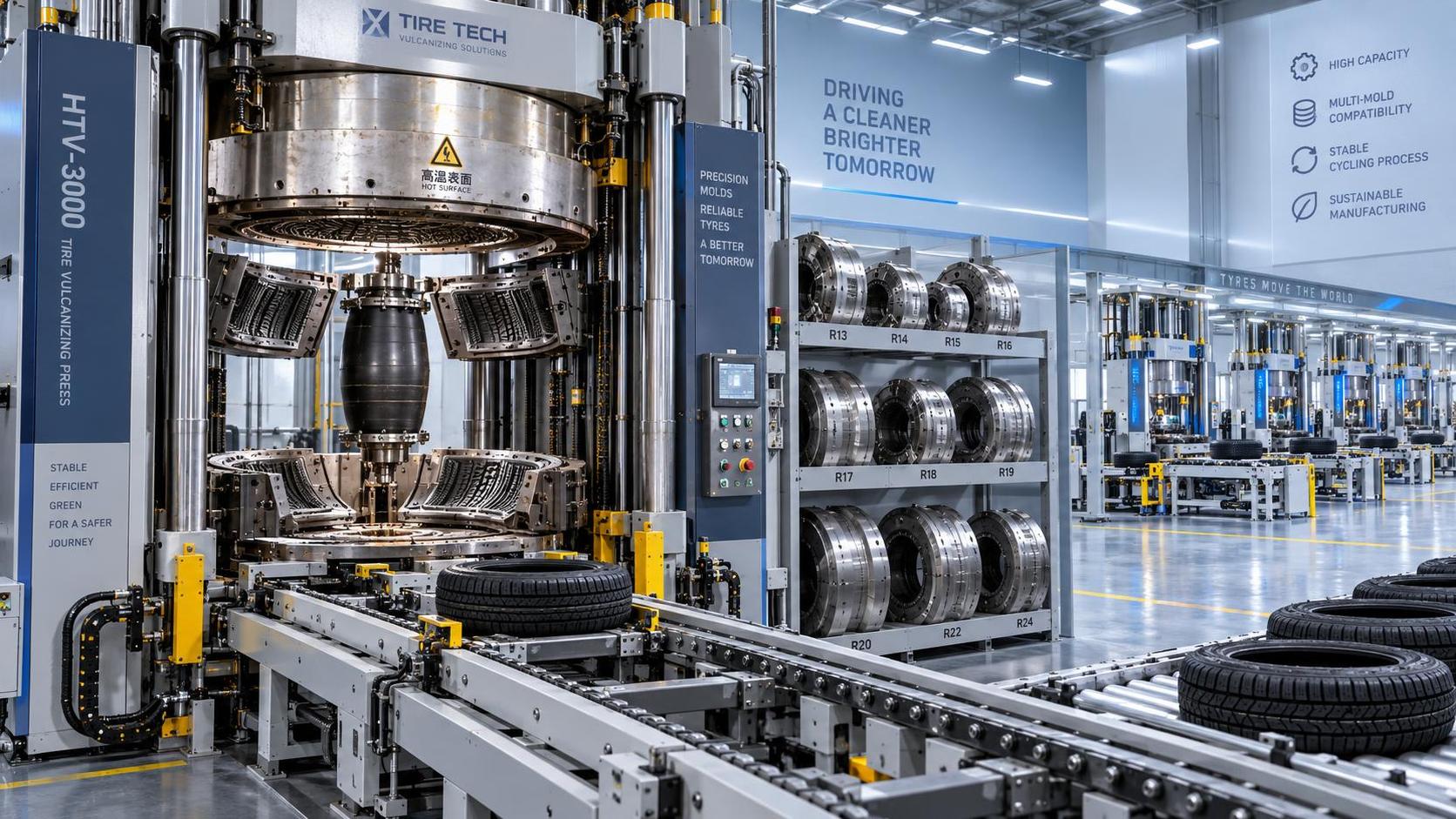
Procurement teams often compare tonnage, platen size, heating method, automation level, and price. QC and safety teams should add cure consistency requirements before purchase approval.
When equipment lacks temperature uniformity, data logging, pressure stability, or mold compatibility, elastomer cross-linking control becomes dependent on operator experience rather than validated process conditions.
Procurement checklist for quality-driven buyers
- Request platen temperature uniformity data under realistic heating and loading conditions, not only unloaded machine specifications.
- Confirm whether pressure, temperature, cycle time, alarm events, and operator changes can be logged for batch traceability.
- Evaluate mold venting, vacuum capability, and closing control when producing thick, complex, or safety-critical rubber parts.
- Check maintenance access for heaters, sensors, hydraulic components, insulation, and calibration points.
- Align machine selection with compound type, part geometry, cure system, production volume, and inspection burden.
A lower purchase price may be attractive, but weak cure control can increase testing cost, rework, customer complaints, and safety exposure over the equipment lifecycle.
Comparison: manual adjustment, recipe control, and digital cure intelligence
Many factories still depend on operator adjustments when cure drift appears. That can work for simple parts, but it becomes risky when elastomer cross-linking windows are narrow.
A structured comparison helps managers decide whether to invest in better controls, additional testing, or data integration across mixing and vulcanization.
Digital control does not replace process knowledge. It makes elastomer cross-linking variation visible earlier, allowing teams to intervene before an entire production lot is affected.
Implementation path for reducing cross-linking variation
Improvement should start with the highest-risk part families: seals, tires, vibration components, hose sections, electrical rubber parts, and products exposed to heat or pressure.
The goal is to build a closed loop from material preparation to cure release, so elastomer cross-linking behavior is verified before the finished goods warehouse.
A practical five-step control plan
- Define the critical-to-quality properties, including hardness, tensile strength, elongation, compression set, heat aging, and dimensional stability.
- Establish reference cure curves for approved compounds and document acceptable torque, scorch, and optimum cure windows.
- Map actual mold temperature and pressure behavior across cavities, shifts, and machine conditions.
- Link out-of-trend rheometer or press data to hold, recheck, or release decisions.
- Review failures by cause category: formulation, mixing, storage, machine, mold, operator, or environment.
This approach helps procurement teams justify better vulcanizing machines, while safety managers gain evidence that the process can sustain stable production conditions.
FAQ: questions quality and safety teams often ask
How can we tell whether elastomer cross-linking is under-cured or over-cured?
Under-cure often appears as low modulus, high compression set, weak tensile performance, tackiness, or swelling. Over-cure may cause brittleness, reduced elongation, hardening, and poor dynamic fatigue life.
A rheometer curve, combined with physical tests, gives stronger evidence than visual inspection. Always compare against the approved compound baseline and real press records.
Can increasing cure time solve cross-linking inconsistency?
Not always. Longer time may help thick sections reach cure, but it can over-cure surfaces or reduce productivity. The correct action depends on temperature distribution and compound response.
Before extending cycles, verify mold temperature uniformity, part thickness, cure kinetics, and the safety margin between scorch and optimum cure.
What should be checked after changing suppliers or formulations?
Check rheometer behavior, Mooney viscosity, dispersion quality, hardness, tensile properties, compression set, heat aging, and processing stability. Even equivalent materials can shift elastomer cross-linking response.
For safety-related parts, run controlled validation batches before full-scale release. Record lot numbers, storage conditions, press settings, and inspection results.
Which equipment data matters most for cure traceability?
Key data includes mold temperature, platen temperature, cure time, closing pressure, vacuum status, alarm events, operator identity, recipe version, and maintenance status.
When this information is linked with compound batch records, teams can identify whether elastomer cross-linking variation came from material, machine, mold, or handling.
Why work with PFRS for rubber vulcanization intelligence?
PFRS focuses on the full polymer processing lifecycle, including rubber vulcanizing machines, precision molding systems, extrusion platforms, blow molding, and plastic recycling equipment.
For teams managing elastomer cross-linking risk, this cross-process view matters. Cure consistency is connected with material rheology, heat transfer, machine architecture, automation, and compliance expectations.
What you can consult PFRS about
- Parameter confirmation for cure temperature, pressure, cycle time, rheometer limits, and production release logic.
- Vulcanizing machine selection based on part geometry, compound family, cavity count, traceability needs, and delivery pressure.
- Custom process intelligence planning for linking laboratory cure data with press records and final inspection outcomes.
- Compliance discussion for commonly used ISO, ASTM, customer audit, safety documentation, and calibration requirements.
- Quotation communication and supplier comparison support for plants balancing budget, quality risk, and long-term operating cost.
If your plant is seeing hardness drift, unexplained compression set failures, cavity-to-cavity variation, or unstable cure curves, the next step is not guessing.
Contact PFRS to discuss elastomer cross-linking control, rubber vulcanizing equipment evaluation, sample validation needs, delivery schedules, and data-driven cure consistency strategies.
Related News
- 00
0000-00
What Drives Underwater Pelletizing System Cost in High-Throughput Compounding? - 00
0000-00
Medical Molding for Lab Consumables: Choosing Processes for Low-Particle Parts - 00
0000-00
Smart Factory Costs for Plastics: Estimating ROI for Automation Projects - 00
0000-00
How to Evaluate a Packaging Molding Equipment Supplier for High-Volume Production - 00
0000-00
Where Recycled Plastic Innovation Delivers the Biggest Value in Packaging
Weekly Insights
Stay ahead with our curated technology reports delivered every Monday.
Related News
 Elastomer Curing StrategistHow to Evaluate a Tire Curing Equipment Supplier for Capacity, Support, and UptimeChoose the right tire curing equipment supplier with proven capacity, responsive support, and uptime solutions. Learn key evaluation criteria for reliable production.Oct 07, 2026
 Elastomer Curing StrategistThermal Management in Vulcanization: Preventing Temperature Drift Across the MoldVulcanization thermal management: learn how to prevent mold temperature drift, improve cure consistency, protect part quality, and optimize cycle performance.Sep 28, 2026
 Elastomer Curing StrategistHow Curing Press Control Shapes Uniformity and Tread Life in Truck Tire ManufacturingTire manufacturing for truck tires depends on precise curing press control. Learn how pressure, temperature, and mold performance improve uniformity, tread life, and casing reliability.Sep 21, 2026
 Elastomer Curing StrategistHow to Size a Tire Curing Press Machine for Capacity, Mold Type, and Cycle TimeTire curing press machine sizing guide: match capacity, mold type, clamping force, thermal control, and cycle time for reliable, scalable tire production.Sep 14, 2026
 Elastomer Curing StrategistHow to Evaluate Radial Tire Manufacturing Equipment for Output, Uniformity, and ROIRadial tire manufacturing equipment: learn how to compare output, uniformity, and ROI with practical criteria that help you choose a more stable, cost-effective tire production line.Aug 06, 2026
 Elastomer Curing StrategistHow to Evaluate a Rubber Vulcanizing Equipment Exporter for Quality, Service, and ComplianceRubber vulcanizing equipment exporter selection starts with quality, service, and compliance. Learn how to compare suppliers, reduce risk, and choose a partner that supports reliable production.Jul 12, 2026
 Elastomer Curing StrategistHow to Evaluate a Rubber Vulcanization Manufacturer for Quality, Lead Time, and ComplianceRubber vulcanization manufacturer selection starts with quality, lead time, and compliance. Learn what to check, spot risks early, and choose a supplier that supports reliable production.Jul 08, 2026
 Elastomer Curing StrategistHigh Output Tire Manufacturing: Key Process Bottlenecks and How Plants Solve ThemHigh output tire manufacturing explained: discover the bottlenecks that limit throughput and how leading plants boost output, protect quality, and reduce hidden losses.Jul 04, 2026
 Elastomer Curing StrategistAutomatic Tire Curing Presses: Common Types, Controls, and Maintenance TipsAutomatic tire curing presses guide: explore common press types, control systems, failure signs, and maintenance tips to improve cure consistency, cut downtime, and boost plant performance.Jun 26, 2026
 Elastomer Curing StrategistTire Curing Presses Cost Breakdown: What Drives Price, Maintenance, and ROITire curing presses cost explained: compare price drivers, maintenance risks, utility use, and ROI factors to choose a press that cuts downtime and improves long-term profitability.Jun 17, 2026
 Elastomer Curing StrategistRubber Vulcanizing Machines Buying Guide: Press Type, Tonnage, Heating, and Cycle TimeRubber vulcanizing machines buying guide covering press type, tonnage, heating, and cycle time. Learn how to compare options, reduce defects, and choose the right machine with confidence.Jun 11, 2026
 Elastomer Curing StrategistCommon Problems in Rubber Vulcanizing Machines and How to Fix Uneven CuringRubber vulcanizing machines often suffer uneven curing from heat, pressure, or control drift. Learn the key causes, practical fixes, and smarter checks to cut scrap fast.Jun 06, 2026
![]() Elastomer Curing StrategistHow to Choose Rubber Vulcanizing Machines for Tire and Industrial Rubber ProductionRubber vulcanizing machines guide for tire and industrial rubber production: compare heating, pressure control, automation, and lifecycle cost to choose reliable, efficient equipment.Jun 04, 2026
Elastomer Curing StrategistHow to Choose Rubber Vulcanizing Machines for Tire and Industrial Rubber ProductionRubber vulcanizing machines guide for tire and industrial rubber production: compare heating, pressure control, automation, and lifecycle cost to choose reliable, efficient equipment.Jun 04, 2026 Elastomer Curing StrategistAre rubber vulcanizing machines worth retrofitting?Rubber vulcanizing machines can gain new life with smart retrofits. Learn when upgrades improve uptime, safety, energy use, and curing quality—and when replacement pays off.May 31, 2026
 Elastomer Curing StrategistWhy elastomer cross-linking changes cure consistencyElastomer cross-linking drives cure consistency, affecting hardness, tensile strength, scrap, and safety. Learn key variables and smarter QC controls.May 30, 2026
 Elastomer Curing StrategistWhat affects elastomer cross-linking in tire curing most?Elastomer cross-linking in tire curing depends most on compound formulation, temperature, time, and pressure. Learn what truly drives tire strength, durability, and process consistency.May 25, 2026
 Elastomer Curing StrategistWhat rubber vulcanizing machines need for safer daily useRubber vulcanizing machines need daily checks, stable temperature and pressure control, and smart maintenance for safer use. Learn practical steps to cut downtime and protect operators.May 23, 2026
 Elastomer Curing StrategistHigh-Performance Elastomers: Which Properties Matter in Long-Service Parts?High-performance elastomers for long-service parts: learn which properties matter most for sealing, motion, heat, chemicals, and durability to reduce downtime and lifecycle cost.May 15, 2026
 Elastomer Curing StrategistRubber Vulcanizing Machines: Maintenance Checks That Prevent ScrapRubber vulcanizing machines perform best when key maintenance checks stay on track. Learn how temperature, pressure, alignment, and venting control scrap and improve output.May 11, 2026
 Elastomer Curing StrategistHigh-Performance Elastomers in Tire Curing: What ChangedHigh-performance elastomers are reshaping tire curing through tighter process control, energy efficiency, and better quality consistency. See what changed and why it matters.May 11, 2026