How advanced polymer molding improves part consistency




For quality control and safety teams, advanced polymer molding is more than a production upgrade—it is a practical path to tighter tolerances, fewer defects, and more stable process performance. By combining precise temperature control, optimized pressure profiles, and data-driven monitoring, manufacturers can improve part consistency while reducing risk, scrap, and compliance issues across demanding industrial applications.
In polymer processing, part consistency is not just a dimensional target. It affects seal integrity, assembly fit, mechanical strength, traceability, operator safety, and regulatory readiness. Whether the product is a medical component, an automotive housing, a food-contact package, or a recycled resin application, even small shifts in melt behavior can create large downstream problems.
For teams evaluating equipment, process controls, or supplier capability, the real question is straightforward: how does advanced polymer molding create repeatable output across thousands or millions of cycles? The answer lies in machine precision, mold design discipline, material stability, digital monitoring, and a quality system that treats variation as a measurable risk rather than an unavoidable cost.
Why advanced polymer molding delivers more consistent parts
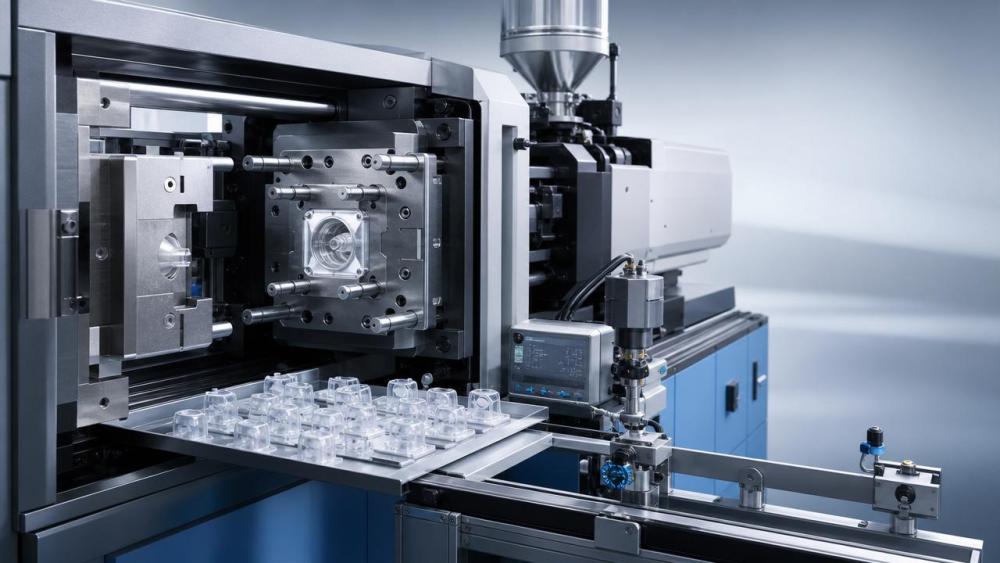
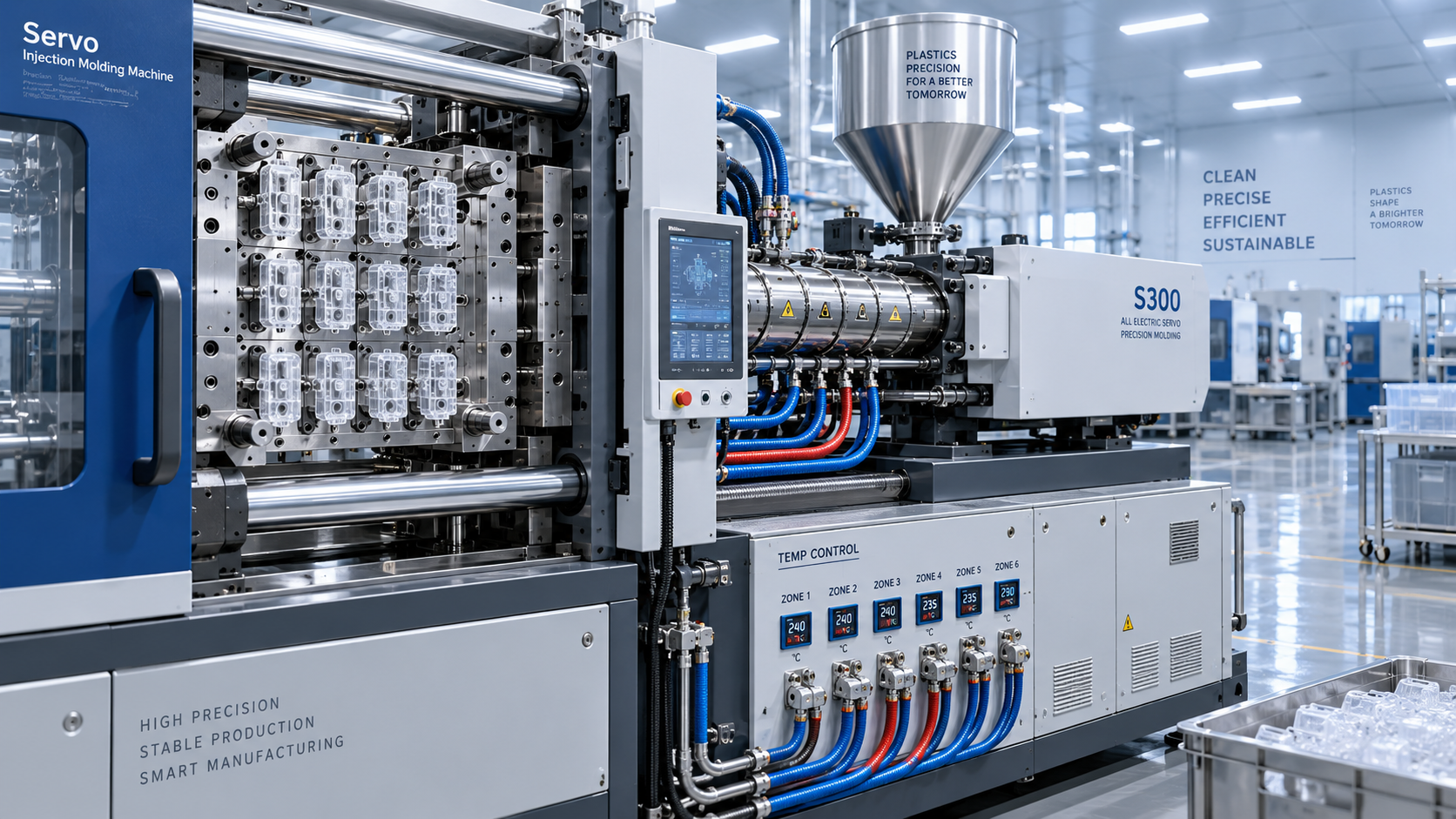
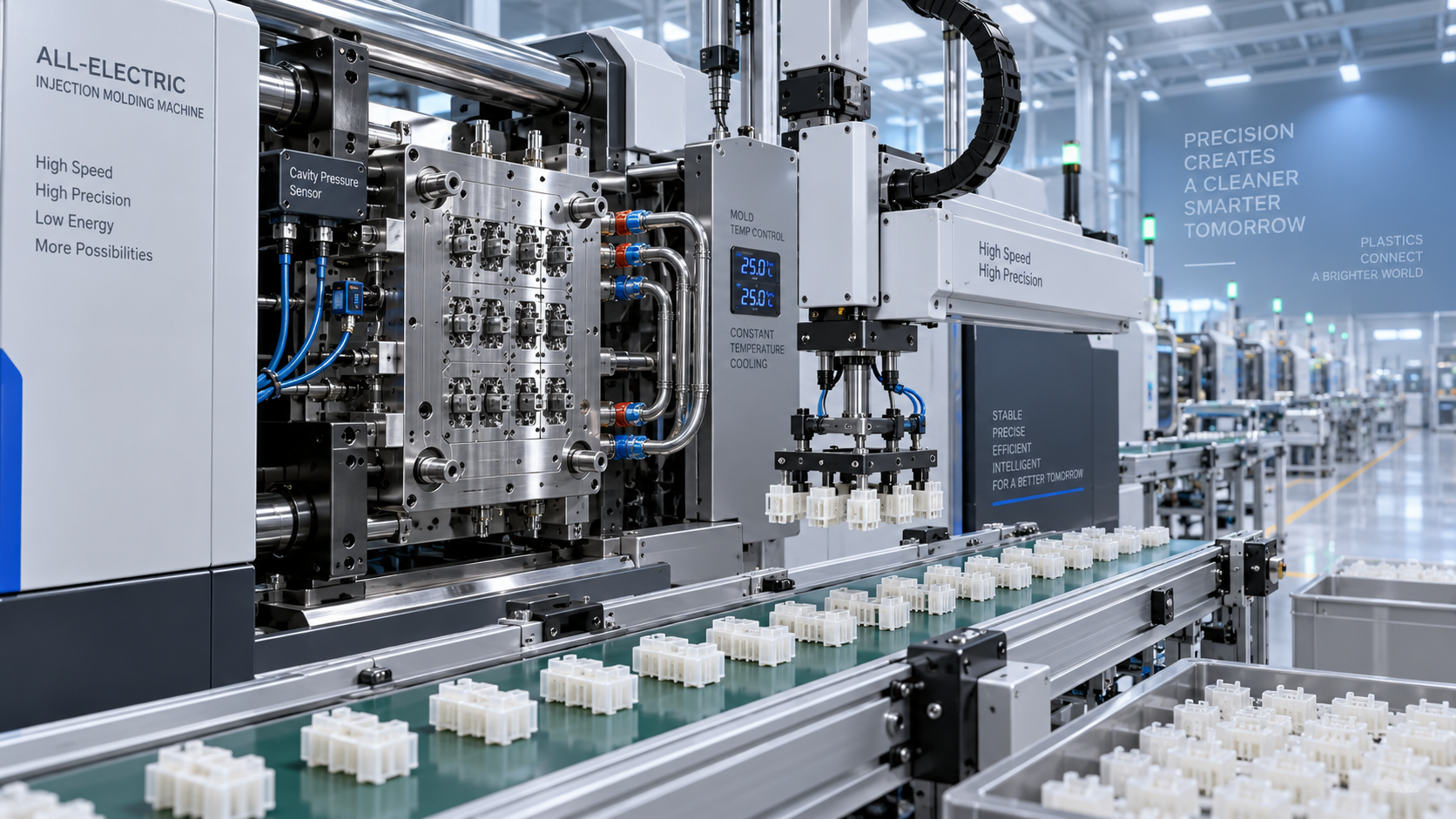
Advanced polymer molding refers to molding systems and control methods that reduce process drift across critical variables. In practice, that usually means tighter control of melt temperature, injection speed, holding pressure, cooling time, clamp stability, and part ejection conditions. On modern lines, repeatability targets often fall within ±0.1% to ±0.5% for key machine movements, depending on part size and resin sensitivity.
For quality control teams, this matters because many visible defects begin as invisible process fluctuations. A barrel temperature swing of 3°C to 5°C, a holding pressure deviation of 2% to 4%, or moisture outside the recommended range can shift part weight, shrinkage, and surface quality long before failures appear at final inspection.
Core process variables that shape repeatability
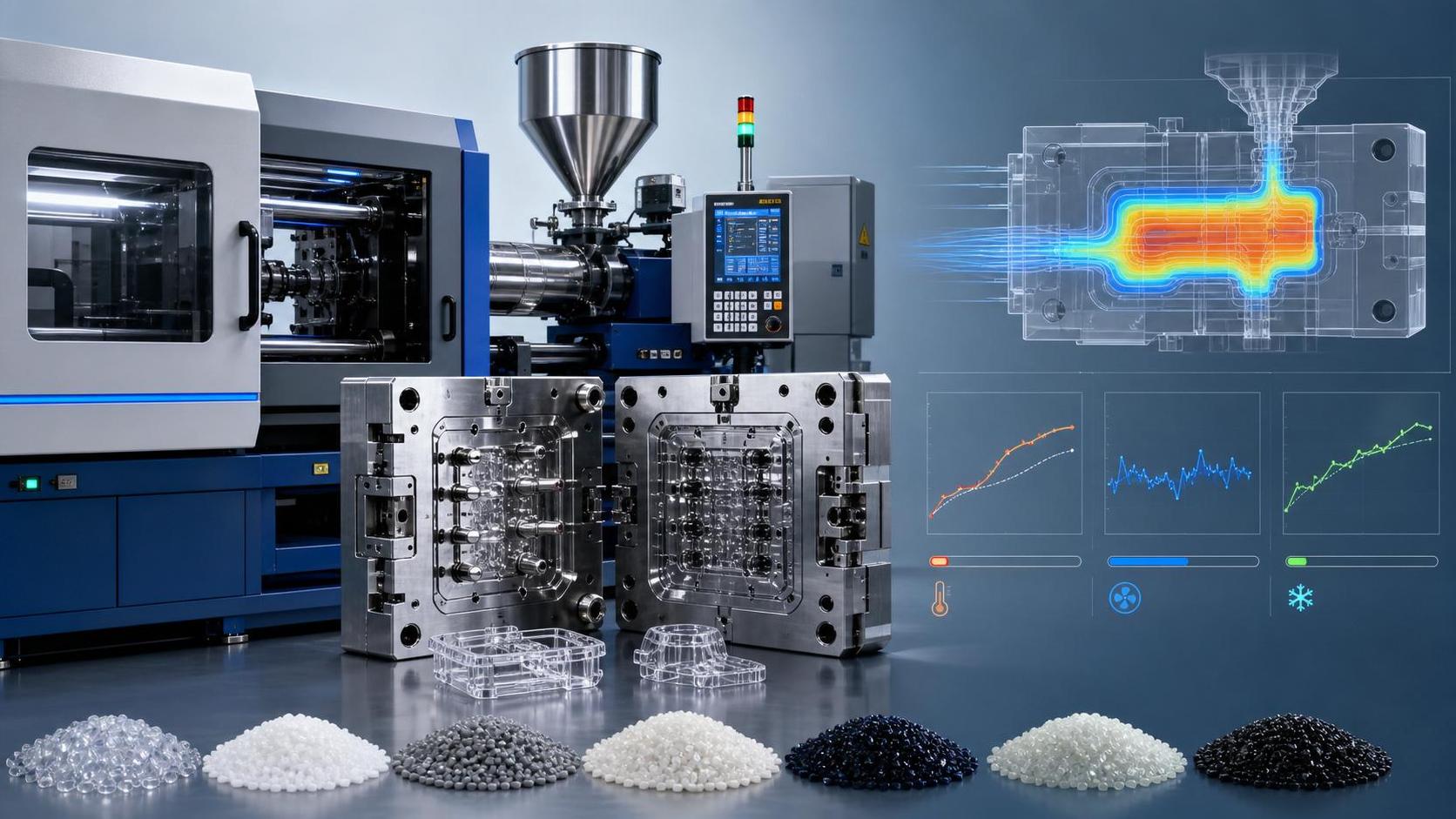
In injection molding, five variables usually determine whether a part remains within specification over long runs: melt temperature, mold temperature, fill rate, pack-and-hold profile, and cooling consistency. In extrusion and blow molding, screw speed, die pressure, parison or melt distribution, and line speed play an equally decisive role. Advanced polymer molding improves control over these variables through servo systems, closed-loop feedback, and more stable thermal architecture.
- Temperature stability reduces viscosity variation and helps maintain repeatable flow fronts.
- Pressure profile control improves cavity packing and lowers the risk of sinks, voids, and flash.
- Precise cooling shortens dimensional drift, especially on thin-wall or high-gloss parts.
- Machine response speed helps operators correct deviations within seconds rather than after a full batch.
What consistency means for quality and safety teams
Consistent parts support three practical goals: lower defect rates, fewer safety incidents, and stronger compliance documentation. If a molded valve body varies by only ±0.15 mm in a critical feature, assembly loads stay predictable. If wall thickness variation is reduced from 8% to 3%, burst resistance and leak performance become easier to validate. These are not cosmetic gains; they directly affect field reliability and audit readiness.
For PFRS readers following developments across injection molding, extrusion, blow molding, rubber vulcanization, and recycled polymer systems, the common pattern is clear. The more precisely a line can manage rheology, heat transfer, and cycle-to-cycle feedback, the more reliable the finished part becomes.
The table below shows how typical process improvements in advanced polymer molding influence common quality outcomes across industrial applications.
The key takeaway is that part consistency is rarely improved by one machine feature alone. It results from controlled interaction between material, machine, mold, and monitoring system. That is why advanced polymer molding often produces the strongest return when implemented as a process discipline rather than only a capital upgrade.
Where inconsistency starts in polymer processing
Before teams can improve consistency, they must identify the main sources of variation. In most polymer plants, defects do not originate from a single failure point. Instead, they appear when 3 to 5 moderate deviations overlap: unstable resin feed, worn screws or barrels, uneven mold cooling, poor venting, or delayed corrective action after a pressure drift alarm.
Material-related causes
Polymer behavior changes with moisture, regrind ratio, additive dispersion, bulk density, and lot-to-lot rheology. A recycled stream with inconsistent contamination control, for example, may change melt flow enough to alter fill balance. For quality teams working with circular materials such as rPET or rPE, filtration quality and contamination screening are often just as important as press settings.
Typical material checks
- Confirm moisture level before processing, especially for hygroscopic resins.
- Control regrind ratio within a validated band, often 5% to 20% depending on product and application.
- Track supplier lot changes and compare melt flow behavior during first-run approval.
- Review contamination and gel risk when using recycled feedstock.
Equipment and tooling causes
Even high-grade polymers cannot compensate for inconsistent machine response. Wear in check rings, screw flights, non-return valves, hydraulic components, or mold parting surfaces can create subtle but persistent output changes. On extrusion lines, die build-up and uneven heating zones can shift thickness profiles. On vulcanizing systems, poor temperature uniformity can affect cross-link density and final mechanical behavior.
For safety managers, equipment inconsistency also creates operational risk. A flash-prone mold, unstable clamp force, or frequent manual intervention around hot tools increases the chance of operator exposure. Advanced polymer molding reduces that exposure by keeping the process inside validated limits for longer periods.
Human and system causes
Some plants still depend on manual adjustments every 30 to 60 minutes. That approach may keep production running, but it weakens traceability and makes root-cause analysis harder. Digital recipe management, alarm thresholds, and automatic data capture help remove operator-to-operator variation. In regulated or safety-sensitive sectors, that difference can determine whether a deviation is contained in 20 parts or spreads across 2,000.
How to evaluate advanced polymer molding systems
Not every molding system marketed as advanced will improve part consistency in your application. Quality and safety teams should look beyond headline tonnage, cycle speed, or energy claims. The more useful evaluation method is to compare process stability, data visibility, maintenance access, and validation support across the full production window.
Four decision criteria for buyers and technical reviewers
- Control accuracy: Can the machine hold temperature, pressure, and speed inside your required band for 8 to 24 hours?
- Monitoring depth: Does the system capture cavity pressure, cycle trends, alarm history, and recipe revisions?
- Material compatibility: Can it process virgin, filled, engineered, or recycled polymers without excessive drift?
- Maintenance discipline: Are critical wear components accessible, documented, and easy to inspect on a weekly or monthly schedule?
The comparison below can help procurement, production, quality, and EHS teams align around the practical indicators that matter most when selecting advanced polymer molding capability.
For decision-makers, the most valuable systems are usually those that support fewer unplanned interventions, faster deviation response, and clearer digital evidence during audits or customer complaints. That combination improves both consistency and operational confidence.
Questions to ask suppliers or internal engineering teams
When reviewing a machine, line upgrade, or process package, ask for data that reflects real production conditions. Examples include temperature stability over a 12-hour run, part-weight variation over 500 cycles, recovery time after a material change, and preventive maintenance intervals for wear components. These indicators are more useful than generic claims about precision.
Implementation steps that improve results quickly
A successful advanced polymer molding program does not always require a complete equipment replacement. Many plants achieve measurable gains through a staged approach over 4 to 12 weeks. The most effective plan typically combines process mapping, parameter validation, operator training, and digital monitoring upgrades.
A practical 5-step rollout
- Baseline the current process using defect rate, part weight, cycle time, and downtime records.
- Identify the 3 to 5 critical-to-quality features and link them to machine parameters.
- Lock validated recipes and define alarm thresholds for temperature, pressure, and cycle variation.
- Train operators, setters, quality inspectors, and EHS staff on response actions.
- Review weekly trend data and adjust maintenance frequency based on actual drift patterns.
Control plan elements quality teams should document
A robust control plan should specify sampling frequency, reaction plans, parameter limits, and release criteria. For example, teams may inspect critical dimensions every 30 minutes during startup, then every 2 hours after the process reaches statistical stability. If part weight shifts by more than 1%, the line should trigger a predefined hold-and-check routine rather than rely on ad hoc adjustments.
In sectors using recycled material streams, teams should also document incoming material checks, contamination screening, and filtration maintenance. This is especially relevant for PFRS audiences tracking waste plastic pelletizing and closed-loop manufacturing, where feedstock variability directly affects consistency on downstream molding lines.
Common mistakes that reduce consistency even on advanced lines
Advanced equipment does not automatically create advanced output. Several recurring mistakes prevent manufacturers from realizing the full value of advanced polymer molding, especially when production volume rises or resin conditions change.
Frequent process management errors
- Changing multiple parameters at once and losing clear cause-and-effect visibility.
- Ignoring mold cooling balance until warpage becomes visible at final inspection.
- Using the same setup logic for virgin and recycled materials without validating flow behavior.
- Focusing only on cycle time reduction while allowing defect escape risk to increase.
Why this matters for safety and compliance
Every unstable process creates extra handling, extra troubleshooting, and extra exposure. More manual purging, more mold access, and more restart interventions all increase operational risk. From a compliance perspective, inconsistent output also weakens traceability. If a defect is discovered in the field, poor process records make containment slower and more expensive.
Advanced polymer molding is most valuable when it becomes part of a wider system: stable material preparation, disciplined tooling maintenance, real-time monitoring, and quality plans built around measurable thresholds. For quality control and safety managers, that means fewer surprises and more confidence in every production run.
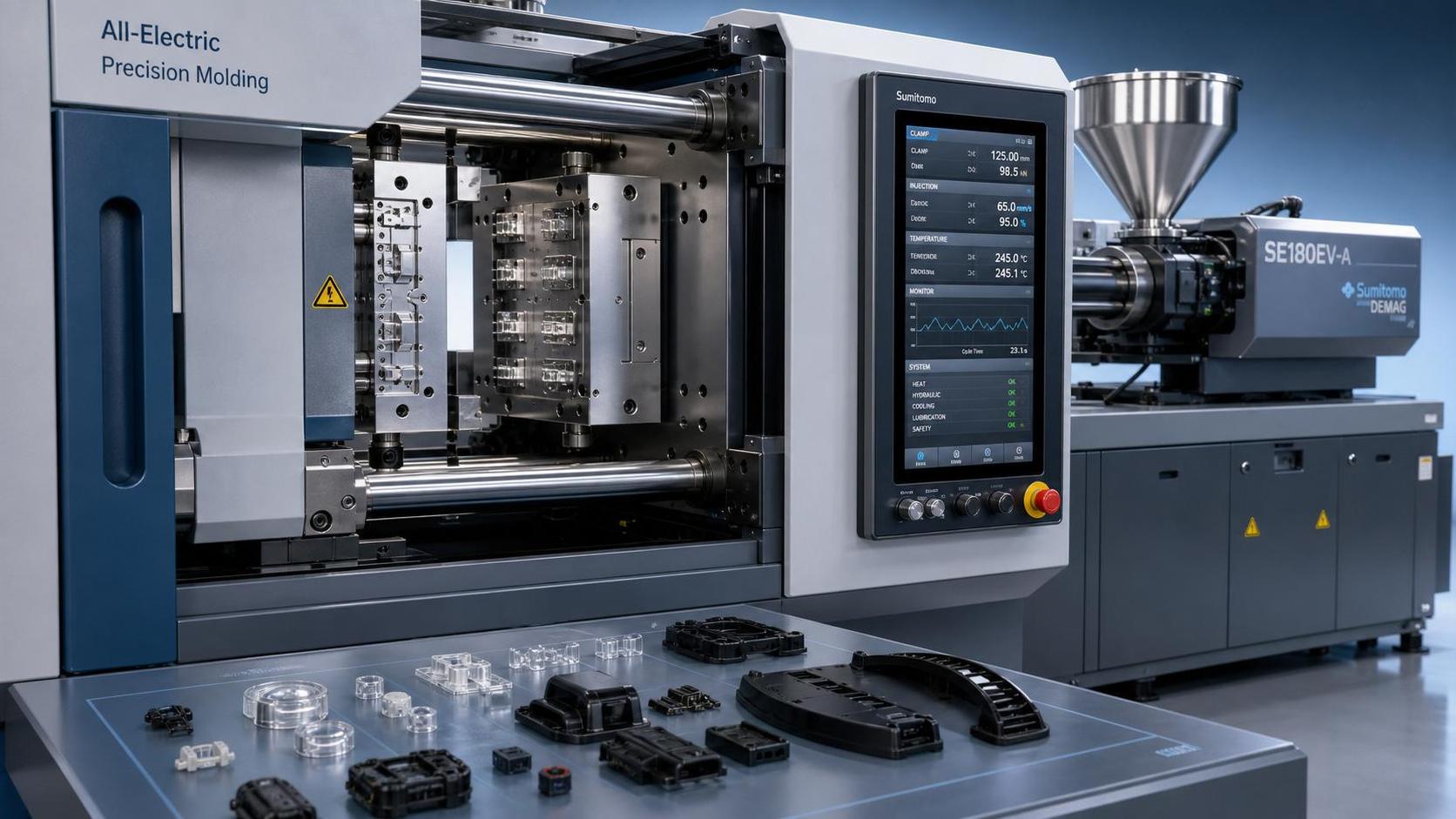
PFRS continues to track the technologies shaping this shift, from all-electric precision injection molding and high-response extrusion control to smarter recycling integration and process intelligence. If your team is assessing how to improve part consistency, reduce scrap, or strengthen process compliance, now is the right time to review your molding strategy in detail.
Contact us to explore tailored solutions, compare equipment paths, or discuss the right advanced polymer molding approach for your production, quality, and safety objectives.
Related News
- 00
0000-00
Smart Factory Costs for Plastics: Estimating ROI for Automation Projects - 00
0000-00
How to Evaluate a Packaging Molding Equipment Supplier for High-Volume Production - 00
0000-00
Where Recycled Plastic Innovation Delivers the Biggest Value in Packaging - 00
0000-00
How to Evaluate a Tire Curing Equipment Supplier for Capacity, Support, and Uptime - 00
0000-00
How to Size a Servo Injection Molding Press for High-Precision Parts
Weekly Insights
Stay ahead with our curated technology reports delivered every Monday.
Related News
 Polymer Molding ScientistHow to Size a Servo Injection Molding Press for High-Precision PartsServo injection molding press sizing guide for high-precision parts: optimize clamp force, shot capacity, injection pressure, recovery, and mold fit.Oct 06, 2026
 Polymer Molding ScientistHow High-Speed Precision Injection Molding Controls Part Tolerances at ScalePrecision injection molding high speed processes achieve tight tolerances at scale through stable filling, cavity pressure control, balanced cooling, and data-driven quality monitoring.Oct 05, 2026
 Polymer Molding ScientistHow to Specify Injection Molding Equipment for High-Volume Closure ProductionInjection molding equipment for caps: learn how to specify a high-volume closure cell with stable output, efficient energy use, automation, inspection, and process control.Oct 01, 2026
 Polymer Molding ScientistHow to Qualify a Servo Injection Molding Exporter for Global SourcingServo injection molding exporter qualification guide: assess technical fit, factory audits, FAT, landed cost, documentation, and service support for confident global sourcing.Sep 25, 2026
 Polymer Molding ScientistCan Recycled Pellets Meet Injection Molding Quality Requirements?Can recycled pellets meet injection molding quality requirements? Explore material control, testing, blending, and processing strategies for reliable molded parts.Sep 27, 2026
 Polymer Molding ScientistHow to Evaluate Industrial Injection Molding Machines for Indian Production PlantsIndustrial injection molding machines India: learn how to evaluate mould fit, resin performance, energy use, automation, service support, and long-term production value.Sep 09, 2026
 Polymer Molding ScientistHow to Choose an All-Electric Molding Machine for High-Precision ProductionAll-electric molding machine selection guide for high-precision production—evaluate repeatability, injection control, energy efficiency, and long-term process stability.Sep 02, 2026
 Polymer Molding ScientistHow to Evaluate All-Electric Injection Molding Machines in FranceAll-electric injection molding France evaluation starts with part needs, process stability, energy use, and EU support. Discover what French buyers should compare before choosing a machine.Aug 20, 2026
 Polymer Molding ScientistInjection Molding Systems for Connectors: Key Requirements for Precision and Cycle TimeInjection molding systems for connectors must balance precision and cycle time. Learn the key machine, mold, material, and automation factors that reduce scrap and boost output.Jul 14, 2026
 Polymer Molding ScientistHow to Choose an Electric Injection Molding Machine With CE for EU Production LinesElectric injection molding CE selection for EU lines starts with compliance, precision, and lifetime cost. Learn how to compare machines, documentation, and supplier support with confidence.Jul 14, 2026
 Polymer Molding ScientistInjection Molding Equipment in South Korea: What Buyers Should Check Before Requesting QuotesInjection molding equipment South Korea buyers compare should be judged beyond price. Learn the key RFQ checks, performance metrics, and cost risks before requesting quotes.Jul 12, 2026
 Polymer Molding ScientistRecycled Polymer Applications in Injection Molding: Best Uses and Material LimitsRecycled polymer applications injection molding explained: discover the best-fit parts, key material limits, and practical ways to cut cost while maintaining stable quality.Jul 09, 2026
![]() Polymer Molding ScientistPrecision Injection Molding Equipment Selection Guide: Tolerance, Repeatability, and Shot SizePrecision injection molding equipment selection guide covering tolerance, repeatability, and shot size. Learn how to reduce scrap, improve stability, and choose the right machine.Jul 07, 2026
Polymer Molding ScientistPrecision Injection Molding Equipment Selection Guide: Tolerance, Repeatability, and Shot SizePrecision injection molding equipment selection guide covering tolerance, repeatability, and shot size. Learn how to reduce scrap, improve stability, and choose the right machine.Jul 07, 2026 Polymer Molding ScientistHow to Evaluate a Servo Molding Technology Supplier for Precision Parts ProductionServo molding technology supplier selection starts with proof, not promises. Learn how to compare precision control, lifecycle cost, service, and digital support for better parts production.Jul 05, 2026
 Polymer Molding ScientistPrecision Injection Molding Systems: Which Process Parameters Matter Most for Part Consistency?Precision injection molding systems depend on tight control of melt temperature, speed, pressure, and cooling. Discover which parameters matter most to cut scrap and improve part consistency.Jul 03, 2026
 Polymer Molding ScientistHow to Compare Injection Molding Equipment by Clamping Force, Shot Size, and Energy UseInjection molding equipment comparison starts with the right metrics. Learn how clamping force, shot size, and energy use affect quality, stability, and long-term operating cost.Jun 30, 2026
 Polymer Molding ScientistHow to Choose Precision Plastic Molding Machinery for Tight-Tolerance PartsPrecision plastic molding machinery selection goes beyond tonnage. Learn how to match control, thermal stability, and mold compatibility for tight-tolerance parts with confidence.Jun 28, 2026
 Polymer Molding ScientistHow to Evaluate Injection Molding Machines in India: Tonnage, Shot Size, and Power CostsInjection molding machines India buyers compare should be judged by tonnage, shot size, and power costs. Learn how to choose the right machine for better output and lower long-term risk.Jun 27, 2026
 Polymer Molding ScientistAll-Electric Injection Molding Machines Cost Breakdown: What Drives Price and ROI?All-electric injection molding machines cost explained: discover the real price drivers, hidden costs, and ROI factors to compare electric, hybrid, and hydraulic options with confidence.Jun 25, 2026
 Polymer Molding ScientistAutomotive Plastic Molding Machinery Selection: Key Clamping, Shot Size, and Automation FactorsAutomotive plastic molding machinery selection starts with the right clamping force, shot size, and automation fit. Learn how to reduce risk, improve quality, and choose smarter for automotive production.Jun 23, 2026